


Glyphosate, the active ingredient in Roundup and the most heavily used herbicide in the world, is now showing up in the urine of more than 80% of Americans – and new research from New York University shows how its reach is extending into unborn fetuses, during one of their most vulnerable windows.
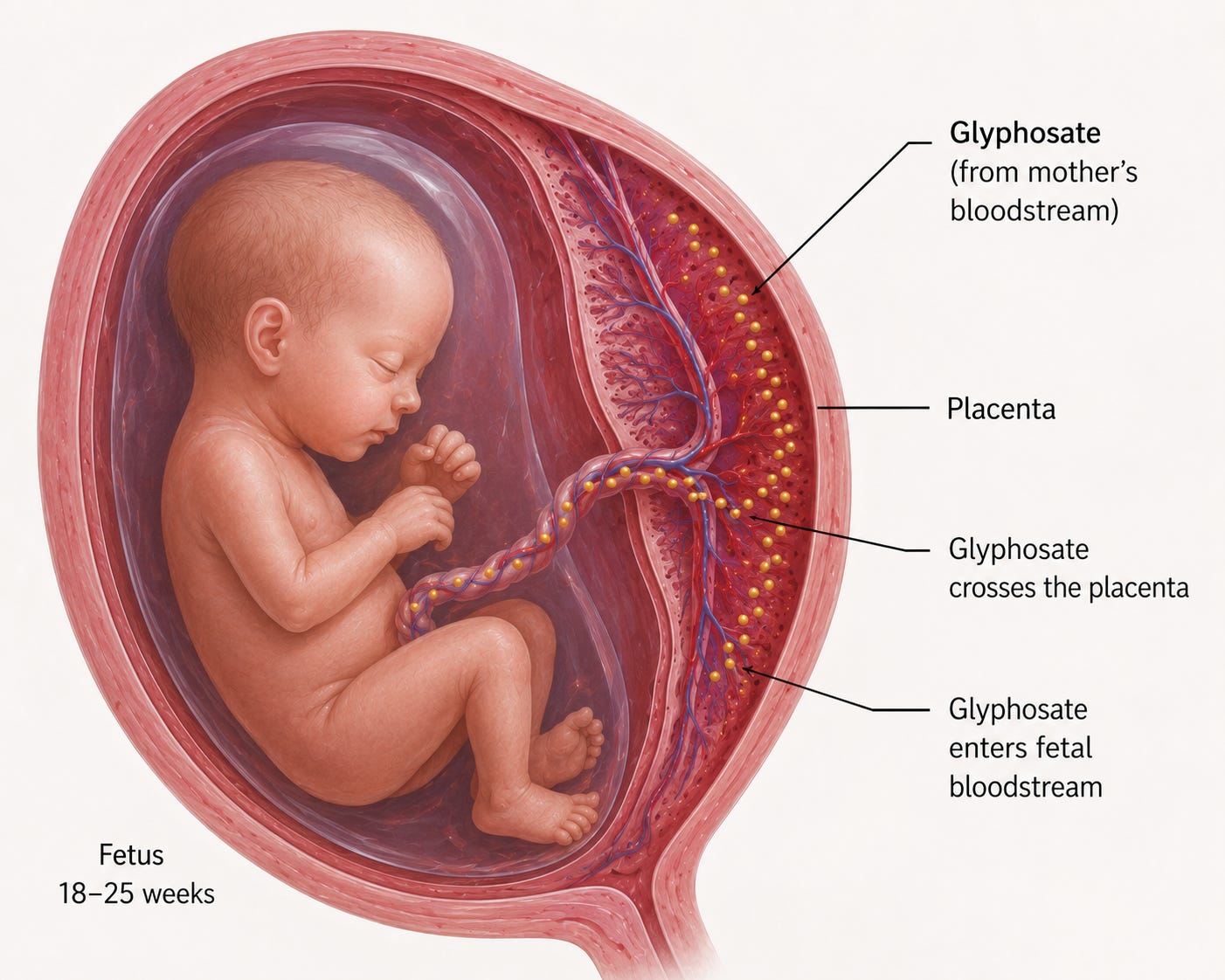
Scientists at NYU Langone Health followed 1,450 pregnancies in New York City between 2016 and 2019 and found that women with more glyphosate in their urine during mid-pregnancy had 35% higher odds of delivering before 37 weeks, the point that marks a birth as premature.
“These results underscore the need for stronger regulations to protect the health of pregnant women and infants, two groups long known to be especially vulnerable to chemicals in the environment,” says Leonardo Trasande, MD, MPP, the study’s senior author and a professor of pediatrics at NYU Grossman School of Medicine.
The more glyphosate a woman carried in her urine between 18 and 25 weeks of pregnancy, the higher her odds of preterm birth. The same pattern did not appear when glyphosate was measured in the first months of pregnancy, only in the middle stretch between 18 and 25 weeks.
A Vulnerable Window
Preterm birth, defined as delivery before 37 weeks, is the leading cause of newborn death in the United States and affects roughly one in 10 births. Babies who arrive early face higher rates of breathing trouble and infection in their first fragile weeks and a greater likelihood of learning and developmental struggles in the years that follow.
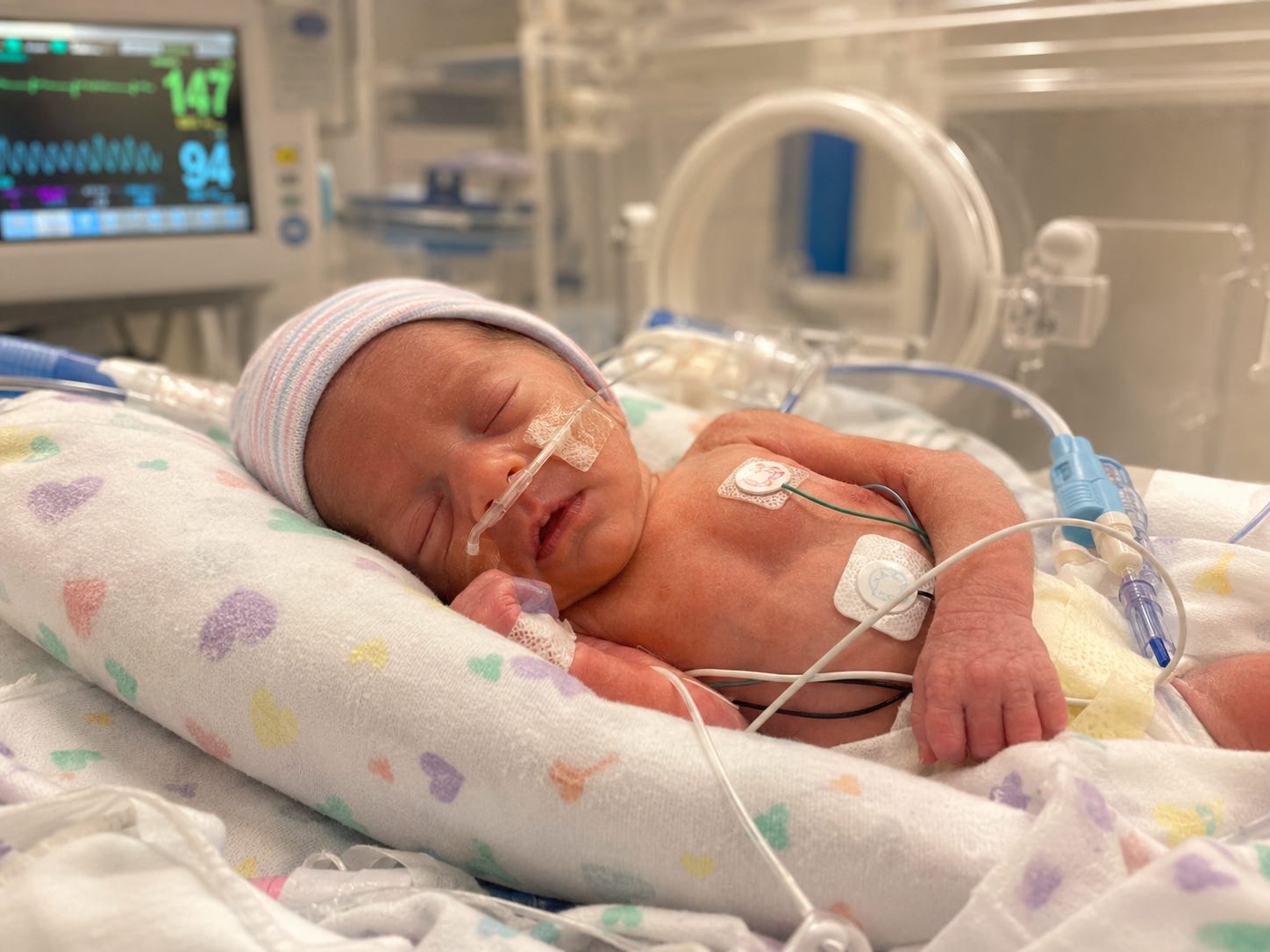
Those rates have been climbing, up 12% between 2014 and 2022, a trend clinicians cannot fully explain. Many of the classic risk factors, like a mother’s age, are fixed and beyond anyone’s control, which is what makes a chemical exposure worth paying attention to, because unlike age, it is something that can actually be reduced.
How the Herbicide Acts on the Body
Laboratory work in animals and human cells points to several ways glyphosate could disturb a pregnancy. It interferes with estrogen production in human placental cells and, in animal studies, inflames and damages the placenta, the organ that delivers food and oxygen to a growing baby and shields it from harm. Because the placenta is vital to the life of the fetus, any damage to it reaches the baby directly.
Teresa Herrera, a doctoral candidate at NYU Grossman School of Medicine who led the study, says this is not an isolated discovery. “Our findings add to a growing body of evidence that exposure to glyphosate early in life may lead to health concerns that can echo throughout a lifetime,” she said.
A Chemical Almost Impossible to Avoid
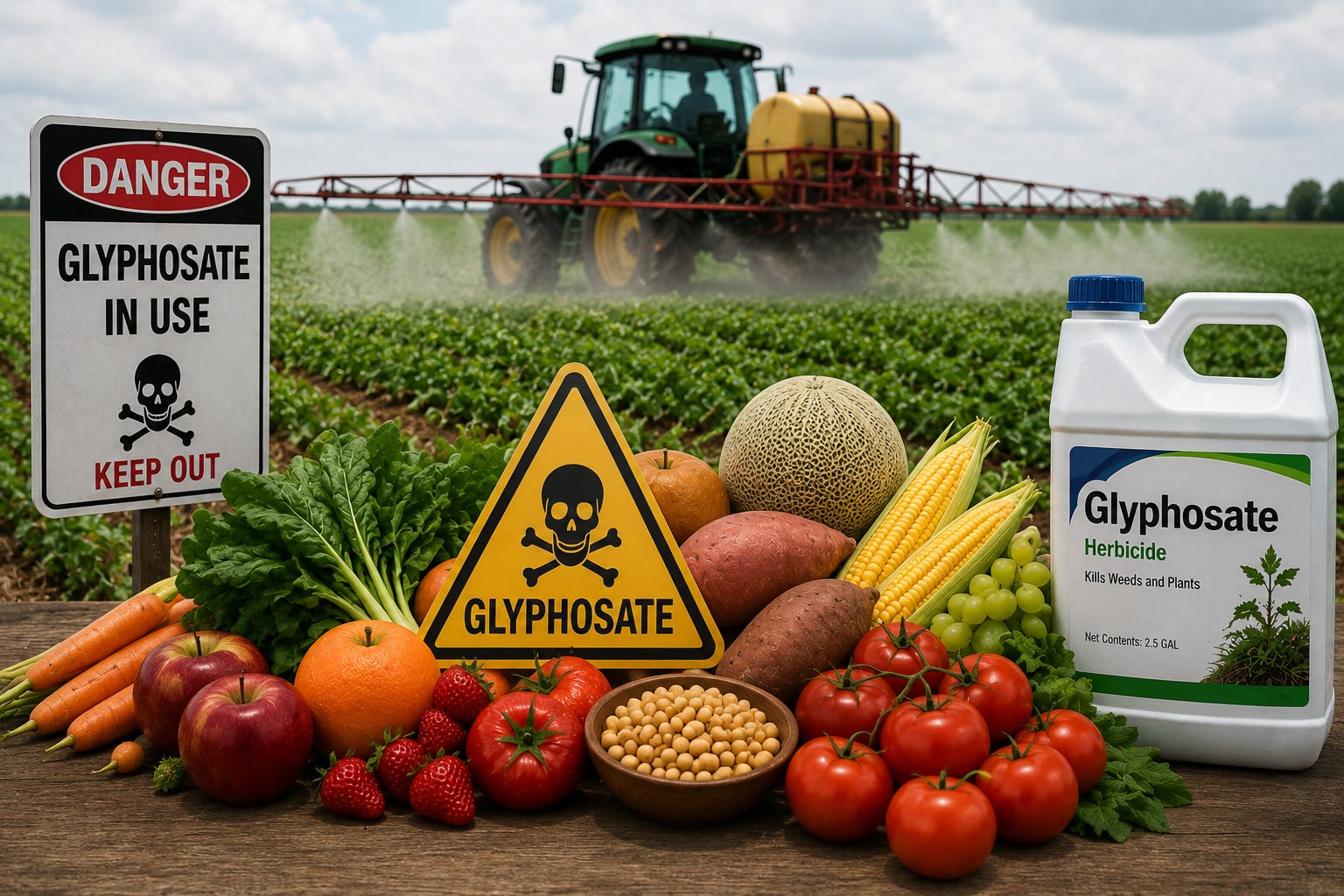
What makes the finding so difficult to escape is how thoroughly glyphosate has saturated the American food supply. Its use in the U.S. rose roughly 100-fold between the 1970s and 2014, and its residues now turn up in the cereals, snack foods, and fresh produce Americans eat every day. Herrera noted that families concerned about the herbicide should choose organic grains and produce when possible, though she cautioned that individual choices alone will not solve a problem this widespread.
Toward a MAHA-Inspired Reset
Glyphosate falls under a federal pesticide law that weighs a chemical’s dangers against its usefulness to industry rather than judging it on health impacts alone, which is how a compound now tied to premature birth is still being sprayed across the American food supply.
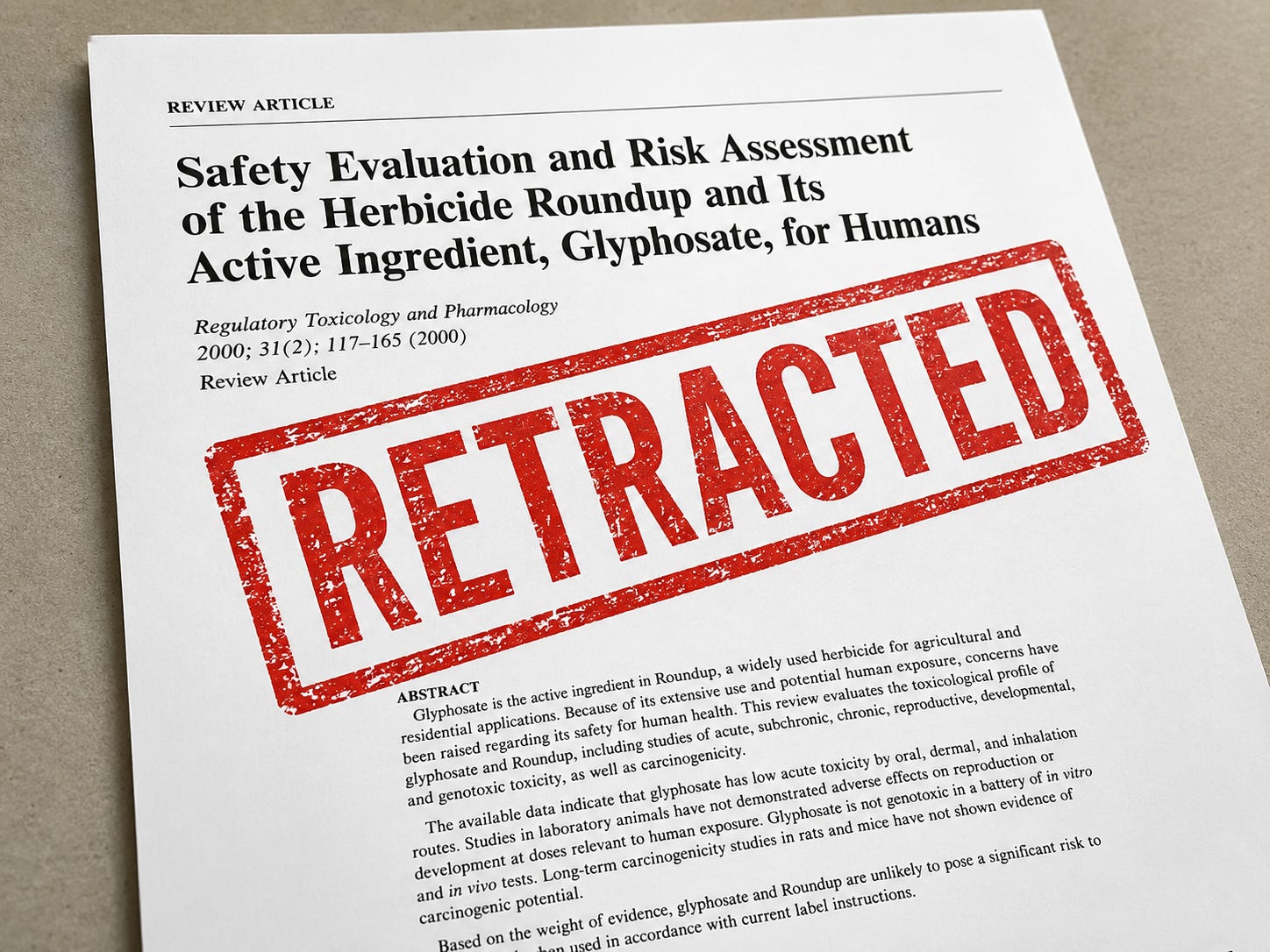
For a quarter-century, regulators relied on a highly cited 2000 review, “Safety Evaluation and Risk Assessment of the Herbicide Roundup and Its Active Ingredient, Glyphosate, for Humans,” to support claims that glyphosate was safe. In December 2025, the journal Regulatory Toxicology and Pharmacology retracted it – after finding it had been ghostwritten by Monsanto employees and built entirely on the company’s own unpublished data.
The NYU study’s authors argue that regulators have never seriously tested what glyphosate does to a developing pregnancy, and they call for the chemical to be re-examined for the danger it poses to mothers and unborn children.
In June 2026, the Supreme Court ruled that federal pesticide law bars Americans from suing Roundup’s maker in state court for failing to warn them of the cancer risk, overturning a jury award to a man who blamed his cancer on the herbicide. Had it won, that state law would have opened the floodgates for tens of thousands of similar claims.
The decision handed Bayer-Monsanto the legal shield it had pursued for years, after the company had already paid more than $11 billion to settle cancer claims; it left plaintiffs who say they were harmed by Rounduo with few options in court.
Although the Trump administration has publicly supported the MAHA movement’s goal of reducing harmful chemical exposures, its Justice Department supported Monsanto’s legal position in the Supreme Court case. EPA Administrator Lee Zeldin has said he will not interfere with the agency’s glyphosate review.
Meanwhile, MAHA leaders have accused the EPA of continuing to “approve, expand, and normalize chemical exposures” and criticized the appointment of former chemical-industry lobbyists to senior agency positions.

Professor Trasande also rejected the notion that weed control and healthy pregnancies are an unavoidable trade-off. “Organic farming methods can produce competitive yields, so the trade-off between weed control and long-term health risks is not as straightforward as is often portrayed,” he said.
The researchers stop short of claiming glyphosate directly causes preterm birth, but they plan to study the underlying mechanisms next.
Still, these researchers have already shown that a chemical found in over 80% of Americans threatens unborn babies with premature birth – and no U.S. agency responsible has done anything meaningful to protect pregnant women and their children from this danger.
Shop our merch store to support the MAHA Report and the MAHA movement.
All proceeds go to supporting the cause.
Related Reading:
Tony Lyons: The Supreme Court's Ruling in Favor of Monsanto Is a Devastating Blow to Public Health, but We Must Keep Fighting

[The MAHA Media Hub, hosted by Tony Lyons, streams every Wednesday at 4pm Eastern. Below are Lyons’ remarks from July 1; a video recording of the entire episode is viewable, here.]


Chemicals, like those in glyphosate don't belong in the human body. Big Ag has no desire to promote crops from organic farming, which should be available for everyone. However, big bucks going into deep pockets influence the use of the toxic pesticides and inadequate fertilizer products that are being used in farming. The nutrient-poor and pesticide-rich food in the American diet is harming the entire nation. Americans spend more on medicine and treatments than any other country. America has gone downhill mentally and physically in the last 75 years. The health of the soil is of maximum importance...and it is being destroyed. Using pesticides kills the organisms in the soil, which provide nutrients to the crops. Consumers are paying for food that has no nutritional value. The health of the people should be taken into consideration. The EPA is not doing the job it is supposed to do...protecting the environment and all life..
Just like DDT
Took 40 years to rid ourselves of it!