

By Jeff Louderback, Special to The MAHA Report
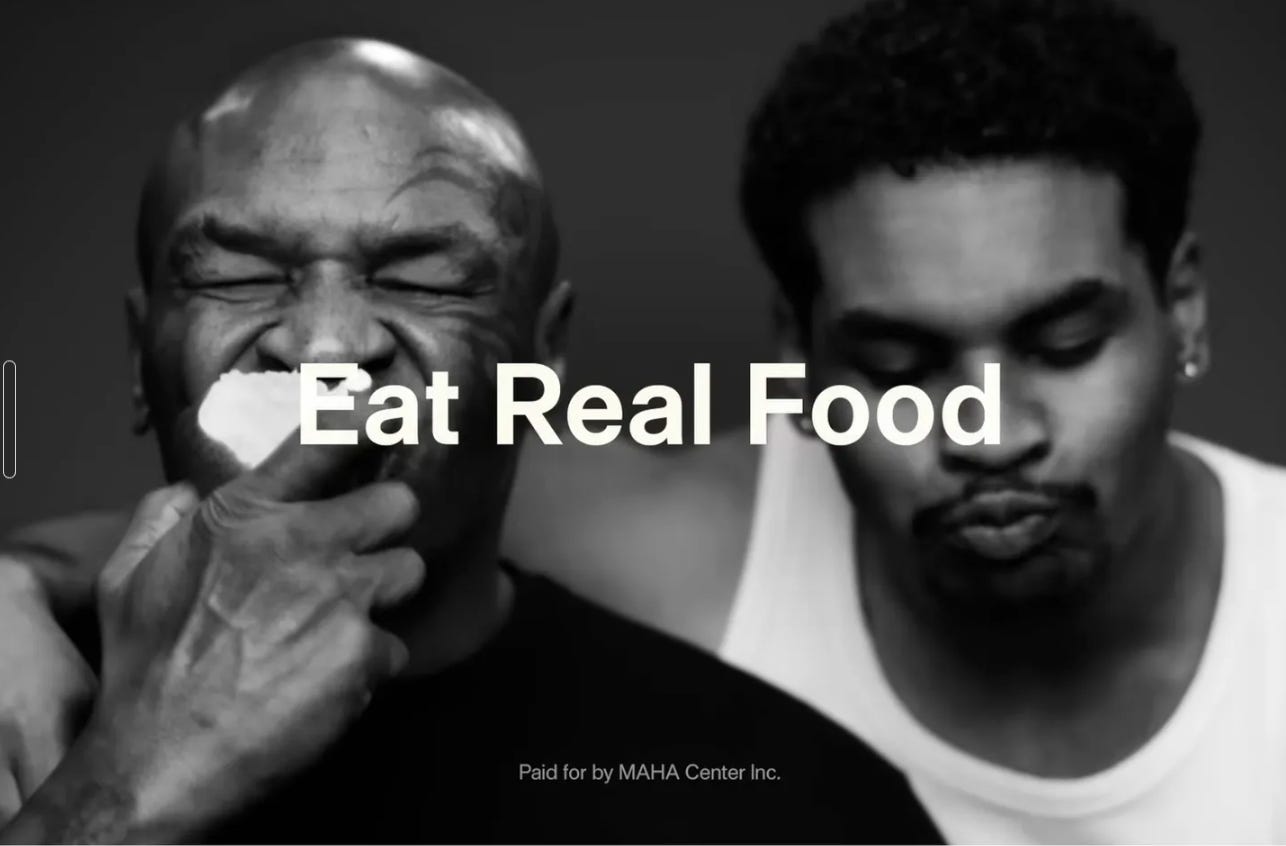
With its 30-second Super Bowl advertisement featuring Mike Tyson urging Americans to “eat real food,” the MAHA Center, an independent non-profit, warned the roughly 125 million people watching the big game’s 60th iteration that “processed food kills.”
Sunday’s ad, directed by Brett Ratner of Rush Hour fame, underscores the transformation of a movement, still viewed by many in legacy media as ‘fringe,’ into a major cultural force in today’s America.
That force is gaining strength and bridging the political divide, said a clutch of MAHA leaders. The movement is helping Americans become more aware of the need to advocate for their own health – through daily food choices. Health and Human Services Secretary, Robert F. Kennedy Jr., is bringing that message to America with his “Take Back Your Health Tour,” which last week stopped in Nashville, Tennessee.
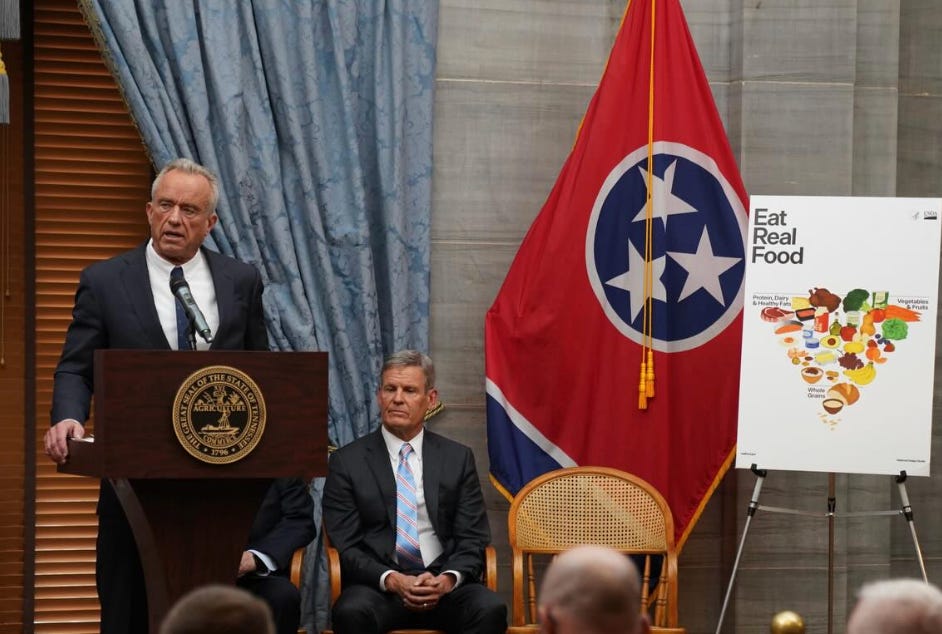
“We’re all here today because we’re facing an existential crisis in our country,” Kennedy said in Nashville, comparing today’s broken healthcare system to America under his uncle, President John F. Kennedy. During the early 60s, the secretary said, “we had the best healthcare system in the world, and we had the healthiest people in the world.”
So how does the MAHA movement return the country to its healthier past?
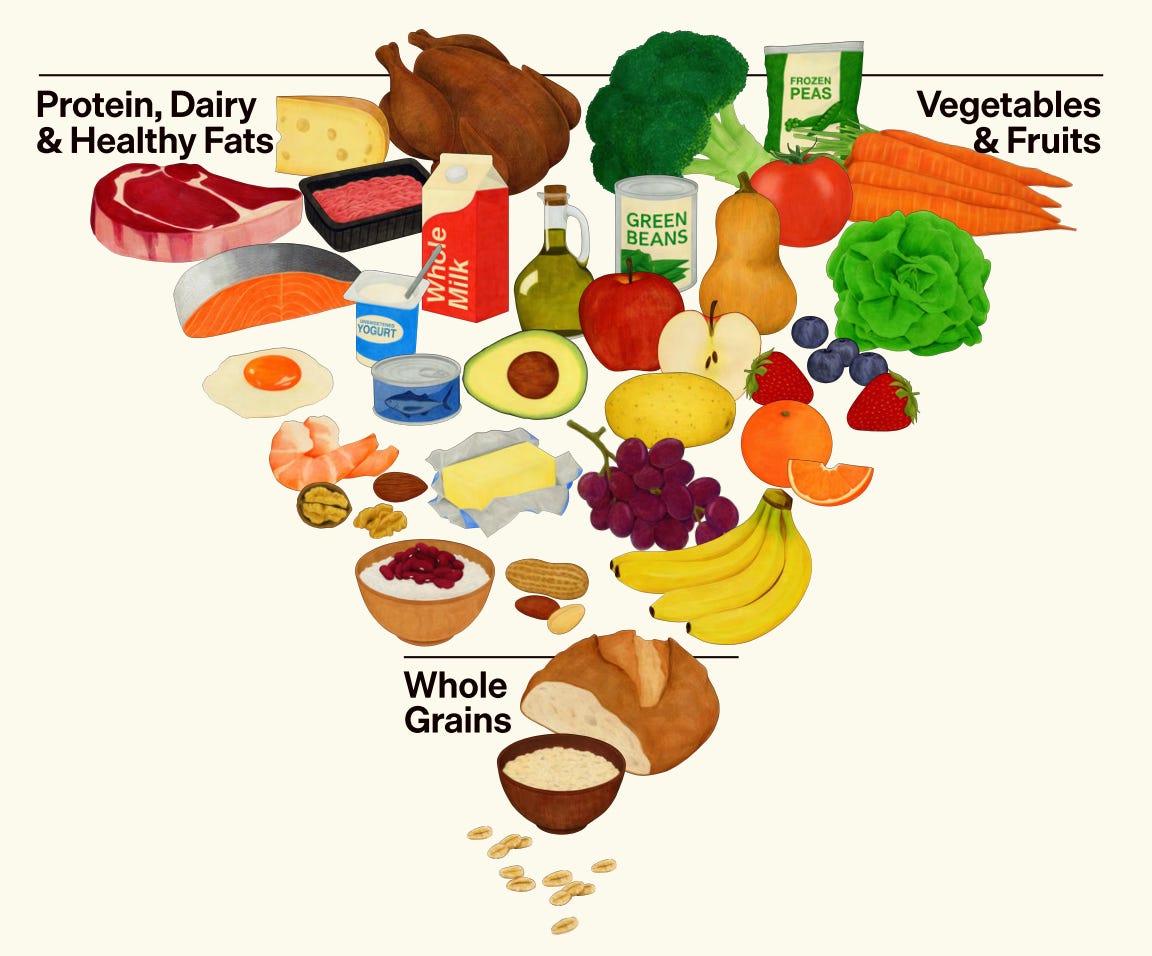
A series of major HHS wins is doing just that. One breakthrough came in January when the government introduced a new food pyramid and dietary guidelines for Americans, which recommend a radical shift away from processed to real foods.
“We have to confront the root cause of disease,” Secretary Kennedy said in January, before thanking President Donald Trump and his administration for supporting his quest to make America healthy again. “We’re telling Americans it’s time to start eating real food again. We can’t accept a future where chronic disease is the status quo.”
In August 2024, when Kennedy announced he was suspending his campaign and backing then-former president Trump, he praised Trump for giving him the opportunity to help make America healthy again.
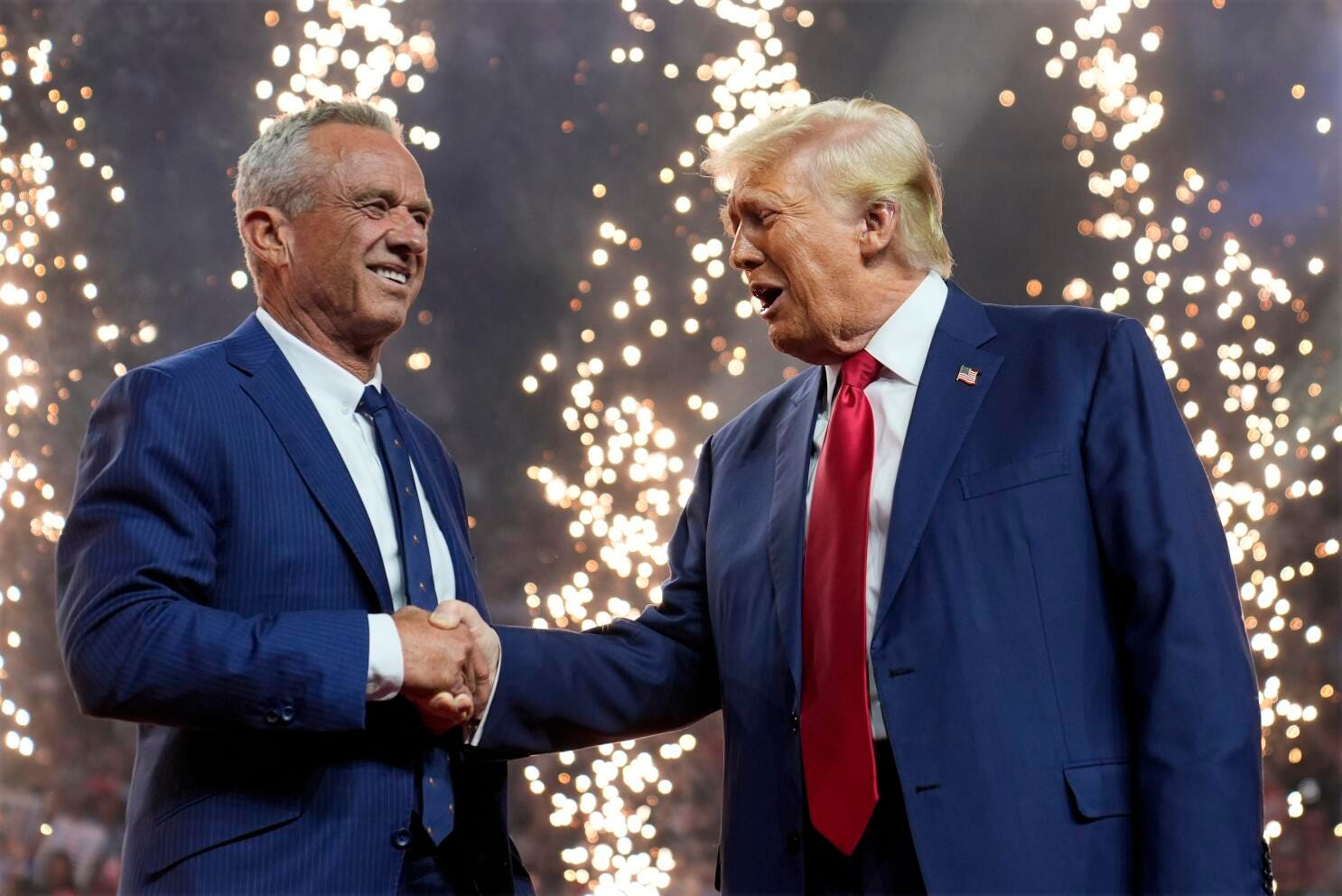
What followed was a social media frenzy with “Make America Healthy Again” and “MAHA” hashtags. An acronym was born.
Since then, advocates, groups, and individuals have pivoted toward transparency and a rage for truthful information, so they can make informed decisions.
Calley Means, a senior advisor to HHS, attributes this to the MAHA movement. Means noted that the shift is especially apparent in his conversations with medical professionals, including a doctor and friend who manages one of the largest dermatology clinics in the country that includes 1,000-plus physicians.
“She told me they have statistics where, five years ago, the average appointment was eight minutes long, and most people with skin issues would just listen to the doctor, get the medication, and go on their way,” Means explained during a guest appearance on the MAHA Action Media Hub.
“Now the average appointment is double,” Means continued. “It’s like 16 minutes long. My friend was very frustrated with me and with the MAHA movement because she said it’s an outrage among the doctors in her practice that patients are asking so many questions.”
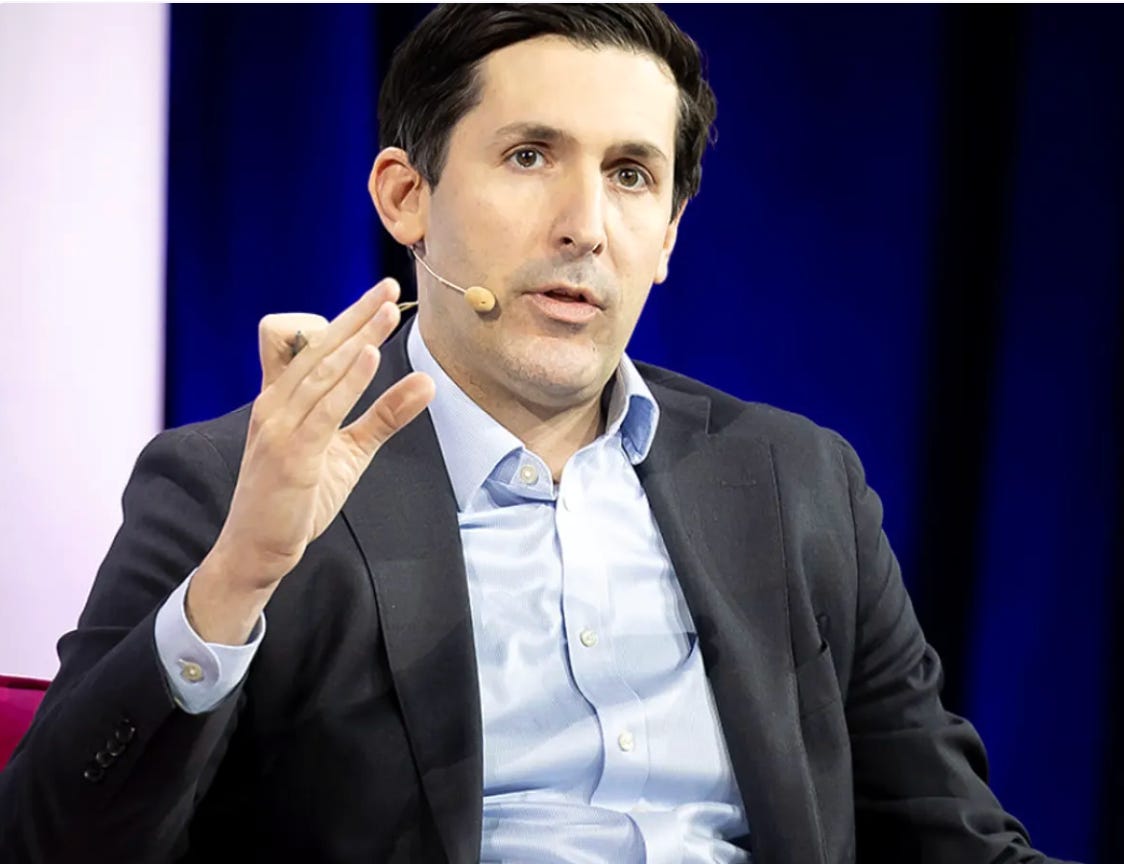
Means noted that his physician friend said that around 80 percent of patients inquire about natural remedies for skin issues, and natural solutions, and they ask about root causes, which the doctor admitted often result from food.
“We all feel we want to move faster on the policy level, but the federal government’s not ready for massive, fast change. This is going to be a 10-year battle,” Means said.
“The most important thing we’re doing is we’re giving people information, which is leading to more research and questions, and a demand for more change. That cultural shift will help accomplish the movement’s goals,” Means added.
Before it had a name, MAHA was born around Kennedy’s presidential campaign. One year on and it’s certain the MAHA agenda has helped shape the second Trump administration. Early actions have targeted ingredients in vaccines, artificial food dyes, and ultra-processed foods; and they have addressed what Kennedy has called “the corporate corruption of government health agencies.”
Already in 2026, the FDA issued a Request for Information seeking public input on labeling practices and preventing cross-contact with gluten in packaged foods.
Like all agencies under Kennedy’s HHS, the FDA has called for transparency around ingredients affecting conditions like celiac disease, including non-wheat gluten-containing grains (rye, barley) and oats that are prone to cross-contamination.
More change was afoot last year.
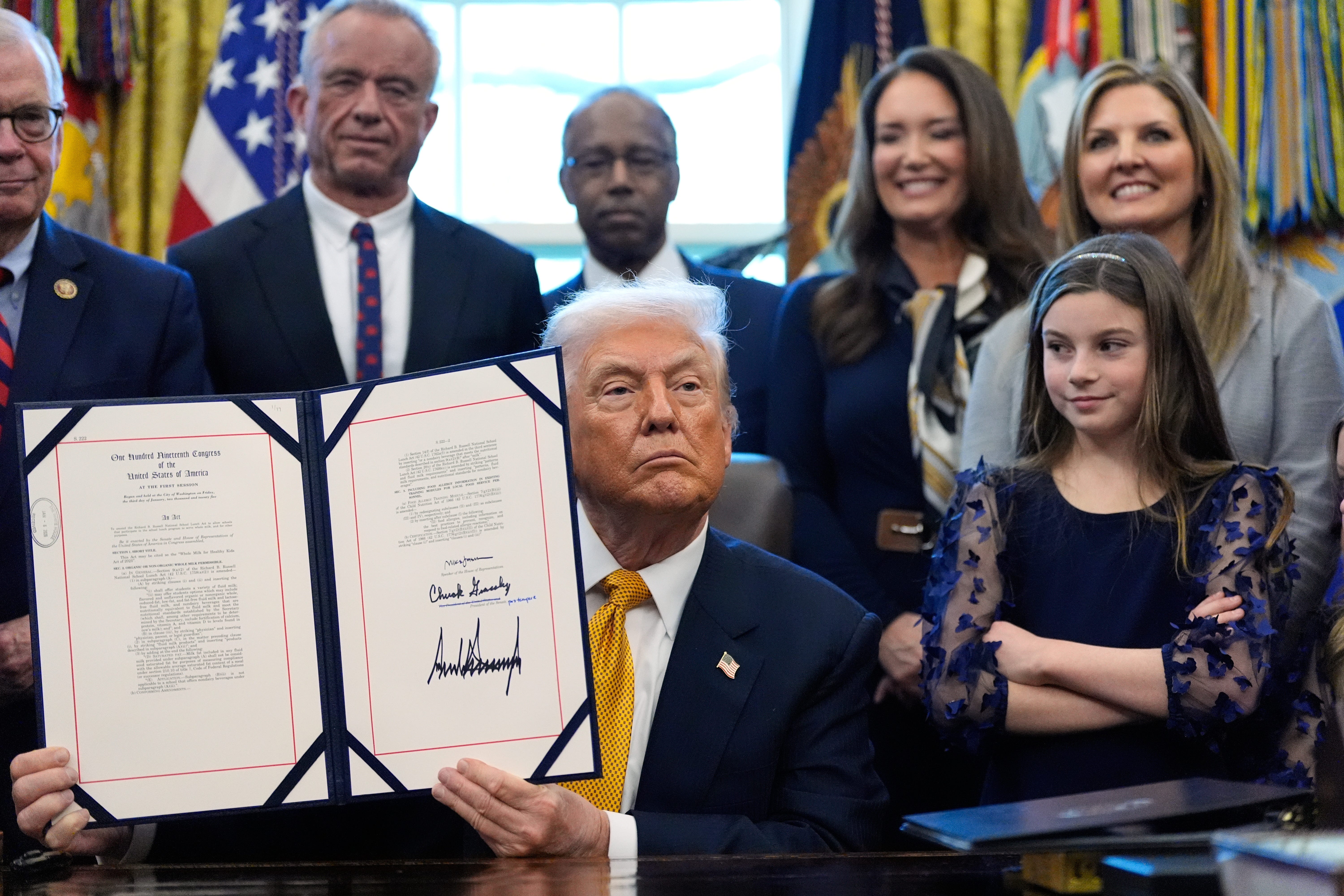
President Trump signed the Whole Milk for Healthy Kids Act of 2025, which was passed by the U. S. Congress. This gives schools that are part of the National School Lunch Program (NSLP) the freedom to offer nutrient -rich whole milk and 2% milk, which for years hadn’t been available.
The CDC issued a Decision Memorandum updating the childhood immunization schedule. The new guidelines significantly reduce the number of universally recommended vaccines for healthy children.
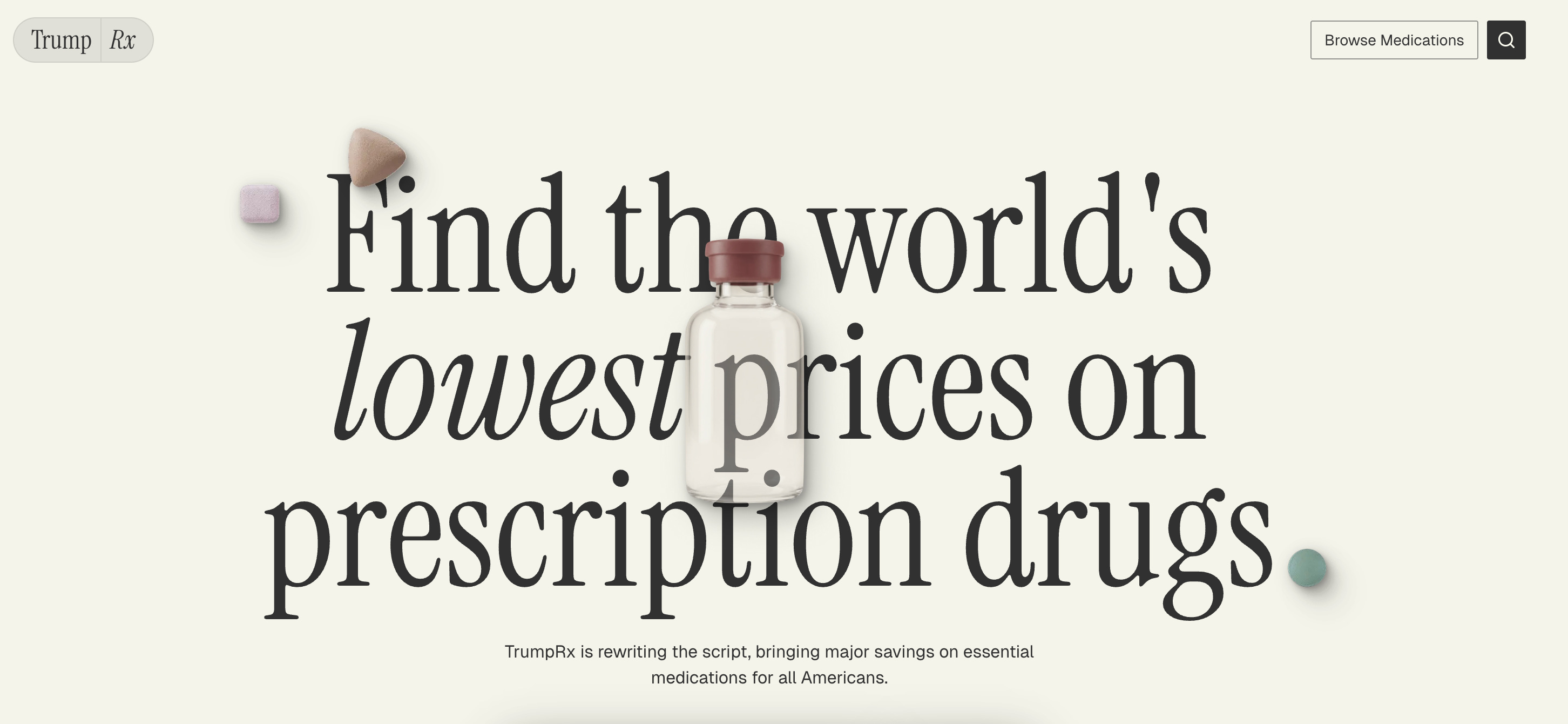
The Trump administration unveiled TrumpRx, which allows Americans to pay the same low prices for prescription drugs as people around the world. In recent weeks, HHS has also launched STREETS, Safety Through Recovery, Engagement, and Evidence-based Treatment and Supports, to address addiction and homelessness.
All of the aforementioned initiatives are key parts of Kennedy’s HHS platform, yet it’s the new dietary guidelines that have generated the widest mainstream buzz.
Dating back to 1992, the old food pyramid was criticized by experts for placing too much emphasis on carbohydrates and not enough on protein and healthy fats.
The new food pyramid is an inverted version of the food pyramid. Protein, dairy, healthy fats, and fruits and vegetables sit at the top, the widest part, and whole grains are on the bottom.
The guidelines also embrace a new stance on highly processed foods and refined carbohydrates, urging consumers to avoid “packaged, prepared, ready-to-eat, or other foods that are salty or sweet, such as chips, cookies, and candy.”
Those products, also known as ultra-processed foods, comprise more than half of the calories in the U.S. diet and, like Mike Tyson tells us in the Super Bowl commercial, have been linked to obesity and multiple diseases.
The new guidance also encourages Americans to select whole-food sources of saturated fat—including meat, whole-fat dairy, and avocados—while limiting saturated fat consumption to no more than 10 percent of daily calories.
Other suggested options are butter and beef tallow, a shift away from previous recommendations.
“For decades, Americans have grown sicker while health care costs have soared,” Secretary Kennedy said during a White House press briefing on January 7. “The reason is clear. Our government has been lying to us to protect corporate profit-taking, telling us that these food-like substances were beneficial to our health.”
Continued Kennedy, “Federal policy promoted and subsidized highly processed foods and refined carbohydrates and turned ... a blind eye to the cataclysmic consequences. Today, the lies stop.”

Recently, NIH Director Jay Bhattacharya said some people don’t understand the MAHA movement and find it controversial because, he said, it “represents a seismic shift in the demands of the American people for the U.S. government to use its power and money for the purposes of improving health.”
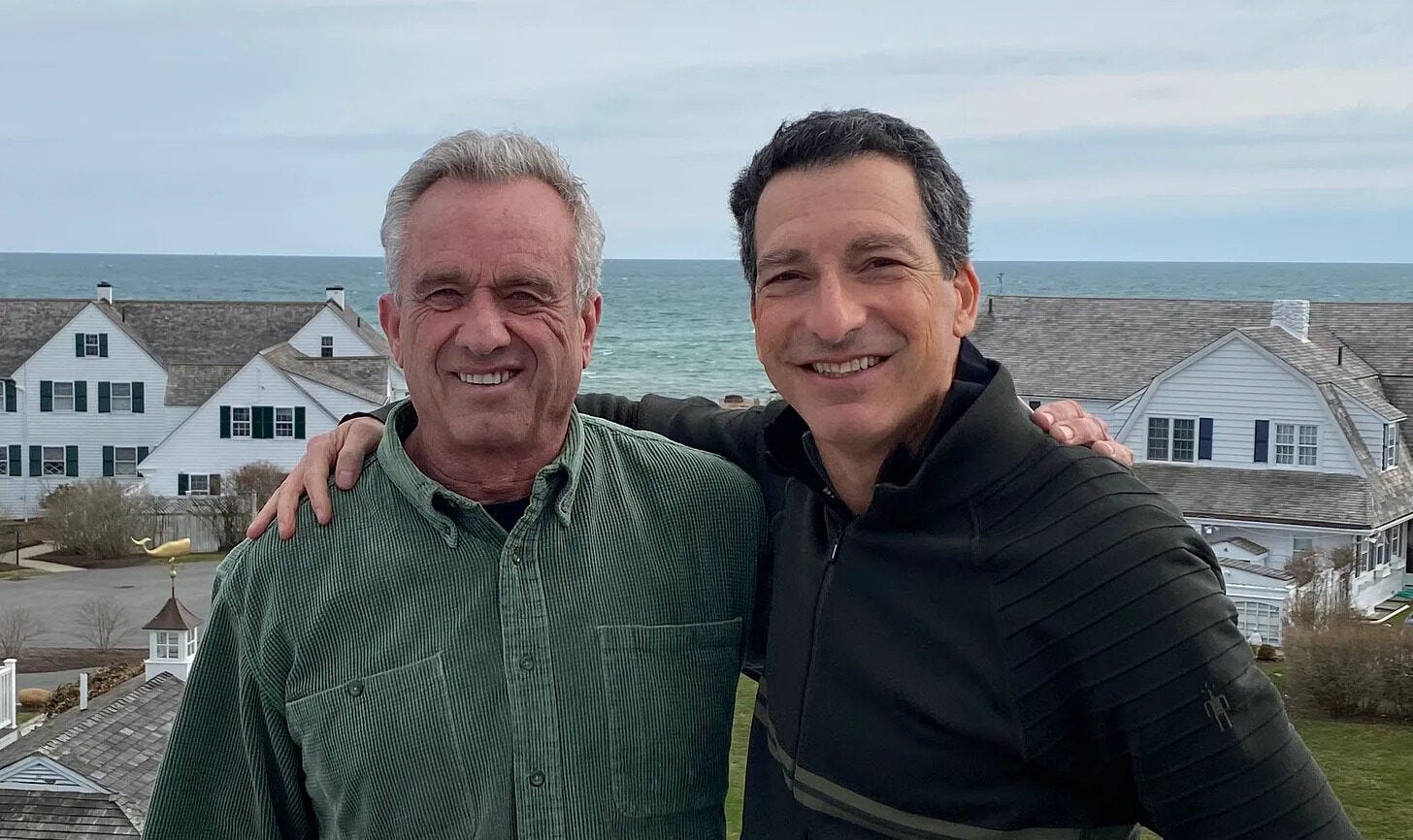
Tony Lyons and Mark Gorton co-founded the American Values 2024 super PAC that supported Kennedy’s presidential run. When Kennedy suspended his campaign and backed Trump, the PAC focused on helping Trump win a second term and later advocated for Kennedy to get confirmed as HHS secretary.
Now, Lyons and Gorton spearhead MAHA PAC, MAHA Action, and the MAHA Institute, which are designed to impact education and policy to complement HHS initiatives.
MAHA Action, which publishes The MAHA Report and produces the weekly media hub, is working to promote the movement’s initiatives in states, including education around legislators’ voting records on MAHA-related bills.
“Politicians at the federal and state levels are seeing that voters are concerned about public health and are interested in electing candidates who are going to support decisions that improve the health of their families,” Lyons said.
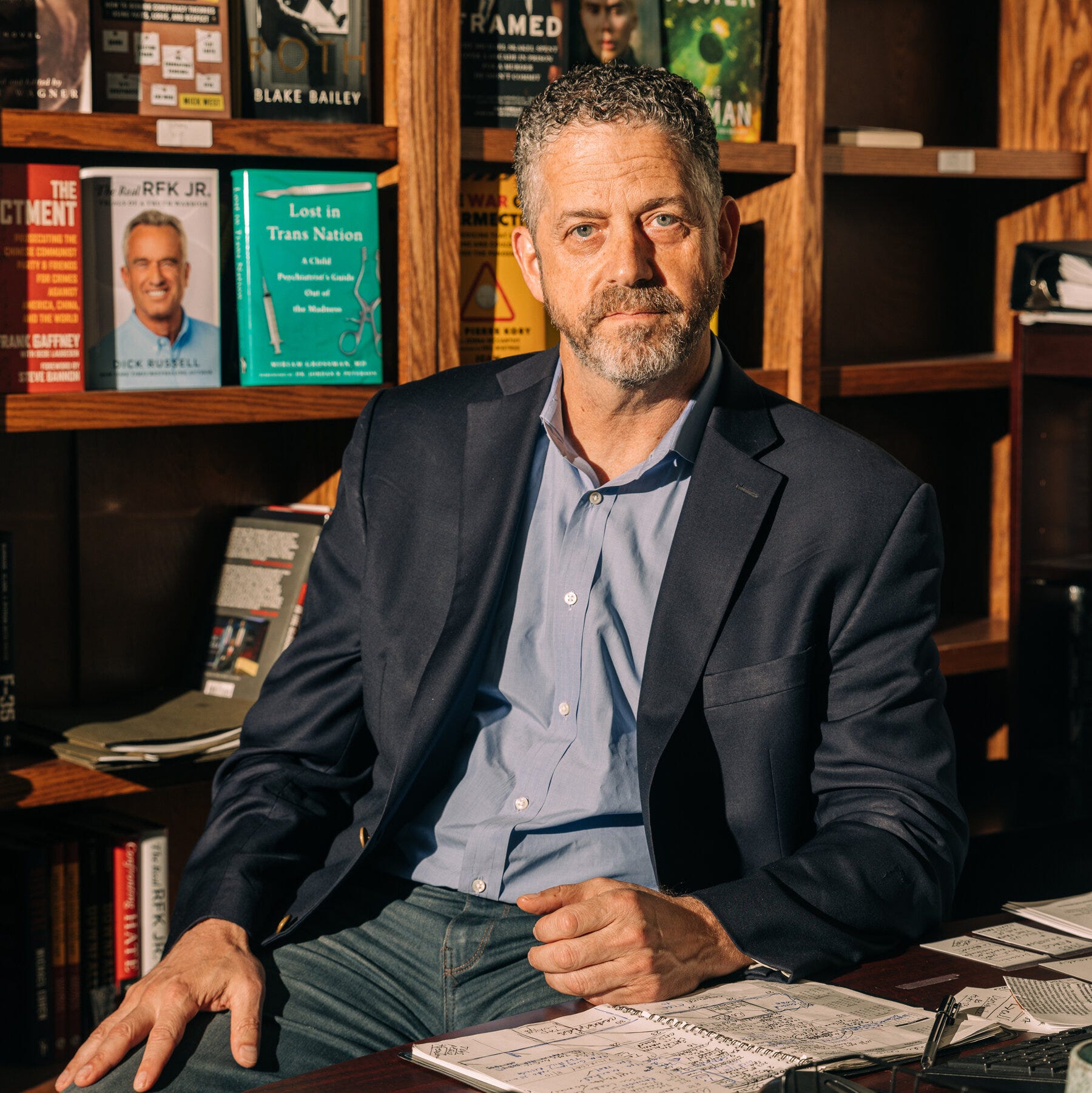
Added Lyons, “We’re encouraging them to look closely at the policies that are supported by each candidate and say, you know, is this a candidate that you can believe in?”
The MAHA Action Media Hub is one of the organization’s most visible communication tools with Lyons the show’s producer and host. The program streams weekly, on Zoom, and features wide-ranging figures “who directly communicate with the public without censorship,” Lyons noted.
The media hub is focused on “counteracting the mainstream media response to the MAHA movement, Secretary Kennedy and his team,” Lyons explained. “Americans are inundated with information that is intended to protect the profits of big pharmaceutical companies and big food companies.”
Added Lyons, “For example, the New York Times has published articles claiming that toxic food dyes are actually not so bad for you, that mercury and vaccines are not so bad for you, and that pesticides are OK.”
“Yet we suffer from such incredible chronic disease and have the sickest people on the planet, even though we spend three times what any other country spends on healthcare,” continued Lyons. “We’re committed to reach people and arm them with accurate information.”
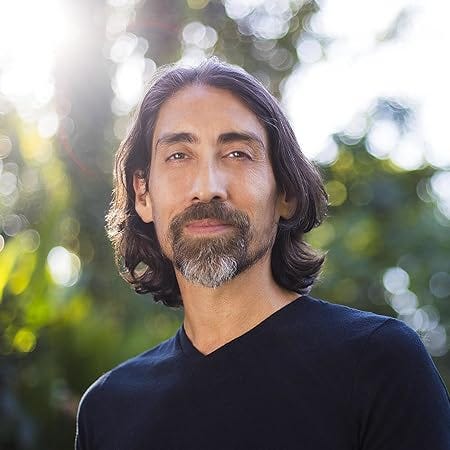
Sayer Ji, co-founder of the Global Wellness Forum and Stand for Health Freedom, is a frequent guest on the media hub.
Ji noted that he sees a “rapid change” where more Americans are questioning what they are told by health agencies about the safety and efficacy of Covid vaccines, and about “the safety of what we eat and drink.”
Added Ji, “Food is our medicine, not eating poisonous pharmaceutical derivatives and synthetic biologicals. Generations were brainwashed into being obedient about what they were told by Big Pharma and government health agencies, yet we are a sick and unhealthy country.”
In 2024, Jacqueline Capriotti, founded the Victory Garden Alliance, a nonprofit she’s confident will become a nationwide movement. During her role as a New Jersey volunteer for Kennedy’s presidential campaign, she launched Kennedy Victory Gardens. Americans from coast to coast started dedicating their existing gardens to the movement or planting new gardens.
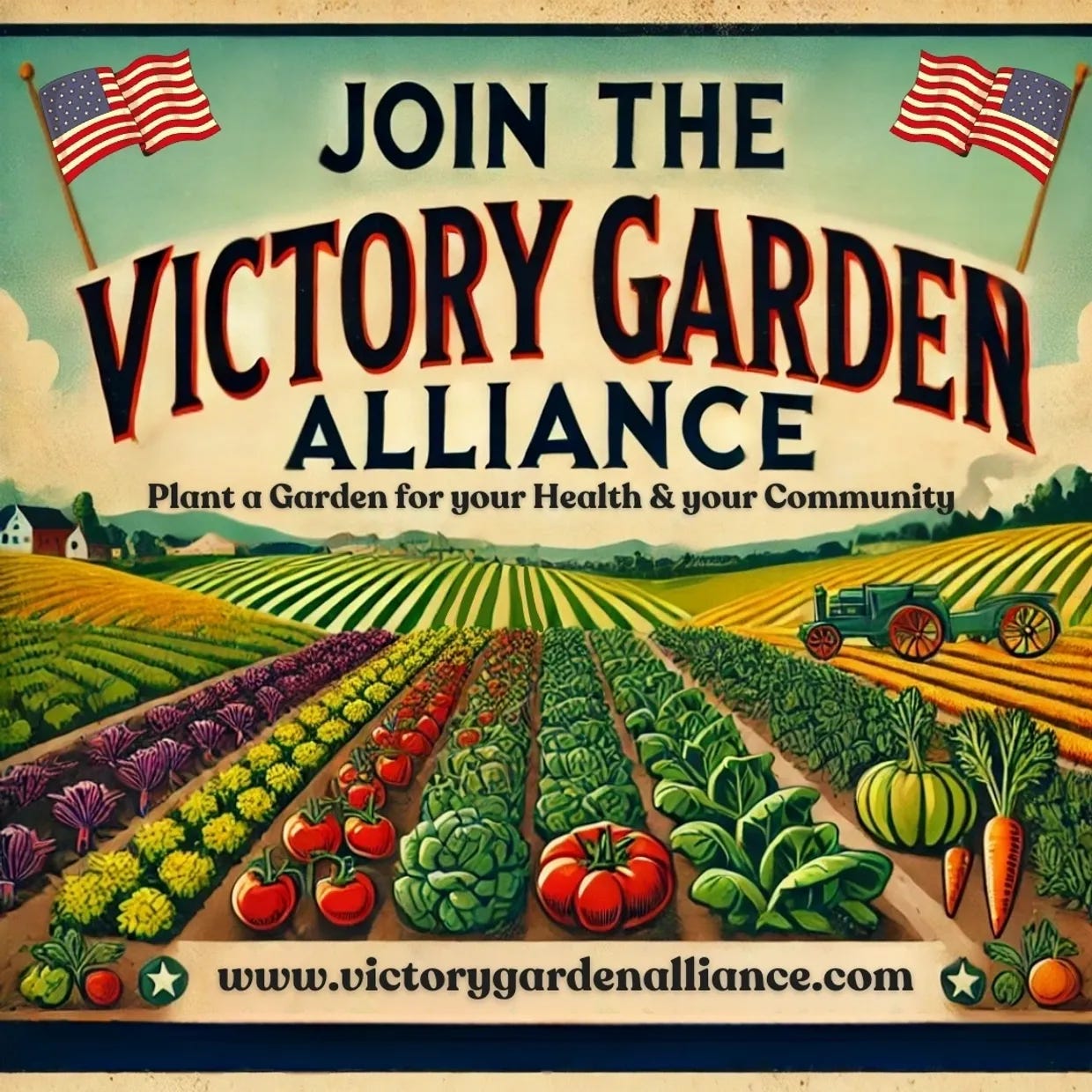
When Kennedy left the race and joined candidate Trump, Capriotti said, “I wanted to carry on the idea because it is essential, as a country, that we get back to growing our own food, so I renamed it the Victory Garden Alliance.”
Capriotti said World War II’s victory garden movement “was one of the most unifying cultural shifts in American history.”
“Ordinary Americans became extraordinary citizens, each doing their part to feed the nation and strengthen morale. It wasn’t political—it was patriotic, practical, and deeply communal,” she said.
Continued Capriotti, “Modern-day victory gardens do the same for the Make America Healthy Again movement by celebrating homegrown and homemade food, empowering families to localize their food supply, and honoring our American farmers.”
For his part, Gorton sees what he calls “a certain magic” around MAHA, because it includes Americans from both sides of the political aisle.
“People are real believers and truth seekers,” Gorton said. “Vaccine injuries, abuse from the medical system, poisonous chemicals in food – it all impacts you whether you are rich or poor, Democrat or Republican.”
Continued Gorton, “At a time when our country seems so divided, our movement is a place where many Democrats, Republicans, and independents can find common ground because everyone cares about the health of themselves and their families.”
“The movement is helping Americans become more aware of the need to advocate for their own health – through daily food choices” : the fact that people hate this — and doctors are mad that parents are asking questions— shows how much the system is about profit and not actual healing.
MAHA is bringing that back. And while not every choice is perfect, like digital wearables — which I’ve criticized — overall, it’s brining health back to the individual, as it should be.
I’d like to offer my work for anyone interested. I come from a health background and present unorthodox perspectives that result in healthier outcomes.
From adhd to GLPs to the history of modern medicine, I cover it all.
Here are a few of my works for anyone interested:
https://unorthodoxy.substack.com/p/adhd-and-me-how-the-narrative-broke
https://unorthodoxy.substack.com/p/the-complete-vaccine-harm-profile
https://unorthodoxy.substack.com/p/cancer-your-bodys-desperate-attempt
Let's keep getting this critical message out. Bravo for the Super Bowl ad. Well done. Keep on keeping on!