


They come in an ever increasing number of shapes, colors and sizes .
From smartwatches and rings to cardiac rhythm sensors and continuous glucose monitors, wearable health technology is significantly contributing to the MAHA focus on America’s chronic disease crisis by striving to prevent adverse health conditions — and warn us before it’s too late.
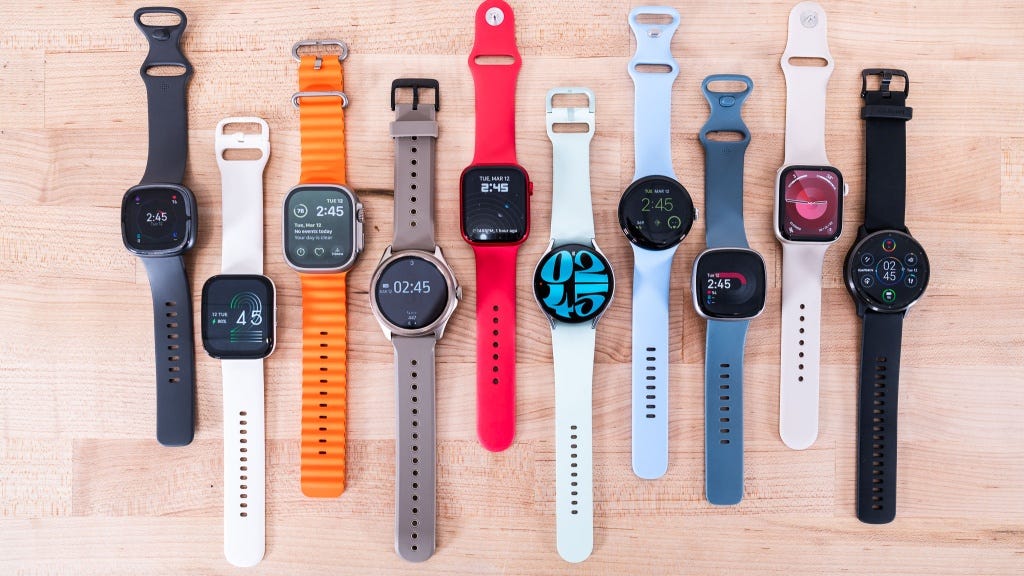
Wearables, as they are known, provide users with continuous, real-time, patient-generated insight into their own physiology, Scott Whitaker told The MAHA Report.

Whitaker is president and CEO of AdvaMed, the world’s largest trade association representing 650 members, from multinational companies to small businesses and start-ups. Before his current role, Whitaker served as chief operating officer of the Biotechnology Innovation Organization (BIO) and chief of staff at the U.S. Department of Health and Human Services (HHS).
“The vast majority of experts and observers agree that, for too long, America’s health care system has focused more on treating disease than preventing it,” Whitaker said. “Chronic conditions like heart disease, diabetes, and metabolic disorders continue to shorten lives and drive up cost — often because problems are detected too late or patients lack access to interventional medtech that could help prevent advanced illness and enhance our ability to live long, healthy lives.”
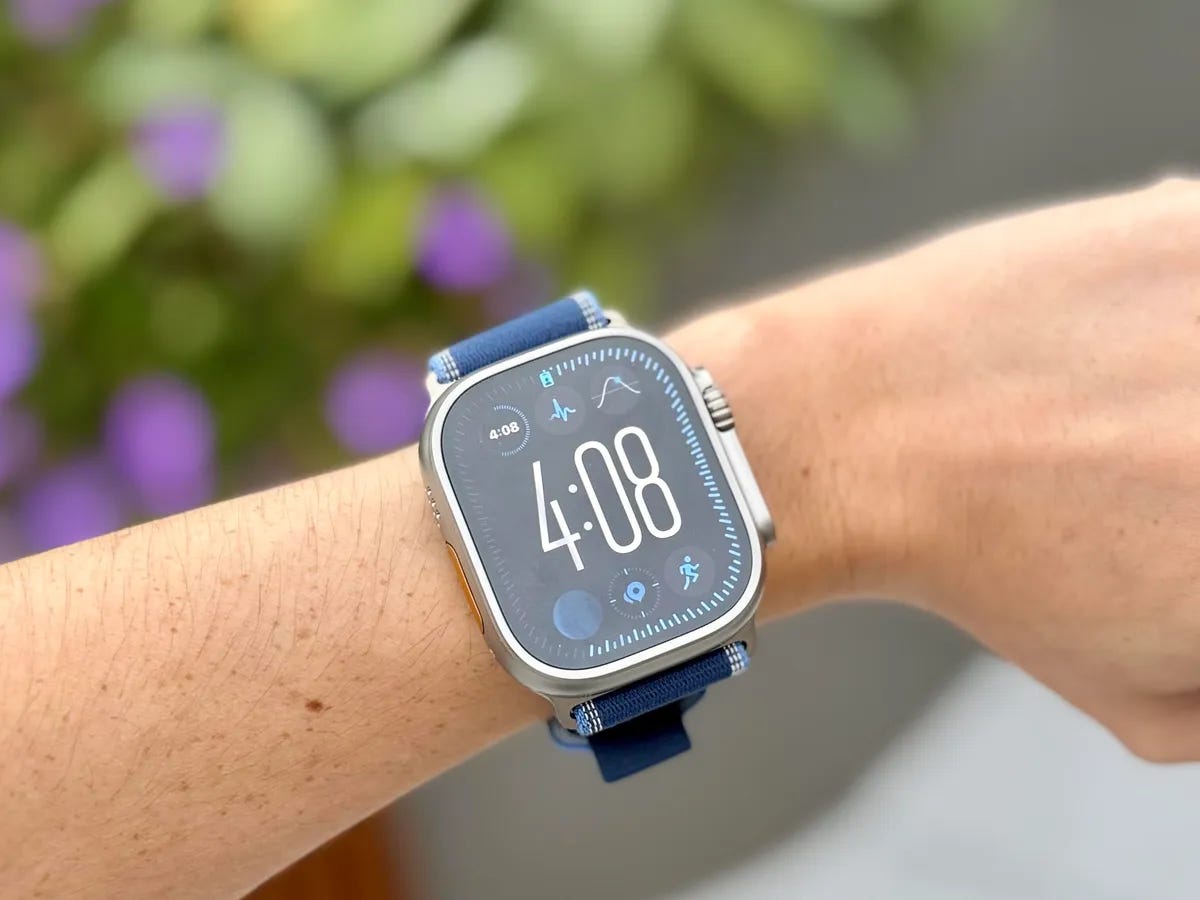
He added, “But a meaningful shift is under way, and it’s happening on wrists, fingers, shoulders, and even just beneath the skin — and medtech is leading the way.”
Wearables are one key to the MAHA health agenda, helping Americans transform their lives and “make good judgments about their diet, about their physical activity, about the way that they live their lives,” as HHS Secretary Robert F. Kennedy Jr. has put it.
During a House Subcommittee on Health meeting last July, Kennedy told the panel that wearable technology is “a way people can take control over their own health.”
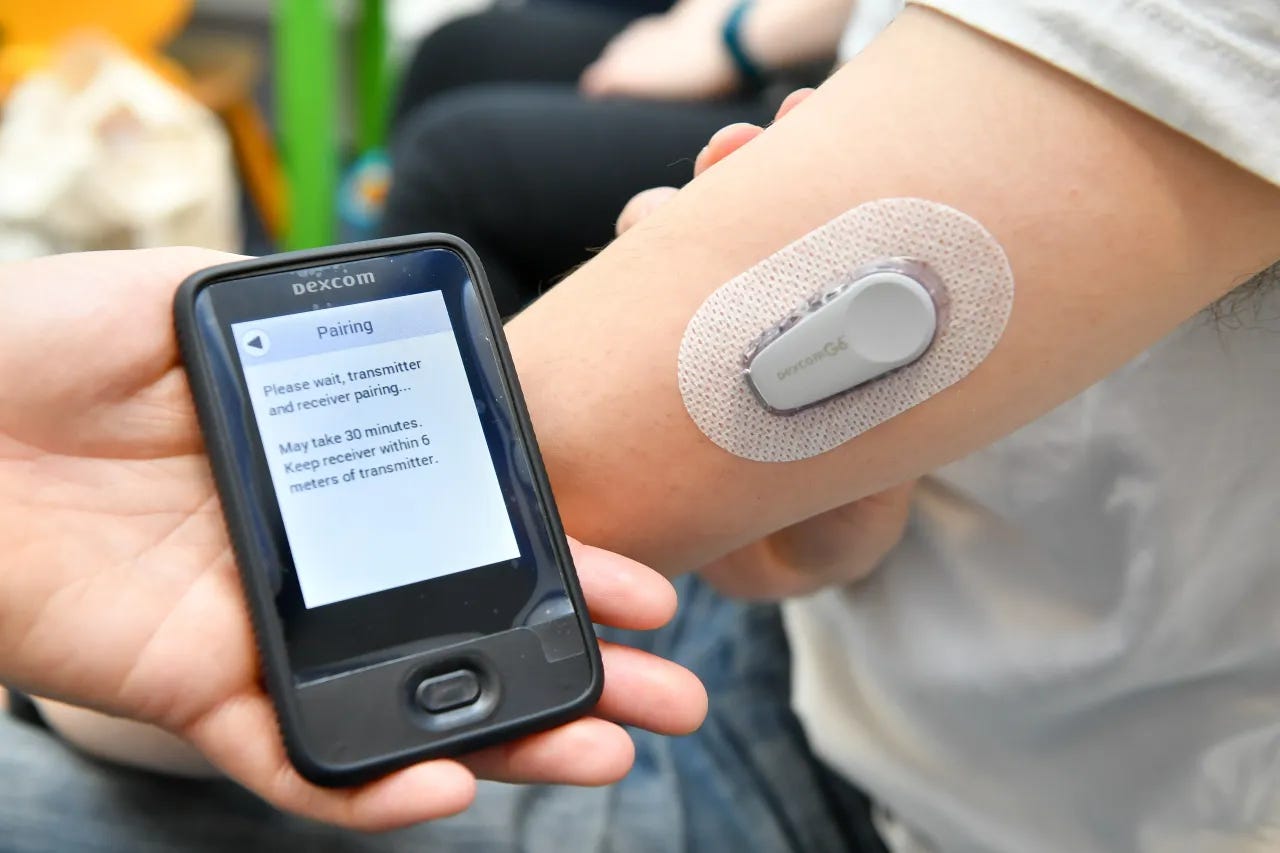
“They can see what food is doing to their glucose levels, their heart rates and a number of other metrics as they eat it, and they can begin to make good judgments about their diet, about their physical activity, about the way that they live their lives,” Kennedy said.
Poor nutrition and a lack of exercise are among the factors that contribute to disease and obesity. The first wearables were step counters and heart-rate trackers. Modern smartwatches and rings track heart rhythm, physical activity, sleep, and, in some cases, blood oxygen levels.
FDA-cleared wearable medical devices continuously record glucose levels or detect irregular heart rhythms such as atrial fibrillation, Whitaker noted.
“Wearable activity trackers are consistently associated with increases in physical activity and reductions in sedentary behavior — key contributors to long-term health,” he said.
Heart disease is the leading cause of death in the United States. Atrial fibrillation (AF) is a heart rhythm disorder where the upper heart chambers beat chaotically, leading to a fast and irregular heartbeat, according to the Mayo Clinic.
AF, one of the most dangerous contributors to heart disease, is often undetected until a stroke or another serious complication occurs.
“Wearables are increasingly helping to close that detection gap,” Whitaker said.
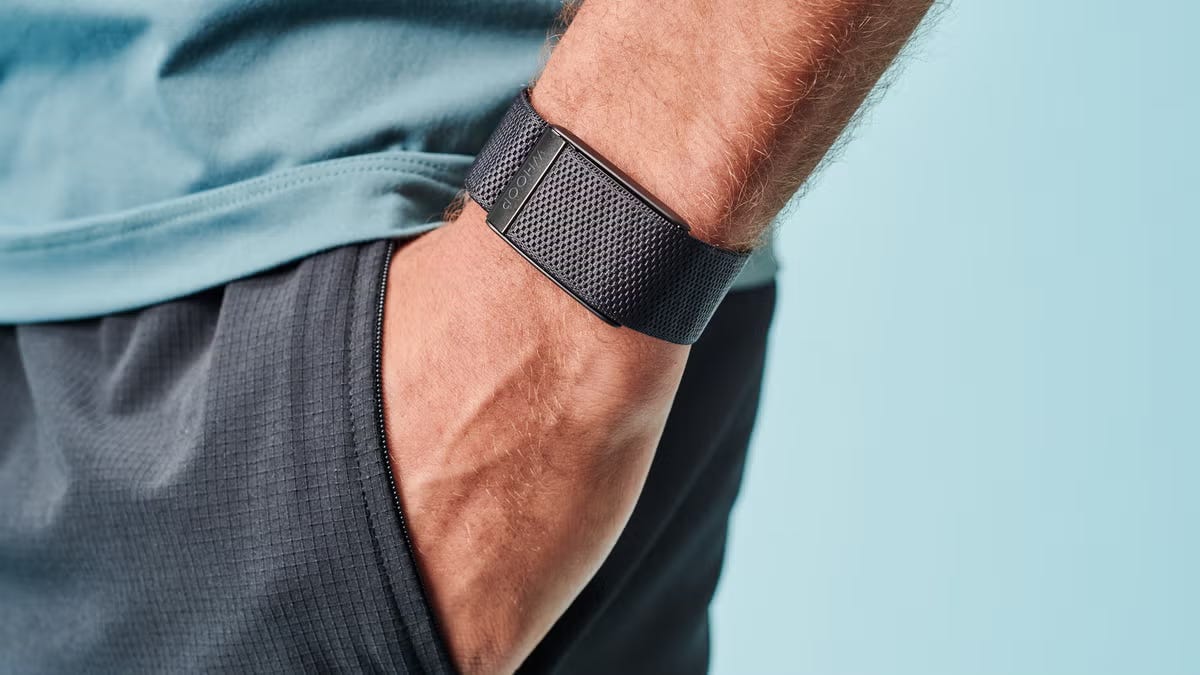
“Smartwatches using optical sensors and single-lead electrocardiogram (ECG) technology have demonstrated strong accuracy in identifying atrial fibrillation in real-world settings,” he explained.
The FDA has cleared multiple smartwatch ECG features and continues to evaluate their real-world performance. The agency has noted that earlier identification of abnormal rhythms can prompt timely medical evaluation and treatment. These factors are associated with reduced risk of stroke and heart failure in appropriate patients.
For people with diabetes, continuous glucose monitoring (CGM) represents one of the most powerful disease-management and early-intervention tools.
CGMs significantly improve glycemic control and help users maintain blood sugar within recommended ranges, reducing the risk of long-term complications, according to the CDC and the NIH.
In a recent study of more than 9,000 adults with Type 2 diabetes, consistent CGM use was associated with substantially greater reductions in A1C when compared with no monitoring.
AdvaMed member companies make wearables for a variety of additional purposes, such as a monitor of pulmonary volumes, cardiometabolic assessment, monitoring epileptic seizures, and treating essential tremor, among other uses.
Sleep is a key pillar of long-term health that is often under-prioritized. AdvaMed member, Resmed – a health technology company focused on sleep, breathing, and care delivered in the home – recently announced a partnership with Oura.
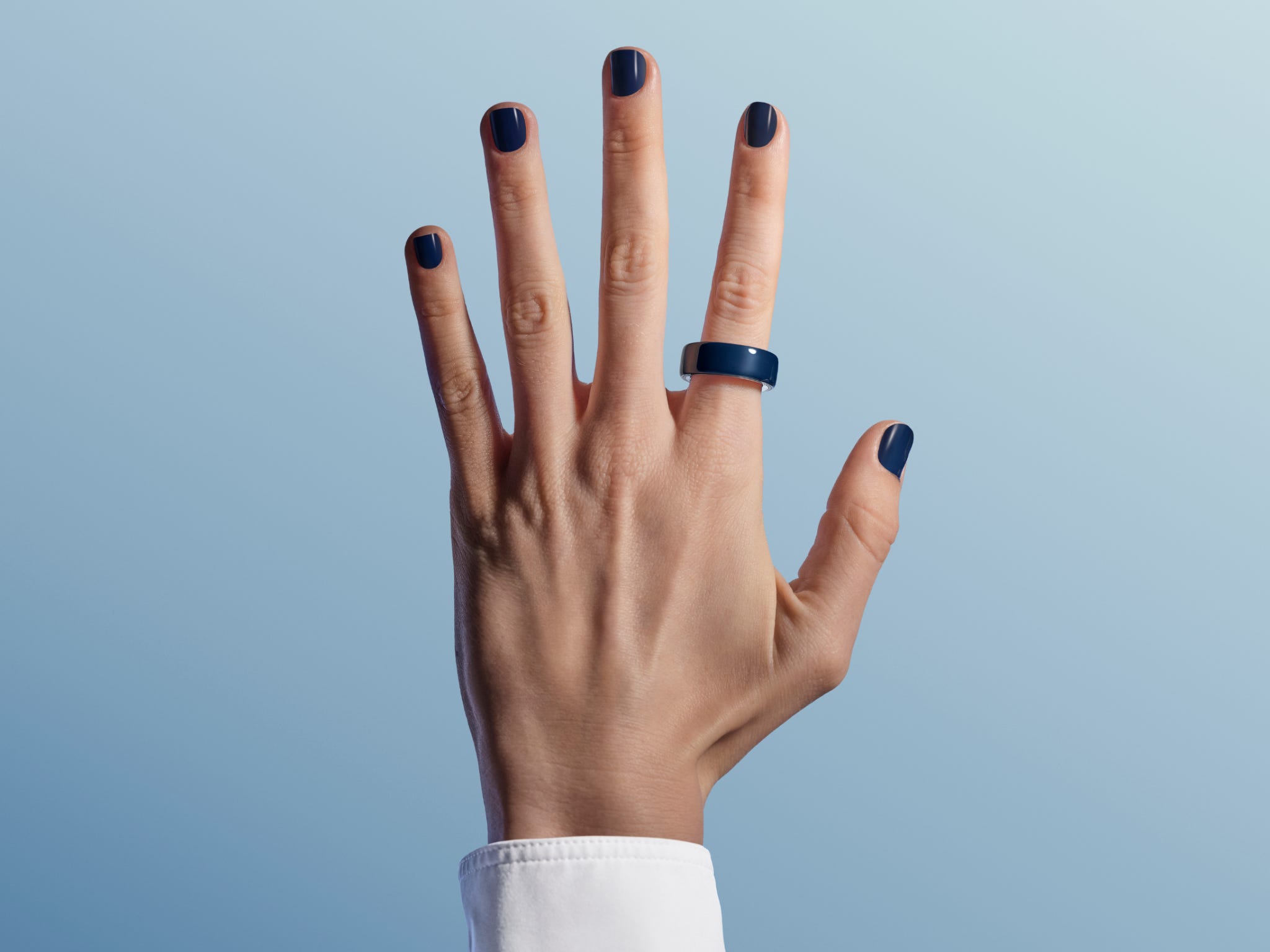
Oura makes the Oura Ring, which continuously monitors nighttime breathing patterns. When the device detects a higher number of breathing disturbances, it notifies members in the app and suggests when to seek advice from a healthcare provider.
Users who receive the notification can now connect directly to Resmed’s sleep health resources.
A Resmed 2026 Global Sleep Survey showed that the use of wearable technology to track sleep among adults increased from 16% in 2025 to 53% in 2026.
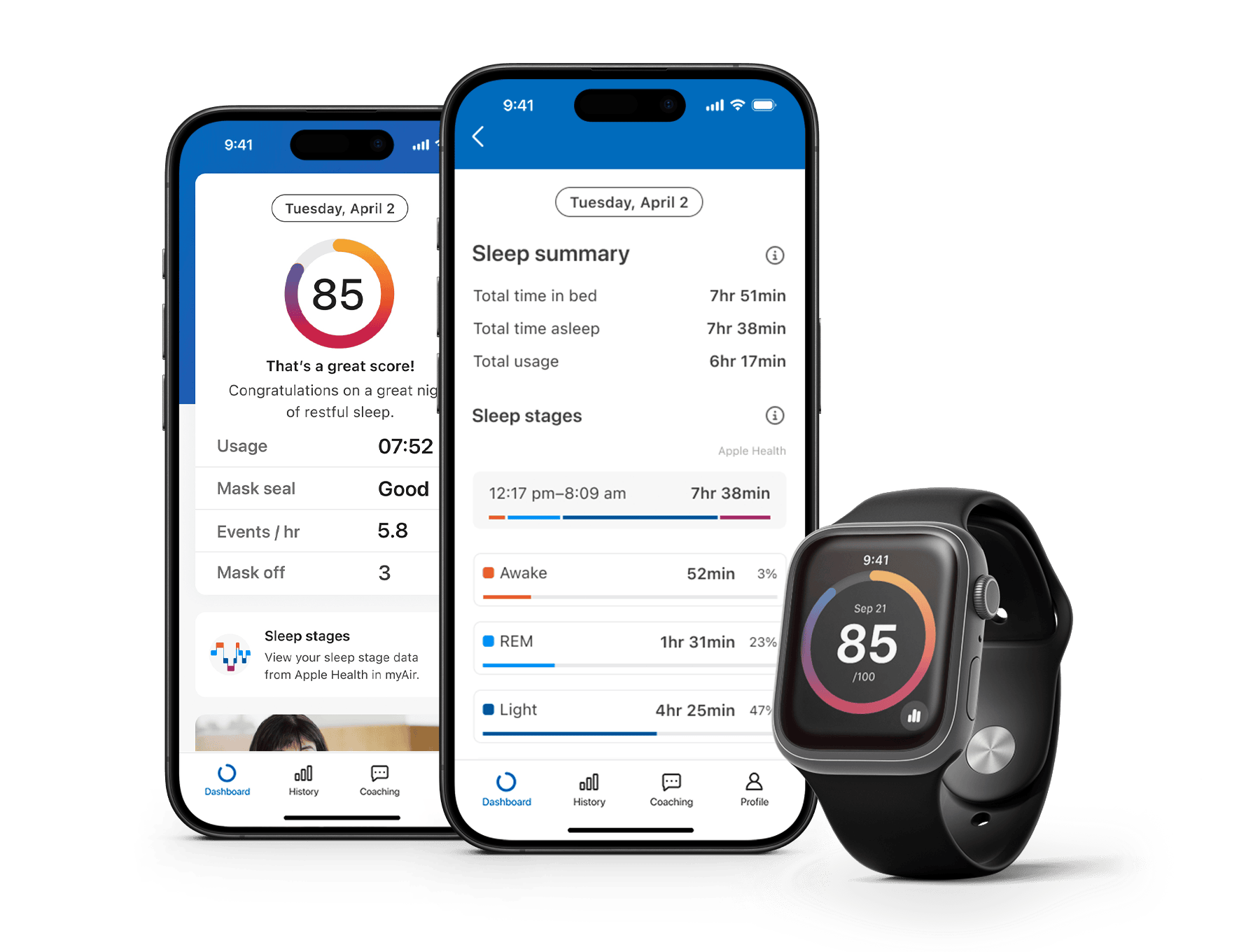
An estimated 80% of people with obstructive sleep apnea (OSA), a chronic condition that disrupts breathing during sleep, remain undiagnosed.
Untreated OSA is associated with higher risk of cardiovascular disease and hypertension, Type 2 diabetes, cognitive decline, and depression.
Whitaker envisions a time when wearable technology is seamlessly integrated with electronic health records, AI analytics, and telemedicine. He told The MAHA Report that wearables offer the promise of earlier intervention, and they empower patients to actively participate in their own care.
“Real-time health insights empower people to prevent disease rather than wait for issues to worsen,” Whitaker explained. “In addition, better health data can make doctor visits more informed and productive.”
People can notice changes and trends in their health earlier by shifting health monitoring from a once-a-year office visit to the ongoing practice of using wearable technology before complications develop or chronic conditions progress, Whitaker said.
For patients already under medical care, wearable-generated data can provide greater visibility and additional context for clinicians to support more personalized care, Whitaker added.
Shop our merch store to support the MAHA Report and the MAHA movement.
All proceeds go to supporting the cause.
Related Reading


Love the comments speaking out against wearables.
Just to call this out, not only are wearables more data, but they may also have negative harmful effects as who knows what having all that technology on your body does eg EMFs)
More data doesn’t always mean better health outcomes:
https://unorthodoxy.substack.com/p/how-trump-and-rfk-are-advancing-transhumanism
No thanks. Just one more device subject to hacking.