


The average American woman applies 168 different chemicals to her body every day, according to the Environmental Working Group (EWG), which surveyed thousands of people in 2004 about the personal care products they use.
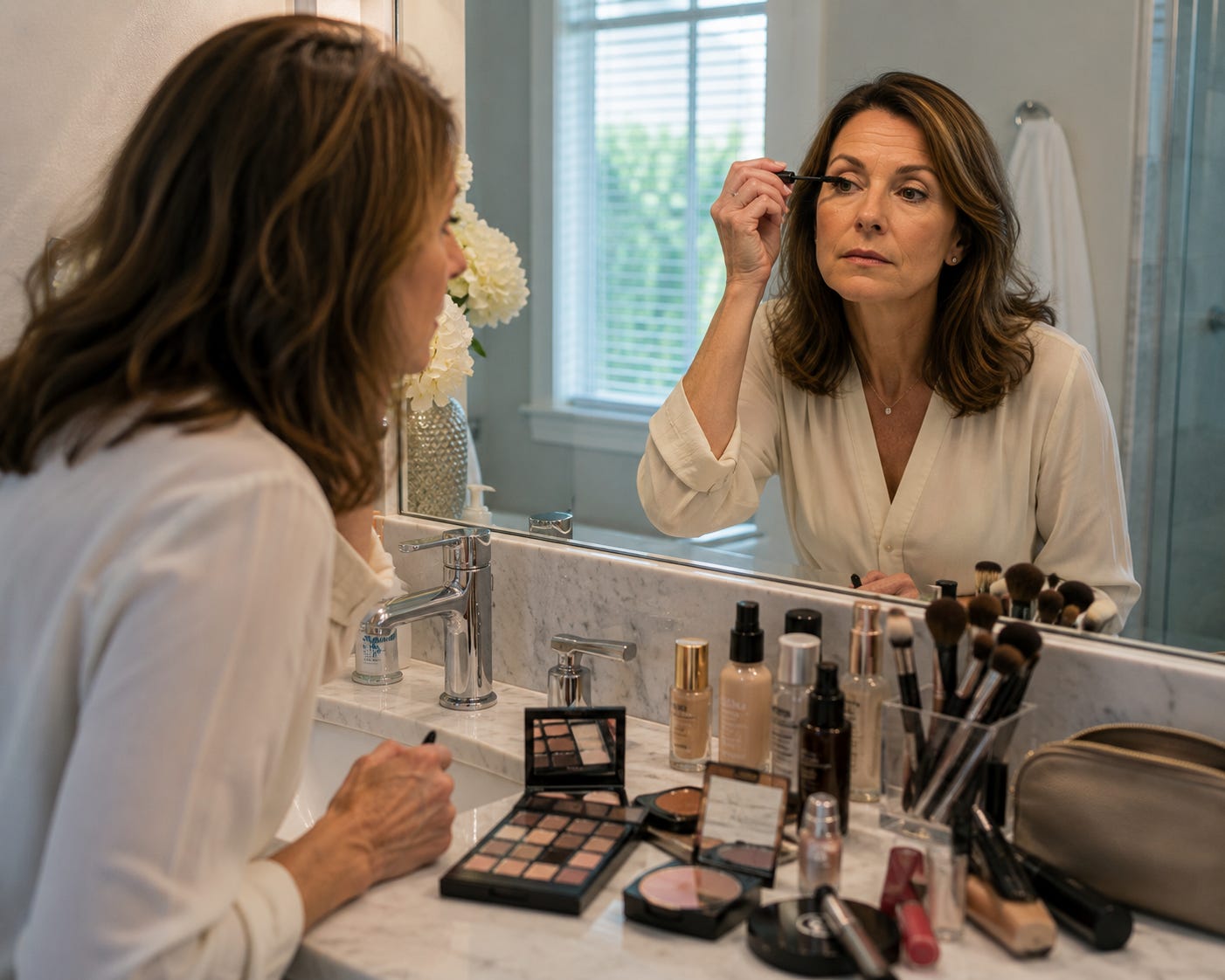
A woman uses 12 products, on average, before she even has her coffee in the morning, the survey showed. These include shampoo, conditioner, hair gel, hair spray, soap, lotion, deodorant, nail polish, make-up, and perfume – each one containing toxins the skin absorbs into the bloodstream. And it’s not just women. EWG found the average man uses 11 products containing 105 unique chemicals every day. The numbers run lower, but the exposure is as real and the biological consequences as serious.
Our skin is the body’s largest organ, and many of the toxins, pesticides, and organic solvents in personal care products can penetrate the skin barrier and enter the bloodstream. During a hot shower, small capillaries under the skin dilate and absorb more toxins from soap, shampoo and conditioner.
Scientists have found fragrance compounds, phthalates, and parabens in human blood, urine, breast milk, placenta, and fat tissue. More than 90% of people tested in the United States carry parabens in their bodies right now. They accumulate in tissue and fat, and can disrupt hormones for years.
What these chemicals do to women
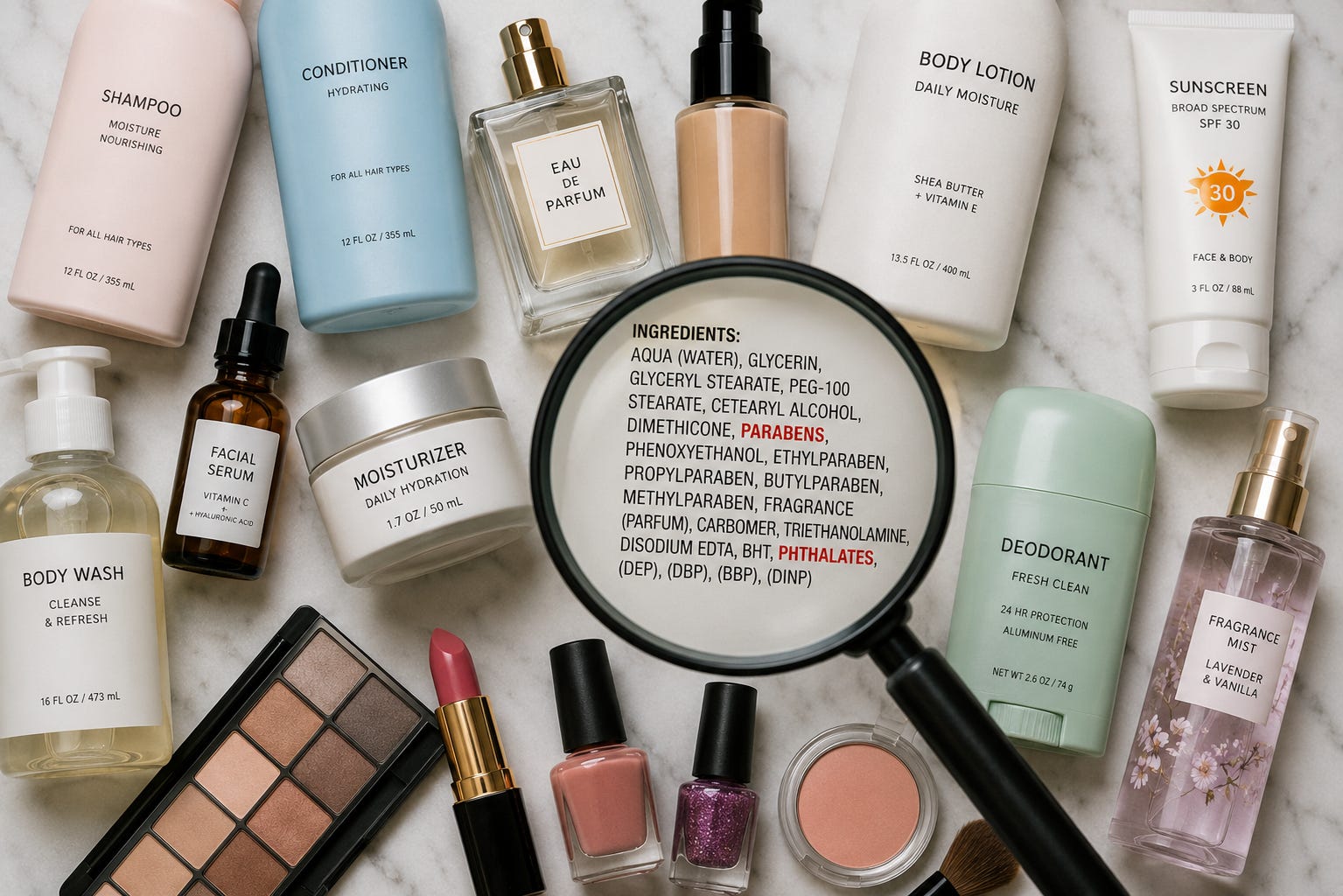
Many of the most common ingredients in personal care products are endocrine disruptors, compounds that interfere with the body’s own hormones and mimic estrogen so the body cannot tell the difference. These imposters are called “xenoestrogens.” Parabens, the preservatives in lotions, shampoos, deodorants, and makeup, amplify the body’s own estrogen signaling, and interfere with testosterone.
Phthalates, the compounds that make fragrance linger and nail polish flexible, disrupt estrogen, progesterone, and testosterone all at once.
Estrogen is one of the body’s master growth signalers. It builds breast tissue at puberty, thickens the uterine lining each month, grows a baby in pregnancy, and tells the body to store fat. Xenoestrogens can switch on that same growth signal wherever the body has estrogen receptors, which are docking sites for estrogen.
Breast tissue is especially vulnerable, along with ovaries and the uterine lining. A study of women in Denmark found that exposure to dibutyl phthalate, a chemical used in nail polish, perfume, and hairspray, had double the risk of developing estrogen receptor-positive breast cancer, the most common form.
Researchers asked a group of women to avoid personal care products containing phthalates and parabens for 28 days. At the end of the month, the women showed significantly lower levels of those chemicals in their urine and a measurable reversal in the activity of cancer-related genes in breast tissue.
What these chemicals do to men
Phthalates don’t behave like estrogen in the male body. Instead, they block male hormones, lowering testosterone, degrading sperm quality, and undercutting muscle, drive, and fertility that testosterone sustains. Whether male or female, this daily chemical load pushes the body’s natural hormonal balance way off course.
Men are exposed to these same chemicals through shampoo, cologne, deodorant, hair products, and shaving cream. There are also phthalates and BPA in the plastic bags or containers that store food, and in store receipts. Thermal receipt paper is coated with BPA, or its chemical cousin, BPS.

And then there’s the laundry issue. Laundry detergents, softener and laundry sheets leave a residue of toxic ingredients on clothing. Common offenders include hidden carcinogens like 1,4-dioxane, hormone-disrupting synthetic fragrances, formaldehyde, and toxic surfactants.
Sweat, friction, and body heat dissolve that residue, giving trace chemicals prolonged, direct contact with the skin barrier, where they can be readily absorbed into the skin. Dry cleaning also adds perchloroethylene, a solvent the EPA classifies as a likely human carcinogen and a chemical cousin of the trichloroethylene (TCE) linked to Parkinson’s disease.
There’s also a growing body of evidence that everyday chemical exposures are impacting sperm count. A landmark 2017 analysis found that sperm counts among men in Western countries had fallen more than 50% between 1973 and 2011, with no sign of leveling off. Testosterone levels have been dropping too, with each generation of men registering lower levels than their fathers at the same age.
The chemical load on the rest of the household
Cleaning products pose real danger, too, and women tend to be most affected. An EWG analysis of 30 common cleaning products identified 193 unique hazardous chemicals, linked to asthma, hormone disruption, reproductive harm, and cancer. The health consequences show up in the women who clean the most.
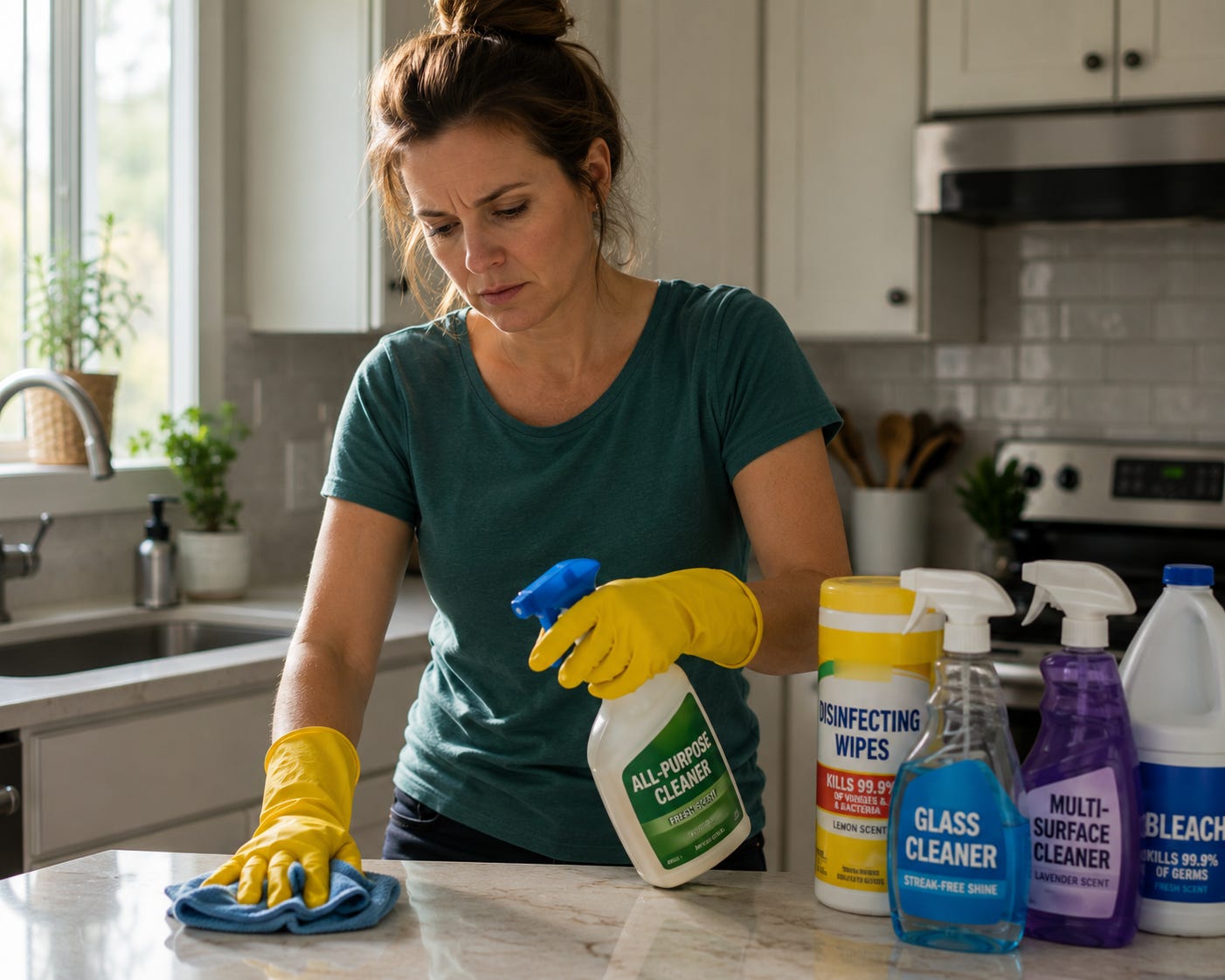
A study from the American Journal of Respiratory and Critical Care Medicine found that women who cleaned at home or worked as professional cleaners suffered lung function decline comparable to smoking a pack of cigarettes a day. The ICARE study found that women who cleaned the most had double the lung cancer risk, with chloroform from bleach and benzene in detergents among the suspected drivers.
Children take on this load too, crawling on freshly cleaned floors and breathing in fumes that harm their developing bodies at lower doses than adults.
MAHA wants to close the gap
For nearly a century, the chemicals in personal care and cleaning products have been governed by a system that assumes safety until proven otherwise. Cosmetics need no premarket approval, fragrance formulas stay hidden as trade secrets, and the burden falls on the consumer to figure out what’s really in the product.
That is the gap the Make America Healthy Again movement has set out to close. Under HHS Secretary Robert F. Kennedy Jr., the FDA has named endocrine-disrupting chemicals a target of its 2026 agenda, beginning safety reviews of compounds long treated as harmless – with phthalates among the first in line. It’s a reversal of the old order, when a chemical stayed on the shelf until a body count forced the issue that resulted in rigorous testing.
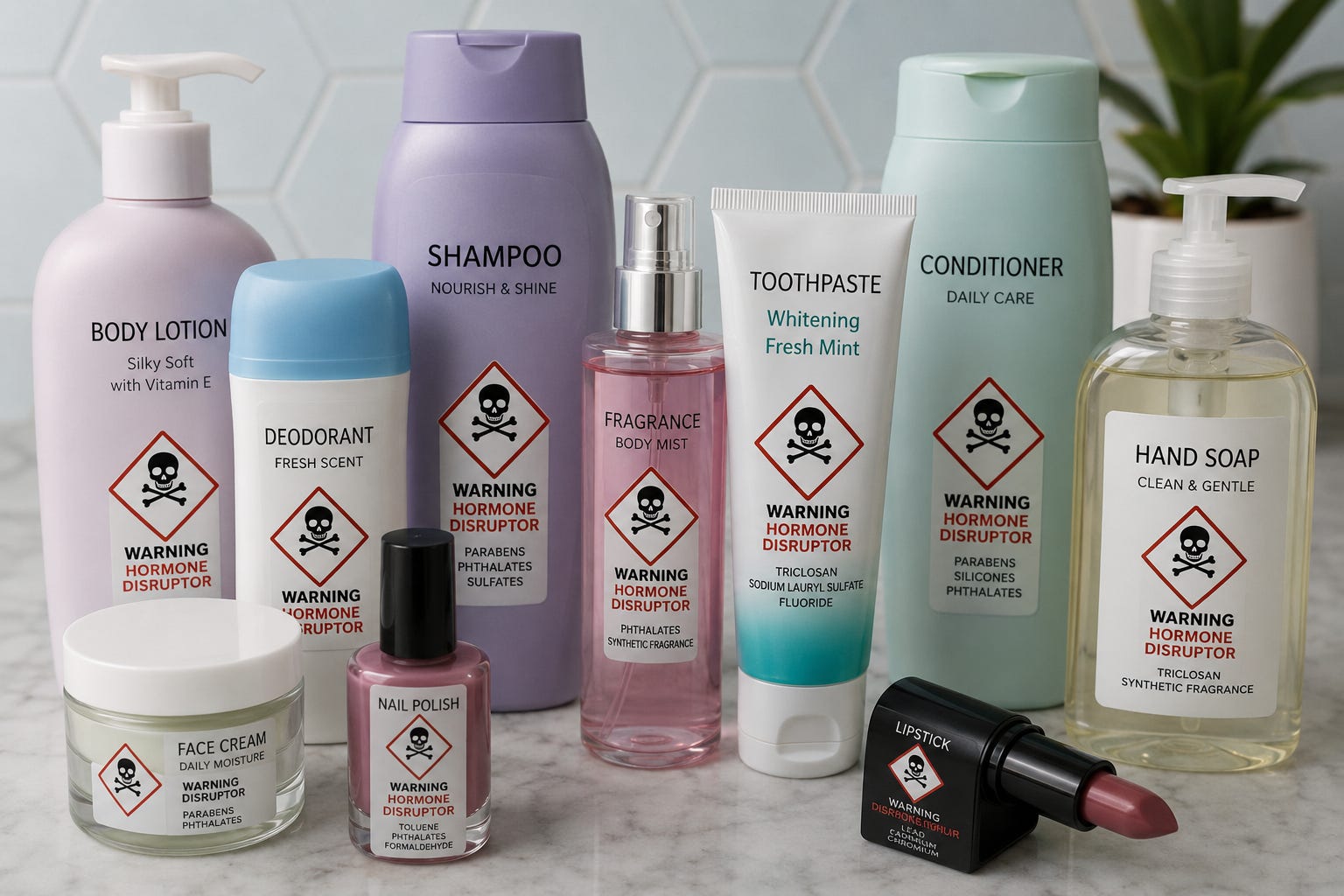
HHS is looking carefully at the chemicals tied to falling sperm counts, hormone-driven cancers, early puberty in girls, and the lung damage that comes from years of breathing in such chemicals.
For the woman applying product number 12 before breakfast, the child on the freshly cleaned floor, and the man who never read a label in his life, exposure wasn’t a choice because the facts weren’t on the label. Closing that knowledge gap is one major MAHA fight now underway.
Shop our merch store to support the MAHA Report and the MAHA movement.
All proceeds go to supporting the cause.
Related stories:
Why Are Chemicals Being Sprayed Where Our Kids Play and What Can We Do About It?

Glyphosate gets most of the public attention, but it is not the only chemical shaping the American landscape. In many neighborhoods, an array of chemicals are right outside the front door: broadleaf herbicide mixtures sprayed on home lawns, school grounds, athletic fields, parks, hospital campuses, and Home Owner’s Association (HOA) managed green spaces.
Why Every American Must Resist the Chemical Liability Shield

By Catherine Ebeling, RN, MSN, Contributor, The MAHA Report

Very interesting and won't gays and transgenders be pissed when they find out that chemicals caused their mental illness. They wouldn't listen and psychiatrists, surgeons, and clinics made tons of money off of them. Why pussyfoot around Secretary Kennedy? These companies know exactly what's harmful. Don't give them years to clean it up, make them do it now.
Glad this is being discussed. I have a chemical sensitivity that started this year. If I’m around these chemical fragrances, my airways close up. I can’t go anywhere without being affected including the doctors office, Dentist, GYM, being around anybody who uses scented laundry products, perfume, cologne . I’ll go for a walk through the neighborhood and I can smell the chemicals through the dryer vents. Scented laundry products off-gas. There is the woman at my gym that I cannot be around.
Tyde, Gain, Fabuloso are brutal on the respiratory system. The boosters and dryer sheets are killers. Affects pets too. Very bad for the environment as well.
Most public bathroom has a toxic air fresheners.
There is a law firm in California Cole and van NOTE that are rolling out class action lawsuits against companies that use these toxic fragrances. Some businesses such as the Marriott hotel are pumping chemical fragrance through their HVAC systems, airports are now doing this too.
We are being poisoned on all sides.
If you stop using any chemical fragrance for a couple months you’ll notice a huge difference when you’re around them.
This goes for cleaning products too. My favorite cleaner is hydrogen peroxide in a spray bottle. Works awesome. Vinegar and baking soda work well too
For laundry detergent, I like the unscented laundry detergent sheets by Mollys Suds.
It’s not only safe but it eliminates the plastic bottle. And they’re not tested on animals because they’re not dangerous.