


Glyphosate gets most of the public attention, but it is not the only chemical shaping the American landscape. In many neighborhoods, an array of chemicals are right outside the front door: broadleaf herbicide mixtures sprayed on home lawns, school grounds, athletic fields, parks, hospital campuses, and Home Owner’s Association (HOA) managed green spaces.
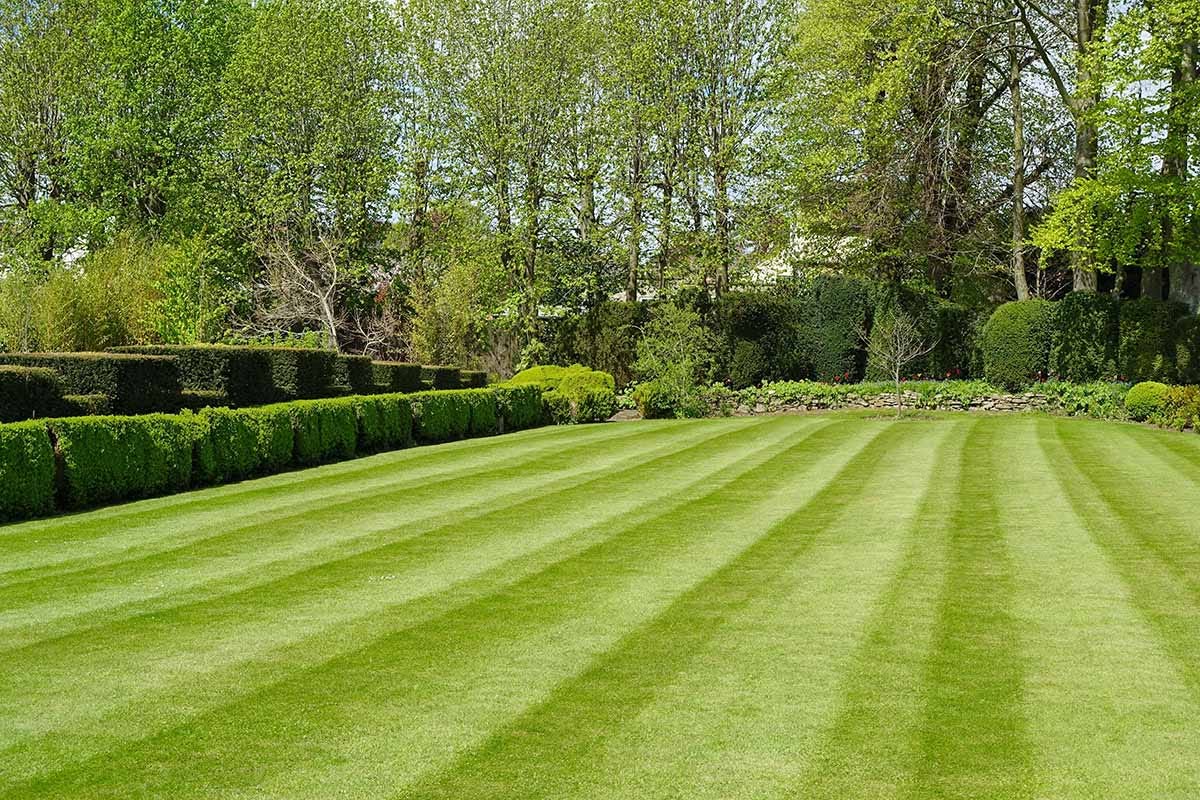
Those chemicals are often applied by lawn-care companies with reassuring names like “Lawn Health,” “Lawn Matters,” or “Healthy Turf.” But such names aside, a deeper look at these companies reveals that the products being sprayed are herbicide formulations designed to kill weeds in the grass, often using a dangerous cocktail of 2,4-D, dicamba, MCPA, mecoprop/MCPP, quinclorac, sulfentrazone, or related compounds.
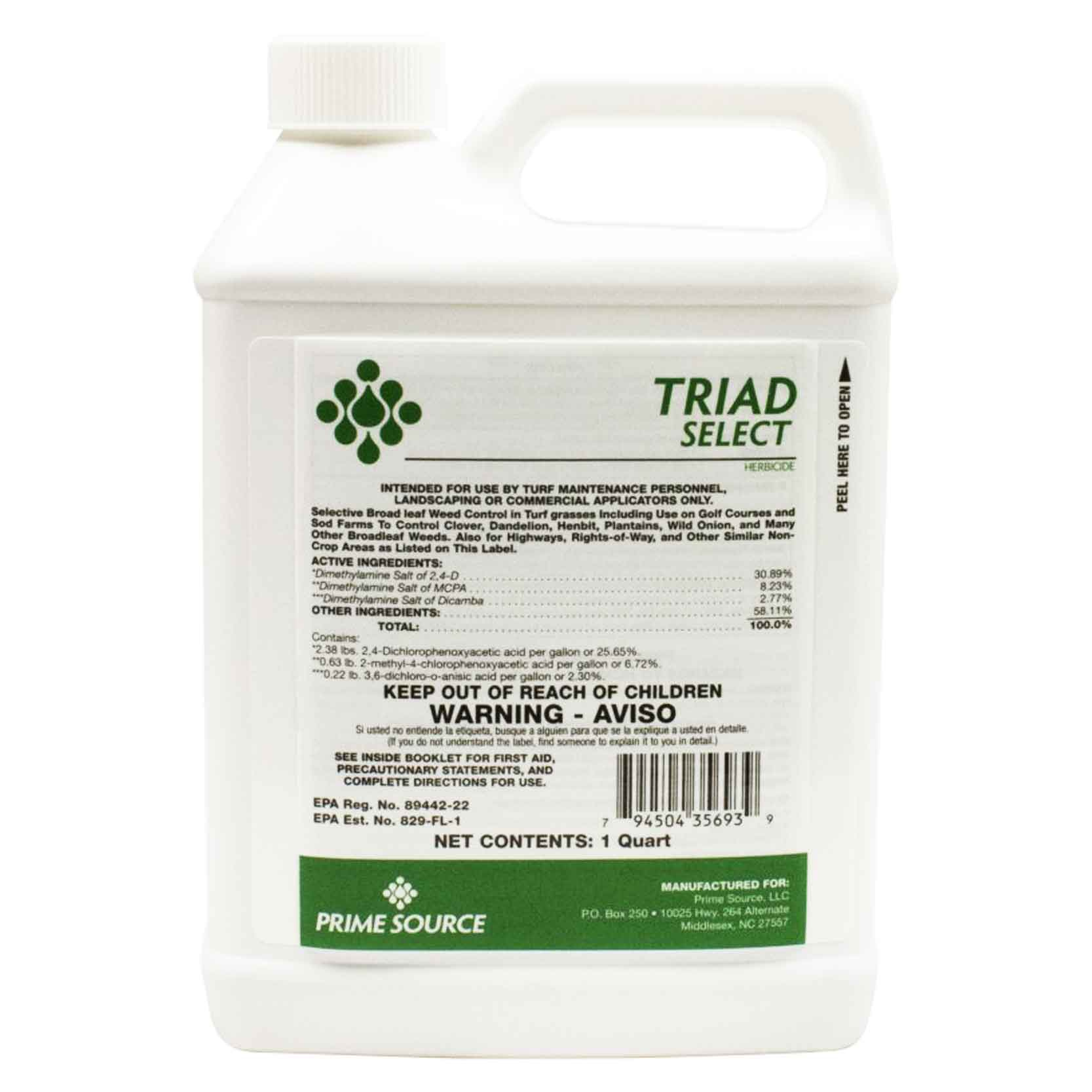
Triad Select is a commonly used lawn herbicide containing a combination of active ingredients, including 2,4-D, MCPA, and dicamba. The Safety Data Sheet lists 2,4-D at roughly 30% to 32%, MCPA at 7.8% to 8.6%, dicamba at 2.6% to 2.9%, and more than 50% “other ingredients” withheld as a proprietary trade secret.
The label warns that the product is toxic to fish, may harm “non-target” plants, and that drift and runoff may be hazardous to fish and plant life in nearby bodies of water. “Non-target plants” can include the backyard vegetable garden, fruit trees, grapevines, pollinator beds, or native landscaping next door. The labeling also states that the product has “high potential” to reach surface water through runoff for “several months or more” after application.
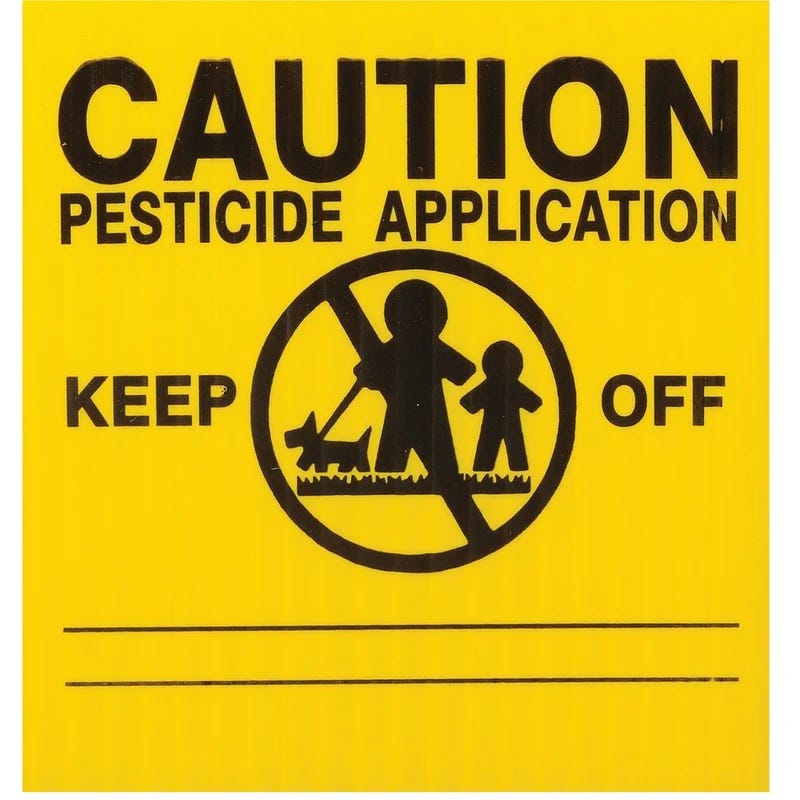
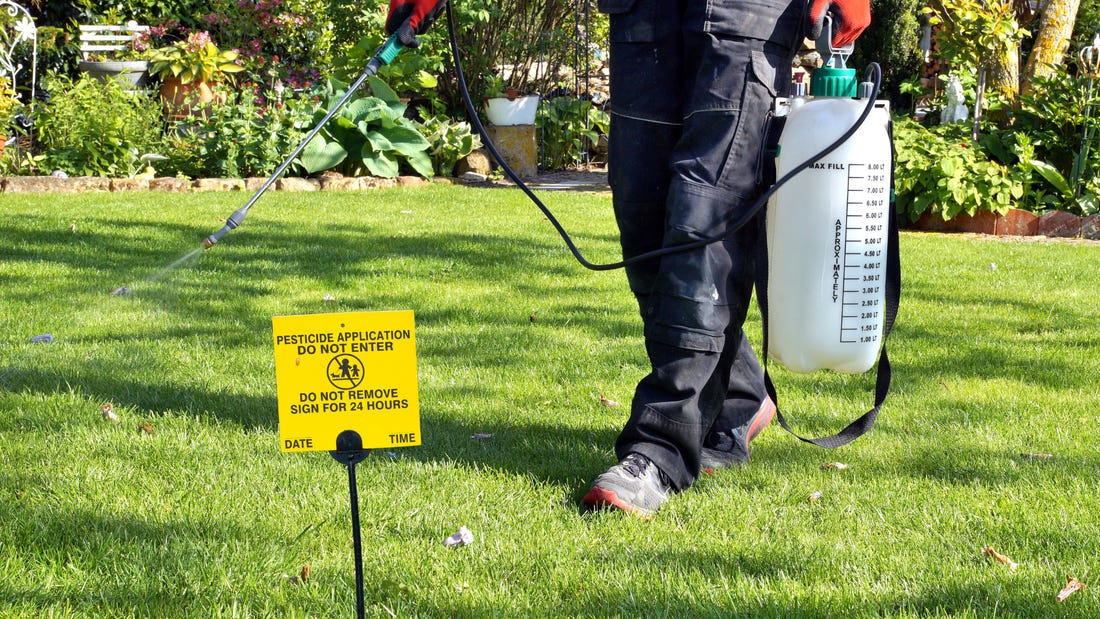
This is what makes the little pesticide warning flags left behind by lawn companies feel so absurd. They appear to be mostly advertisements, with their company’s name in bold on one side, and, in small print on the other, warnings to keep children and pets off the grass for 24 hours.
A chemical half-life means that half of the original amount remains after one half-life. As a practical rule, it takes roughly five half-lives for about 97% to 98% of a compound to dissipate, and even then, residue is not necessarily zero. That makes the common monthly lawn-treatment model especially concerning.
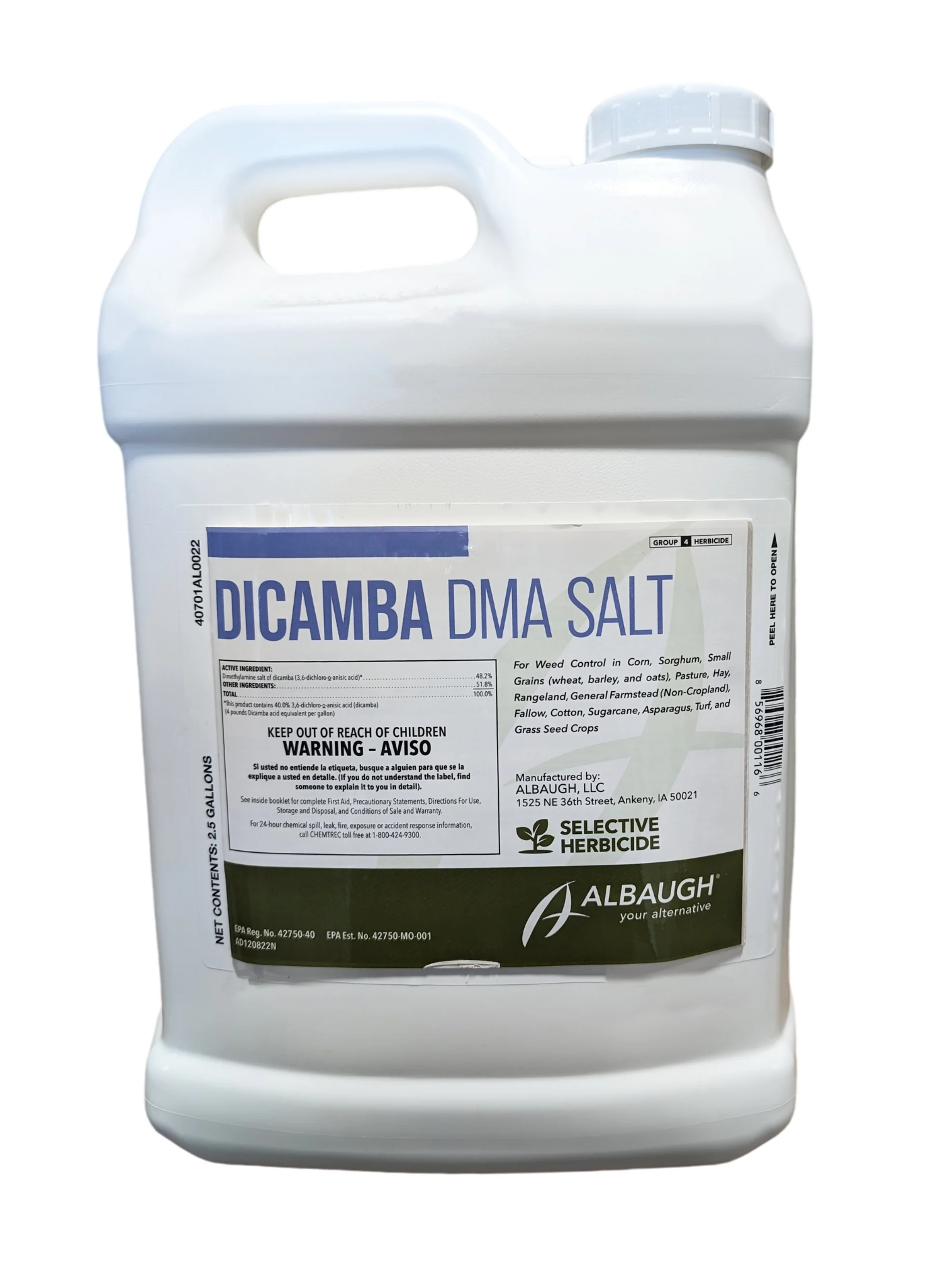
When a product contains ingredients with half-lives measured in weeks or months, the next application may occur before the previous one has worn off. Persistence depends on the active ingredient, formulation, soil type, moisture, sunlight, microbial activity, and the chemical’s fate in the environment. For example, 2,4-D often has a reported soil half-life of 1 to 14 days, though it can persist longer in sediment, where it has been reported to last months rather than days. Dicamba’s soil half-life is commonly reported to be around 30 to 60 days.
The exposure issue is not limited to a single lawn on a single day. In a heavily treated development, applications are rarely coordinated. One company sprays on Monday, another on Tuesday, and a different neighbor on Wednesday, creating a near-daily chemical rotation all summer long. Opening windows becomes a gamble. Children walk and ride bikes along sidewalks and curbs that have also been sprayed because, apparently, not even a weed in the crack of a sidewalk can be tolerated.
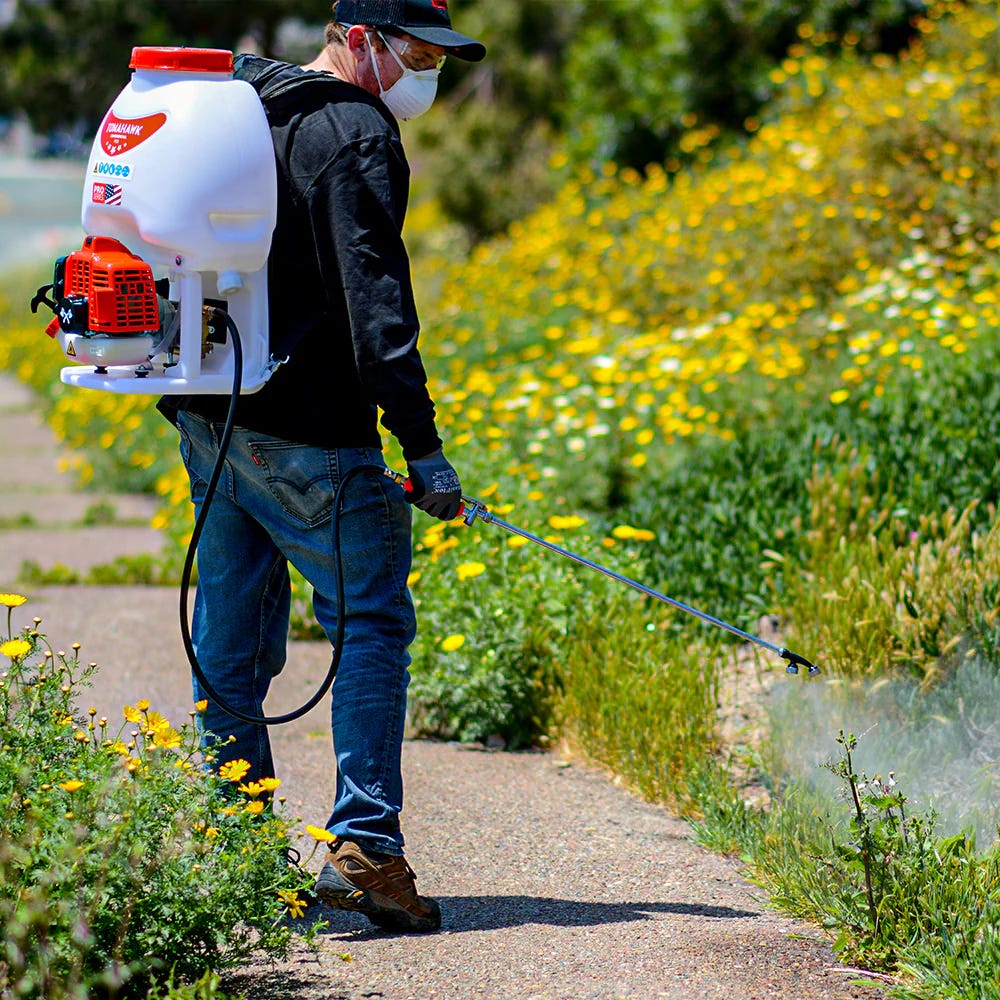
Studies have found lawn-applied 2,4-D in indoor air, house dust, and household surfaces, meaning children are not even safe inside, as chemicals from the lawn can be tracked into the rooms where children crawl, play, and sleep.
The National Health and Nutrition Examination Survey (NHNES) found detectable 2,4-D levels in nearly one-third of participants; children ages 6 to 11 had more than twice the odds of higher 2,4-D concentrations compared with adults ages 20 to 59, and women of childbearing age had 1.85 times higher odds than men of the same age.
The CDC and poison control centers track exposures under the broader category of pesticides, which includes herbicides. The true health effects are likely underestimated due to underreporting. Many people never call Poison Control, seek medical care, recognize pesticide-related symptoms, or receive an accurate diagnosis, especially because symptoms can resemble those of common illnesses such as respiratory infections or worsening asthma. Reporting also varies by state, and multi-chemical mixtures make causation harder to prove. Many products contain solvents, surfactants, and other so-called “inert” ingredients that may contribute to health effects but are often not disclosed by name, making exposure tracking even more difficult.
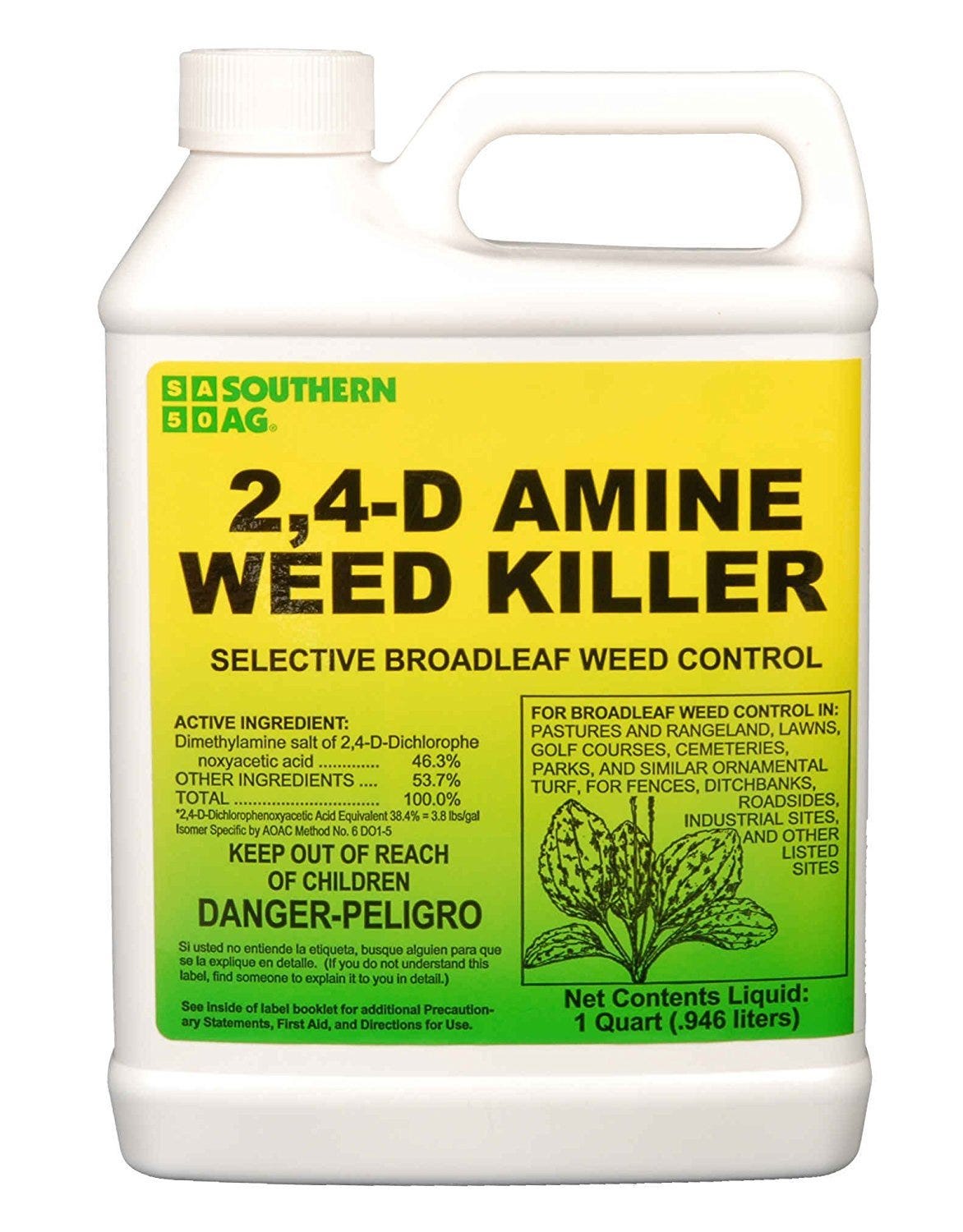
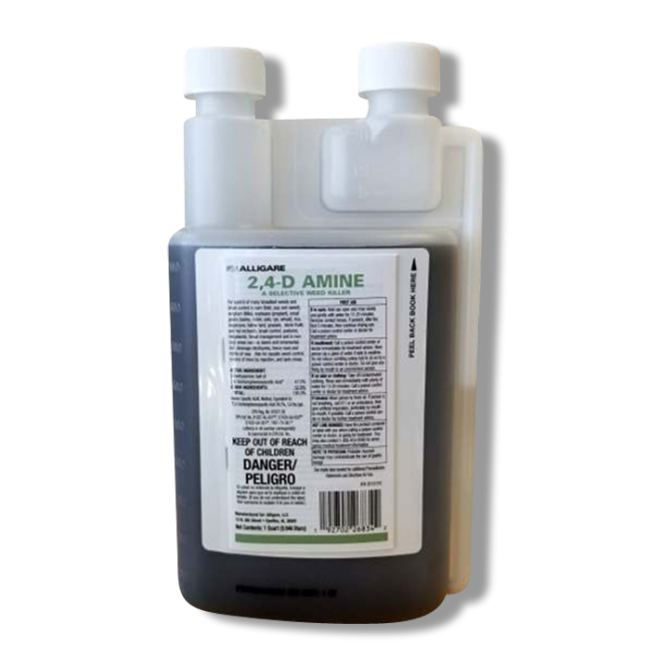
An SDS, or Safety Data Sheet, is the manufacturer’s formal hazard document for a chemical product, where the fine print often tells a very different story than the friendly lawn-care marketing. These documents commonly classify lawn herbicides as harmful if swallowed, harmful if inhaled, and serious eye irritants. They instruct users to avoid breathing mist, vapors, or spray.
These warnings matter because sprayed chemicals do not always stay where they are applied. Fine droplets can drift in the wind, and some chemicals, including dicamba and 2,4-D, can move off-site as vapors after application. This risk is higher during temperature inversions, when cool air is trapped near the ground beneath warmer air, allowing droplets and vapors to linger and travel sideways rather than disperse upward.
For that reason, product labels often call for restricting spraying during certain wind conditions or inversions and require applicators to take measures to prevent drift. North Dakota State Extension notes that during an inversion, small pesticide droplets can move thousands of feet, and volatile pesticides can move miles. Yet in many neighborhoods, lawn crews still appear to spray with little visible regard for wind, weather, or who is downwind.
Short-term exposure to lawn herbicide spray can irritate the eyes, skin, nose, throat, and airways. Symptoms may include coughing, airway burning, dizziness, nausea, or headache. The longer-term concerns are harder to study, but they should not be dismissed. Research on pesticide exposure has linked long-term exposure with asthma, wheezing, and respiratory symptoms, especially in children. For 2,4-D specifically, toxicology reviews have reported effects on the nervous system, reproduction and development, and organs such as the thyroid, kidneys, adrenals, ovaries, and testes. High exposures have also been associated with liver and kidney injury and neurologic problems.
Cancer data are more debated, but the International Agency for Research on Cancer classifies 2,4-D as “possibly carcinogenic to humans,” and some studies of dicamba and other herbicides have raised questions about lymphoid cancers and other malignancies.
Families should know that reporting matters. If symptoms occur after a lawn application or suspected drift event, call Poison Control at 1-800-222-1222 for medical guidance and to help ensure the exposure is captured in national poison-data systems. Concerns about drift, misapplication, spraying without consent, or violations of label directions should also be reported to the state pesticide regulatory agency, often housed within the state Department of Agriculture, and to the local or state health department when illness is involved. If no one reports these exposures, they remain invisible.
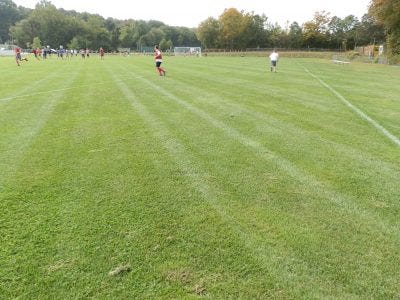
And this is not just a home-lawn issue. These products are also sprayed where children, patients, athletes, and families gather: on school grounds, in public parks, on soccer fields, on playgrounds, and even around hospitals and medical clinics. It is almost surreal to see warning flags posted around institutions that are supposed to be concerned with health and the well-being of children and communities.
In my community, I discovered my children were playing soccer on a field the same day a treatment was applied, and the parks and recreation department said they had no warning when the companies they contract for the season decide to spray. Patients may walk past pesticide markers on their way into an oncology appointment. Families may sit in a park, allowing their infant to crawl in the grass, without realizing the grass was recently sprayed. We have normalized chemical applications in the very places where safety should be highest.
Some communities are taking action and have already decided that routine pesticide use does not belong where children play. New York’s Child Safe Playing Fields Act prohibits the use of pesticides on school and day-care playgrounds, turf, athletic fields, and playing fields. Connecticut bans lawn-care pesticide applications on day-care and K–8 school grounds and has extended restrictions to municipal playgrounds. Cities such as Portland and South Portland, Maine, restrict the use of synthetic pesticides on lawns, parks, playing fields, and other outdoor spaces, while Irvine, California, has moved its city property toward organic land management. Montgomery County, Maryland, even defended a broader cosmetic lawn pesticide ordinance in court. These inspiring counter-measures show that pesticide-free public spaces are not unrealistic; in parts of the country, they are already a policy.
I was recently talking with a friend about lawns being sprayed, and her daughter overheard the conversation and asked a simple question: “How could I find a four-leaf clover if our yard was sprayed?”
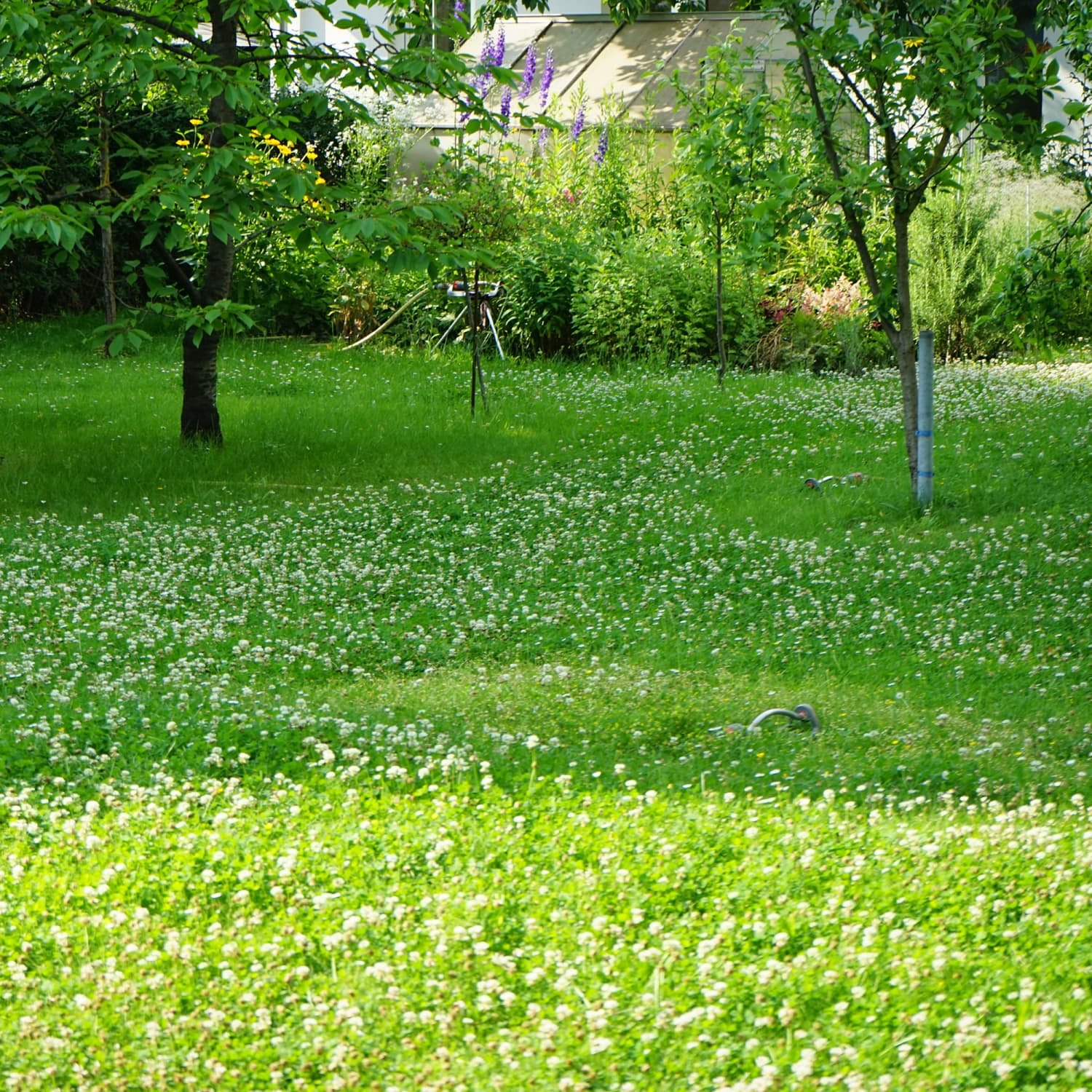
Children should not experience the outdoors as a chemically managed environment. They are meant to lie in the grass, hunt for four-leaf clovers, chase fireflies, pick dandelions, watch bees move from flower to flower, and discover whatever their hearts lead them to discover. Lawns are not just something to look at from a window. They are living places. When we spray away every clover, violet, and dandelion in pursuit of a perfect green monoculture, we are not just removing “weeds” – we are getting further and further away from teaching an appreciation for the natural world.
In his foundational essay Nature, written in 1836, transcendentalist Ralph Waldo Emerson writes, “Every object rightly seen unlocks a quality of the soul.” Those words resonate 190 years later.
Maybe part of making America healthy again is letting children be children again, barefoot outdoors, searching for four-leaf clovers in lawns alive enough to grow them.
Why are we spraying grass at all, and is it really worth it?
Even in an HOA, there is room for sanity. Keep the lawn mowed. Overseed bare patches. Build soil health. Spot-pull the truly invasive plants. Let clover feed the bees and fix nitrogen. Stop treating every dandelion like a public health emergency while ignoring the chemical exposure created in the name of curb appeal.
A truly healthy lawn should not require neighbors to close their windows, children to avoid the grass, or pets to wait for permission to walk outside. The yellow flag is not proof of responsible lawn care. It is a warning sign, one that should make us question how far our definition of a “healthy lawn” has drifted from actual health.
Shop our merch store to support the MAHA Report and the MAHA movement.
All proceeds go to supporting the cause.

The same reason persistent aerosolized trails are being laid-down in the sky every day - and have been since the late 1990s. What are we going to do about that?
Trump administration has been rapidly adding allowable pesticides;
Fluorinated herbicides (PFAS);
Diflufenican - Herbicide - Registered 2026
Epyrifenacil - Herbicide - Registered 2026
Trifludimoxazin - Herbicide - Proposed in 2025; registered 2026 for use on food crops, turf
-------------------------------------------------
Glufosinate-P (approved 2025): New active ingredient for use in glufosinate-tolerant and conventional corn, soybean, cotton, canola, and other crops
Dicamba: Not a new active ingredient, but 2026 EPA reapproved dicamba products with loosened restrictions after previous registrations were vacated by federal courts.
Insecticides;
Isocycloseram (approved late 2025): New insecticide for crops such as cotton, potatoes, Brassica vegetables, citrus, and for structural pests including termites, cockroaches, bed bugs
Fungicides / Nematicides
Cyclobutrifluram (approved late 2025): A new fungicide/nematicide for turf, ornamentals, romaine lettuce, cotton, and soybean seed.
Florylpicoxamid (approved in 2025): A broad-spectrum fungicide for turf, food crops and golf courses
--------------------------------------
How many new restrictions? Zero.