


If Anthony Fauci were running for elected office, he’d have at least one unwavering advocate: The New York Times.
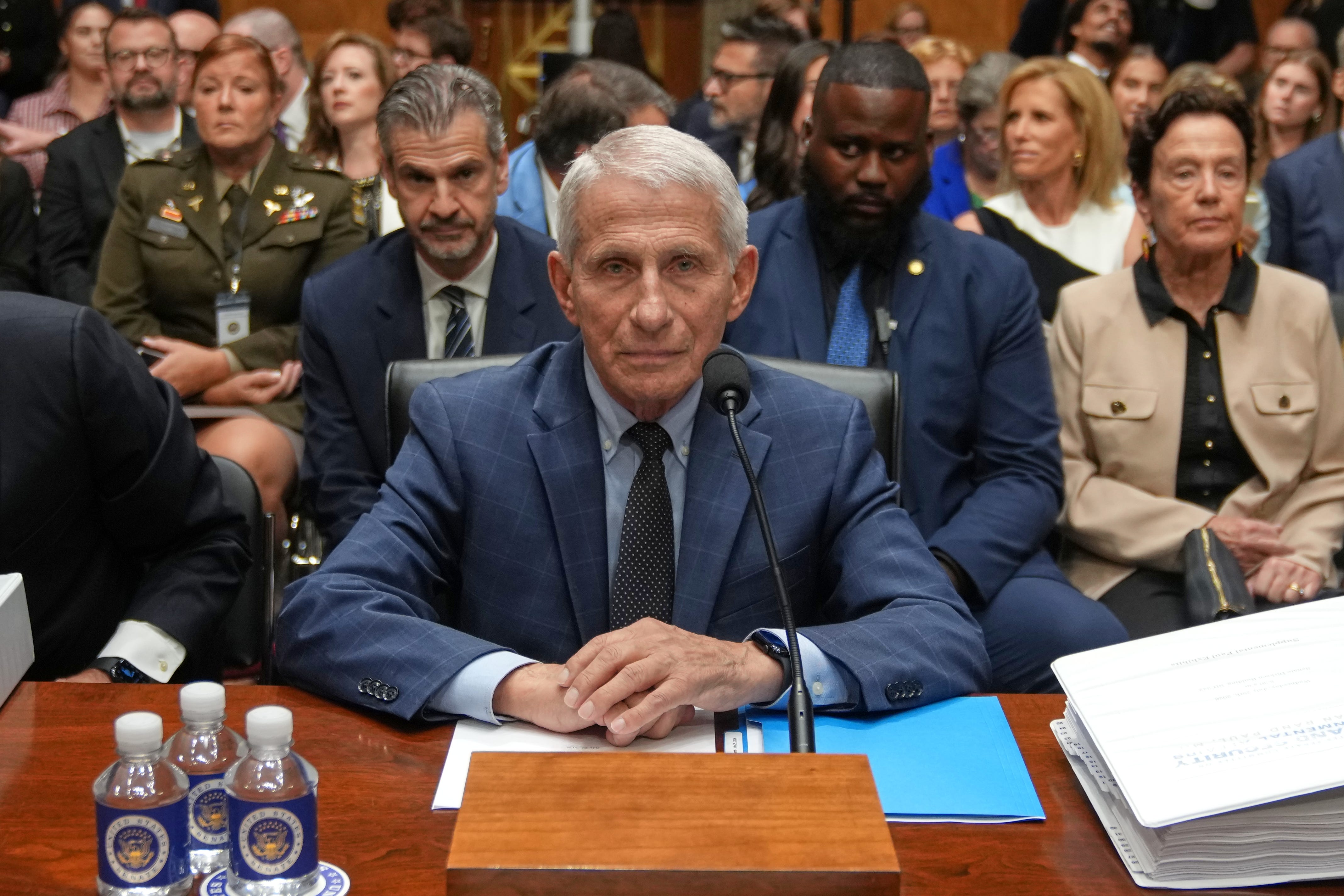
As if readers didn’t already know which side the Times often takes when it ‘reports’ political news, the so-called ‘paper of record’ has once again reported what looks like a news piece but reads like an editorial.
At the Wall Street Journal, former news department editor-in-chief Matt Murray describes what a news story should offer: “Sound news reporting is based in facts, impartially gathered and fearlessly presented,” he writes. “It relies on objective, baseline truths that are knowable. Great reporters are curious, skeptical, challenging, open, empathetic and genuinely impartial—and go where the facts lead.”
Paul Gigot, who oversees the Opinion pages at the WSJ, clearly lays out what he looks for in editorials: “Wall Street Journal readers want information, but they also want to make their own judgments about what they are learning,” writes Gigot. “Our commentary is intended to inform on the issues of the day, with the added purpose of stirring debate and helping readers decide for themselves what they think.”
Writers at the Times, the WSJ and many other news organizations presumably have been taught this basic distinction in journalism school or wherever they began writing professionally.
Turning reporting into editorial journalism may well be a consequence of the politically divisive times in which we live.
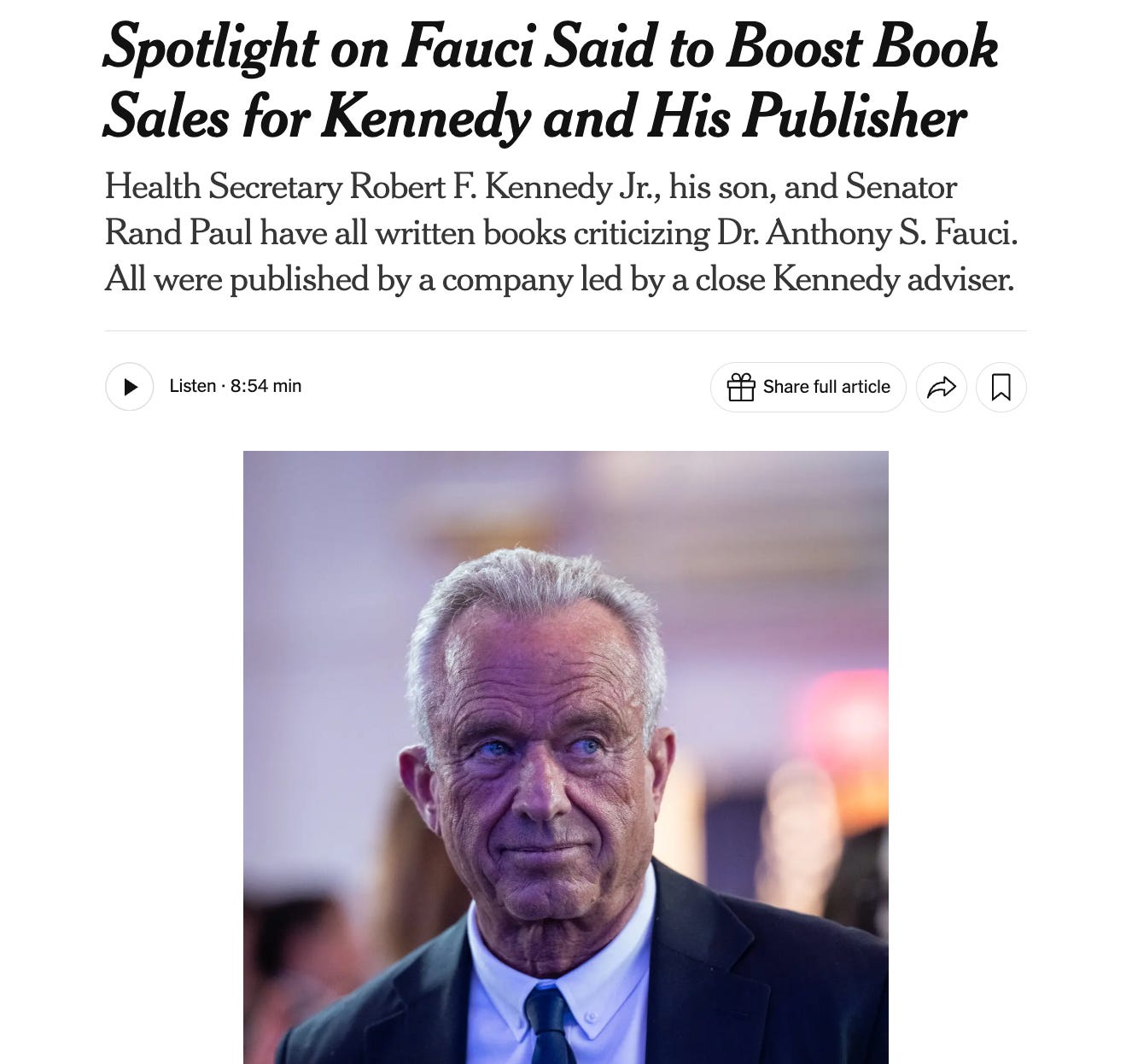
The Times’ coverage of The MAHA Report story, dated July 30 and titled, “Book Sales for the ‘The Real Anthony Fauci’ Spike Following the Fauci Hearing,” written by Sheryl Gay Stolberg, is its most recent case in point.
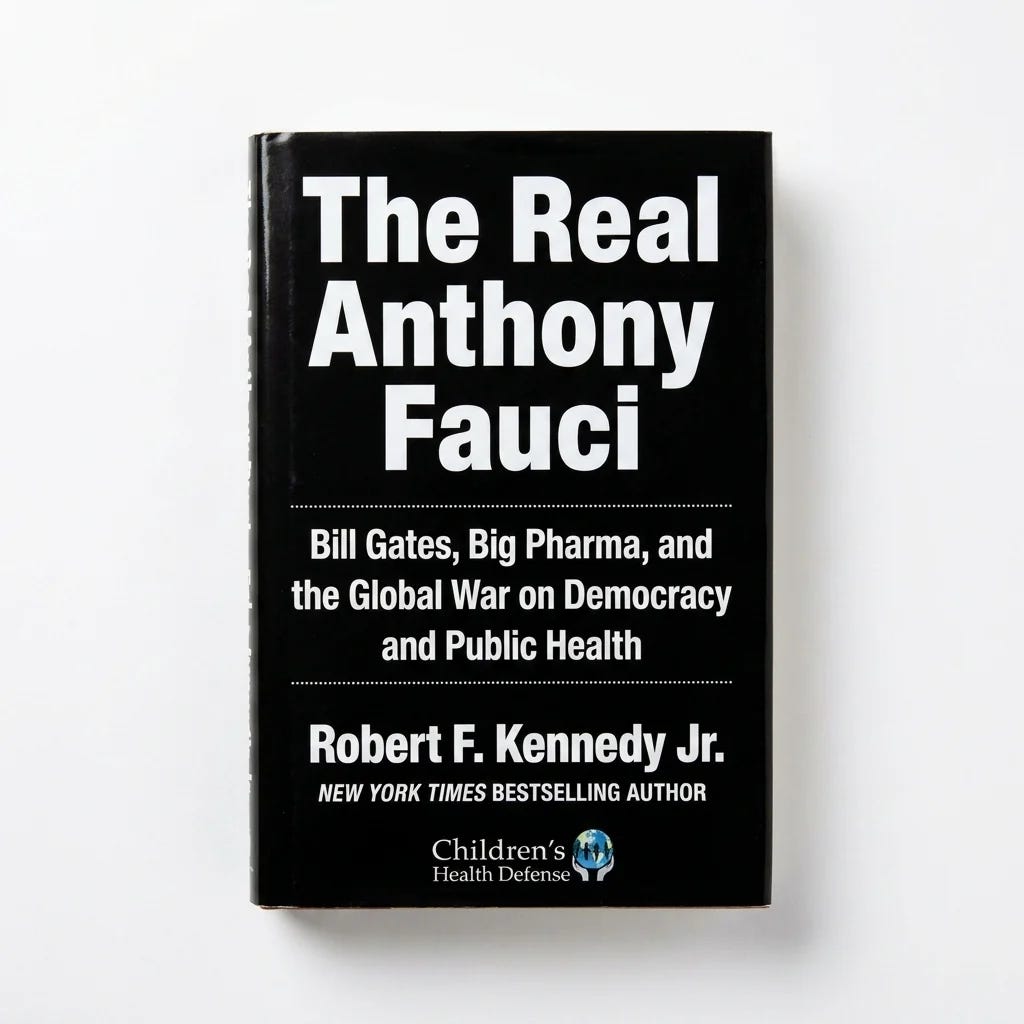
Our article was based on the fact that the Skyhorse book, The Real Anthony Fauci, went from out of Amazon’s top one hundred books in the nation, to, the day after the Fauci hearing, #69, #52, and, after the story was published, #42.
These facts are unimpeachable.
The Times article about our report gives only the smallest red flag: “Spotlight on Fauci Said to Boost Books Sales for Kennedy and His Publisher.”
The “Said” is valid; the Times isn’t suggesting it knows more than our report. It is signaling that it’s simply reporting on our report.
But is it – and if not, where does it go off the rails?
The article starts innocently enough. “Mr. Kennedy’s mini book tour came as Republicans accused Dr. Fauci of enriching himself by enriching staff and colleagues to enter contests with cash awards, including a $1 million prize that government ethics officials allowed him to keep.”
But now comes the “but”:
“But Mr. Kennedy,” writes Stolberg, who covers the intersection of health policy and politics, “Senator Rand Paul, the Kentucky Republican who chaired the hearing; even Mr. Kennedy’s son Robert F. Kennedy III have all published critical books about Mr. Fauci whose sales may have gotten a boost from the negative public attention the men have helped generate against him.”
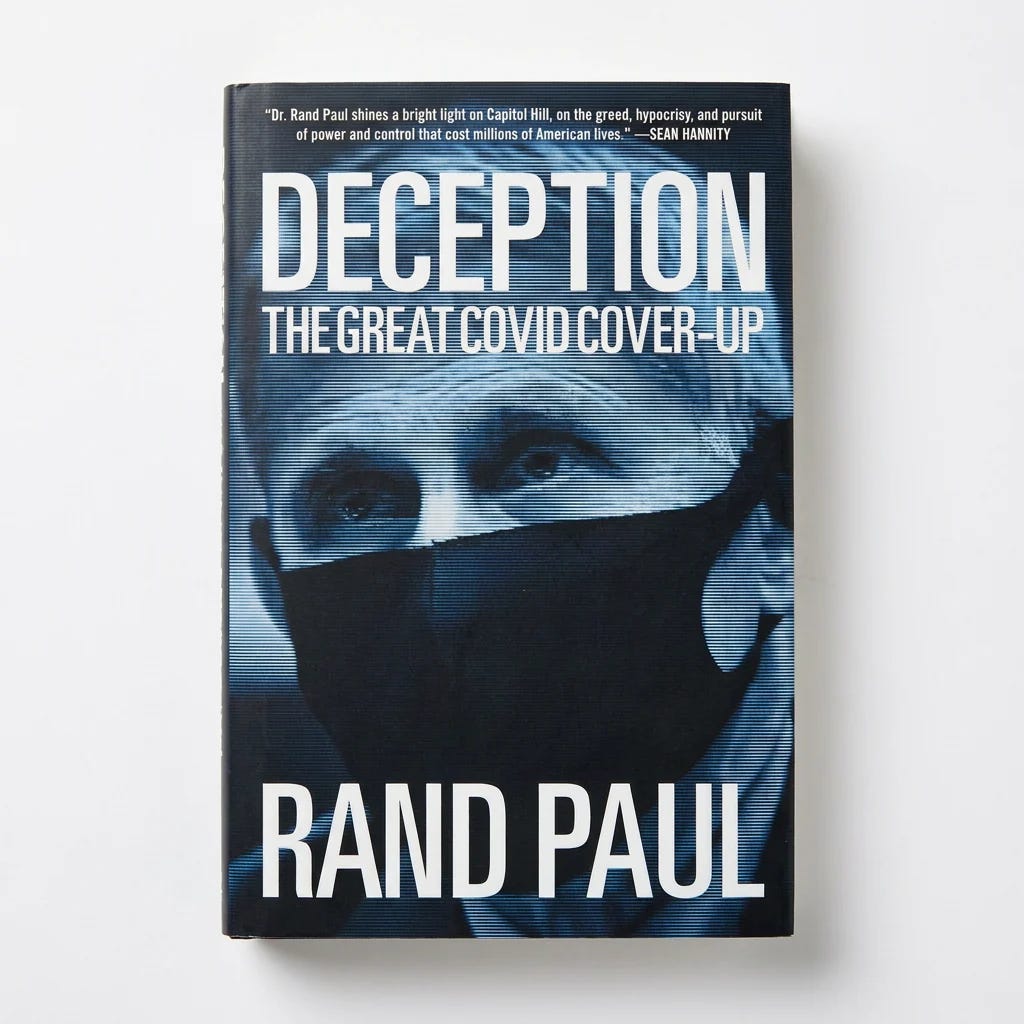
The three books in question, all published by Skyhorse Publishing, are Kennedy’s The Real Anthony Fauci; Paul’s Deception: The Great Covid Cover-Up; and Kennedy III’s fictional, The Confessions of Anthony Fauci.
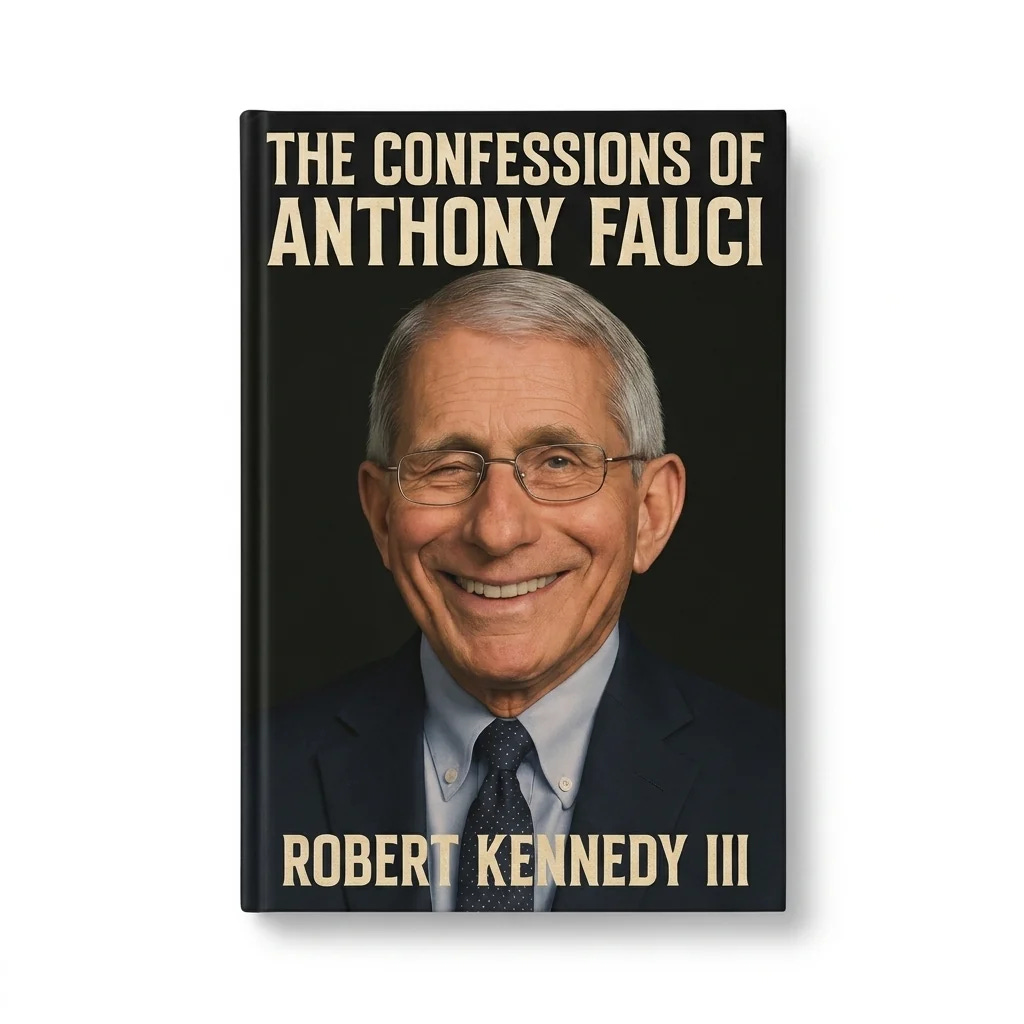
Noting that RFK Jr. and Paul have promoted their books while holding public office, Stolberg goes after both by revealing what they’ve been paid and reaching out to ethics experts about a potential conflict of interest.
“Ethics experts say that Mr. Kennedy, his son and Mr. Paul did not cross any legal or ethical lines,” Stolberg writes, “but several said the secretary and the senator did cross a threshold for hypocrisy by using their platforms to sell books about Dr. Fauci while accusing the scientist of profiting from his own public service.”
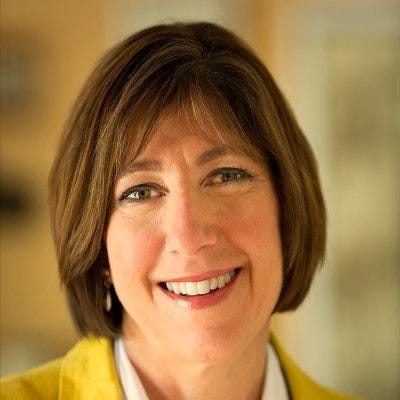
Stolberg quotes Kathleen Clark, an expert in government ethics and law professor at Washington University in St. Louis. Clark tells her that public officials using their respective platforms to promote books “may not be a legal conflict, but it is a conflict, and it may help explain their actual motivations.”
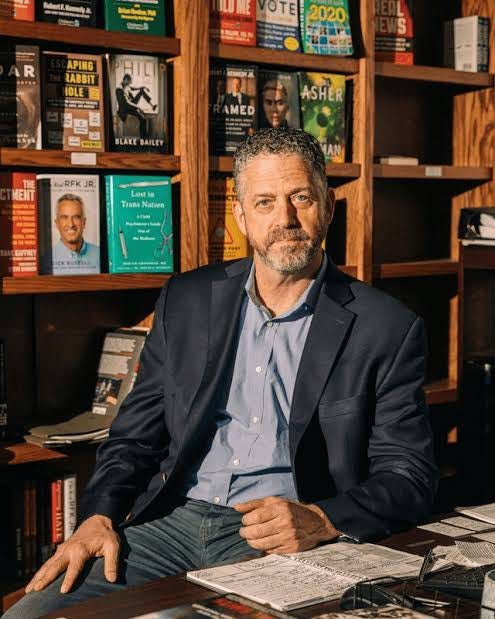
Stolberg also goes after Skyhorse and MAHA Action president, Tony Lyons, on the ethics of selling books while running a political action committee (MAHA Action, Inc.). She quotes Lyons fairly, but again wants to show how he and his authors are hypocritical; in her view, they’re doing the same thing they’re accusing Fauci of doing. Profiting personally while either holding public office or, in Lyons’ case, running a PAC.
Even if Stolberg is correct and Lyons and his authors are guilty of being hypercritical, that doesn’t make them wrong about Fauci. Nor does that make the article’s larger project any less certain: to defend Fauci while exposing some of his enemies.
In case there’s any doubt in Times’ readers minds as to what her point of view might be, here’s how Stolberg ends her article:
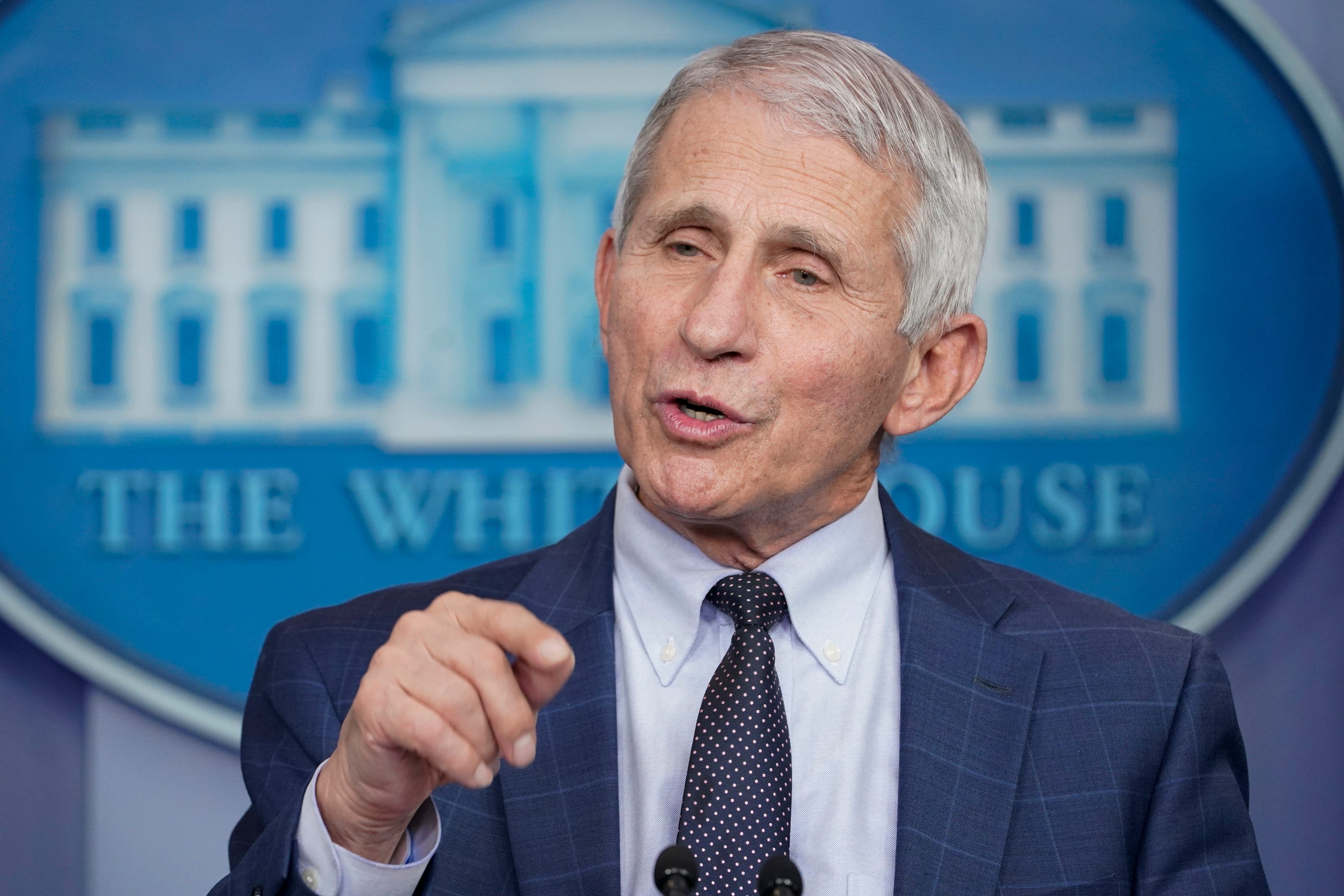
“In a diary he kept on his government computer, which Mr. Paul released publicly,” writes Stolberg, “Dr. Fauci wrote that he had mentioned Mr. Kennedy’s book to a lawyer, Don Walker, before its publication, saying it would undoubtedly be “a very scandalous.” Mr. Walker, he said, “was adamant that we [sic] should do nothing about this since Bobby Kennedy has absolutely no credibility.”
And the kicker?
“That was five years ago, long before anyone envisioned Mr. Kennedy would become secretary,” Stolberg writes.
In other words, we’re in scary times, my friends. Mr. Kennedy is not only unhinged but he’s in charge. We need more Anthony Fauci’s of the world, not fewer.
Does Stolberg’s ending, building on what came before it, sound “open, empathetic, and genuinely impartial”?
Not to this reader.
Shop the “Plead the Fifth” collection and use code: pleadthe5th for 25% off
I hope Stolberg keeps getting all her Covid boosters like a good little Fauci fanatic:}
Its a wonder that the NYT has any thinking reader's left with its biased reporting. The news media today is primarily supported by the pharmaceutical industry...so all connected to the media.. have to support those drug and vaccine promoters who have made the industry so profitable.