


Health and Human Services Secretary Robert F. Kennedy Jr. is making the case that eating well costs less than eating badly, and he is making it from a real kitchen—with real food.
On The Real Food Show, the series the Department of Health and Human Services now streams weekly on YouTube, Kennedy cooks a full meal from scratch with a different chef each week, ,for $5 or less a serving.
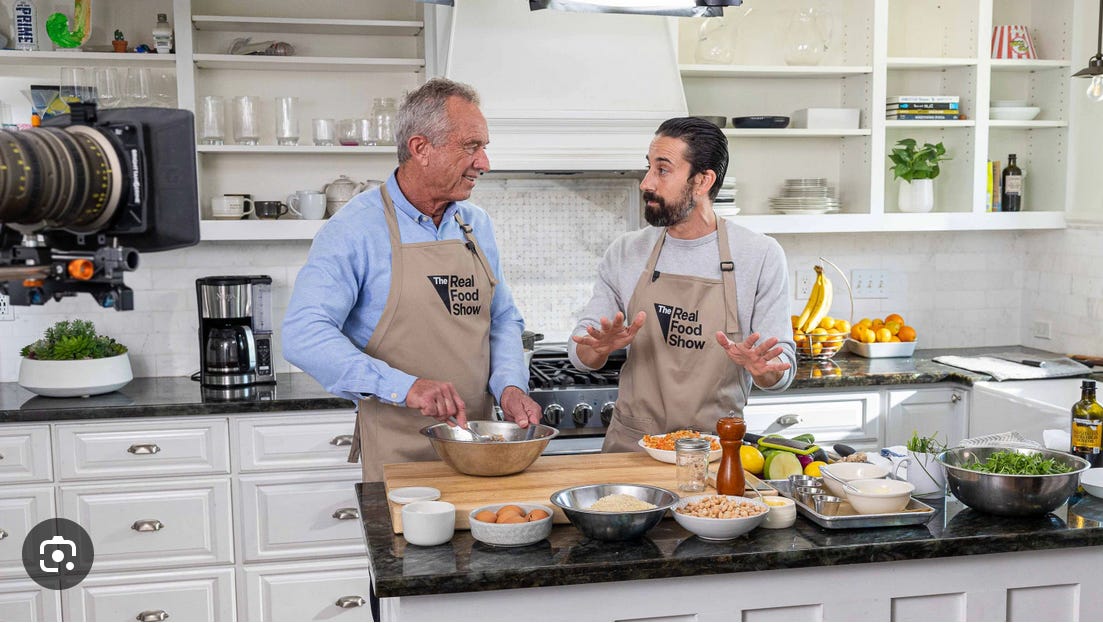
The premiere kicked off with chef Andrew Gruel in his kitchen making wild Alaskan salmon cakes for $4.91 a serving in just 12 minutes.
“Good food is not more expensive food,” Kennedy says. “It’s just smarter.”
That is the Make America Healthy Again (MAHA) idea in one line. MAHA starts with the quality of the food we buy and what we put on our plates.
Where the money really goes
The real drain on a grocery budget is not the meat counter. It is the aisle of chips, cookies, cereal, granola bars, and sugary soda and juices—all of it expensive and none of it real . It adds nothing but calories, leaves you hungrier than before, and derails your health.
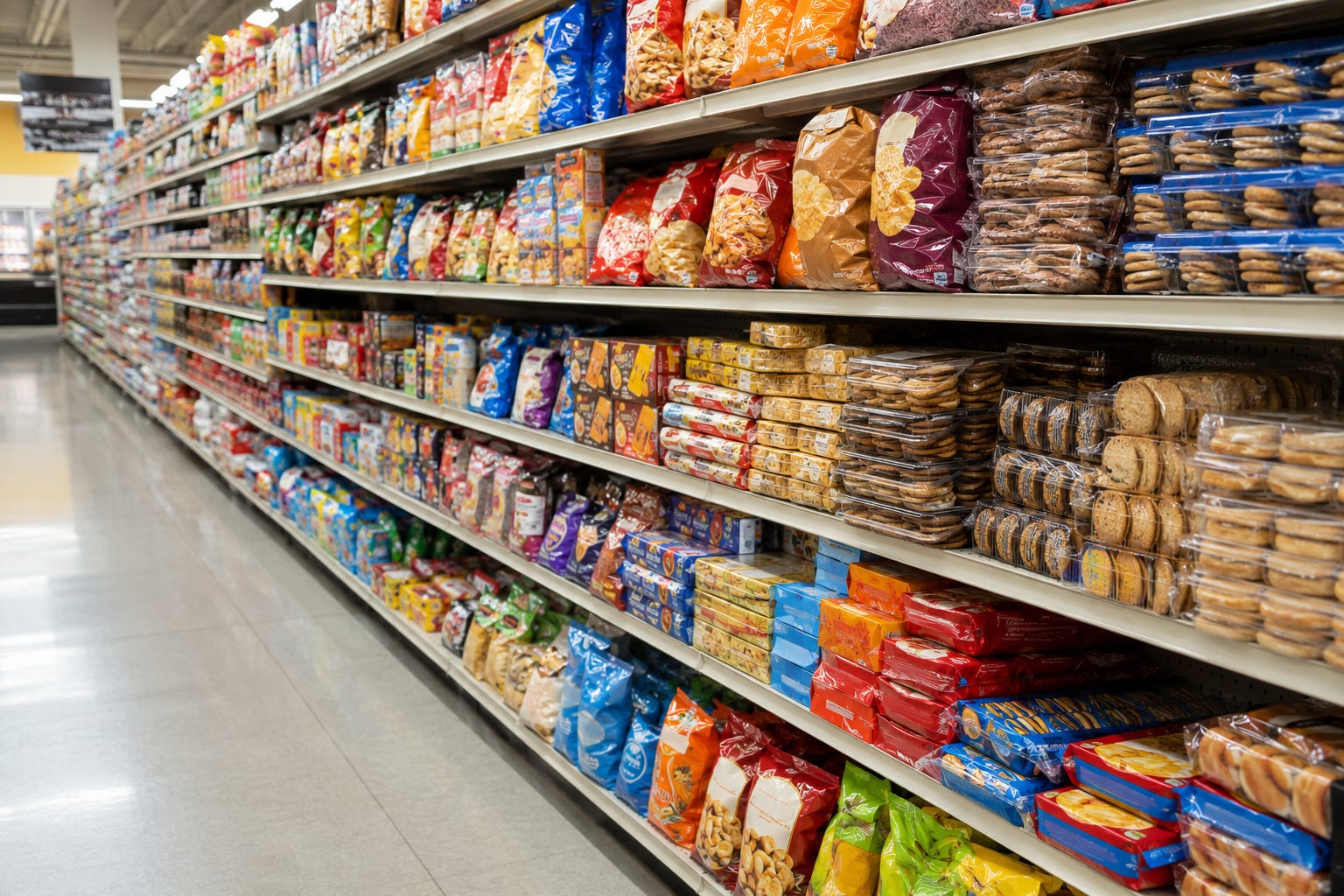
Your budget often falls apart when life gets busy. Busy, tired families often reach for the quick, easy, but costly option because they think there’s no time to cook.
You must make the time. And if you cut the junk and sugary drinks, there will be more money for real food. Food economists agree that the cheapest way to meet your body’s nutritional needs is through whole food, not a processed version of it.
The staples that do the heavy work cost relatively little. A whole chicken runs about $2 a pound, while the boneless, skinless breasts can cost more than 2 times as much. Plain rice runs about 5 to 8 cents a serving, compared to 3 times that for instant rice. A dozen eggs runs about $3-5 and gives you some of the highest quality, digestible protein in the store.
Recently, CNN set out to debunk the show, buying every ingredient in full, ringing up $70.54 for a meal the “Real Food Show” priced at $19.64, and calling the $5-a-serving figure a mathematical slight of hand. But the trick was in their own math, since they included in the price an entire carton of eggs instead of just one; a jar of mayonnaise for a few tablespoons; and a full onion for eight cents’ worth. The leftover eggs, mayonnaise and onion don’t get thrown out; they go into the next meal.
The price per serving should only reflect what a recipe actually uses – a calculation the Washington Post critic calls perfectly standard. The one real cost comes from stocking a kitchen with real food ingredients: That will run more expensive the first week, although it pays you back every time you use those ingredients in different recipes.
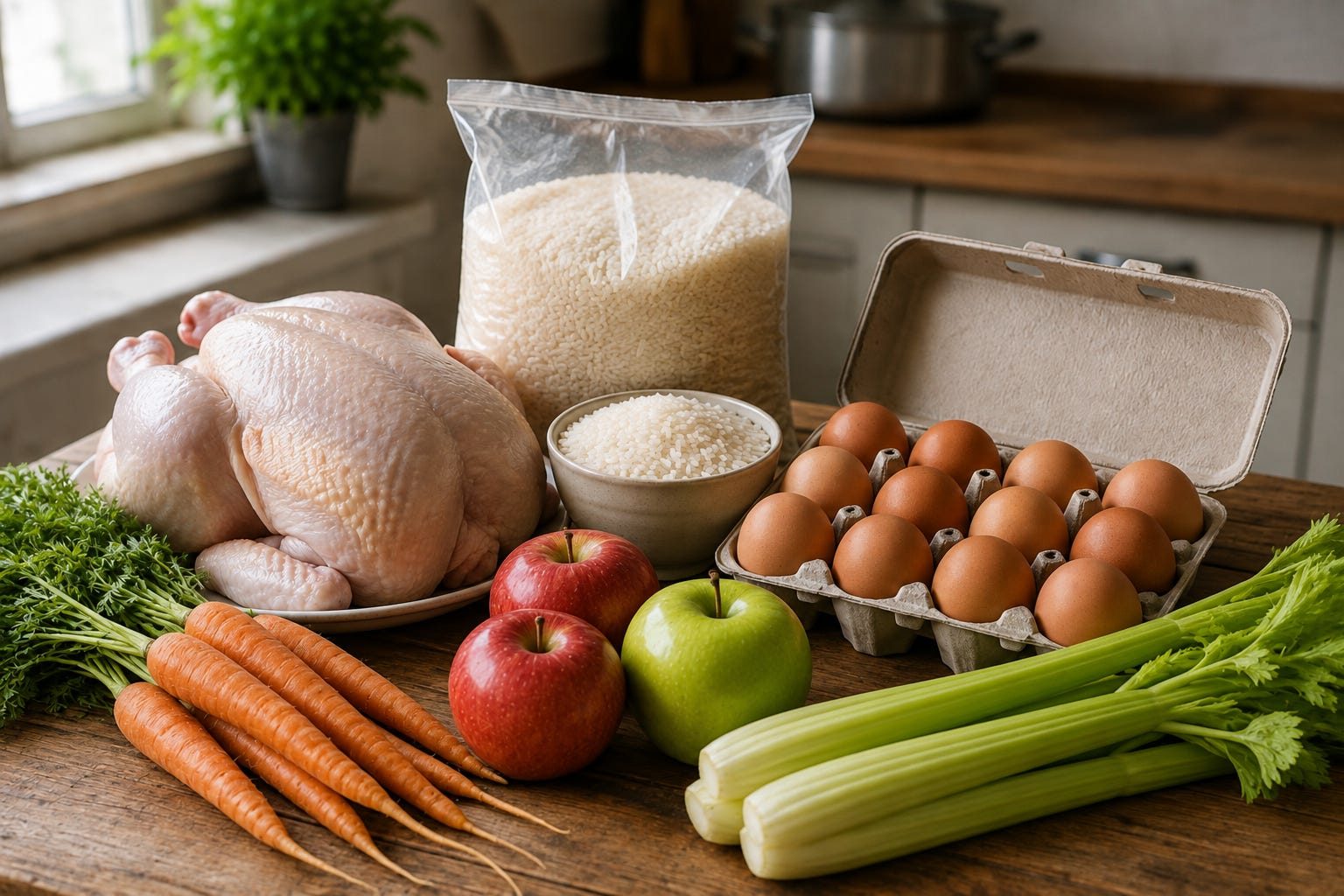
Fast food that is actually food
The trick is having quick real food ready for the nights and mornings when everyone is tired and rushed. That is exactly when families give in to takeout and blow the budget. Secretary Kennedy makes the same case.
“Healthy eating doesn’t have to be expensive,” he said in launching the series, “and cooking at home can be faster, easier, and more rewarding than people think.”
As a mother of three busy kids, I learned all of this through experience. I fed a family of five on a budget, and a healthy dinner in 20 minutes that everyone liked and was never as hard or as stressful as people think. Grass-fed ground beef did a lot of the work, since it was often the cheaper, healthier option, and it easily became chili, tacos, stew, lettuce wraps, or a skillet dinner with tomatoes, garlic, onion, and seasoning. Add vegetables from the freezer, and Voilà , dinner is ready!
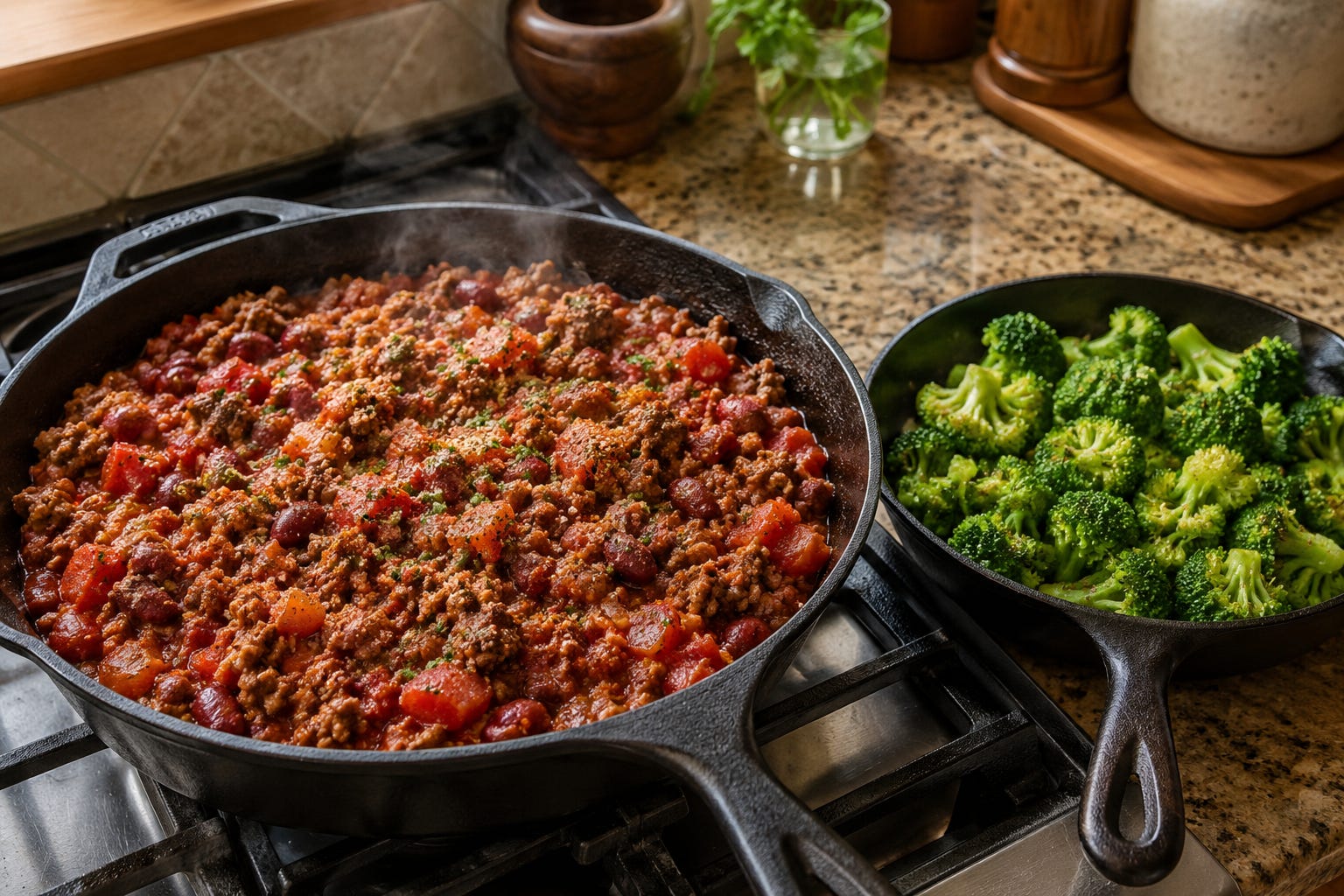
A healthy breakfast can be eggs, scrambled for 3 minutes in a pan with butter and toast on the side, or organic oats made with real maple syrup, butter, and cinnamon. Snacks can be an apple with peanut butter, carrots or celery with hummus, a boiled egg, or a handful of cheese. All of it full of nutrition, and none of it from the snack or processed food aisle—and faster than the drive-thru.
Buy meat the smart way
Meat is where the food budget can go off the rails, and the fix is pretty simple: buy the cheapest cuts, and buy them on sale. The cheaper cuts are often actually the most flavorful. Chuck roast, short ribs, or a package of stew meat cost a fraction of what steaks and chicken breasts do, and it’s easy to throw them in the slow cooker in the morning, add a few seasonings, and come home to a warm, delicious dinner.
On sale, skirt and flank steak can be a bargain too. Although they are tougher cuts of meat, when sliced thin across the grain they are perfect for tacos and stir-fry.
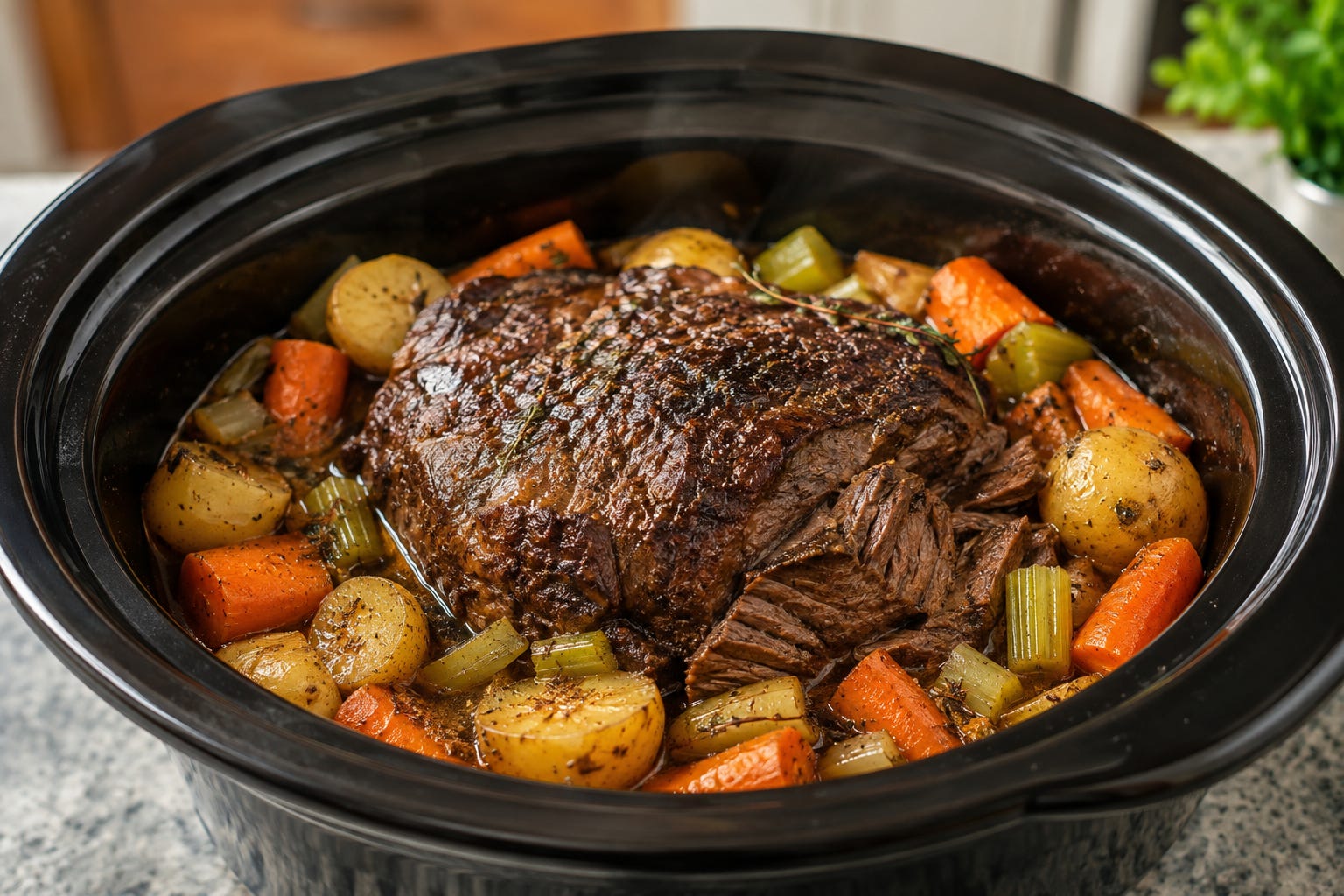
Most people skip these cuts only because they don’t recognize the names or know how to cook them, but most of these just need a slow cooker or a hot grill. And ground beef is the everyday workhorse, cheap and good for almost everything, and it goes even further if you stretch it with beans. Frozen seafood rounds out the quality proteins, especially when it’s on sale, and frozen fillets often beat the fresh seafood on price.
Keep the rest basic
Buy what is fresh and in season, and keep frozen vegetables on hand for everything else. It helps to always have tomatoes, onions, carrots, and celery in the refrigerator, since they are the perfect base for soups, stews, and to add to salads. A head of romaine lettuce beats a fancy plastic shell of baby greens on price every time. And don’t stress. You do not need to buy all your produce organic; but if you can spend a little extra, put it toward the Dirty Dozen, the most heavily sprayed fruits and vegetables.
Stop buying expensive, sugary cereal, chips and snack foods and sweet juices and soda. There is not much real nutrition in these foods. Instead, stock up on organic oats, real butter, and unsweetened sparkling water. You’ll save plenty, and add a lot of nutrients.
Stock the pantry
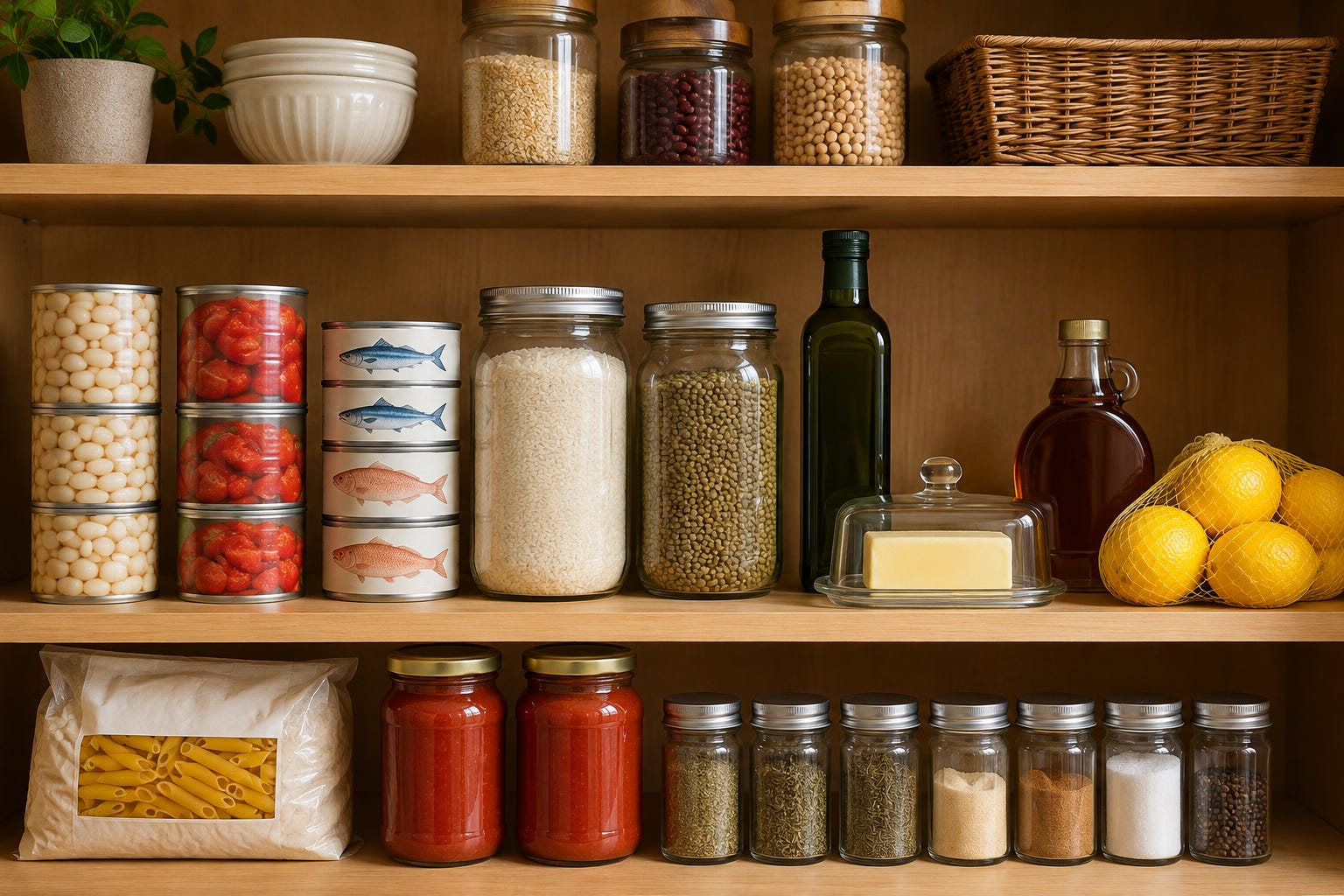
A well-stocked pantry lets you cook on the nights there is no time to stop at the store. Organic, gluten-free pasta and a jar of healthy marinara sauce can turn a pound of ground beef into dinner in minutes. Canned beans can stand in for dried beans, when there is no time to soak and cook. And canned tomatoes, wild tuna or canned salmon, rice, and lentils stretch a meal further.
Keep olive oil, real butter, real maple syrup, a bag of lemons, and a handful of assorted dried herbs and spices like oregano, basil, thyme, garlic, onion powder, cumin, salt, and pepper, in the pantry, so you can season anything without a packet of processed flavoring. A squeeze of lemon and a pat of butter over cooked frozen vegetables will often get a hungry kid to eat them without a fight.
Read the label
The reason junk food costs so much for so little is what goes into it. If you read the label you’ll find seed oils, added sugar, chemical preservatives, fillers, and petroleum dyes—most of it there to stretch shelf life, drive cravings, or color the food. Those ingredients are not there for nutrition.
Oats and wheat are sprayed with glyphosate, a probable carcinogen, and it turns up in nearly every oat cereal, granola, and snack bar aimed at kids and adults who believe these are healthy options. Processed food snacks are full of chemicals, and empty of anything beneficial. The simplest rule at the store is this: Avoid seed oils, fillers, dyes, and long ingredient lists. If the label reads like a chemistry set, put it back. Buy food with ONE ingredient when possible.
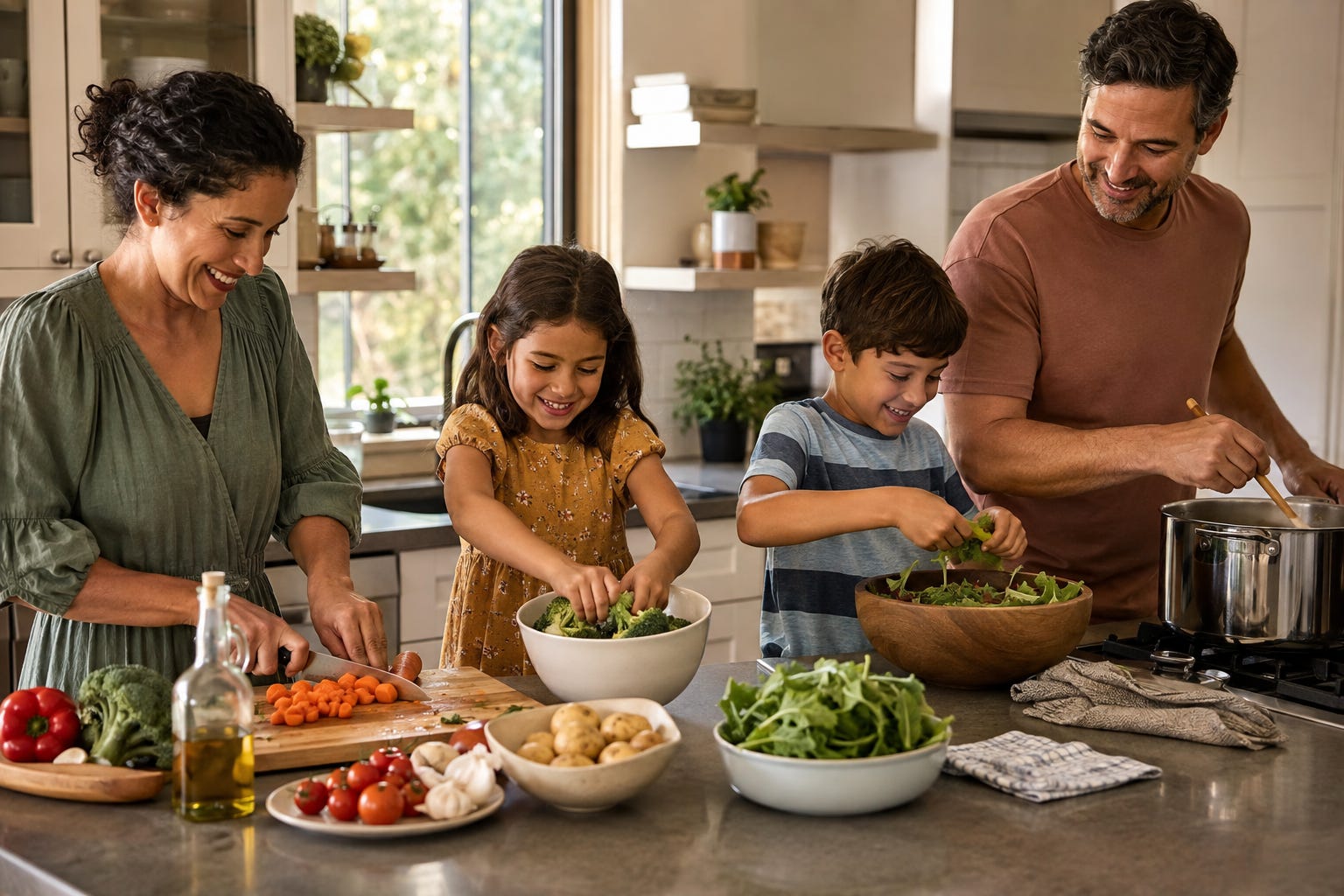
This is what MAHA looks like at the kitchen table. It is a family choosing real food over the seed oils, dyes, and hidden sugars that fill the grocery store, and discovering that real food was the better choice all along. It takes a plan, a list, and some new habits, but the payoff shows up at the register and in your family’s health.
It also brings the family back into the kitchen, cooking together, where children learn early that real food is worth the effort. As Secretary Kennedy says at the close of every episode of his YouTube series, “America, it’s time to eat real food. Let’s get cooking!”
Shop our merch store to support the MAHA Report and the MAHA movement.
All proceeds go to supporting the cause.

We live in a condo and grow our own lettuces, peppers, eggplants, tomatoes and herbs in self watering earth boxes with no weeding necessary. Much of our crop is shared with friends and neighbors. No chemicals or additives and little sales tax on the seeds or starter plants. Fresh food daily.
Paul Parr
Sarasota, FL
If there was more focus on “Real Food”, the healthcare (sickcare) debate would be moot.