


By John Klar, Contributor, The MAHA Report\
On Monday, a massive backlash by MAHA groups scuttled an effort to incorporate an amendment into a congressional spending bill that would have provided legal immunity to chemical manufacturers.
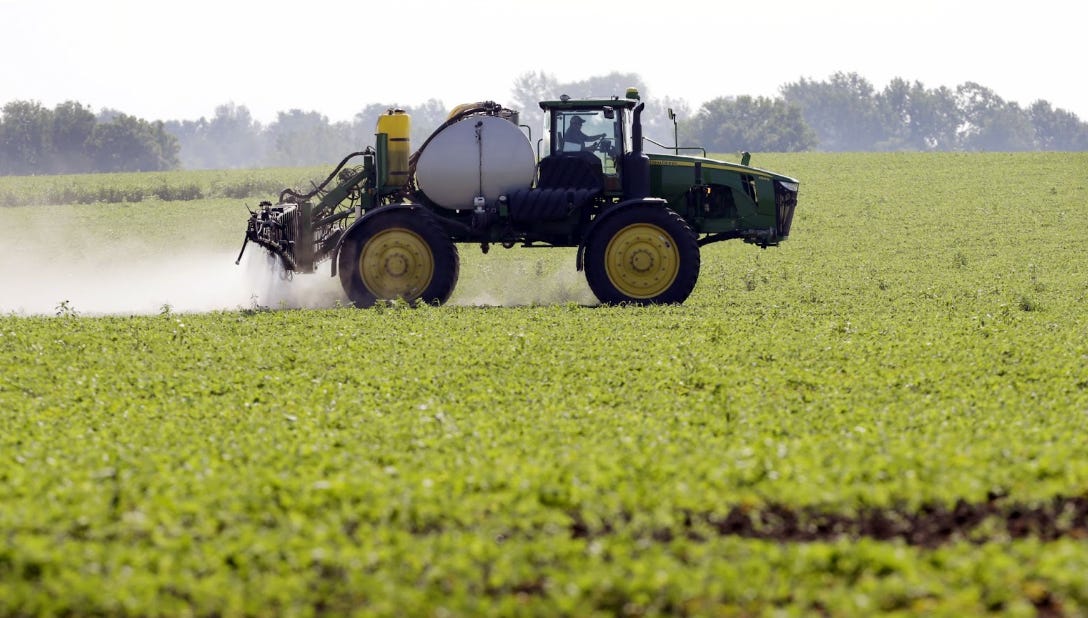
This is a big ‘win’ for MAHA – a moment to celebrate months of petitioning Congress to remove Section 453 from the bill, the provision that would have protected producers of chemicals from “failure to warn” lawsuits by people injured due to exposure to Big Chem’s ‘products.’
Health and agricultural groups applauded the news. “We are thrilled that Congress responded to our calls and protected American health by removing Section 453,” said Kelly Ryerson, with American Regeneration.

However, MAHA faces an additional challenge in the U.S. Supreme Court (SCOTUS), which, if it hears the case, could grant chemical companies the same liability protection, derailed in Congress, this time through the judiciary branch.
For many Americans, that possibility is maddening. “We are now working to make sure that SCOTUS does not take up the glyphosate cancer case,” said Ryerson. “It should not be heard given that the registration of glyphosate is fundamentally based on fraudulent, ghostwritten science that covered up the carcinogenicity of glyphosate for decades.”
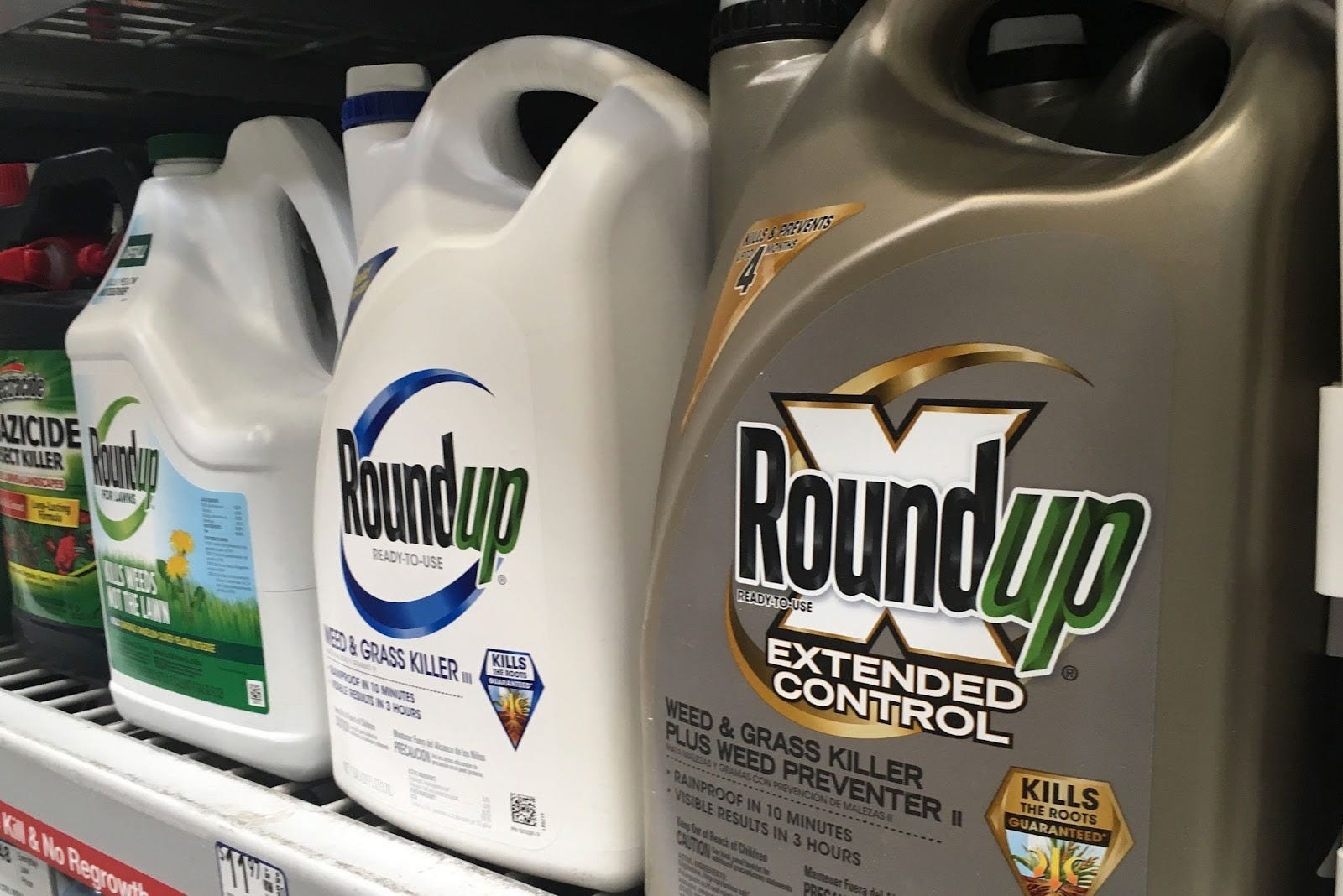
Some 170,000 plaintiffs have filed suit against Monsanto-Bayer for Non-Hodgkin lymphoma they claim was caused by glyphosate, a chemical found in Roundup, a weedkiller produced by Monsanto. The company invested billions of dollars to lobby state legislatures and Congress to pass legislation that would provide legal immunity from law suits, so long as Monsanto-Bayer labels its products in conformity with federal labeling requirements.
Their congressional pressure failed. How will SCOTUS respond?
On January 9 , SCOTUS will consider whether to grant a Petition for Writ of Certiorari to Monsanto-Bayer in Durnell v Monsanto, a Missouri case which found that federal labeling requirements do not operate as a shield against state product liability claims (In layman’s terms, that means lawyers for the plaintiffs would request the lower court to send its records up to, in this instance, SCOTUS.)
Monsanto has asked the nation’s highest court to overturn the decision. The company wants SCOTUS to issue a ruling that finds federal laws requiring warning labels — designed to protect the public from chemical toxins — to grant legal immunity to pesticide manufacturers facing lawsuits from individuals who claim their injuries come from exposure to chemicals. This would, in effect, grant the legal immunity sought by Section 453.
But such a conclusion runs counter to the plain intentions of federal labeling laws. As a commentary in Harvard Law Review concluded:
“If EPA approval preempts virtually all state law causes of action against pesticide manufacturers, then victims will have few means of seeking compensation and vindicating their rights to be informed of potential health hazards. However, this is not the outcome that Congress intended when it passed FIFRA [Federal Insecticide, Fungicide, and Rodenticide Act], considering that it specifically provided that registration should not be used as a defense against any violation of the Act.
“Even worse, if EPA approval is a complete defense against failure-to-warn claims, manufacturers will have little incentive to ensure the safety of their products or provide further information about potential health harms once their labels are registered.
“Without state tort remedies, consumer products will become more hazardous, and they will lack adequate labels to warn us of those hazards.”
However, Monsanto-Bayer is arguing that if it registers for a label with the EPA for its chemicals, plaintiffs should be barred from bringing state product liability actions for any alleged failures to warn them of product dangers – even if they have proof that the company knew the risks and concealed them.
Monsanto-Bayer claims on its website that 170,000 Americans have filed suit not because of glyphosate harms but because of greedy lawyers.
But, in the case to be heard later this week, SCOTUS can rule in favor of Americans and the plaintiff, John L. Durnell, by simply declining to grant the Petition for Writ of Certiorari. This would leave standing the lower court’s decision rejecting Monsanto-Bayer’s federal preemption arguments. State plaintiffs could continue asking state juries of their peers to evaluate whether companies like Monsanto-Bayer adequately protected the public.
If the SCOTUS grants the Petition, it could still affirm the Missouri court ruling, or it could overturn the lower court’s findings and create a national precedent barring all future state lawsuits when companies have complied with federal labeling laws.
An important factor for SCOTUS to consider is whether granting the Petition is necessary to resolve a split between the nation’s federal circuit courts. Monsanto has argued that the case is ripe for consideration because of such divisions; counsel for Durnell asserts that there is no clear division and that the record from the lower court warrants that the highest court deny review. Instead, they argue, “The need for percolation is acute here” – that is, that SCOTUS should deny the Petition because the circuit courts below have not yet fully addressed all of the issues involved.
This is a slender reed on which to hang a determination of such magnitude for the health of Americans and their children.
But for MAHA activists like Ryerson, the effort to reduce exposures to potentially harmful chemicals will continue regardless of what SCOTUS decides. And EPA Administrator, Lee Zeldin, has committed his agency to addressing MAHA concerns and supporting the MAHA agenda.
The MAHA movement has much work to do. Still, when our nation’s most influential health and environmental agencies are paying attention — as they are — anything seems possible.
Key Takeaways:
– Chemical companies have been lobbying aggressively to create legal immunity against lawsuits for cancers and other illnesses caused by their pesticides and other products.
– The U.S. Supreme Court will decide on January 9 whether to hear a Petition by Monsanto that could result in barring almost all state product liability lawsuits against companies that comply with federal labeling laws. Americans injured by these products would lose the right to bring suit for compensation.

I say, make Monsanto pay dearly for the mass poisoning of America.
Nobody deserves immunity from prosecution for ruining the health of Americans.
Nobody.
Excellent news indeed! I find it wonderfully amazing that Congress has declined to incorporate that amendment. Dare I say it gives me a glimmer of hope about the halls of Congress and the will of the people to be heard. Let's pray that the Supreme Court will also sense the will of the people.