


Last week, at a cattle ranchers convention in Rapid City, South Dakota, an attorney with the Department of Justice (DOJ) told ranchers that under President Trump, the DOJ has “re-oriented” antitrust law enforcement, and is now calling it “America First antitrust.”
Shop our merch store to support the MAHA Report and the MAHA movement.
All proceeds go to supporting the cause.
A core part of the antitrust division’s mission at DOJ, said Deputy Assistant Attorney General Nicole Sarrine, is “to identify situations where illegal, anticompetitive conduct — such as conspiracies among companies to stop competing — has contributed to rising prices.”
According to data from the Federal Reserve Bank of St. Louis, ground beef prices were $6.74 a pound in May, a 16% increase over last year and 40% more than five years ago, in 2021. In a forecast earlier this year, the USDA estimated that beef prices will rise by as much as 18% in 2026.
What’s causing that spike?
The Justice Department is using its new, America First approach to scrutinize foreign-owned beef companies operating in the United States. In May, the USDA and the DOJ said they are investigating foreign-owned beef companies for manipulative practices and potential antitrust violations, which they believe have contributed to driving up the price of ground beef for Americans.
Four meatpacking companies – Cargill, Tyson Foods, JBS USA and National Beef Packing – control 85% of the U.S. beef market. Two of these – JBS and National Beef Packing – are subsidiaries of companies that are based in Brazil.
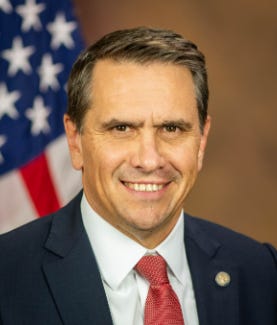
At the press conference in May with Acting Attorney General Todd Blanche and senior trade adviser Peter Navarro, USDA Secretary Brooke Rollins referred to JBS and National Beef Packing as “a threat not just to our cattle producers, but a threat to America itself.”

JBS is the largest beef producer in the U.S. and the nation’s second-largest producer of poultry and pork. Half of the company’s annual revenue comes from the U.S., where it employs more than 72,000 people.
The company’s U.S. headquarters are in Greeley, Colorado.
In 2022, JBS agreed to a $52.5 million settlement with grocery stores and wholesalers which alleged that JBS had worked with Tyson Foods and other companies to suppress the number of cattle slaughtered in order to increase beef prices.
At the May press conference, Rollins said that foreign ownership of meatpacking companies has been affiliated not just with corruption and cartels, but also slave labor.
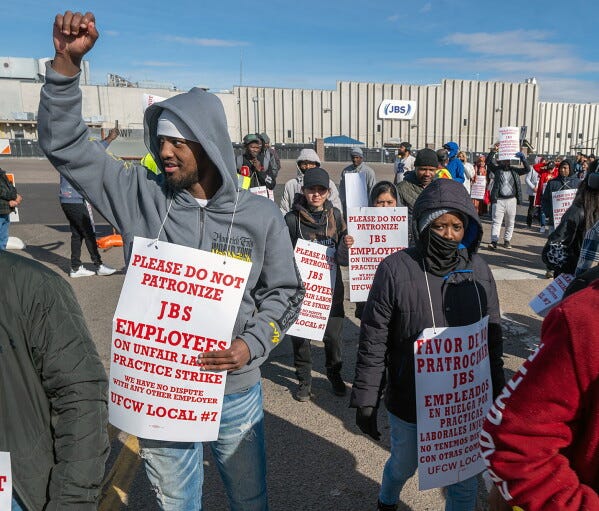
Just days before, prosecutors in Brazil had filed a lawsuit against JBS, alleging that the company bought cattle from farms where workers were held in slavery-like conditions.
The civil action seeks around $24 million in American dollars – a number that prosecutors say reflects the value of transactions between JBS and suppliers.
According to the lawsuit, 53 workers were rescued between 2014 and 2025 from properties owned by seven ranchers that were the meatpacking company’s suppliers.
Prosecutors said that the ranchers were listed in Brazil’s public registry of companies that were found to have subjected workers to conditions that are similar to slavery.
Peter Navarro said foreign ownership of beef production, along with a historically tight cattle supply and the dominance of the meatpacking industry by the four large companies, has driven up the cost of beef for all Americans. These foreign companies are accused of collusion, price fixing, and price manipulation.
Consolidation across the meatpacking sector has narrowed marketing options for ranchers, Rollins explained.
“It weakens their negotiating power, and it risks reliance on a single buyer,” Rollins said. “Today, the concentration of larger plants opens the door to tighter coordination by the ‘Big Four’ with producers. As ranchers face fewer options for selling their animals, the ‘Big Four’ grow stronger and stronger.”
Disruptions in highly concentrated markets can have widespread impacts, Rollins added.
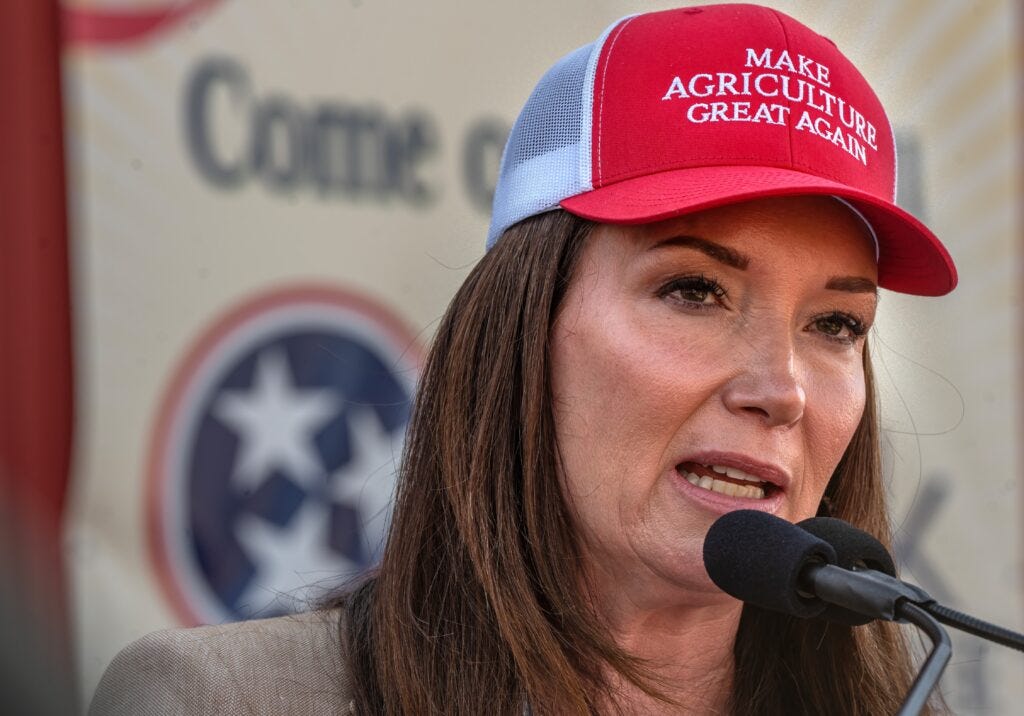
“When just four firms control a market, suppliers and food prices are rocked heavily when disruptions occur,” Rollins said. “The last few years have proven that the protein sector, especially, and therefore our food security, is especially at risk when global pandemics, animal disease outbreaks and facility issues like fires, labor disputes, foodborne illnesses and cybersecurity attacks occur.”
“More U.S.-owned packers in more American regions of the country provides more opportunities for our ranchers and stronger food security for our country,” she added.
Rollins linked the probe to a broader food-security concern, explaining that the U.S. has lost more than 17% of its cattle ranchers over the last decade, a total that includes more than 100,000 ranches.
“Growing the herd size is an immediate problem in need of solutions, and we’ve already begun implementing across the government and into the states how we’re going to solve for that,” Rollins said.
“Droughts, wildfire, overregulation from previous administrations and volatile markets,” have contributed to the current cattle herd size, Rollins pointed out.
Navarro was also critical of the political spending of the foreign beef companies in the U.S., saying JBS “hands out millions of dollars to our American political system like it’s candy.”
“And the rate of return they get on that would make a Wall Street hedge fund blush, and we have got to put a stop to that,” he added.
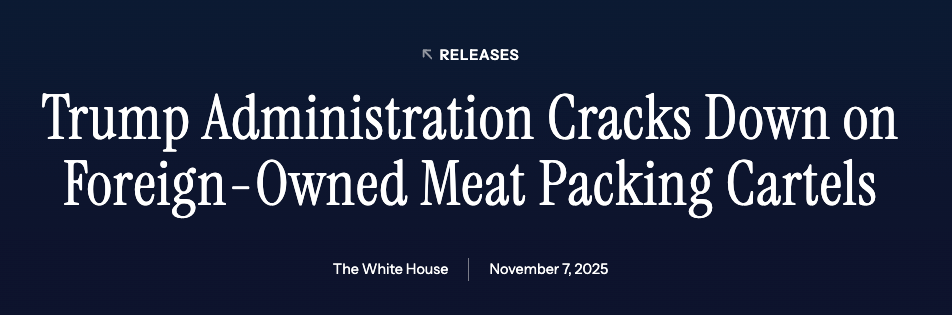
The investigation into the foreign-owned beef companies was prompted by President Donald Trump’s Nov. 7, 2025 executive order directing the DOJ to launch a probe into the nation’s largest meat packing companies. It referred in particular to “foreign-dominated conglomerates” that have been engaged in “artificially inflating prices at the expense of farmers, ranchers, and working families.”
The order was announced weeks after the DOJ concluded a multi-year investigation into major meatpackers that started during Trump’s first term.
Since November, the DOJ has reviewed more than 3 million documents and interviewed hundreds of people, including ranchers, cattlemen, producers and processors. R-CALF USA, a cattle producer advocacy group, praised the efforts by the DOJ, USDA, and White House.
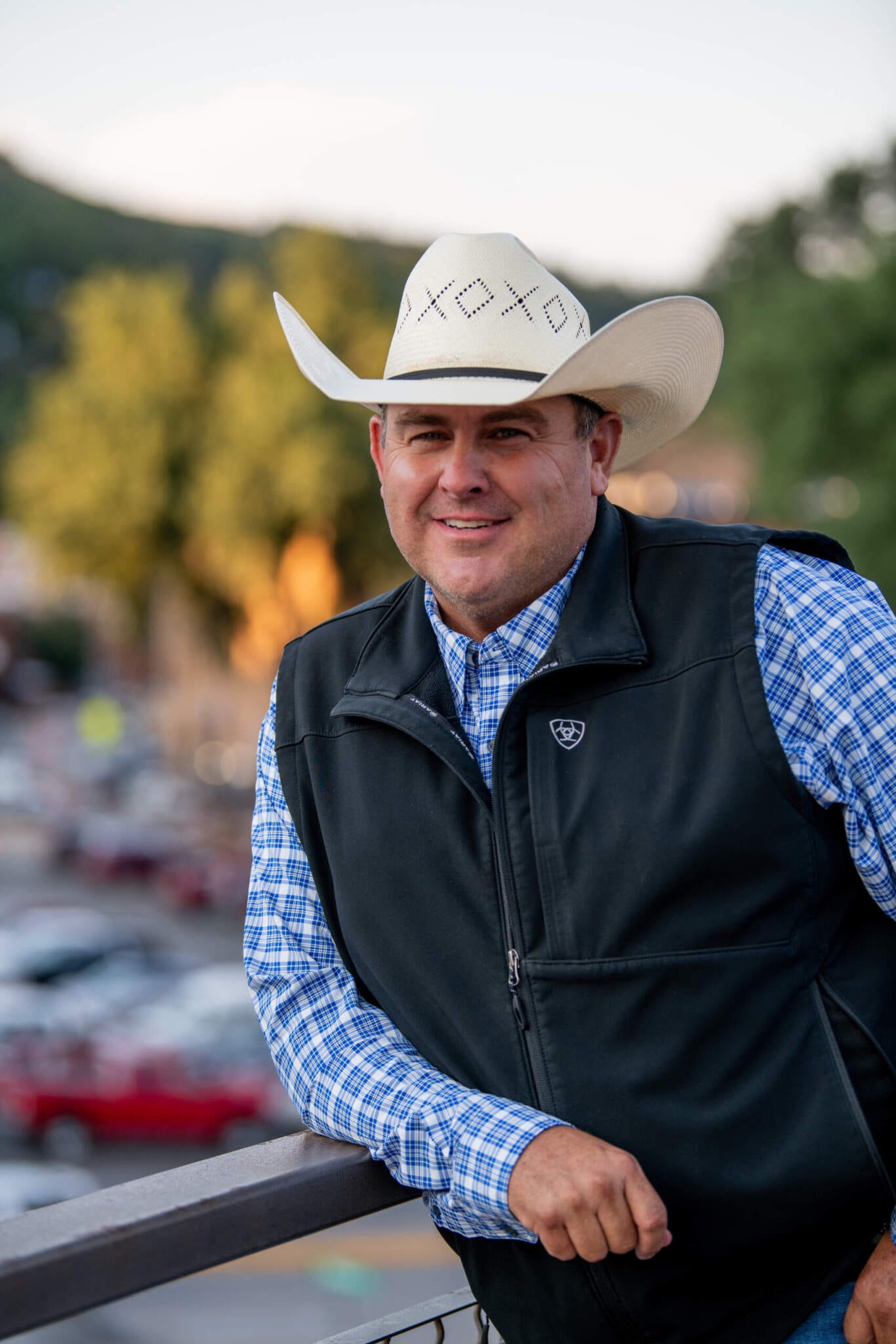
Shad Sullivan, a cattle rancher who is also the organization’s property rights chair, said that the U.S. has lost more than 665,000 beef cattle operations since 1980, a figure that represents almost half of all producers. He attributed the decline to mergers and acquisitions, and the escalating influence of foreign meat conglomerates.
“Farmers, ranchers, and American consumers have suffered for too long at the hands of consolidated power,” Sullivan said.
Earlier this year, HHS and the USDA announced the launch of a national public awareness campaign that reminds farmers and ranchers of the “Product of USA” voluntary labeling standard that went into effect on Jan. 1.
For years, such a label did not mean what consumers thought it meant. Beef could be raised in another country, shipped to the U.S. as a carcass, cut or ground in America, and legally labeled a product of the U.S. because value was added through processing.
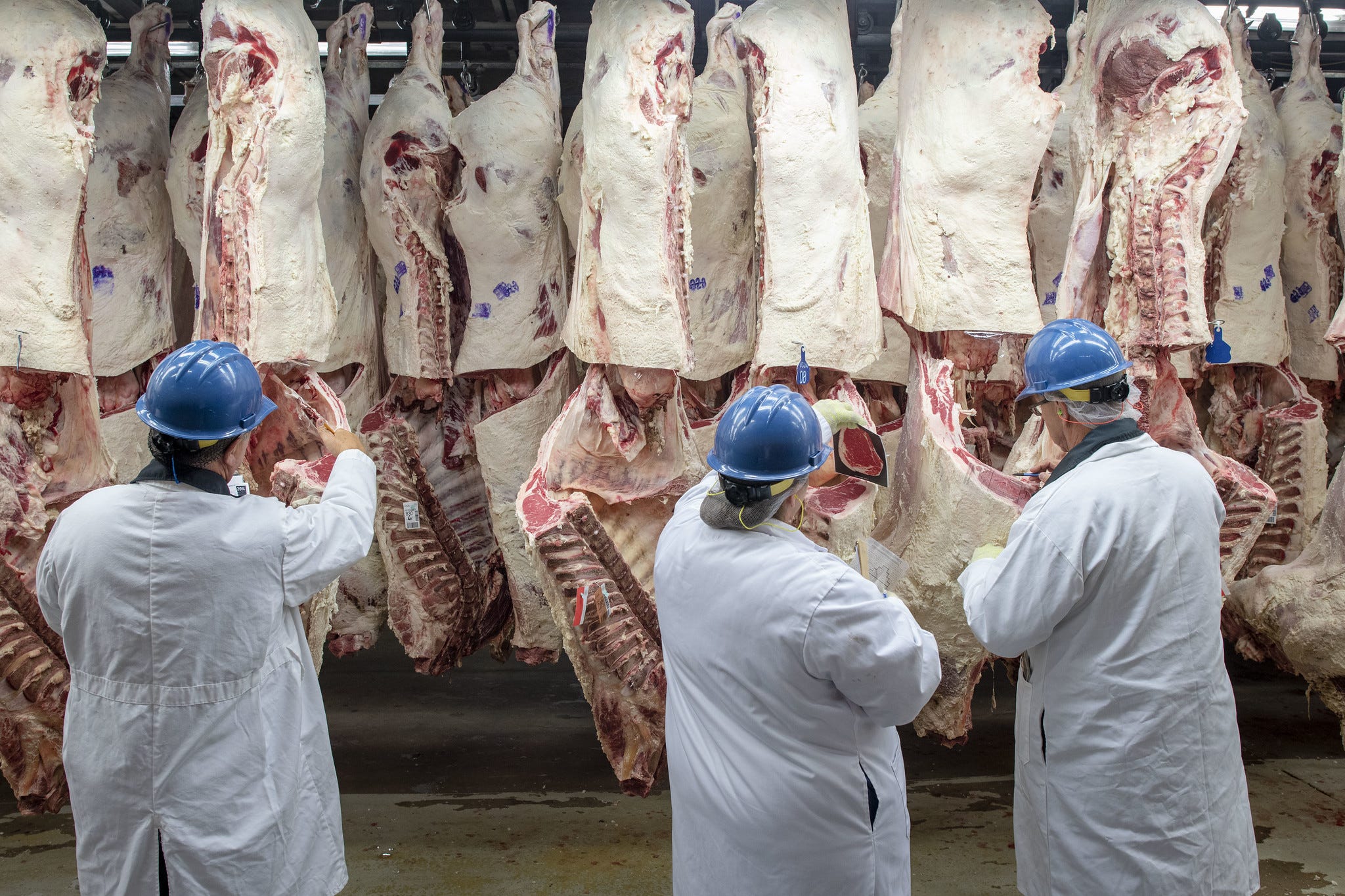
Consumers thought they were supporting U.S. ranchers when in actuality they were bolstering U.S.-based processing plants, many of which are owned by foreign interests.
Ground beef found in grocery stores can contain meat from multiple continents mixed together in a single package.
The “Product of USA” label is now reserved for meat, poultry, and eggs from animals that were born, raised, harvested, and processed in the U.S.
It is a voluntary program. Companies are not required to use the label. But if they do, they must meet the full standard. Beef from foreign countries cannot be sold in stores with a “Product of USA” label on it.
The issue of foreign ownership of American food companies has been an increasing concern in recent years, and last made headlines in 2014 when a Chinese company acquired Smithfield Foods, the largest pork producer in the U.S. and also the world.
But now, for the first time, an administration is determined to take action.
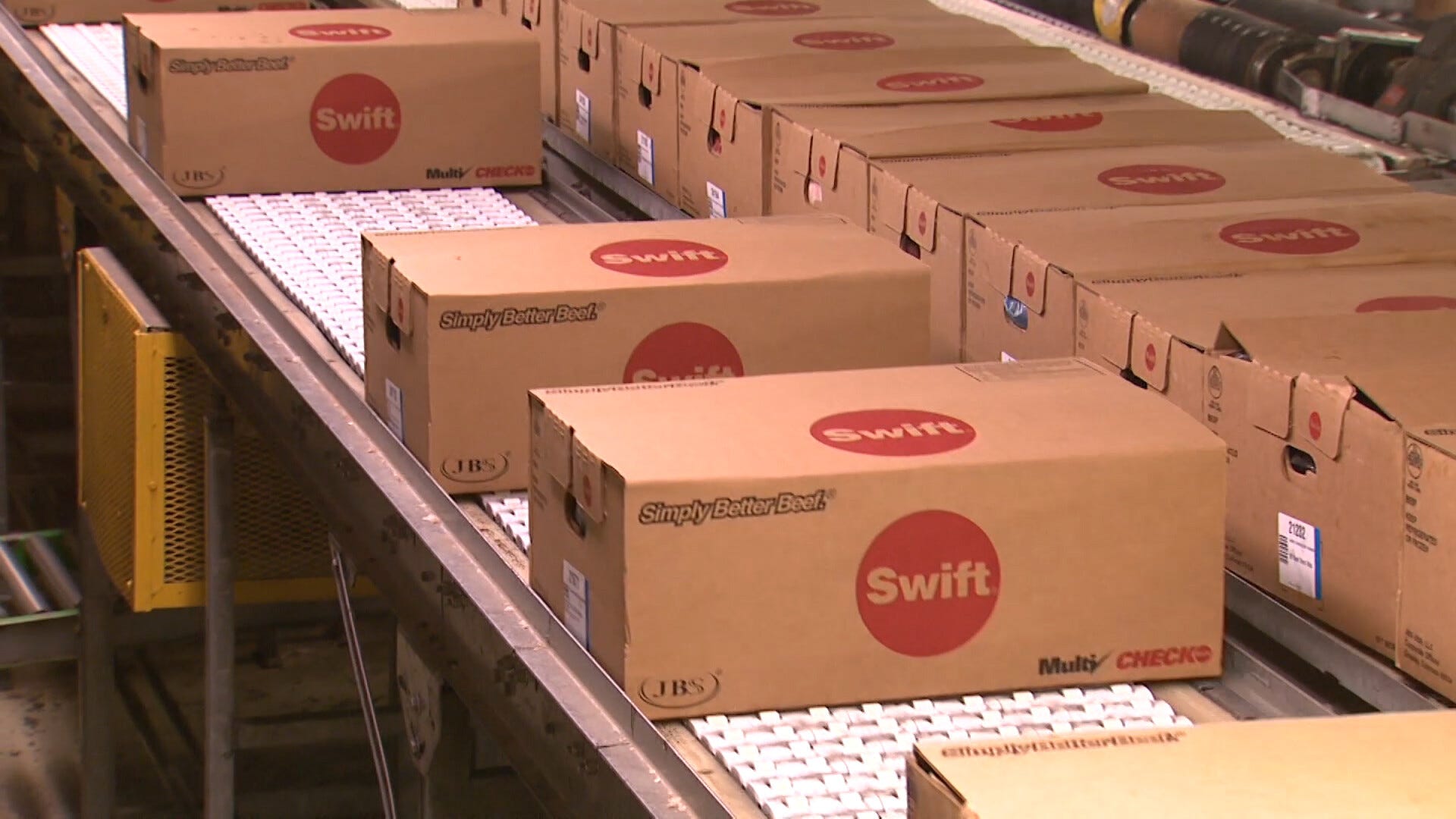
President Trump’s executive order referred to the companies as “foreign-owned meatpacking cartels” —and Rollins has called the Brazilian-owned companies, JBS and National Beef, “a threat to America itself.”
With Rollins leading the charge, the government is taking that threat seriously.
If you’d like to support the MAHA Report and the MAHA movement
shop our merch store. All proceeds go to supporting the cause.

Good article, but it would have been more complete with a brief discussion of the ridiculous big company lobbied rules regarding meat processing. Local ranchers ought to be able to process their own meat locally and bring it to market. Period, full stop. But they aren't allowed to, because... assholes, I mean congress.
The local meat processor has all but disappeared. The local farmer has to drive their cattle hundreds of miles to get them processed. This problem is compounded by the government. Bring back local processing, it would be a start for local ranchers.