

By Dr. Sina McCullough, Special to The MAHA Report
When news reports announce measles spreading close to home, it is natural for parents to feel concerned. In these moments, the conversation usually focuses on a single solution: the vaccine.
But parents deserve the full story, including the cause of the dramatic decline in measles deaths, the critical role of nutrition, and whether vaccinated individuals can transmit measles. Looking closely at the evidence helps families move past fear-provoking headlines and make informed health decisions.
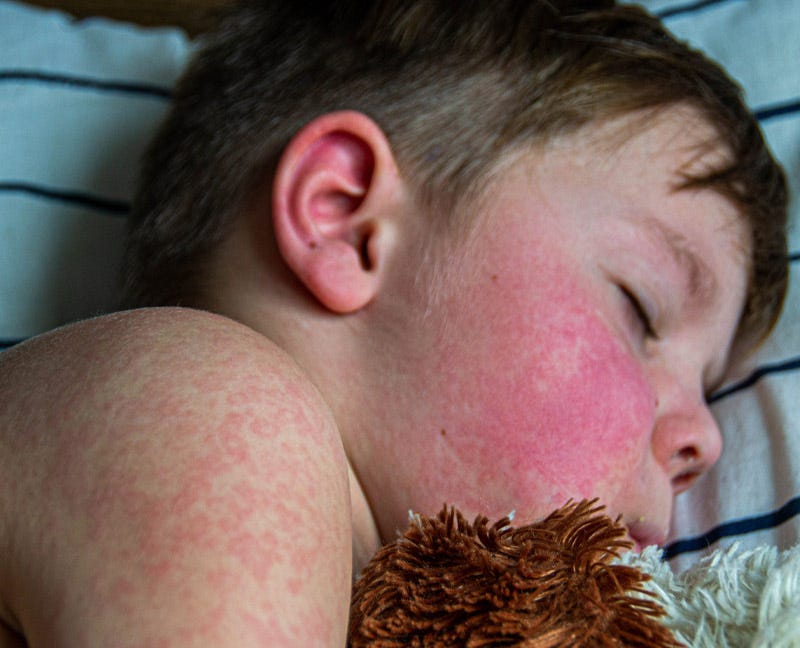
What Is Measles?
Measles is an acute respiratory infection caused by a virus, according to the Centers for Disease Control (CDC). It spreads through the air when an infected person coughs or sneezes.
Early symptoms resemble a standard cold or flu:
Runny nose
Dry Cough
Red, watery eyes (conjunctivitis)
High Fever
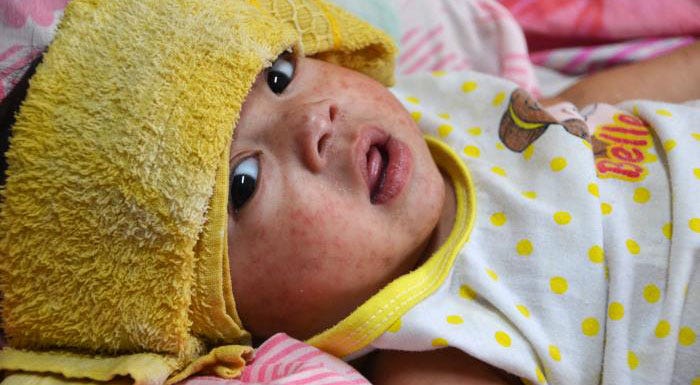
Within two to three days, tiny white spots may appear inside the mouth. Around the fourth day, a flat red rash typically emerges on the head and face and spreads downward over the body.
While serious complications like pneumonia or brain inflammation (encephalitis) can occur, the vast majority of healthy, well-nourished children recover within a week to ten days.
What Caused the Drop in Measles Deaths?
During the 1800s, measles was deeply feared. It swept through American cities every few years under crowded, unsanitary conditions, leading to significant mortality among malnourished children. In severe outbreaks among high-risk or institutionalized children, case fatality rates could reach up to 20 percent (20,000 deaths for every 100,000 infected children), primarily caused by secondary bacterial pneumonia and severe diarrhea.
Yet by 1960, official United States vital statistics reveal that measles mortality had already plummeted by 98 percent, dropping to roughly 0.2 deaths per 100,000 people. Among reported cases, the risk of death had fallen to approximately 0.1 percent (1 in 1,000 infected), or roughly 0.01 percent (1 in 10,000) when accounting for estimated total unreported infections.
What drove this massive decline in mortality?
It wasn’t antibiotics.
Penicillin was not widely available until 1944. Yet, by that time, measles mortality had already fallen by nearly 90 percent from its turn-of-the-century peak, according to official United States vital statistics.
It wasn’t the measles vaccine either.
The first measles vaccine was not licensed until 1963, which was after the 98 percent drop in deaths had occurred. The same year, Massachusetts recorded zero measles deaths, and Washington state recorded a rate of just 0.3 per 100,000
In a 1962 paper published in the American Journal of Public Health, Dr. Alexander Langmuir, the CDC’s Chief of Epidemiology, described measles as a “self-limiting infection of short duration, moderate severity, and low fatality.”
Public health researchers widely attributed the pre-vaccine decline to cleaner drinking water, modern sanitation, better housing and hygienic practices, and improved childhood nutrition.
The Role of Nutrition
As early as 1932, Dr. J. B. Ellison reported that well-nourished children rarely died or experienced severe complications from measles. Proper nutrition is vital partly because infection triggers inflammation, which can quickly deplete the body’s nutrient stores and hinder the immune system’s ability to fight the infection.
Vitamin A
Vitamin A (retinol) is essential for maintaining mucous membranes and adequate immune response. Research in Pediatrics reported that measles rapidly lowers blood retinol levels. And lower levels correlate directly with higher fevers, longer hospital stays, and severe complications like pneumonia and death. Underscoring that link, a 2020 article in Vaccines noted that 92 percent of hospitalized measles cases in the U.S. were low in vitamin A.
As far back as the 1930s, administering cod liver oil (rich in vitamin A) cut measles mortality in hospitalized children by roughly 58 percent.
In 1993, a meta-analysis in the Journal of the American Medical Association reported that vitamin A supplementation for hospitalized patients was associated with an approximate 60 percent reduction in death overall and an approximate 90 percent reduction in death among infants.
The researchers concluded, “Vitamin A supplements should be given to all measles patients…whether or not they have symptoms of vitamin A deficiency.”
A separate 1993 meta-analysis in the British Medical Journal reported a 70 percent reduction in mortality following vitamin A supplementation.
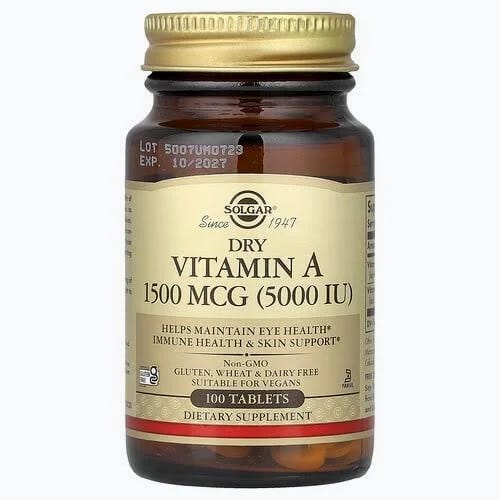
Vitamin A is so effective at reducing mortality and complications from measles that the Centers for Disease Control and Prevention and the American Academy of Pediatrics recommend supplementation for hospitalized children. The World Health Organization recommends vitamin A supplementation for every child with measles, regardless of whether they were deficient beforehand.
Vitamin C and Other Micronutrients
High-dose ascorbic acid (vitamin C) also has a long history of documented clinical use. In 1949, Dr. Fred R. Klenner reported in Southern Medicine and Surgery that therapeutic doses of vitamin C led to rapid symptom resolution.
Vitamin C supports white blood cell function and tissue repair, protecting against secondary pneumonia. Key nutrients like zinc and vitamin D provide essential immune support as well.
Vaccine Gets the Credit
Despite the dramatic pre-vaccine drop in measles mortality and the documented power of nutrition, public perception shifted in the late 1950s as a vaccine was developed.
At that time, measles was not perceived as a serious disease in America. The Surgeon General’s information specialists said measles was “often welcomed as a guarantee of lifetime immunity,” and people viewed it as a “trivial” disease of childhood.
However, as word spread that a vaccine was in development, the media began emphasizing the severity of measles.
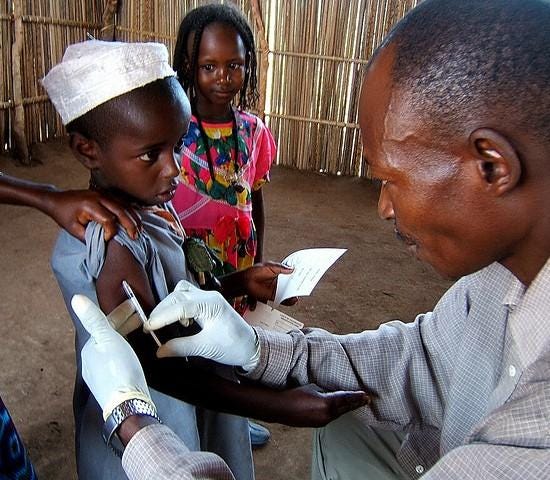
The New York Times reported that measles struck an estimated one million Americans annually and rendered victims vulnerable to secondary infections. CBS aired a broadcast titled “The Taming of a Virus” that strategically detailed the mortality of measles in West Africa where it killed 1 in 5 children.
While the virus did infect millions in America, official records show the death rate was already down to 0.2 per 100,000 (0.0002 percent of the population).
Regardless, when the vaccine was licensed in 1963, it was heralded by the news and medical journals as necessary and able to wipe out measles within a couple of years. The Times ran a front-page headline declaring, “2 Measles Vaccines Licensed; U.S. Sees End of Disease in 1965.”
But the real-world rollout has encountered unexpected problems.
Can Vaccinated Individuals Spread Measles?
Public messaging often implies that measles outbreaks are driven exclusively by the unvaccinated. However, medical literature and public health records show that outbreaks regularly occur in highly vaccinated populations:
Illinois (1984): The CDC reported measles spreading through a school and concluded that “transmission of measles can occur within a school population with a documented immunization level of 100%.”
Corpus Christi, Texas (1985): An outbreak occurred in a high school where over 99 percent of students were vaccinated and more than 95 percent had laboratory-confirmed immunity, leading researchers in the New England Journal of Medicine to conclude that outbreaks persist in near-universally vaccinated settings.
Montana (1985): An outbreak of 137 cases erupted despite a 98.7 percent documented vaccination rate.
Colorado (1988): A college outbreak of 84 measles cases occurred in spite of over 98 percent of students having documented immunity.
Quebec, Canada (1989): Vaccination coverage in the outbreak area was reported to be 99 percent.
During the 1980s, measles cases in the U.S. rose dramatically, with vaccinated individuals accounting for approximately 30 percent of reported infections, according to a 1994 review in the Archives of Internal Medicine. The review concluded that as more people are vaccinated, “measles becomes a disease of immunized persons.”
Public health officials realized that artificial immunity from a single-dose vaccine faded over time, which led to the introduction of a two-dose schedule in 1989.
Recent studies have analyzed whether two doses prevent transmission. An August 2026 meta-analysis in Expert Review of Vaccines evaluated 890 vaccinated individuals who contracted measles. Researchers reported that 70 of them (7.9 percent) transmitted the virus to others, generating 812 downstream measles cases.
Nearly one-third (31.4 percent) of those who transmitted the virus had received the full two-dose series, leading researchers to conclude that fully vaccinated individuals “can contribute to outbreaks.”
Furthermore, vaccinated people who spread the disease rarely presented with textbook symptoms. Only 36.8 percent met the clinical case definition, and some never developed a rash. Because these cases often go undiagnosed, the researchers stated actual transmission among vaccinated individuals may be higher than currently documented.
Considerations of the Live Attenuated Measles Vaccine
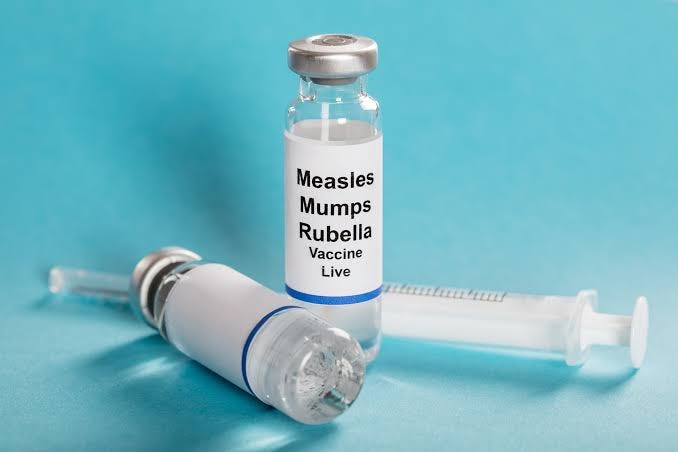
The measles, mumps and rubella (MMR) vaccine uses a live, attenuated (weakened) virus designed to replicate inside the recipient’s body to trigger an immune response. Because the virus is live, it carries biological considerations:
Vaccine-induced Measles
Medical authorities acknowledge that the vaccine virus can cause a modified form of measles. While widely considered non-transmissible, institutions like the Children’s Hospital of Philadelphia note that transmission may be possible. In the medical literature, documented reactions to vaccine-strain measles range from mild fever to severe neurological compromise.
A 2022 case report documented vaccine-associated encephalitis (brain inflammation) in an immunocompromised child who was “previously healthy” at her one-year well-child visit before she received the first dose of the MMR vaccine.
In a landmark 1999 case report in Clinical Infectious Diseases, researchers performed genetic sequencing on brain tissue from a child who developed fatal measles inclusion-body encephalitis after vaccination. The viral sequences in the brain were confirmed to be identical to the vaccine strain.
Furthermore, the Institute of Medicine (National Academy of Medicine) concluded that the evidence convincingly supports a causal relationship between the MMR vaccine and encephalitis in individuals with underlying immune vulnerabilities.
Viral-Strain Infection & Possible Connection to Chronic Disease
Parents are routinely told that attenuated viruses clear the body within days or weeks. However, studies show the vaccine-strain virus can shed in urine for weeks after injection.
Additionally, vaccine-strain RNA has been detected in the white blood cells of some individuals with ulcerative colitis and some children with autism, according to a 2000 article in Digestive Diseases and Sciences.

These findings raise important questions about whether persistent viral fragments can contribute to lingering inflammation and subsequent chronic illness.
Long-Term Health Benefits of Natural Measles
Recovering from wild measles provides durable, lifelong protection that does not require booster doses. Epidemiological studies have also observed several long-term health benefits associated with natural childhood recovery from measles:
Lower rates of allergic conditions
Reduction in adult risk for Hodgkin’s and non-Hodgkin’s lymphomas
Reduced death from heart disease and stroke
Stronger and longer-lasting antibodies in babies whose mothers recovered from wild measles
Public health should be built on transparency and access to all historical and scientific information so families can review the data themselves and make informed decisions.
[For additional information, the author recommends Dissolving Illusions by Dr. Suzanne Humphries and Roman Bystrianyk.]
SUMMARY:
Mortality Plunged Before Vaccines: Long before the 1963 vaccine or antibiotics, U.S. measles deaths fell by 98 percent due to improved sanitation, drinking water, living conditions, and better nutrition.
Nutrition Drives Defense: Adequate nourishment, especially vitamin A, cuts measles mortality by 60 to 90 percent alongside vitamin C, which provides critical immune resilience.
Vaccinated Individuals Can Still Transmit: Measles repeatedly occurs in highly vaccinated populations, and recent research confirms that vaccinated individuals can spread the virus without displaying classic symptoms.
Risks of Live-Strain Viral Persistence: The live attenuated vaccine can cause vaccine-strain infections and may persist in tissues and white blood cells, potentially contributing to chronic inflammation or neurological complications
Dr. Sina McCullough holds a Ph.D. in Nutritional Science and a B.S. in Neurobiology, Physiology, and Behavior from UC Davis. She is the author of Hands Off My Food! and Beyond Labels, and co-host of the Beyond Labels podcast. A former Director of R&D for a supplement company and lecturer at UC Davis, she now focuses on investigative reporting and empowering families to reclaim their health sovereignty. Learn more at drsinamccullough.com.
Nutrition is not consistent through the population especially in food deserts that characterize many communities. Most people can’t afford healthy food. Cuts to programs that provide food to children - often their most nutritious meal of the day, doesn’t help. Perhaps if MAHA was a bit tougher on nutritional standards and additives the way we are on supposed election fraud and anti-vaxing, we might build
a healthier citizenry. I understand those who feel they have a right to every decision in their lives but public health has to take a precedent over personal bias. It’s like giving a ten year old the choice of going to school or not. Okay, maybe 15 year old. The fact you malign media at every turn and indirectly, undermine public health officials who have decades of work to substantiate the need for broad based vaccinations is scary. I’m not sure what you are deforming us into but the US is becoming an ugly place. As we move from we to me - the mantra of this admin, we will be more vulnerable to existential risks that once seemed only possible in some dystopian movie. For someone who loves his country and remembers more functional times, this entire episode is like a bad civics experiment. We’ve gone from hero generation to builders to prophets who know everything and are giving birth to a generation of cynics and nihilists. Great job.
It is good news that a healthy diet is so important to fending off measles. I would say this is important to fighting off any illness, wouldn't you?You state this while at the same time the maga/ Heritage plan of creating food insecurity is being implemented. Cutting off snap benefits for low income families. Firing food inspectors. Importing bad beef and adding it into Americans food chain, polluting our waters and cutting off our access to affordable health insurance. MAHA needs to talk to itself about how they are not helping Americans to become healthier.