

In an action-packed week for MAHA, Secretary Kennedy offers a generational pesticide off-ramp, the FDA proposes a new approval pathway for ultra-rare disease therapies, federal agencies crack down on animal abuse, Target goes MAHA, and more.
Stay up-to-date on all MAHA ‘wins’ by tuning into Caitlin Sinclair’s MAHA Minute every Friday, across all of MAHA Action’s social media channels.
Secretary Kennedy Plays the Long Game with Glyphosate
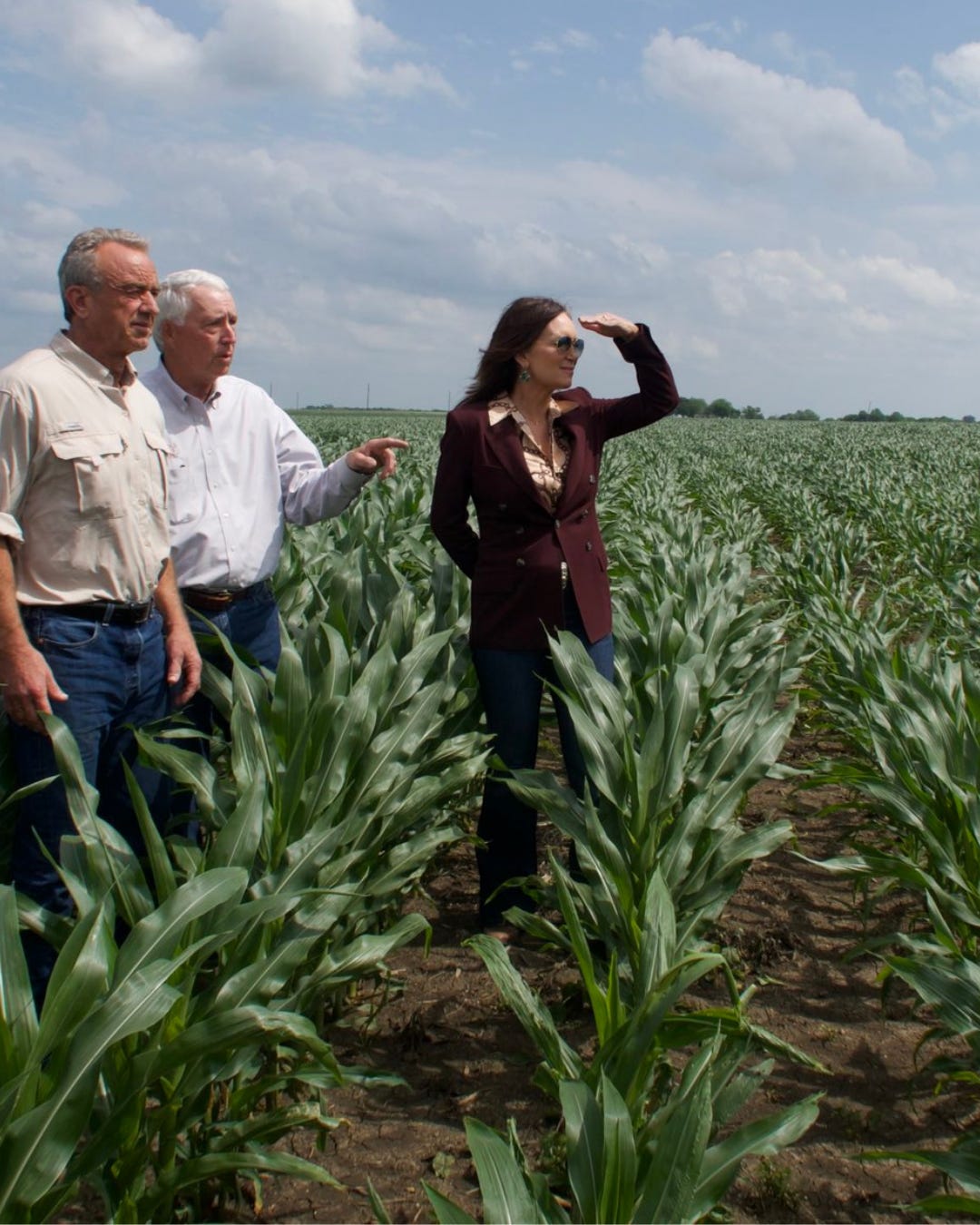
HHS Secretary Robert F. Kennedy Jr. laid out a clear roadmap for weaning the nation’s farms off of glyphosate-based herbicides. Kennedy acknowledged: “Pesticides and herbicides are toxic by design, engineered to kill living organisms. When we apply them across millions of acres and allow them into our food system, we put Americans at risk. Chemical manufacturers have paid tens of billions of dollars to settle cancer claims linked to their products, and many agricultural communities report elevated cancer rates and chronic disease.”
However, the secretary also shared his honest assessment that there is no viable way to immediately end our dependence on glyphosate-based agricultural products. For such change, he looked to the future: “We are also driving the rapid adoption of next-generation technologies, including laser-guided weed control, electrothermal and electrical systems, robotics, precision mechanical cultivation, and biological controls that replace blanket spraying with precision intervention.”
He added, “These solutions are not theoretical. Farmers are already putting them to work. Markets are scaling them. Now the federal government will act with urgency to expand their reach and accelerate adoption nationwide.”
MAHA + Free Speech Win in Florida
A proposed Florida Senate bill, that would have expanded so-called “food libel laws” to make it difficult to freely debate agricultural practices, has been successfully amended. The amendment, which removes the de-facto gag order, passed the Florida Senate following weeks of pressure from MAHA advocates.
President Welcomes Era of Affordable Drug Prices at SOTU
During his State of the Union Address, President Trump discussed recent most-favored nations (MFN) deals that the federal government has signed with major drug companies.
“Americans, who have for decades paid by far the highest prices of any nation anywhere in the world for prescription drugs, will now pay the lowest prices anywhere in the world for drugs,” the president said.
Both President Trump and Secretary Kennedy have encouraged Americans to consider buying discounted drugs from the TrumpRX online platform in order to best take advantage of the MFN deals.
New Strides for Animal Welfare

The USDA, in collaboration with the HHS, DOJ, and DHS, announced a coordinated, multi-agency initiative on February 18, 2026, to intensify enforcement against chronic violators of animal welfare laws pertaining to dogs.
The Trump administration aims to hold repeat offenders accountable under the Animal Welfare Act, prosecute dogfighting to the fullest extent of the law, and ultimately eradicate the practice.
Actions include revoking or suspending licenses for noncompliant dog breeders, pursuing administrative cases, referring matters to DOJ, and supporting responsible breeders while protecting companion animals – underscoring the administration’s commitment to humane treatment of animals.
New FDA Guidance on Ultra-Rare Disease Therapies
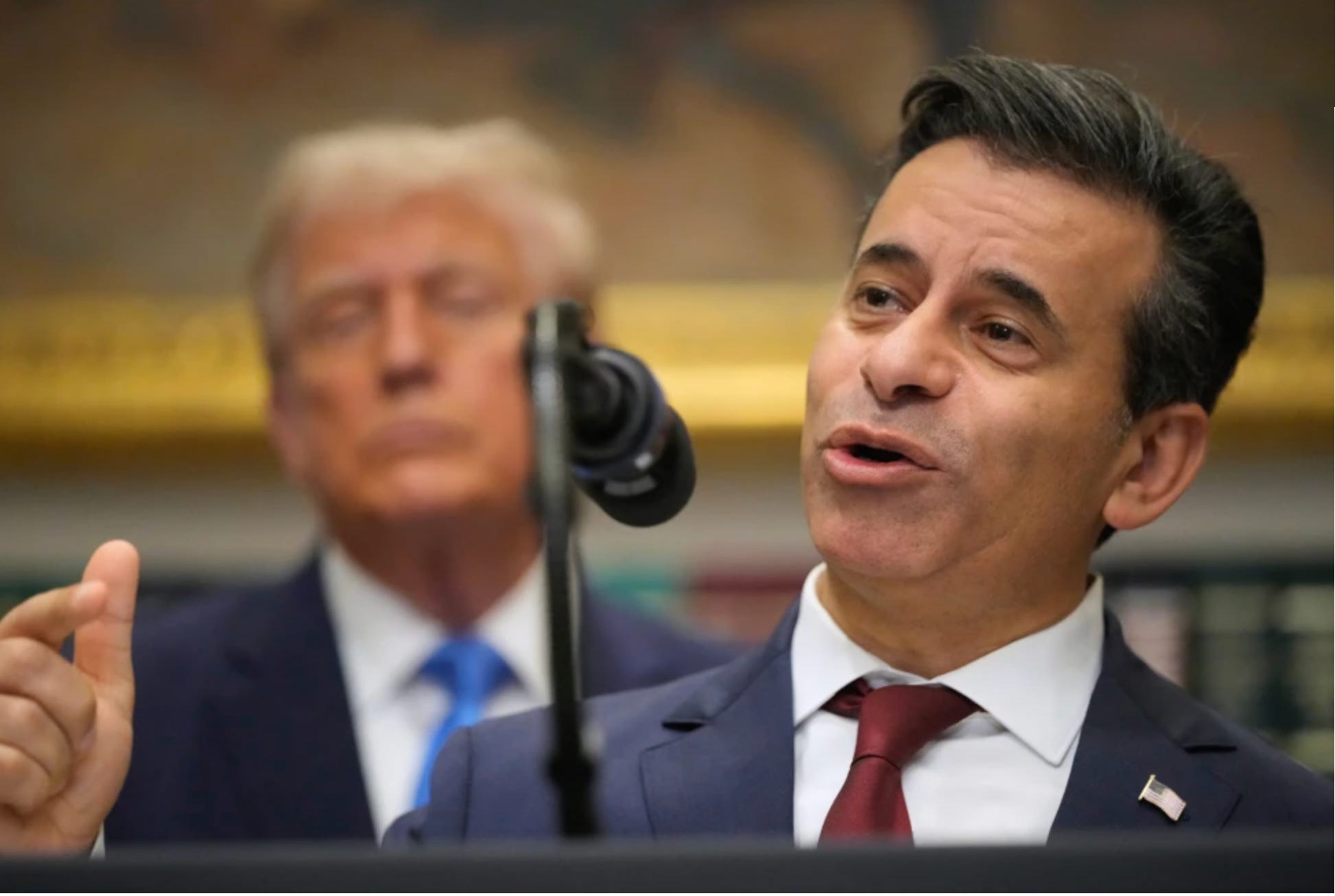
The FDA launched the new Framework for Accelerating Development of Individualized Therapies for Ultra-Rare Diseases, issuing draft guidance to streamline approvals for targeted, personalized treatments.

This initiative, detailed in the draft guidance from the Center for Biologics Evaluation and Research (CBER) and the Center for Drug Evaluation and Research (CDER), focuses on therapies that directly address the underlying genetic, cellular, or molecular causes of ultra-rare diseases.
Louisiana Partners with ACF to Help Foster Children
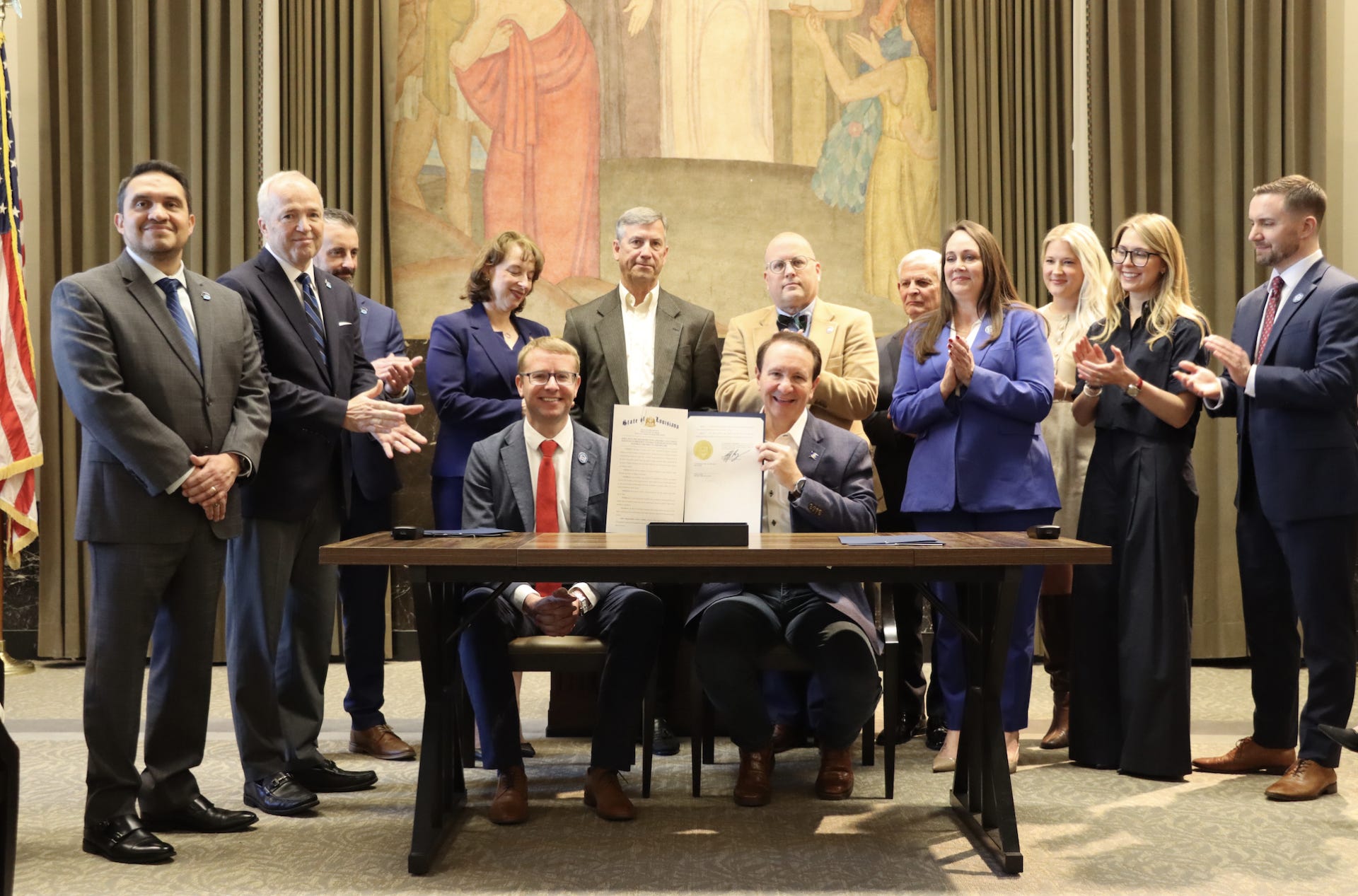
Louisiana Governor Jeff Landry signed a proclamation titled “A Home for Every Child” and an executive order to strengthen the state’s foster care system and protect vulnerable children.
As one of the first states to join the Trump administration’s federal “A Home for Every Child” initiative (in partnership with the Administration for Children and Families), Louisiana aims to improve the ratio of certified foster homes to children in care—currently about 48 homes per 100 children (below the national average of 57)—by certifying 1,100 new foster homes; reactivating 200 existing ones; reducing bureaucratic barriers; boosting retention and recruitment (including through faith-based partnerships); preventing unnecessary foster care entries; and creating a faster path to permanency so homes wait for children rather than vice versa.
Landry’s EO ends the “orphan tax” by ensuring foster youth retain full access to their earned Social Security survivor benefits (rather than having them diverted to offset state agency costs). The EO also preserves funds for Orphans’education, savings, housing, and successful transition to adulthood.
These actions, announced alongside Louisiana Department of Children & Family Services Secretary Rebecca Harris and federal officials, prioritize safe, stable homes and financial security for the state’s approximately 4,328 children in foster care.
Target Goes MAHA

Target announced it will stop selling all cereals with certified synthetic colors by the end of May 2026. Commenting on this, HHS Special Advisor Calley Means said, “Secretary Kennedy’s team has done hundreds of meetings with retailers to discuss how to use the MAHA political moment to push positive change. When a retailer like Target enforces requirements, it moves the entire market. I’m looking forward to more major announcements.”
Kudos to Target for getting on board. Costco needs to do the same, but instead, it has decided to make it harder to make healthy choices by getting rid of their green signs signifying organic products. Now, you have to spend hours scouring the store to find them.
Tell Costco to get on board by bringing back the green signs and, while they're at it, reducing the number of products with inflammatory seed oils, synthetic dyes, GMOs, harmful preservatives and other health-destructive ingredients. And ending the sale of organic produce that has been treated and contaminated with Apeel or Organipeel.
Costco has the power and clout to get on board with the MAHA Movement. So do other big retailers. Let's encourage them to do so. Losing customers is not cost effective, which will happen if they don't amend their ways. Costco ought to realize this and get on the right side of history, which is very much in the making.
And may it be everyone's mission to buy at least 50% of their food from small, local farms and producers you know and trust.
Its good to see them come together to a rational compromise.