


For many members of the U.S. House of Representatives and MAHA supporters, April 30, 2026 was a big day: In a decisive victory (224 - 200), the House passed a new version of the Farm Bill that stripped it of a liability shield for companies producing herbicides like glyphosate.
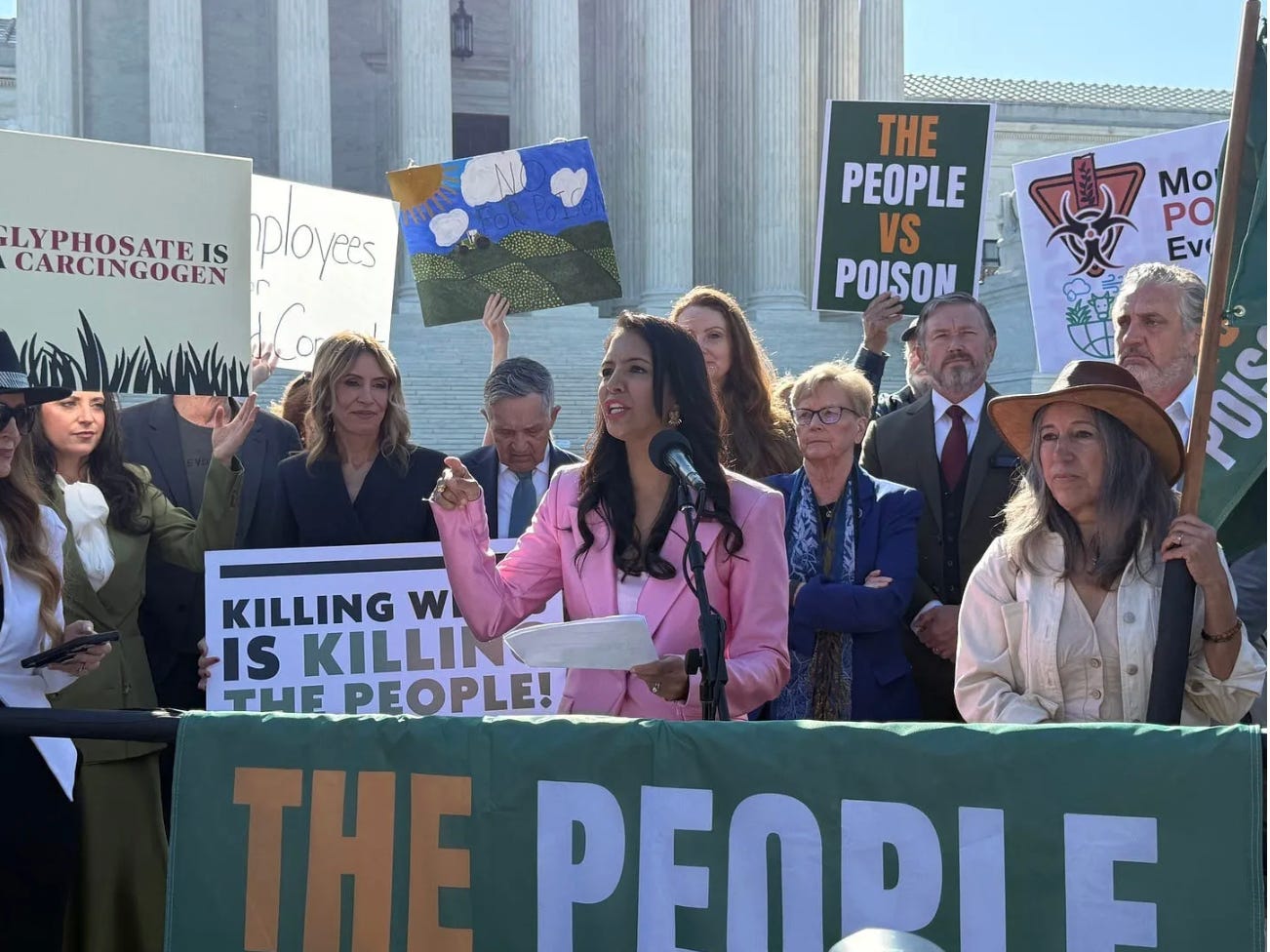
MAHA leaders, many of whom gathered in front of the U.S. Supreme Court two days earlier to make their voices heard, felt vindicated. While their activism was around Monsanto v. Durnell (a ‘failure to warn’ case brought by John Durnell against Bayer/ Monsanto), the House victory was nothing short of a major win for them.
But not everyone felt that way. Many people derided the bill as an upsetting compromise. Moreover, the bill still has to pass in the U.S. Senate, no small hurdle.
Part of the complexity of crafting any Farm Bill is the sheer magnitude of policy areas encompassed by the USDA, which oversees agriculture (impacting the nation’s farmers but also a myriad of industrial manufacturers); the Supplemental Nutrition Assistance Program (SNAP); and the National School Lunch Programs (NSLP).
The budgetary impact here is profound, affecting hundreds of billions of dollars of annual public spending. The House bill was designed to be “revenue neutral,” resulting in all “stakeholders” scampering and battling for every scrap.
Fiscal policy converges in the Farm Bill with environmental lobbyists, farming organizations, industrial interests, and advocates for SNAP recipients. All of these policy areas intersect with the MAHA movement’s agenda.
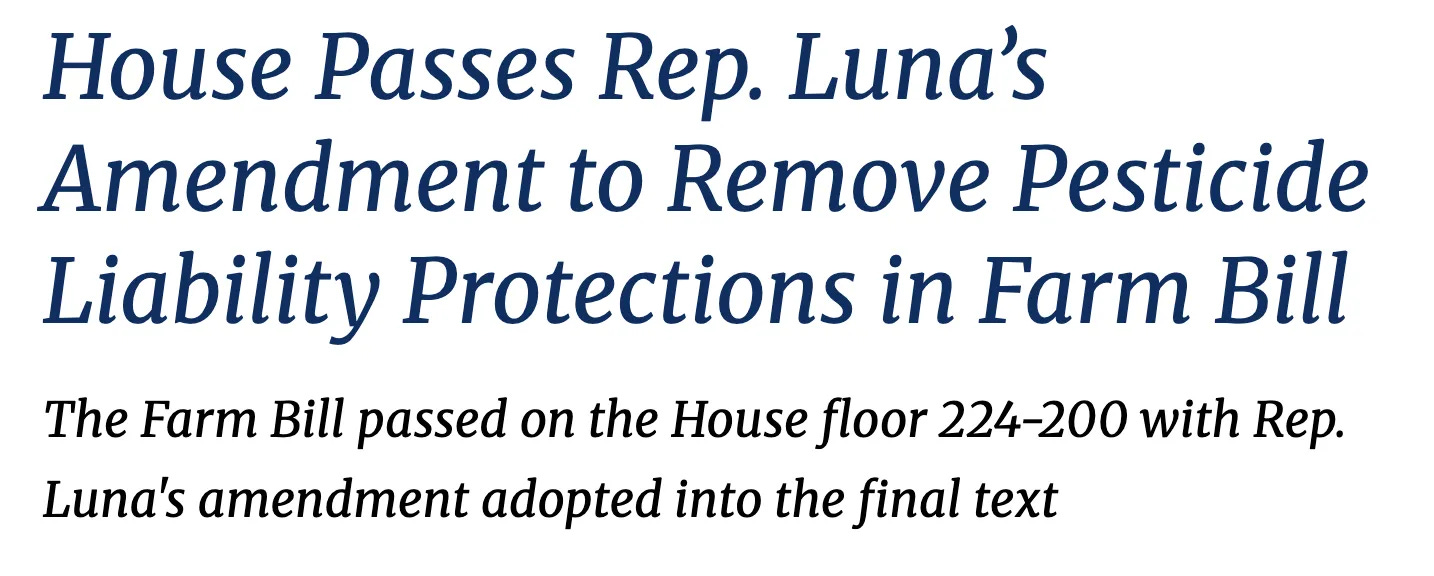
The most salient issue of concern for MAHA was a win – the House voted in support of the (Rep. Anna Paulina) Luna amendment, which stripped pesticide liability immunity from the larger bill. Environmental groups and MAHA moms across the nation rejoiced that this pernicious, industry-favoring provision was chopped from the bill by strong bipartisan opposition.
Sadly, the battle for food and family safety is not over, as Monsanto and other chemical industry lobbyists petitioned the U.S. Supreme Court to implement a de facto liability shield that would circumvent this legislative win by judicial fiat under federal preemption in the Monsanto v. Durnell case.
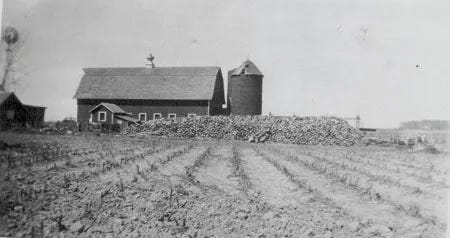
The Farm Bill process originated during the Great Depression as part of the New Deal to provide price supports to struggling U.S. farmers, and quickly expanded to include conservation practices, crop subsidies, and nutrition support for low-income Americans. It seemed bureaucratically sensible for USDA to be tasked with matching commodity surpluses with needy citizens, but the resulting system has become so gargantuan and complex that many critics have suggested bifurcating farming from food relief.
Until that happens, the Farm Bill will remain the unwieldy albatross for resolving numerous conflicting special interests and hundreds of provisions. The nation’s farmers, currently struggling with high input costs (especially fertilizers) and anemic commodity prices, are held hostage by these complexities. This tangled web explains why the Farm Bill is routinely kicked down the road, and why this one is at least three years overdue. It also explains why there are so many trade-offs in its creation.
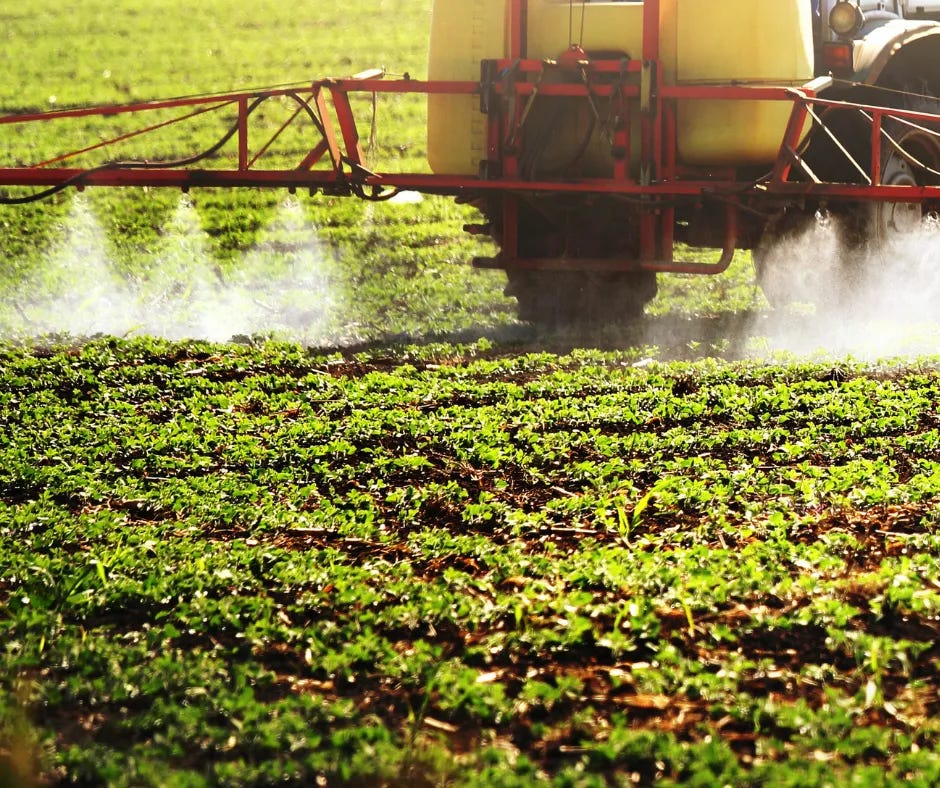
The big win for pesticide liability included some other positives hailed by farming groups. The creation of a pilot program to expand local slaughter and processing services for small farms, a variation of the long-fought-for PRIME Act, is a positive for both consumers and farmers. And the House version expanded payments for livestock losses to predators, increased crop insurance availability, and included incentives for new farmers. It also bans foreign nations (i.e., China) from buying up U.S. farmland.
Not all farming is the same, and thus some provisions in the bill received conflicting responses. This is especially true of the incorporation of the so-called “Save the Bacon” provisions that elevate federal agricultural practices above state regulations that conflict, an indirect assault on California’s Proposition 12, which mandated improved housing and treatment for swine.
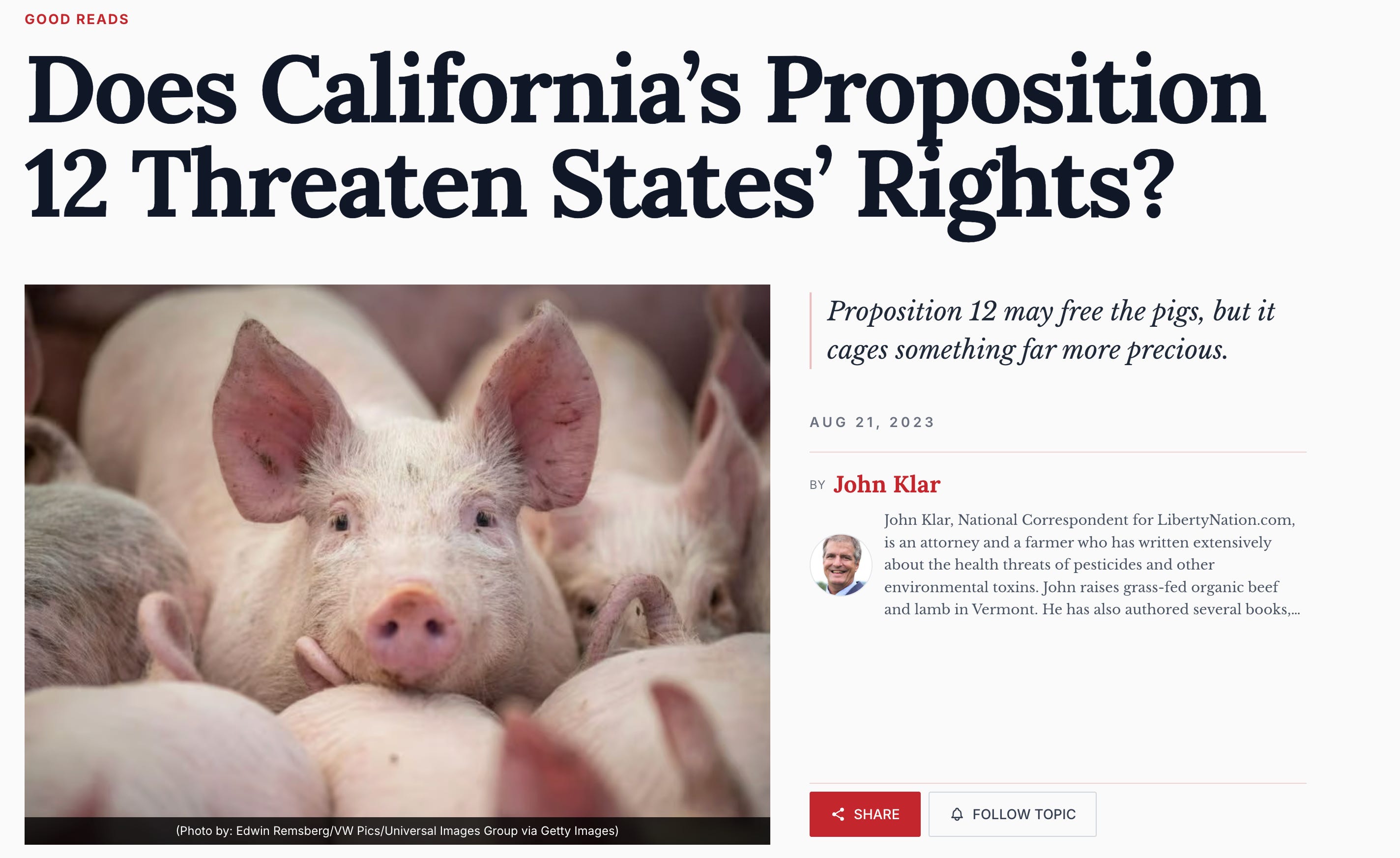
Small farmers opposed the Save the Bacon initiative, while large farms, especially in pork-producing states, hailed it as a way to prevent conflicting state-law patchworks that undermine profitability.
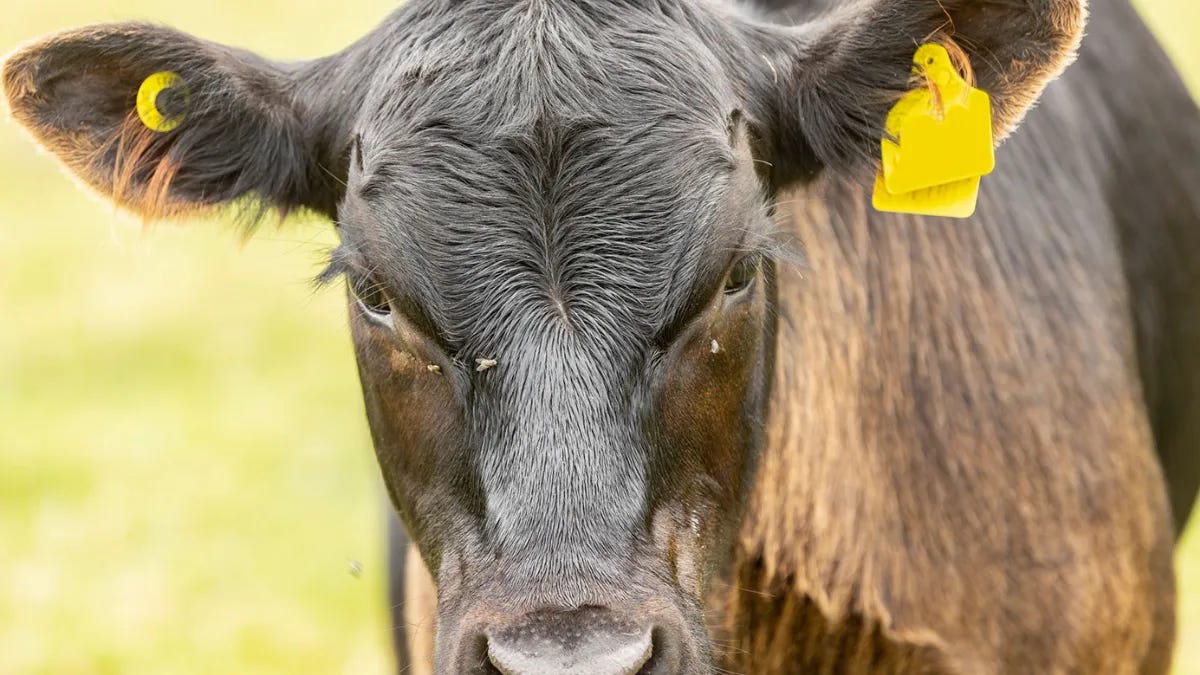
Most farmers would oppose the electronic ear tags for interstate transport of cows, yet Congress gave the nod to continue government tracking by a vote of 355-69.
And most consumers would oppose the decision to refuse states the ability to restrict access to soda by SNAP beneficiaries (though the current version allows for hot, whole chickens!) A majority of voters oppose sickening SNAP beneficiaries with soda: A majority of Congress still appears beholden to the influential beverage industry that lobbied hard to continue its federal support subsidies, which is sickening in itself.
Perhaps the most controversial provision of the current House version of the Farm Bill is its failure to restore full funding for SNAP. However, that battle is hardly over and will very likely resume in a contentious Senate battle to reshape the bill in an ongoing back-and-forth.

Typical of responses to the House version of the bill is this one from Judith McGeary, a food rights veteran, attorney, and founder and executive director of Farm and Ranch Freedom Alliance (FARFA): “I was very relieved to see a strong, bipartisan vote to strip out the pesticide manufacturers’ liability shield, and of course, we have been strong supporters of the PRIME Act, and we’re pleased to see a pilot version of the program included,” said McGeary.
She continued, “Having said that, the bill as a whole still reinforces the current corporate-controlled, chemically-intensive structure for our agriculture, made worse by the inclusion of the so-called Save Our Bacon Act, removing local control over livestock production and undermining market opportunities for regenerative farms.”
In sum, the Farm Bill as currently hashed out by the House is a good step forward, but it has a long way yet to go. The MAHA movement has already made its mark by blocking a pesticide liability shield for manufacturers. More importantly, it is making a profound and enduring impact as millions of Americans scrutinize their food ingredient labels and the Farm Bill’s provisions like never before.

No farm bill is a good farm bill until it encourages healthy farming and doesn't support industrial / corporate farming. Government should have almost nothing to do with farming!
The biggest MAHA win is approval of blueberry and mango flavored vapes for kids 12 and up. Nicotine is a nutrient.