


Across America, a growing number of families are leaving urban centers for small plots of land in the countryside, in search of independence from fragile food supply chains and the comfort of knowing where their food comes from.
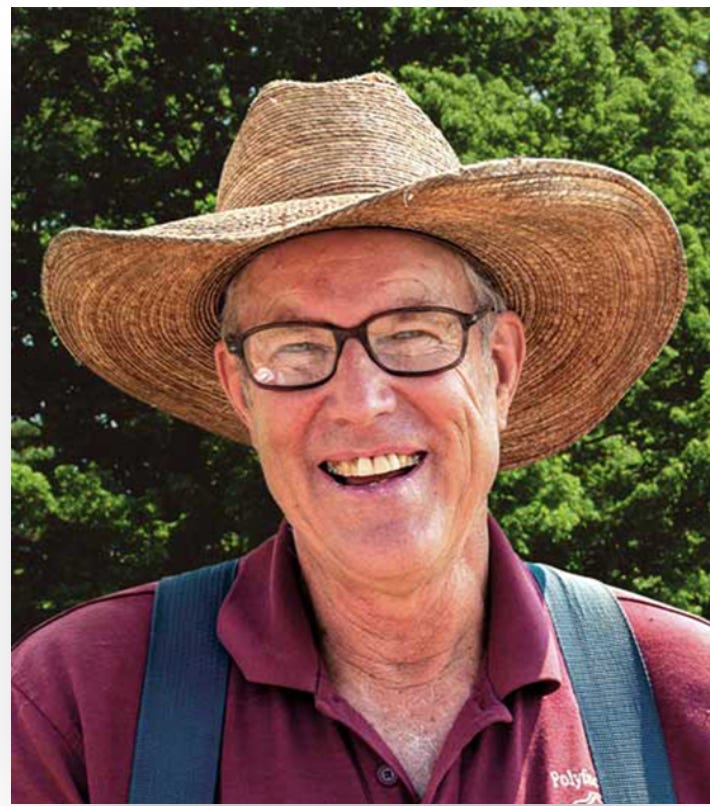
Joel Salatin, the self-described “Christian libertarian environmentalist capitalist lunatic farmer,” who runs Polyface Farm in the hills of Virginia’s Shenandoah Valley, calls this surge the “homestead tsunami.”
Nationwide, events devoted to homesteading and self-sufficient living are growing, including the Homesteaders of America Conference in Virginia and the Modern Homesteading Conference in Idaho.
In August, Salatin and Polyface Farm will host the Rogue Conference, an annual event held at a different location each year that emphasizes regenerative farming, local food systems, and food sovereignty, and embraces activism against what Salatin calls “cumbersome regulations.”
He wrote a book released in 2024 called Homestead Tsunami: Good for Country, Critters, and Kids. It highlights the trend of Americans moving to the country for homesteading and serves as a template for people interested in becoming more self-sufficient.
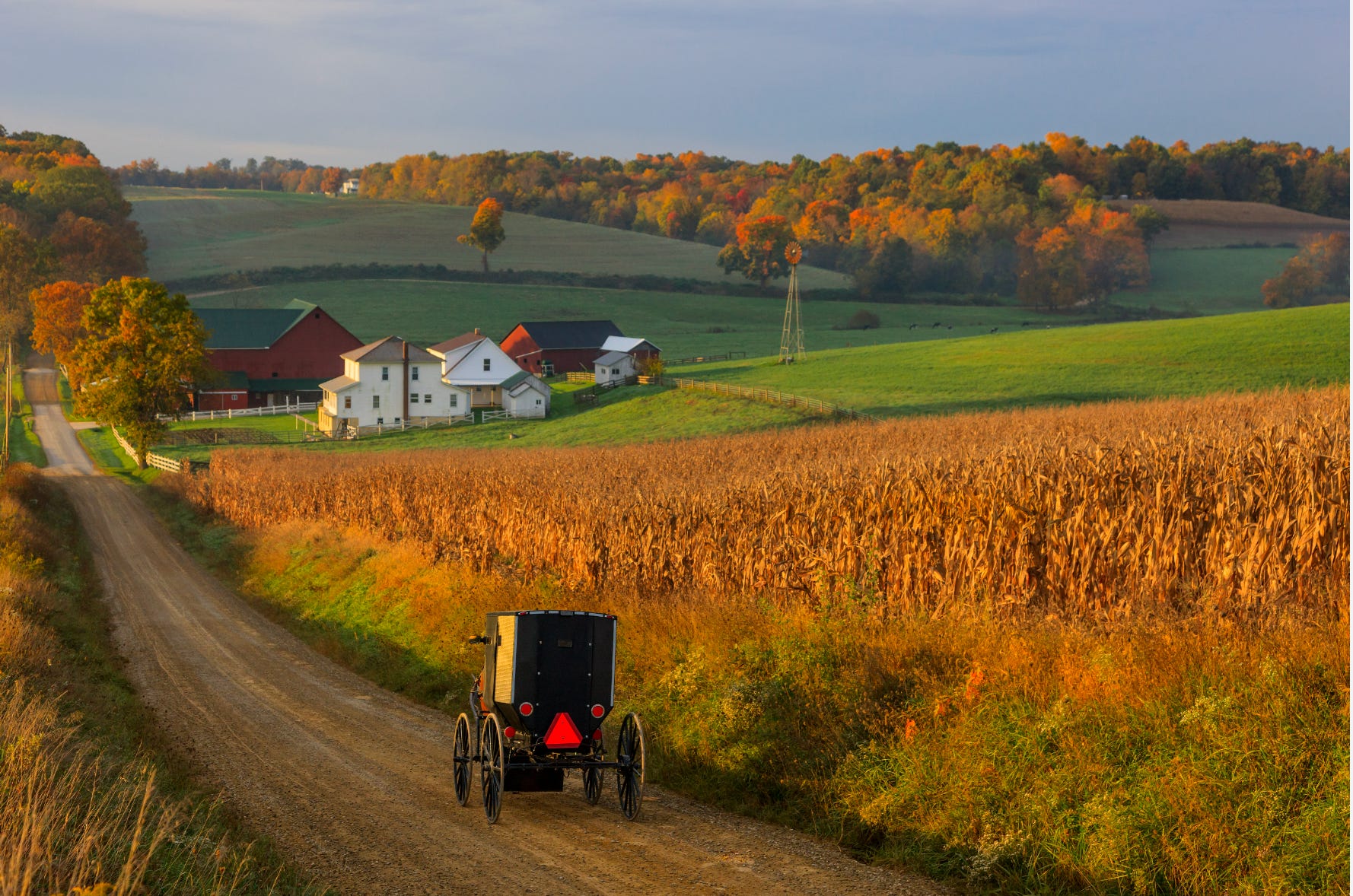
In mid-June, in the hills of Amish Country in eastern Ohio, Salatin spoke about why homesteading is on the rise.
“There’s been a real disconnect between the younger generation and where their food comes from,” he said.
“People have an intuition that there is more opportunity in the country than in the city to be self-sufficient,” he added. “The problem is, we are now several generations removed from commonly knowing how to gut a chicken, tap a maple tree, and plant tomatoes. When you make a change from your routine in life, you need support, and that is why the homesteading and sustainable living events are important, and that’s why I do what I do.”
The homesteading movement gained momentum during the Covid-19 pandemic when seed companies sold out, canning supplies disappeared from shelves, and backyard chicken flocks grew.
Online searches for sourdough recipes and canning methods spiked.
What began as a reaction to empty supermarket shelves and lockdowns has evolved into a sustained cultural shift.
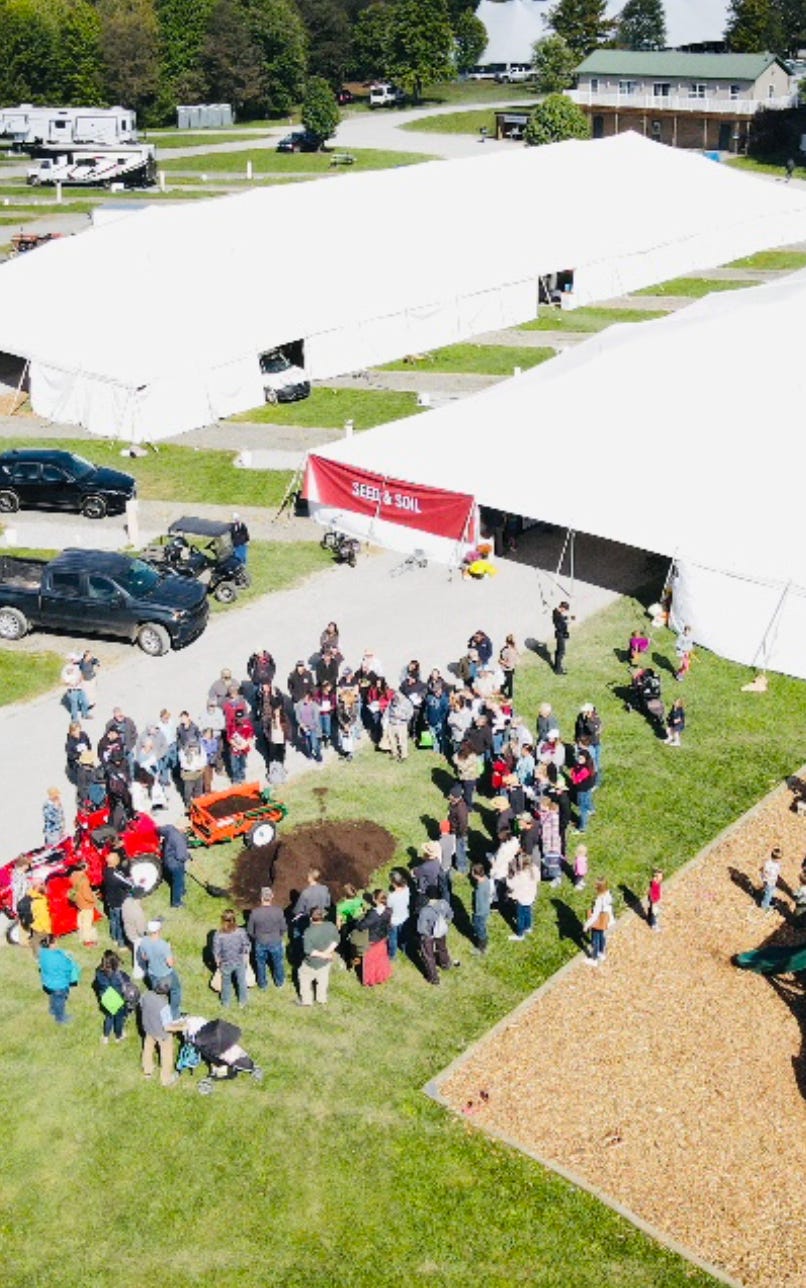
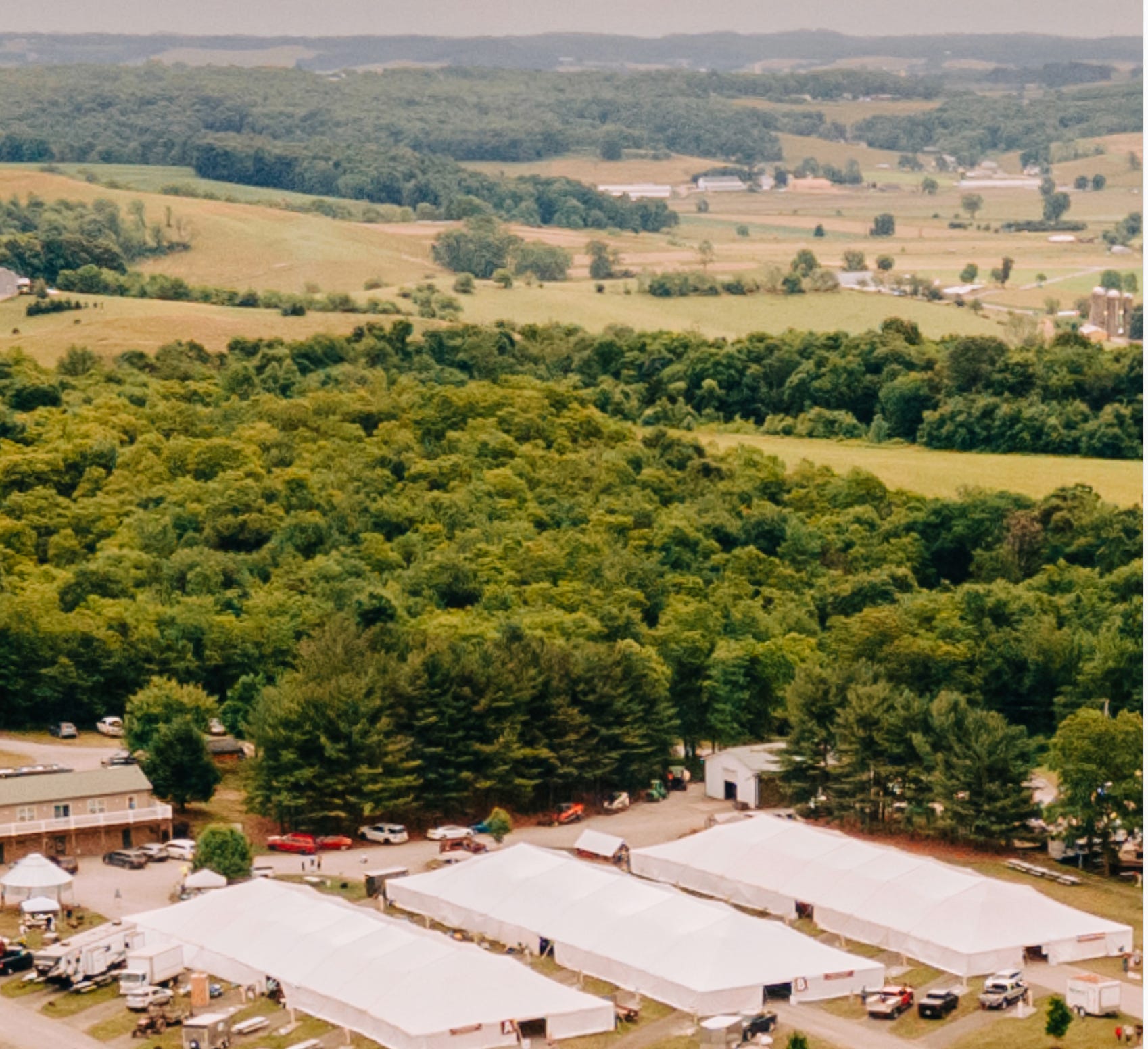
Amid the rolling green hills of eastern Ohio’s Amish country, the Seed to Spoon Summit teaches attendees to return to their grandparents’ roots and become more self-sufficient.
Exhibitors and experts offer instruction on everything from beekeeping, cheesemaking, butchering, canning, and gardening to bread making, soil care, meat processing, and growing microgreens, among other skills and tasks.
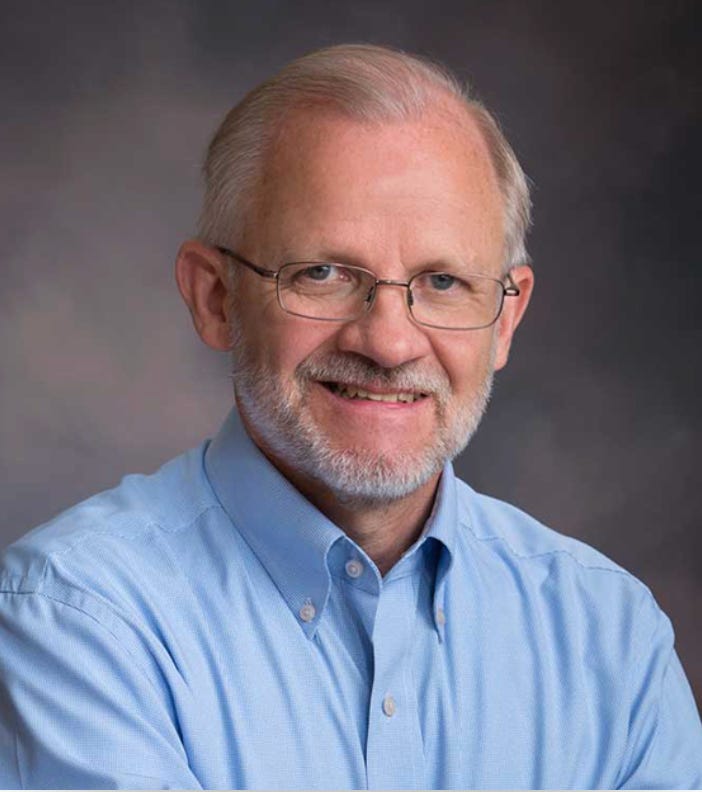
Launched in 2022 and originally called the Food Independence Summit, the gathering was co-founded by John Miller, owner of Superb Canning, and Marcus Wengerd, owner of Berlin Seeds. Both businesses are nestled in a region where Amish and Mennonite farms dot the landscape along roads traveled by horse-drawn buggies as well as automobiles.
Widely known as an Amish Country tourist mecca, Holmes County and neighboring Tuscarawas County are also teeming with entrepreneurs focused on sustainable living products and services.
Self-sufficient living here is a way of life for both Amish and “English”—the Amish term for those who do not belong to the Amish community.
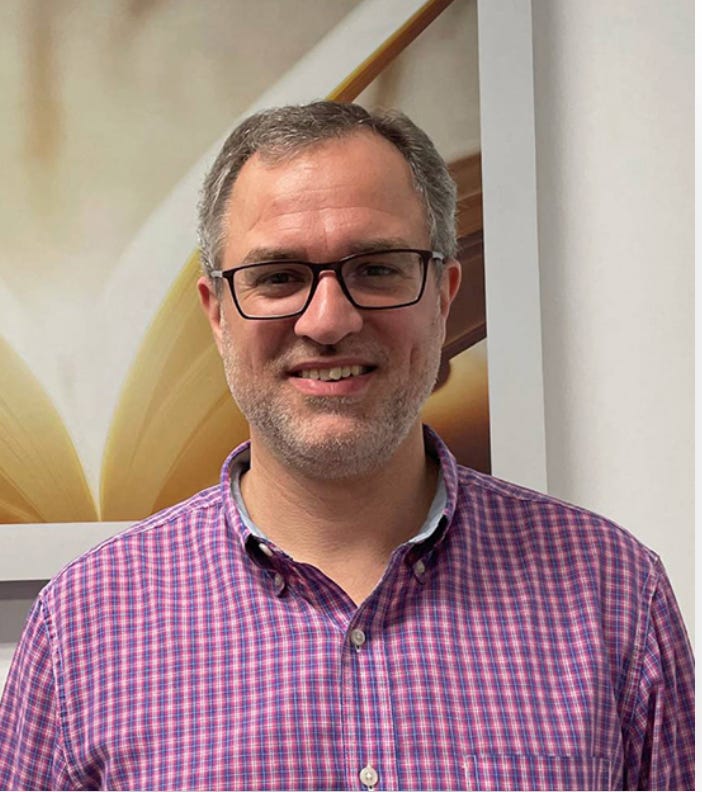
Miller and Wengerd changed the name to “Seed to Spoon” because it “captures the entire journey of food—from planting and growing to preserving and eating,” Miller said.
“The new name also clearly communicates the deeper goal of empowering families and communities to become less dependent on fragile, centralized food systems,” Wengerd added.
“This is more than just a conference; it’s a movement by many who want to be healthier,” Miller said.
Homegrown food is one of the keys to healthier communities, Wengerd said.
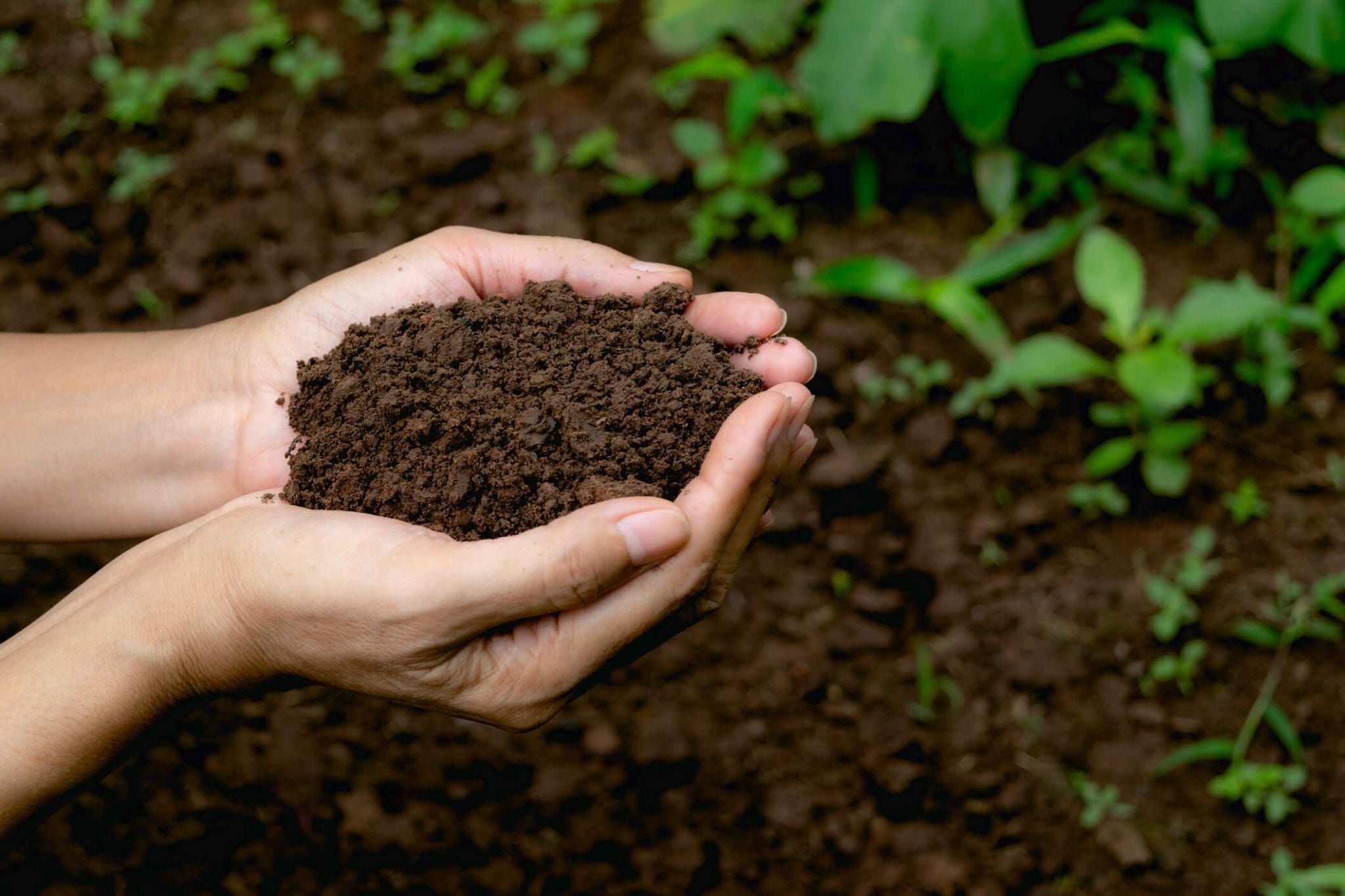
“Seed is the currency of our planet. If we don’t have seed, then we go hungry. And if we don’t properly preserve what we harvest, that food will go to waste. And it all starts with healthy soil,” Wengerd said.
Miller noted they put together the first summit in 2022 in six weeks.
“We sought as many experts and influencers in sustainable living as we could find, and we keep growing every year,” Miller said.
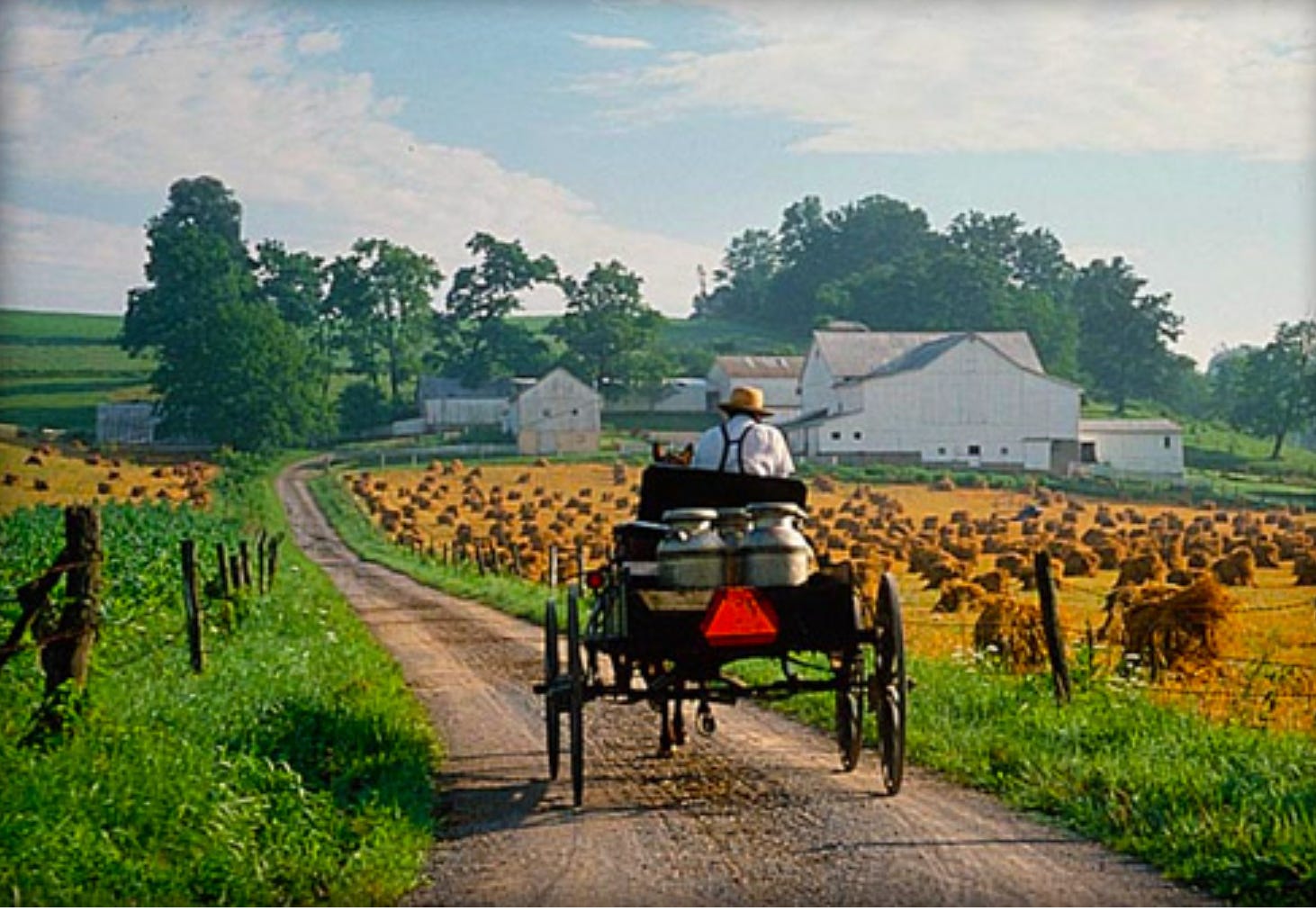
The region where the summit is held includes the second-largest community of Amish in the world. Most live in and around Holmes County, which has the highest concentration of Amish of any U.S. county. Half of the county’s population is Amish, and many members of closely related denominations such as the Mennonites reside here, too.
Amish Country is one of Ohio’s most visited tourist areas. Visitors flock there to experience farm attractions and museums and buy a wide assortment of handmade goods and artisan products.
Bed-and-breakfasts and inns line a landscape of sprawling, meticulously maintained farms. On many of the roads, horse-drawn buggies are just as common as automobiles.
What makes this area “perfect” for an event that encourages gardening and homesteading is its heritage, Miller believes.
“We live in a community where homesteading is a way of life. The notion of sustainable living is a deeply entrenched tradition dating back several hundreds of years,” he said.
“Our purpose here is to help people become more self-sufficient where they are and with what they have,” Miller added. “Any step you take to living a healthier lifestyle and knowing where your food comes from will give you more peace of mind.”
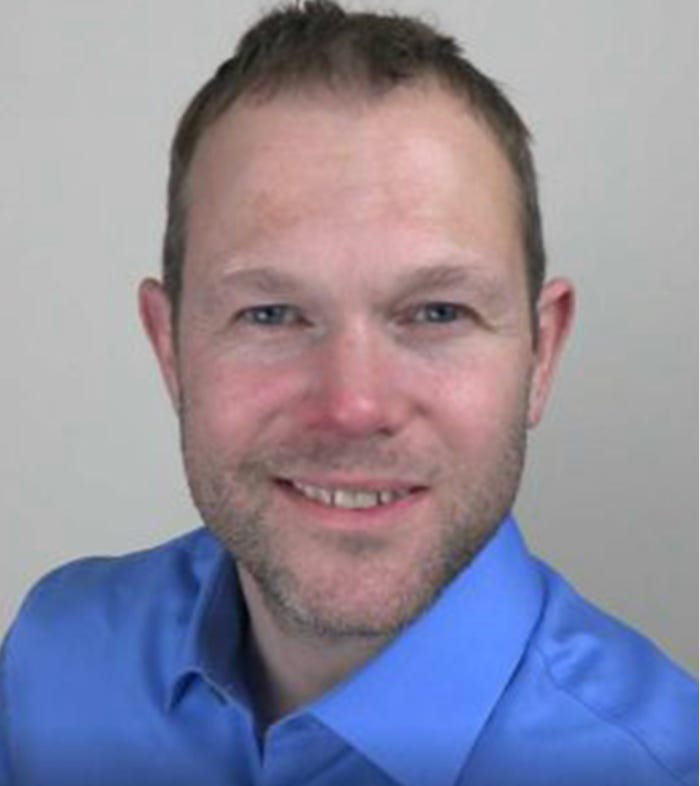
Max Kane has a 211-acre farm in southwest Wisconsin and operates a raw milk buying club. In 2009, he said the USDA, FDA, and state authorities tried to jail him over his raw milk deliveries to Chicago.
The experience reinforced his belief that Americans need the option to opt out of the industrial system and form private food networks built on trust between farmers and consumers, a view espoused by Salatin, who has spoken of the need for a “Food Emancipation Proclamation” that would allow farmers and consumers to conduct food transactions without government restrictions.
Kane created FarmMatch, an online marketplace he describes as “Etsy for local food.” The platform connects consumers with vetted farms and buying clubs.
Initially, FarmMatch arose to manage Kane’s own raw milk club more efficiently before it evolved into a broader project for the local food movement.
The food people eat is “the single biggest determinant of their ability to perform their life, whether that means litigating a case, playing professional sports, driving a bus, or carrying a child to the park,” Kane explained.
“If citizens cannot legally build private food systems that nourish their bodies and minds, they risk becoming permanently dependent on an infrastructure that leaves them sick, disempowered, and economically challenged. Providing awareness at events like this one [the Seed to Spoon Summit] is a valuable way to keep expanding the number of people who take the first steps to knowing where their food comes from and how it is raised,” he added.
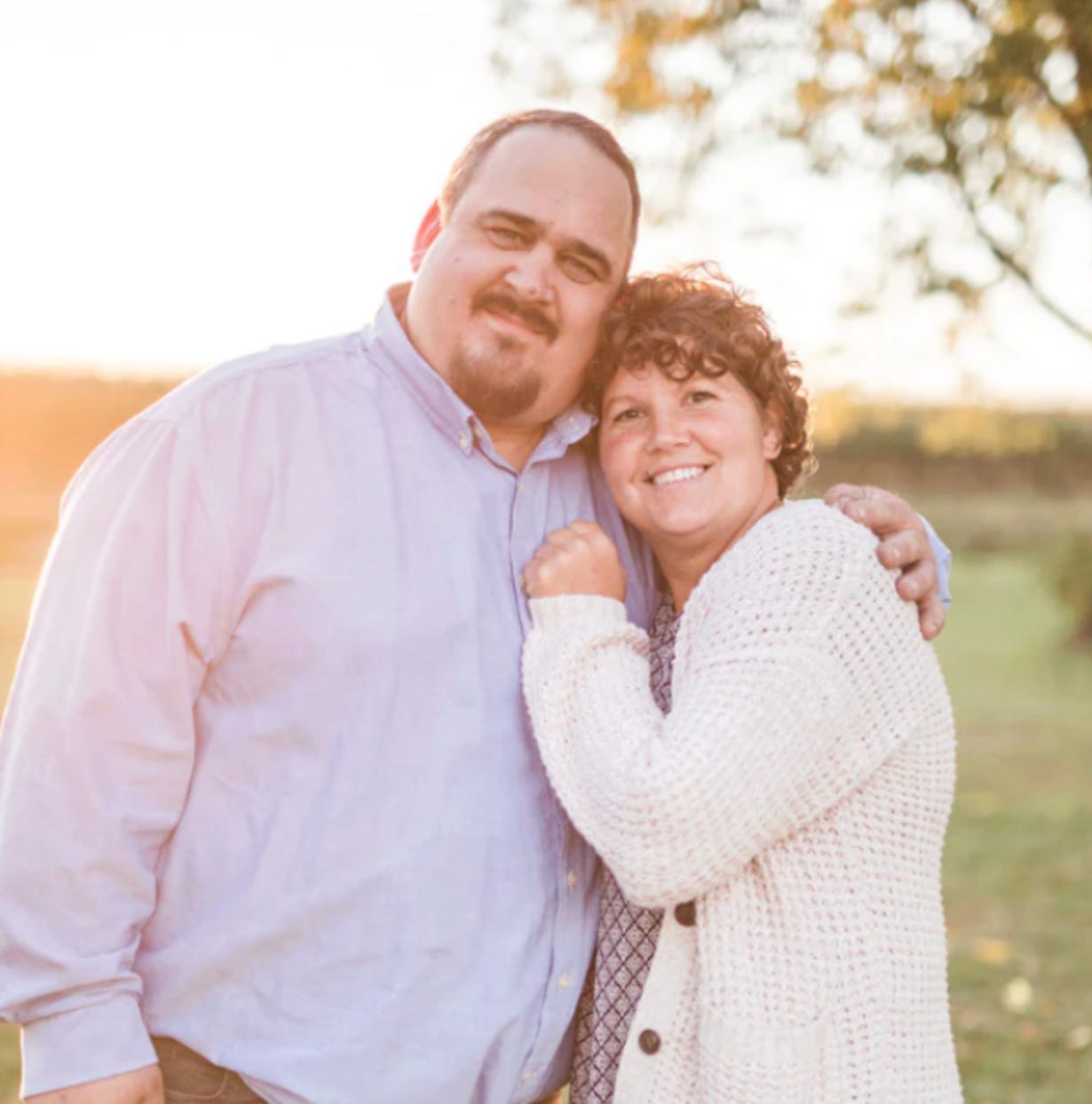
RuthAnn Zimmerman and her husband Elvin live on a 21-acre homestead in northeast Iowa. An author of multiple self-sufficiency books, including The Heart of the Homestead, Zimmerman urges people to ask: “Where did this grow, who grew it, and how was it grown?” when buying food items.
She believes the interest in events and books related to homesteading, and on-farm learning experiences, can be attributed to mistrust of government and institutional stability.
Zimmerman thinks that many Americans still look at the government as their “Plan B” for food, and she advocates for people to grow and locally source food like “there is no Plan B.”
“That shifts the accountability back to individuals and communities to create real nourishment for themselves instead of relying on something that is not guaranteed to be there,” she said.
The homestead tsunami isn’t free of turbulence. New homesteaders face steep learning curves, health problems with animals, crop failures, predators, infrastructure costs, and physical demands. Property prices in many rural areas have escalated, making it more costly to buy land.
Social media can romanticize the homestead lifestyle and lead to disillusionment when reality hits. Animal husbandry, especially processing, carries risks if done without proper knowledge.
Success requires patience, community support, and realistic expectations.
Shop our merch store to support the MAHA Report and the MAHA movement.
All proceeds go to supporting the cause.
Related reading
Joel Salatin Wants to Liberate Small Farms Like his Own From Large Regulatory Agencies

If Joel Salatin could make one decision that would immediately take effect, it would be to implement a “Food Emancipation Proclamation” to “unshackle America’s sustenance from prejudicial regulatory tyranny.”

The suburbs are cages, the institutions are machines, and everyone keeps waiting for others to save them. The Globalists' hidden networks, the WEF conferences where they talk about the future like they already own it, the bureaucrats and corporations all talking about me. They tell me I am imagining patterns, but history is full of people who ignored the warning signs until the world collapsed around them.
That's why the land is the answer. Not someday, but now. Millions of families must leave their festering exurbs and return to the soil before there is nowhere left to go. Every abandoned field, forgotten acre, and piece of earth must live again as farmland. Regenerative agriculture. Organic gardens. Orchards. Communities growing their own food instead of depending on systems controlled by Hollywood and Tokyo. Chickens in the yards, pigs turning the soil, cows grazing the pastures, vegetables growing everywhere. A civilization rebuilt from seeds and animals and human hands, before the last connection to the earth is destroyed.
They say I'm obsessed and angry. But they never explain why every generation thinks the warnings are impossible until after the disaster. They point to the horrors of history and say those things could never happen again, but they forget how quickly societies can be transformed when people surrender their judgment and stop questioning. The old regimes, the revolutions, the massacres, they all began with people believing they were just following the current of history.
The soil knows. The fields know. The world is sick, and the only way to survive is to rebuild from the ground up before everything disappears. They can keep their towers and meetings. I want seeds and tractors. I want barns full of animals and families who remember how to hunt and butcher. When the system breaks, the people who planted will be the only ones who have anything left.
I first saw Joel on The Highwire with Del Bigtree... he is doing an awesome job getting the information out there 👍
If you watch 'Clarkson's Farm' on amazon prime you can see a lot of what the UK farmers are up against... a great series and recommended 😎🇨🇦