


If Joel Salatin could make one decision that would immediately take effect, it would be to implement a “Food Emancipation Proclamation” to “unshackle America’s sustenance from prejudicial regulatory tyranny.”
Put more simply, Salatin wants to liberate small farms, like his own, from the large regulatory agencies.
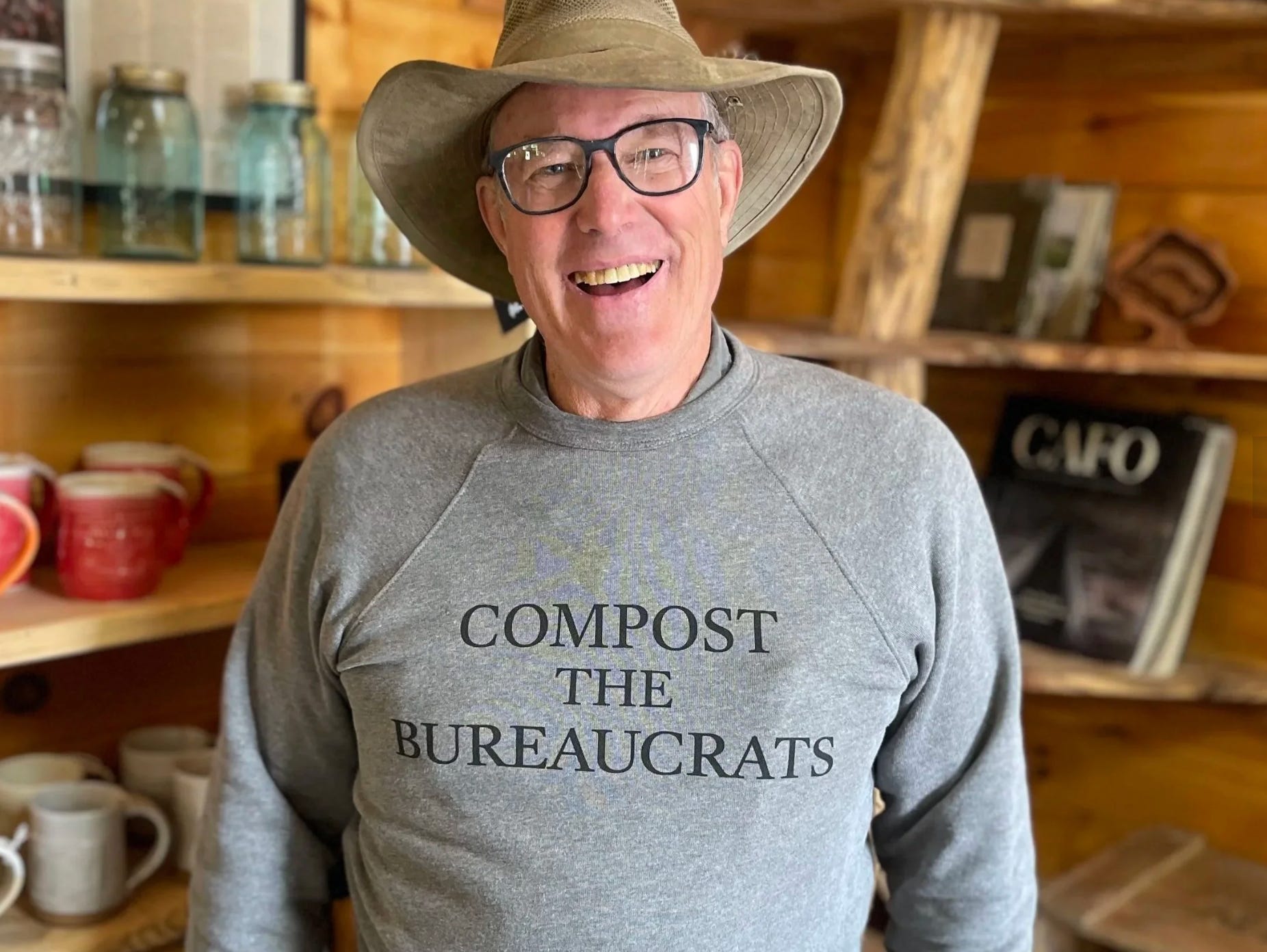
In an interview with The MAHA Report in May, Salatin said family farms in America are slowly disappearing, citing a 2022 USDA census report that found the United States had lost 142,000 farms over the prior five years.
The economics are difficult for farmers.
“Out of every dollar that’s spent at the grocery store, the farmer gets 9 cents of it on average,” Salatin said, adding, “For beef, it’s higher. For wheat, it’s lower, but on average it’s 9 cents. So that means 91 of those cents are spent dealing with middlemen, transportation, processing, packaging, marketing, and distribution.”
What’s more, the average farmer in America is now nearly 60 years old, and younger generations are hesitant to take over because of excessive costs and regulations.
Farmers don’t need government subsidies to thrive, Salatin said. What they really need is “the freedom to innovate and sell directly to local consumers without facing a morass of red tape, regulations, and mandates.”
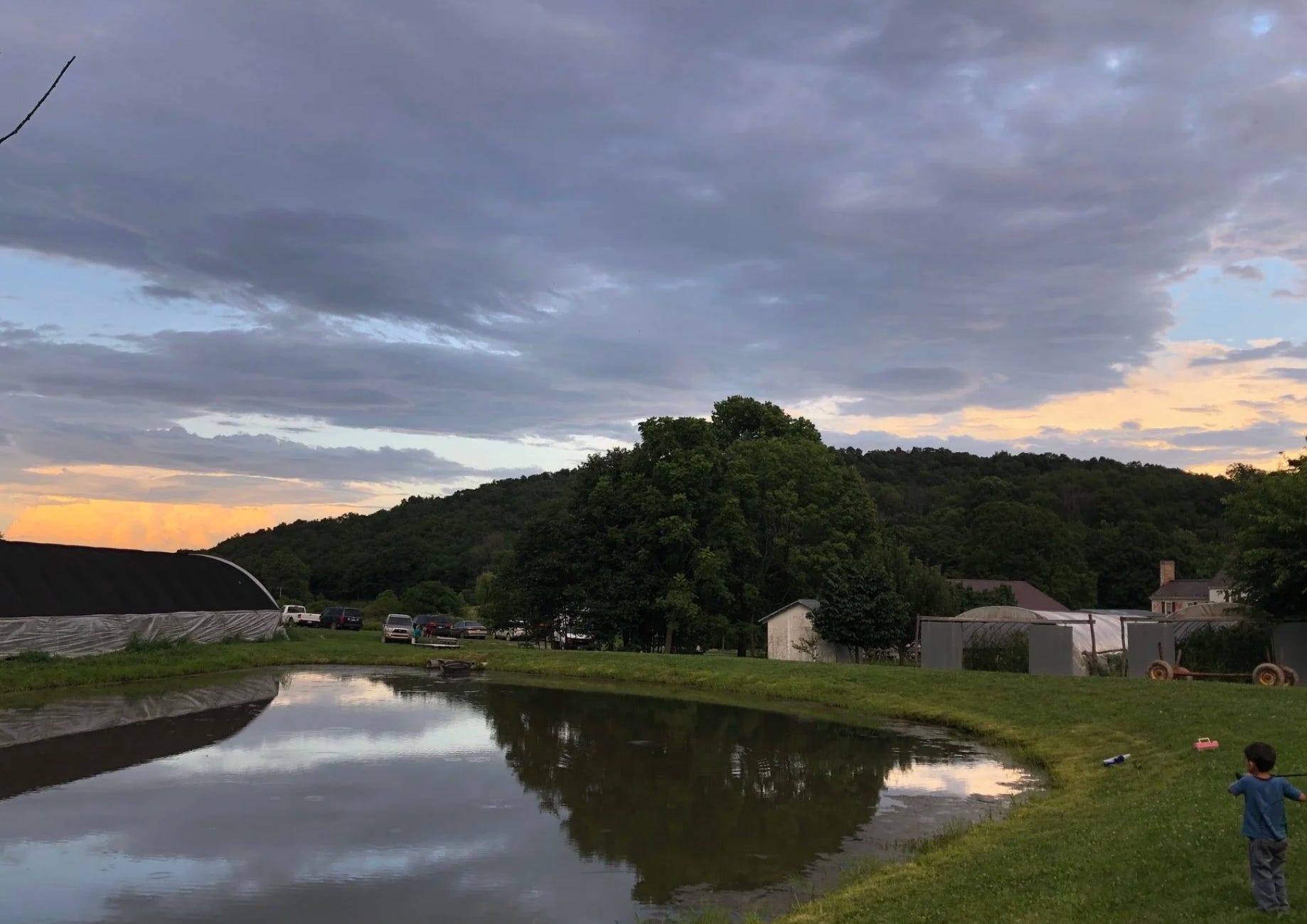
Salatin runs Polyface Farm in the hills of Virginia’s Shenandoah Valley, and his work there is truly innovative.
The self-described “Christian libertarian environmentalist capitalist lunatic farmer” speaks at homesteading conferences and agricultural events across the country, and he travels the world helping farmers transition from conventional to regenerative methods.
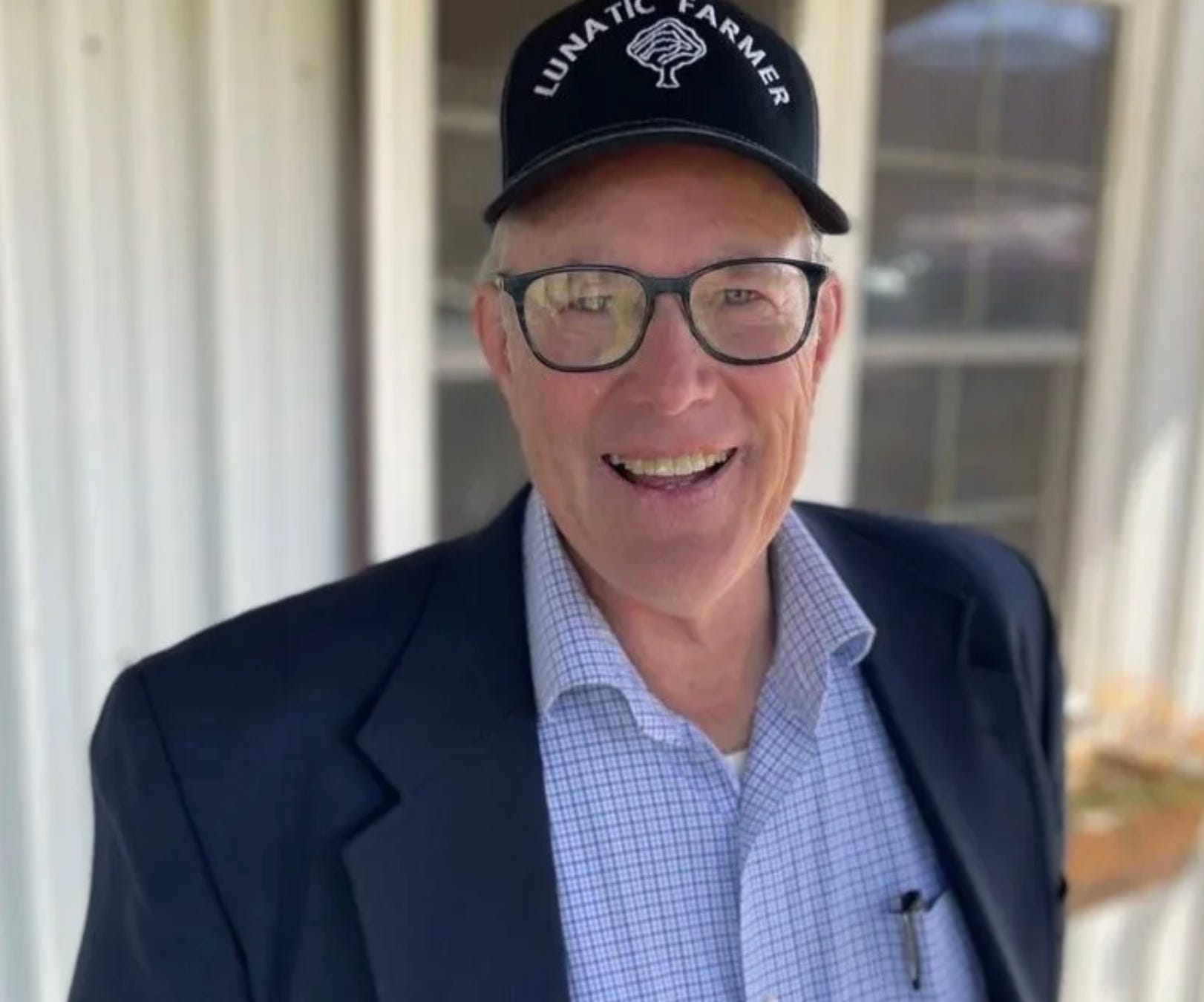
In every season, Salatin’s schedule is stocked with these engagements and appearances. He wrote a book released in 2024 called “Homestead Tsunami: Good for Country, Critters, and Kids.” It explains the growing trend of Americans moving to the country for homesteading and serves as a guide for people interested in becoming more self-sufficient.
Visiting Polyface Farms is a pilgrimage for many sustainable living and regenerative agriculture enthusiasts and Salatin offers a variety of tours, including“The Lunatic” tour, which features a two-and-a-half-hour wagon-guided adventure around the farm.
Salatin is a small farmer, but his reach is large and growing. Besides “Homestead Tsunami,” he’s written 16 more books, including “Everything I Want to Do Is Illegal: War Stories from the Local Food Front.”
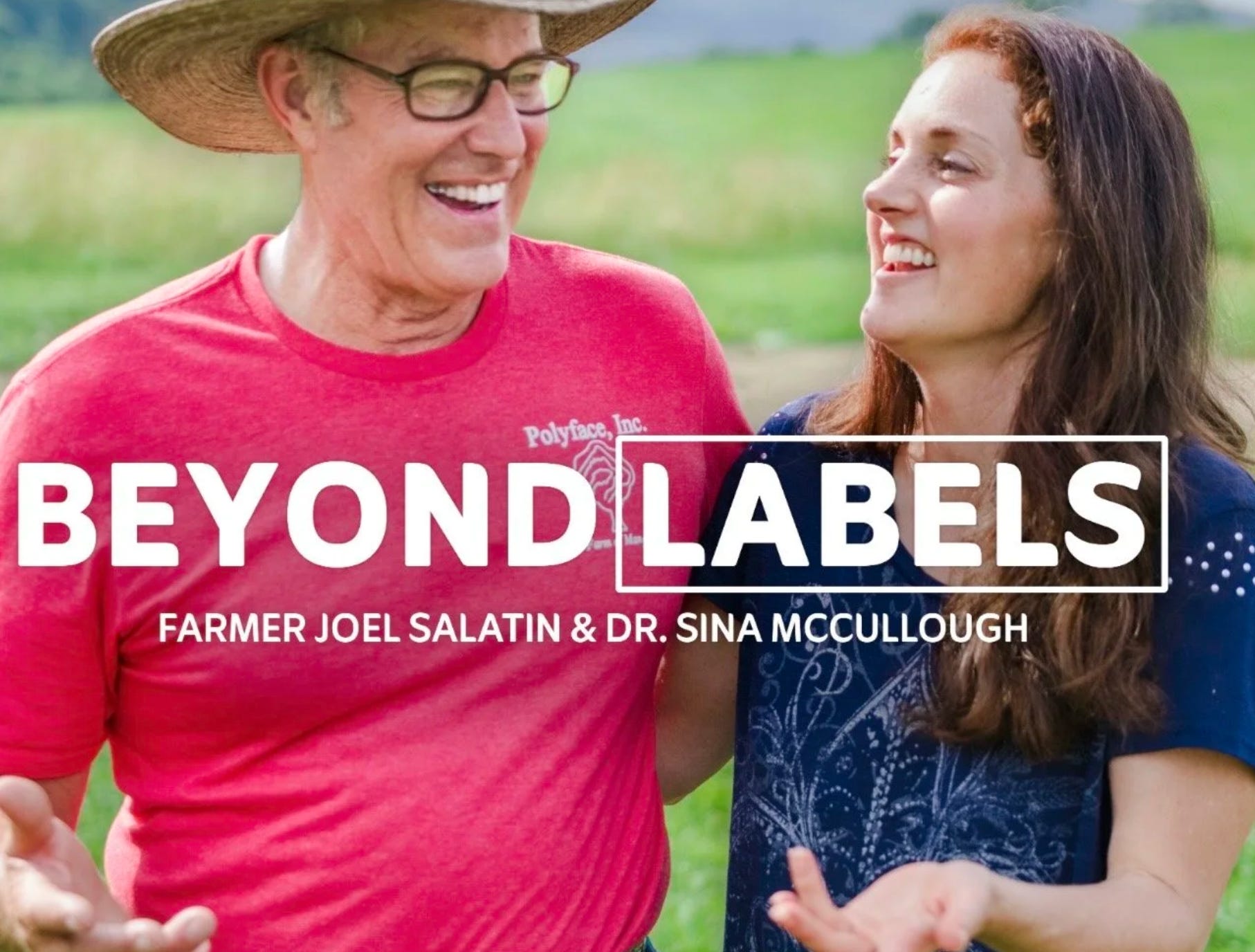
People also flock to his blog, “The Lunatic Farmer,” listen to the Beyond Labels podcast he co-hosts with Dr. Sina McCullough, and take his online courses that include “Farm Like a Lunatic.”
But his biggest project may be the “Food Emancipation Proclamation” drive, which would “allow direct farmer-to-consumer” transactions without cumbersome regulations.
“If you want to come to my farm and get sausage, I should be able to sell it to you without a bureaucrat being involved,” he said.
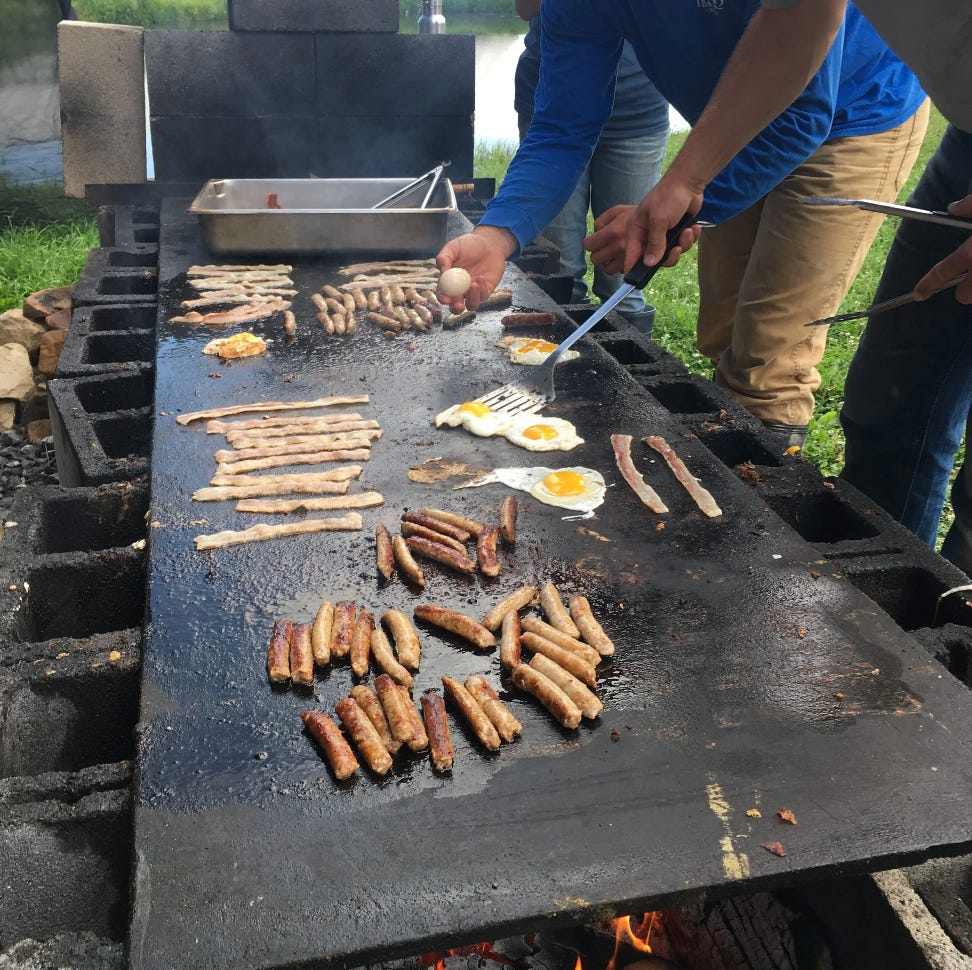
He continued, “If someone wants to do that now, I first have to take the pigs to a federally inspected processing facility, which has to pass through a whole bunch of licensing hoops to keep their license, and I have to pay them to do that.”
Polyface Farm would be a turnkey operation if that was legal. Instead, regulations require otherwise.
“We have to take that pig up the interstate to a slaughterhouse, and we pay a lot of money to bring it back,” he said. “We lose all of our guts, you know, the stuff that we could compost and use for fertilizer, and the income we could get by doing it ourselves.”
Salatin’s decades-long critique of regulatory “red tape” resonates with farmers who report they are struggling to comply with rules written for much larger operations while trying to sell eggs, raw milk, or pastured meat to locals.
He chastises industrial food systems, government subsidies, and excessive rules that hinder small farmers — and he promotes decentralization, seasonality, and consumer connection to food sources.
“As farmers, many of us live every day wondering, ‘What infraction did I make today or who do I have to ask permission for today?’ We are suffocated in this morass of regulatory oversight,” Salatin said.
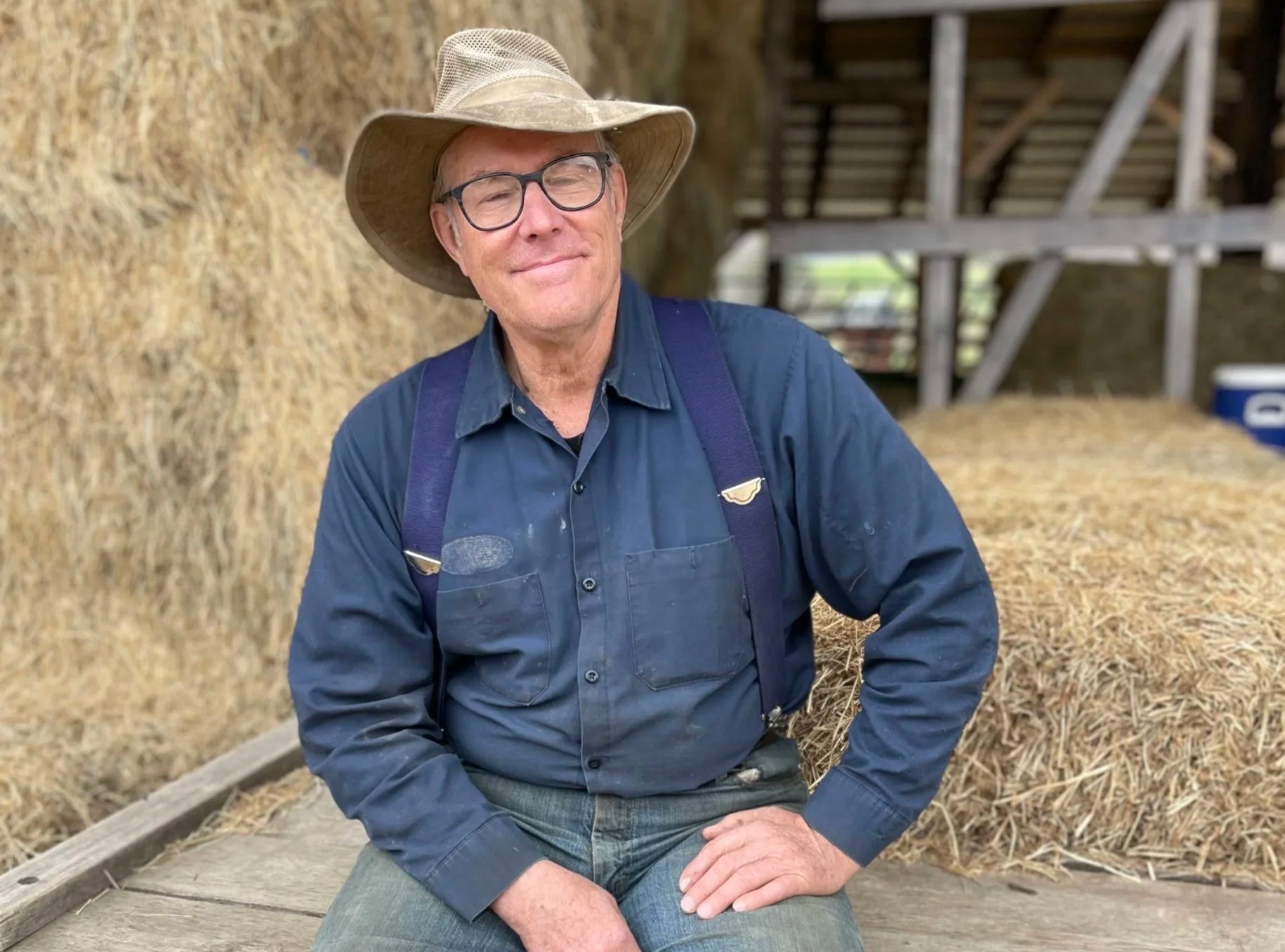
Salatin sees it this way: “The bottom line is you can’t have a successful small business with big government. Big government and small business don’t go together. Big government and big business, that goes together really well.”
He has what he calls a simple message to decrease chronic disease, reduce food prices, and rebuild local farm economies. It includes rebuilding the land from the soil up, shortening the distance between the farm and fork, and trusting local farms over distant institutions.
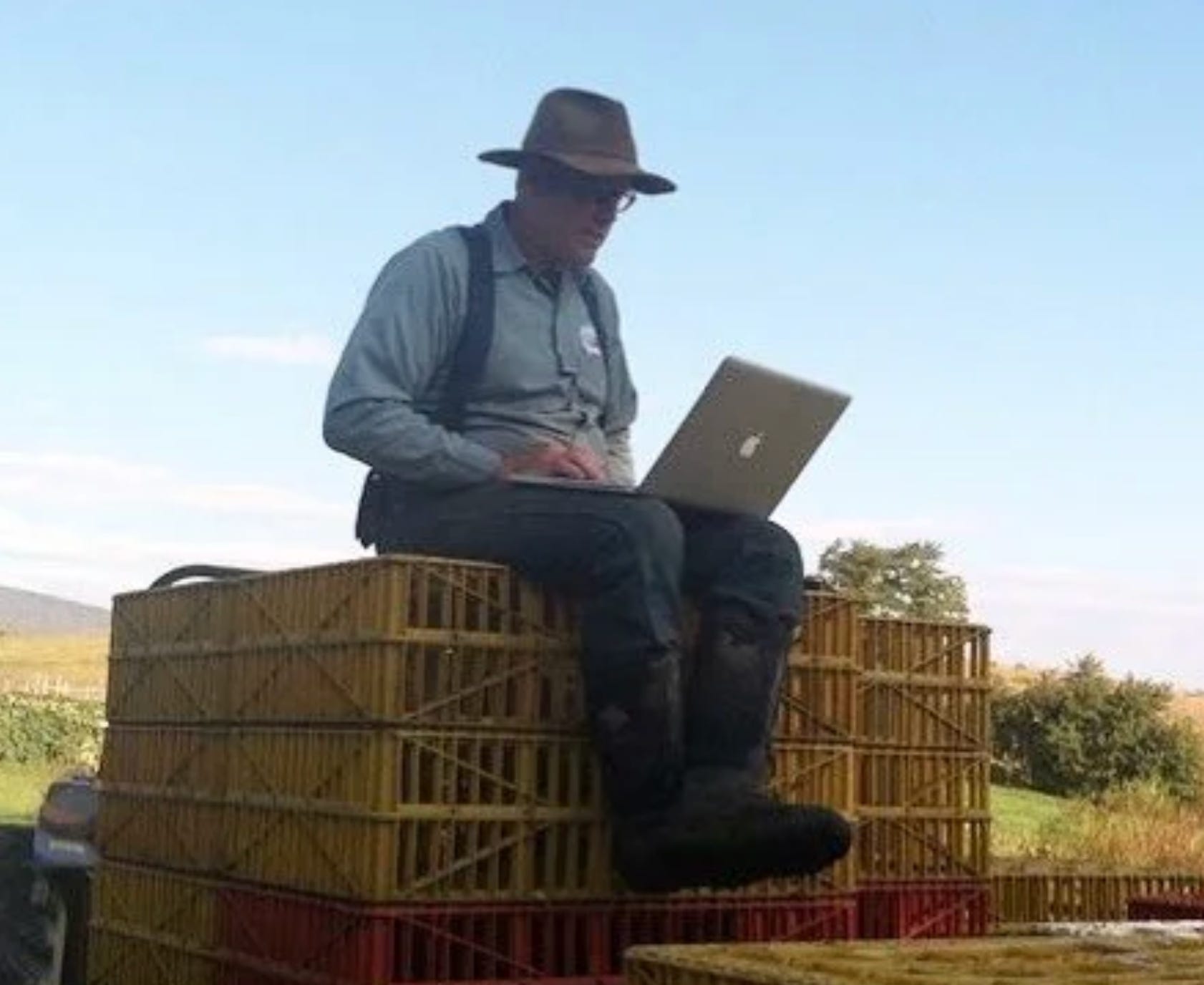
Polyface incorporates multi-species rotational grazing to mimic natural ecosystems. Cattle graze pastures, followed by chickens in mobile coops that scratch through manure for larvae, fertilizing the soil in the process. Pigs, turkeys, and other animals integrated into the cycle.
This “stacking” approach builds soil fertility, reduces parasites, and produces nutrient-dense meat without chemicals, grain feeding, or confinement.
The farm sells directly to consumers, restaurants, and through shipping.
Farmers, advocates, and policy thinkers across the world mention Salatin’s name as the architect of a blueprint for a different agricultural future.
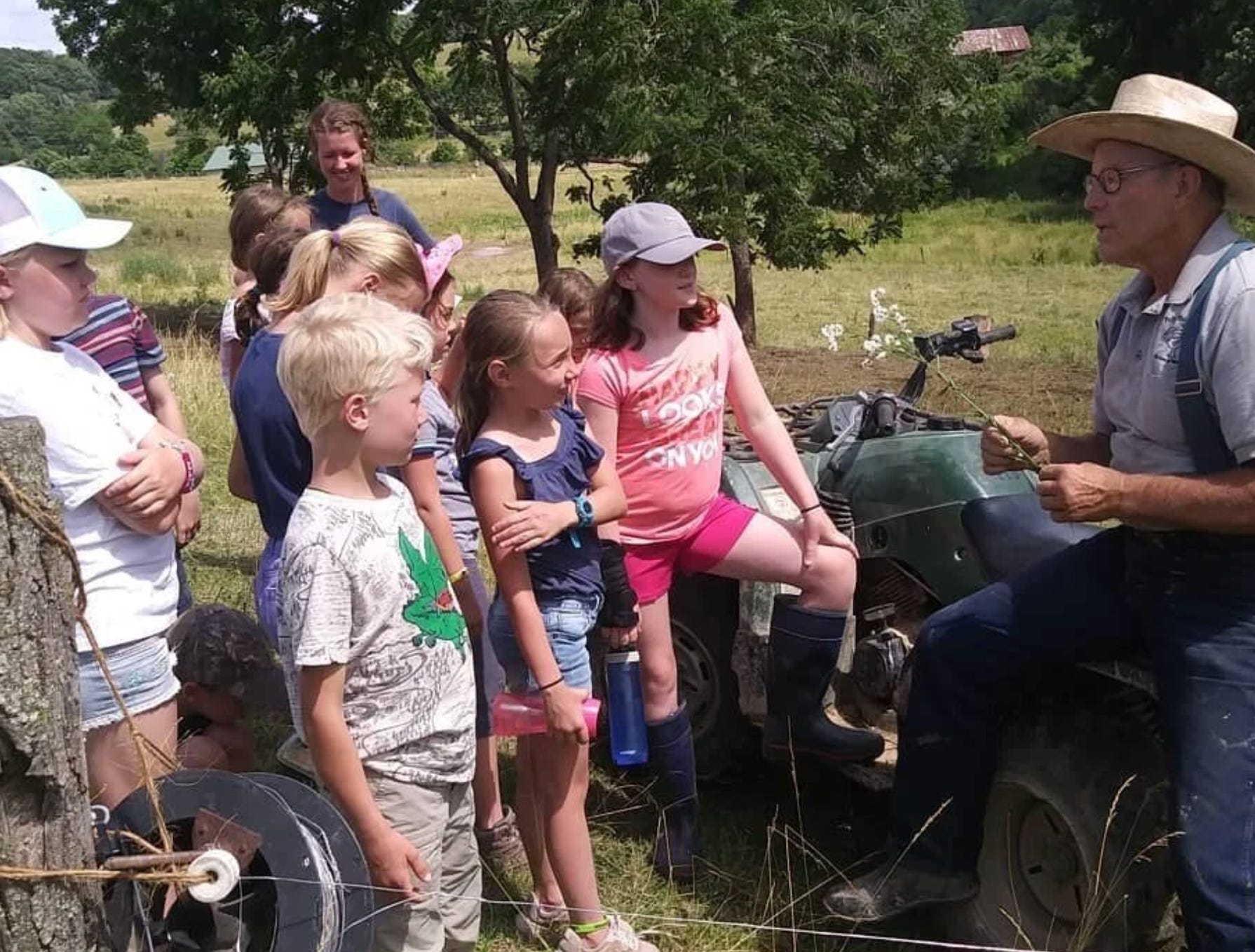
They describe Joel as a thought leader of the regenerative agriculture industry and cite his emphasis on sourcing food locally, selling locally, and building resilient regional food systems instead of embracing distant commodity markets.
Others point to Polyface as evidence that small farms can thrive without relying on chemical-intensive monocultures or corporate processors.
Salatin has long met with resistance from neighboring farmers who don’t approve of his regenerative farming practices. One naysayer called him a “lunatic,” he said.
Instead of taking offense, Salatin took what was intended as an insult and used it as his moniker.
“I was getting so much heat from the conventional agriculture system. You know, we use compost, not chemicals. We don’t vaccinate. We don’t medicate. We move the animals around. They have an immune system,” Salatin said.
“I’ve been called a bio-terrorist, Typhoid Mary, and a starvation advocate among other names. After one particularly aggressive phone call, I hung up and said to myself, ‘I can either be depressed and frustrated about this or have fun with it. So let’s embrace it.’ I just grabbed that mantra and it stuck,” he said, proudly proclaiming that “if you Google lunatic farmer, there is not another lunatic farmer on the planet.”
An opponent of what he believes is “extreme government overreach” in agriculture. Salatin hopes government regulations that “are detrimental to farmers, and subsequently detrimental to consumers” will be removed.
He laments that “four companies control 85 percent of what we eat in America” and believes that we need “freedom of choice with our food.” Thousands of farm entrepreneurs would launch clean food alternatives, but they can’t get to the marketplace because of these food regulations, he said.
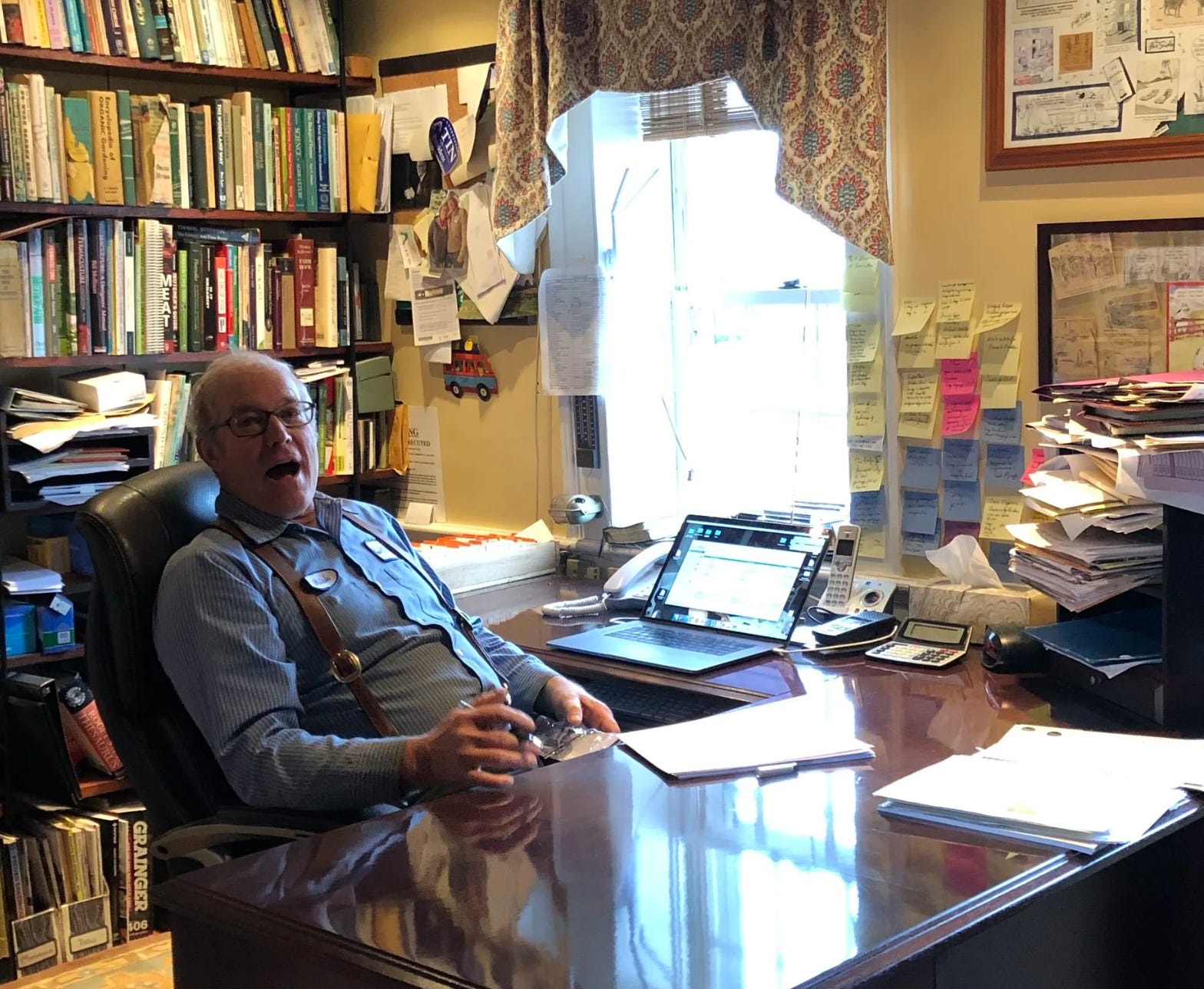
Salatin learned regenerative farming methods from his father, who bought the property where Polyface Farms sits in 1961. Salatin’s grandfather was a “charter subscriber to Rodale’s Organic Farming magazine when it came out in 1945” and his father cultivated an interest in non-chemical agriculture.
The Salatins focused on land restoration, inspired by Biblical stewardship principles and the ideas of organic farming pioneer, J.I. Rodale.
Salatin’s father recognized that, as a small farmer, “he could never compete at the low-margin commodity level because he couldn’t produce enough commodities.”
“We had to become the middleman, the processor, the marketer, the distributor, in addition to the producer. The middleman makes all the money,” Salatin said.
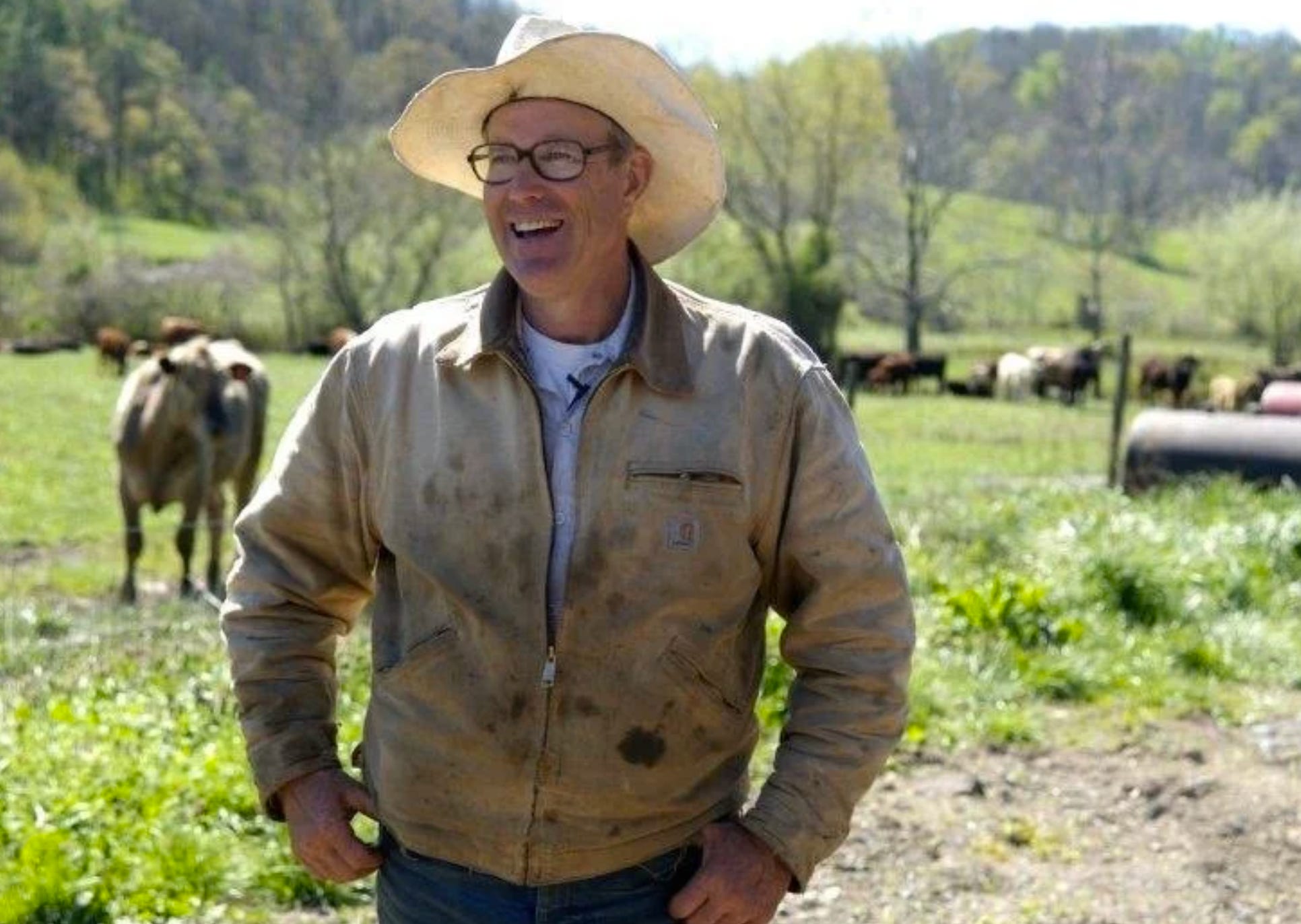
As a teenager, Joel Salatin, now 69, sold rabbits, eggs, and poultry at local markets. In 1979, he earned an English degree from Bob Jones University.
Initially, Salatin was a reporter at the local newspaper in Staunton, Virginia.
“I figured I would be like Woodward and Bernstein and uncover a scandal, write my bestseller, and retire to the farm. That was the trajectory I had in mind,” he said.
Instead, he married a young woman named Teresa in 1980. The couple, who met during childhood, fixed up an attic in the old farmhouse on the Polyface Farms property and lived frugally.
“We drove a $50 car, a 1966 Dodge Coronet that I eventually sold for parts for $75,” he said.
“We lived so cheaply that we were able to save half our paychecks,” he recalls. “We never went on vacation. We didn’t go anywhere, we didn’t go to movies, we didn’t eat out. If we didn’t grow it, we didn’t eat it.”
The young couple lived on $300 a month selling beef directly to local customers.
“We didn’t have very many, but remember, we were living on 300 bucks a month, so we didn’t need much income,” he said.
Salatin left the newspaper on Sept. 24, 1982 and the couple decided to solely farm.
“I’ll be the first to say I thought I might have to go back to work [at the newspaper]. I didn’t know this full-time farming gig would work. But I had vision. I’m thankful that somehow, for some reason, God gave me vision,” he explained.
Salatin is keen on biodiversity. Polyface Farms shelters rabbits, chickens, and pigs “all in the same hoop house” during the winter instead of separating them like a conventional farm would.
Pathogens from rabbit droppings encounter chicken droppings, which are toxic to the rabbit pathogen. The chicken droppings then kill the rabbit pathogen before infecting another animal without chemical intervention.
Biodiversity creates necessary checks and balances on farms, Salatin said.
The pigs live in the pasture until they are brought inside for the winter. They are moved every five to ten days or so, Salatin explained.
“They run around in the fresh air and sunshine, eat grass, and have a wonderful life,” he said.
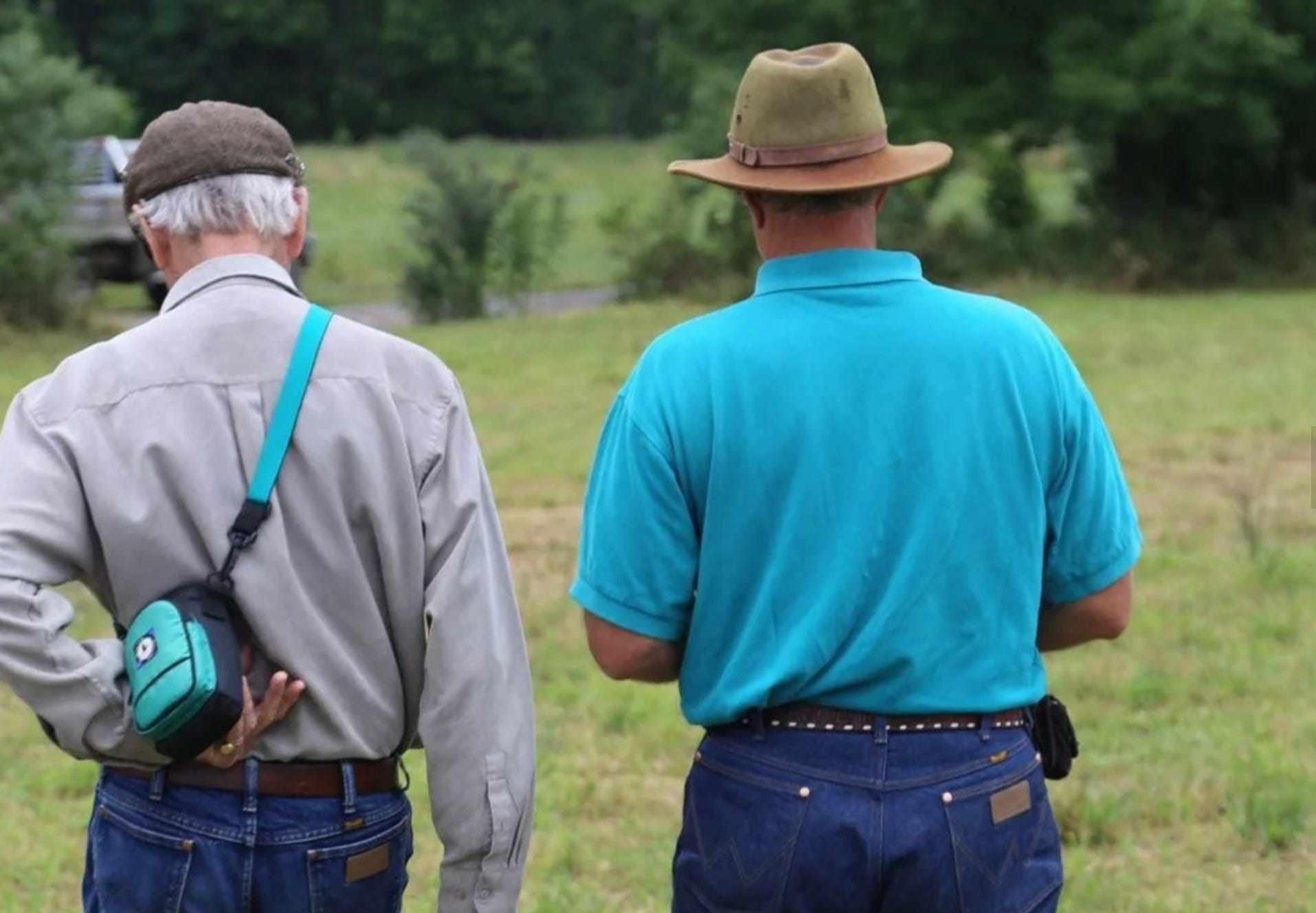
“Our meat cooks about 15 to 20 percent faster than regular store-bought meat because our animals never secrete adrenaline because they’re happy and not stressed,” Salatin continued. “Animals that are confined get stressed and spend their whole life secreting adrenaline. You can eat happiness or eat stress. I think eating happiness tastes better and is healthier.”
Please note: On June 17 and June 18, Salatin will speak and host workshops at the Seed to Spoon Summit in Ohio’s Amish country. Formerly called the Food Independence Summit, it’s one of the nation’s largest homesteading events.

It's astounding that running a small farm is essentially illegal. That must change.
Joel is absolutely correct. Government needs to get out of the people's way on farming and much more!