


By Anne Keala Kelly, Special to The MAHA Report
On February 9, a few days shy of the one year anniversary of Robert F. Kennedy Jr.‘s swearing in as Secretary of Health and Human Services (HHS), Indian Health Service (IHS) delivered a major announcement: By 2027, it will end the use of amalgam, which contains mercury, in all dental procedures performed on American Indian and Alaska Native territories in the United States.
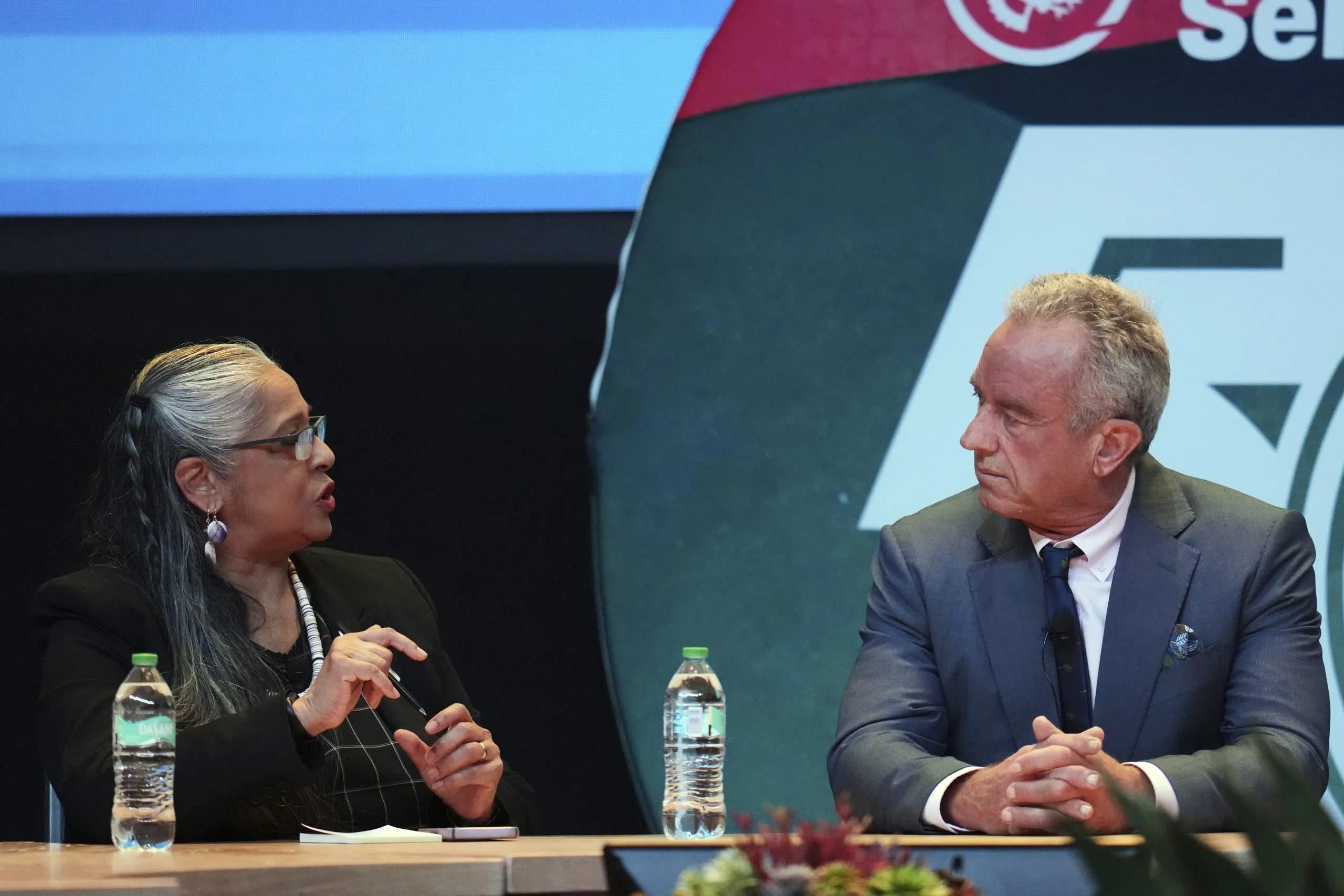
Three days later, at IHS’s 70th Anniversary held in Washington, D.C., Kennedy elaborated on why it’s so important to phase out mercury-containing dental amalgams at IHS facilities. “We know from the science, from gold standard science, that mercury in dental fillings is damaging the brains of children, and particularly when they drink hot drinks,” Kennedy said.
Though the topic of amalgam may seem bland, because of its mercury content it is one issue that unifies advocates for health, Indigenous peoples and the environment across the globe. Referred to as “silver fillings,” the amalgam used by dentists for over 150 years is half liquid mercury, with the other half made up of silver, copper and tin.
Mercury in dental amalgam is dangerous, a problem the FDA has struggled with for years. Changes to its guidelines began in 2009, following a lawsuit that forced the agency to reclassify amalgam as a Class II medical device.
That reclassification came with new warnings of mercury’s potential harm to women who are either pregnant, breastfeeding, or planning to be pregnant, as well as children and people with immunocompromised or neurological conditions. The American Dental Association (ADA) has pressed the case to maintain amalgam as an industry standard, disputing studies connecting its use to illness. Whereas, the International Academy of Oral Medicine and Toxicology (IAOMT) argues that it should be listed as a Class III, which would rank it among the highest risk medical devices.
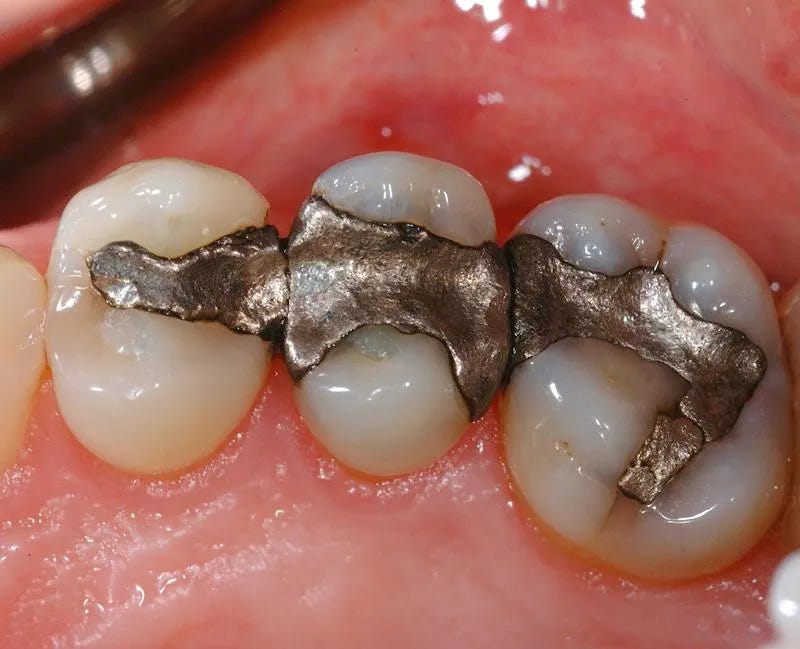
Ending the use of amalgam is a movement that has become central to health leaders in the global south over the past 13 years, beginning with the Minamata Convention on Mercury in 2013. Signed by 128 countries, the convention is named after Minamata disease, the awful result of a tragedy that began in 1932 in Japan. The Minamata Bay in Kumamoto Prefecture is where the Chisso Corporation dumped 27 tons of methylmercury for more than 30 years. Thousands of people who ate the fish and shellfish from the bay developed irreversible neurological disorders that impact the nervous system, causing symptoms ranging from ataxia to cognitive decline and in some cases total paralysis. Nearly 2,000 people reportedly died from the disease, but there are thousands more with symptoms who say they, too, contracted Minamata.
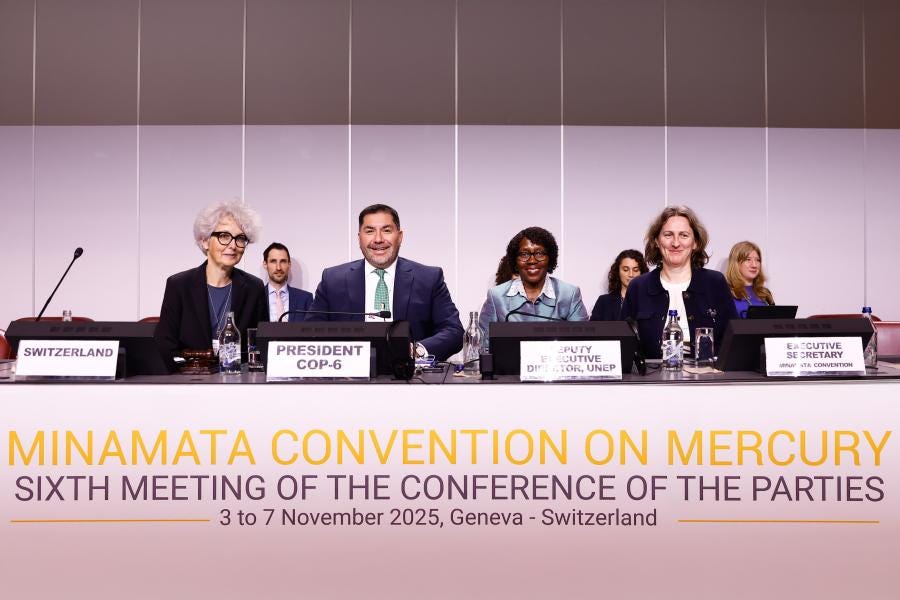
On November 7, 2025, signatories to the treaty agreed to a definite end date of amalgam use at the Minamata Convention on Mercury’s sixth Conference of the Parties (COP-6) in Geneva. The push by African nations, specifically Burkina Faso, led to all the countries represented agreeing to phase it out by 2034.
Because of the government shutdown, Secretary Kennedy was unable to attend last year’s conference but he participated in its opening with a pre-taped video message, wherein he asked, “Why do we hold a double standard for mercury? Why do we call it dangerous in batteries, in over-the-counter medications and makeup, but acceptable in vaccines and dental fillings?... It’s inexcusable that governments around the world still allow mercury-based compounds in healthcare when safe alternatives exist.”
Kennedy was diagnosed with mercury poisoning in 2010, though his symptoms, like most who receive a diagnosis, were mild by comparison to people with Minamata, manifesting as temporary brain fog and memory loss. But before becoming secretary of HHS, he was well-known environmental lawyer, taking on the most powerful corporate polluters in the world and fighting to remove mercury and other toxins from the nation’s waterways and food. And he has been an advocate for Native American treaty rights and stood in solidarity with Indigenous peoples throughout the Americas throughout his life – taking after his Uncle, John F. Kennedy, who as a freshman senator in 1954 voted to create the IHS.
In 2014, the National Congress of American Indians (NCAI) passed a resolution urging the Department of Health and Human Services to end the use of amalgam in the Indian Health Service and anywhere on tribal lands. And more recently, in August 2024, a coalition of Native groups and health activists in the US and throughout the Americas who opposed the use of amalgam signed the Red River Declaration, calling for an end to its use in all Indigenous peoples’ territories from the Arctic to the Amazon.
While providing comprehensive healthcare services for about 2.5 million Native Americans and Alaska Natives at 833 facilities ranging from hospitals to health stations in 37 states, the changes Secretary Kennedy is implementing at IHS could have a very positive cumulative impact.
One week before IHS announced the phasing out of amalgam, on January 29, IHS announced the largest hiring push in the agency’s history. And Kennedy’s vision is broad enough to grasp that restoring fisheries and bringing “traditional foods back to reservation lands” is a necessary step to ensuring the health of Native Americans.
In his remarks at the IHS’s 70th anniversary, Kennedy said he’s planning “to direct $1 billion in existing departmental resources, starting in fiscal year 2027 and spread across the next few years” — funds dedicated for needed renovation of Native health facilities.
At the close of Secretary Kennedy’s statement to the Minamata Convention, he urged the attendees to accomplish the goals of the treaty, saying, “Let’s honor and protect humanity, and our children and Creation from mercury. And let’s act in the true spirit of the Minamata Convention, for the integrity of this historic treaty. And to ensure that no child is ever exposed to this deadly neurotoxin again.”

Thank God for RFK JR & President Trump!!
Thanks for a great article, Keala!