

By Catherine Ebeling, RN, MSN, Contributor, The MAHA Report
When plant-based meats hit the market ten years ago, they were met with wild optimism. Companies like Beyond Meat® and Impossible Foods® promised a cleaner, greener, and healthier future with a plant-based diet.
Backed by big tech investors and celebrities, and promoted by the media, these meat-like creations quickly found their way into grocery stores, restaurants, and school lunch programs.
However, the release of the new 2025–2030 U.S. Dietary Guidelines, co-authored by HHS Secretary Robert F. Kennedy Jr., and the U.S. Secretary of Agriculture, Brooke Rollins, signaled a major shift in food, health, and sustainability.
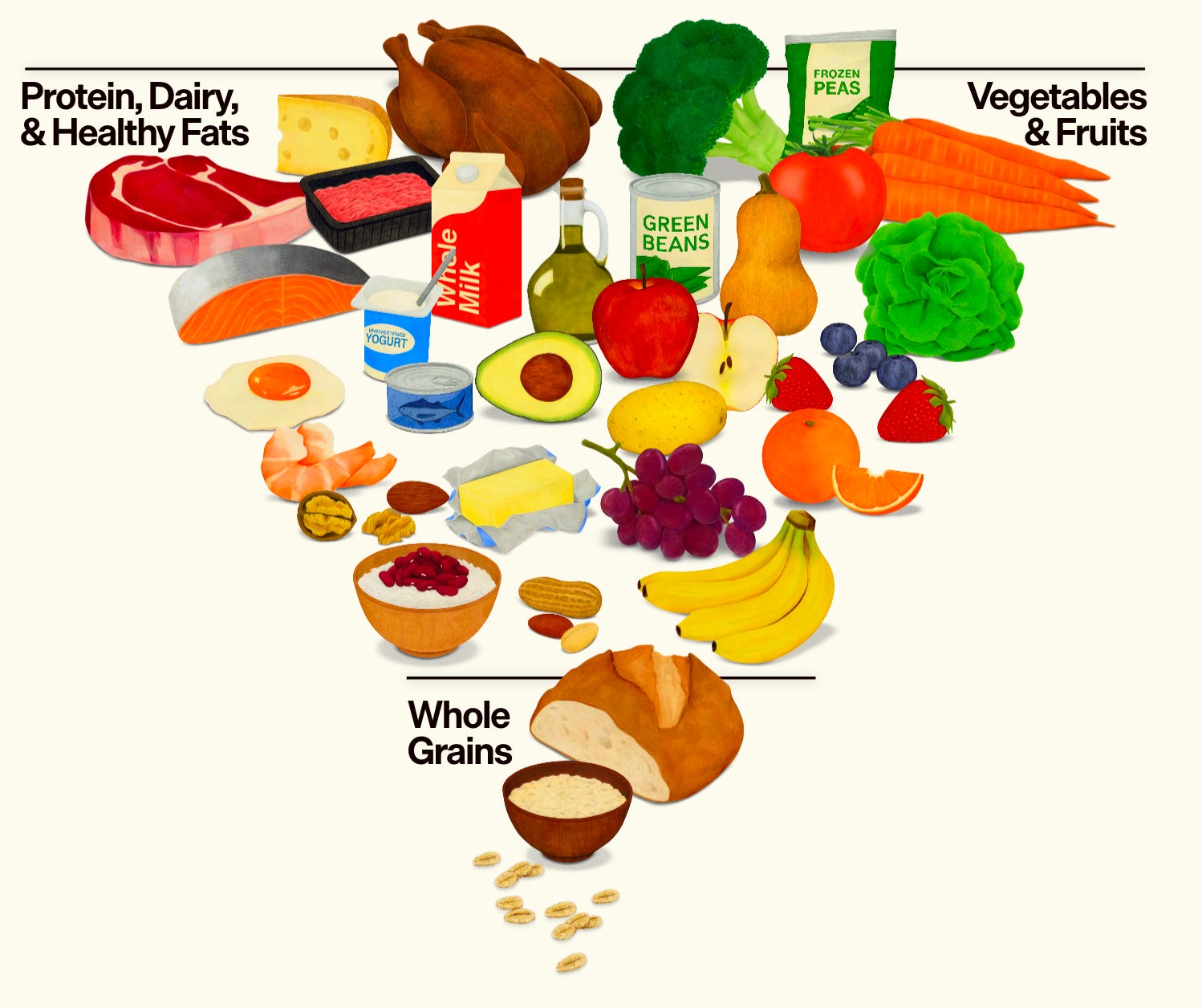
A Tale of Two Futures: Davos vs. D.C.
While the new Dietary Guidelines mark a bold return to nutrient-dense, real food, global elites at last week’s World Economic Forum (WEF) called for a “cultural revolution” to normalize lab-grown meat, despite collapsing consumer interest.
WEF-aligned voices blame meat for modern disease, ignoring the explosion of obesity and type 2 diabetes that followed decades of low-fat, high-carb guidelines.
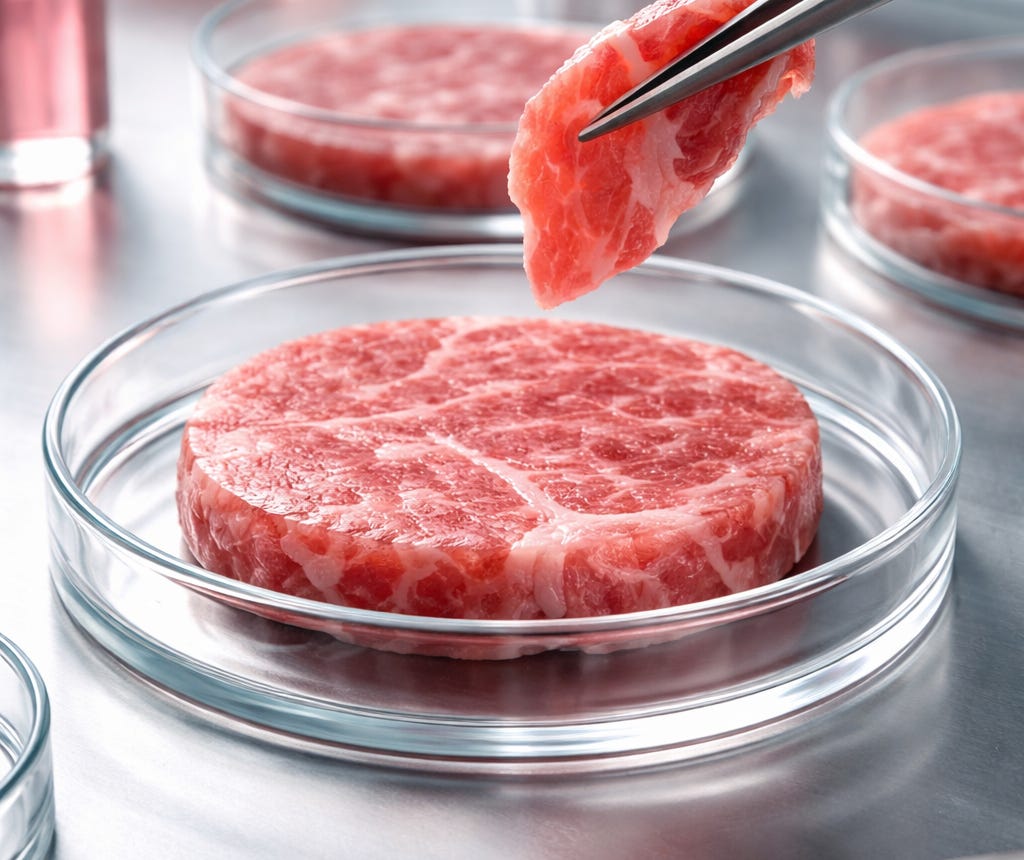
Lab-grown meat and plant-based meat substitutes are often lumped together—but they’re not the same. Lab-grown, or cultivated meat, is grown from animal cells in bioreactors.
Plant-based meat is made from ultra-processed ingredients like soy, pea protein, seed oils, binders, and additives. However, both types of artificial meat are considered ultra processed foods.
Biologist Heidi Wichmann stated, “The real danger lies in biologically degraded, highly processed products—whether plant-based or animal-derived.”
In stark contrast, the new government guidelines spotlight ultra-processed foods (UPFs) as a major driver of chronic disease, emphasizing real, whole food over industrial substitutes. As HHS Secretary Kennedy declared in October 2025, “It’s time to return to the basics: real food, real nutrients, and common sense.”
What’s Really in Fake Meat?
Despite their differences, both lab grown and plant-based meat are promoted as alternatives to real meat, and both raise concerns about metabolic health, nutrient integrity, and food sovereignty.
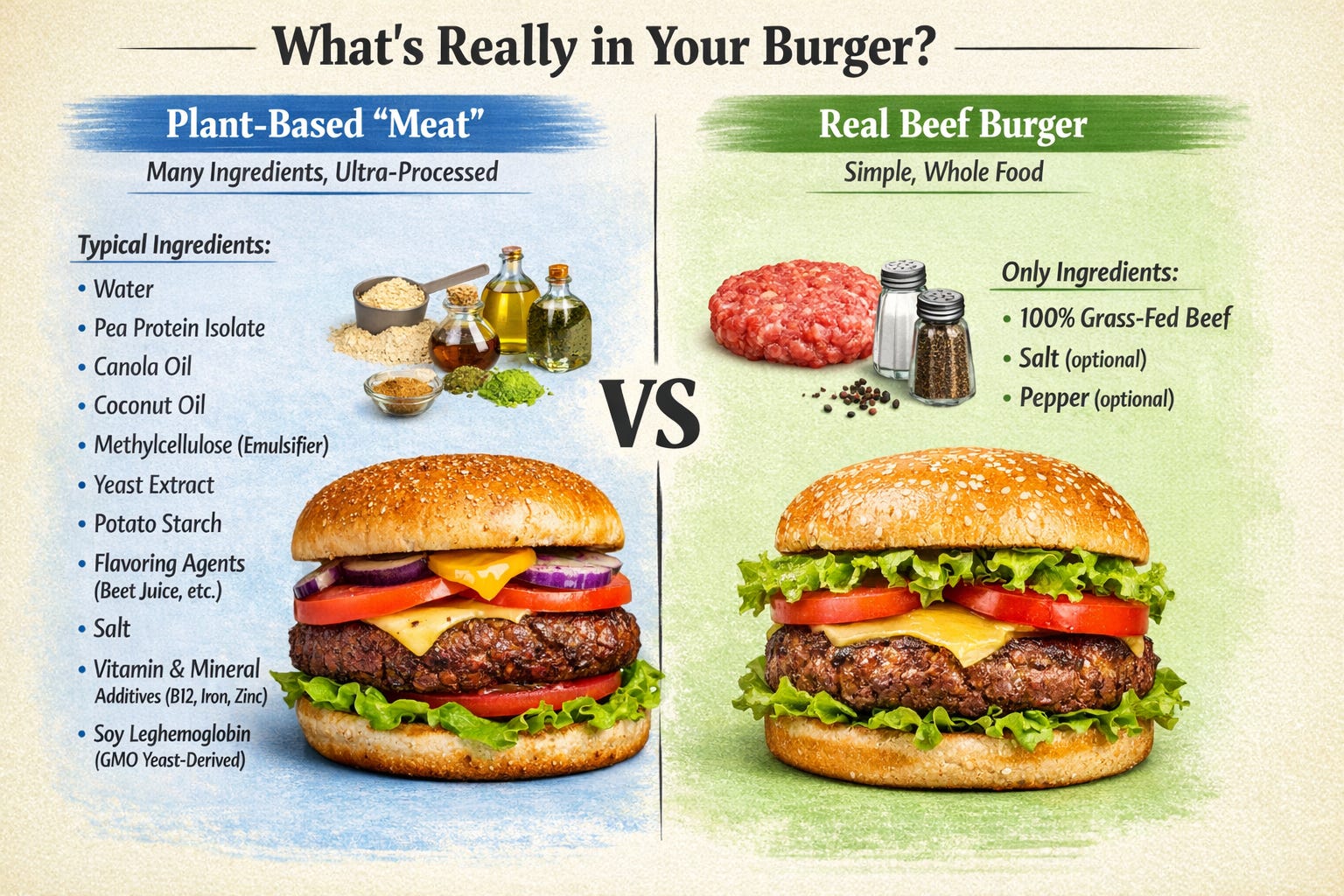
Health Risks of Fake Meat and Ultra-Processed Foods
Plant-based and cultured meat substitutes wear a health halo, but in truth they are lab creations, not real food.
Impossible™ burgers contain genetically engineered soy-based hemoglobin (fake blood) synthetic vitamins, and binders. Beyond Meat™ relies on pea protein isolates, canola oil, and methylcellulose, a synthetic laxative ingredient.
While these fake meat products are created to mimic meat flavor and texture, they offer little nourishment and often cause health problems down the road.
Emulsifiers like methylcellulose, polysorbate-80, and carboxymethylcellulose are shown to disrupt the gut microbiome, increase gut permeability, contributing to inflammation, insulin resistance, and obesity.
A controlled NIH study found participants consuming a diet of processed foods ate ~500 extra calories per day and gained weight within two weeks, in spite of similar macronutrients and calories in the control group.
These ‘meat’ products lack bioavailable nutrients like vitamins A, D, and K2, heme iron, and zinc, and often contain nutrient blocking substances that can cause nutrient deficiencies.
What About Lab-Grown Meat?
Cultivated meat has its own red flags:
It’s often made with immortalized cell lines, which are possibly pre-cancerous, with unknown long-term safety.
Requires synthetic growth factors, antibiotics, or fetal bovine serum, raising concerns about hormonal and antibiotic residues.
Often includes scaffolding agents and nanomaterials to simulate real meat texture, with no human safety studies on long-term ingestion.
Nutrient density and bioavailability are also uncertain, and products may require synthetic nutrient fortification.
The Wisdom of Tradition
Sally Fallon Morell, President of the Weston A. Price Foundation and author of Nourishing Traditions, has spent decades championing real, whole foods over industrial concoctions. Says Sally, “No traditional society has ever thrived on a purely plant-based diet, much less one based on isolates, binders, and other additives.”
She adds, “Real meat delivers fat-soluble vitamins like A, D, and K2 in forms that are essential for immune function, fertility, and mineral absorption. These nutrients are either absent or poorly absorbed from plant-based alternatives.”
Dr. Cate Shanahan, physician and author of Deep Nutrition, echoes these concerns as well. Shanahan argues that real, nutrient-dense foods, especially animal fats, organ meats, and fermented foods, are foundational to lifelong health.
“Your body is built by food,” she writes, “and if your food is defective, your health will be too.” In her view, no synthetic blend of pea protein, seed oils, and additives can replicate what traditional diets delivered naturally: the building blocks of fertility, immune resilience, and generational strength.
Bridging the Divide
MAHA understands that food choices are deeply personal, often shaped by culture, ethics, health beliefs, and environmental concerns. Our aim is not to critique those choices, but to advocate for real food that is nourishing to everybody, regardless of dietary philosophy.

What unites us is a shared commitment to real food, and to bring integrity back to our food system, so that we have the tools to fight chronic disease, reduce obesity, and rebuild real nourishment.
The future of food isn’t fake. It’s real, and it’s already taking shape, thanks to MAHA leadership that puts science, transparency, and human health first.
This is excellent information. I never trusted these products and the whole endeavor seems ghoulish.
I'm sure the phony meet is cheaper??? Yuck!!! Time to visit the butcher shop!