


A new bill introduced in Congress earlier this year seeks to establish a federal program that advances the MAHA movement’s central premise: that healthy, whole foods help prevent and even reverse chronic disease.
The bill, H.R. 8355, named the Accountable Produce is Medicine Act of 2026, was introduced in the U.S. House by Rep. Lloyd Smucker (R-PA) and Rep. Sharice Davids (D-KA) in April. It proposes creating a pilot program that bundles payments to healthcare providers who integrate fresh produce into health management to address chronic disease. It would do so at zero cost to patients while providing hard data on how an improved diet can counter diet-related chronic disease.

Sen. Jim Banks (R-IN) and Sen. Alex Padilla (D-CA) introduced a companion bill in the Senate – S. 5267.

Both bills are in the early stages of the legislative process and will likely not be enacted this year. But MAHA Action, publisher of The MAHA Report, has included H.R. 8355 on the MAHA Action Legislative Tracker and on its website, which indicates that the movement views getting it passed a high priority.
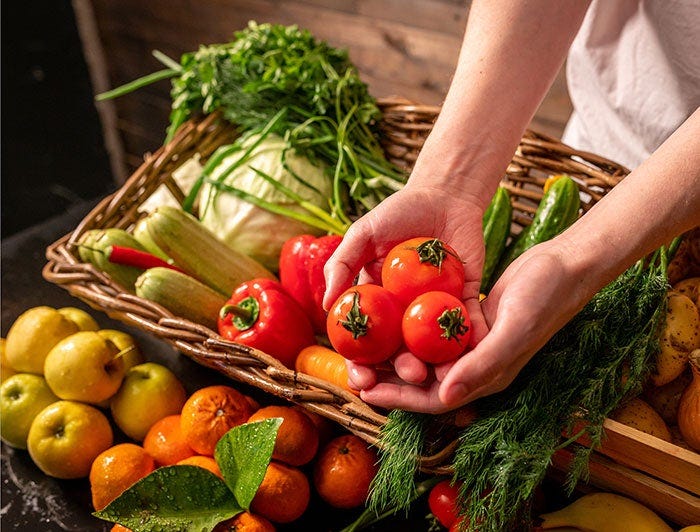
The Accountable Produce is Medicine Act 2026 would create a five-year testing model to improve health outcomes for patients with chronic diseases by increasing access to fresh, frozen, or minimally processed fruits and vegetables and supporting lifestyle modification. The program would be implemented through Section 1115A of the Social Security Act, which authorizes the Center for Medicare and Medicaid Innovation (CMMI) to evaluate new ways to reduce Medicare and Medicaid costs while improving patient care.
The Department of Health and Human Services would select five programs to participate for at least two years, enroll existing Medicare or Medicaid recipients with chronic conditions or those living in medically underserved areas, and monitor their health outcomes over time. Enrollees would be provided a “personalized health risk assessment and personalized plan services,” telehealth educational and disease-monitoring services, remote patient monitoring, and lifestyle modification programs including nutrition counseling.
Additionally, programs would make available (and could subcontract for) “Healthy, nutrient-dense foods meeting such standards as the Secretary shall determine, with preference given to produce grown within 250 miles of the selected program or through the use of regenerative agriculture.”
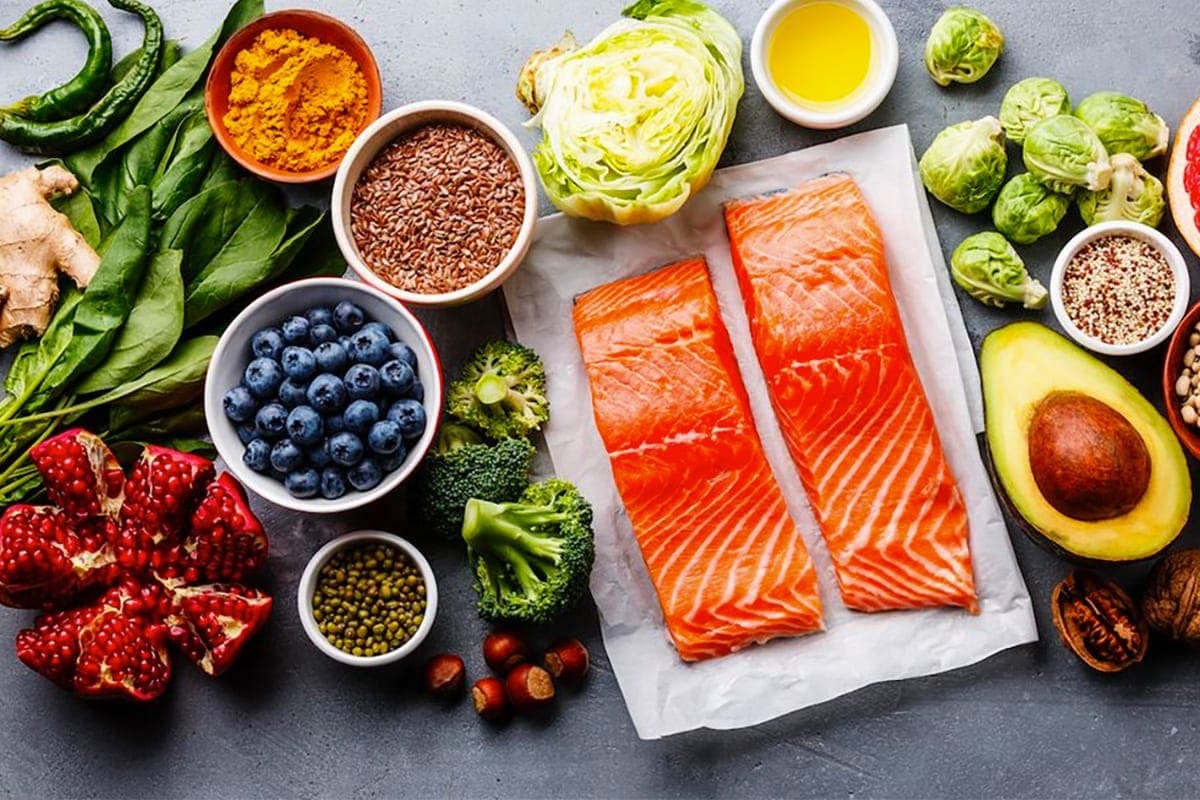
The MAHA movement favors healthier, fresher, whole foods for Americans. The Accountable Produce Is Medicine Act advances that agenda by not only providing healthier foods to people with chronic health conditions, but also by monitoring and measuring health outcomes to demonstrate the cost and health savings.
Increasingly, the ‘science’ of grandma’s backyard garden is proven in health outcomes. The Accountable Food is Medicine Alliance asserts that Food is Medicine initiatives “can improve blood glucose, blood pressure, weight management, food security, and patient engagement while reducing avoidable emergency department visits, hospitalizations, complications, and overall healthcare costs.” According to the CDC, 90 percent of America’s health care expenditures are currently tied to chronic and mental health conditions.
The House and Senate bills also seek to define regenerative agriculture as “a conservation management approach that emphasizes natural resources through improved soil health, water management, and natural vitality.’’ The government currently lacks a working definition of the term.
The Accountable Produce is Medicine Act 2026 has attracted support from numerous health groups, including Texas Health Resources, the Sunflower Foundation, and the National Center for Clinical and Community Impact.
MAHA Action has also issued a statement saying it supports the bill “because it expands patient autonomy by offering an alternative, evidence-based model for chronic disease management that prioritizes root causes and preventive medicine over conventional treatment paradigms.”
Others in the health community are optimistic, too.

Amber Coleman, director of community health at Penn State Health, said: “Nutrition is foundational to preventing and managing chronic disease, and clinically integrated food-based interventions have demonstrated the ability to improve outcomes, reduce hospitalizations, and lower overall health care costs.”

Vani Hari, known as the Food Babe, told The MAHA Report: “Moving a diet to whole real food can have a dramatic result on chronic disease. I know firsthand, because when I started to eat fresh produce and more real food, I got off nine prescription drugs and started to feel better than I have had in my life. This is what we should encourage for every American.”
Shop our merch store to support the MAHA Report and the MAHA movement.
All proceeds go to supporting the cause.

We've gotten so far away from nature that many people don't know what real food is. It does not come from a box or jar with a long list of ingredients. Real food is surprisingly simple. Plant foods are grown without chemicals in soil. Animal foods are raised in pastures, again without chemicals or genetically modified feed. In both cases, they are not grown as huge monocultures, but as biodiverse ecosystems that do not degrade the Earth but regenerate it. We complicate things to our own detriment. Just my opinion, but it has made the difference in my own life and helped me survive many health challenges.
A very good start to cleaning up our food. We can also figure out who in Congress is on board with MAHA and who is not. I am glad to see that both bills have bipartisan sponsors.