

By Amy Sapola, Pharm.D., Functional Medicine Practitioner, Contributor, The MAHA Report
On January 7 at 11:00 a.m., the White House released its Dietary Guidelines for Americans, 2025–2030, describing them as “the most consequential reset of United States nutrition policy in decades.” Developed jointly by the U.S. Department of Health and Human Services (HHS) and the U.S. Department of Agriculture (USDA), with HHS serving as the administrative lead, the guidelines signal a clear break from the nutrition framework that has shaped federal policy for generations.

In a joint announcement, HHS Secretary Robert F. Kennedy Jr. and USDA Secretary Brooke Rollins framed the update in plain terms: the federal government is returning to health basics by advising Americans to eat real food.
At their core, the new recommendations restore real, whole food as the foundation of national health policy, ending decades of federal reliance on highly processed substitutes.
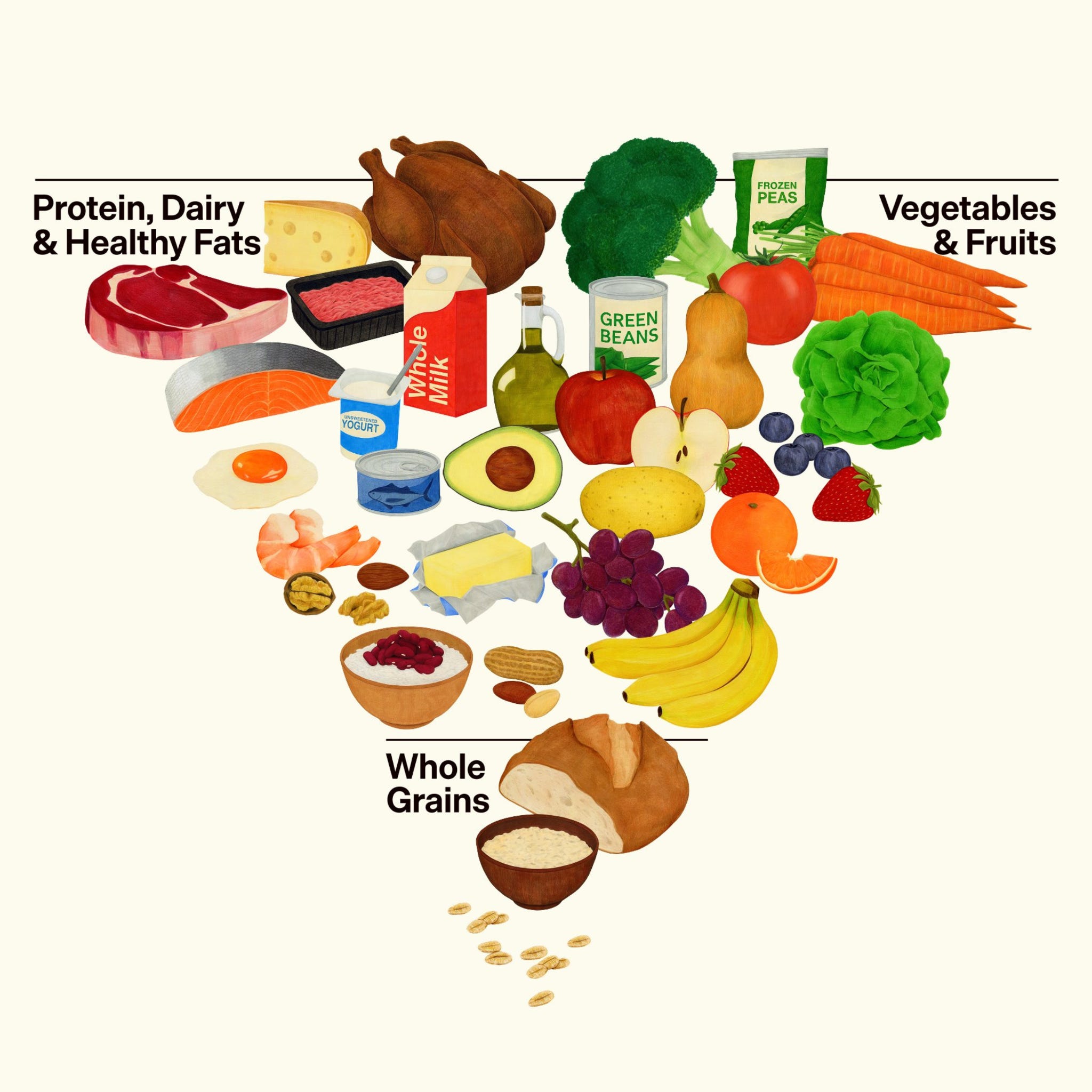
“These Guidelines return us to the basics,” Kennedy said. “American households must prioritize whole, nutrient-dense foods—protein, dairy, vegetables, fruits, healthy fats, and whole grains—and dramatically reduce highly processed foods. This is how we Make America Healthy Again.”

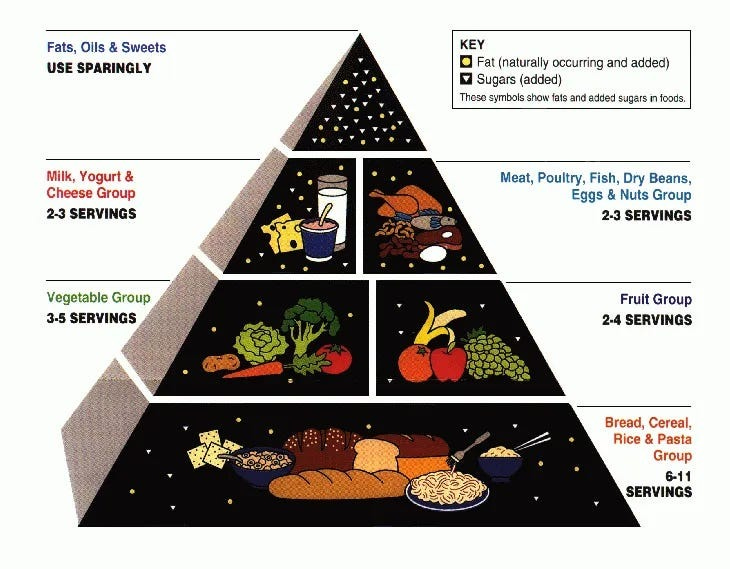
Added Marty Makary, FDA Commissioner, “Today marks the beginning of the end of an era of medical dogma on nutrition. For decades we've been fed a corrupt food pyramid that has had a myopic focus on demonizing natural, healthy saturated fats, telling you not to eat eggs and steak, and ignoring a giant blind spot: refined carbohydrates, added sugars, ultra processed food.”
It is difficult to overstate the significance of this moment, which is not only a massive MAHA win but also a win for the American people.
What Kennedy and his team said is not abstract policy language, but a long-overdue course correction with direct consequences on what our children are fed in school lunch programs, what fuels our military and veterans, how hospital patients are treated, and how chronic disease is addressed across the country.
A New Direction for U.S. Nutrition Policy After Decades of Failure
For more than forty years, federal dietary guidelines promoted low-fat, high-carbohydrate diets while tolerating—and at times encouraging—consumption of highly processed foods. Americans were warned against fat, urged to limit protein, and assured that refined grains and industrial foods could form the backbone of a healthy diet.
With Wednesday’s announcement, Kennedy and colleagues have turned the food pyramid on its head: Proteins and healthy fats are close to the top of the pyramid; processed foods, sugars and refined carbohydrates are called out and not recommended.
In making its announcement, the HHS noted that nearly 90 percent of U.S. health care spending currently goes to treating chronic disease, much of it linked to diet and lifestyle. And more than 70 percent of American adults are overweight or obese, with nearly one in three adolescents with prediabetes. Moreover, diet-driven chronic disease now disqualifies large numbers of young Americans from military service, raising concerns about national readiness and opportunity.
According to the new guidelines published at realfood.gov, the federal government now acknowledges that prior dietary advice failed to improve health and coincided with rising rates of obesity, Type 2 diabetes, fatty liver disease, and cardiometabolic dysfunction. The 2025–2030 guidelines explicitly shift focus toward nutrient density, metabolic health, and disease prevention, restoring scientific integrity to federal nutrition policy.
Real Food as the Foundation of Health
Rather than prescribing a single dietary pattern, the new guidelines emphasize eating patterns built around whole, minimally processed foods while allowing flexibility based on individual needs, preferences, and access. What remains consistent across the recommendations is a clear prioritization of food quality.
The guidelines emphasize:
Prioritizing protein at every meal
Consuming full-fat dairy with no added sugars
Eating vegetables and fruits throughout the day, focusing on whole foods
Incorporating healthy fats from whole foods such as meats, seafood, eggs, nuts, seeds, olives, and avocados
Focusing on whole grains while sharply reducing refined carbohydrates
Limiting highly processed foods, added sugars, and artificial additives
Choosing water and unsweetened beverages for hydration
Limiting alcohol consumption for overall health
The guidelines also tailor recommendations for infants and children, adolescents, pregnant and lactating women, older adults, individuals with chronic disease, and those following vegetarian or vegan diets, ensuring nutritional adequacy across every stage of life.
This framework reflects basic human physiology, not dogmatic dietary ideology.
Protein Restored to Its Proper Role
Previous Dietary Guidelines quietly minimized protein in favor of carbohydrate-heavy eating. The new guidelines reverse that trend, calling for adequate, high-quality protein distributed throughout the day.
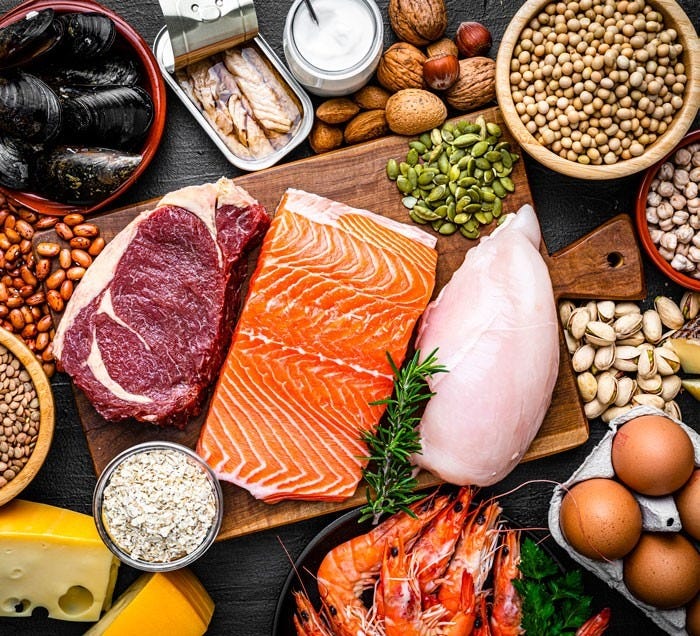
Protein recommendations include a broad range of sources—eggs, poultry, seafood, red meat, beans, lentils, legumes, nuts, seeds, and soy—recognizing protein’s central role in blood sugar regulation, muscle maintenance, immune function, and healthy aging.
Writing as a clinician, I can say with certainty that this correction is critical. Inadequate protein intake remains one of the most overlooked contributors to insulin resistance, age-related loss of strength and muscle mass, and declining metabolic health, particularly among women and older adults.
Ending the War on Healthy Fats
The new guidelines also mark a decisive shift away from decades of low-fat dogma, recommendations rooted largely in weak observational data and reinforced by commercial incentives that favored low-fat, highly processed products. As evidence accumulated demonstrating the metabolic importance of dietary fat, federal policy failed to keep pace.
The updated guidelines correct course by encouraging Americans to obtain most dietary fat from whole food sources, including meat, poultry, eggs, full-fat dairy, omega-3–rich seafood, olives, avocados, nuts, and seeds. When additional fats are used in cooking or food preparation, the guidelines specifically recommend nutrient-dense options with essential fatty acids, such as olive oil.
This shift reflects a growing recognition of fat’s essential role in hormone production, neurological health, nutrient absorption, and satiety, areas long overlooked in earlier dietary guidance.
A Nuanced Example – Dairy

As outlined in the resources provided on realfood.gov, the guidelines are designed to provide flexible, evidence-based options, not rigid mandates. Dairy continues to be recognized as an important source of nutrients such as protein, calcium, vitamin D, potassium, and phosphorus, and including both low-fat and full-fat options allows the guidance to be adapted to individual health needs, preferences, access, and clinical circumstances.
Importantly, the updated guidelines no longer discourage full-fat dairy by default, reflecting evolving evidence and a shift away from a singular focus on fat reduction. Instead, the emphasis is placed on overall dietary patterns, food quality, and minimizing added sugars and ultra-processing—allowing Americans, clinicians, and institutions to choose dairy forms that best support health within a whole-food framework.
Highly Processed Foods Finally Called Out
For the first time, the Dietary Guidelines explicitly warn Americans to avoid highly processed packaged, prepared, and ready-to-eat foods, particularly those high in refined carbohydrates, added sugars, excess sodium, unhealthy fats, and chemical additives. The guidelines also call for avoiding sugar-sweetened beverages, including soda, fruit drinks, and energy drinks.
This language matters because the Dietary Guidelines are not merely advisory. They form the foundation for federal food programs that determine what is served in schools, hospitals, military bases, long-term care facilities, and other institutional settings where millions of Americans eat what is provided.
A Firm Line on Added Sugar—Especially for Children

One of the most consequential updates is the guideline’s unequivocal stance on added sugar. The guidelines state that no amount of added sugars or non-nutritive sweeteners is recommended as part of a healthy diet. For children under four, the guidelines recommend that parents teach them to avoid added sugar.
As both a mother and a clinician, I consider this one of the most important public health statements in the document. Early exposure to sugar alters taste preferences, disrupts metabolic function, and increases lifetime risk of chronic disease.
Lower-Carbohydrate Diets Recognized as Therapeutic Tools
The guidelines also acknowledge that individuals with certain chronic conditions may experience improved outcomes when following lower-carbohydrate dietary choices.
In clinical practice, reducing refined carbohydrates can dramatically improve insulin resistance, Type 2 diabetes, fatty liver disease, and metabolic syndrome—often reducing reliance on medications. Recognizing this reality brings federal policy closer to what clinicians observe every day.
Food Policy Is Health Policy—and Cost Policy
The new guidelines also confront the economic consequences of poor nutrition policy. Forty-two million Americans rely on the Supplemental Nutrition Assistance Program (SNAP), yet some of the most commonly purchased items remain sugary drinks and ultra-processed foods. Because most recipients also receive Medicaid, taxpayers pay twice—first for food that contributes to disease, then for the medical care required to treat it.
The guidelines spell out these sobering realities:
Nearly half of federal tax dollars go toward health care
Roughly 90 percent of health care spending addresses chronic disease
The United States spends more per capita on health care than other developed nations, yet we have a shorter life expectancy
The U.S. childhood obesity rate is nearly five times higher than in countries such as France
One-third of U.S. teens have prediabetes; 20 percent of children and adolescents are obese; and 18.5 percent of young adults have nonalcoholic fatty liver disease
Seventy-seven percent of military-aged youth are ineligible for service, primarily due to chronic diseases tied to food
Continuing to incentivize food that drives disease is unsustainable.

An Opportunity for Real Change
The Dietary Guidelines set the direction, but their impact will be measured in classrooms, clinics, military bases, and family kitchens, where policy becomes lived experience.
But the significance of this moment should not be understated. For the first time in decades, federal nutrition policy is grounded in biological reality and focused on prevention rather than damage control. By centering on real food, nutrient density, and metabolic health, the guidelines acknowledge that chronic disease is not inevitable—and that it is not solely the burden of individual choice.

During Wednesday’s weekly MAHA Action Media Hub, Kyle Diamantas, Deputy Commissioner for Human Foods at the FDA, underscored the magnitude of the changes underway. “This is not a reiteration—it is a fundamental shift,” he said.
Moreover, he described the current moment as “the kickoff to 2026,” adding that later in the year the HHS plans to release a formal definition of ‘ultra-processed foods’ as part of a broader pivot to address nutrition, comprehensively.
HHS’s bold dietary guidelines offer something the nation has lacked for far too long: a credible path forward, using gold standard science and radical transparency. It’s a shift that will fundamentally change who we are — strengthening families, supporting those who served in the armed forces or continue to serve, reducing long-term health care costs, and giving our children a fairer start.
Finally! Real food without contamination of chemicals and nutritional guidelines from HEALERS- Not SickCare DEALERS who profit from making and keeping Americans sick and broke. Hallelujah!
YESSS!!!! Finally someone with some common sense and biblical principles is willing to take on big issues of proper eating habits!!!!