


On Monday, the Department of Health and Human Services (HHS) announced two major changes to federal food policy: a rule that would close the GRAS loophole by requiring companies to disclose new safety determinations to the FDA, and a first definition of ultra-processed foods (UPFs)
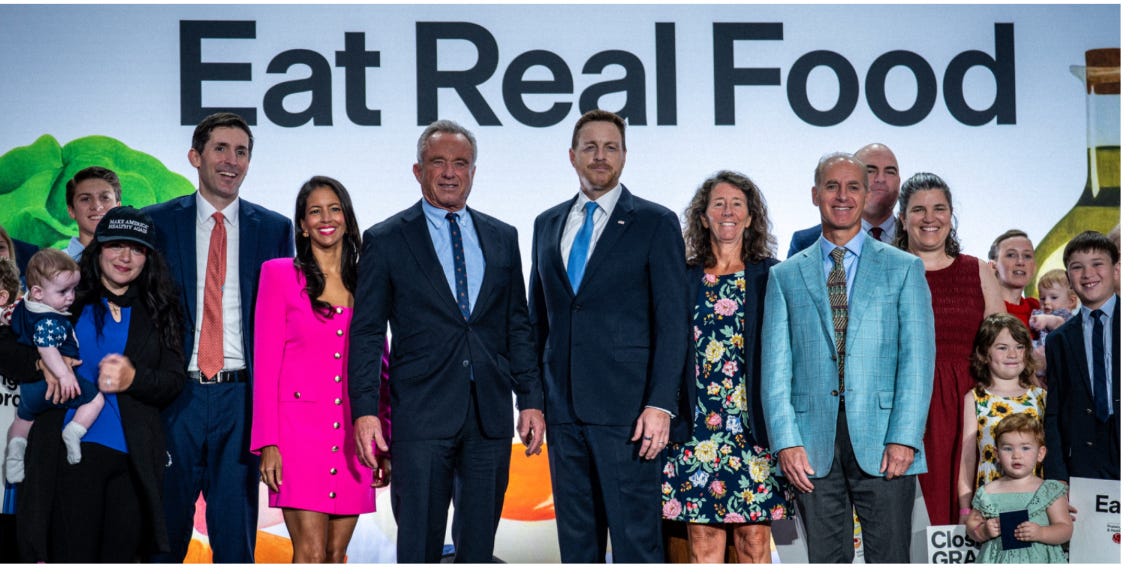
GRAS (Generally Recognized as Safe) is a regulatory exemption that allows certain substances to be added to food without going through the FDA’s standard premarket approval process.
For HHS Secretary Robert F. Kennedy Jr., the announcement represents the latest steps in the “Eat Real Food” initiative, an 18-month effort to put prevention and nutrition at the center of federal health policy.
“Parents should not need a chemistry degree to understand what their children are eating,” Kennedy said. “Americans deserve real transparency. They deserve real food.”
What the Policies Would Do
Under the proposed GRAS rule, companies introducing a new GRAS substance would be required to notify the FDA about how that substance is safe – moving the system from voluntary to mandatory notification.
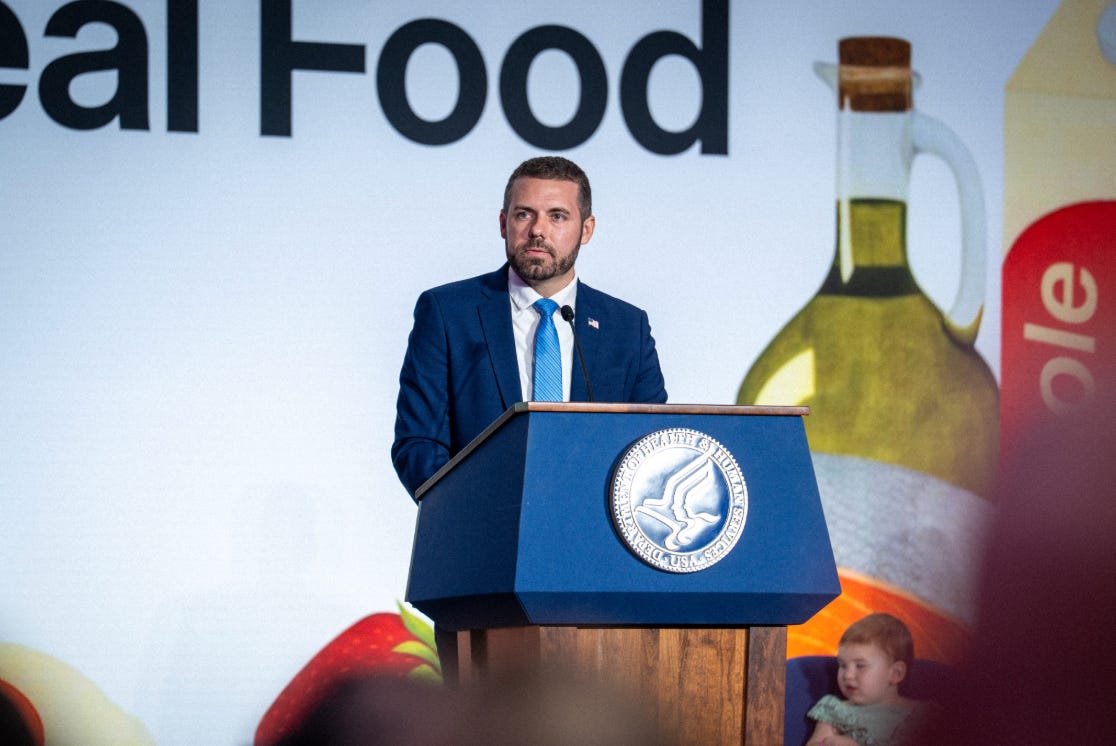
Acting FDA Commissioner Kyle Diamantis said the change would “close a decades-old information gap” and give the agency greater visibility into substances entering the food supply.
The proposal would also create a public database showing which substances companies have determined are safe for use in food, while giving companies an expedited path to bringing ingredients already on the market into the new system.
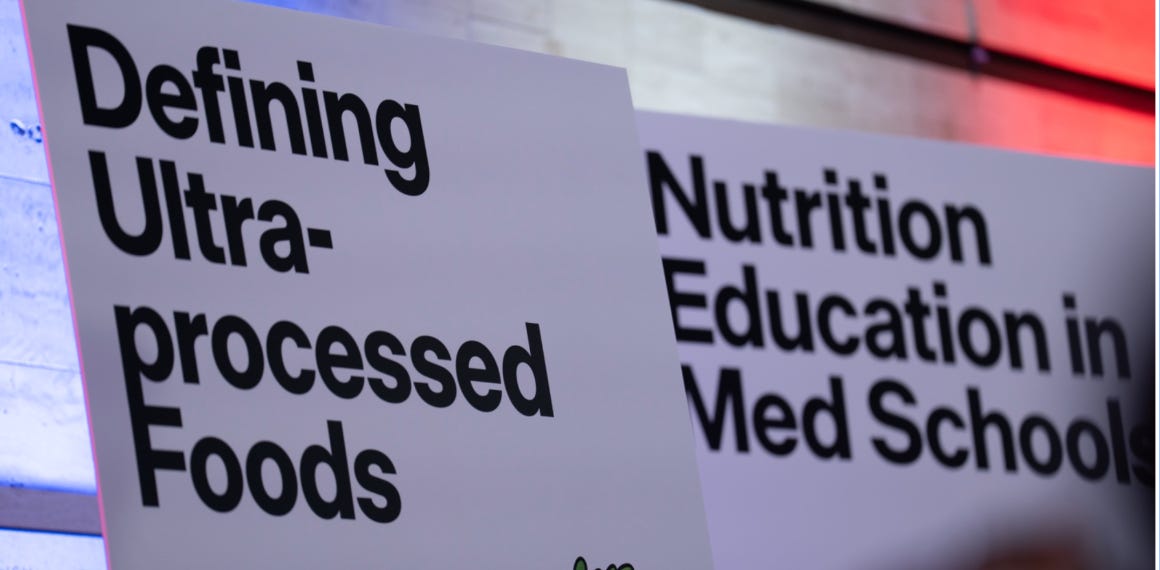
The second proposal would establish a federal definition of ultra-processed foods, giving researchers, consumers and government institutions a common framework for identifying them [stay-tuned for the approved definition.]
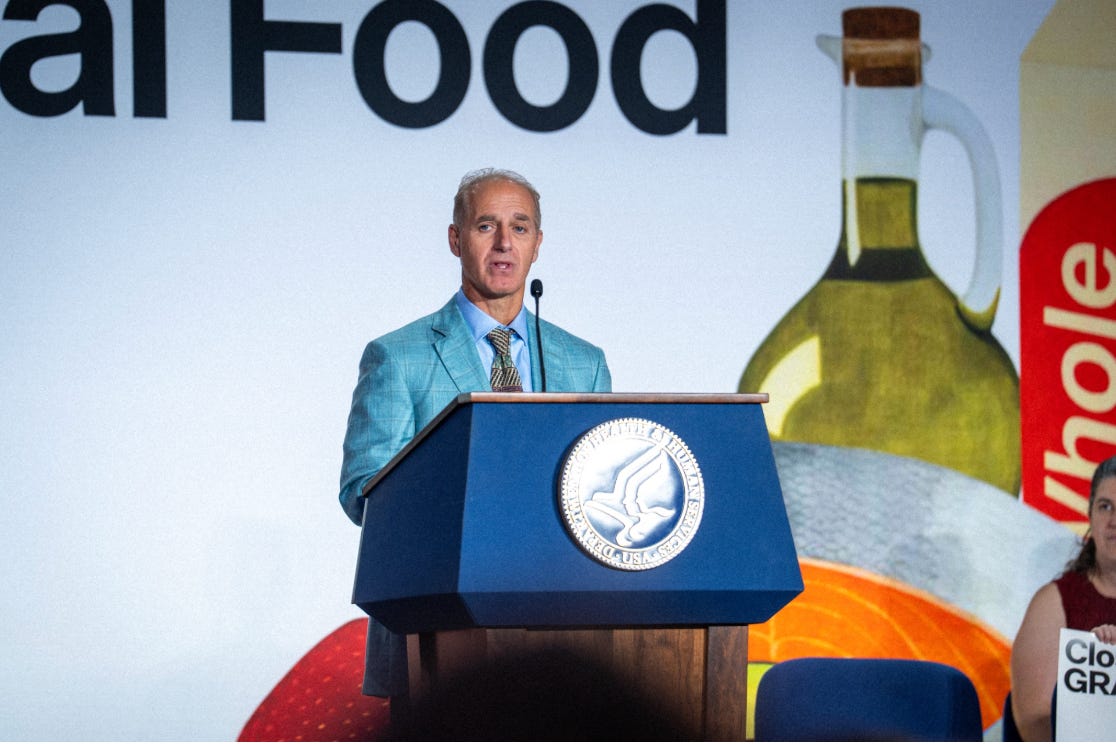
Dr. Dariush Mozaffarian, a longtime food and chronic disease researcher, called the two actions among the FDA’s most consequential food and nutrition policies in the last 50 years. The new definition of ‘ultra-processed foods’ could have far-reaching implications, from changing what is purchased and served in schools, hospitals and military facilities, to pressuring food manufacturers to reformulate their products.
Why HHS Says It’s Necessary
By introducing these changes, the government is determined to provide Americans greater transparency into what is entering the food supply and how those substances are being deemed safe.
Kennedy said the FDA previously could not tell him exactly how many ingredients were in the food supply, estimating the number to range from 4,000 to 12,000.
HHS senior advisor, Calley Means, who has been working on the administration’s food policy initiatives, told The MAHA Report that “GRAS reform is one of the biggest initiatives that food advocates have been fighting for 20 years.”
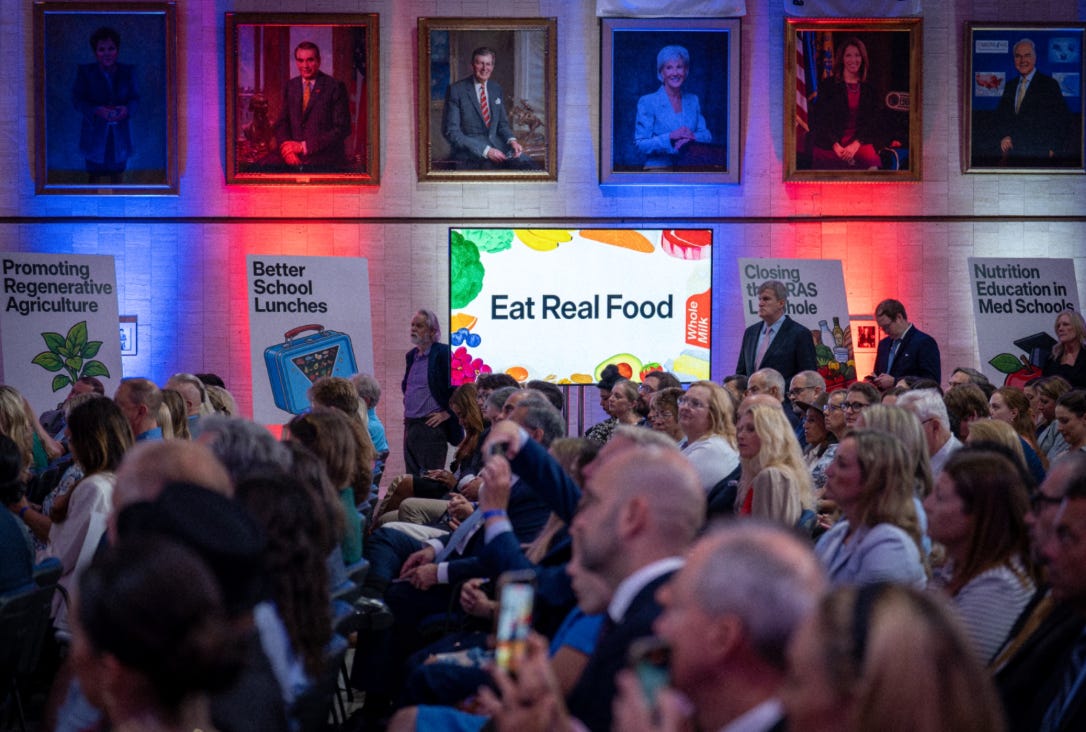
The administration also celebrated broader changes over the past 18 months, including:
Updated Dietary Guidelines
Removing petroleum-based artificial dyes from the food supply
Bringing nutrition education into medical schools
Putting real food on the plates of military personnel
Promoting regenerative agriculture
Generally Recognized as Safe
Congress created the GRAS exemption in 1958 alongside the Food Additives Amendments. The exemption was meant for substances with a long history of safe use, with examples including salt, vinegar and flour.
According to Diamantis, however, the exemption eventually became a primary pathway for food ingredients, allowing manufacturers to make their own GRAS determinations without notifying the FDA.
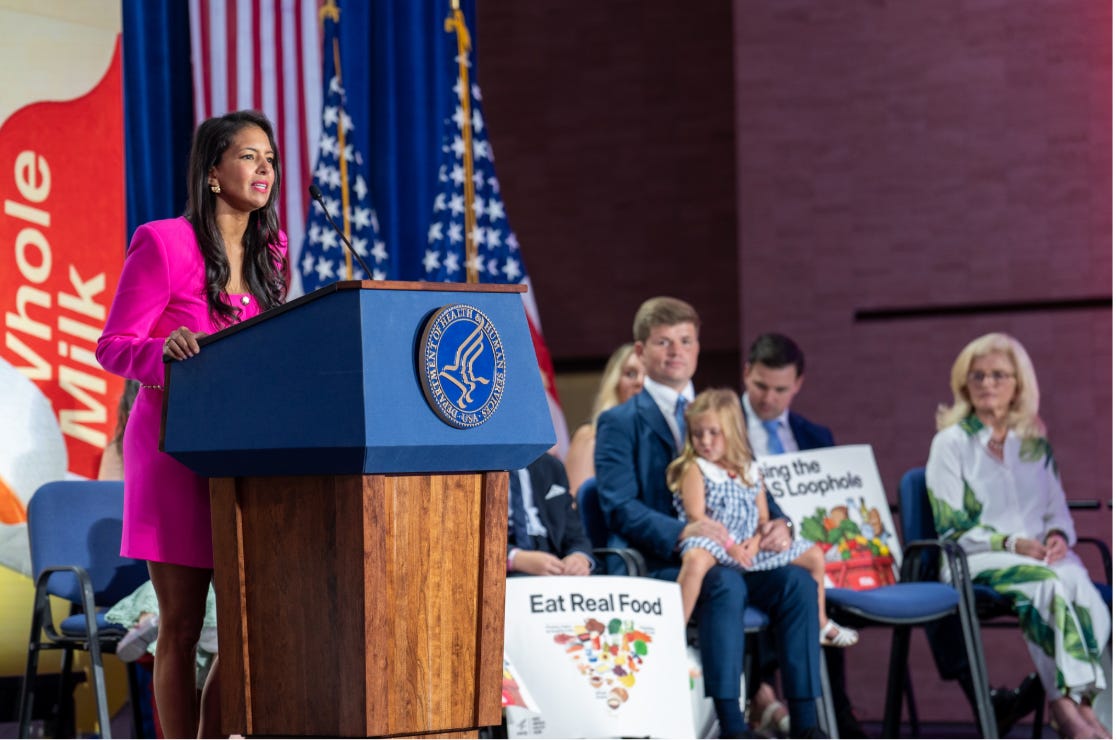
Food activist and author, Vani Hari, told The MAHA Report that food reform needs to be approached from multiple angles. She argued that getting Americans to eat more real food could also reduce consumption of GMO corn and soy, while adding that “we have to tackle it from every angle.”
Hilda Labrada Gore, a certified integrative health coach, similarly emphasized that removing harmful substances is only part of the solution: “It’s equally important to get the right foods in,” Gore said.
What’s Next?
The proposed GRAS rule is now open for public comment, giving the public an opportunity to weigh in before a final rule is issued.
Kyle Warner, vice president of MAHA Action, called the public-comment period an important opportunity for “all the MAHA moms and the MAHA advocates around the country” to make their voices heard.
The administration has also acknowledged that further congressional action may be necessary to give the FDA additional authority.
For Bethany Hall-Long, the stakes extend beyond food policy itself: “We know that a healthy community provides for a healthy economy,” she told The MAHA Report.
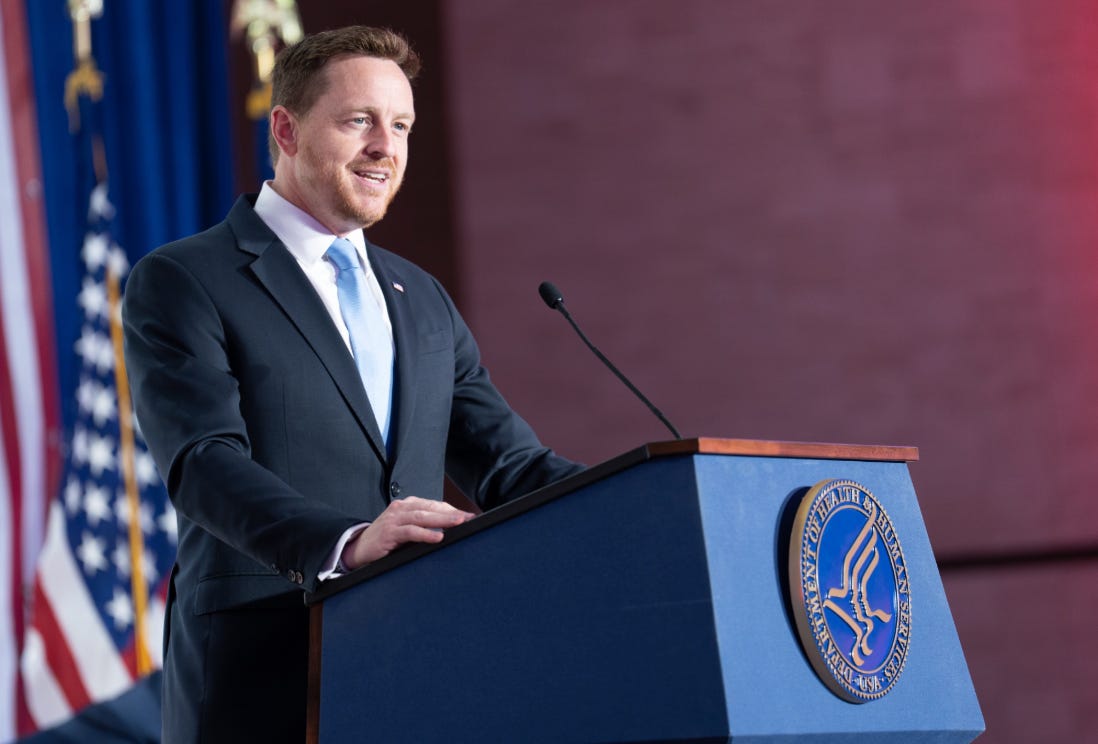
Chris Klomp, director of Medicare and a senior advisor to Kennedy, closed the event by returning to the broader MAHA mission: moving a health system focused on masking side effects toward one that helps Americans understand why they become sick in the first place.
“For the last fifteen years, I have stood beside millions of Americans who have simply wanted food that wouldn’t harm their families,” Hari added. “Today is a turning point. From this day forward, the rules for the food industry are changing, and everyone will finally know what’s hidden in ultra-processed food.”
[Electronic comments may be submitted to Regulations.gov, using docket number FDA-2025-N-3262.]
Shop our merch store to support the MAHA Report and the MAHA movement.
All proceeds go to supporting the cause.

I sent the MAHA Food video with RFK, Jr. showing the promotion of natural food on to my mailing list. The right unprocessed pesticide-free food is so important in order to be healthy. It was good seeing in this video the emphasis on healthy soil. Pesticides kill the organisms in the soil, which provide nutrients to the crops. Consumers are paying for no-nutrient food. Big Ag needs to "go organic" and "grow organic" for everyone. It would help change the status of America, which used to be #1 in World Health... and is now in 47th place.
This looks good. Now propose testing rules for those injectable peptide drugs you want to let pharmacies sell.