


By Catherine Ebeling, RN MSN, Contributor, The MAHA Report
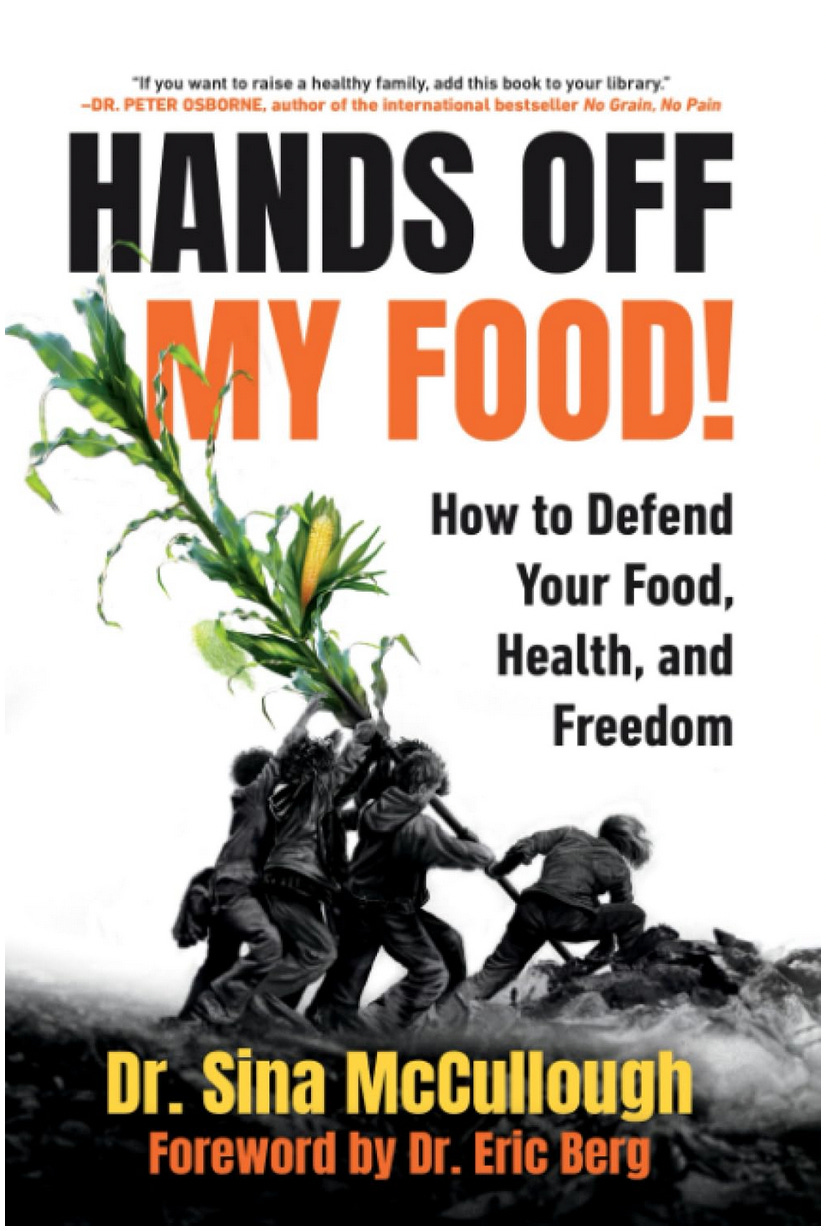
In her new book, Hands Off My Food!, Dr. Sina McCullough points out that Americans must reclaim their role in shaping the nation’s food supply. The message is rooted in personal experience.
Sina McCullough trusted the American food system—until the food she was eating nearly killed her.
“I spent two decades literally dying while Western medicine offered no answers,” she said. She cycled through specialists and extensive testing, only to be dismissed and left with no explanation.
“I eventually figured out that food was the reason I was sick, and through the grace of God, I was given a second chance at life.”
That “second chance” became her turning point professionally. While trained in nutrition, she had spent years unknowingly making choices that worsened her health.
McCullough didn’t start out as an activist. She started out as a scientist. With a PhD in nutrition and work experience in the food industry, she once believed what many Americans still believe: that agencies like the FDA, USDA, and EPA exist as a safety net for consumers.
“I shifted from ‘nutrition expert’ to investigative reporter because I didn’t want my kids to grow up without a mom,” she told The MAHA Report. Her mission now, she said, is to “pull back the curtain” so we all can start asking better questions.
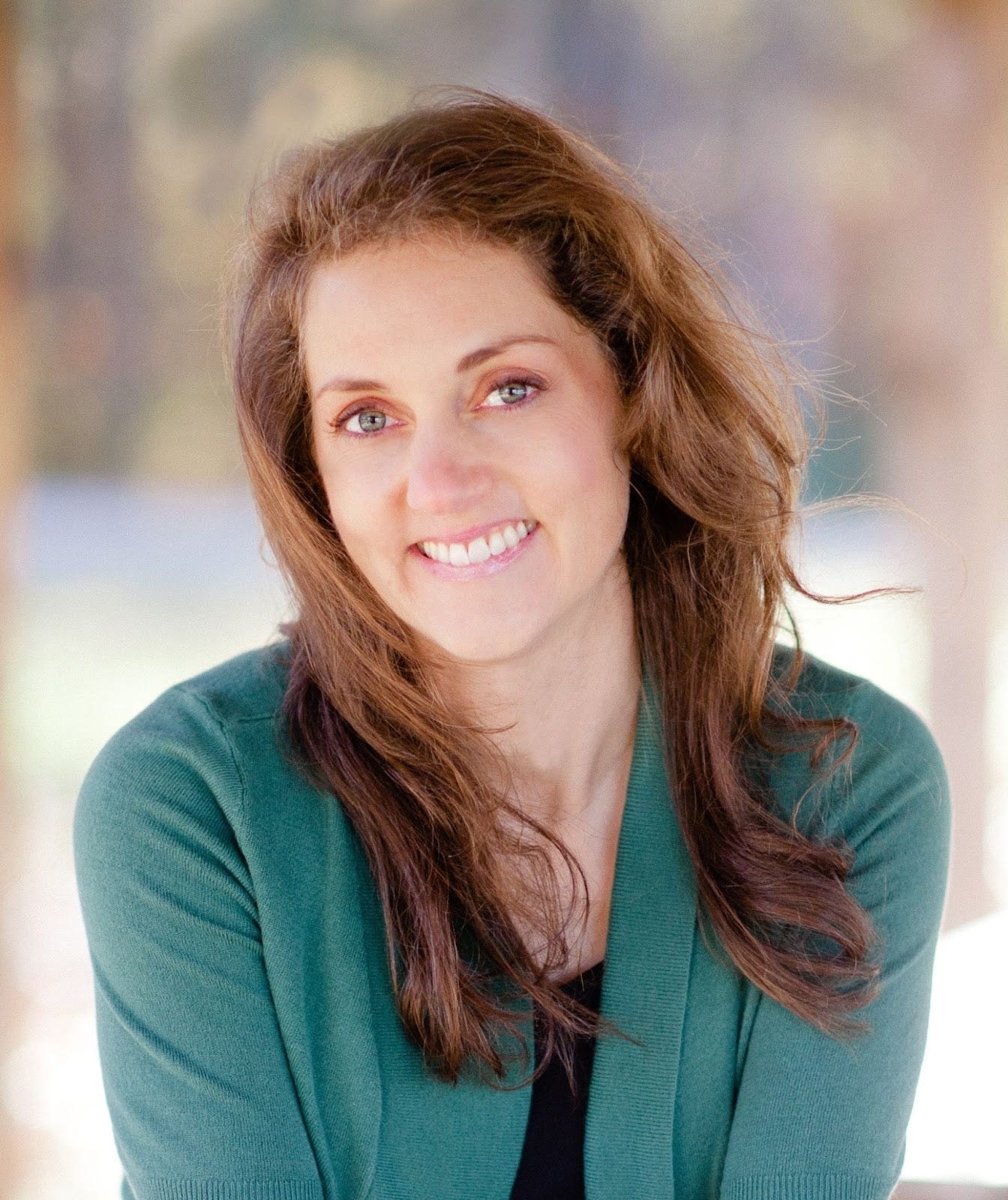
Photo Credit: Julie Massie
She recalls sitting at her kitchen table one evening, reviewing documents long after dinner, realizing that the labels she once trusted no longer reassured her. “I kept thinking about my kids,” she said. “If I couldn’t explain what was in our food and how it got there, how could I say it was safe?”
At the center of her analysis is how federal food safety oversight operates. McCullough’s investigative focus isn’t just about food, but how decisions are made that allow substances and technologies into the food supply. She argues that the public often trusts regulation that doesn’t match reality. In her view, the system creates reassurance without requiring real-world testing consumers assume exists.
One of the areas she returns to repeatedly is the GRAS (Generally Recognized as Safe) pathway. As she reviewed how ingredients enter the food supply, she realized that companies can self-affirm substances as safe without notifying the FDA. The safeguards she once assumed were required were often voluntary.
“That was the turning point for me,” she said, noting it happened approximately 15 years ago. “I realized the system I trusted wasn’t structured the way most Americans think it is.”
She continues, “As I moved on to GMOs and glyphosate, I realized they all followed the same pattern. That was the moment of clarity for me: this wasn’t about a few ‘bad’ ingredients. It was a system-level problem that no single ban could fix.”
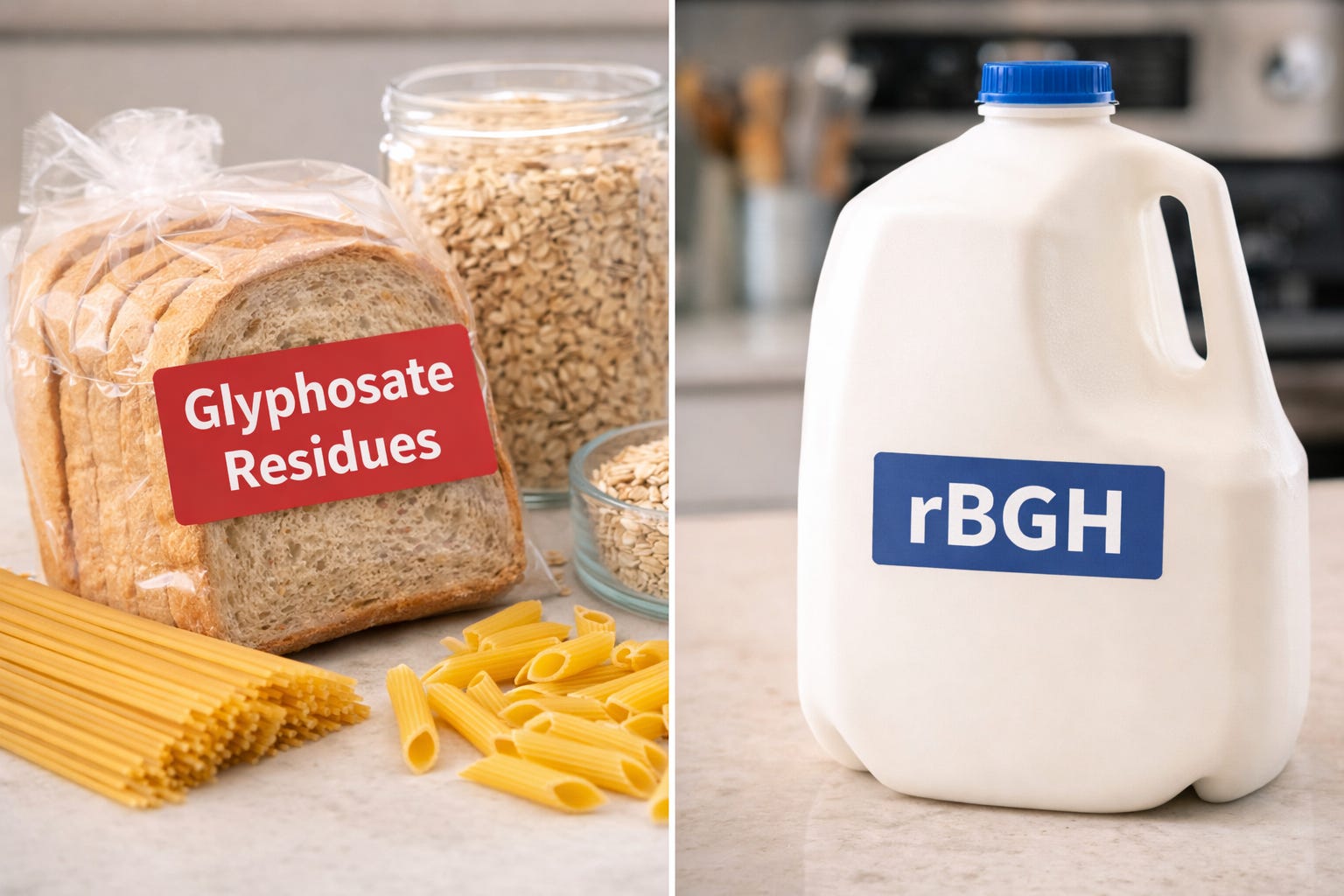
Modern evaluation doesn’t reflect real life. As she describes it in Hands Off My Food, chemicals are often reviewed “in a vacuum” and tested as isolated ingredients rather than the formulations and exposures people encounter. Whether the subject is processing aids, “natural flavors,” pesticide formulations, or emerging biotech, her point is that transparency lags behind innovation. In her view, that matters because approval on paper does not accurately reflect exposure.
Yet McCullough does not present herself as anti-technology. Instead, her emphasis is on choice: clear labeling, honest disclosure, and an informed public. If new technologies are truly beneficial, she argues, companies should be willing to stand behind them with truth in labeling.
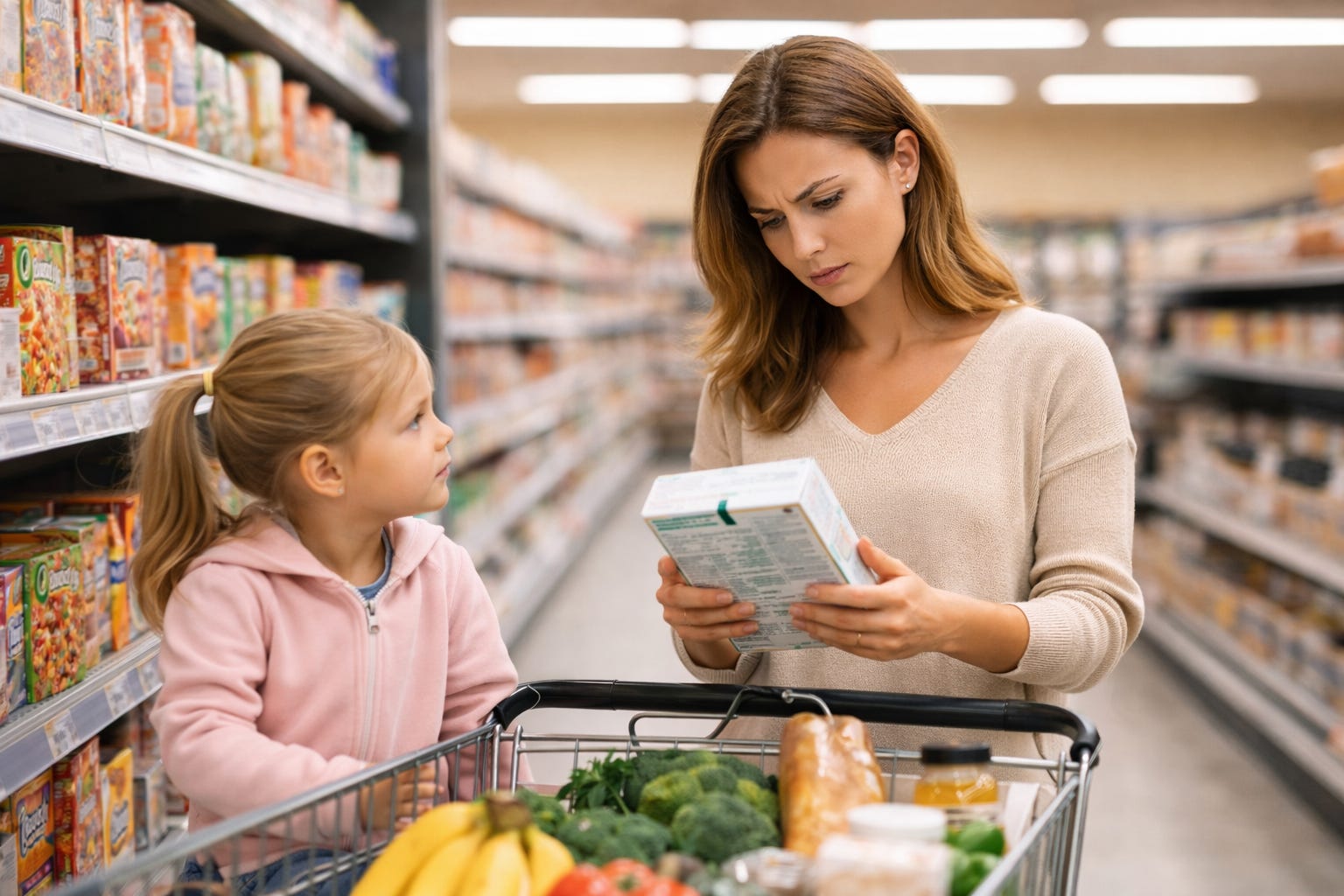
“A label allows a mother in the grocery store to be the final judge,” McCullough says. “ It allows the marketplace to decide which technologies we accept and which we reject. We don’t need a government ban. We need the truth so that we can use our purchasing power to steer the ship.”
She continues, “We’ve essentially turned the American food supply into a massive chemical experiment where we, the ‘un-consenting guinea pigs,’ consume an estimated 10,000 additives, assuming someone, somewhere, is checking them for long-term safety.”
She feels Americans have “handed off” their watchdog role, trading personal vigilance and accountability for a government stamp that doesn’t guarantee food safety. “We stopped being watchdogs because we believed we were being watched over,” she says.
That’s where her message turns practical. McCullough believes consumer action
often moves faster than regulation because markets respond quickly. She argues that companies change when enough buyers stop rewarding formulations that fail the transparency test, and she cites a “tipping point” concept: that it takes only a minority of consumers to change the market.
“The first step I want families to take this month is simple: Reclaim one category of your food…pick one thing—maybe it’s your eggs, your meat, or your dairy—and commit to finding a source you actually trust. That one choice is the first stitch in patching the holes of our safety net.”
Dr. Sina McCullough’s book, Hands Off My Food! (MAHA Books/Skyhorse, February 24, 2026), is the product of that journey: from illness, to recovery, to investigation, to a blueprint for food sovereignty.
Real change does not wait for government action. It begins when Americans choose with their food dollars to support safer food and transparent labeling, and to stop buying the rest. We are the solution.
"Generally Recognized As Safe" is a smokescreen for subtle poisons, to which some people are more sensitive than others.
I generally eat whatever my garden has produced, and other simple foods as necessary, but few in our modern world can do this.
Veggie garden pics at the end of each post: drjohnsblog.substack.com
I've locally source 95% of my food in addition to what I grow & raise myself. Collectively, we have shed enough weight to create another human. We take almost no pharmaceuticals, we have eleminated exhaustion & brain fog. Mood is majorly improved & I've really stepped up the *from scratch* cooking. The food tastes so much better & it's really very fun to boot.
We started this a bit before the election & really didn't have any of that in mind when we did. We just knew we needed a wholesale change and went on ahead & did it.