


“The system we have today is not designed to create health. It is designed to manage disease.” – Robert F. Kennedy Jr.
After nearly 20 years as a pharmacist, I have heard the same story in different forms: A patient begins to struggle, often in the context of stress, trauma, hormonal change, or a major life transition. There is little time to understand the full picture. A diagnosis is made, a prescription is written, and the plan is to follow up later. For some, that first medication becomes a second, then a third. Over time, what began as a search for relief can turn into long-term dependence, with diminishing clarity about what is driving symptoms and what is masked by treatment.
This is not a failure of individual clinicians. It is the predictable outcome of a system designed to move quickly through complex human problems. Most antidepressants are prescribed in primary care, where the average visit lasts about 18 minutes. Within that window, there is rarely space to explore diet, sleep, trauma, environmental exposures, or the broader context of a person’s life.
At the same time, the scientific foundation underpinning this model has quietly shifted. A major umbrella review published in Molecular Psychiatry found no convincing evidence that depression is caused by low serotonin activity or low serotonin concentration.
This calls into question the widespread use of Selective Serotonin Reuptake Inhibitors (SSRIs), a class of antidepressants known to create dependence. While SSRIs clearly alter serotonergic signaling and may help some patients, particularly in more severe cases, the long-standing narrative that they simply correct a chemical imbalance is not supported by current evidence.
In fact, many antidepressants come with severe side effects. Medications such as sertraline, fluoxetine, and paroxetine can bring loss of libido, emotional blunting, weight changes, sleep disruption, and a persistent sense of feeling unlike themselves. And when patients attempt to stop, the system often reveals its limitations. Withdrawal symptoms, including dizziness, anxiety, insomnia, mood instability, and the sensation often described as brain zaps, can make tapering difficult enough that many restart medication simply to feel stable again. For some, discontinuation becomes a prolonged, carefully managed process over months.
Health and Human Services Secretary Robert F. Kennedy Jr. is painfully aware of this problem. In a Washington Post op-ed published last September, Kennedy, along with Secretary of Education Linda McMahan, wrote about the need to “scrutinize overprescription of pharmaceuticals for child mental health.”
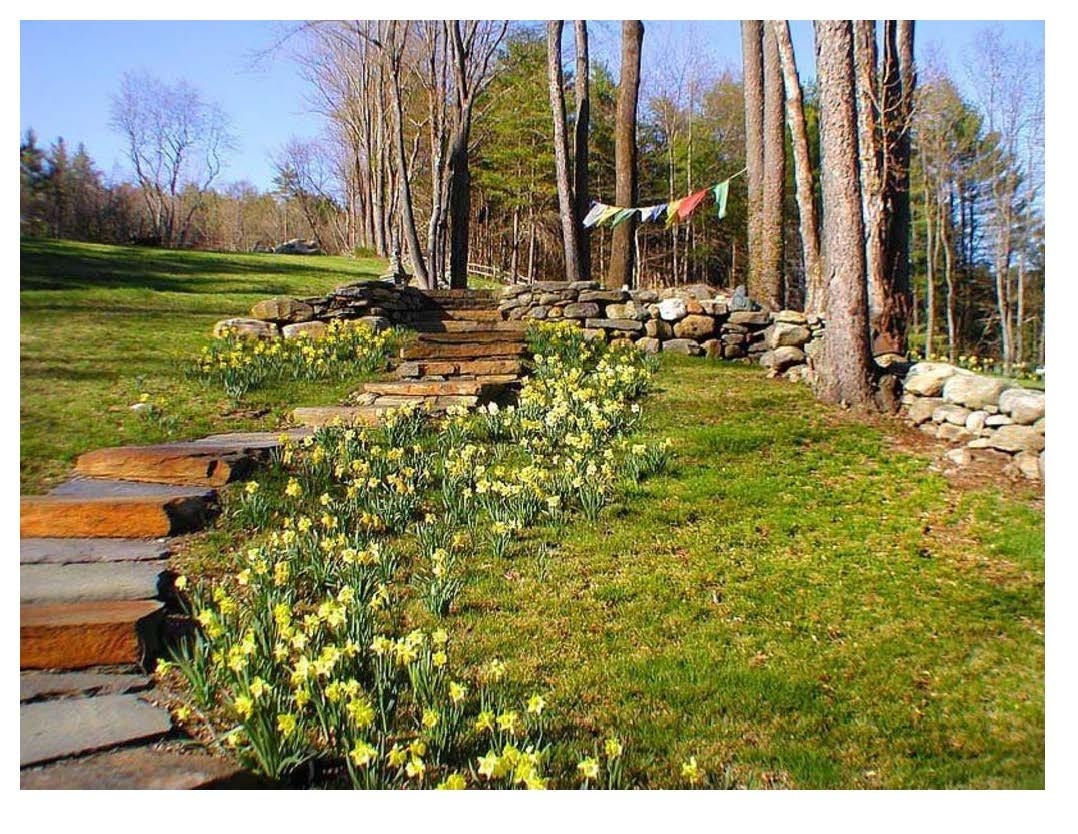
While focused on adult rehabilitation, Inner Fire, in Vermont, is a unique and inspiring wellness farm that reveals what is possible when one moves away from stress.
A Choice That Sparked a Movement
The story of Inner Fire begins with a question Beatrice Birch could not ignore: “I hate being medicated. Isn’t there a choice?”
She heard it repeatedly from individuals in a conventional psychiatric program. Different people, same underlying plea. They were not asking for another medication. They were asking for another way.
Birch knew that another way existed. After spending more than two decades in Europe working as a Hauschka Artistic Therapist in anthroposophical clinics where medication was not the default, Birch brought what she had learned back to the United States.
That included Anthroposophy, developed by the Austrian philosopher and social reformer Rudolf Steiner, who views the human being as an integration of body, soul, and spirit. Rather than reducing suffering to neurochemistry alone, it seeks to understand how imbalance expresses itself across the whole person. Healing is cultivated through rhythm, creativity, connection, and meaning.
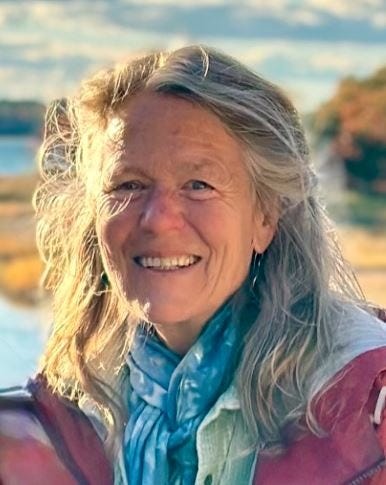
But the turning point was not philosophical. It was devastatingly real. Birch learned that six of the individuals who had asked her about weaning off anti-depressants had died by suicide.
“That’s when I realized I cannot hide my head in the sand,” she told me.“ This is why I’ve returned to the United States – I have to take the best of my life experiences, and we simply offer a choice.”
Inner Fire was born in 2015, immediately following Birch’s return.
Rebuilding From the Inside Out
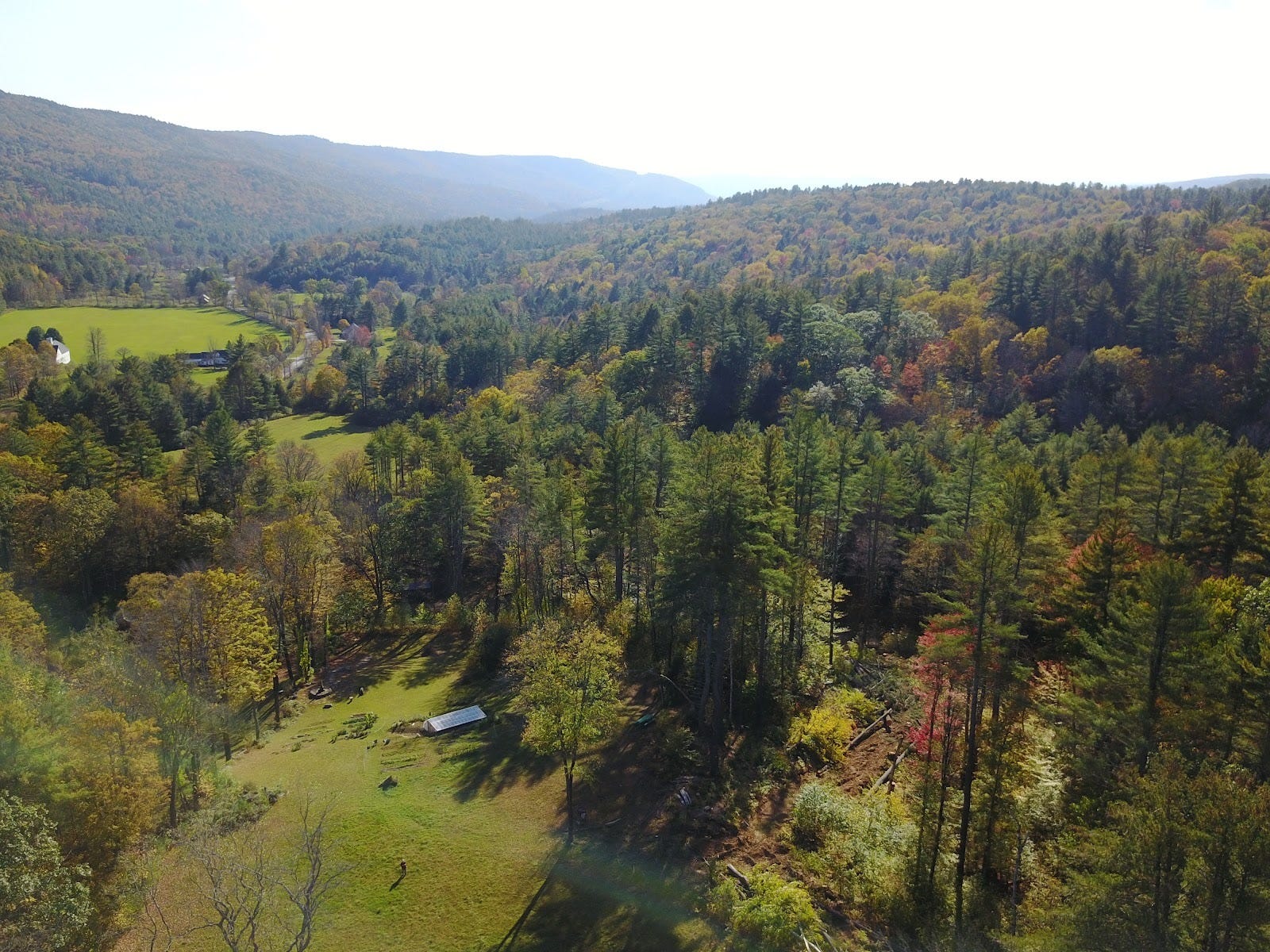
Inner Fire is not a short-term intervention or a traditional psychiatric facility. It is a residential, 47-acre farm-based program in Vermont where individuals, called seekers, commit to a year-long stay. Since its inception, 64 seekers have come to Inner Fire, which intentionally remains small due to the intensity of the tapering process. Many arrive after repeated hospitalizations, long-term medication use, or a deep sense that conventional care has not addressed the root of their suffering.
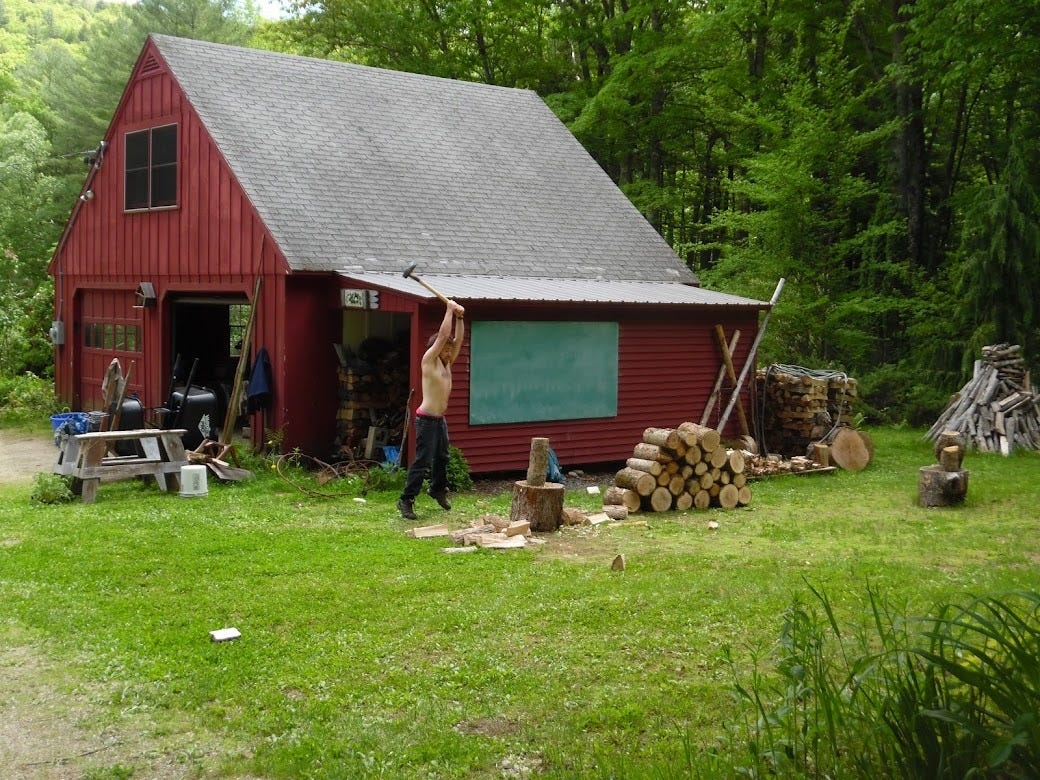
What they enter is a structured, immersive environment built around rhythm, responsibility, and relationship.
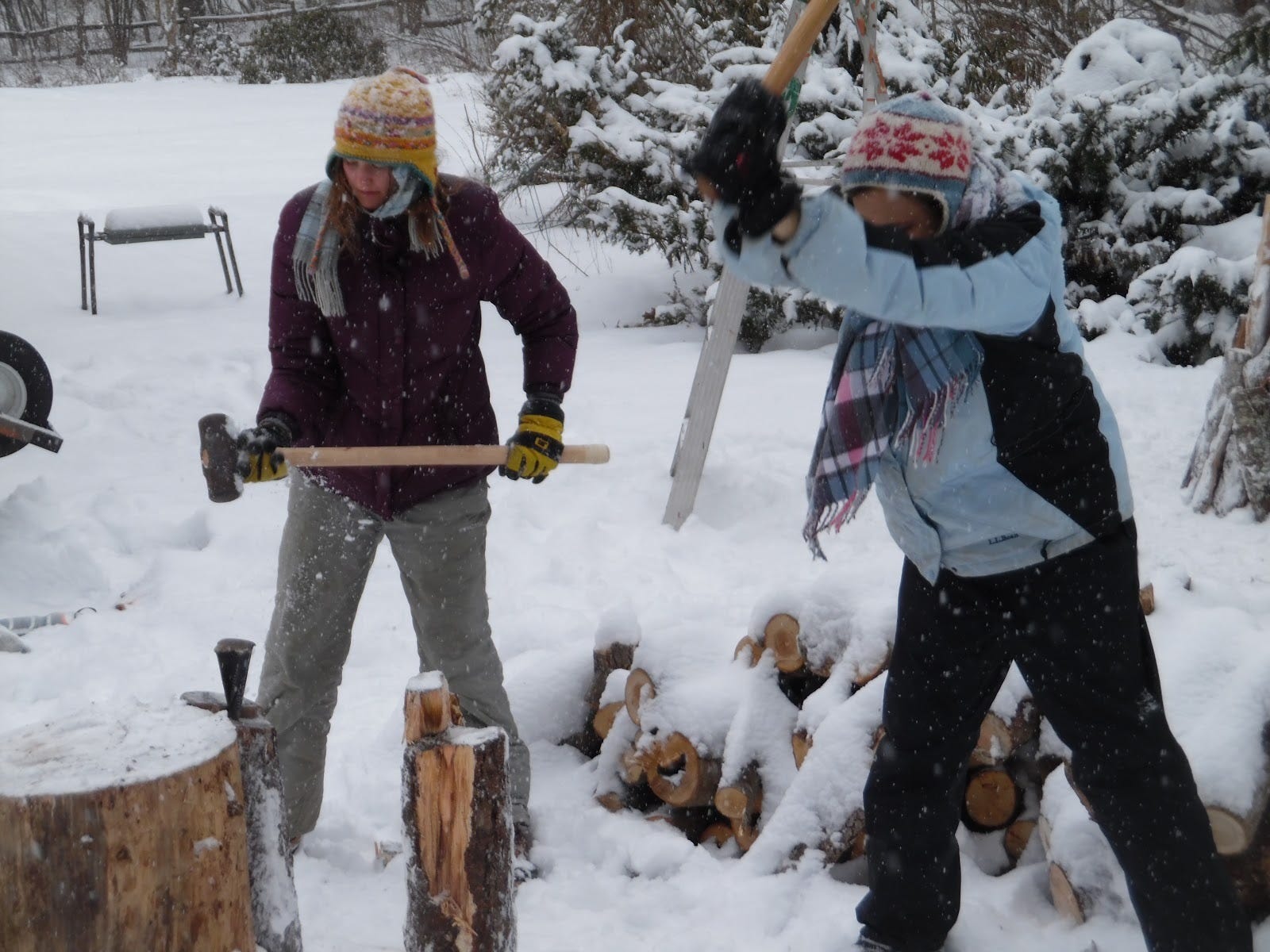
Each day follows a consistent cadence. Mornings are devoted to meaningful physical work such as splitting wood, tending gardens, and preparing meals. Afternoons focus on individualized therapies, including artistic work, counseling, and biographical exploration. Evenings center on community through music, reflection, and shared dialogue.
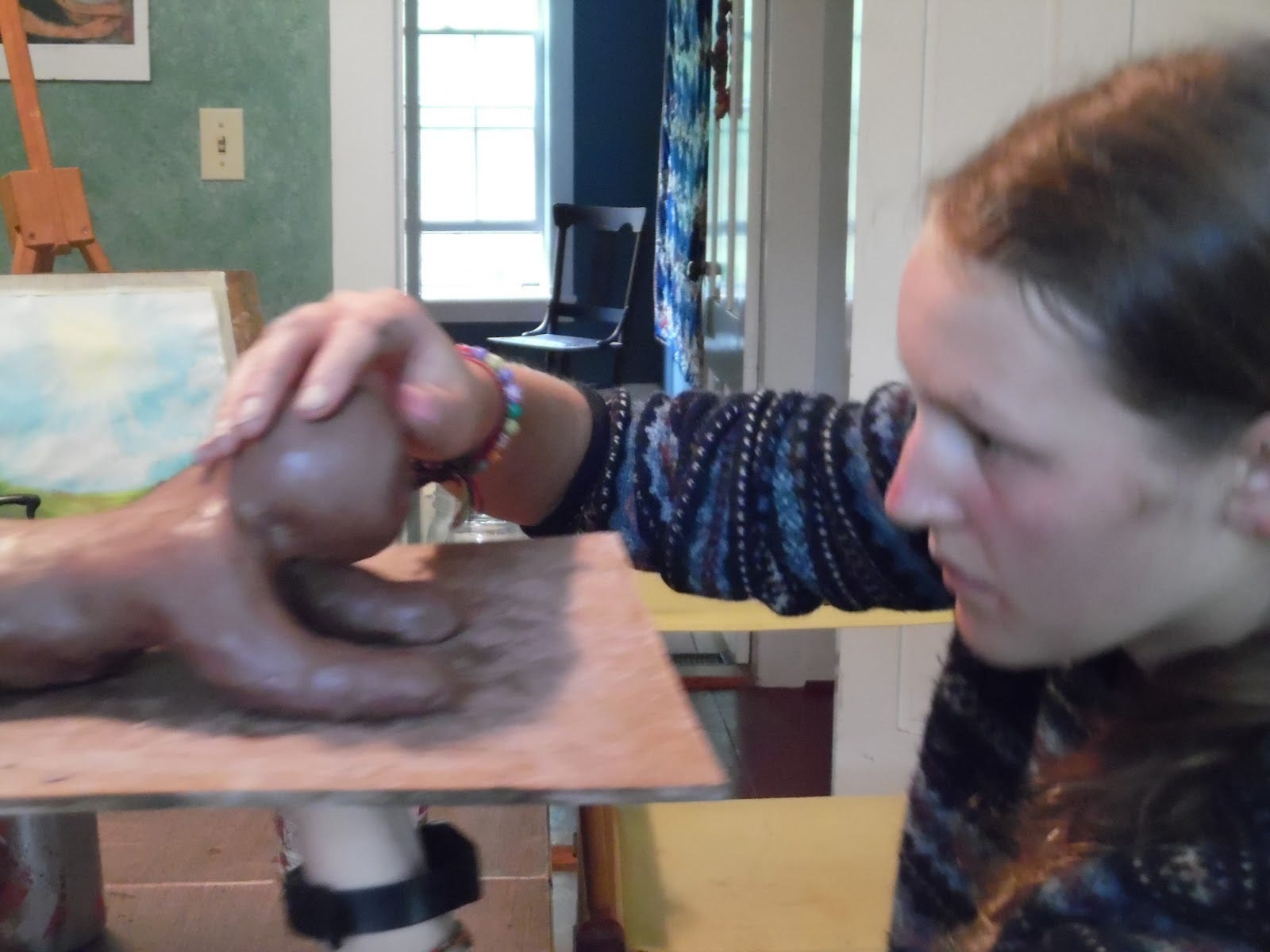
This structure is not incidental. It is therapeutic. “If we’re grounded, we will not hear voices,” Birch explained. The goal is not simply symptom management. It is a re-connection.
“The message is, ‘We just have to find the right pill. The chemistry in your brain is wrong.’ And that’s not true,” she told me.
At Inner Fire, tapering is gradual, supported, and never forced. It begins only after individuals are stabilized in rhythm and community.
What emerges is often more than symptom relief. It is a return to self.
“I’m beginning to feel inner movement,” one seeker told Birch.
Seekers report improved sleep, fewer intrusive thoughts, greater emotional range, and a renewed sense of agency. Many describe feeling present in their lives again, sometimes for the first time in years.
Protecting the Next Generation
If we are serious about changing the trajectory of mental health in this country, we have to start earlier.
The data is clear. According to the Centers for Disease Control and Prevention (CDC), more than 40 percent of U.S. high school students report persistent feelings of sadness or hopelessness, a signal that distress is becoming a defining feature of adolescence, not the exception. The CDC has been unequivocal in its assessment: “The mental health of our nation’s youth is in crisis.” And, in a film about America’s addiction crisis, Secretary Kennedy speaks of building hundreds of “healing farms where American kids can reconnect with America’s soil.”
Birch sees the long arc of this story. Many of the people who arrive at Inner Fire began struggling in adolescence, often entering the mental health system early and accumulating layers of treatment without ever addressing the underlying drivers. “People who’ve been in the system have become totally disempowered,” she told me.
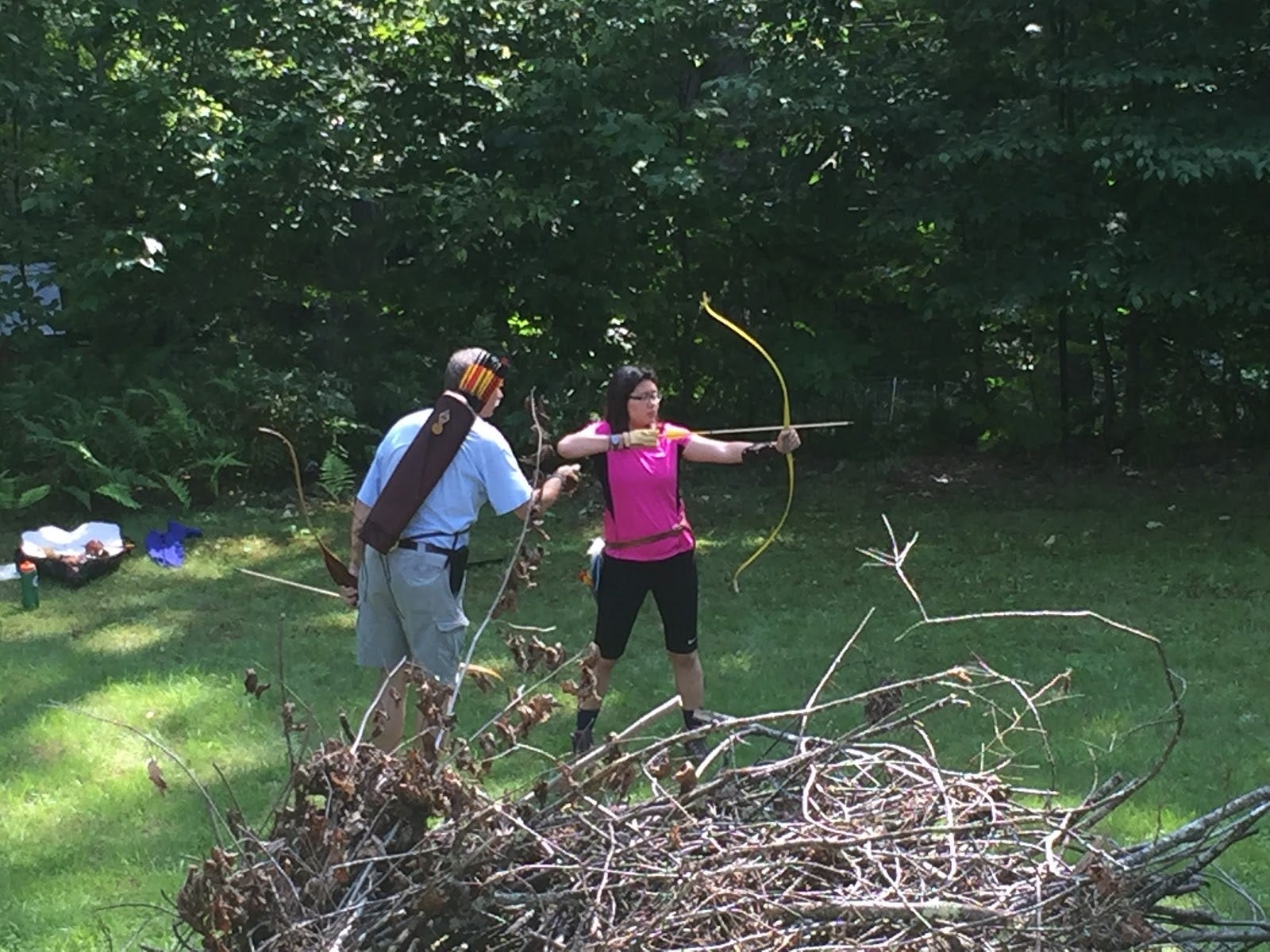
Prevention, in this context, is not a single intervention. It is a way of structuring our lived environments and relationships within families, schools, and communities.
What We Can Do Now
If there is a through-line between Inner Fire and the broader shift in mental health policy, it is this. Healing begins upstream for both adults and adolescents.
Birch points to three core elements.
Nutrition: Seekers eat an organic, nutrient-dense diet and learn to cook for themselves.
Rhythm: A consistent daily structure that regulates sleep, energy, and mood.
Meaningful work: Physical, purposeful activity that reconnects individuals to life.
“We’ve just started the keto diet,” she told me, noting that it seems to be making a big difference. The shift reflects a growing recognition that metabolic health and brain health are deeply connected – a link Harvard psychiatrist, Christopher Palmer, has made and to which Secretary Kennedy recently referred.
Meaningful physical work is one of the most overlooked yet essential components of the Inner Fire model. In a culture that often separates mental health from the body, physical labor is rarely considered therapeutic, yet at Inner Fire, it is foundational. Tasks like chopping wood, tending gardens, cooking meals, and caring for the land are not optional activities; they are central to the healing process.
“There’s meaning to every action you do, and you’re making a difference for the whole community,” says Birch.
This kind of work requires presence, engages the senses, and reconnects individuals to their bodies in a way that is difficult to achieve through conversation alone. It also restores something many seekers have lost – a sense of usefulness and contribution. In doing work that is tangible and necessary, individuals begin to experience themselves not as patients, but as participants in life again.
These are not abstract ideas. They are actionable.
Victims to Creators
Birch emphasized foundational elements essential for human thriving, yet too often overlooked or sidelined in favor of quick fixes that rarely come without consequences.
She teaches creating rhythm (wake and sleep at consistent times); engage your body (move daily with intention); eat real food (reduce ultra-processed inputs.); limit digital noise (protect space for quiet and presence); reconnect with nature (go outside, grow something, and observe the seasons); build community (share meals, conversations, and time); stay engaged (even when it is hard); and, perhaps most importantly, shift the frame.
“We treat everybody as creators and not victims,” Birch told me.
That shift alone changes everything.
A System Ready to Evolve
“We have to change the system and become much more humane and take an interest in each other,” Birch said.
That change is beginning, but it will not come from policy alone: It will come from rethinking what healing actually requires.
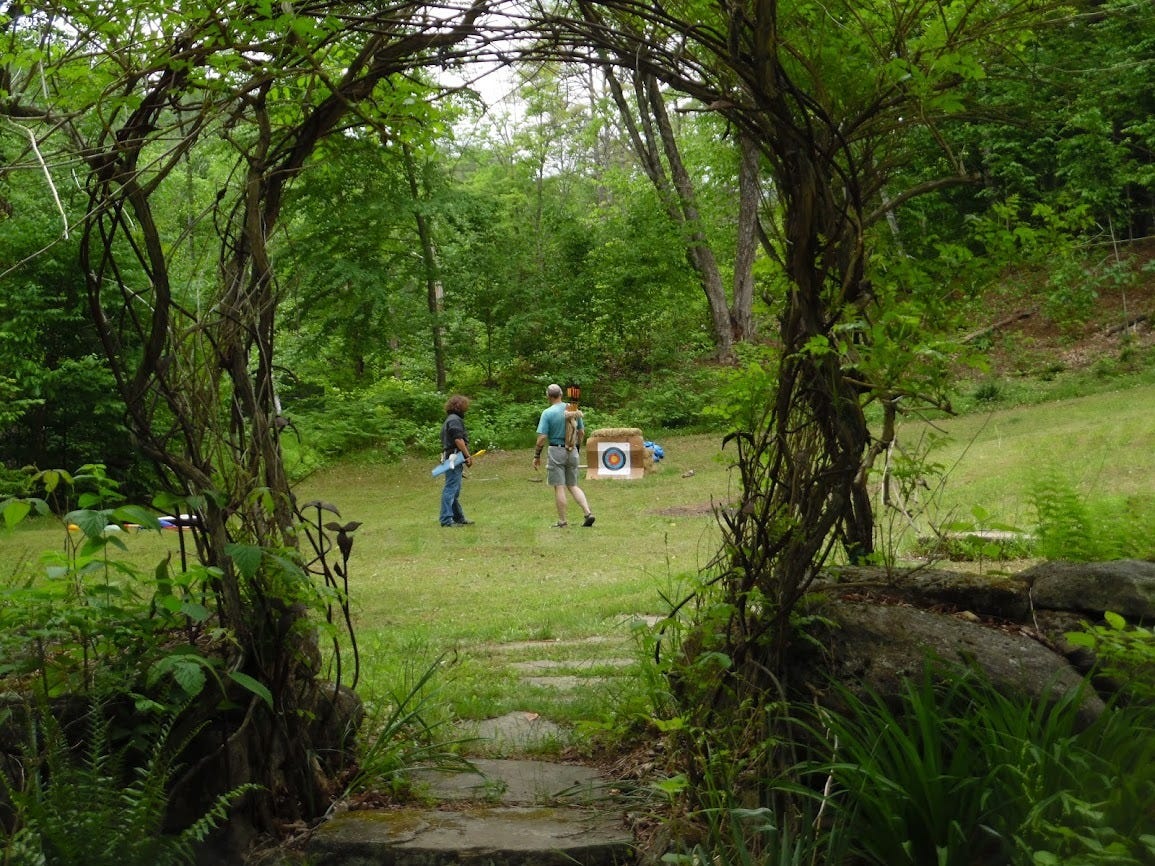
If we are serious about transforming mental health, we need to support models like Birch’s, invest in prevention, and rebuild systems that treat people as whole human beings.
Inner Fire is not the entire or only answer. But it is proof that another way is possible.

I’ve seen so much pharmaceutical addiction it’s crazy. My daughter became addicted to pharmaceuticals and it destroyed her life before killing her. I lost that battle because she believed the false diagnosis given to her by a therapist. I teach fitness in a detox and over and over I see the same people return. It’s heartbreaking. It’s a money game. I’ve now witnessed 3 decades of destruction by a failed system that supports big pharma. The truth is connecting with nature is the way back. Understanding that nature demonstrates everything we need to learn. So yes, farms but also education. Not religious but spiritual education that helps people realize their individual purpose . This could potentially be exactly what’s needed if done properly.
The National Center for Healthy Veterans has a very impressive facility designed just like this. They serve service veterans with PTSD, anxiety, family trauma, and physical trauma. Full scale farming and lots of physical labor are central to the curriculum. There is a prominent faith based element. Housing for vets and their family is provided. All at no charge. Lastly there are full scale mental and physcial health services provided on campus. An immersive lifestyle reset is often just what is needed. This program is a nine month residency at Valor Farm in Altavista Virginia. I have seen miracles happen here.