


On Saturday, Calley Means, a former Health and Human Services senior advisor, took to X to defend himself against what he called ‘harassment’ by former White House Chief of Staff, Susie Wiles, and her deputy, James Blair.
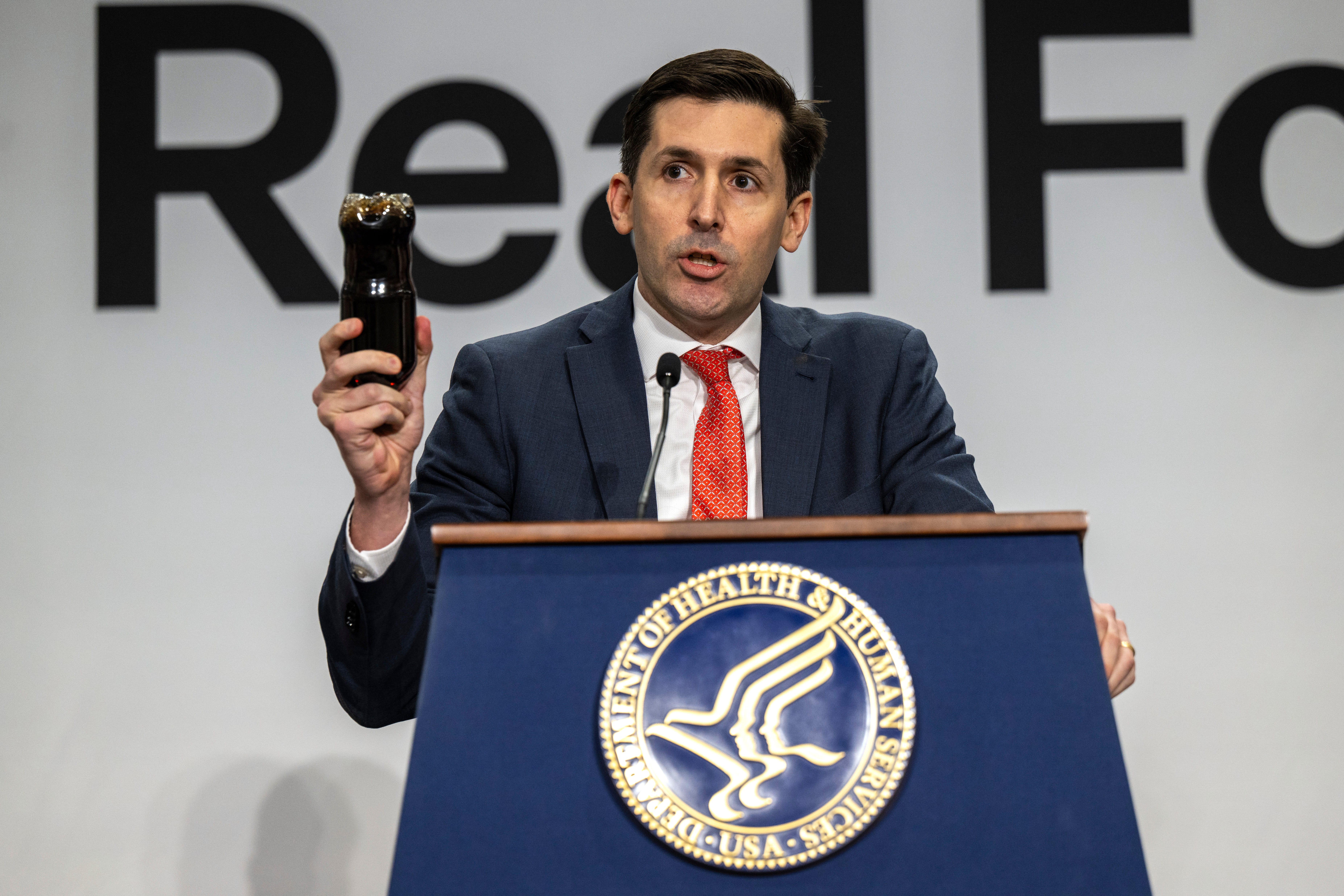
“This is a formal request for Susie Wiles and James Blair to stop harassing me with texts and calls,” Means wrote. “If there is a factual inaccuracy in what I said, send it to me in writing and I will vigorously correct and apologize for any misstatements. I will note that everything I said is substantiated by other senior officials.”
He continued, “If you want to file a lawsuit and get into discovery of whether it’s provably true that Ballard and Continental had an undue influence on the White House policy process, do it. I believe we are in an existential moment for the country, and Americans were owed an honest accounting of the past two years so we identify the problems we need to move on from.”
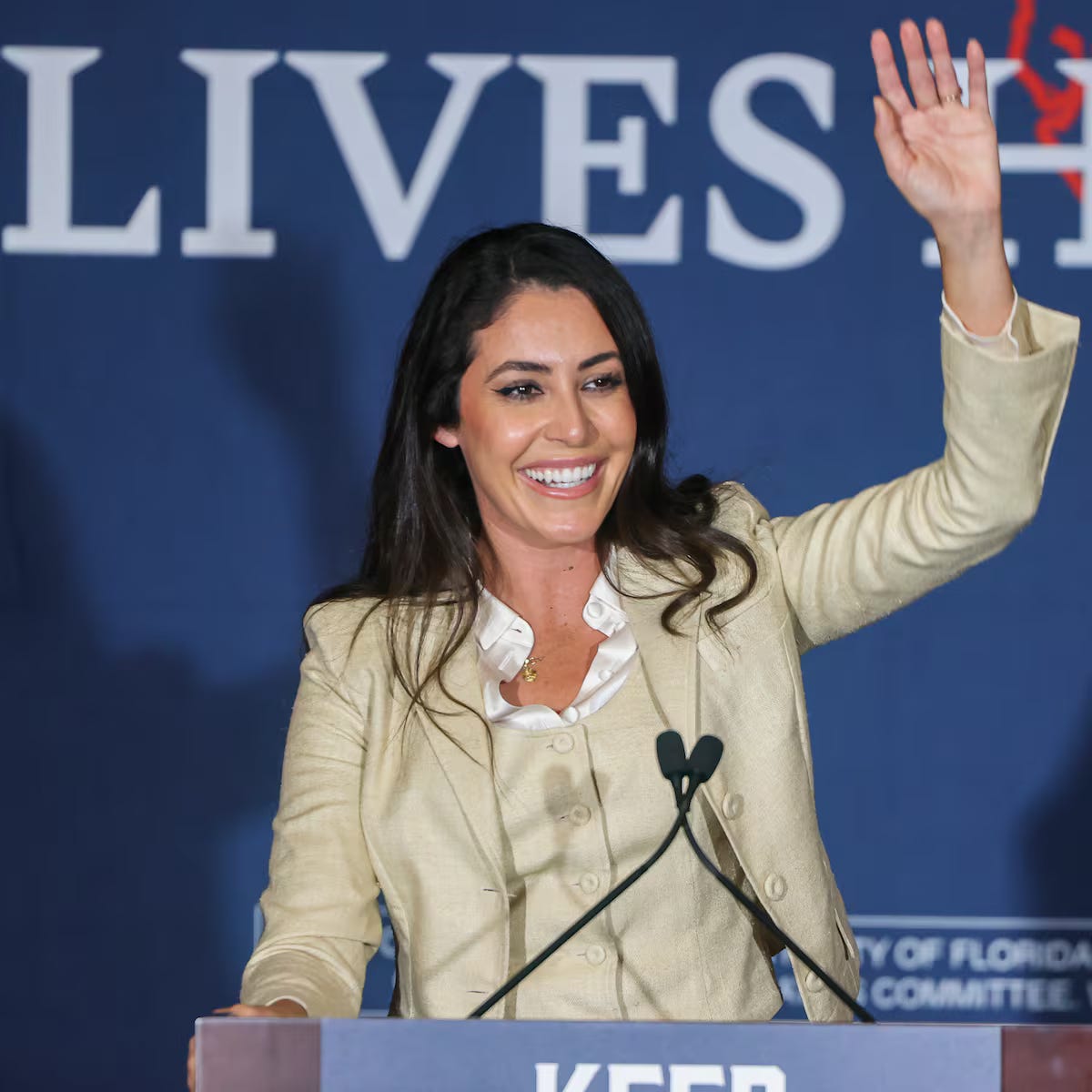
Also on Saturday, Rep. Anna Paulina Luna defended Blair, writing on X, “When everyone in DC (to include the then minority leader) was against me in my first campaign and in the primary on my second, @JamesBlairUSA helped me take on a pharma funded shill and beat one of their lobbyists who ran against me. She was handpicked at the time BY THE PARTY.”
Continued Luna, “He defended me when members of the conference were trying to get me thrown off my committees because I proposed the amendment to remove the pesticide liability shield out of the FARM BILL . . . . The idea that he works against or isn’t MAHA is just not true.”
Luna, one of the most vocal and successful MAHA legislators in Congress, who was endorsed by MAHA Action, found common ground with Means in a subsequent exchange on X.
Means: Completely agree James thought the glyphosate stuff was a terrible idea . . . I think you and I both agree we are in an existential time where we need to rid corruption and corporate capture from the party. I have no ill intent towards James and am sharing stories that are factual. If there are any inaccuracies, please inform me and I will apologize and correct.”
Luna: Agreed on the corporate interests etc @calleymeans. I no longer take corporate PAC money and do you think that there needs to be an overhaul of corporate lobbying and special interest in campaigns as a whole but people like us are a small minority. I’m just saying that @JamesBlairUSA is not in my opinion part of the problem. In fact, had it not been for him I would have lost multiple elections to the people that are part of the problem. Food for thought.”
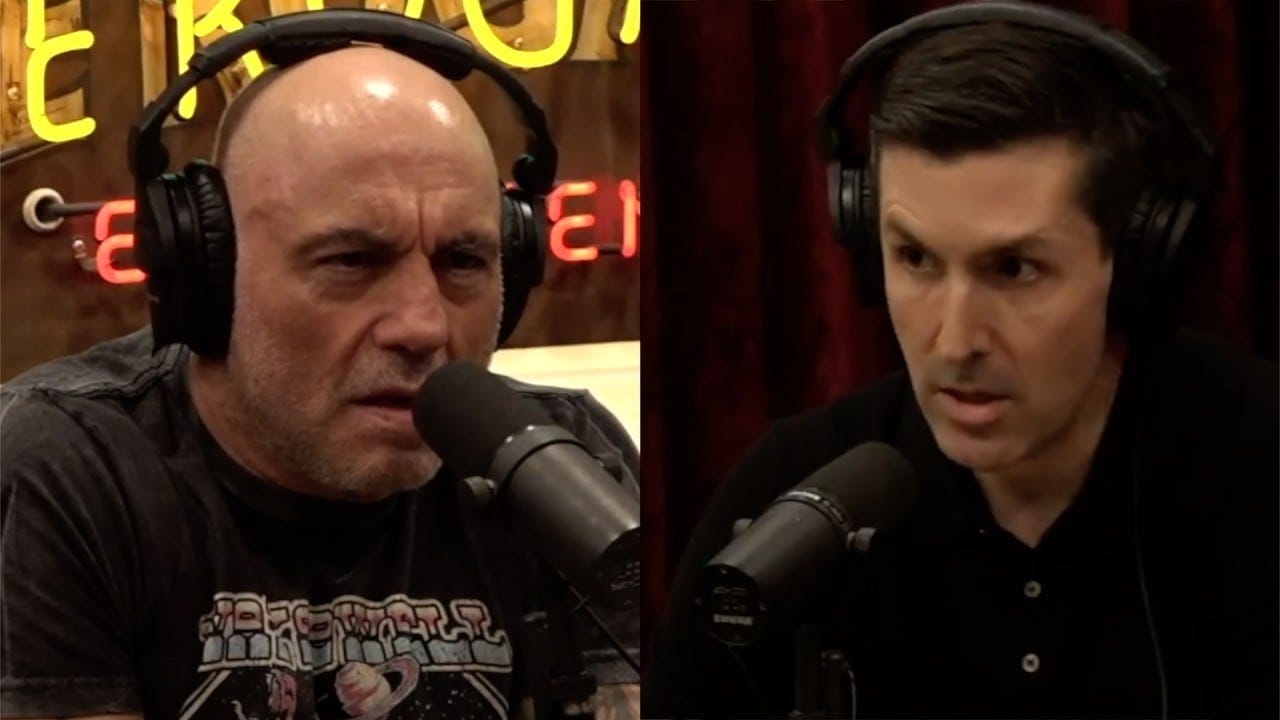
Means’ accusation against Wiles and Blair followed his explosive appearance on the podcast, The Joe Rogan Experience. On Friday, November 6, Means delivered a blistering, two-hour-plus account of his time at HHS, telling podcast host Rogan about a tight cabal of lobbyist-connected aides working with former Chief of Staff Wiles. He said this group, among the most powerful in the country, systematically sabotaged Make America Healthy Again priorities while bowing to special-interest groups.
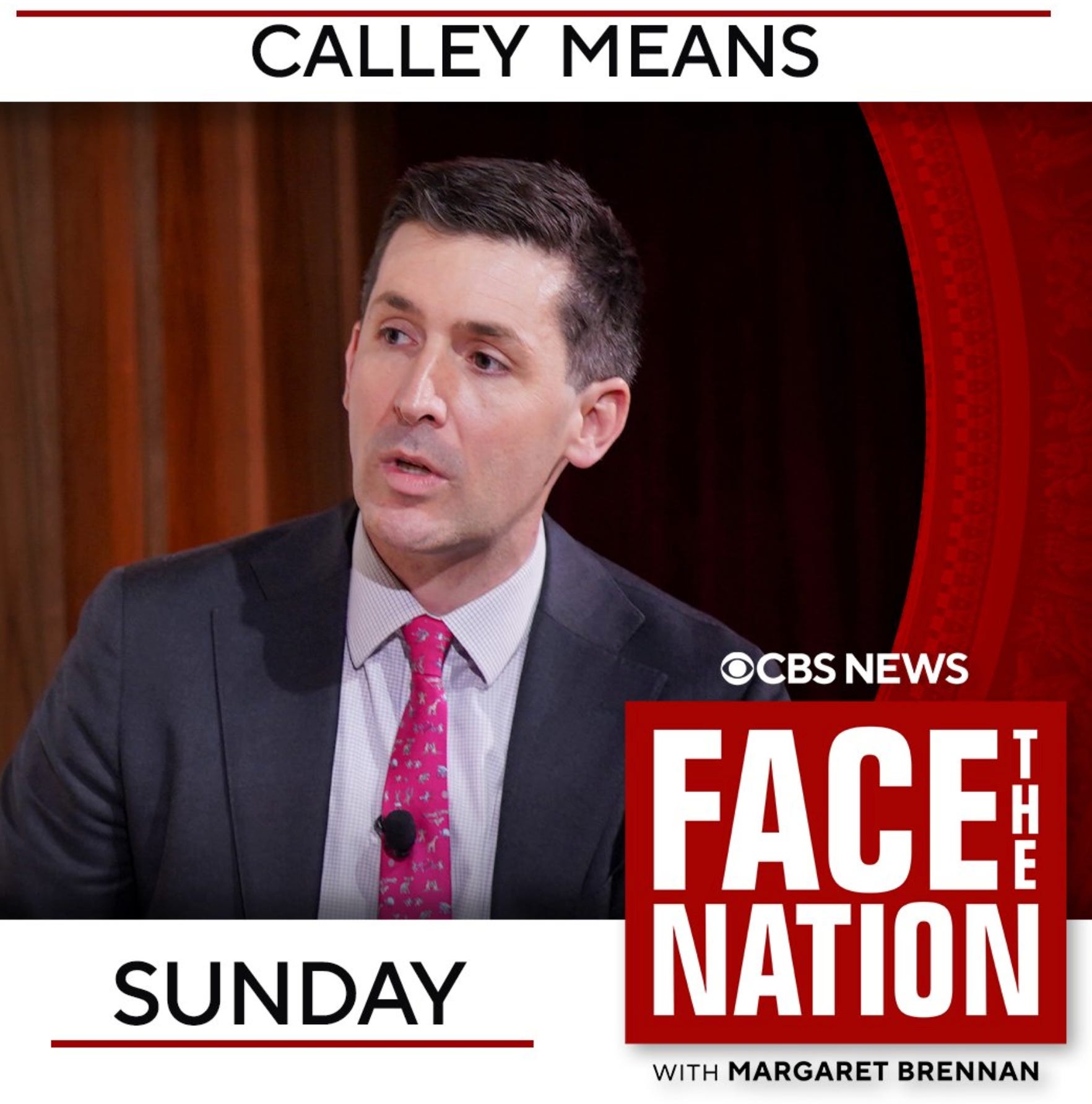
On Sunday, Means went on CBS’s Face the Nation with Margaret Brennan, repeating key points he made on Rogan. Asked by Brennan whether his intention by speaking out on Rogan was to get Wiles removed, he answered “yes.”
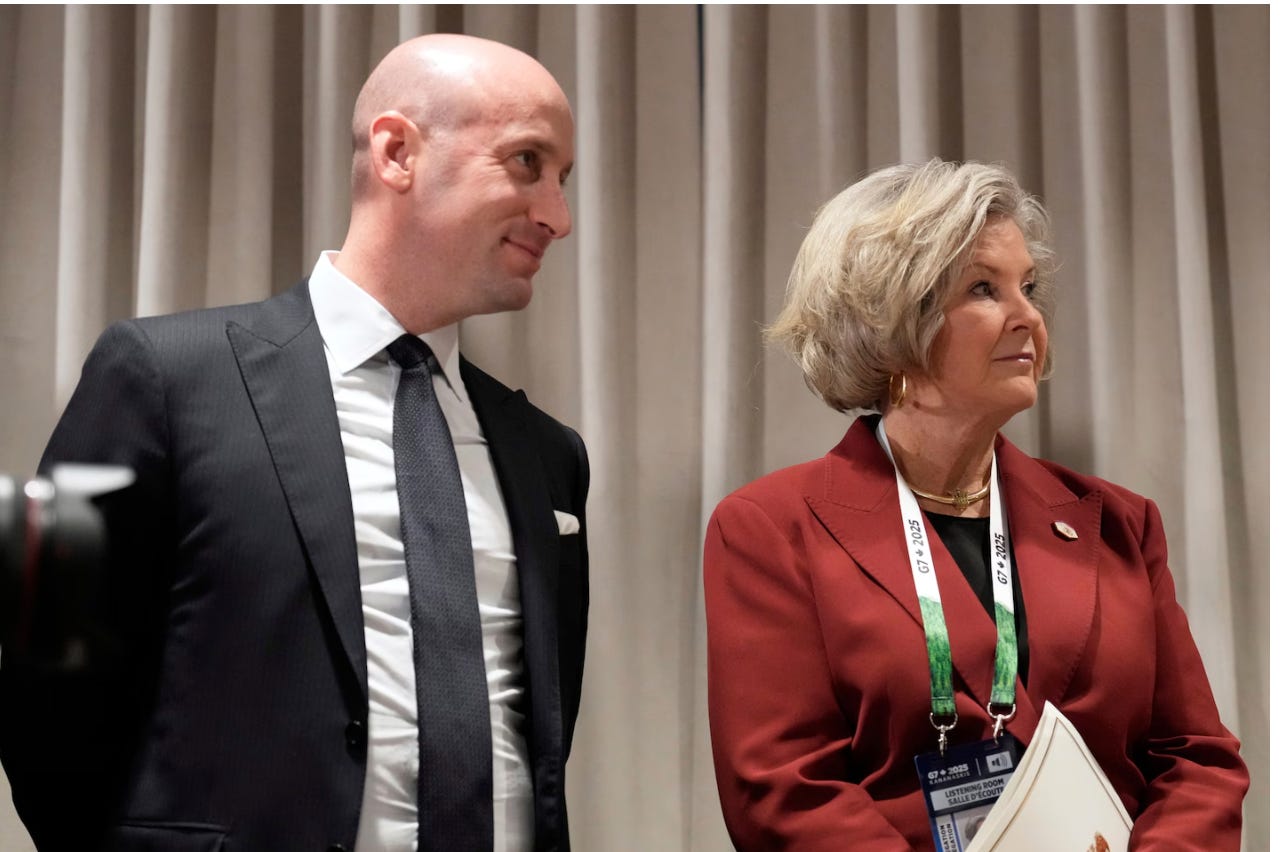
The Rogan interview dropped the same day President Trump announced he was replacing Wiles with longtime aide Stephen Miller, effective on Monday, November 9, with Wiles shifting to the Trump political operation.
Means, who resigned in late October after serving as a key architect of the MAHA effort under Health and Human Services (HHS) Secretary Robert F. Kennedy Jr., described the early days of the Trump administration as “absolutely electric,” with staff convinced they would deliver on the health, food, and anti-corruption promises that helped elect the president for a second term.
But that energy, Means said, collided with what he called the most centralized White House power structure in modern history. No significant policy proposals advanced without approval from Wiles’s office, and cabinet secretaries spent meetings managing access to her and the small group that served her.
Means portrayed these figures as products of the lobbying and consulting world with recent or ongoing ties to the very industries MAHA targeted. And he piercingly described a culture in which top Trump administration officials like Wiles were paid handsomely by industry to do their bidding. He resigned, he told Rogan, because he said this corrupt group was not working for the American people but rather to enrich themselves and their families.
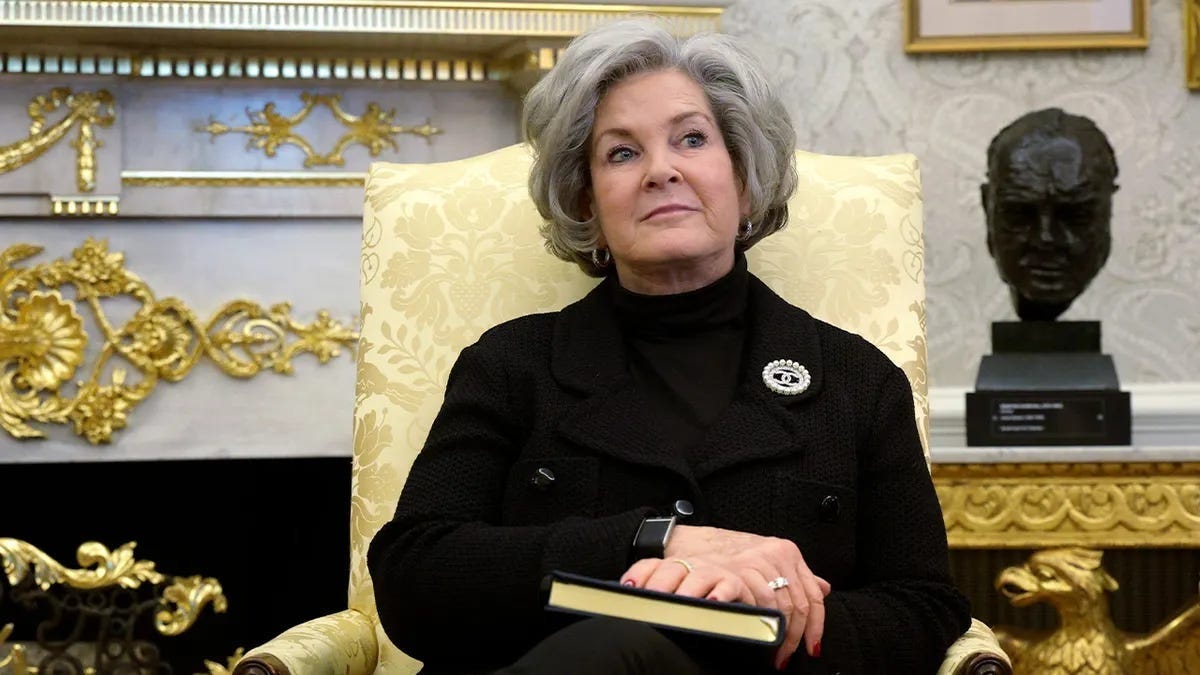
Means told Rogan that similar dynamics applied to networks and connected firms. Further, he said the midterm strategy prioritized fundraising from special interests and gerrymandering over energizing the broader coalition that had backed Trump and Kennedy, quoting Wiles telling him repeatedly that the administration needed “money for the midterms,” including from sugar interests.
The consequences, according to Means, played out across multiple high-profile health issues – from glyphosate to processed foods to vaccines – that Kennedy and the MAHA movement most wanted to implement.
Means described how Wiles protected corporate interests over the people’s interests, all in an effort to garner corporate dollars to fuel a “failed” midterm strategy. Means said Wiles told him to lay off Big Food companies – part of Secretary Kennedy’s proposed reforms – “because we need sugar money to win the midterms.”
Means said, “It is absolutely true that his administration has been infiltrated by the very people that [President Trump] energized voters to say he would get out of DC.”
He added, “It’s impossible to describe to you how demonic this culture is.”

The former HHS advisor also told Rogan that intense industry pressure blocked even mentioning the word ‘glyphosate’ in an early draft of the government’s MAHA report. An executive order (EO) later framed glyphosate supply as a national-security issue, which Means called out as blatantly “fake.”
Means recalls how he learned of the EO. He was taken in a room where “Susie’s person . . . puts an executive order down on the desk and says ‘please review.’”
Means added, “It was not up for discussion.”
Means suggested to Rogan that neither President Trump nor Secretary Kennedy had been consulted when the Justice Department filed a brief supporting liability protections for manufacturers, which enabled the Supreme Court to take up the case. Once SCOTUS ruled not to hold industry responsible for the harms its products, especially glyphosate, cause, Means emphasized that Kennedy was put in a very bad place with his MAHA supporters. And when a regenerative farmer later raised the Supreme Court outcome with the president, Trump called it a “terrible idea” and expressed surprise.
Pointing to high cancer rates in heavy-use farm states such as Iowa and Kentucky, Means argued the administration should at least have stayed neutral on liability.
“This system does not want us to know the truth, and they don’t want us to talk about this stuff openly,” Means said of the glyphosate issue, which he also said industry pressures the government not to study.
Means claimed approval pathways for fruit-flavored vaping products became a top White House priority at HHS, framed as a midterm issue important to young male voters despite data showing high youth use rates tied to flavors. Initial strict concentration limits on kratom, an opioid-like compound often sold at gas stations, were relaxed under lobbying pressure.
Means also told Rogan that broader, food-policy efforts to change school meals and define “ultra-processed food” ran into repeated internal resistance framed around donor concerns or political risk calculations. Means stressed that Trump’s personal instincts, when issues actually reached him—including through external pressure such as Rogan’s earlier call on psychedelics—tended toward action, but most items never made it that far because of the centralized gatekeeping spearheaded by Wiles.
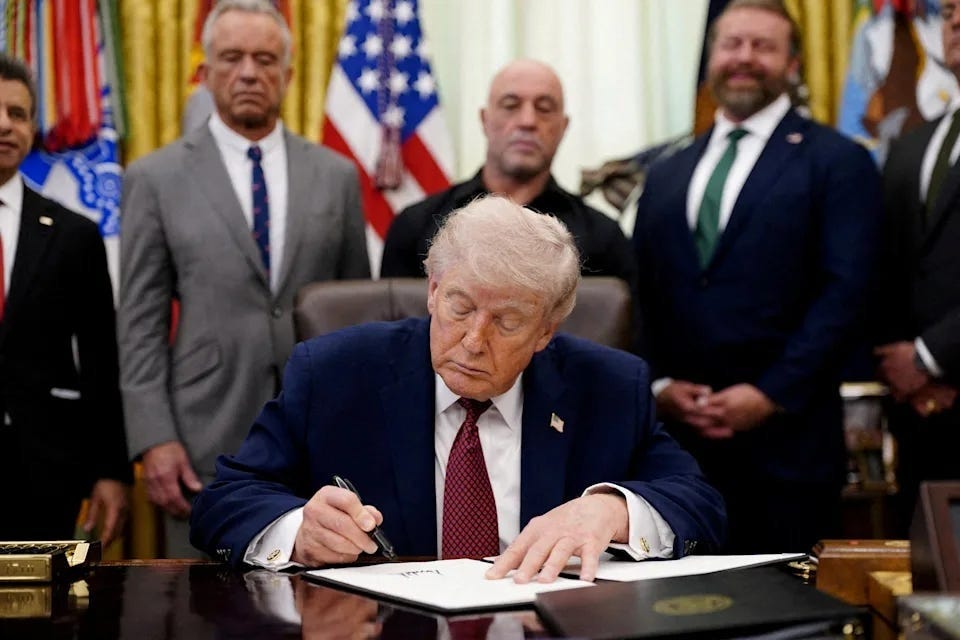
Means added, “Whenever there was an issue, which was on [the president’s] radar, he’s like, ‘let’s get it done, let’s go hard.’ He said, ‘We need to get this done, get this on my desk in the next week.’ And it busted through the system.”
Public shame and outside pressure, Means said, had been the only reliable way to move proposals into action, such as certain food-dye restrictions or dietary-guideline updates.
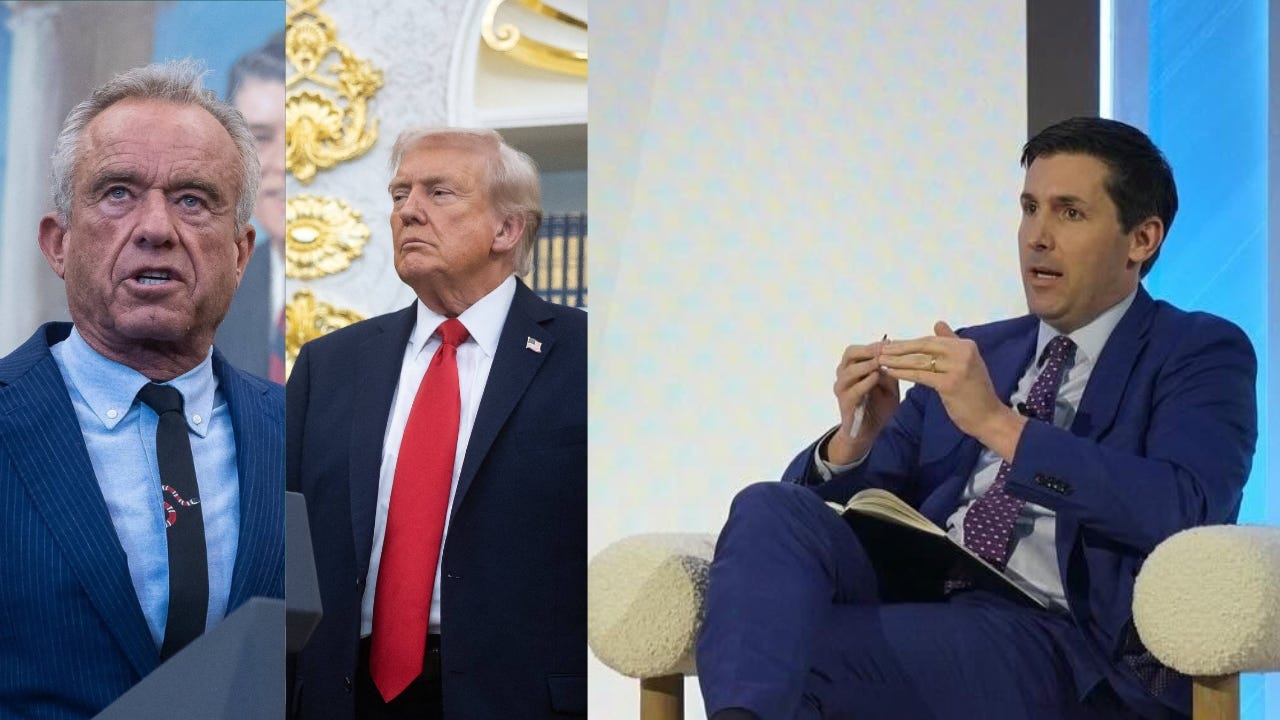
Means called Kennedy a “hero” with integrity and said Trump still had the time and the will to course-correct. He recommended that the president “clear his house” of the operatives he identified and expressed intuition that Trump was already moving in that direction. Means was right: on the same day as Means’ interview by Rogan was broadcast, the Wiles-to-Miller shift was announced.
Trump publicly praised Wiles’s service. The change followed Republican midterm losses that cost the party control of both chambers.
Looking ahead, Means argued the midterm setbacks stemmed in part from the administration appearing “discordant” from the 2024 campaign message on health, corruption, and the swamp. He maintained that popular, largely bipartisan issues—pesticide scrutiny, junk-food incentives in federal programs, and childhood metabolic disease rates such as 38 percent prediabetes among teens—remain politically potent if prioritized.
He also called for structural reform, limiting corporate money in politics – possibly through a simple constitutional amendment or a presidential mandate that withholds other legislation until Congress acts.
“Americans need to understand that if they’re being whipped and excited by policy promises through our existing structure, they are being duped and gaslighted and lied to,” Means said. “We need to have systemic reform.”
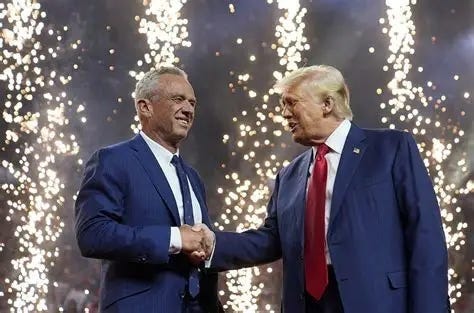
Means expressed cautious optimism that President Trump could still deliver a stronger second half of his second term by empowering reformers, confronting Congress, and aligning with anti-corruption voices across parties. “There’s still time for Trump to have a historic presidency,” Means said.
Kennedy has repeatedly reaffirmed his commitment to putting American health outcomes ahead of corporate influence and the MAHA movement retains a powerful cultural energy and has produced unprecedented policy shifts, shifts unheard of during any other administration.
Still, Means’ explosive, first-hand account of his time in the Trump administration underscores how institutional incentives and concentrated power can slow or redirect even high-priority agendas.
With Wiles out, and a post-midterm divided government, will MAHA priorities advance through executive action, state-level pressure, public accountability, or broader structural changes?
“I believe [the president] wants to empower Bobby more,” Means said. “I think he wants to empower the change makers in the administration more. That’s just my intuition . . . and I think that it would be a good thing.”
For his part, Kennedy wrote on X, he’s excited to work with the newly appointed chief of staff. “Next to me, Stephen Miller is the strongest MAHA supporter in the administration. It’s time to unleash the Kraken.”
I figure there are dems and independents who read here and I would hope that we could ALL agree that these corruptions/PAC/lobbying strangleholds that use massive control of all of our political parties need to go! How many of our elected officials on both sides of the aisle are bought by big money instead of representing those of us who sent them to D.C.? Anyone who didn't have a clue that this was going on wasn't paying attention. That's why, considering all the power & money going against MAHA, I've continued to be proud of Bobby Jr. He could've just said "forget it" but he has continued to fight for us against all of that hell. It's time indeed to unleash the Kraken.
He hit the nail on the read regarding the corruption in the White House derailing Trumps agenda