


On September 15, HHS Secretary Robert F. Kennedy Jr. addressed some of the nation’s key figures in the organic food sector at the Willard InterContinental Washington Hotel in Washington, D.C. Appearing on the second day of the Organic Trade Association’s annual Organic Week conference, the secretary participated in a question-and-answer session led by OTA Co-Chief Executive Officer Tom Chapman. The discussion highlighted the major strides underway to improve all aspects of U.S. food production.
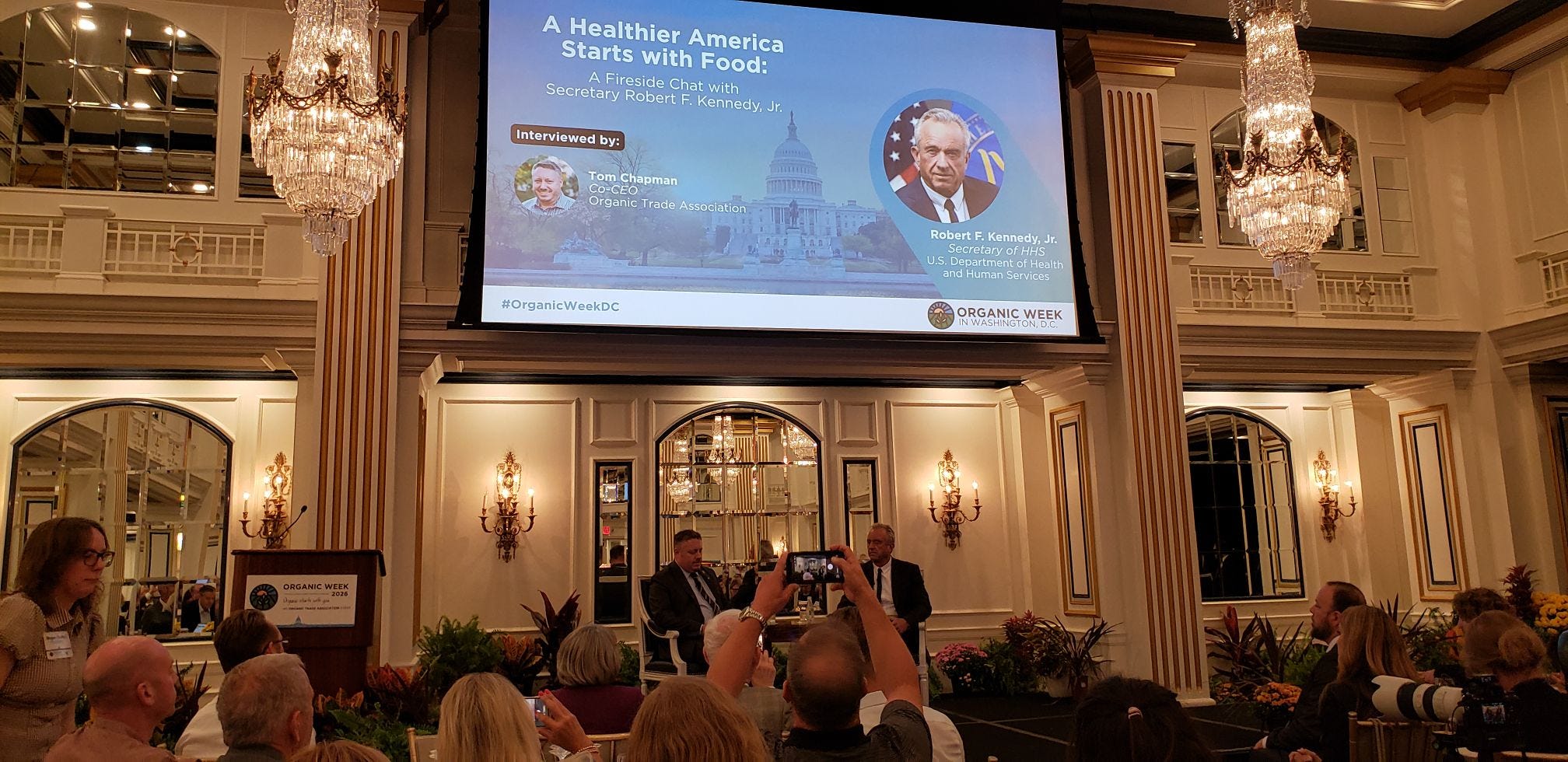
Committed to expanding organic food production and consumption, and to protecting the integrity of the organic brand, OTA connects organic food businesses from farmer to consumer, including growers, processors, retailers, certifiers, and others. The 2026 Organic Week Agenda included an array of speakers on topics relevant to the organic food supply chain, addressing many issues important to the MAHA base.
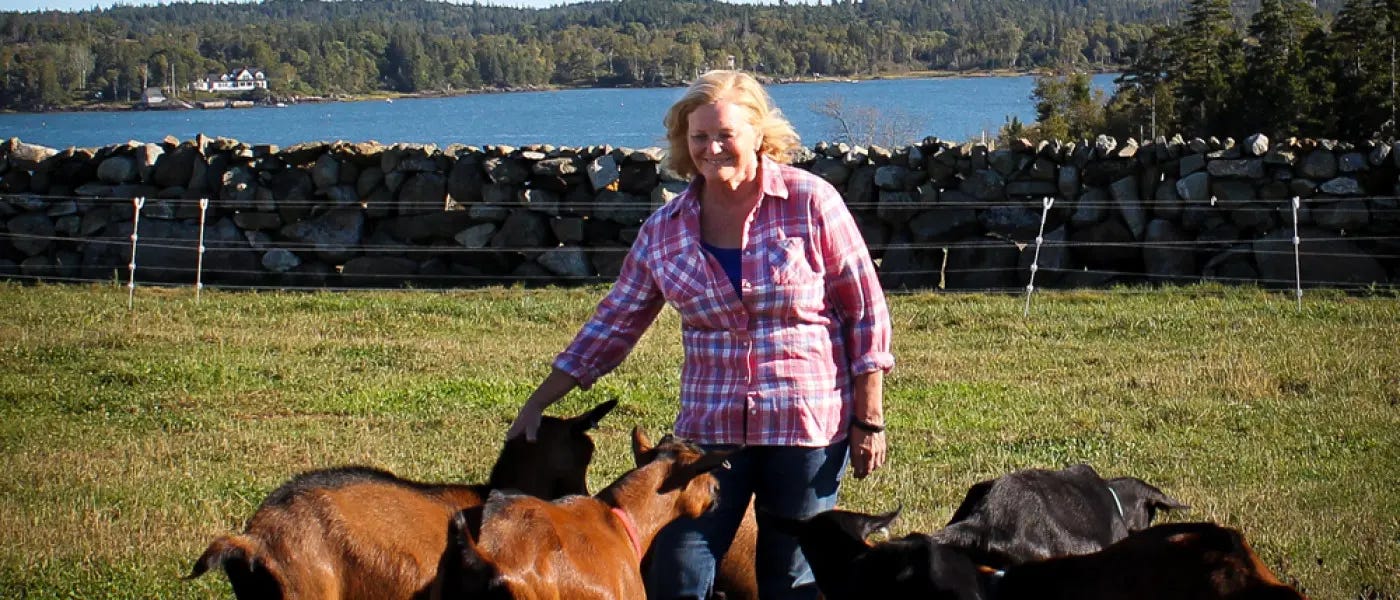
The first day of the conference surveyed themes including the historical growth of organic food demand, how to improve retail sales of organic foods, and the current challenges and needs of organic producers. Maine Democrat Congresswoman (and organic farmer) Chellie Pingree spoke for one session.
Day Two included discussions of important farming legislation (including the Farm Bill); research about Gen Z and Millennial food purchasing patterns; farmland access; and the proven health outcomes of organic diets. Various panels and speakers referenced the MAHA movement’s influence on Americans’ purchasing decisions, how it has contributed to growing demand for organic products, and whether the MAHA acronym will still resonate politically in five years.
At 3:00, Secretary Kennedy joined the standing-room-only crowd on stage for a session titled, “A Healthier America Starts with Food: A Fireside Chat with Secretary Robert F. Kennedy, Jr.” The iconic leader of the MAHA movement did not disappoint. He warmly welcomed Tom’s inquiries and made clear his support for increasing organic food production. At one point he said, “Every item of food in my home has an organic label on it!”
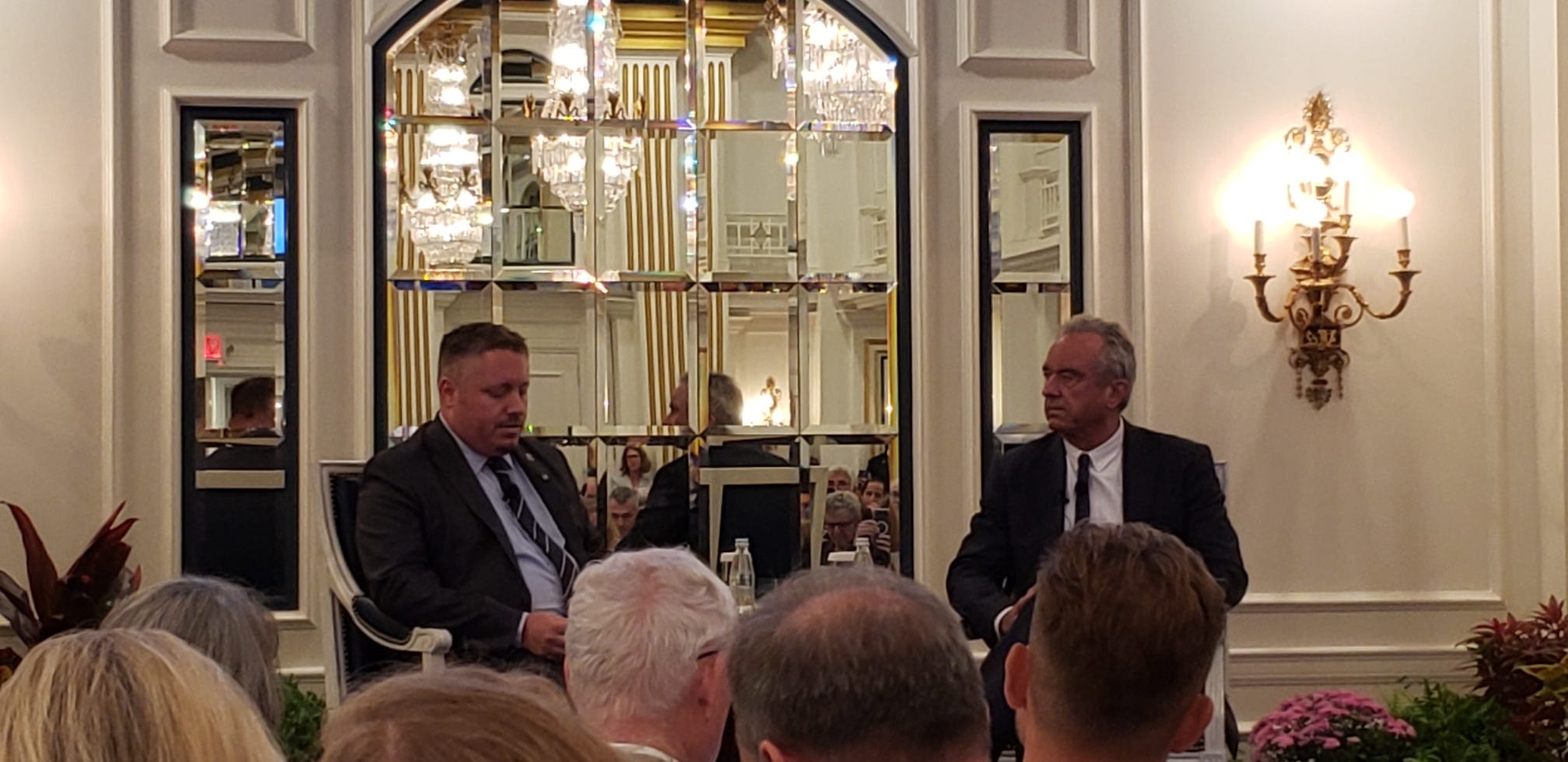
From the outset, Kennedy emphasized that the corporate media have focused tremendous resources to discuss measles and other infectious diseases, but not the chronic disease crisis impacting far more Americans. He recounted the distressing statistics for rates of obesity and diabetes in American youth, then pivoted to the myriad policy shifts he’s overseen in his brief tenure at HHS. These, he said, are beginning to reverse the depressing stats.
Under Secretary Kennedy, HHS is determined to make large and lasting change. Using the new U.S. dietary guidelines to influence federal policy, USDA updated retailer stocking standards in the Supplemental Nutrition Assistance Program (SNAP). The final rule was published May 7, 2026, and requires retailers (other than specialty stores) to stock at least seven varieties in each staple food category – dairy, grains, protein, and vegetables or fruits – on a continuous basis to participate in the SNAP system. The new rule also requires retailers offer at least one perishable variety in at least three of the four staple categories. Kennedy triumphantly reported to the OTA audience that over 100,000 grocery stores have implemented the new requirements.
Similar shifts have been implemented in school lunch programs, prisons, and hospitals. Kennedy was particularly enthusiastic about changes being witnessed in U.S. military diets. He praised military procurement specialist Robert Irvine for helping transform military meals into healthier MAHA options at a lower cost than the processed foods they replaced.
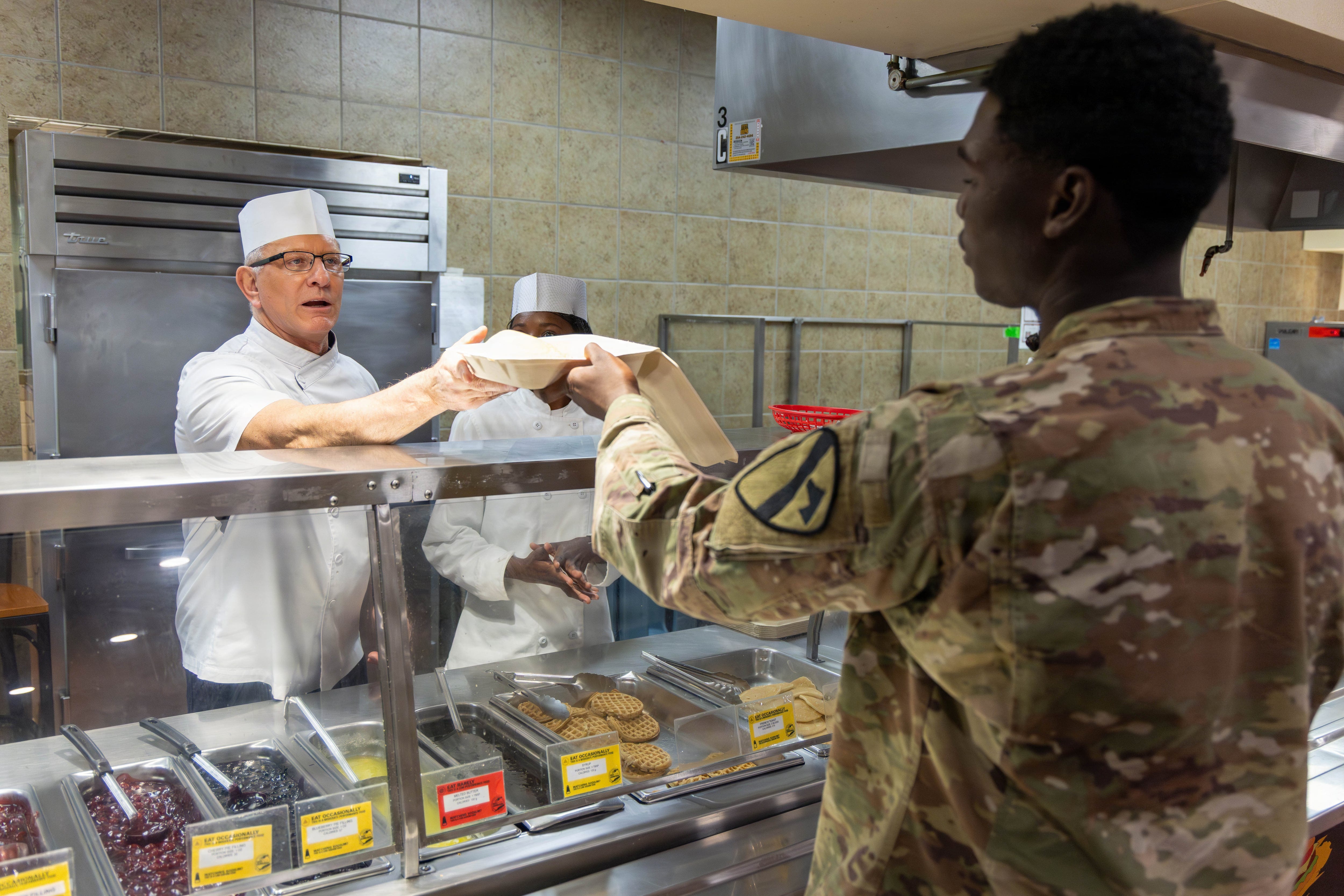
The secretary said that on bases where they implemented these improvements, soldiers who had routinely left base to eat at McDonald’s now prefer the new “bistros” Irvine helped create. Under Kennedy, HHS and its sub-agencies are committed to ensuring America’s defenders are as healthy as possible– reflecting the core MAHA philosophy that wholesome foods will enhance health and immune function. As Chef Irvine has observed, “Give someone a brand-new Mercedes and fill it with olive oil. It won’t go very far.”
Secretary Kennedy addressed hospital food with equal passion. “If you go to someone’s house and tell them the meal they serve you tastes like hospital food, it’s not meant to be a compliment,” he said. “We are changing hospital diets dramatically, learning from cooks like Geoffrey Zakarian.”
RFK Jr. summarized all of these transformative policy shifts as MAHA-inspired “changes to our dietary culture and addictions to processed foods” that are “training children’s palates to desire healthy food.” He dismissed partisan conflicts in this continuing MAHA mission, calling upon Americans to come together because “There’s no such thing as Republican or Democrat children.”
OTA’s Chapman wrapped up the presentation by thanking the secretary for his contribution not only to OTA’s Annual conference but also to the American organic food system by attending.
Shop our merch store to support the MAHA Report and the MAHA movement.
All proceeds go to supporting the cause.

A relative of mine was recently in the hospital and the food 'choices' were horrible. I ended up cooking my relative's meals and taking the meals in each day until he was able to leave there. Glad to read that hospital food choices are also being improved.
In Texas AG Paxton recently cracked down on Grocery stores spraying organic produce with chemicals to prolong freshness. Will HHS do something about this fraud nationwide?