


For more than two decades, Medicare has been legally barred from covering medications used solely for weight loss. On July 1, that era officially ends.
In one of the most significant Medicare policy reversals in modern history, the federal government will begin subsidizing GLP-1 weight-loss medications through a new initiative called the Medicare GLP-1 Bridge Program. Eligible beneficiaries will be able to access certain drugs, including Fundayo, Wegovy, and Zepbound, for $50 per month.
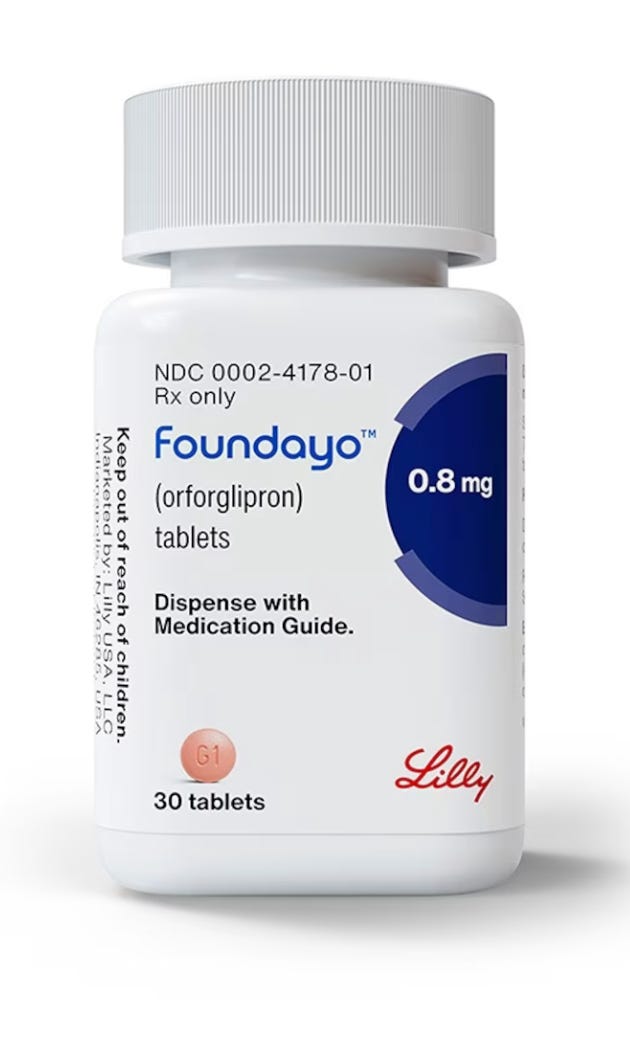
The shift marks a turning point in how the federal government views obesity and metabolic disease. Still, few pharmaceutical developments have generated as much excitement and controversy as has this new crop of GLP-1 medications.
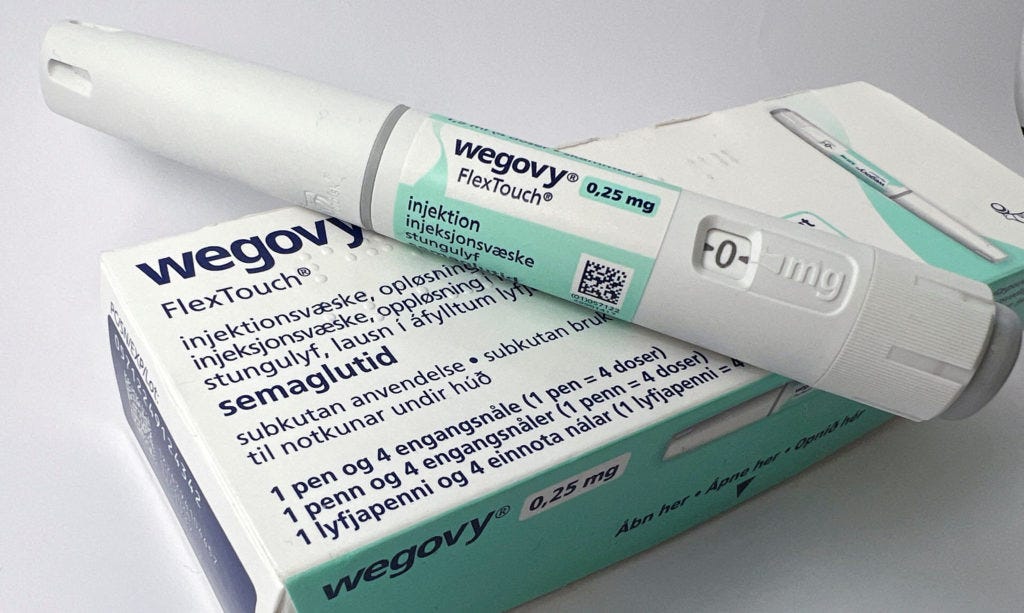
Historically, Medicare (offered to all Americans 65 and over) avoided weight-loss drug coverage largely because of safety concerns tied to earlier generations of weight-loss medications linked to heart attacks, strokes, and other cardiovascular complications. But the explosive rise of newer GLP-1 medications alongside soaring rates of obesity, diabetes, cardiovascular disease, and metabolic dysfunction has now pushed CMS to reconsider long-standing policy.
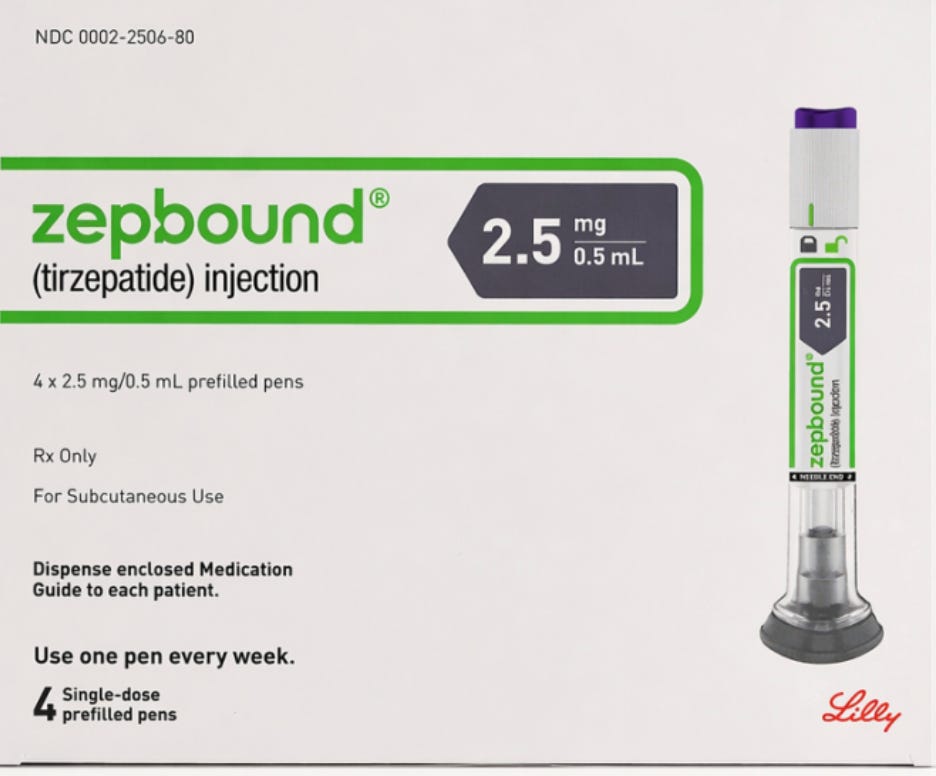
The implications are enormous.
For the first time, the federal government is effectively acknowledging obesity and metabolic dysfunction (i.e., blood sugar imbalance and insulin resistance) as chronic diseases serious enough to warrant large-scale pharmaceutical intervention in older adults. At the same time, the policy underscores a deeper and more uncomfortable reality: America’s metabolic health crisis has become so severe that Medicare is now preparing to subsidize appetite-regulating medications for millions of seniors.
What Exactly Is the Medicare GLP-1 Bridge Program?
The Bridge Program is a temporary federal demonstration project created by CMS ahead of a larger future initiative called the BALANCE (Better Approaches to Lifestyle and Nutrition for Comprehensive Health) Model.
CMS first announced the initiative on December 23, 2025. The program officially launches nationwide on July 1 and has now been extended through December 31, 2027, after delays to the broader BALANCE rollout.
According to CMS, the federal government created the program using demonstration authority under the Social Security Act to test whether expanded GLP-1 access could improve health outcomes and reduce long-term Medicare costs associated with obesity and metabolic disease.
Dr. Oz, the CMS administrator, has framed the program as part of a broader strategy around metabolic health and chronic disease prevention.
“The program aims to increase access to select GLP-1 medications and support for healthy lifestyle choices,” Oz said following the announcement.
Unlike many commercial weight-loss programs that focus almost exclusively on medication access, the Bridge initiative explicitly requires lifestyle counseling to be documented as part of the medication approval process.
Separately, Medicare will begin reimbursing clinicians for formal physical activity and nutrition assessments in 2026. That policy change may ultimately connect directly with the Bridge/BALANCE strategy.
At this stage, CMS has not yet clarified how intensive the lifestyle counseling must be, whether registered dietitians or health coaches will be required, whether exercise programs will be mandated, whether patients must demonstrate dietary changes to continue therapy, or how outcomes will be tracked over the long term.
Importantly, CMS is not positioning the Medicare GLP-1 Bridge as a medication-only program. Federal materials repeatedly link GLP-1 access to diet and lifestyle interventions, signaling that policymakers increasingly recognize that obesity cannot be solved through pharmaceuticals alone.
How the Program Works
Eligible beneficiaries enrolled in Medicare Part D standalone plans or Medicare Advantage prescription drug plans may qualify for the program if they meet the body mass index (BMI) and health condition criteria.
Patients qualify under one of three tiers:
Tier 1:
Adults with a BMI of 35 or greater. No additional condition required.
Tier 2:
Adults with a BMI of 30 or greater plus at least one qualifying condition, including uncontrolled high blood pressure, chronic kidney disease stage 3a or higher, or heart failure with preserved ejection fraction.
Tier 3:
Adults with a BMI of 27 or greater plus prediabetes, prior heart attack, prior stroke, or symptomatic peripheral artery disease.
An interesting nuance of this program is that healthcare providers must submit prior authorization requests directly to the CMS-selected central processor (Humana), rather than to the patient’s Part D insurance plan, because the Medicare drug plans themselves are not financially responsible for these prescriptions under the Bridge model.

The MAHA Tension Around GLP-1s
GLP-1 drugs clearly work for many patients. Beyond weight loss, studies increasingly suggest potential benefits involving insulin resistance, cardiovascular disease, fatty liver disease, inflammation, sleep apnea, and addictive behaviors.
But the medications alone cannot solve the underlying health crisis causing America’s obesity epidemic.
America did not become metabolically unhealthy overnight. Over the past half-century, the country experienced a profound transformation in food manufacturing, physical activity, sleep patterns, chronic stress, environmental chemical exposure, and ultra-processed food consumption.
Today, roughly 4 in 10 American adults meet the clinical definition of obesity, while nearly 1 in 10 suffer from severe obesity.
Ultra-processed foods now comprise 60% or more of calories on average in the standard American diet, while rates of obesity and chronic disease have risen across virtually every age group.
In many ways, the Medicare Bridge Program represents an acknowledgment that the downstream consequences of systemic failures have become too expensive both financially and biologically to ignore.
For some patients, GLP-1s may become an important tool that helps provide a “bridge” to reduce appetite, stabilize blood sugar, and stop weight gain.
Muscle and Bone Health, Essential to Longevity

As Medicare expands access to GLP-1 medications, it is important to consider that weight loss is not always synonymous with healthy aging, especially among adults over 65. While these drugs may produce meaningful improvements in weight, blood sugar, and cardiovascular risk, emerging evidence suggests that without adequate nutrition and strength-based activity, 25-40% of the weight loss could come from lean mass, including muscle and bone.
That concern is particularly relevant in older adults, who are already vulnerable to age-related muscle loss that contributes to falls, frailty, disability, and loss of independence. Research shows adults naturally lose approximately 3 to 8 percent of muscle mass per decade after age 30, with the rate accelerating after age 60. At the same time, nearly half of adults over 65 already have low bone mass or osteoporosis, dramatically increasing fracture risk. Hip fractures in older adults are especially devastating, with studies showing mortality rates approaching 20 to 30 percent within one year following a fracture.
A 2024 randomized clinical trial found that patients treated with Saxenda (liraglutide) alone experienced reductions in bone mineral density, while participants who combined GLP-1 therapy with exercise were better able to preserve bone health during weight loss. More recently, a 2026 orthopedic analysis reported a higher long-term risk of osteoporosis, gout, and osteomalacia (softening of the bones) in adults with Type 2 diabetes and obesity who were GLP-1 users over a five-year period compared with non-users.
This is why it is important for clinicians and CMS to emphasize that these medications work best when lifestyle interventions accompany them, not follow them. For older adults, adequate protein intake, resistance training, balance work, and the preservation of muscle and bone health may prove more important than the number on the scale. Otherwise, there is a risk that rapid weight loss without lifestyle change could unintentionally trade one health crisis for another: thinner bodies, but weaker bones, less muscle, and greater frailty.

A Nation at a Crossroads
The launch of Medicare-funded GLP-1 access may ultimately become one of the defining healthcare policy moments of this decade.
On one hand, the program has the potential to improve the quality of life and reduce obesity-related complications for millions of Americans struggling with severe metabolic disease, diabetes, cardiovascular disease, and physical decline. For many patients, these medications may finally provide enough reduction in appetite dysregulation and “food noise” to make sustainable lifestyle changes feel achievable for the first time in years.
On the other hand, the policy forces the nation to confront a far more uncomfortable question: how did America reach the point where lifelong appetite-regulating medications are necessary for normal metabolic function?
CMS has not yet disclosed the total projected federal cost of the Medicare GLP-1 Bridge Program. But with negotiated drug prices at $245 per month and potentially millions of eligible beneficiaries, healthcare analysts warn that widespread Medicare coverage of weight-loss medications could eventually carry a price tag in the tens of billions of dollars. That makes the stakes extraordinarily high. The long-term success of the program will likely depend not simply on weight loss itself, but on whether GLP-1 therapy meaningfully reduces chronic disease, hospitalizations, disability, cardiovascular events, and overall healthcare spending.
From a MAHA perspective, this moment has the potential to catalyze a broader rethinking of how America approaches chronic disease, shifting healthcare incentives upstream toward prevention and reducing the environmental and ultra-processed foods that contribute to obesity in the first place.
The Medicare GLP-1 Bridge Program may temporarily bridge a coverage gap, but it also highlights the magnitude of the metabolic crisis now confronting the nation. For many Americans, these medications may become an important tool that helps create the physiological space to build healthier habits. But medications alone cannot fix our food system or address the environments that we live in and the chemicals we are exposed to day in and day out.
What makes this policy remarkable is not simply that CMS is covering weight-loss medications for the first time: It is that CMS is now acknowledging a reality that much of modern healthcare has struggled to confront: chronic disease prevention can no longer remain secondary to chronic disease management. By pairing GLP-1 access with lifestyle intervention and metabolic health support, CMS is signaling a potentially historic shift toward a more prevention-oriented model of care, one that recognizes the true cost of obesity is not measured in pounds, but in heart disease, disability, diabetes, lost vitality, and diminished quality of life for millions of Americans.
America may be entering the GLP-1 era. But the larger opportunity now is far bigger than a single class of medications. It is the chance to finally build a healthcare system that values metabolic health before disease develops, invests in prevention before complications arise, and begins to address the root causes that have fueled one of the greatest chronic disease crises in modern history.
Related Stories:


Another way to kill off seniors and enrich pharma. Lord have mercy. WEFers are rejoicing.
These GLP drugs are NOT good! I have diabetes and my dr prescribed them to me. In 4 months my Pancrease no longer makes enzymes to absorb vitamins from food. DO NOT TAKE IT! For your health. The Pig Enzymes I have to take cost me 4k a month now. Please, I BEG you - DO NOT DO IT! 💯