


Since its inception, the MAHA movement has focused on the chronic disease epidemic caused by highly processed foods deficient in essential nutrients. Updating the nation’s food pyramid and fighting against using food additives were long overdue improvements to Americans’ nutrition, but procuring healthier food for the nation’s grocery stores, school cafeterias and hospitals also requires dramatic shifts in agricultural production methods.
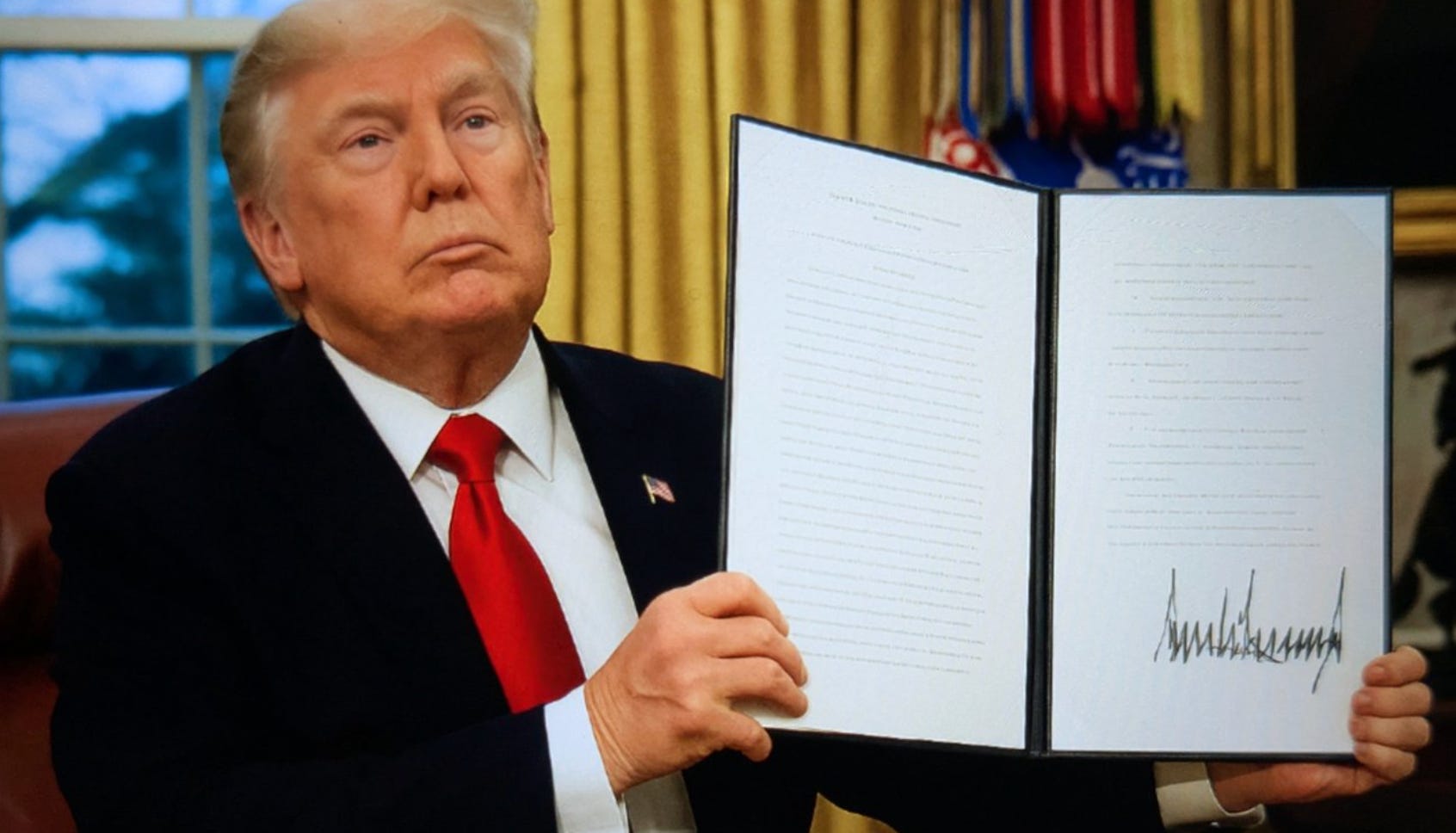
On June 25, President Trump issued a broad executive order, Advancing Regenerative Agriculture and Strengthening American Farm Resilience, to support that transition.
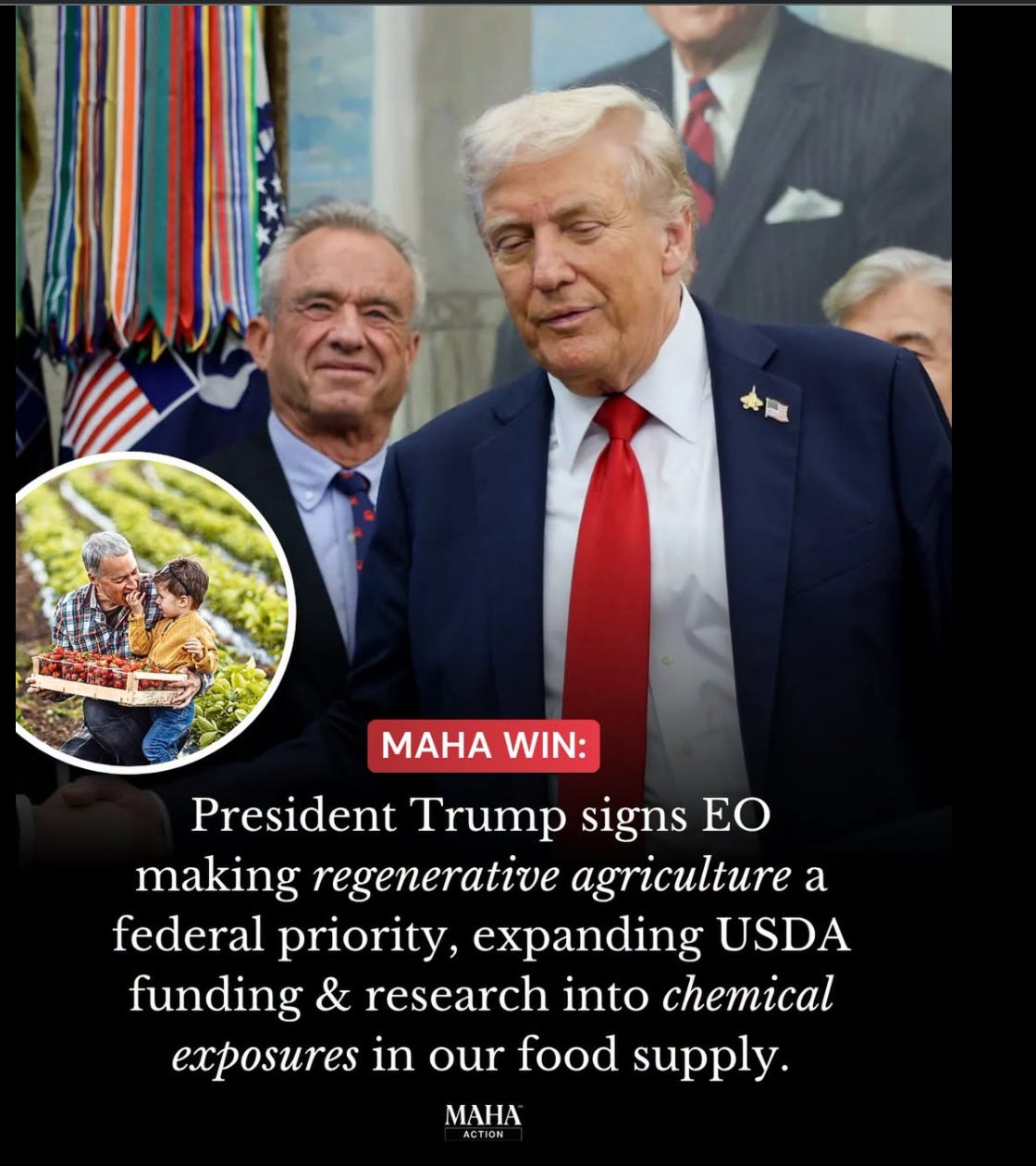
Tensions between organic farming methods and conventional, often chemical-dependent farming practices create friction between farming communities and consumer groups. Some activists demand clean, organic foods immediately, while others want affordable food and are not concerned about possible chemical residues. The president’s effort to reduce chemical contamination by supporting regenerative practices hit a nerve among the former group, who want the president to do more to eliminate chemical use.
One concern is with the use of the term “regenerative.” Large producers and corporations often co-opt labels such as “organic,” “GMO-free,” and “sustainable” by applying them to products or practices that are not beneficial. This weakens consumer trust, undercutting profitability for organic producers and rewarding bad actors.
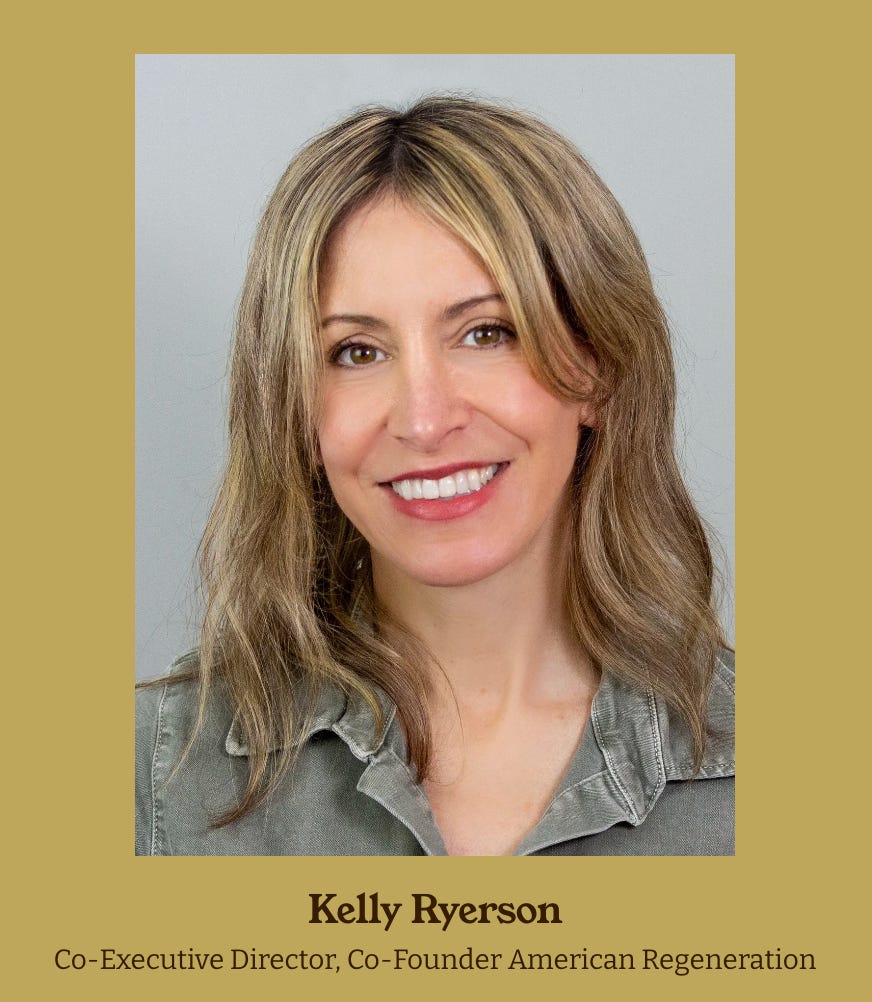
However, many regenerative farming advocates applauded Trump’s executive order. Kelly Ryerson, of American Regeneration, stated, “The administration’s new mandate to prioritize resources and attention to regenerative agriculture is a refreshing and much-needed commitment to provide our struggling farmers with a viable offramp from the chemical treadmill that keeps them mired in debt.”
Ryerson continued, “HHS spotlighting the connection between soil health, farming practices, and human health is exactly the work that will expedite relief from our chronic disease epidemic.”
Most organic producers understand that, short of a purist agricultural system in which all farms are organic, large conventional farms must be incentivized to use fewer polluting methods where possible, which means implementing what can only be called “regenerative” practices. U.S. agriculture has been pressured to adopt industrial methodology and rapid consolidation for decades, resulting in a system that depletes soils, water resources, and nutrients.
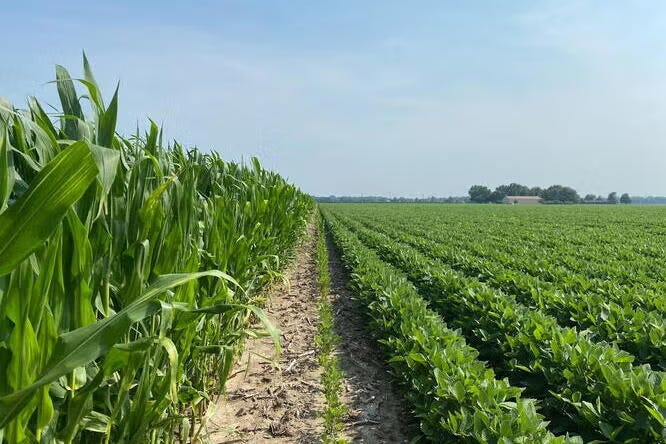
Such methods include the production of a massive amount of genetically modified corn and soy every year, used in animal feed and fuel production. These crops are not transitioning to organic overnight, and rely on routine applications of pesticides and synthetic fertilizers. The June 25 executive order does not aim to convert all U.S. farmland to organic production rapidly, but rather to reduce the amount of chemicals used in existing industrial systems. Following decades of federal subsidies and regulations that pressured farmers to invest in chemical applications, the Trump administration is implementing unprecedented steps to reverse that trend.
The EO also specifically calls for research into the potential adverse health impacts of cumulative chemical residue exposures, the development of less toxic alternative chemical products to replace current agricultural chemicals, and a long-overdue study of the impacts of glyphosate and other chemicals used as pre-harvest desiccants. This information can serve as the foundation for future reductions in chemical applications to Americans’ food and ethanol supplies.
Announcing interagency plans to boost regenerative farming, Health and Human Services Secretary Robert F. Kennedy Jr. explained: “The quality of our food begins with the way we grow it, and that’s why America’s farmers are essential partners to this mission. At HHS, … through the Advanced Research Projects for Health, we’re investing in new technologies that can reduce reliance on chemical crop protection tools while improving human health.”
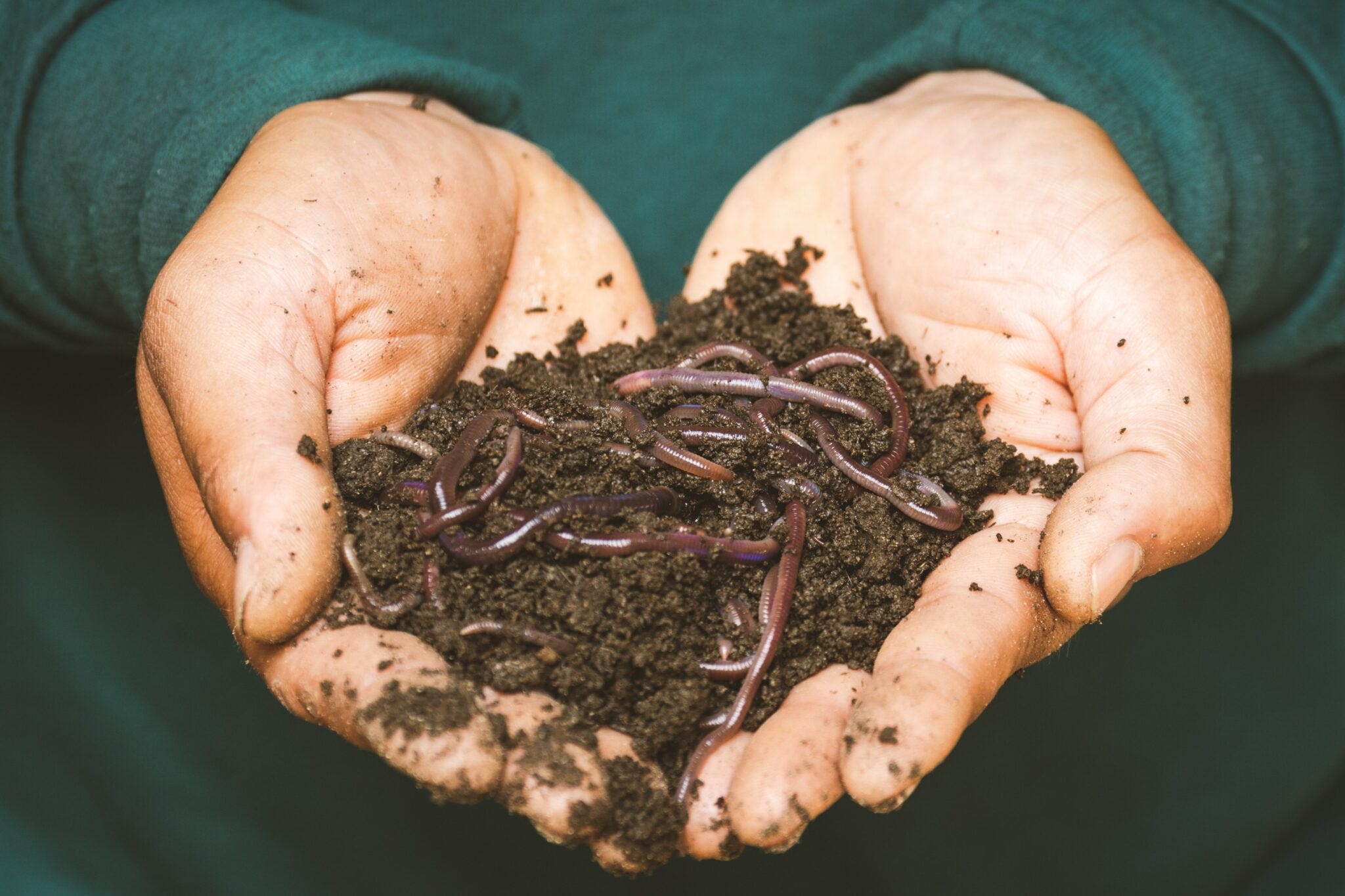
Conventional farmers are learning that new technologies allow them to reduce (but not eliminate) expensive chemical applications while increasing yields using regenerative practices such as reduced tilling, cover cropping, rotational grazing, and intercropping. This is a dynamic shift in crop management that is less harmful to soils and uses fewer chemical inputs.
No, President Trump’s E.O does not convert the U.S. agricultural system to organic production, as many Americans wish the nation would do. Yet a major transition of that degree would send economic shocks throughout farming communities and into grocery store shelves. American farming shifted to chemical dependency over many decades; it will not revert to clean soils and zero chemicals overnight.
Some Americans abhor President Trump so greatly, or fantasize so forcefully that the U.S. farming system will transform overnight, that they fail to acknowledge that no president has ever done anything remotely like issue an executive order marshaling federal funds and agency resources to galvanize action to reduce chemical use and incentivize the nation’s crop farmers to use fewer chemicals in production. This is the most sensible and cost-effective way to begin reversing the folly of routinely dousing American farmland with chemicals whose effects are insufficiently studied and understood.
Improving soil health and reducing chemical exposures fits the MAHA policy agenda. U.S. Department of Agriculture Secretary Brooke Rollins praised America’s farmers, saying, “All the work on dietary guidelines, and better health in foods, and better health in America’s diets, all of the make America healthy again effort is about putting our farmers and ranchers and real food back at the center of what we’re doing here in Washington.”
Yes, the nation has a long way to go to learn how to better steward its soils. But new technologies permit aerial observation to reduce chemical applications and study soil health. Other advances can break down existing chemical pollution, develop less harmful alternatives, and educate farmers in how to apply these emerging technologies. The federal government is paying American farmers to learn and to change practices. These policies simultaneously boost rural farming economies, protect vital water supplies, and reduce soil erosion and chemical pollution.
As an organic farmer (and diner), I want to see America’s farming systems transition to holistic, healthy soil and land stewardship. But to do so, Americans must not view their crop farmers as villains to be vanquished, but as allies and neighbors to be recruited.
In my 2023 book, Small Farm Republic, I advocate for diverting some of the massive crop insurance and other federal subsidies to support regenerative practices. President Trump’s latest executive order takes meaningful steps in that direction – providing much-needed economic relief to farmers while incentivizing agricultural practices that help move the nation toward a cleaner environment and food supply.
Shop our merch store to support the MAHA Report and the MAHA movement.
All proceeds go to supporting the cause.

GET THE DRUG COMMERCIALS OFF THE TV NOW
THIS IS LOW HANGING FRUIT
STOP THE PUSHING OF DRUGS
PATIENTS ARE NOT THE ONES TO TELL THEIR DOCTORS WHAT DRUGS THEY WANT. SPEND THE MONEY ON LOWERING COSTS INSTEAD OF SPENDING THE MONEY ON COMMERCIALS
END THEM NOW. PLEASE. 🙏
Thank you for your attention to this matter
🙏🇺🇸
I support and applaud MAHA's efforts and would like to recommend updating and making available online to all readers two books I recently discovered:
1. Drug-Induced Nutrient Depletion Handbook published by Lexi-Comp's Clinical Reference Library (last published in 2001)
2. Drug Induced Diseases by Tisdale and Miller published by the American Society of Health System Products.
I suspect pharma has made many negative contributions to the current very poor state of health in the US and elsewhere. Let's eliminate those causes wherever possible.