


“Cotton is natural, breathable, biodegradable, and proudly grown by American farmers, not manufactured from petroleum-based plastics that can shed microplastics into our soil, water, and bodies.” – Brooke Rollins, U.S. Secretary of Agriculture
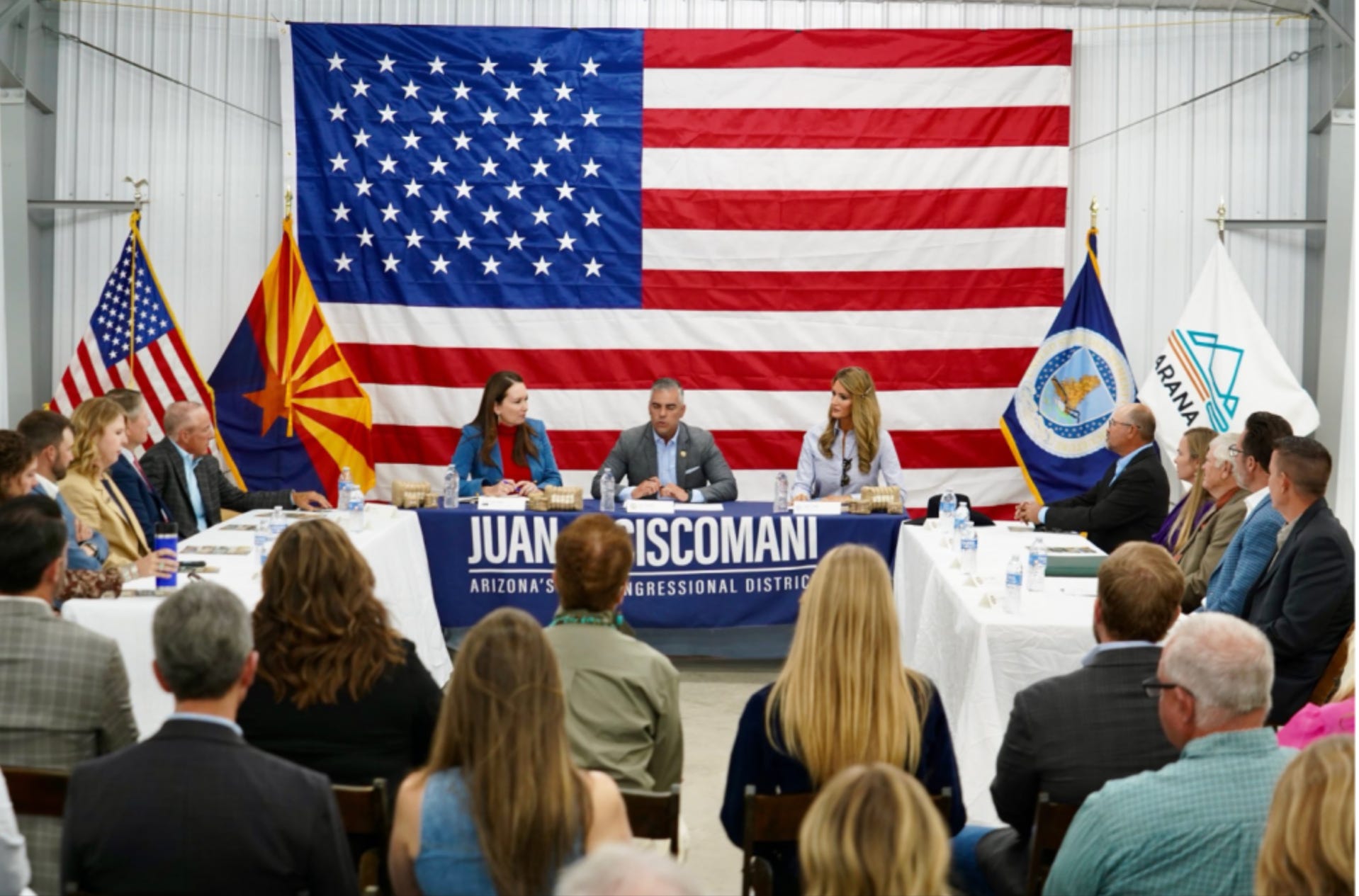
With those words delivered on May 28, Rollins launched the Great American Cotton Plan from a farm in Marana, Arizona, joined by Small Business Administration Administrator Kelly Loeffler and Congressman Juan Ciscomani.
The plan is being framed in the press as agriculture policy, but there’s a broader story that connects to the MAHA movement and its war on microplastics.
The Great American Cotton Plan is a four-pillar USDA initiative built to revitalize a struggling American cotton industry, restore domestic textile manufacturing, expand cotton exports, and shift American consumers away from petroleum-based synthetic fabrics back to natural fibers grown on American soil.
What makes this plan distinct from past agricultural initiatives is that USDA is not running it alone but rather in partnership with HHS. There Secretary Robert F. Kennedy Jr. is co-architect of the plan’s consumer-facing centerpiece, the “Plant Not Plastic” campaign.
A Coordinated MAHA Strategy
The partnership between USDA and HHS marks one of the clearest examples to date of the type of cross-agency coordination the MAHA movement has called for since its inception. Earlier this year, the MAHA Commission released a report suggesting multi-agency research into the human health risks of microplastics and synthetic textiles. The Great American Cotton Plan turns that recommendation into action.
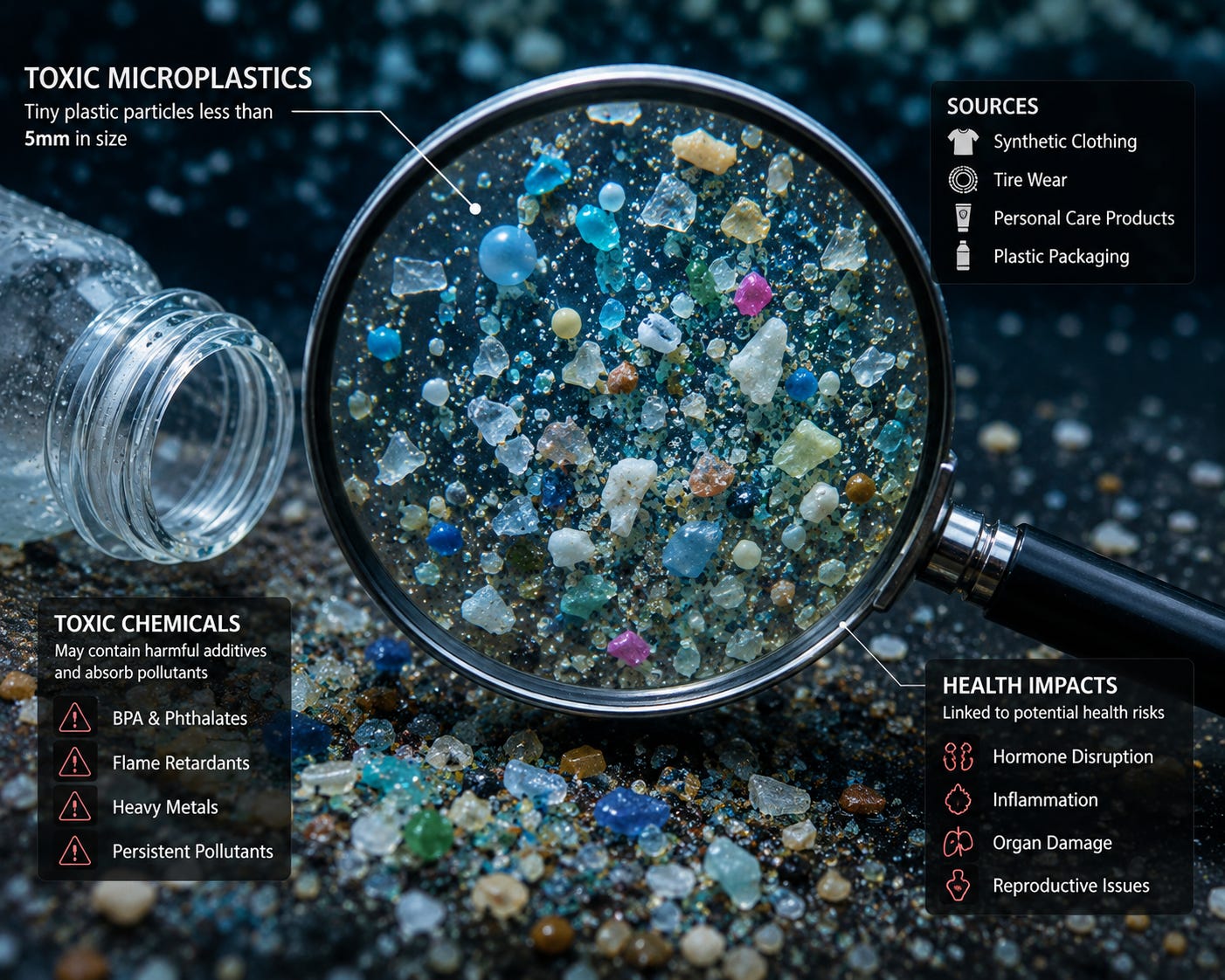
In April, alongside EPA Administrator Lee Zeldin, Kennedy announced STOMP, the Systematic Targeting of Microplastics initiative, a $144 million HHS program administered through the Advanced Research Projects Agency for Health.
STOMP is structured in three phases: Develop standardized, affordable clinical tests to detect and quantify microplastics in humans; map and identify the types of plastic particles that drive specific health risks; and develop targeted strategies to remove microplastics from the body and prevent further accumulation.
Cotton and American Health
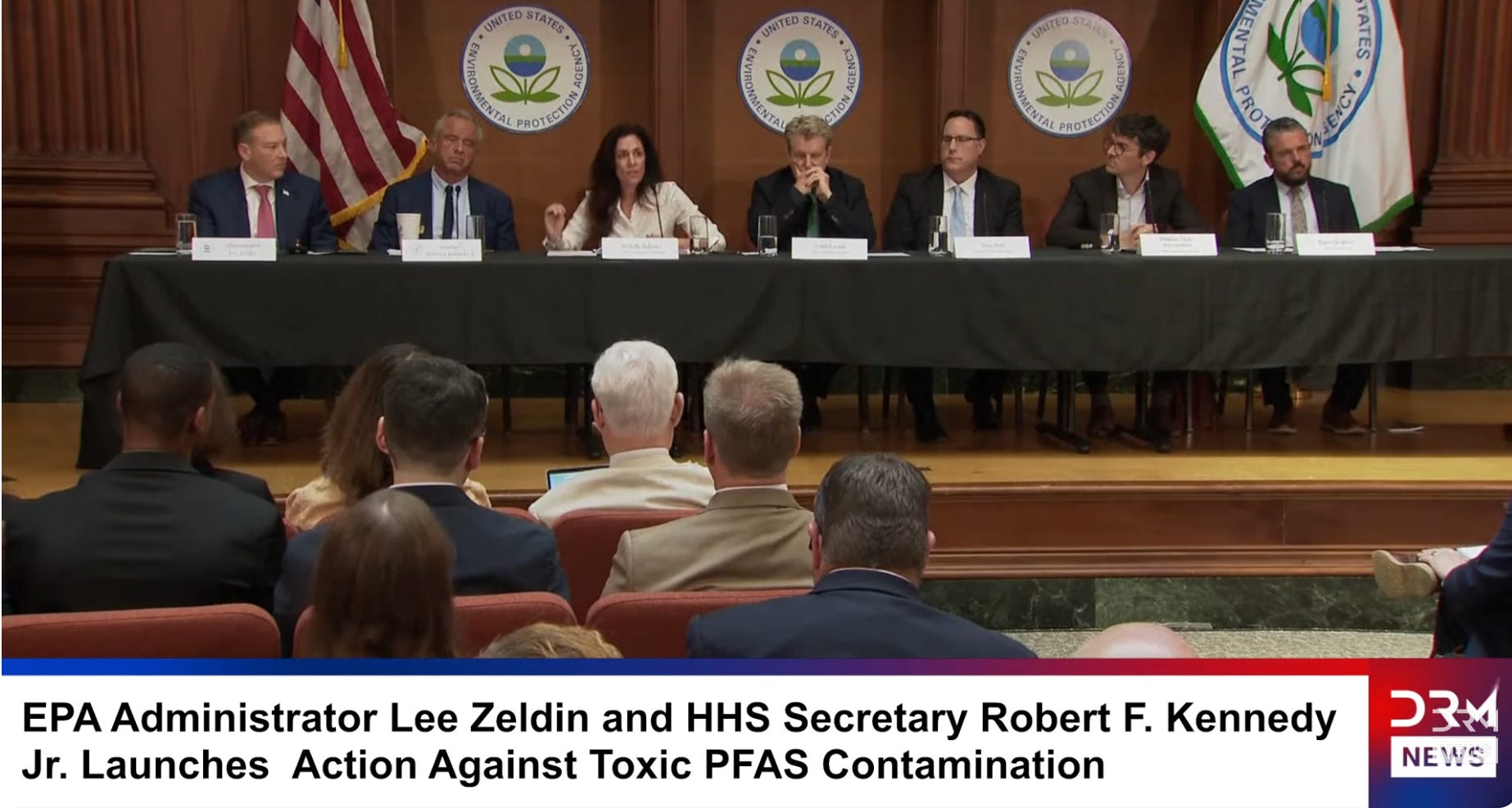
Nearly 70% of the world’s textile fibers are now synthetic, according to USDA. Polyester, nylon, acrylic, and spandex contain petroleum-based plastics. These plastic products are woven into clothing, bedding, towels, upholstery, carpet, and athletic wear, shedding microplastic fibers with every wear and every wash. Those fibers can embed in our skin and are absorbed into the bloodstream and organs.
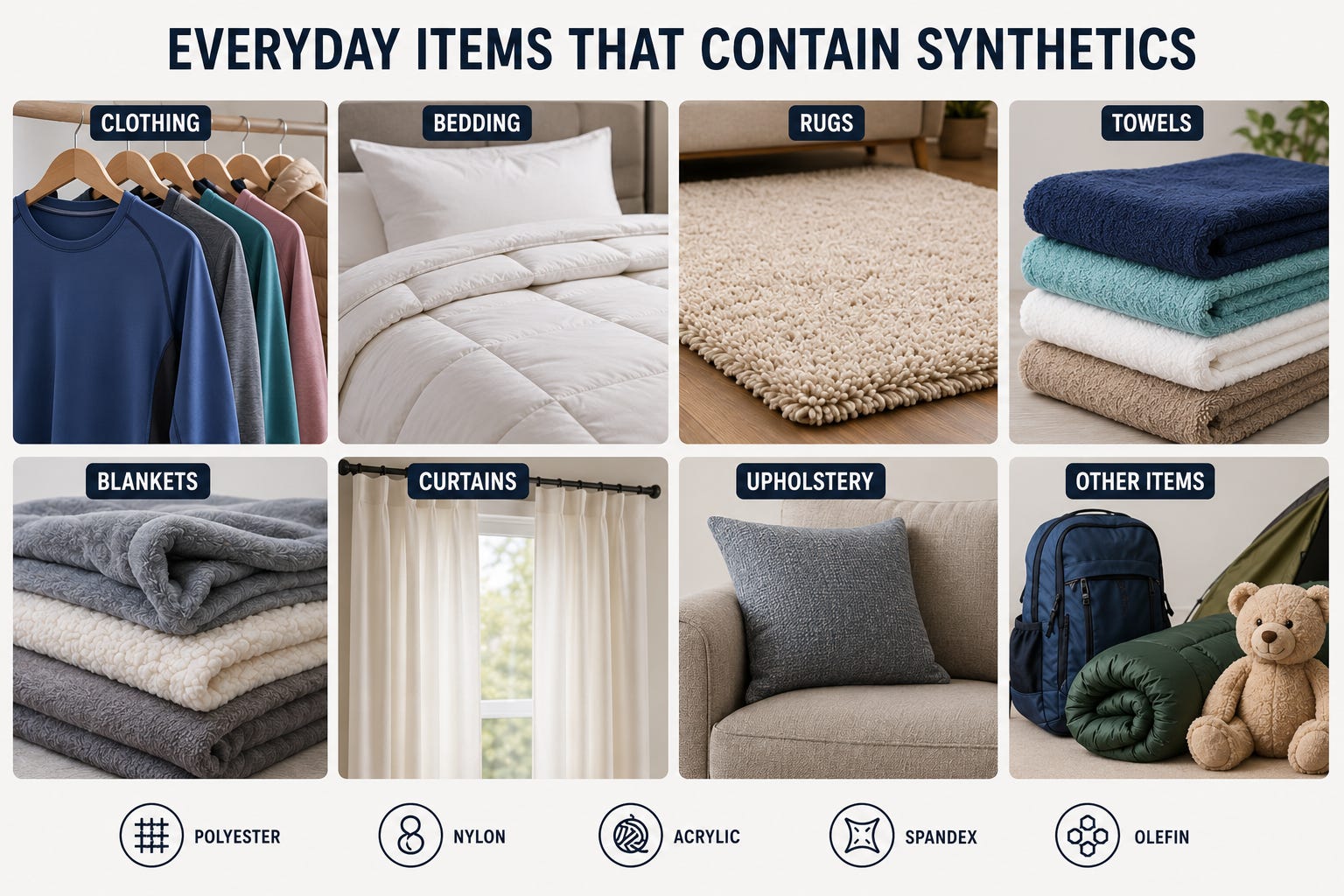
Plastic fibers also drift through the air, settle into waterways and soil, and work their way into the food chain. These fibers end up in the plants we eat, including root vegetables like carrots, and in the meat, poultry, and fish on our plates.
They also carry chemical loads that include PFAS forever chemicals in stain and water-resistant treatments, formaldehyde in wrinkle-resistant finishes, and antimony, a heavy metal catalyst used in roughly 90% of polyester production that has been linked to cardiovascular toxicity, liver damage, and is classified as a possible human carcinogen.
The accumulated toxic load is now measurable in the human body. Plastic particles have been documented in human blood, lungs, placenta, breast milk, testicles, and brain tissue. As Kennedy warned earlier this year, “Microplastics are everywhere. In our water, our soil, our food, even our organs.”
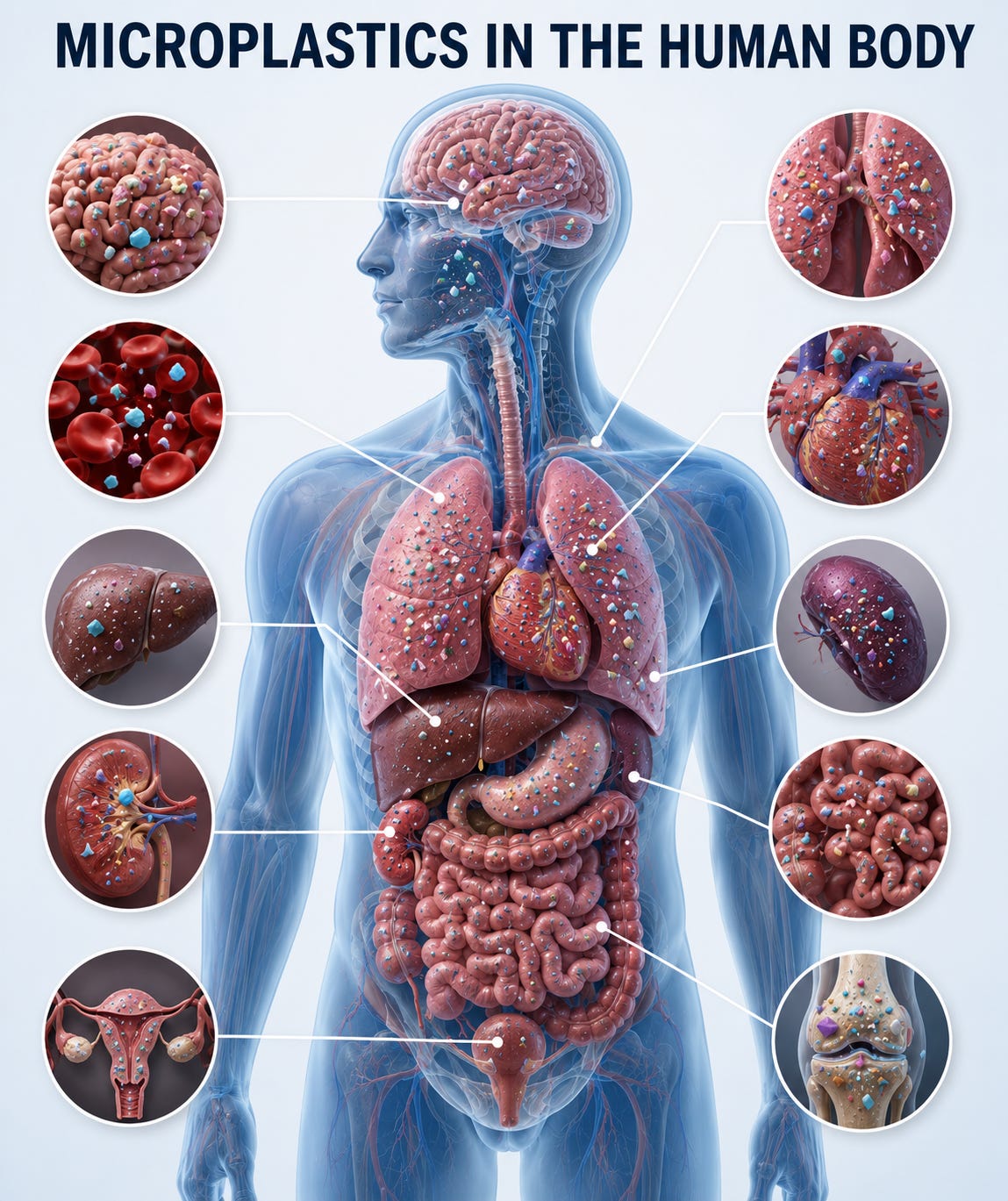
Emerging research connects microplastic exposure to inflammation, oxidative stress, endocrine disruption, fertility decline, and an increased risk of heart attack, stroke, and neurodegenerative disease. The most common source of exposure is also the most overlooked. The shirt against your skin for 16 hours a day. The workout clothes that trap sweat and heat. The sheets you sleep on every night. The pajamas on a child. Together, these daily exposures are 24 hours a day, year after year
Orchestrating a Cotton Turnaround
American-grown cotton now accounts for only 4 million of the 20 million bales consumed in the United States. The collapse stretches from farm to factory. The number of U.S. cotton gins has fallen from 2,254 in 1980 to just 446 today, and domestic textile manufacturing has contracted sharply over the last two decades.
American cotton producers are entering their fifth consecutive year of negative returns, with USDA forecasting losses of approximately $2.6 billion across 9 million planted acres in the upcoming crop year.

In 2023, the United States lost its position as the world’s top cotton exporter to Brazil for the first time in decades, a symbolic blow to an industry that helped build the American economy. American cotton still flows to textile mills in China, Vietnam, Pakistan, and Bangladesh, but most of it is returned to American stores as synthetic-blend clothing with minimal cotton content.
The Great American Cotton Plan addresses the need to reboot the American cotton industry through four coordinated pillars. The first promotes domestic cotton through the USDA-HHS “Plant Not Plastic” campaign. A second restores domestic textile manufacturing by increasing federal payments to American mills that process U.S.-grown cotton and expanding USDA loan programs for cotton processors and manufacturers. The third pillar opens new trade deals to expand American cotton exports into growing global markets. And the fourth pillar supports cotton farmers directly through stronger federal price guarantees and expanded crop insurance and research.
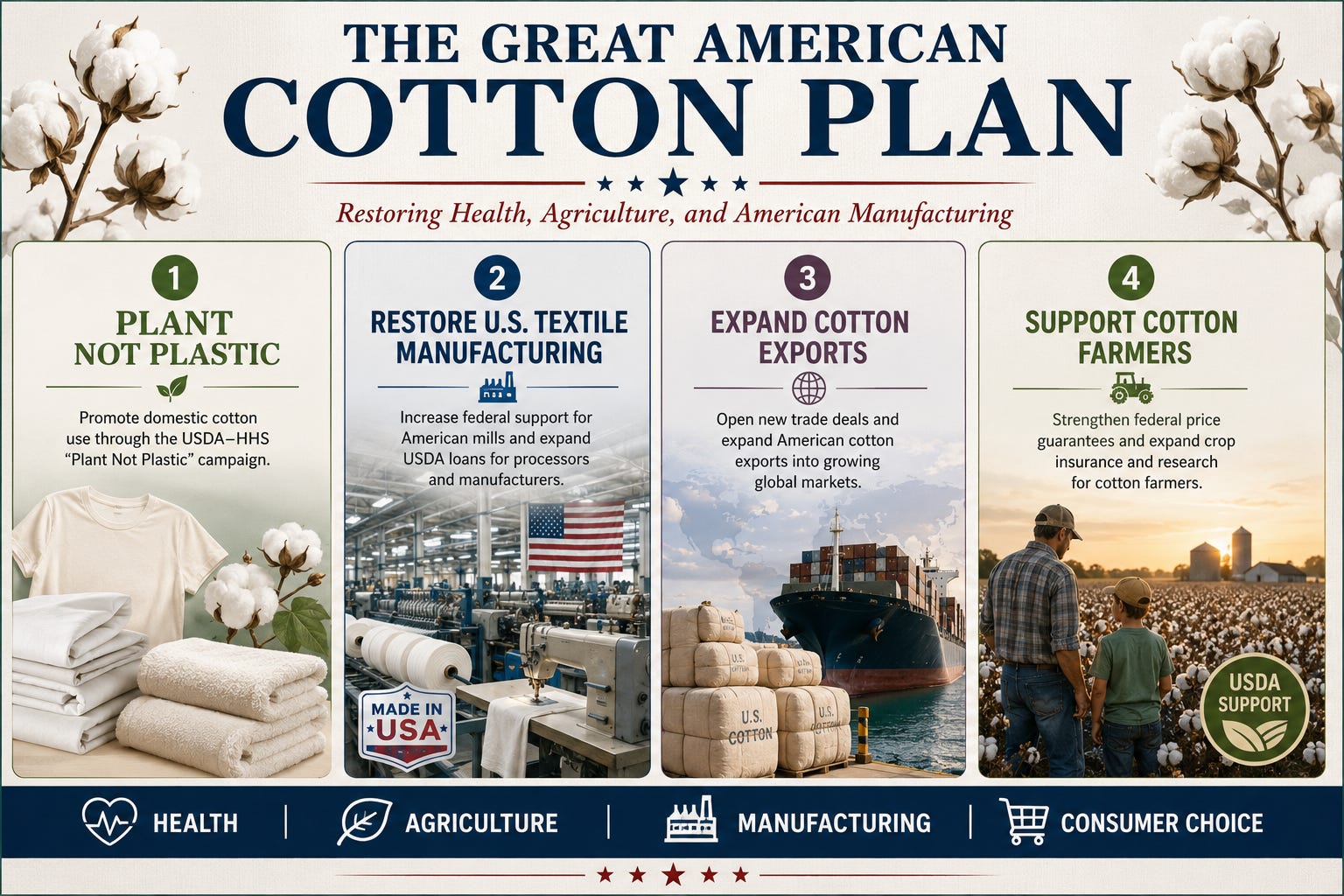
The Great American Cotton Plan is one of the most coherent MAHA-inspired policy initiatives to emerge from the new administration. It links agriculture, manufacturing, public health, and consumer choice into a single coordinated effort, with two cabinet secretaries from different departments working from a shared health framework.
The cotton industry itself has welcomed the shift. National Cotton Council Chairman Patrick Johnson said the industry is “optimistic about the potential to further underscore the inherent benefits of natural fibers in the items in our daily lives, such as clothing and bedsheets.”
Millions of Americans have grown wary of microplastics, PFAS, and the chemical load of modern life. The Great American Cotton Plan addresses these concerns while extending the MAHA agenda into textiles by buttressing the cotton industry and thereby opening a new front in the war on microplastics.

Just find a way to grow it without dousing it in poisonous chemicals…
We all need to push to move the industry away from GMO/poison to regenerative / organic, otherwise, this move to cotton decreases microplastic exposure by increasing pesticide exposure. https://www.organic-center.org/organic-center-unveils-real-facts-about-conventional-cotton-report-urges-transparency-data-sharing