


Starting this fall, grocery and convenience stores that accept SNAP must stock more fresh food on their shelves – and carry at least seven varieties of items in each of the following four categories: protein, grains, dairy, and fruits/vegetables.
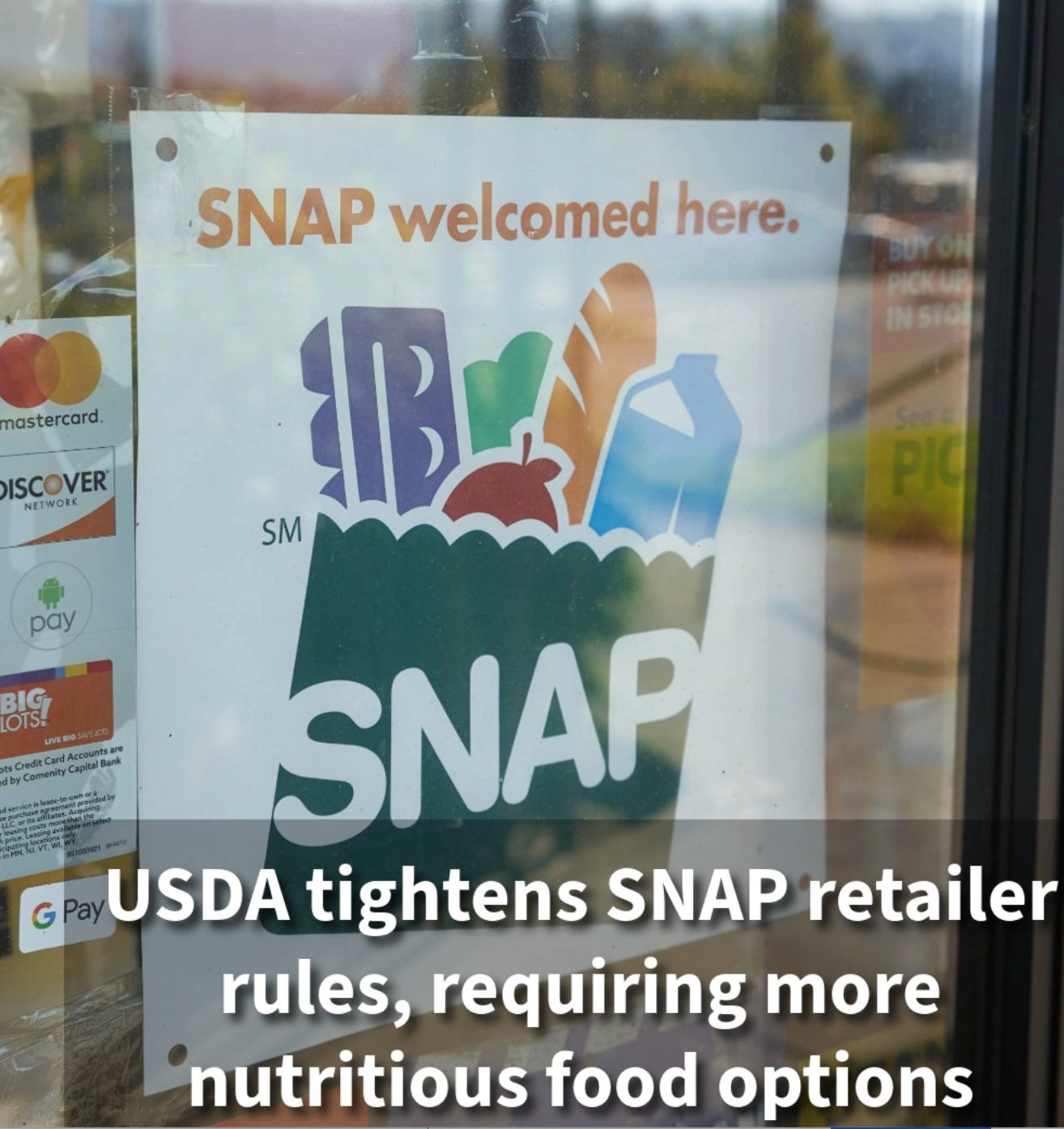
This directive comes from the United States Department of Agriculture (USDA) and can be considered a major win for MAHA – and for the FDA, which for years has been trying to rein in widespread SNAP fraud.
Retailers who accept SNAP benefits have until November 4 to comply with the new stocking standards. The change will be most noticeable at small stores.
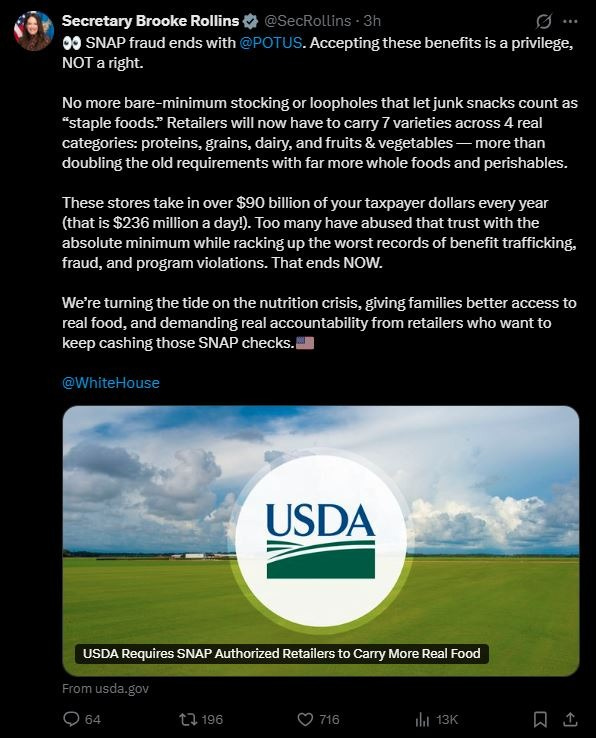
“No more bare-minimum stocking or loopholes that let junk snacks count as ‘staple foods,’” USDA Secretary Brooke Rollins wrote in a post on X on Thursday, May 7, adding that the change more than doubles the requirements to stock fresh food for stores accepting SNAP, also called food stamps.
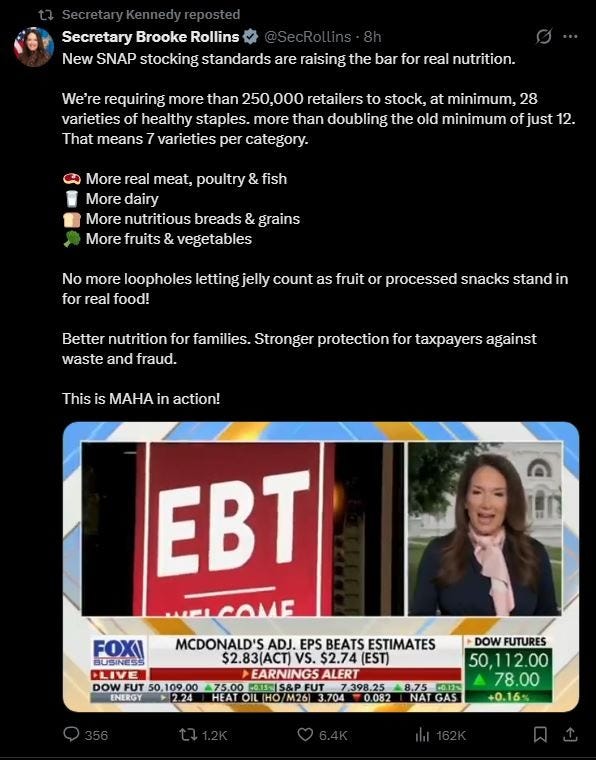
“Under the old rule, the 240,000 retailers who accepted the food stamp, they had to stock 12 or more, quote, nutritious food [items] – real food. Well, today, we’re more than doubling that to 28,” Rollins said on “Mornings with Maria” on Fox Business. “But we’re also closing the loophole. So, Maria, before today you could stock jelly as a fruit and jerky as a real protein. All that changes today.”
Jelly is not fruit
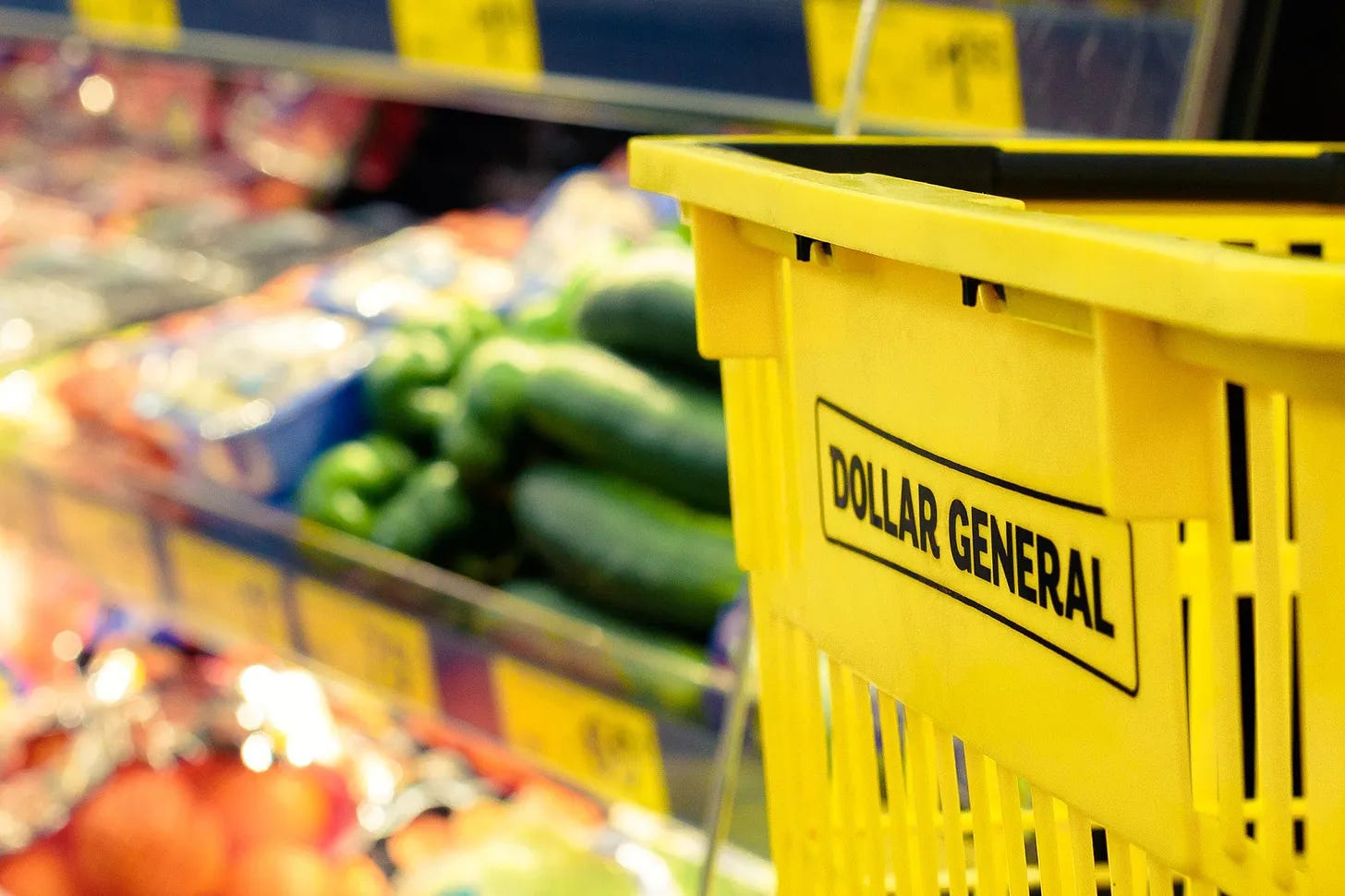
Everyone who’s been in a Dollar General store or a Dollar Tree has probably seen that they accept SNAP benefits, allowing people who have EBT cards to use them to pay for any food they choose. But they may also have also noticed that the majority of such stores do not have fresh produce – only canned and boxed foods; and in coolers, milk and some packaged meat and cheese. Jelly was their “fruit” to qualify as a SNAP retailer.
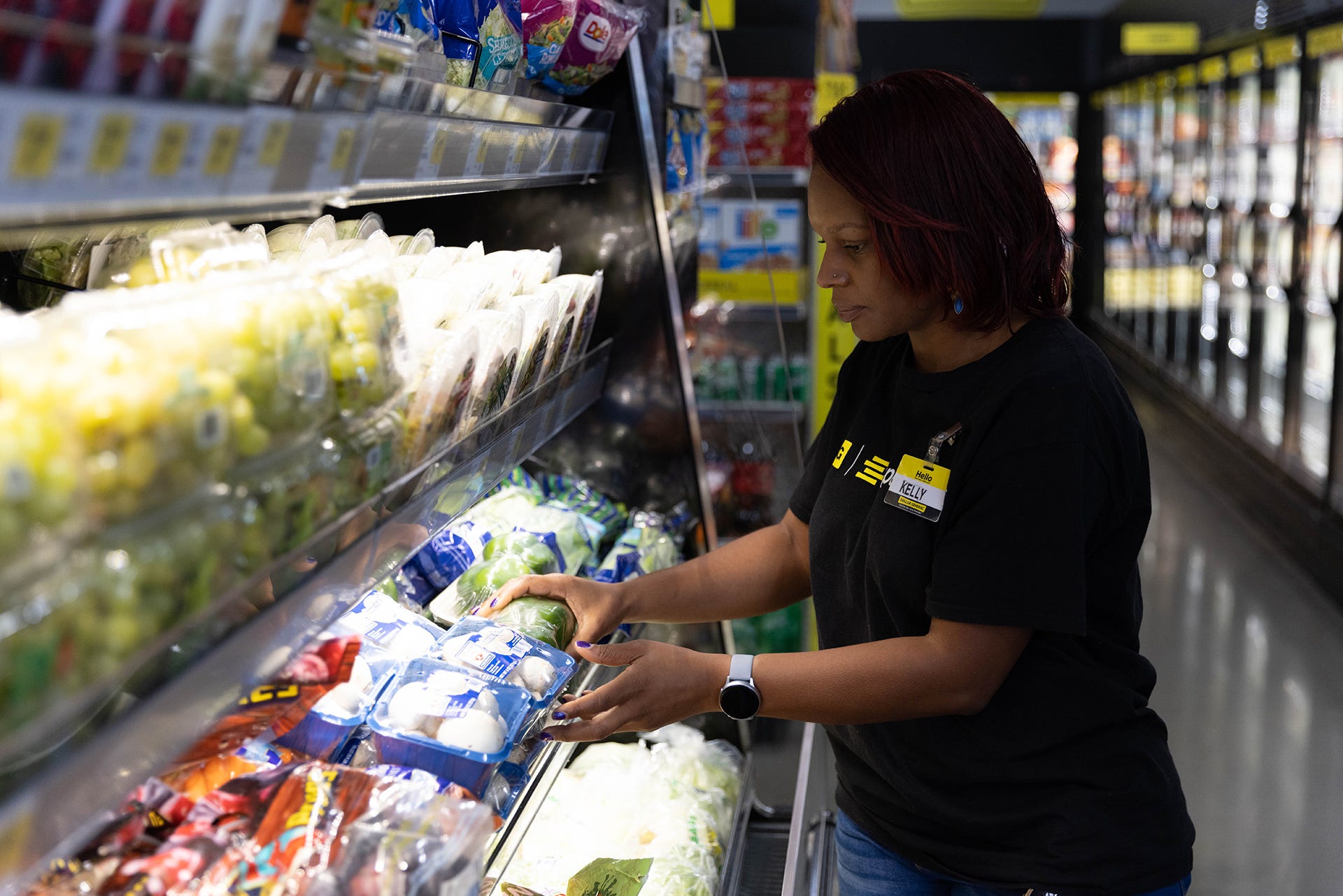
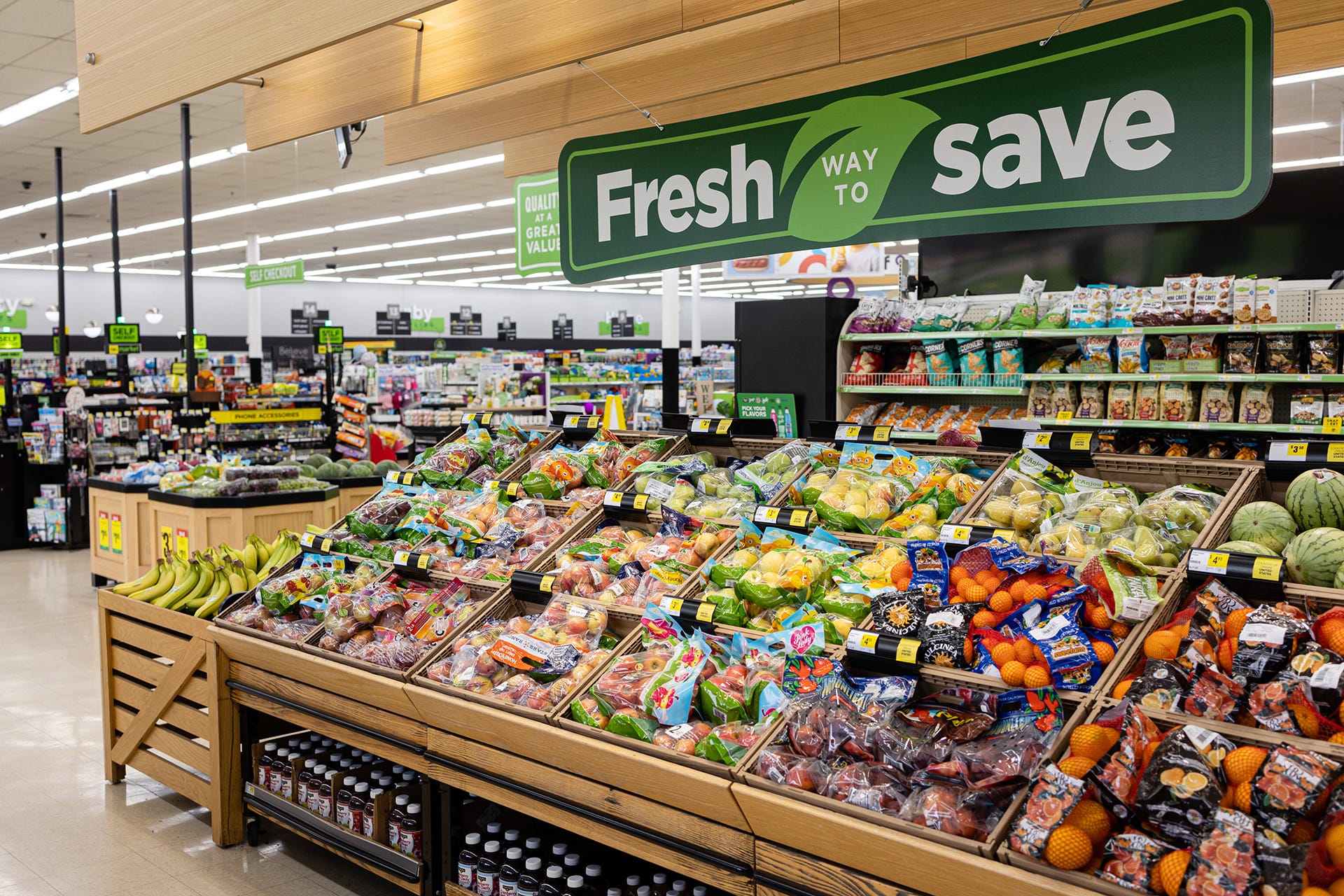
Now retailers most likely have to stock real fruit and vegetables as the new USDA regulation requires perishable items in three of the four staple food categories.
SNAP, also referred to as the Food Stamp program, doled out a stunning $95 billion last year to reimburse stores for SNAP purchases – more than $260 million a day, on average. The retailers include Wal-Mart and other superstores, grocery stores, many convenience stores and dollar stores – and, in larger cities, bodegas.
As of January, almost 21 million American households were using SNAP benefits, down from almost 23 million in January 2025.
Many Americans would be surprised to learn that in some grocery stores in America, half of all shoppers are using SNAP benefits to buy their food, via an EBT card.
The list of things that can’t be purchased with SNAP benefits is relatively short: beer, wine and liquor; cigarettes and tobacco; vitamins and supplements; any hot food; and live animals, with the exception of shellfish that have been removed from the water.
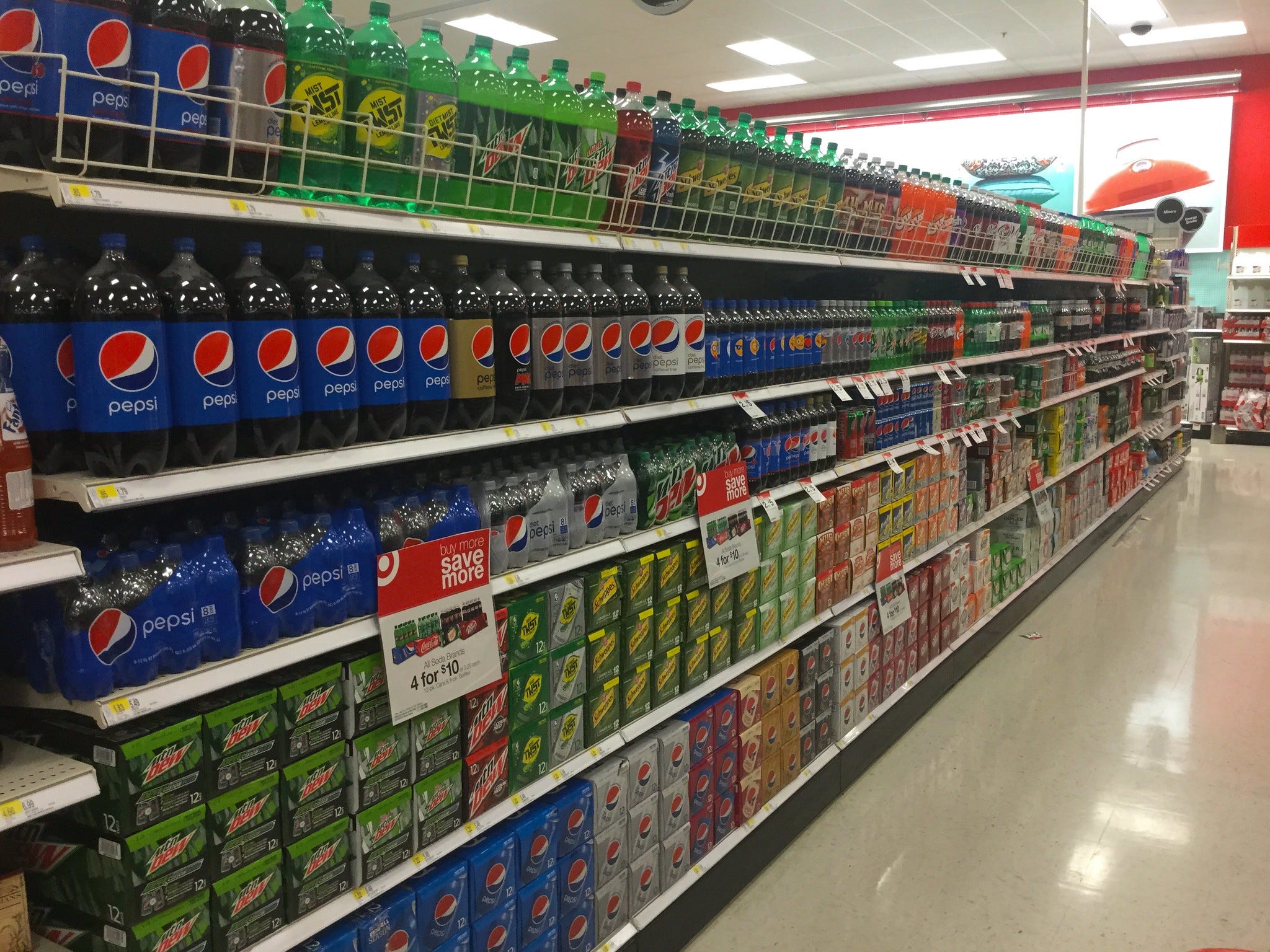
What can be purchased with SNAP is about everything else that can be consumed, including: soda (in most states), candy (in most states), cookies, donuts, potato chips, filet mignon, oysters, crab legs, custom-made bakery cakes, ice cream, and party packs of snacks.
A total of 22 states have now been granted waivers by the USDA to prohibit purchases of soda and candy using SNAP benefits. But even these prohibitions are relatively soft. Florida, for example, just banned SNAP use for soda, energy drinks, candy and “ultra-processed prepared desserts” like Twinkies and Oreos. But SNAP can still be used to buy Gatorade, Pop Tarts, and Marshmallows.
The new SNAP regulation requiring the stocking of more fresh food comes in the wake of the defeat of an amendment to the U.S. Farm Bill that would have banned all purchases of soda using SNAP, nationwide. The amendment was introduced by Rep. Keith Self (R-Texas) but was defeated by a vote of 238-186, with 55 Republicans joining 183 Democrats in opposition, demonstrating the power of lobbying groups like the National Beverage Association, which represents both Coca-Cola and Pepsico.
In 2025, at a Cabinet meeting at the White House, HHS Secretary Robert F. Kennedy Jr. told the story of soda industry lobbyists pressuring USDA Secretary Rollins to allow SNAP to continue to be used to buy soda.
“She pointed out to them that there is no nutrition in a soda,” Kennedy told President Trump. “And they said, ‘Well, it’s not supposed to be about nutrition.’ And she said to them, ‘The name of the program is the Supplemental NUTRITION Assistance Program.’”
That got a big laugh from other Cabinet members and even members of the media who were attending the event (Allowing SNAP benefits to be used to buy soda seems silly to most Americans as it’s at odds with the stated reason for the program: to provide Americans with nutritional foods).

The first Food Stamp program in America began in 1939, during the Great Depression, as a way to use farm surpluses to feed hungry people. While it still does serve as a lifeline for the elderly and the disabled, and many other Americans who don’t earn enough to be able to cover the cost of basic groceries, it’s also being used by people who could pay, but would rather not pay, for their own food – preferring to buy a lot of things that do not qualify as nutrition.
About 10 percent of SNAP benefits are spent on purchases of soda, according to a 2016 government study, making soda the No. 1 most popular item purchased with SNAP benefits.
“We have 38 percent of our kids [who] are diabetic or pre-diabetic,” Kennedy said at that Cabinet meeting in the summer of 2025, “And we are paying on both ends. We are paying for the food – the food-like substances that make them diabetic – and then we’re spending a trillion dollars a year on metabolic dysfunction. It’s existential and it’s not sustainable.”
Dollar General is now one of the largest retailers in America with more than 20,800 stores as of March. Eighty percent of these stores serve communities with populations of 20,000 or under – many of them lacking a real grocery store. All of them accept SNAP. About 7,000 of the stores now have fresh produce, twice as many as five years ago. But the remaining 13,000 sell no fruits or vegetables, consigning regular shoppers to finding a way to make dinner using only canned and boxed foods, or choose from among the limited items in coolers and freezers.
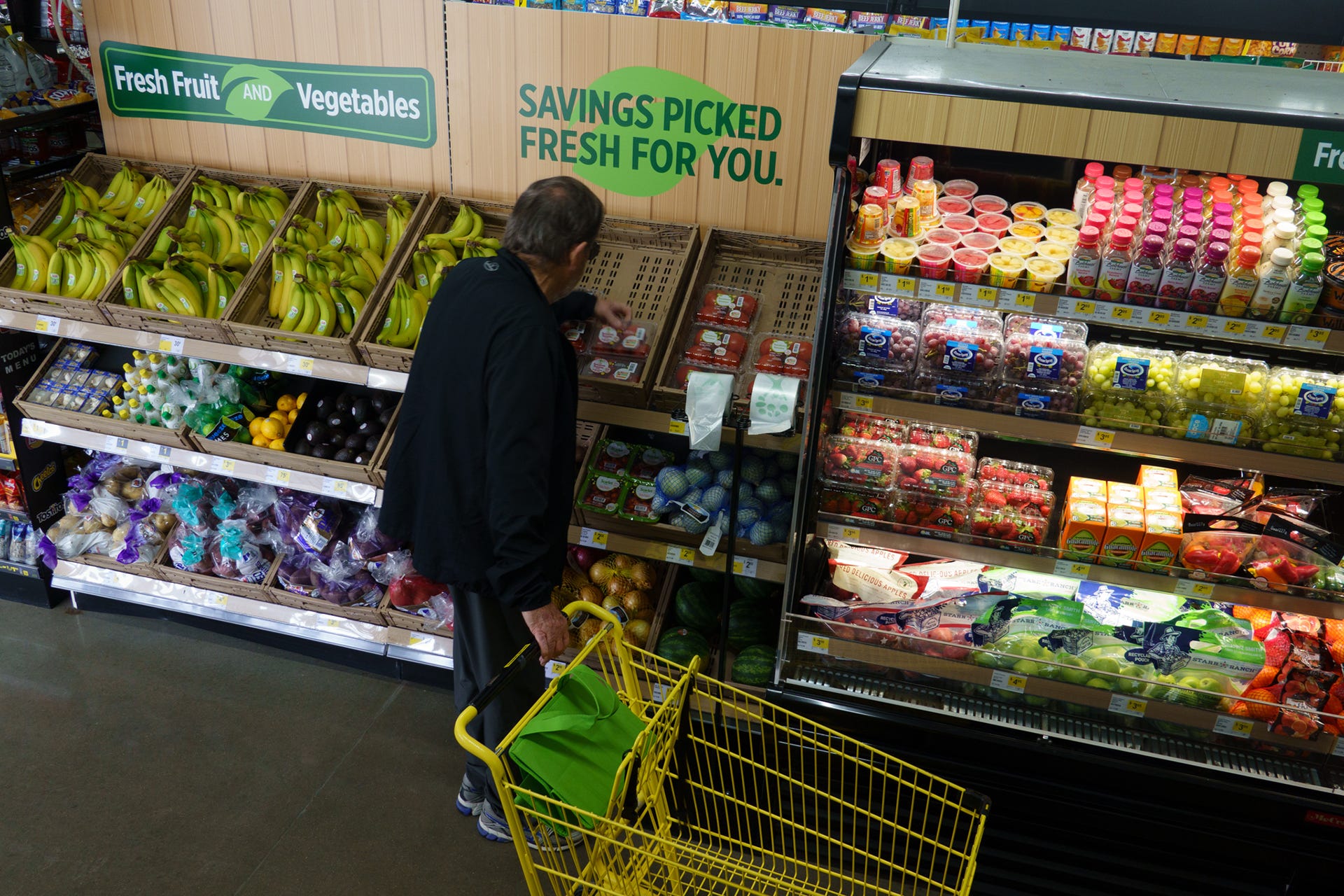
The new stocking standards for SNAP retailers are meant to ensure a broader variety of nutritious food is available to Americans who use SNAP benefits to buy their groceries.
“To turn the tide on our nation’s health crisis, we need to ensure our nutrition assistance programs emphasize real food first, and that’s exactly what these updates to retailer requirements will do,” Rollins said in the USDA press release announcing the change.

It's unfortunate that this sort of performative posturing via virtue signaling announcements takes the place of real work for actual improvements. Podcasts and pressers and Fox.
And requirements like - "Retailers accepting SNAP must offer seven varieties of items in each of the following four categories: protein, grains, dairy, and fruits/vegetables" already exist. That's why most US 7-11's offer a small selection of nasty, shriveled apples, oranges and bananas.
You're mostly just forcing small markets and neighborhood stores out of the SNAP program, while the dollar store chains will always be able to keep up with the government's games.
I totally support only allowing the purchase of real food (fresh, canned, frozen, or dried) with snap benefits. But to require a basically non grocery like Dollar Tree or Dollar General to become more of a grocery? This may just further restrict someone’s already limited access to food if these stores quit accepting food stamps or maybe quit stocking grocery items all together. Serious government overreach!!