


Making America Healthy Again means rebuilding our food system from the ground up. That work begins, quite literally, with the farmers who grow our food.
Since her swearing in last year, Secretary of Agriculture Brooke Rollins has aggressively fought for America’s farmers – through disaster relief programs and regenerative farming.
On April 24, she announced a second Supplemental Disaster Relief Program (SDRP) payment for farmers and producers who suffered eligible losses from natural disasters in 2023 and 2024. The agency is also extending the application deadline for SDRP Stage 1 and Stage 2 to August 12, 2026.
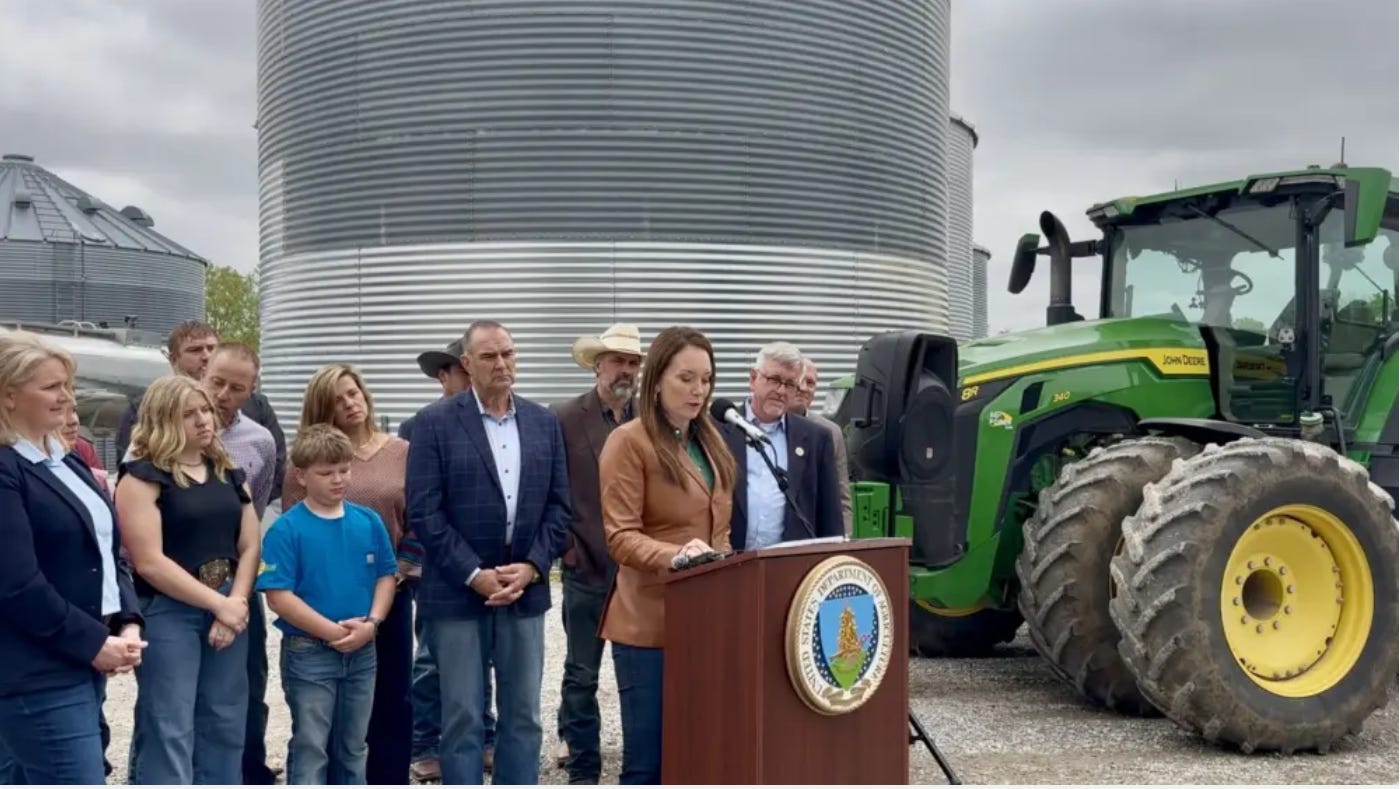
Although this announcement at first glance sounds like a farm-policy story, it carries a much larger meaning.
Farmers and ranchers have been squeezed by rising costs for seed, fertilizer, fuel, feed, equipment, labor, and financing. USDA data shows seed expenses are up 18 percent, fuel and oil expenses up 32 percent, fertilizer expenses up 37 percent, labor costs up 47 percent, and interest expenses up 73 percent. Meanwhile, Americans face historically high rates of chronic disease, much of it tied to poor nutrition and a food supply dominated by ultra-processed products.
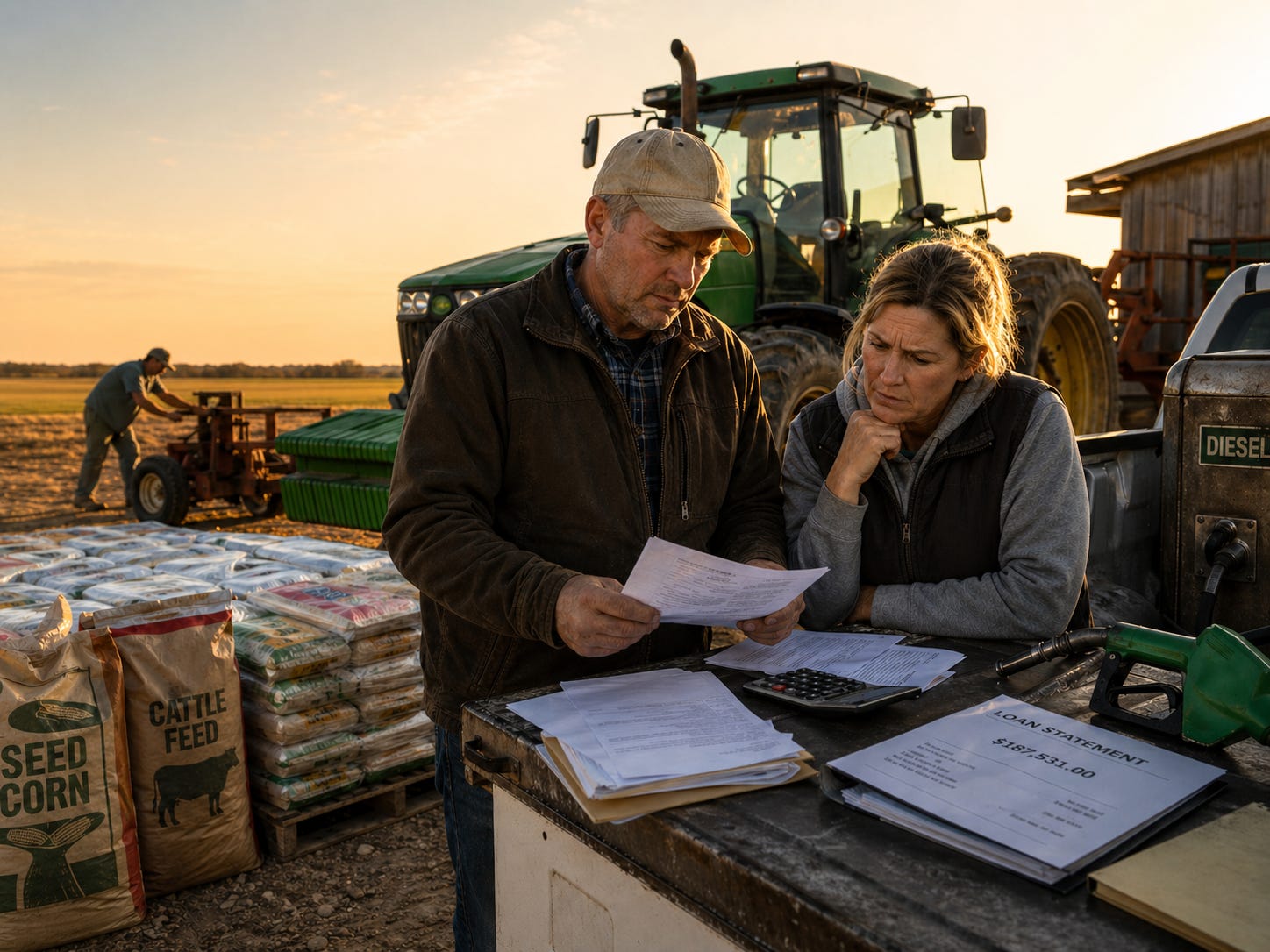
Those two crises point to the same truth: a healthier food system depends on farmers who are economically stable, able to withstand weather extremes and market volatility, and are supported in adopting practices that rebuild soil, reduce toxic inputs, and strengthen the land for the next generation.
The USDA is effectively doubling the SDRP payment level for eligible producers with approved applications, raising it from 35 percent to 70 percent. The program covers disaster losses from 2023 and 2024, including losses tied to wildfires, floods, drought, freeze, and other extreme weather events.
The department also says the Farm Service Agency has already provided $6.7 billion in disaster relief payments to eligible producers. Since 2025, USDA has delivered more than $39.1 billion in total economic support to farmers and ranchers.
Rollins framed the move as part of the administration’s “Farmers First” approach, saying USDA is providing stronger financial support for agricultural producers during a difficult farm economy. But disaster recovery is only one piece of the larger food-system reset.
The bigger story is USDA’s $700 million Regenerative Pilot Program, launched in December 2025 with Rollins, Health and Human Services Secretary Robert F. Kennedy Jr., and Centers for Medicare & Medicaid Services Administrator Dr. Mehmet Oz. The program is part of a broader shift toward helping farmers recover from today’s pressures while rebuilding the land that will feed America.
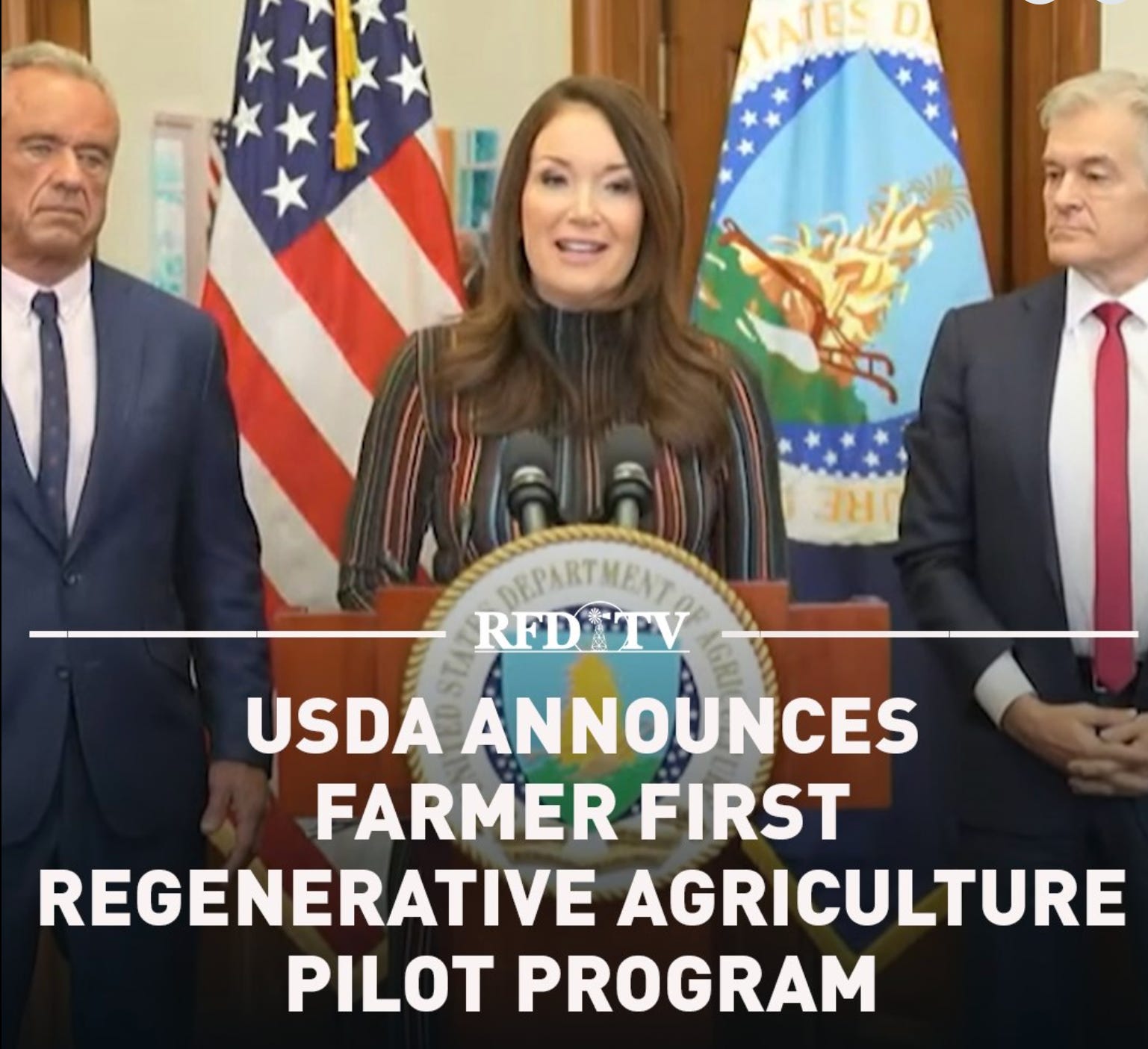
The $700 million will flow through two USDA conservation programs that help farmers improve their land and operations. USDA says $400 million will go through the Environmental Quality Incentives Program, while $300 million will go through the Conservation Stewardship Program. The goal is to make it easier for farmers and ranchers to adopt regenerative practices that rebuild soil and strengthen farms.
Regenerative agriculture means working in sync with nature, using practices like managed grazing, manure, compost, cover crops, and crop rotation to rebuild soil health. Healthier soil helps produce stronger, more nutrient-dense crops. It also helps those crops use water more effectively, while reducing dependence on costly and toxic inputs like synthetic fertilizers, herbicides, and pesticides.
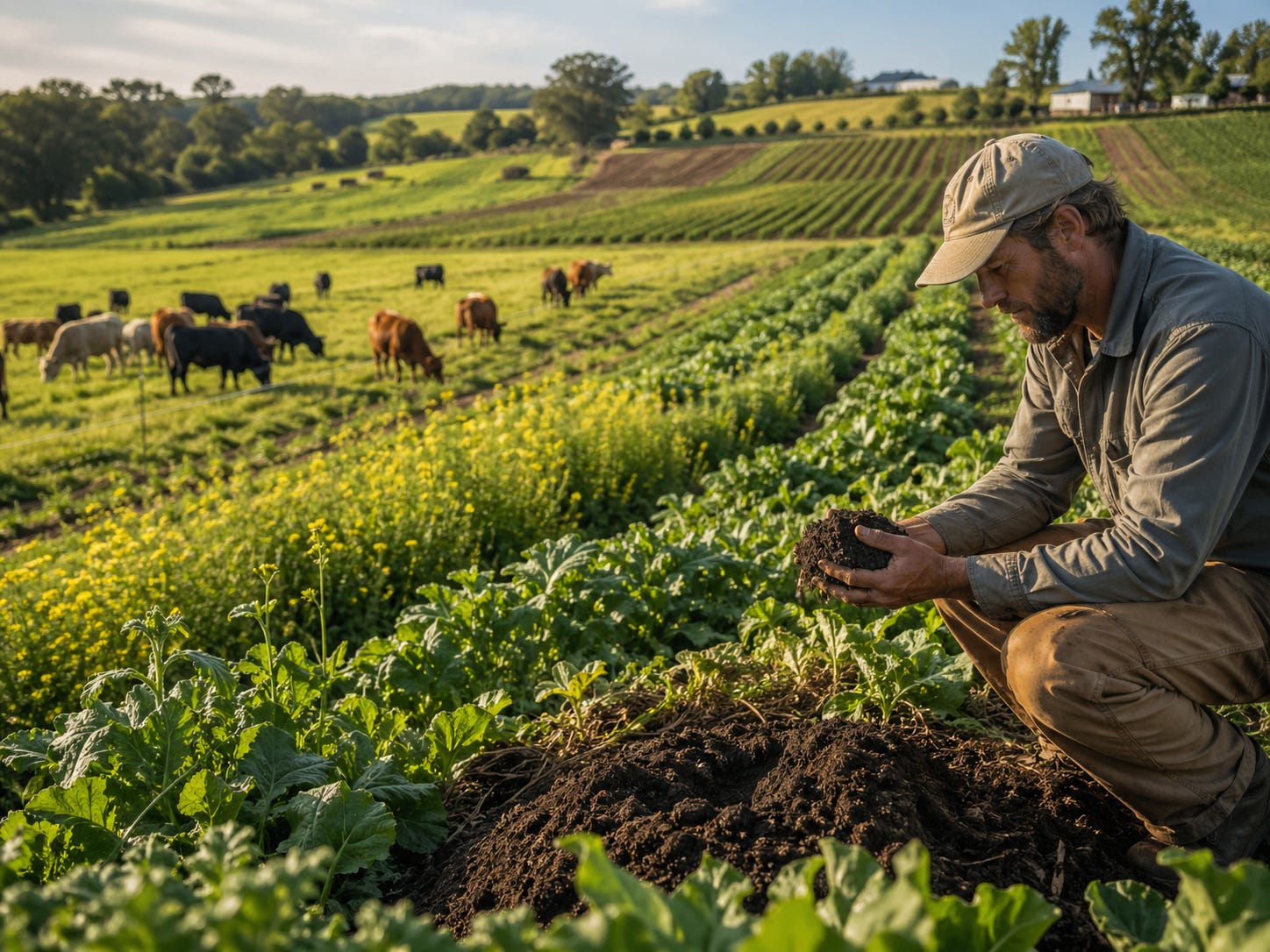
This is where farm policy begins to unite with health policy. Rebuilding America’s health starts with rebuilding the farms and soil that feed the country.
For MAHA, this is a natural fit. MAHA has consistently pointed out that America’s chronic disease crisis cannot be solved in doctors’ offices or pharmacies. That is the end of the road. Chronic disease must be addressed upstream, in the food system, the soil, and the incentives shaping how food is produced.
Secretary Kennedy made that connection directly in USDA’s announcement. “If we intend to Make America Healthy Again, we must begin by restoring the health of our soil,” he said.
Rollins tied the policy directly to the pressures facing family farms, saying, “America’s family farms help feed, fuel, and clothe the world, but they also face some of the greatest challenges in getting their farms started and keeping them running. Putting Farmers First means addressing the issues farmers face head-on and fostering an economic environment that doesn’t put up roadblocks on business creation but removes them.”
The SDRP announcement and regenerative agriculture pilot are different programs, but they point toward the same principle. American farmers must be able to survive today’s financial pressures if they are going to help build a healthier food system.
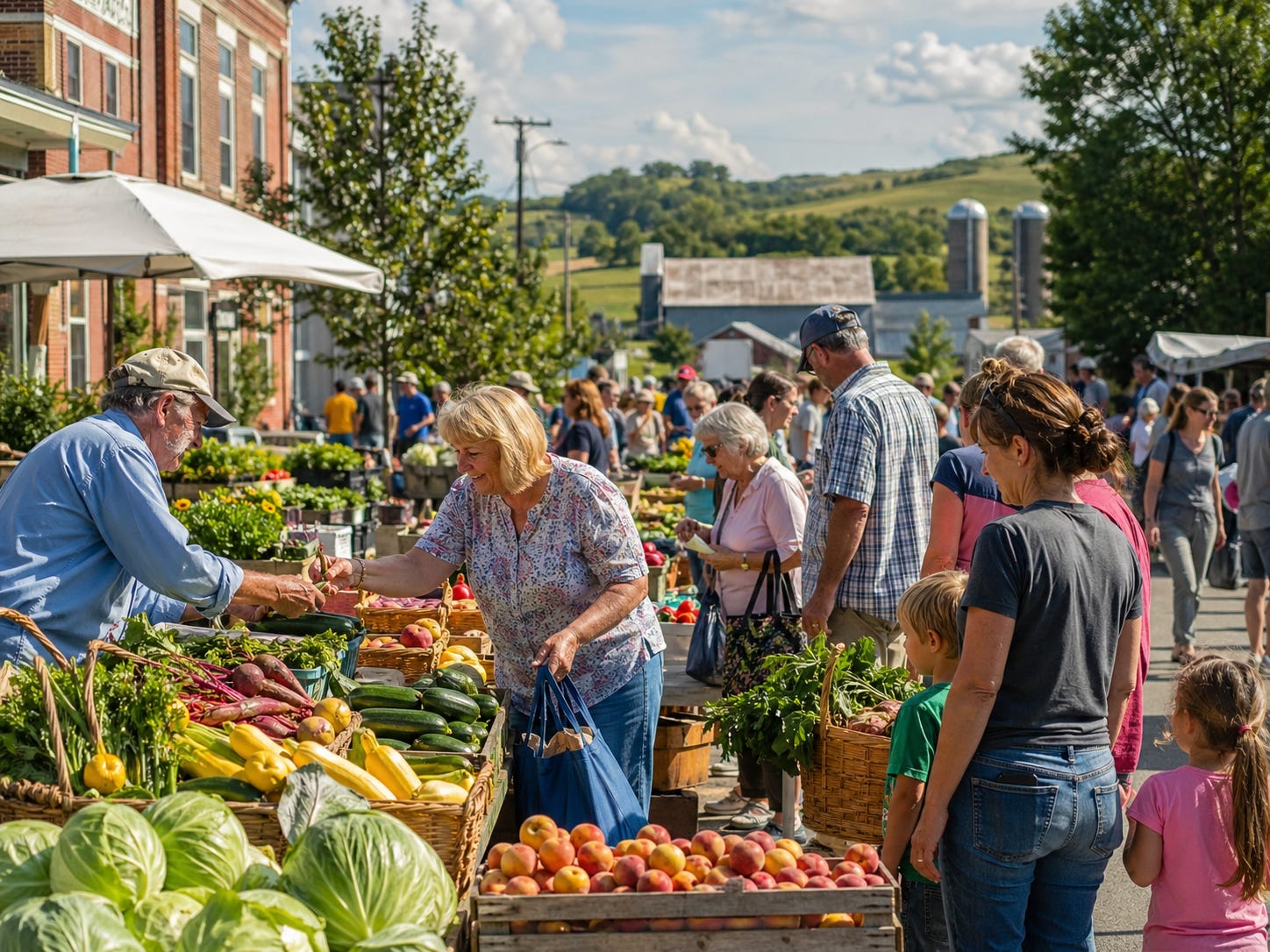
For too long, food and health have been treated as separate issues. MAHA is challenging that separation. USDA’s latest actions recognize that protecting farmers, rebuilding soil, and strengthening rural communities are part of rebuilding American health.
Related Reading:
Kennedy and Rollins Launch MAHA-Inspired Pilot Program to Support Regenerative Farmers

By John Klar, Contributing Writer, The MAHA Report

If she’s so “Farmer First” why has she not fought against PALANTIR taking over agriculture?!! 👿
Absolutely no one believes that Rollins or trump-world "has farmer's backs." Farmers certainly don't, as shown by polling over the last year
Unless by "farmers" you mean Cargill, Archer Daniels Midland and Bunge Global