


Regenerative farmer Ben Simmons remembers a time when the country roads that surrounded his farm outside of Petal, Miss. were dotted with tractors harvesting crops and fields lined with cattle and chickens.
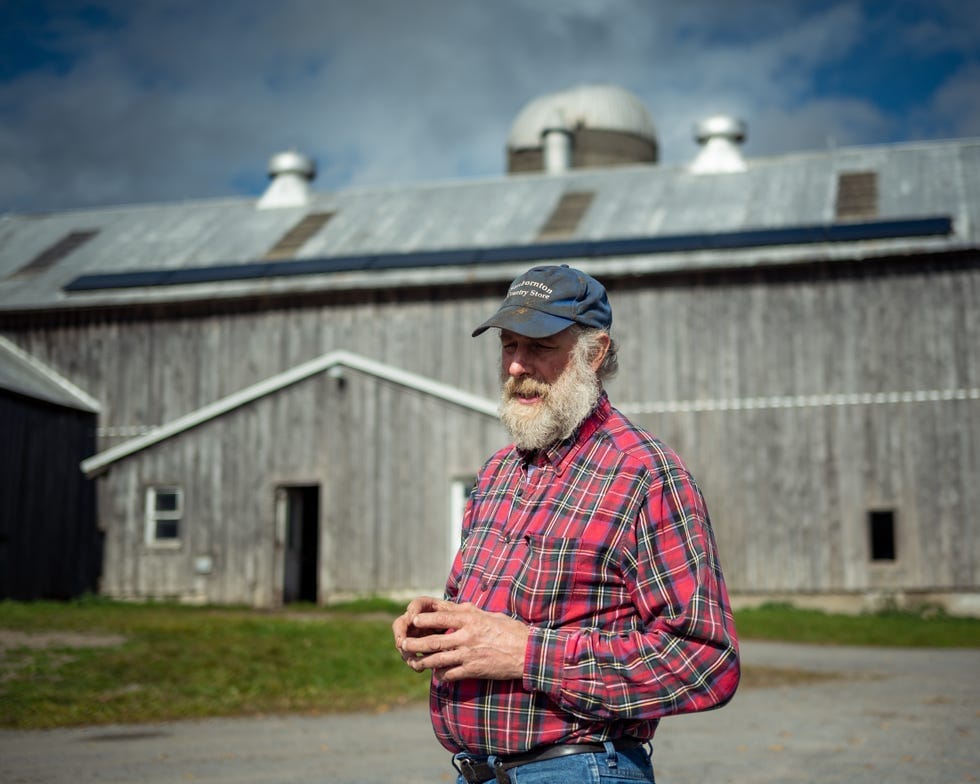
He laments that today most of these fields are empty and overgrown – a sad reflection of what once was.
Intrusive government regulations, consolidation, over-grazing, and a new generation less interested in agriculture have led to the decline in independent farms and, in turn, contributed to a smaller cattle herd size.
Over the past five decades, consolidation has been dramatic. In the 1970s, the top four meat packers controlled around 36% of the market. Today, four companies control about 85% of the market, giving them much greater control, and a bigger cut of the price that consumers pay.
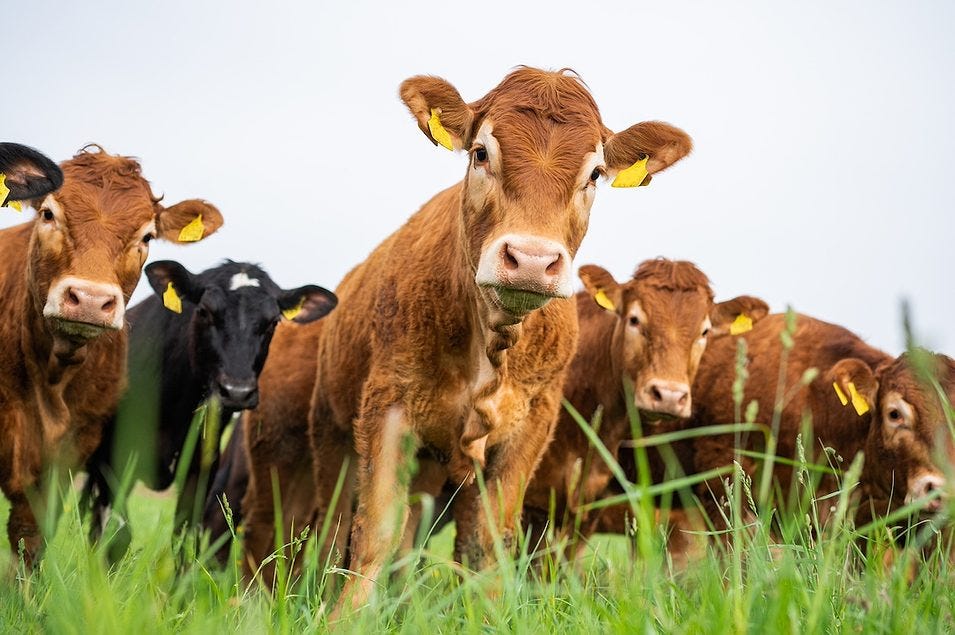
As of January 1, 2026, the U.S. cattle herd stood at 86.2 million head, the smallest number since 1951. It was at 92 million head in 2016 and nearly 96.7 million in 2006.
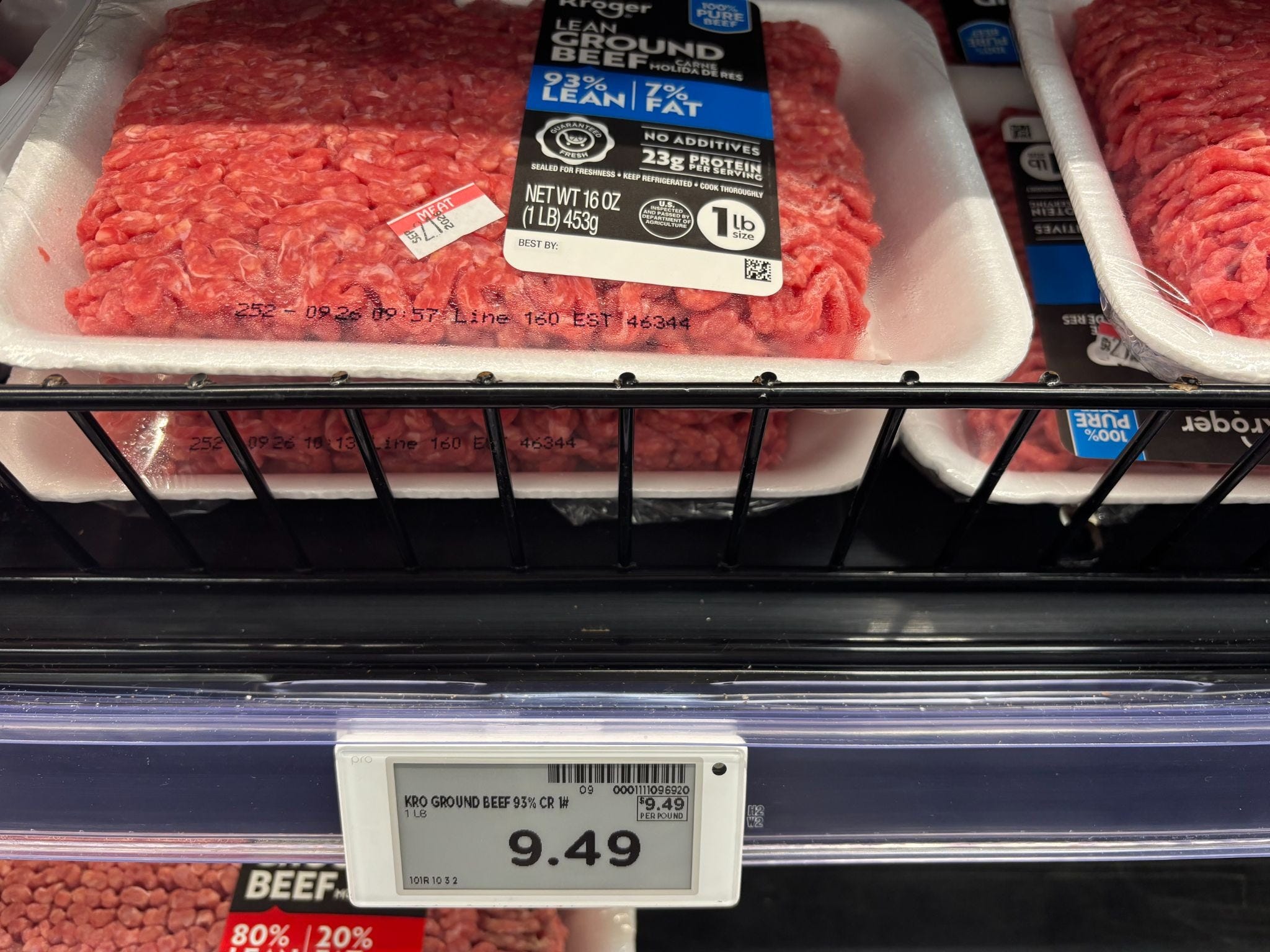
This has tightened the supply of beef in the United States and contributed to record or near-record high beef prices in grocery stores – and anxiety about a declining American standard of living.
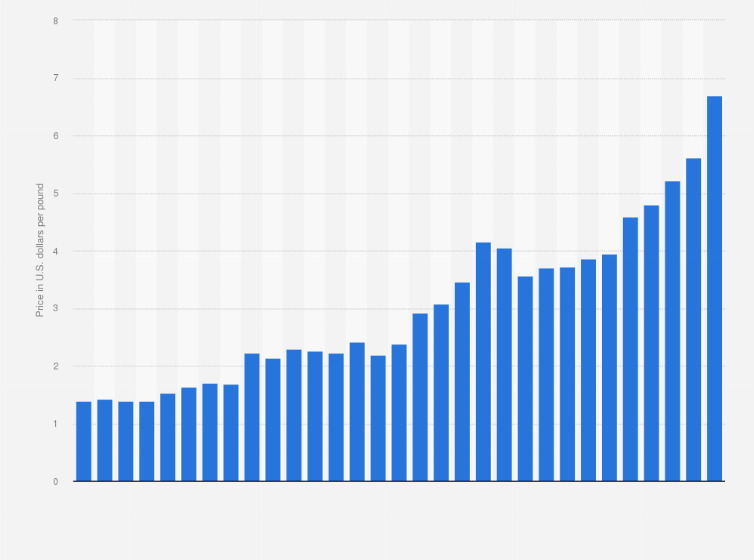
USDA data shows that the retail value of Choice beef increased from around $8.51 per pound in August 2024 to $10.49 per pound in July 2026, which represents a climb of almost 23%.
“We need to find some way to increase the number of people farming, raising cows,” Simmons said. “If we’re going to have whole food instead of ultra processed and processed food, we’ve got to be able to raise beef and pork.”
He added, “Unlike the advice in the song, more parents should encourage their kids to grow up to be cowboys.”
What’s the reason for the drop in the number of cattle, and beef cattle in particular?
Farmers describe it as a perfect storm of drought, pestilence and aging cattle farmers who are selling their herds, with few young people willing to take their place.
The average cattle farm owner is now 65 years old, five years older than the average crop farmer, says Joel Salatin, the Virginia farmer known as the pioneer of regenerative agriculture.
“Old farmers don’t want to expand at any price; they’re done and there is not enough young people coming in,” he told The MAHA Report. “It’s hard to attract young people to an unprofitable business.”
Simmons owns and operates Nature’s Gourmet Farm. He raises beef, chicken, and pork with the objective of providing healthy meat to consumers and sharing the farm’s journey with younger generations to “cultivate an interest in regenerative farming. Simmons has a USDA processing facility.
Last October, he walked into his local co-op and asked to buy more ryegrass to plant his winter pastures.
“The manager told me that it will be cheaper than last year, and if I placed my order and paid him now, it would be even less expensive,” Simmons told The MAHA Report.
“He said all of the old cattle guys here have sold the cows, and they’re not going to replace them because the price was so high,” Simmons added. “Farmers never really got a lot of money for their cows, and the price of the cows even today has not kept up with the price of inflation and input costs.”
The nonprofit advocacy group Farm Action reports that farmers’ and ranchers’ share of the retail beef dollar went from more than 60% in the 1970s to about 35% today, even as consumers are paying more.
“While surviving ranchers are finally receiving a healthier share of the retail beef dollar, that recovery is fragile,” the organization said in a recent report.
Salatin, the owner of Polyface Farm, told The MAHA Report that a widespread drought in the U.S. in 2020 and 2021 led to a massive herd sell-off when grass was limited. And then during Covid, he says, beef and milk processors “couldn’t keep up with their normal volume, so milk cows were culled and sold into the ground beef market, further depressing prices.”
Land deterioration has also impacted cattle herd size, Salatin believes.
“American pastures have been overgrazed due to improper continuous grazing protocols. As a result, pastures are in worse shape today than they were a century ago. Many acres that ran cattle as part of a diversified, integrated enterprise are now solely crop oriented,” he explained.
Rising costs are one of the culprits.
According to the U.S. Bureau of Labor Statistics, beef prices have escalated significantly faster than food prices as a whole over the last five years.
These increased costs have forced operators to get loans to buy cattle or fund infrastructure improvements.
Will Harris, 71, is a fourth generation farmer who operates White Oak Pastures in Bluffton, Georgia. For three generations, the Harris family farmed White Oak Pastures the conventional way, relying heavily on chemicals, pesticides, and antibiotics. In the mid-1990s, Harris started the transition to regenerative methods, which prioritize building and preserving healthy soils, avoiding synthetic fertilizers and pesticides, and minimal or no tilling.

Harris is also the founder of the Center for Agricultural Resilience, an organization centered on education about the benefits of regenerative farming. He’s an outspoken advocate for regenerative farming and introducing the profession to a new generation. He told The MAHA Report that many potential first-time cattle farmers are discouraged because of the costs, and that subsequently, this impacts cattle herd size.
“The gestation period of a cow is 283 days on average,” he said. A calf doesn’t become marketable until it is two years old. Nearly three years is invested getting a calf to market.”
Many cattle producers are unwilling to invest in raising new stock because of the low return, and younger people are reluctant to take over, or start a new farm, because of these factors, Harris noted.
White Oak Pastures currently has 1,000 head of calves ranging from newborns to ones ready for slaughter. Harris recognizes that White Oak Pastures would have added challenges if it was solely producing cattle.
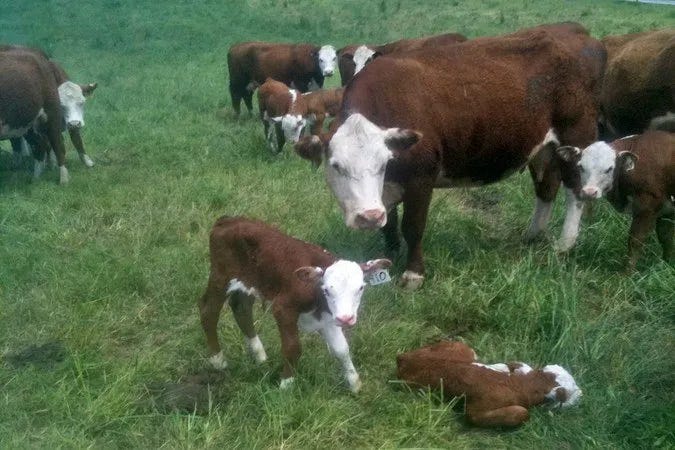
“We took a different path. We diversified and vertically integrated. We built a USDA processing facility and an order fulfillment center. We used to only raise cattle. Now we also raise poultry, goats, hogs, sheep, and vegetables,” Harris said.
International competition has also impacted U.S. cattle herd numbers.
Record shipments of beef imports have flooded into the country in 2026 from Argentina, New Zealand and Nicaragua.
The New World screwworm’s return in the early months of summer wreaked havoc on the cattle industry.
The parasite’s resurgence spurred the Trump administration in May 2025 to block all imports of live cattle, horses and bison across the southern border with Mexico.
High feed costs have also made it more expensive for farmers to feed their cattle.
Driven largely by high prices for corn and alfalfa, feed costs have stayed elevated above $100 per hundredweight.
Simmons said that Nature’s Gourmet Farm is thriving, and sales growth continues.
“Tomorrow, we will deliver our biggest number of orders to date,” he noted.
He acknowledged that his bottom line is helped by having a USDA processing facility on site, and he has networks with grass-fed ranchers who can supply what he doesn’t have on his farm.

On Aug. 21, Trump announced that the U.S. will allow up to 300,000 metric tons (661 million pounds) of additional beef to enter the country at a lower tariff through Nov. 30, starting Sept. 1.
The new beef import plan will increase the supply of lean beef trimmings used in ground beef and help lower ground beef prices for American consumers, according to the White House directive.
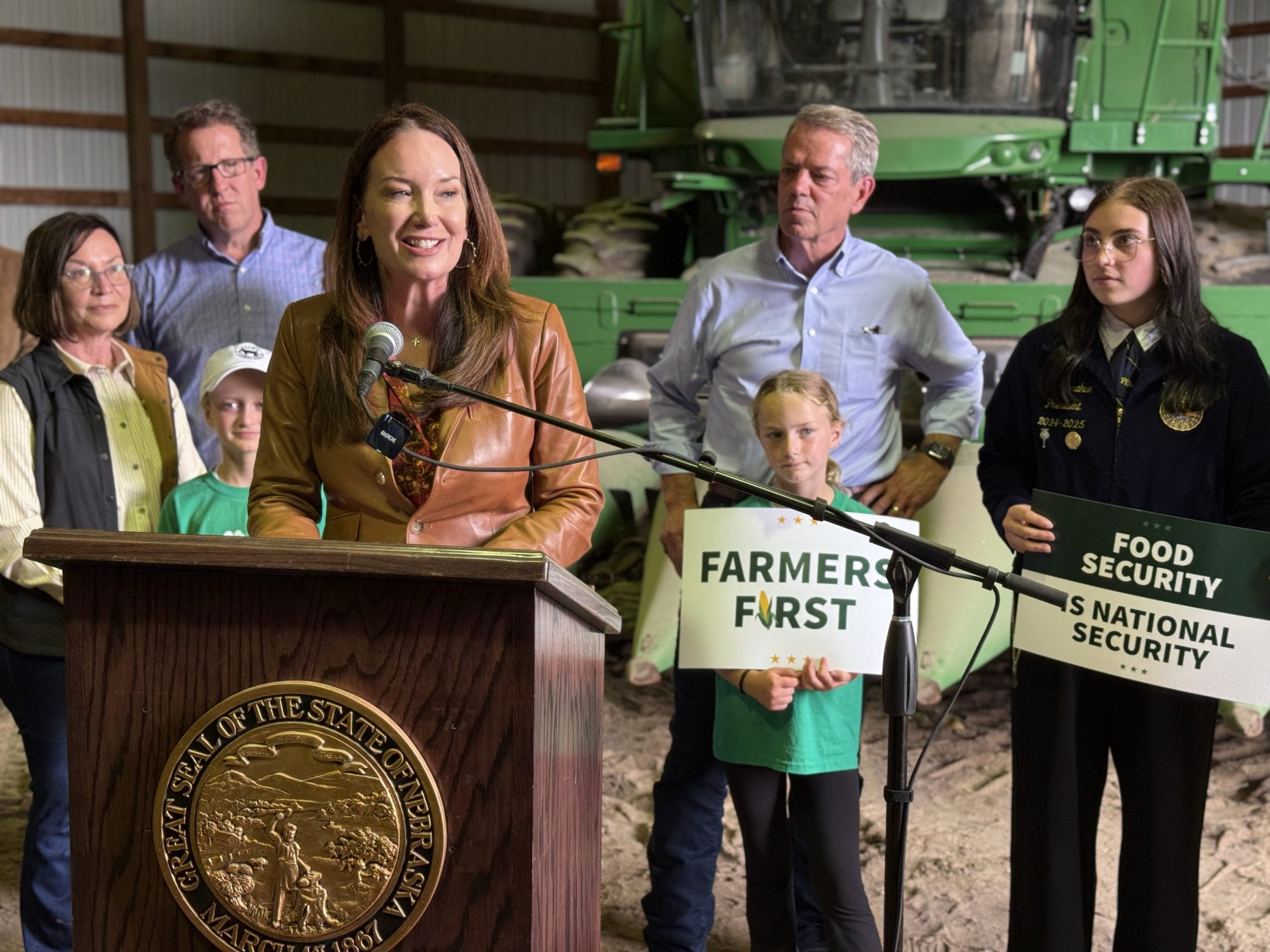
Trump previously signed an executive order in February authorizing the import of 80,000 metric tons of beef from Argentina.
On Aug. 31, Secretary of Agriculture Brooke Rollins announced the Ranchers First Initiative, which a USDA press release calls “a sweeping package of actions to continue rebuilding the Great American Beef Herd and put America’s ranchers back at the center of our nation’s food supply.”
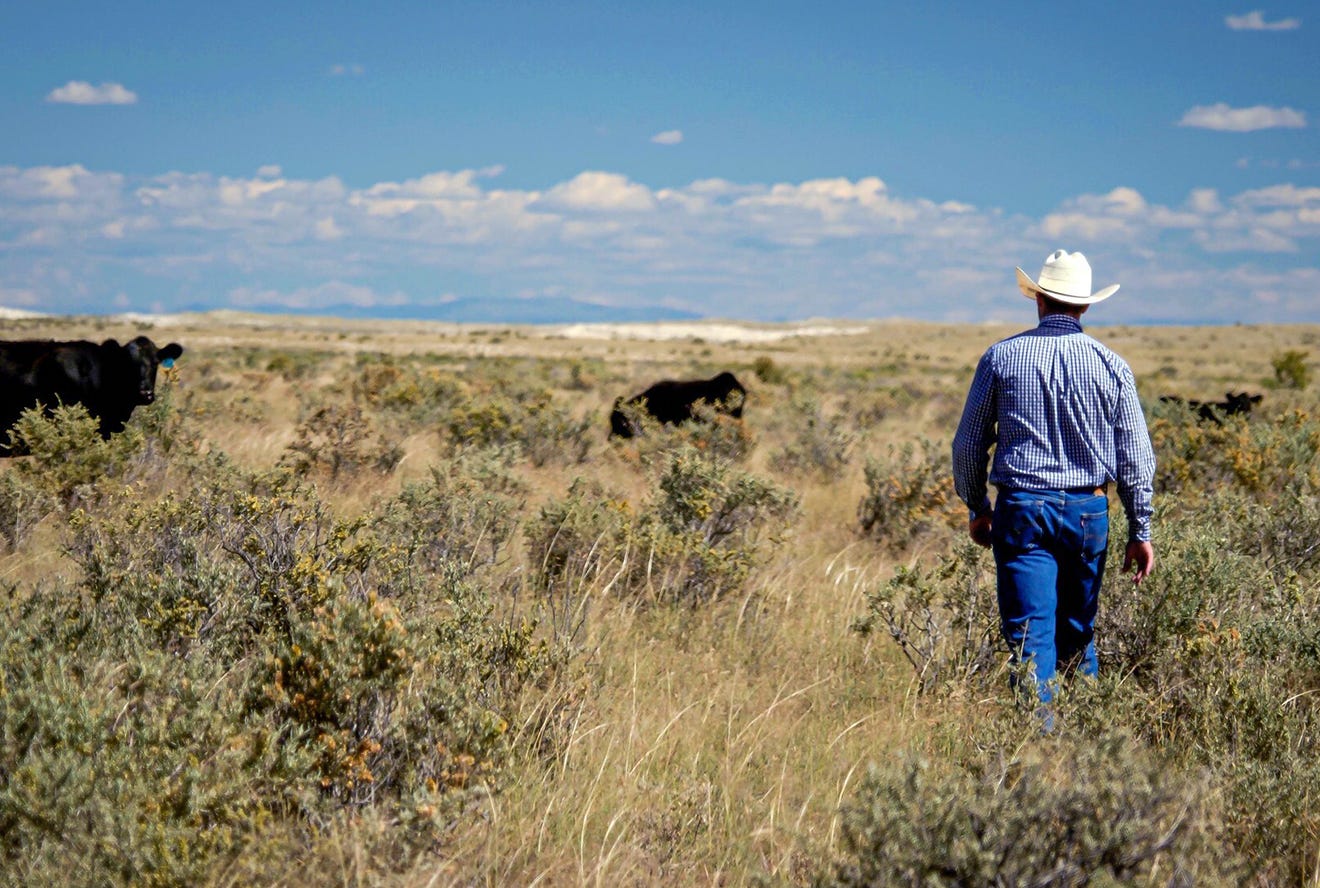
“We are investing real dollars to rebuild the Great American Beef Herd, giving producers the risk management tools they need, cutting the red tape that has squeezed small and independent operators, and demanding transparency in a marketplace that has been consolidated and foreign-owned for far too long,” Rollins said.
Congress is also attempting to address the cattle herd problem. U.S. Senators Mike Rounds (R-S.D.) and Amy Klobuchar (D-Minn.) introduced the Rebuilding America’s National Cow Herd (RANCH) Act.
The proposed legislation would establish a new voluntary grazing land restoration program that would open up to 20 million new acres for grazing.
At 20 million acres, the program created by the RANCH Act would provide grazing land to support an estimated two to four million additional beef cows, according to a press release issued by Senator Rounds.
No grass means no cattle, and the challenges ranchers have faced with drought, high input costs, and a shortage of grazing land have contributed to the small cattle herd size, Rounds said.
“In the long-term, this plan can rebuild the domestic cattle herd and help drive down beef costs,” Klobuchar added.
Multiple ranchers told The MAHA Report they would like to see the PRIME Act passed.
Reps. Thomas Massie (R-Ky.) and Chellie Pingree (D-Maine) first introduced the Processing Revival and Intrastate Meat Exemption Act—the PRIME Act—in 2015.
Different versions have been introduced since then.
The measure is designed to give states more freedom to permit meat processed through qualifying custom slaughter facilities and be sold within their own borders.
Mollie Engelhart is a regenerative farmer and the founder of Sovereignty Ranch in Bandera, Texas. She also serves as an executive chef at Eat the Barn and Farm to Table Restaurant on Sovereign Ranch and is the author of “Debunked by Nature.”
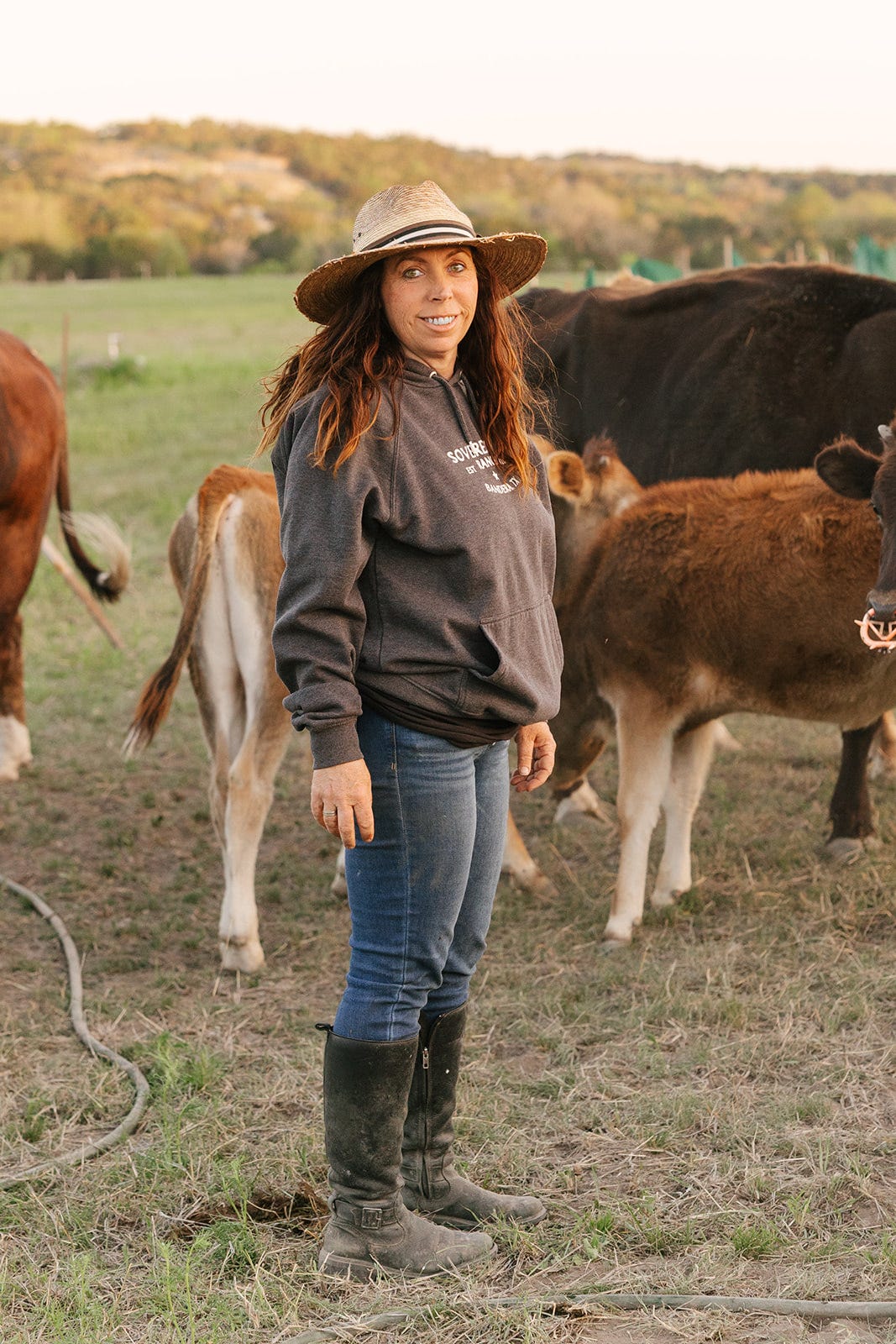
Earlier this month, she appeared on The MAHA Action Media Hub, praised Trump and Rollins for their actions to help ranchers, and urged them to do more.
“We need so many more farmers. We all know that the farmers are aging out of the system, and we cannot make America healthy again if we can’t make farming sustainable for farmers in America,” Engelhart said.
Engelhart called the nation’s food supply a national security issue and said that farmers need assistance that doesn’t saddle them with added debt.
“We can’t just give farmers access to debt without giving them access to markets. We want to give farmers the tools to grow the herd,” she said.
