

[Tony Lyons, president of MAHA Action, introduced the November 18 MAHA Media Hub by calling out John Mulaney, the SNL actor who also serves as the voice of Big Food’s Kraft Mac & Cheese]
By Tony Lyons
Is there any real news in America or is it all just an ad campaign for something?
I want to start with “Saturday Night Live.” John Mulaney used his opening monologue to call Health and Human Services Secretary Robert F. Kennedy Jr. a “dumbass,” and to mock the man leading the effort to confront America’s chronic disease epidemic. He did it while imitating the Secretary’s voice, a voice strained by a neurological condition called spasmodic dysphonia.
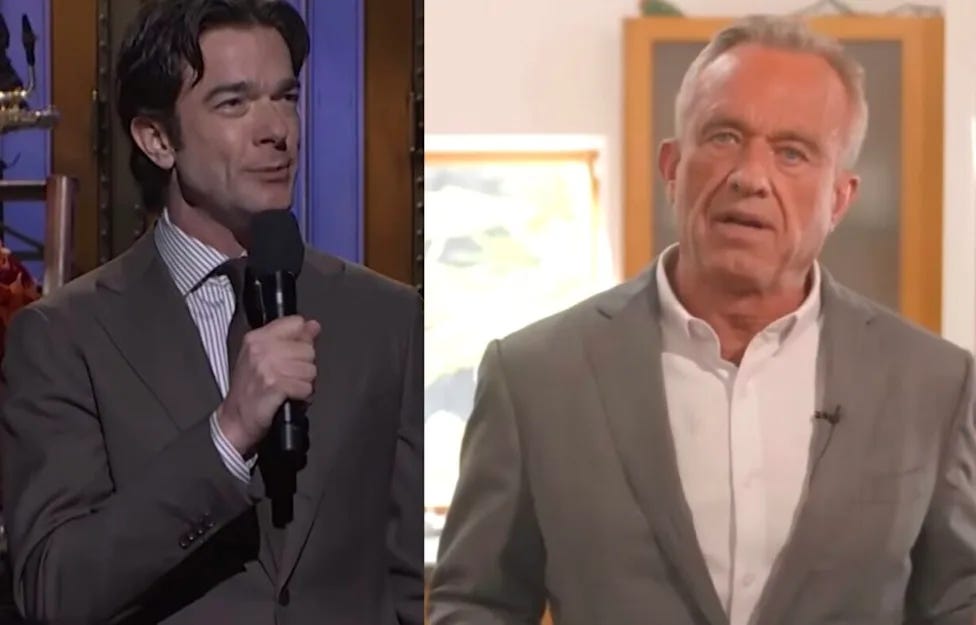
The laughs were easy. But the messenger, and the network behind him, deserve a closer look.
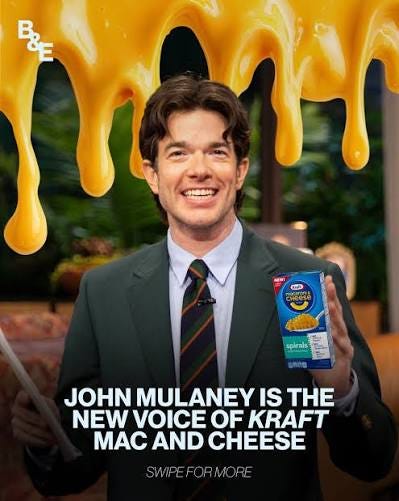
Start with the messenger. John Mulaney is not just a comedian on a network that runs on corporate advertising. He is the hired voice of Kraft Mac & Cheese.
On November 24, 2025, Kraft Heinz announced a campaign called “Best Thing Ever,” with his name in the headline: “Voiced by John Mulaney.” The company called it one of the brand’s most significant media investments. Kraft says it sells one million blue boxes every day.
Why does that matter? Follow the money.
At least 77 percent of Kraft Heinz’s retail sales come from ultra-processed products, according to an analysis reported by Bloomberg.
Secretary Kennedy has been trying to do something no administration has done: put a federal definition on ‘ultra-processed food.’ Bloomberg reported that food company executives personally intervened with the White House to keep that definition from being released. The industry’s trade group, which counts Kraft Heinz as a member, says any definition, federal or state, is “problematic.” And Kraft Heinz has told its own investors, in a filing with the SEC, that lawsuits over ultra-processed food “may cause us to change the way we operate.”
That definition is back on the table this month.
So the company paying John Mulaney has a financial stake in Bobby Kennedy failing. That is not a joke. That is a business model.

Here is what is at stake. The CDC reports that American children now get 61.9 percent of their calories from ultra-processed food. The CDC has estimated that more than 1.7 million Americans die from chronic disease each year, about seven of every ten deaths. Lifestyle changes like a better diet, fewer drugs and physical activity could prevent an estimated 80 percent of heart disease, stroke, and type 2 diabetes. And a 2024 review in the BMJ linked ultra-processed food to 32 adverse health outcomes, including cardiovascular disease, type 2 diabetes, and early death.
That is the category of product Kraft Heinz is paying John Mulaney to call the “Best Thing Ever.”
Let’s remember who Secretary Kennedy is. For more than forty years he has challenged corporate power and fought environmental contamination. Now he is being mocked by a man hired to promote one of America’s most recognizable processed-food brands.
To be clear: there is no public evidence that any food or drug company paid Mulaney or “Saturday Night Live” for Saturday’s material. We are not suggesting that. Nobody has to make a phone call. The money is already in the building.
So let’s look at the building. Saturday Night Live airs on NBC, part of NBCUniversal, which is owned by Comcast. In 2025, Comcast’s media segment reported $8.38 billion in domestic advertising revenue.
Drug companies are among the biggest buyers. According to iSpot data reported by TheWrap, prescription drugmakers spent an estimated $5.12 billion on national television ads in 2024, and another $2.97 billion in the first half of 2025. NBC took about 14.9 percent of that. NBC’s Super Bowl this year carried five pharmaceutical ads. The 2024 game had one.
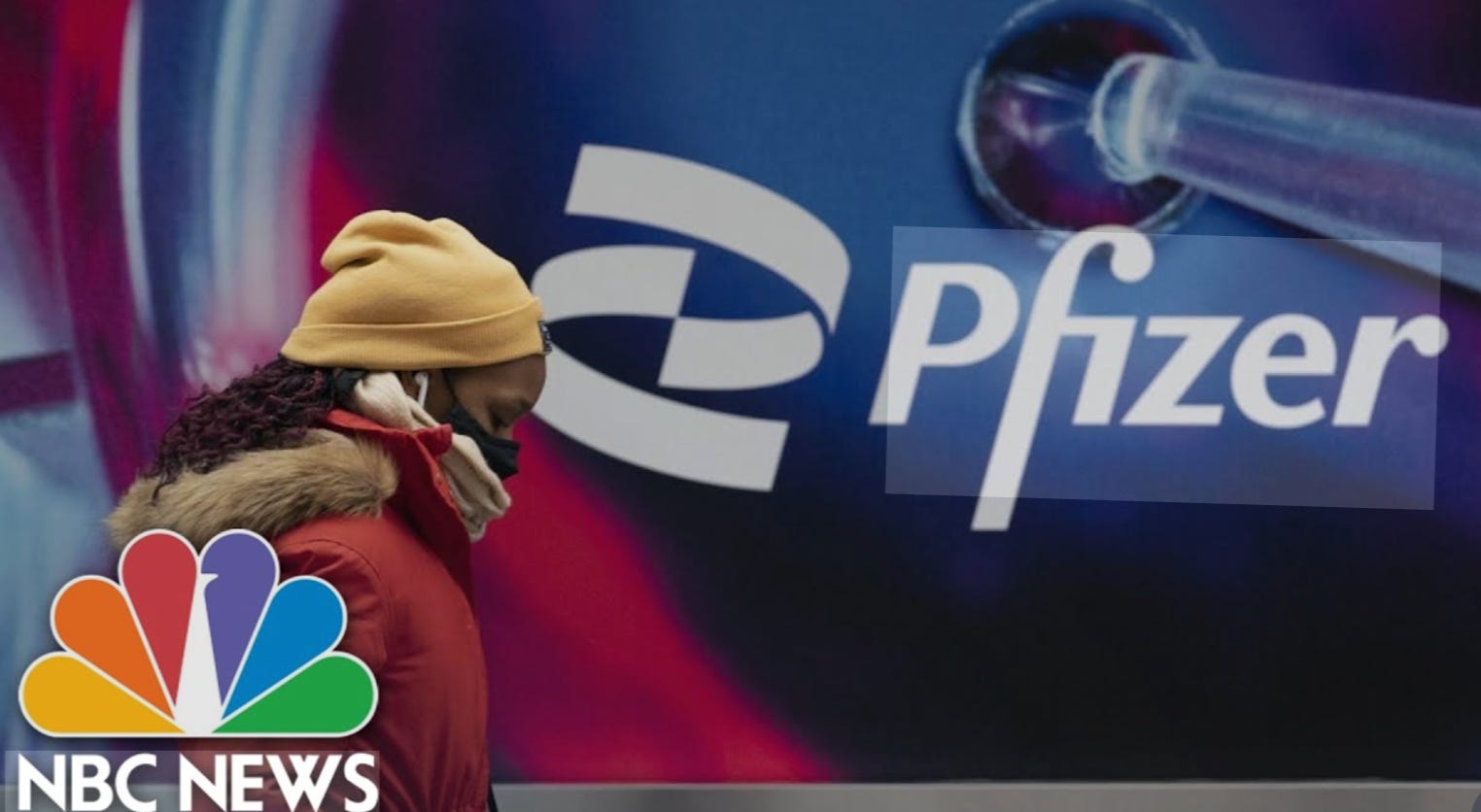
It goes beyond commercials. During Covid, the NBC News Brand Studio partnered with Pfizer to produce sponsored content explaining mRNA technology and the Pfizer-BioNTech vaccine. A drug company, working with a division of a news organization, producing content about its own product.
And it reaches the boardroom. Jeffrey Honickman, a Comcast director since 2005, is CEO of Pepsi-Cola & National Brand Beverages, one of the largest bottlers in the country.
Now step back and look at the scale. In 1996, drug advertising in America totaled $600 million. In 2024 it was $10.1 billion. In early 2025, drug ads filled 24.4 percent of all advertising minutes on the evening news, across ABC, CBS, NBC, CNN, Fox News, and MSNBC. Only two countries on earth allow this: the United States and New Zealand.
Does that money change what gets reported? We don’t have to guess. Researchers at the University of Mannheim studied 39 American newspapers over fourteen years. When a drug company bought $100,000 of advertising in a newspaper over two weeks, that paper became 23 to 33 percent less likely to report an FDA safety alert about that company’s drug.
That is not a theory. That is a measurement.
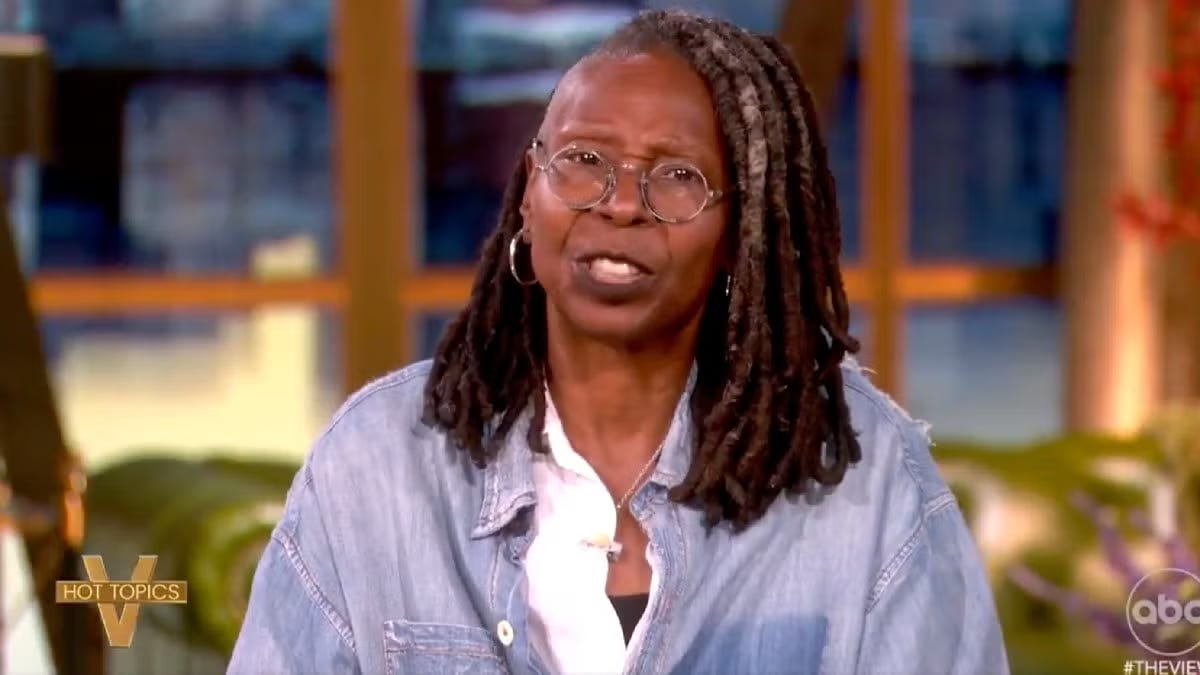
And it isn’t just NBC. This morning on ABC’s “The View,” Whoopi Goldberg demanded that Secretary Kennedy be impeached. I was going to ask whether Whoopi is paid by Big Pharma, and suggest that if she isn’t, she needs a new agent. It turns out her agent is excellent.
In 2020, a paid drug-company spokesperson came on “The View” to pitch a migraine pill called Nurtec. Whoopi ended the segment by asking her to say the drug’s name one more time. The FDA later told the company that the segment made false or misleading claims about the drug’s risks and benefits. And Whoopi? She signed on as a spokesperson for the same drug. Pfizer now owns it. And in the first half of 2025, ABC took the largest share of television drug advertising of any network.
We have no evidence anyone paid for this morning’s performance. But Whoopi doesn’t need a new agent. She needs to be held to journalistic standards.
The same pattern reaches the publications that cover policy. As I said last week, Politico ran a multi-year sponsored campaign for Bayer, the owner of Monsanto and Roundup, called “Drive Sustainable Progress.” Politico’s own media kit says the campaign was built to lay “a strong foundation for Bayer to influence 2025 policy priorities.”
Big Pharma, Big Food, and the chemical industry are the industries MAHA is challenging. They are also the advertisers, sponsors, and business partners of the outlets that cover us. That is a conflict of interest, and Americans have every right to know about it.
And hold us to the same standard. Our MAHA Summit had corporate sponsors, and people asked hard questions about that. They were right to ask. We published ours. Will NBC? Will ABC?
So here is what we are asking for. Three things.
One. Release the federal definition of ‘ultra-processed food.’ No more delays.
Two. The FDA has a rule on its calendar for December that would require drug ads to state all the risks and possible side effects in the ad itself. They won’t be able to do that.
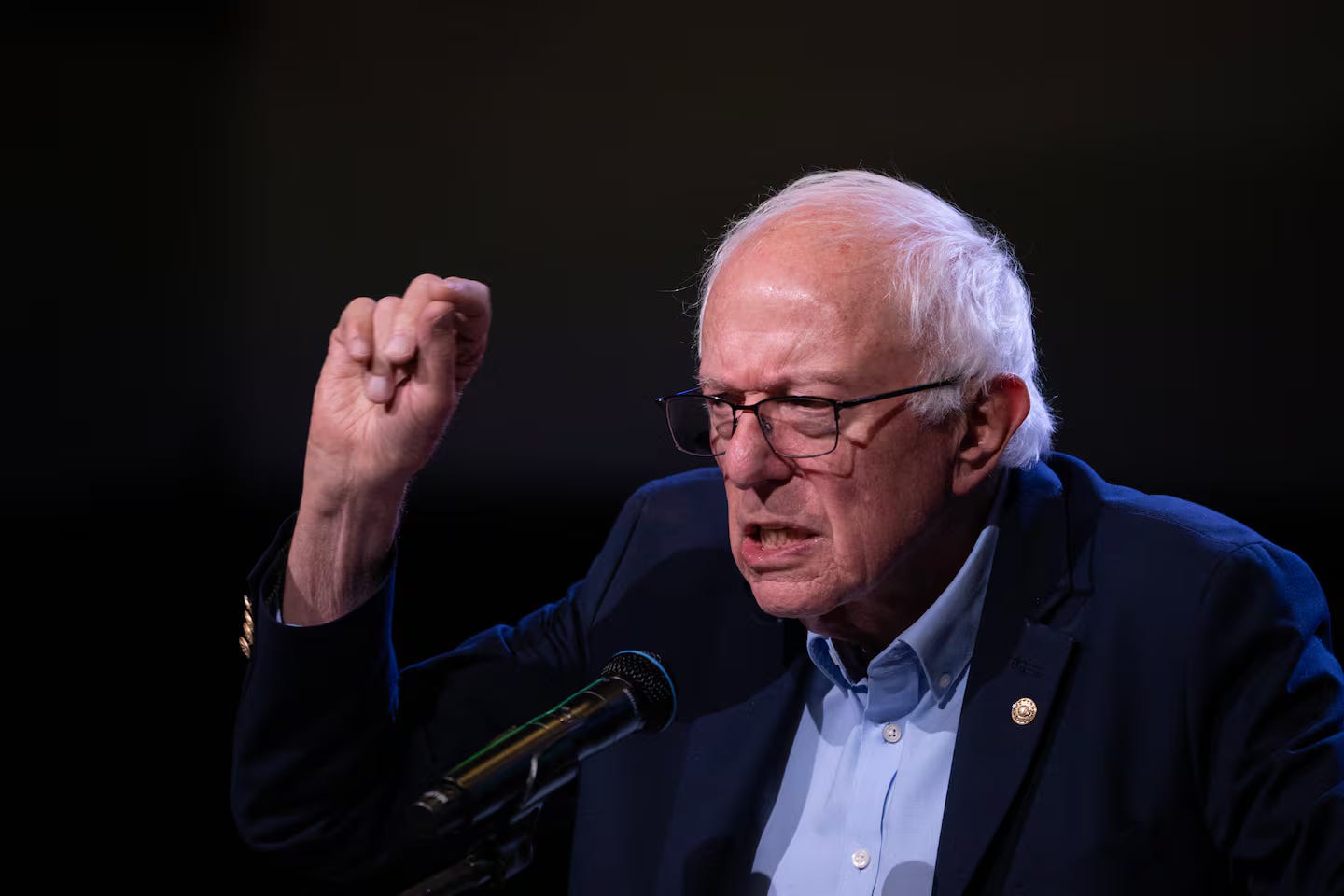
Three. Senator Sanders has a bill to end prescription drug advertising altogether. Give it a vote. Let every member of Congress, in both parties, go on the record.
And to the networks: when you cover an industry that pays your bills, tell your audience.
Let’s make it possible for Americans to differentiate between commercials and journalism, or a comedy monologue and a serious examination of public health.
Americans deserve to know who is paying for the messages they hear. That is the conversation MAHA is bringing into the open, and it isn’t going away.
On today’s show, we’re joined by extraordinary individuals who have witnessed firsthand the corruption and failures of the mainstream media: Bret Weinstein, Mary Holland, Brigham Buhler, and Sayer Ji.
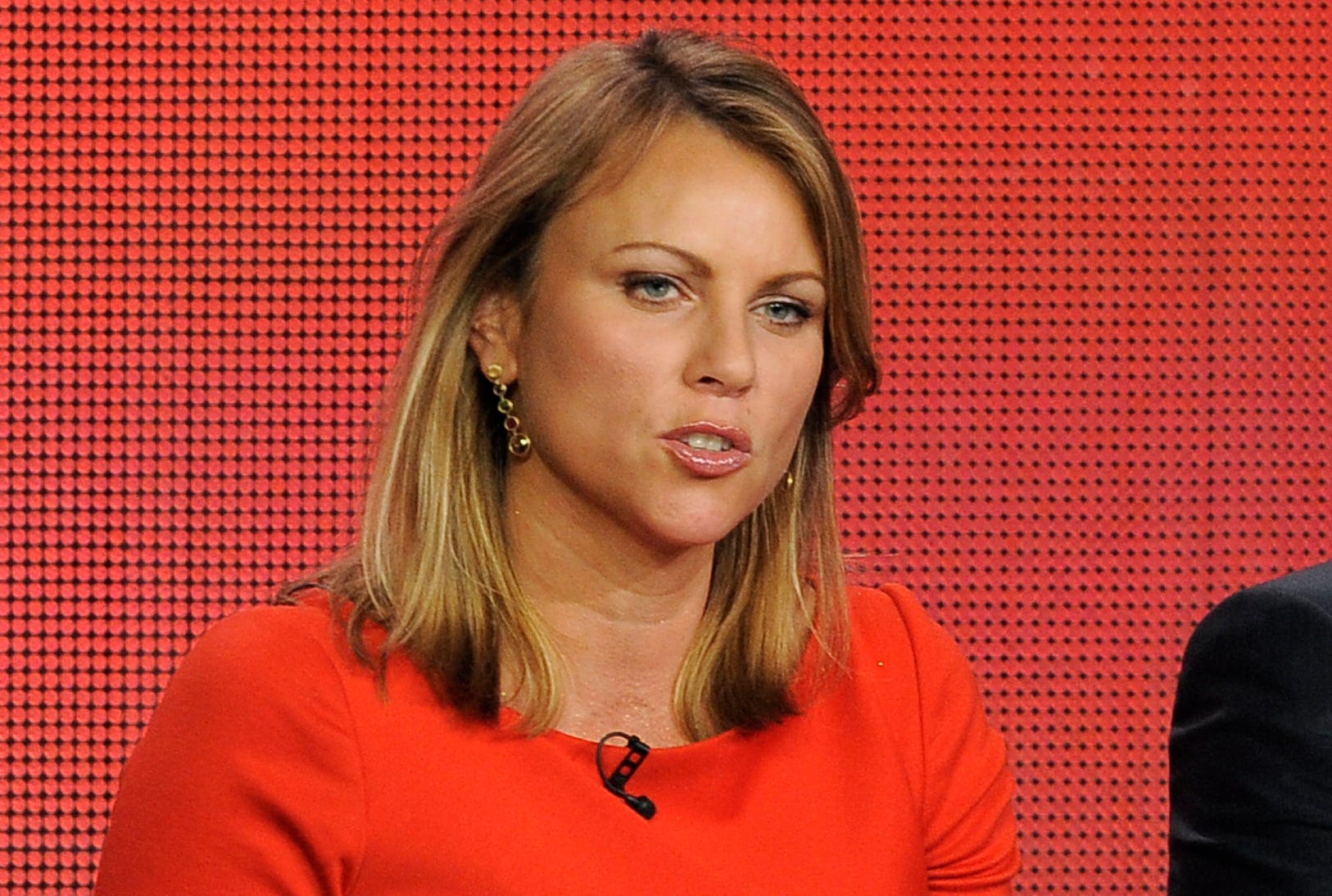
But first, let’s welcome Lara Logan. She’s an award-winning investigative journalist and foreign correspondent who spent nearly two decades reporting for CBS News and “60 Minutes,” including serving as CBS’s Chief Foreign Affairs Correspondent. She is known for her fearless reporting from the front lines of conflicts in Iraq, Afghanistan, and the Middle East.
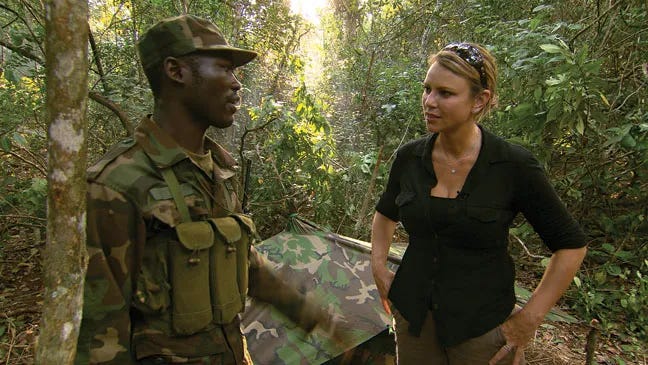
She has received numerous honors, including Emmy Awards, the Edward R. Murrow Award, and the duPont-Columbia Award. She is currently the host of “Going Rogue with Lara Logan,” where she explores underreported stories, challenges conventional narratives, and conducts in-depth interviews on issues shaping the world.
Welcome, Lara.
Shop our merch store to support the MAHA Report and the MAHA movement. All proceeds go to supporting the cause.
It broke my heart watching that SNL skit. Despicable. Thank you for illuminating the financial interests involved. So much widespread major corruption
The largest part of this argument is personal responsibility. For example, those that saw through the covid shot scam tried to warn friends and family. Most were gullible and took the shots anyway because the “experts” told them to. Then the covid shot injured attacked their covid shot denier messengers with “why didn’t you tell us the shots were bad!” This is the element of personal responsibility that people must adopt or suffer the consequences, including sickness and death. Fat slobs who eat junk food should not be coddled or accepted as normal. They should be motivated to take action.