


At the beginning of HHS Secretary Robert F. Kennedy’s first podcast (“The Secretary Kennedy Podcast”) streamed live on April 15, Kennedy explained his goals.
“The purpose of this podcast,” he said, “is to talk about how we’re going to move from policy on paper to reality—to implementing these revolutionary policies from the Trump administration that are going to end the chronic disease epidemic and that are going to change the experience that Americans have with our healthcare system and make it much better, improve the quality of healthcare, and make it affordable.”
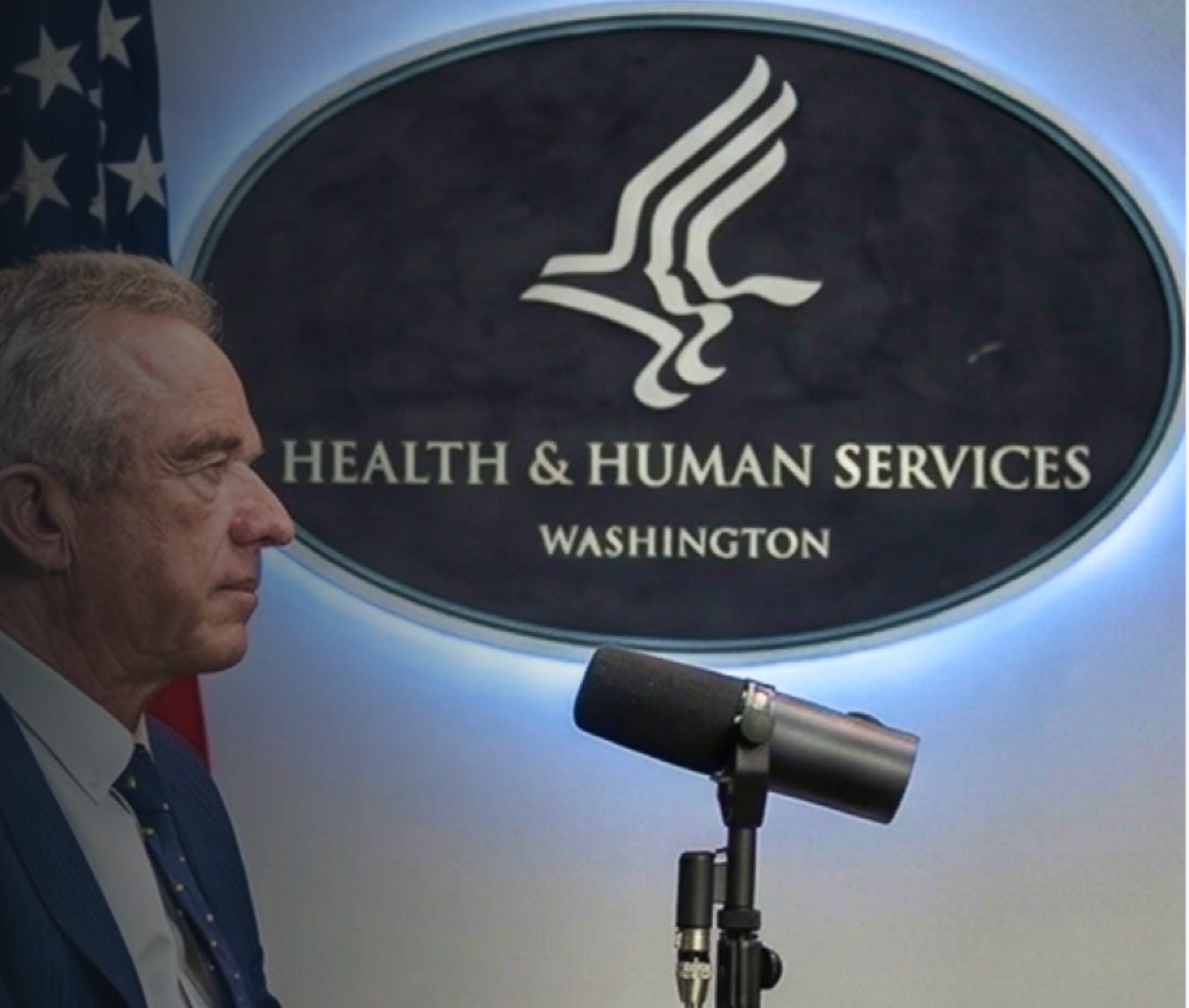
Kennedy added that key to reversing the chronic disease epidemic is fixing the nation’s food supply.
Kennedy’s first guest was Chef Robert Irvine, who, as the secretary put it, is a man who has taken on the dire state of food that is fed to the men and women of the armed services.
Commenting on X, Secretary Kennedy said, “This conversation focuses on practical solutions to reduce chronic disease, support families, and restore real food to schools, hospitals, and communities across the country.”
Irvine began by thanking Kennedy USDA Secretary Brooke Rollins for reforming the nation’s nutritional guidelines. He then remarked that not only is the food served to men and women in the military sub-standard, but it is also incredibly costly. To fix this problem, he examined waste in the procurement process.

“My whole approach with Fort Hood—thanks to Chris Mohan and the Chief Randy George of the Army and Secretary Wormuth—is changing the way we do business,” Irvine said. “They’re allowing us to look at what industry is doing outside that we’ve never done since the 1930s in the military. I look at a bottle of water. What does it cost us here? Why are we selling it over here? The difference between buying it in Alabama and Kentucky is it’s the same water, but it’s 10 cents more over there.”
Irvine continued, “The first thing I looked at through my foundation—the Robert Irvine Foundation—was helping the military modernize their feeding system. I took them to Columbia University in New York City. There’s no refrigeration in Columbia University [dinning halls]—just a few open carts—yet they’re feeding 10,000 to 20,000 people a day. Food comes in at 2:00 in the morning, gets prepped fresh, and they have a 96 percent retention rate in New York City where you can get any food at any time within a two-mile radius. Why? The food is fresh…”
Kennedy and Irvine discussed the mental health benefits of real food. Irvine explained that human biology is better suited for “grazing” every three hours than the traditional three-meal system. He noted that poor nutrition directly fuels aggression and lowers alertness, whereas providing wholesome food like eggs \significantly improves behavior and performance in both children and military personnel.
Both Kennedy and Irvine agreed that the lessons learned from nutritional reforms at Fort Hood and Fort Jackson can be applied to other facilities where large numbers of people need to be fed. Schools, in particular, could benefit from the reforms Irvine has implemented at the two Army bases.
Future episodes of Kennedy’s new podcast will examine other aspects of the chronic disease epidemic and feature guests working in both the private and public sectors to implement urgently needed reforms.
HHS spokesperson Andrew Nixon told The Hill that the podcast “will provide a direct platform to engage with the public on the health issues that matter most to American families, from chronic disease and nutrition to food quality and health care costs, while bringing radical transparency to the conversations shaping those issues.”
“The Secretary Kennedy Podcast,” launched on April l5, has yet to announce a regular schedule. Stay tuned, here.
I serve in prison ministries. Something to consider, if inmates were fed better foods would there be different behaviors from the inmates? According to several inmates the food is horrendous, meat like dog food. I get it, they are in prison, but we know good food also affects good mental health. Something to look at.
So pleased to hear that something is being done about our food system. Beginning in the ground to have great soil, to stopping the chemicals and farm to table practices. Let’s promote growing food in our classrooms, including nutrition to medical institutions. So much to be done but it can be.