


“How in the world as female athletes can we, as women, expect someone to stand up for us if we aren’t willing to stand up for us?” — Riley Gaines
Riley Gaines still remembers the moment and day when a swimmer, who came from virtually nowhere, won the 500-yard freestyle by 1.75 seconds: March 17, 2022, at the NCAA championships. The swimmers who finished second and third in that race, Emma Weyant and Erica Sullivan, had both won silver medals at the Tokyo Olympics.
But who was the winning swimmer?
The next day, Gaines touched the wall in a dead tie for fifth place in the 200-yard freestyle with that same swimmer: Lia Thomas, a 6-foot-2 athlete who spent three seasons on the University of Pennsylvania men’s team and was competing as a woman despite being a biological male.
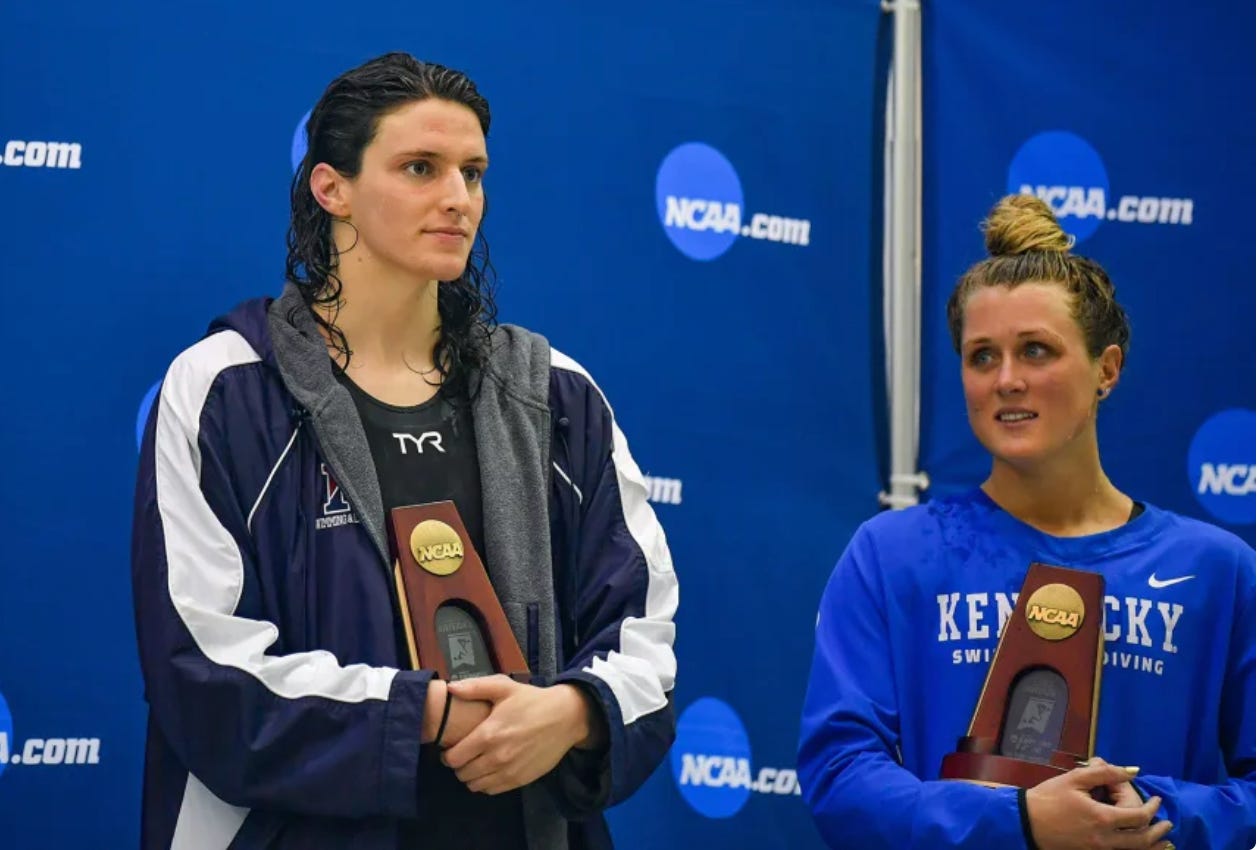
The real clincher came on the podium. NCAA officials handed the only fifth-place trophy to Thomas, for photographs. One official told her plainly, “We only have one fifth place trophy, so yours will be coming in the mail. We went ahead and gave the fifth place trophy to Thomas, but you can pose on the podium with the sixth place trophy.”
Gaines, true to her MAHA spirit, was not pleased. She began to speak out.
That decision, more than the race itself, showed Gaines that the people running the sport had already decided what they wanted to showcase, and it wasn’t her.
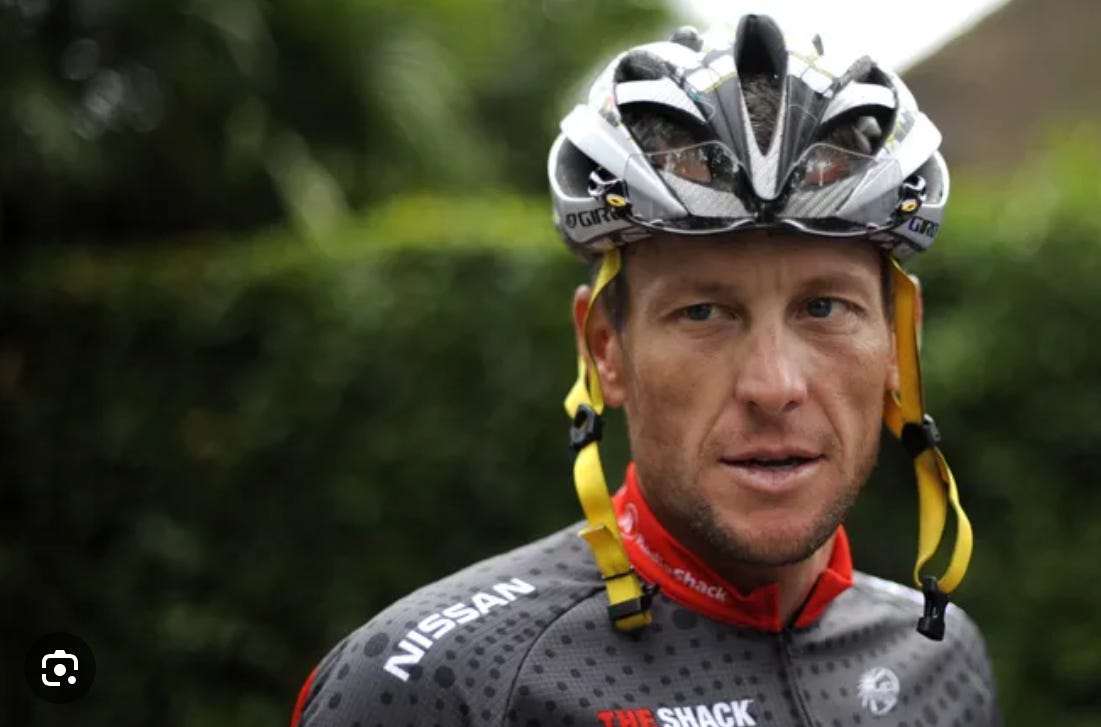
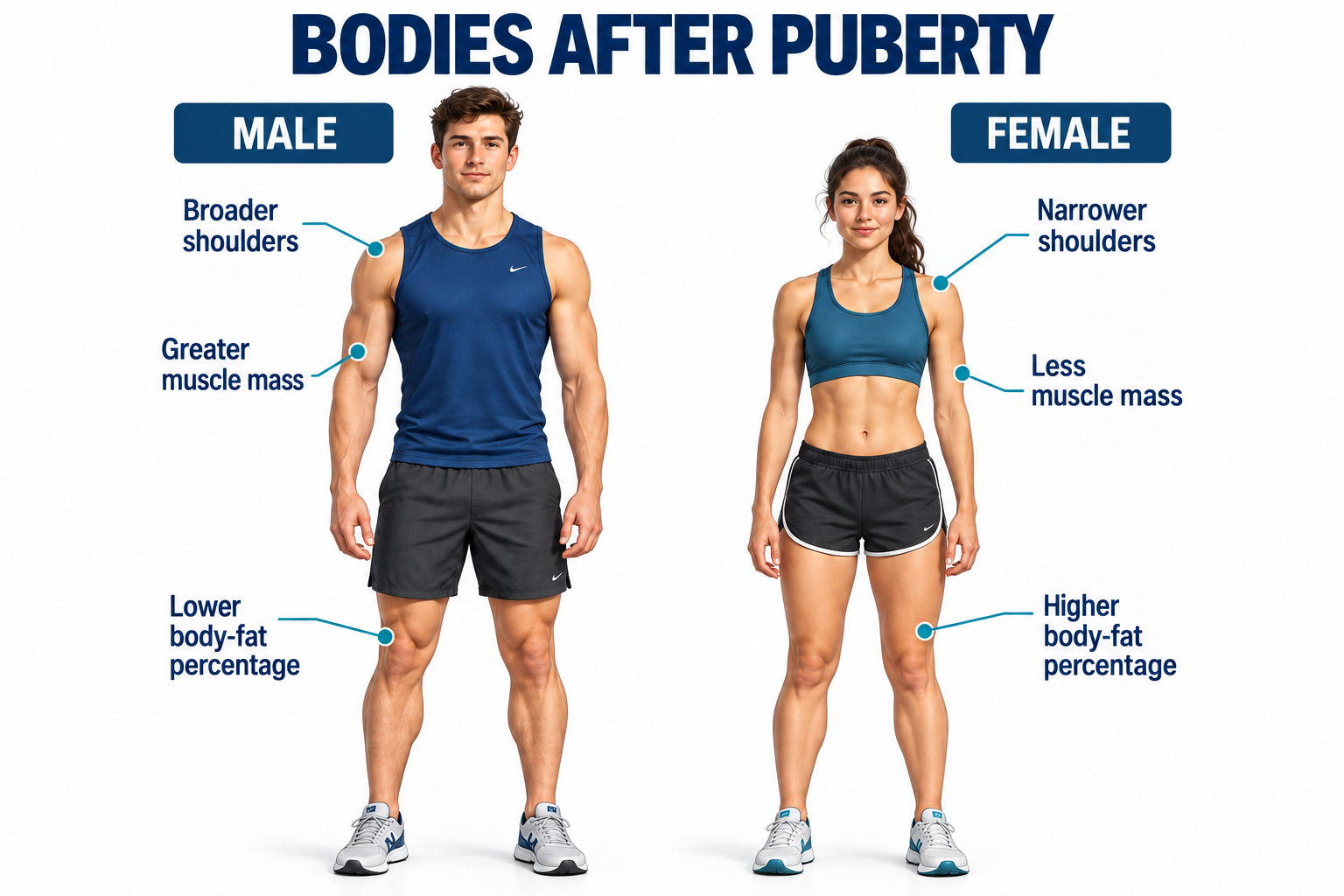
Gaines said one of the first people to reach out was Lance Armstrong, who called her just days after the story broke, incredulous. Armstrong knew anti-doping enforcement first hand. During his competitive cycling years, doping was rampant; it wound up costing him everything, not just his seven Tour de France titles, but an Olympic bronze medal and every podium finish across 14 years of racing. To him, the comparison was obvious. He had lost everything for chemically enhancing his body, while an athlete born with the physical advantages of a male – including a larger skeleton, greater muscle mass, and a bigger heart and lungs – could compete against women after just a year of hormone suppression.
When Gaines spoke out against athletes like Thomas, she met significant pushback. She was shouted down, protested, and even physically attacked for saying publicly what many other female athletes would only say in private. Speaking to students at Truett McConnell University in Georgia, she summed up her response to her critics: “When they want you silent, speak louder.”
Gaines grew up around athletes and competition. Her father, Brad Gaines, played football at Vanderbilt, in Nashville, and her mother, Telisha Gaines, played softball at Austin Peay State University, also in Tennessee. By her senior year at Kentucky, Gaines was the reigning SEC champion in the 200-yard freestyle and the fastest swimmer in the country in the 200 butterfly, with her sights set on an NCAA title outright, not a fifth tie she’d have to share credit for.
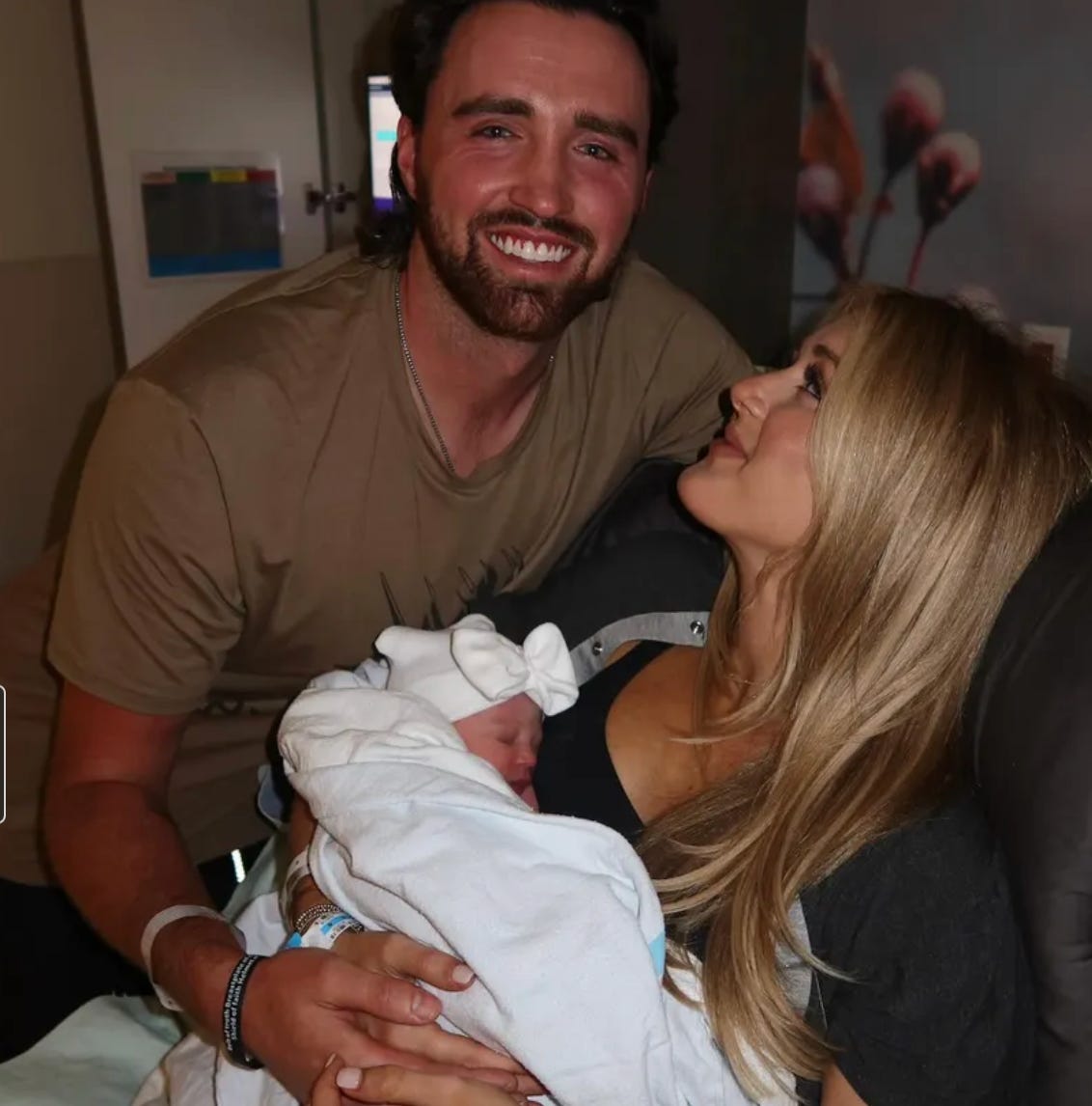
Now 26, Gaines lives in Nashville with her husband, Louis Barker, whom she met at Kentucky and married in 2022. The couple has a daughter, born last fall. Reflecting on the one pivotal meet during which she was upstaged by Thomas, years before her daughter arrived, Gaines said she knew she needed to stand up for herself, thinking of the example she would want to set for her future children. As she watches her daughter grow, she’s grateful she made her views public.
Today, via a successful podcast, The Riley Gaines Show, Gaines speaks often about the pressure young women face to delay marriage and motherhood for career first; motherhood, she says, is the most profoundly perfect thing a woman can do. Her newest book, 1, 2, 3, We Are Free!, published by Brave Books for the country’s 250th anniversary, teaches toddlers how to count alongside faith, family and freedom.
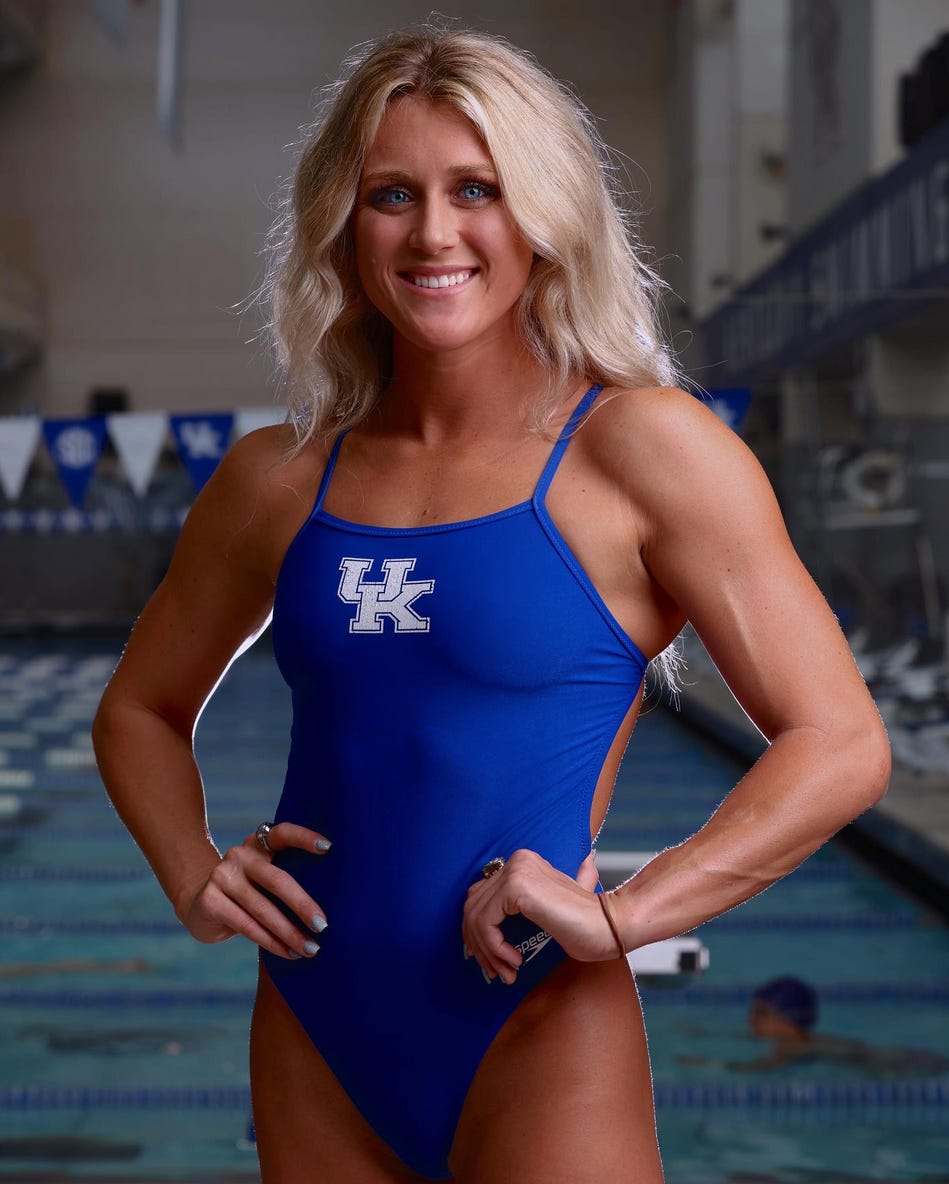
Gaines is just as pointed about the pressure for women to shrink themselves, physically. As culture drifts back toward thin as the paradigm for beauty, she argues that real female empowerment runs in the opposite direction — toward strength.
“As female athletes, we spend our lives building strength, muscle, and a body that is powerful and functional,” she said. “It’s incredibly disheartening to see the culture pivot back to a ‘thin is in’ mentality that tells young girls they need to shrink themselves to be valued.”
Gaines added. “True empowerment isn’t about fading away into Hollywood’s extreme standards; it’s about embracing biological strength, health, and what our bodies are actually capable of achieving.”
What actually makes a woman attractive, Gaines argues, is standing in her power: strength, muscle, and confidence to know who she is and what she wants out of life.
And her activism around transgender athletes has proven prescient:
One by one, the governing bodies of sport came around to the position Gaines has espoused since 2022. Her own sport moved first. In June 2022, just three months after Lia Thomas’s win, World Aquatics, swimming’s international governing body, barred from all women’s events any male-to-female transgender athlete who had gone through male puberty. That standard would have excluded Thomas outright.
The reasoning came down to the physical traits male puberty locks in regardless of later hormone therapy: bigger, denser bones, broader shoulders, larger lungs, a bigger heart, and greater muscle mass — the very build that gives a swimmer the edge in the water.
Then, in February 2025, the NCAA, which allowed Thomas to compete in the first place, reversed itself entirely, barring any athlete identified as male at birth from women’s competition, no exceptions. The rule Gaines fought in 2022 is no longer NCAA policy today.
Gaines is still making the case she first made in 2022, now on a far bigger stage. Twice a week she hosts The Riley Gaines Show on OutKick, a Fox News Media platform, interviewing sitting senators and fellow female athletes and taking on cultural targets from campus activism to the messages Gen Z women absorb from influencer culture.
In January 2026, Gaines stood on the steps of the U.S. Supreme Court as the justices weighed state bans on male athletes in women’s sports, and a bill bearing her name is now moving through Congress.
What began for Gaines as one ‘stolen’ trophy in Atlanta has become the question she asks every girl she meets today — the same one she asked on that podium in Atlanta: If you won’t stand up for yourself, who do you expect will do it for you?

Lets be crystal clear shall we?
Trans is mental illness, period.
No need to attempt to be accomodating.
R Gaines is going up agains insanity, and winning
The fact that countless do not join her is telling
about how spineless other atheletes are.
Awesome! She's brave and strong; and is totally right. Women have to stand up against this horrible situation. We have to keep women's sports for women!!