


Mollie Engelhart was once a staunch believer in the vegan movement, which stands firmly against eating meat and is all in on a plant-based diet. She owned popular vegan restaurants in Los Angeles and thought vegan food was creating a pathway forward for humanity.
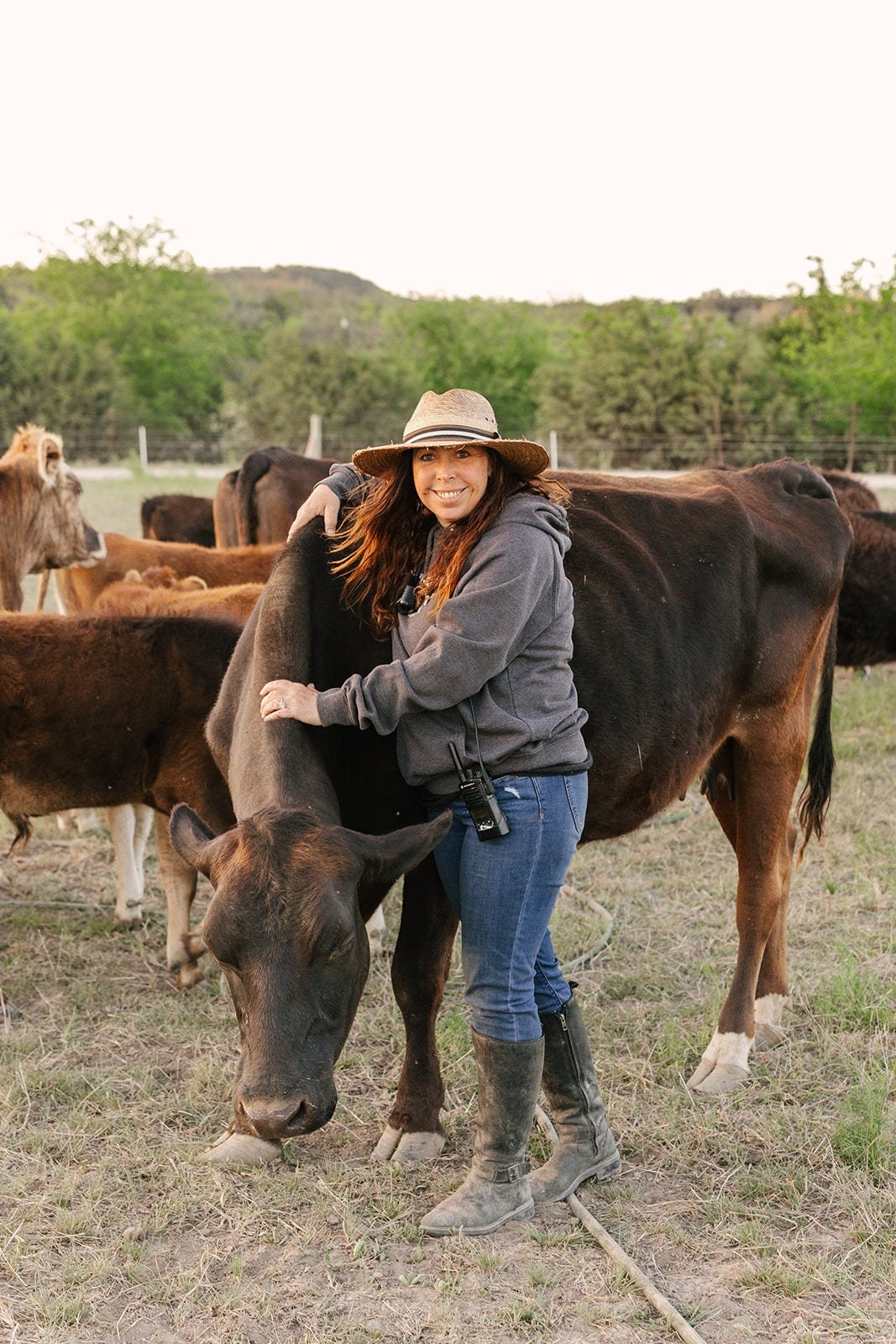
Her journey to veganism was just as circuitous as her journey away from it.
She studied film at the California Institute of the Arts and later worked in Los Angeles in the music industry for Sony Music’s Epic Records. In the early 2000s, she operated a recording studio with her brother, Ryland, until inexpensive recording software and music downloads killed the industry and the studio was forced to close.
Engelhart later toured as a spoken-word poet, releasing albums, opening for The Roots and appearing on HBO’s “Def Poetry Jam” before growing medical marijuana in California. It was a lucrative business until prices collapsed in 2008.
It was time to reinvent herself again.
Her father and the actor Woody Harrelson were experimenting with raw vegan diets. Inspired, she tried her hand at creating a raw vegan ice cream for them. A 2009 recipe led her to found the first such ice cream shop in L.A., KindKreme. Two years later, she opened her first ‘Sage Vegan Bistro’ in Echo Park; three more followed across L.A.
“I could taste something at a restaurant, and I could go home and recreate it, so I just became a chef,” she tells The MAHA Report.
A self-taught chef, Engelhart would later produce the documentary “May I Be Frank,” which chronicled transformation through healthy eating.
Her thoughts about what is healthy began to morph after she heard a 2013 TED Talk by soil educator Graeme Sait, which focused on environmental issues tied to food waste. The talk fundamentally challenged her assumptions about livestock and their environmental impact.
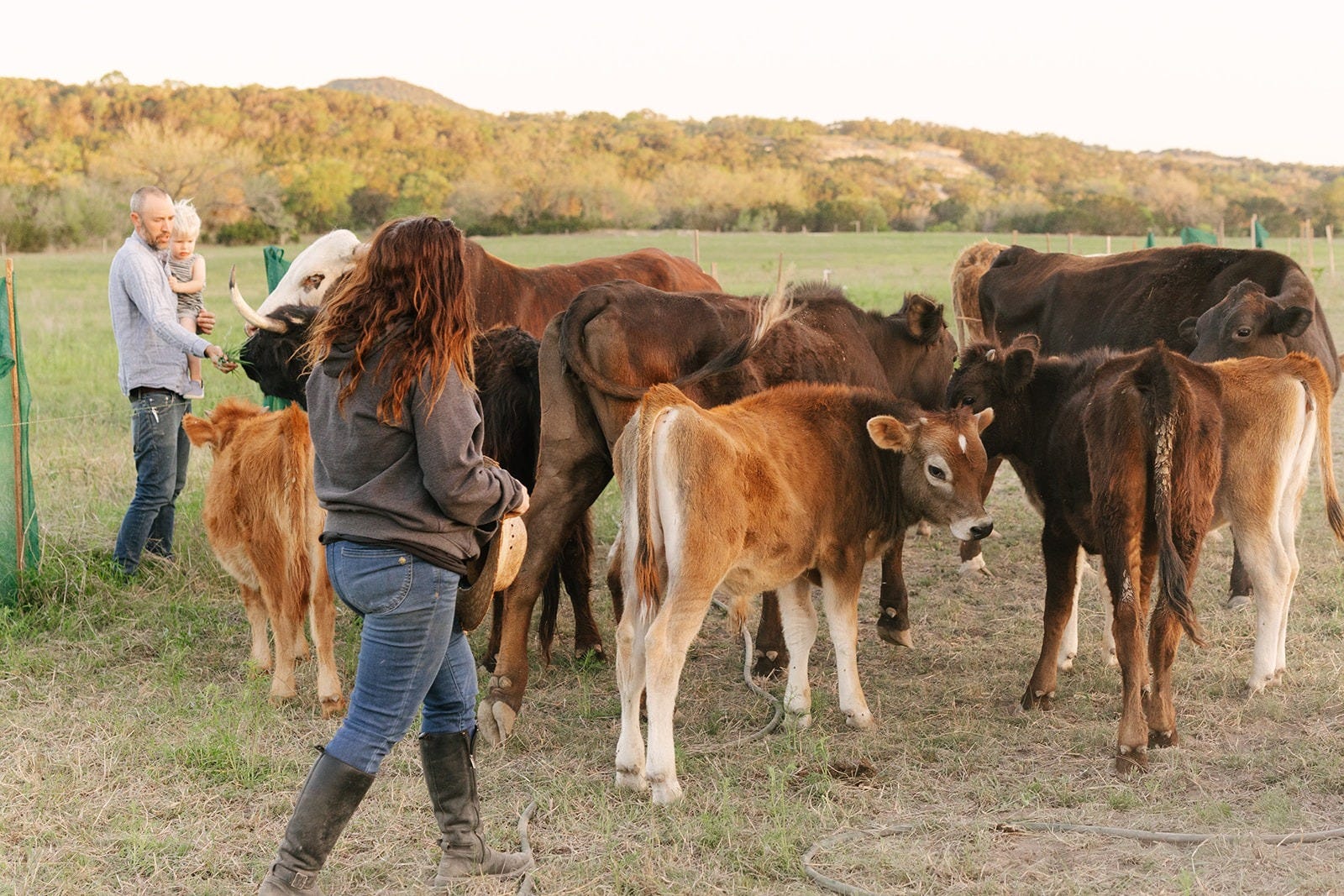
Truly regenerative, organic systems depend on animals’ grazing and manure – and their role in nutrient cycling, she learned.
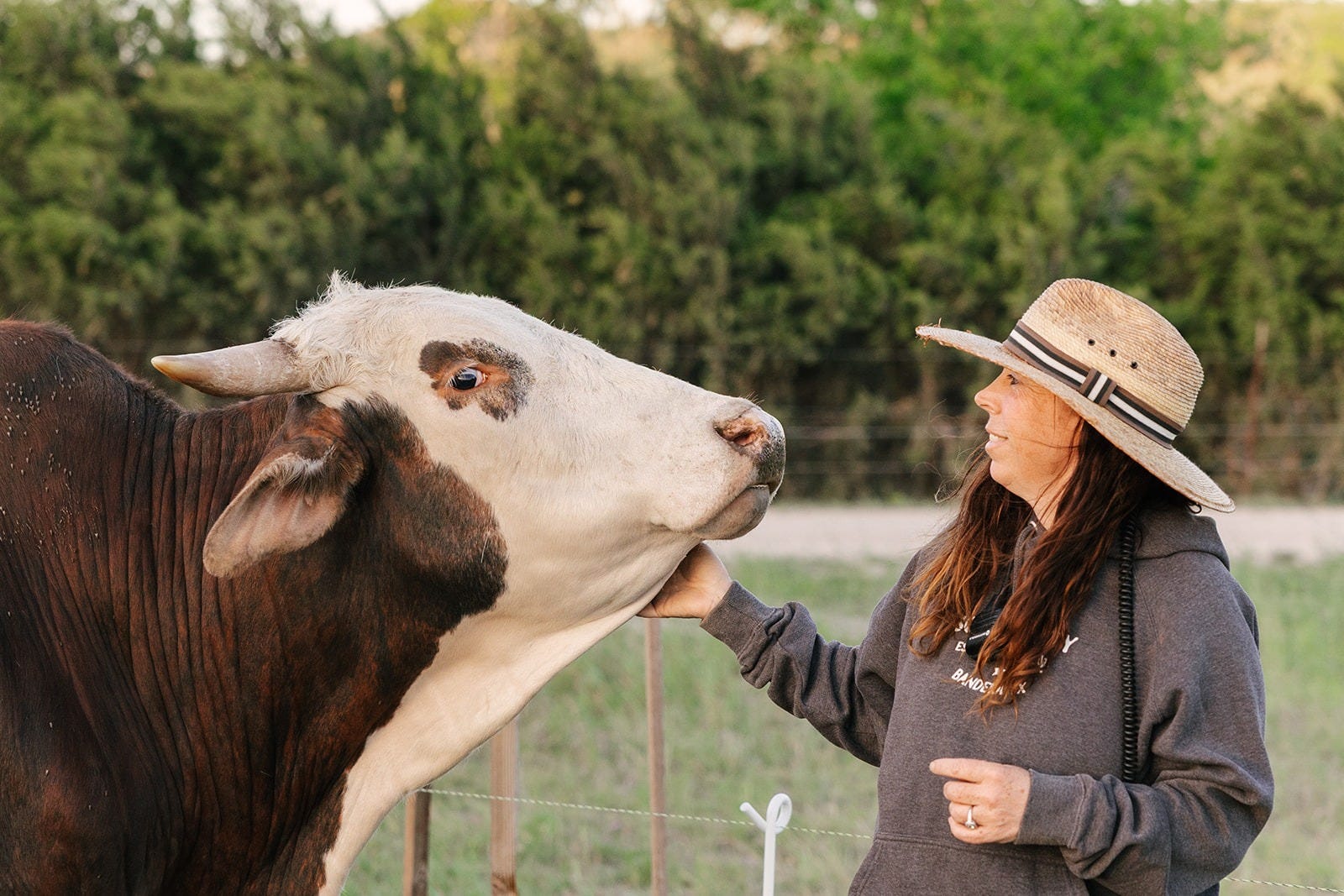
“It just clicked in my mind that cows were not the problem,” she said. “They were not the enemy. It also clicked that food waste was a significant problem. I decided to get my own farm and try to deal with the food waste from my own restaurants.”
Engelhart said she realized “there was no vegan food” and that her life “was kind of a lie.” She described how all organic food is fertilized by blood meal, bone meal, feather meal, and chicken manure.
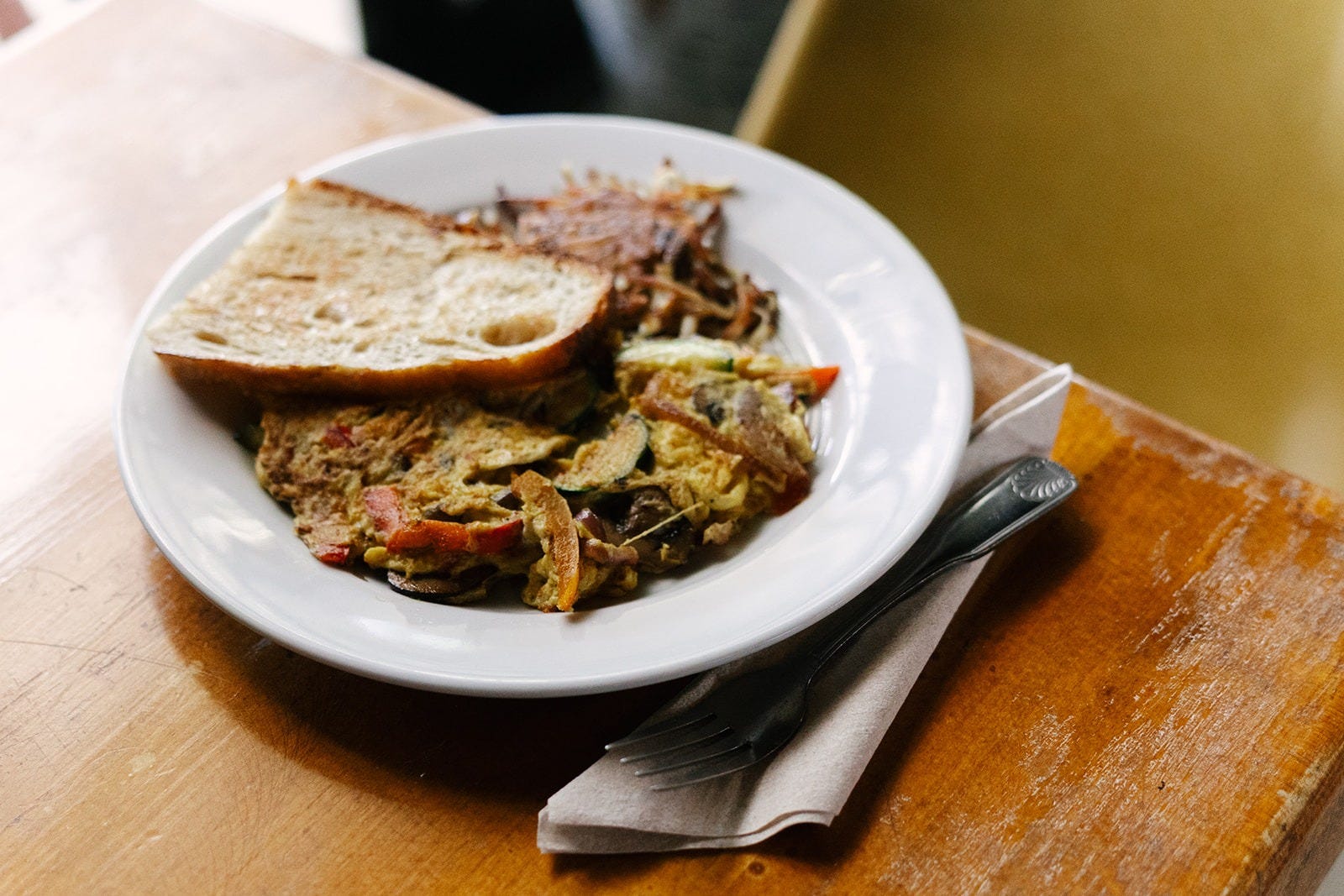
“And that’s all coming out of the consolidated feedlot system that the vegans hate. You grow avocado trees, you kill ground squirrels,” she explained. “There’s no plate without death. Life and death are two sides of the same coin.”
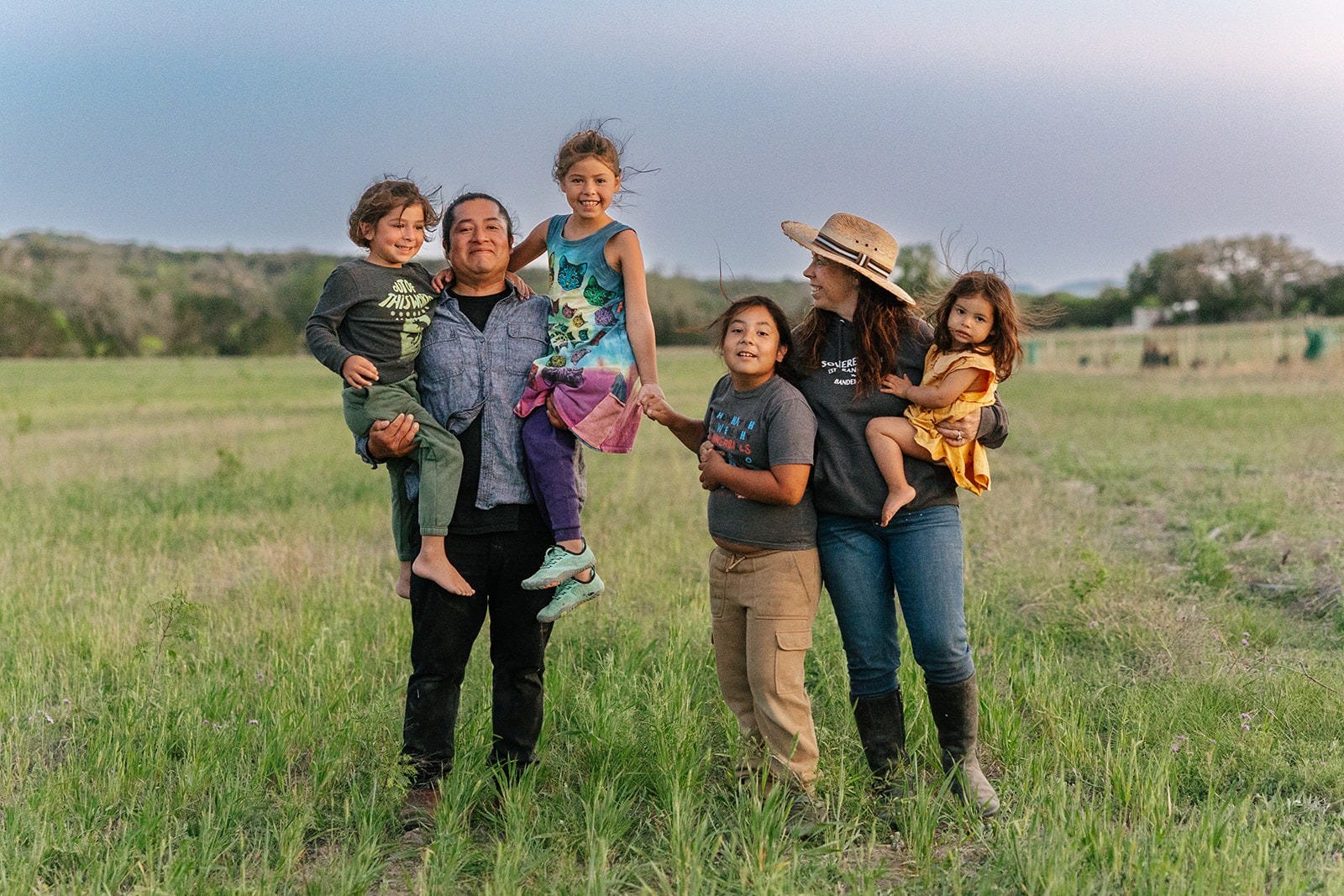
In 2018, Engelhart and her husband, Elias Sosa, moved from their suburban L.A. home to Sow a Heart Farm in Fillmore, California. The farm started at 20 acres and soon expanded to around 70, supplying food for the Sage Vegan Bistro restaurant chain. The couple focused on rebuilding the soil and improving biodiversity. They integrated animals into the system.
In 2020, Covid lockdowns caused restaurants across California to close. Engelhart would need to pivot. Again.
Engelhart attempted to switch her restaurants from vegan to regenerative, but that didn’t work. Vegan protesters threw blood on her buildings, screamed through bullhorns, beat on drums, and caused constant disruption. Local media published negative stories.
“I thought bringing in whole, healthy meats would bring in a new audience,” she reflected. “I knew that some people would be upset, but I truly thought that people who loved tallow fries and grass-fed burgers would make up for any lost business because of the chance.”
That same year, she had agreed to sell the restaurants for $31 million, but the deal fell apart amid Covid hysteria.
Engelhart had to close some of her restaurants. To cover the final payroll, she sold her life insurance, Bitcoin, and gold coins.
“Nature showed me so clearly that there is no veganism,” she said.
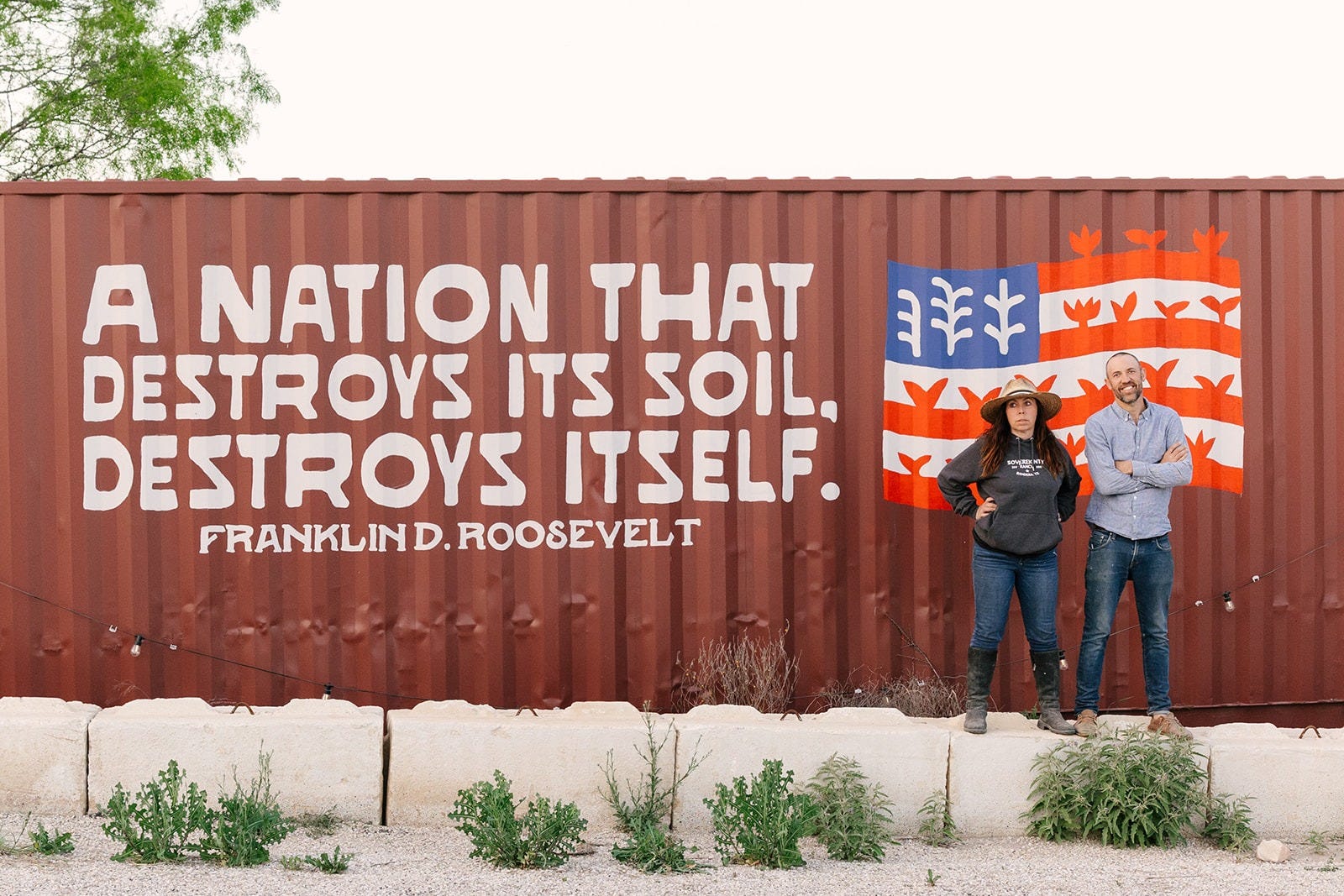
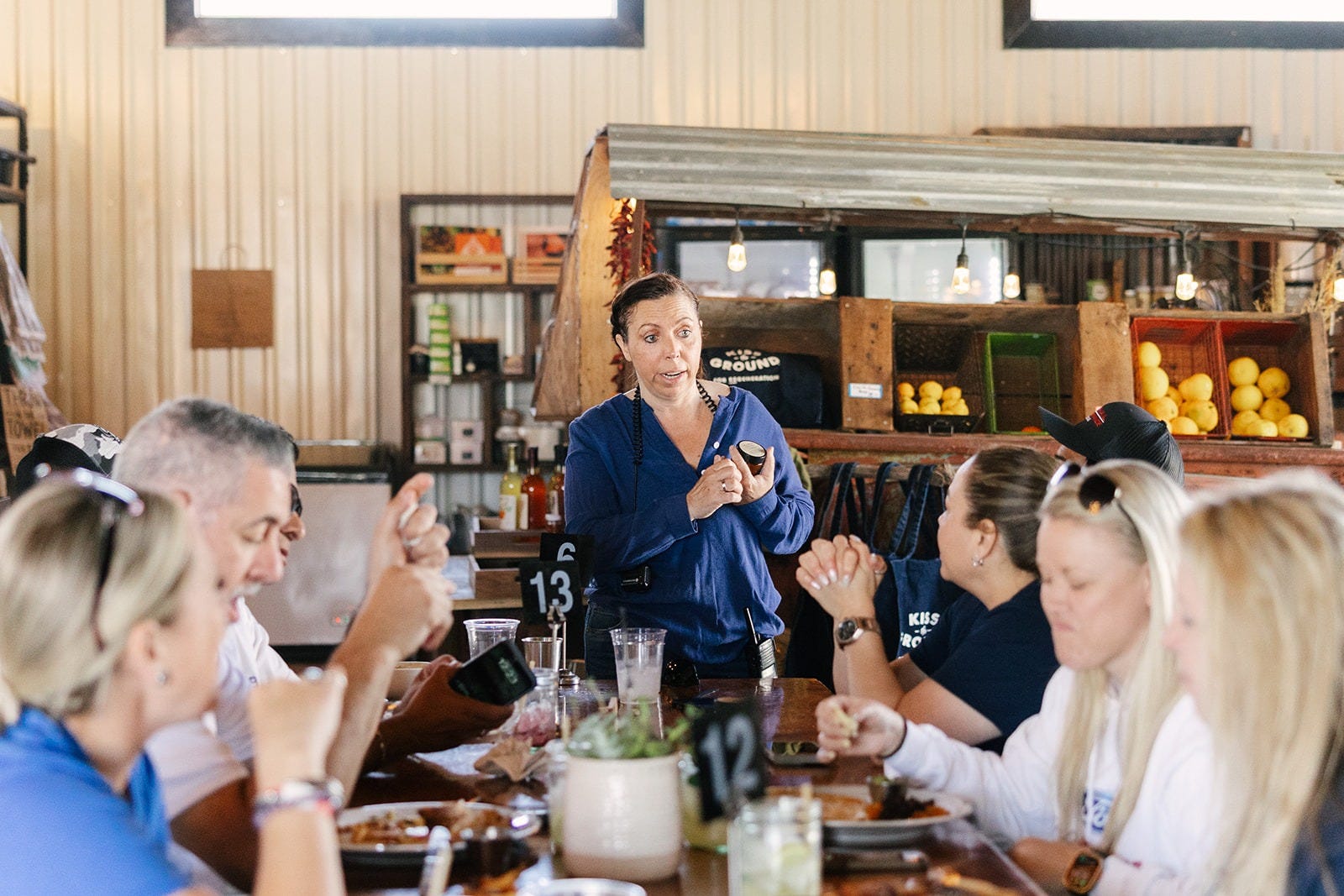
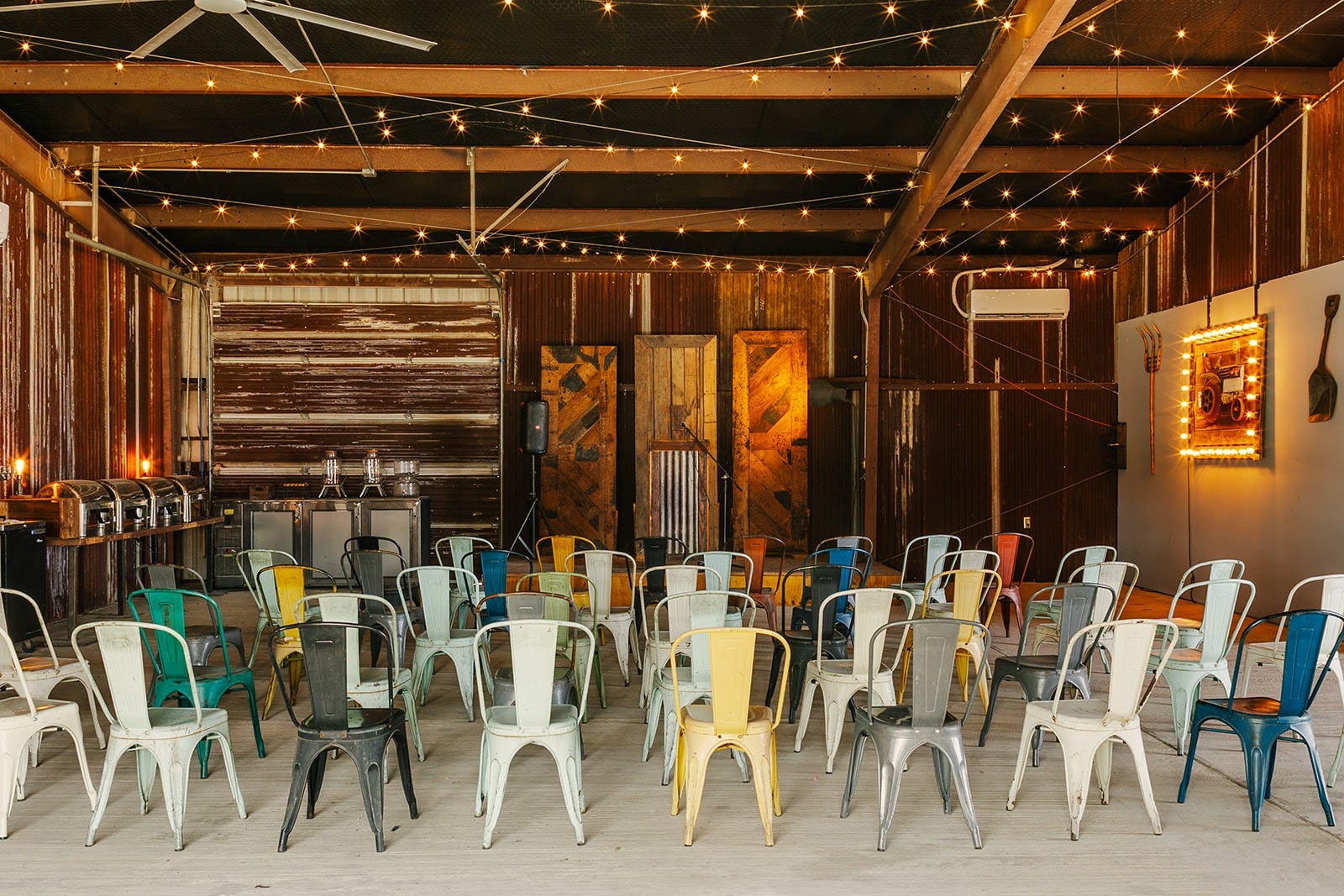
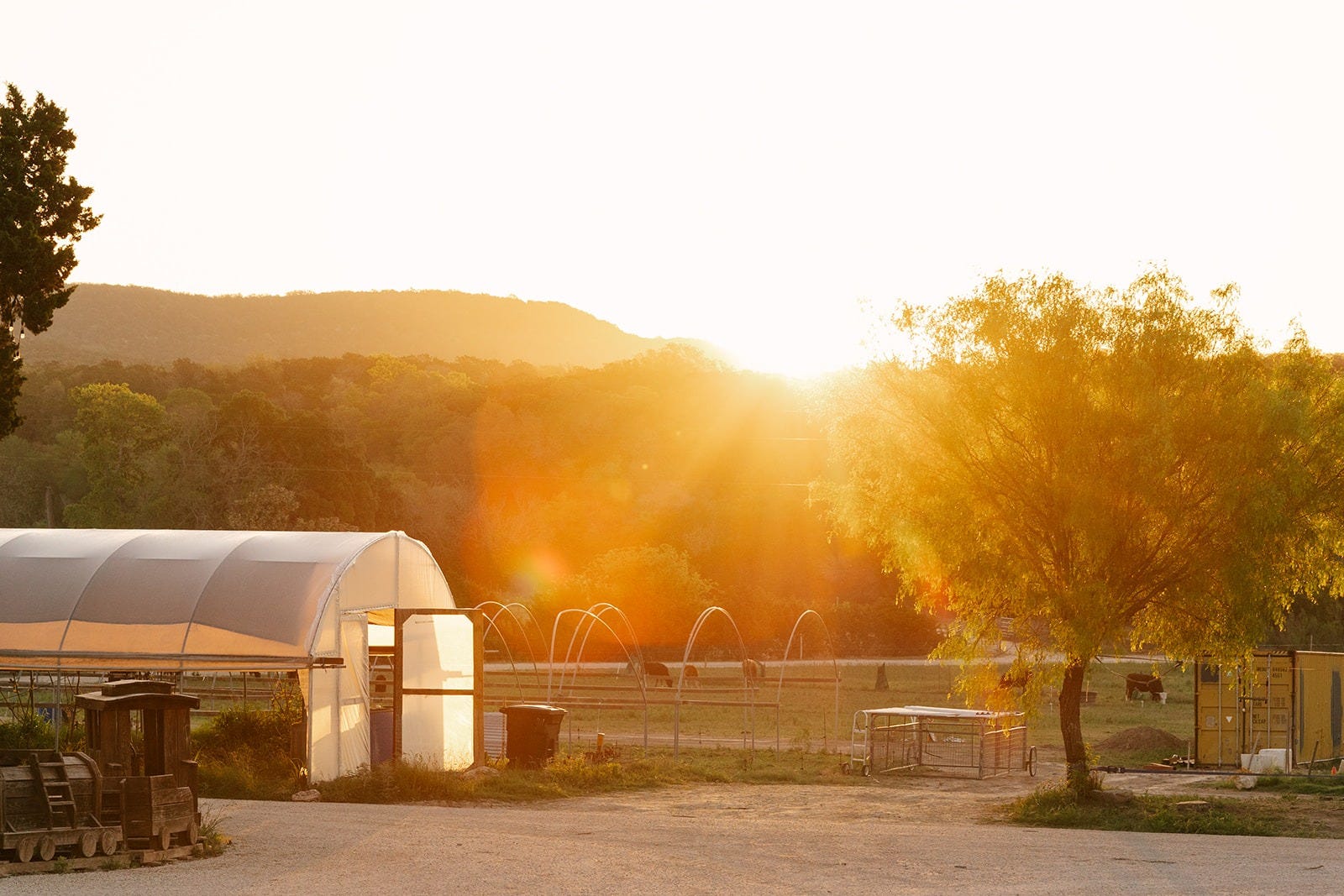
Engelhart also said that operating a business under “intolerable bureaucracy” in California inspired her family to sell their farm, close the remaining restaurants, and in 2023 move to Texas Hill Country, where she and her husband founded Sovereignty Ranch, a 200-acre regenerative farm and event venue that features a farm-to-table restaurant called The Barn. Engelhart serves as its executive chef, and the menu features meat and produce raised on the property.
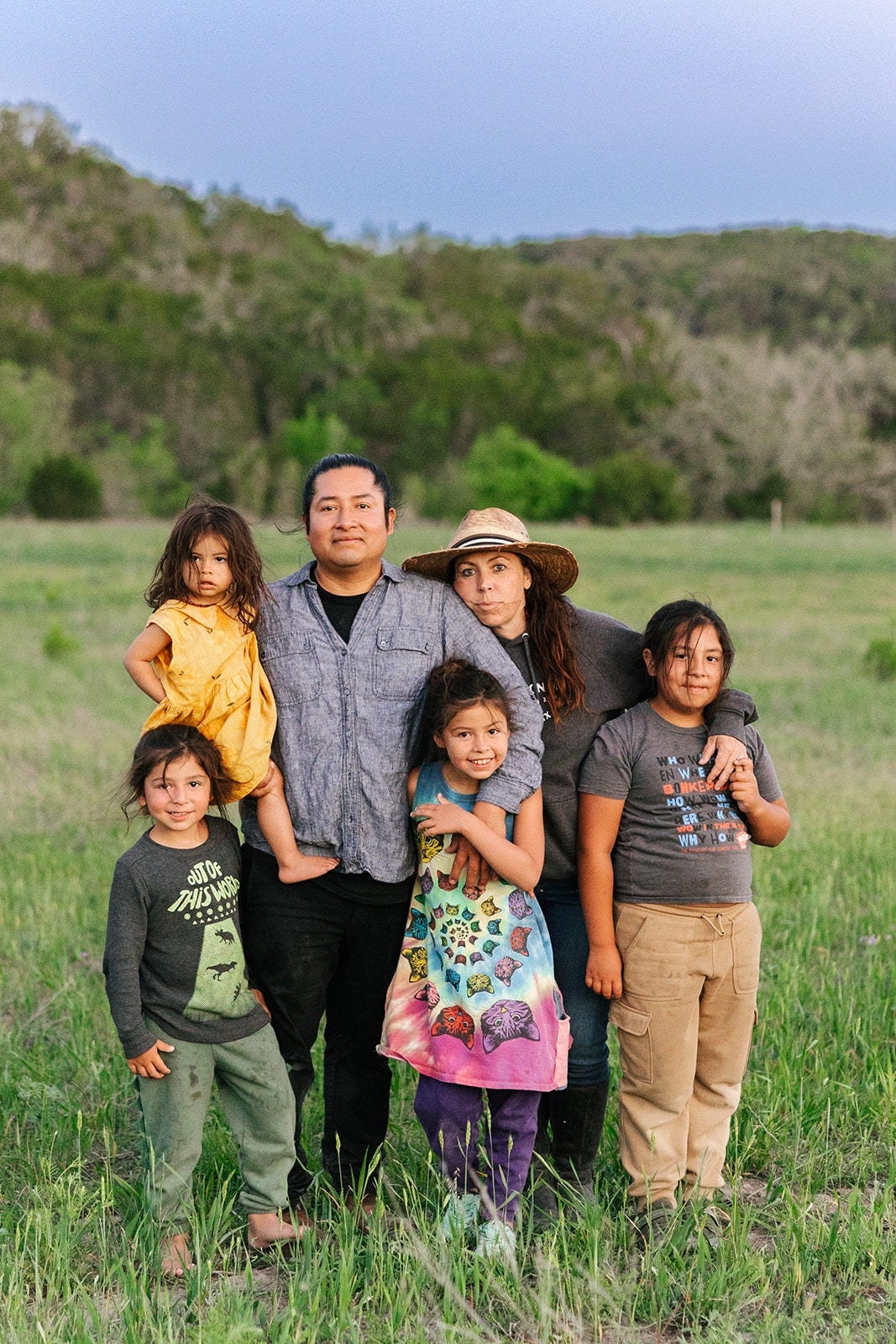
Elias and Mollie homeschool their children on the ranch. The couple believes in teaching them how food is grown and raised, and the importance of nourishing meat and produce and tasks for each child.
On a recent Tuesday morning at her ranch, Engelhart is working on three tasks at once. She’s packing weekly vegetable boxes for her community-supported agriculture customers, instructing the propane driver where the appliances are, and explaining why she believes the right to grow and sell food belongs next to the First and Second Amendments.
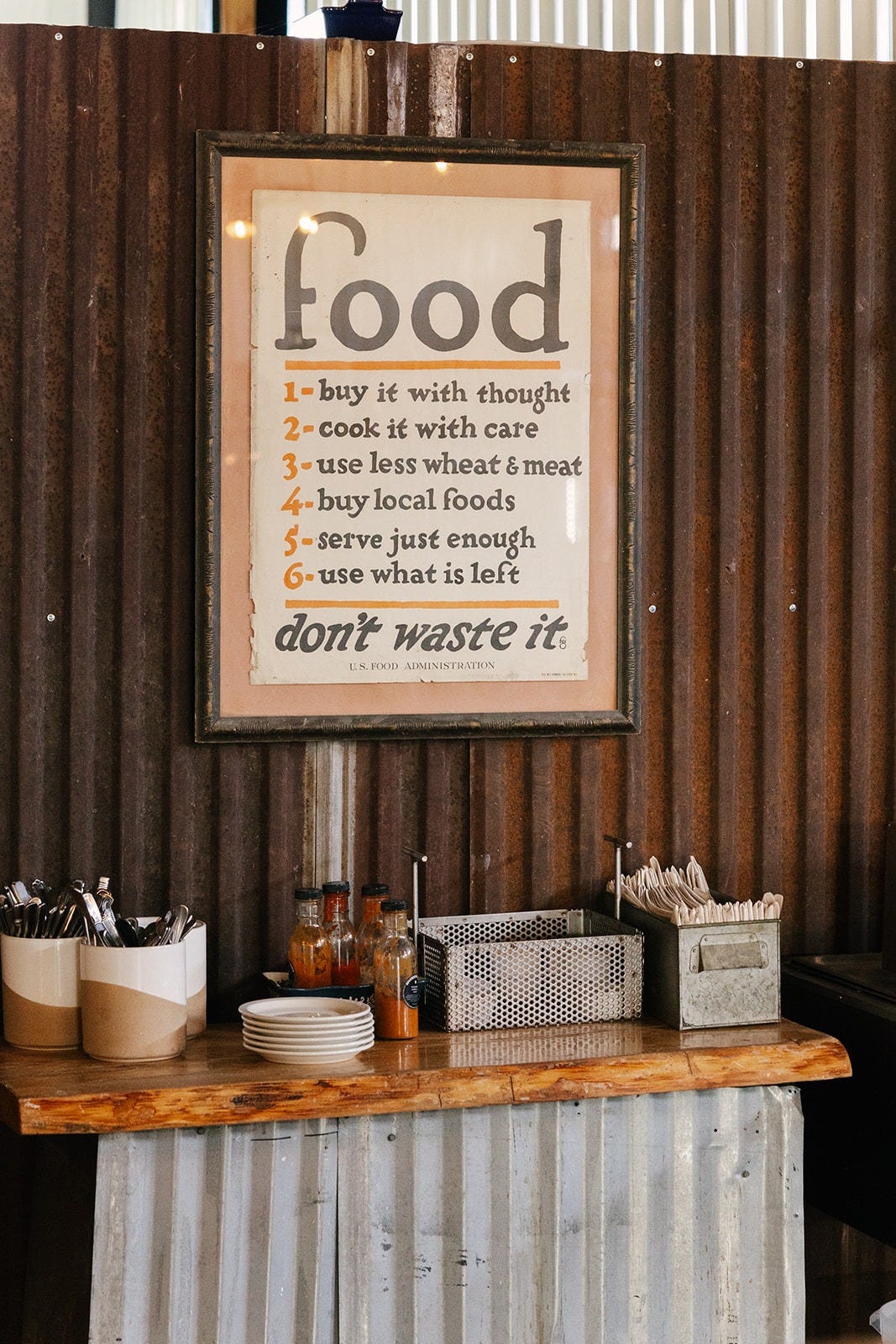
“Food freedom is as important or more important than the First and Second amendments,” Engelhart said. “Our forefathers could not have imagined Americans needing federal permission to feed themselves or exchange food with a neighbor. Producing and trading food were simply part of being alive.”
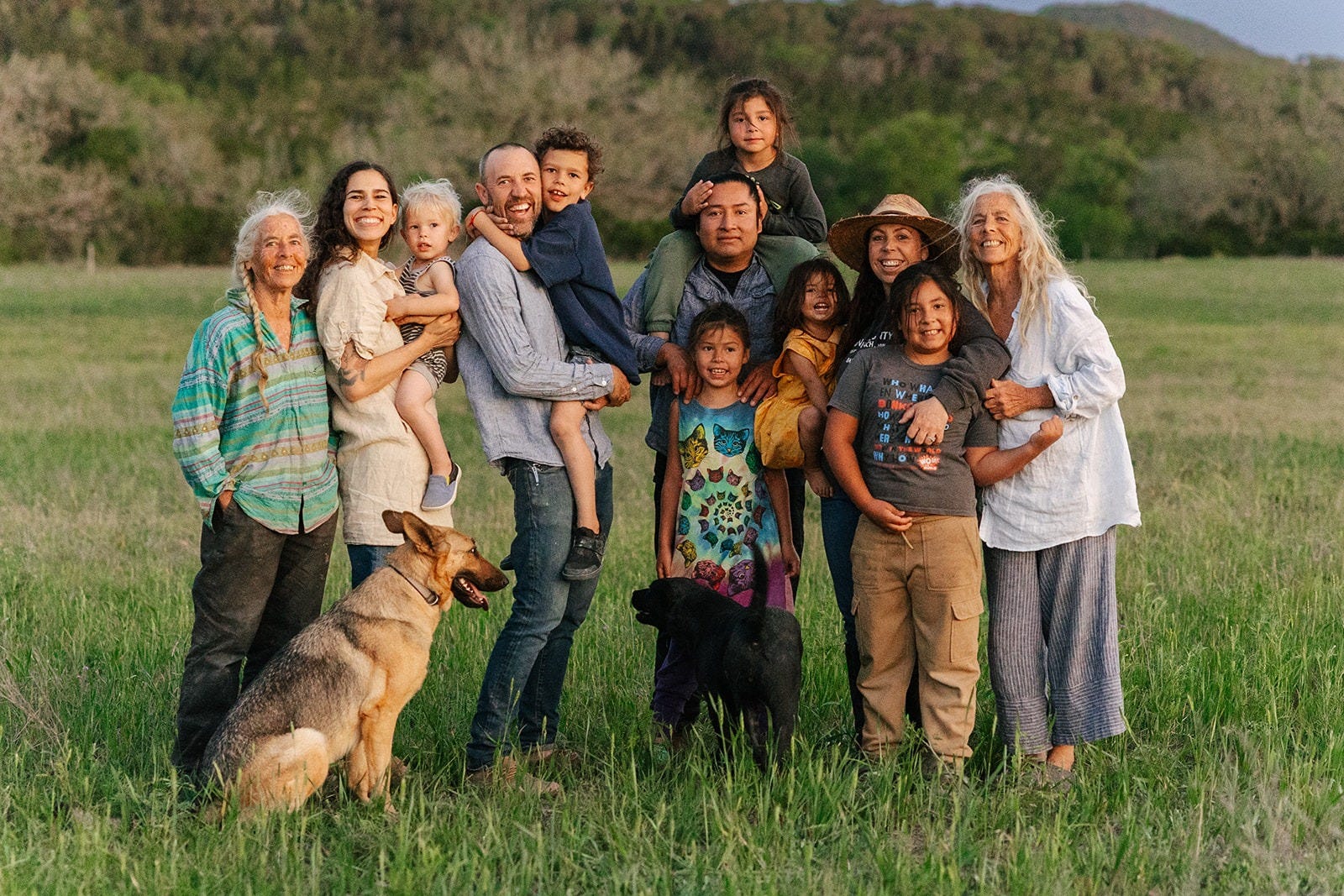
Living on a farm comes naturally for Engelhart. She and her brother Ryland grew up on a 27-acre farm in upstate New York. The family mostly grew apples, tended to a large garden, and raised dairy calves. Her parents are divorced, but they are still involved in agriculture. Her father now farms in Idaho and her mother in Hawaii. Her brother co-founded Kiss the Ground, a nonprofit focused on regenerative agriculture and soil health, and he’s her partner in the Sovereignty endeavor.
When asked about the difference between “organic” and “regenerative,” Mollie compares organic farming to a parent who only says ‘no.’
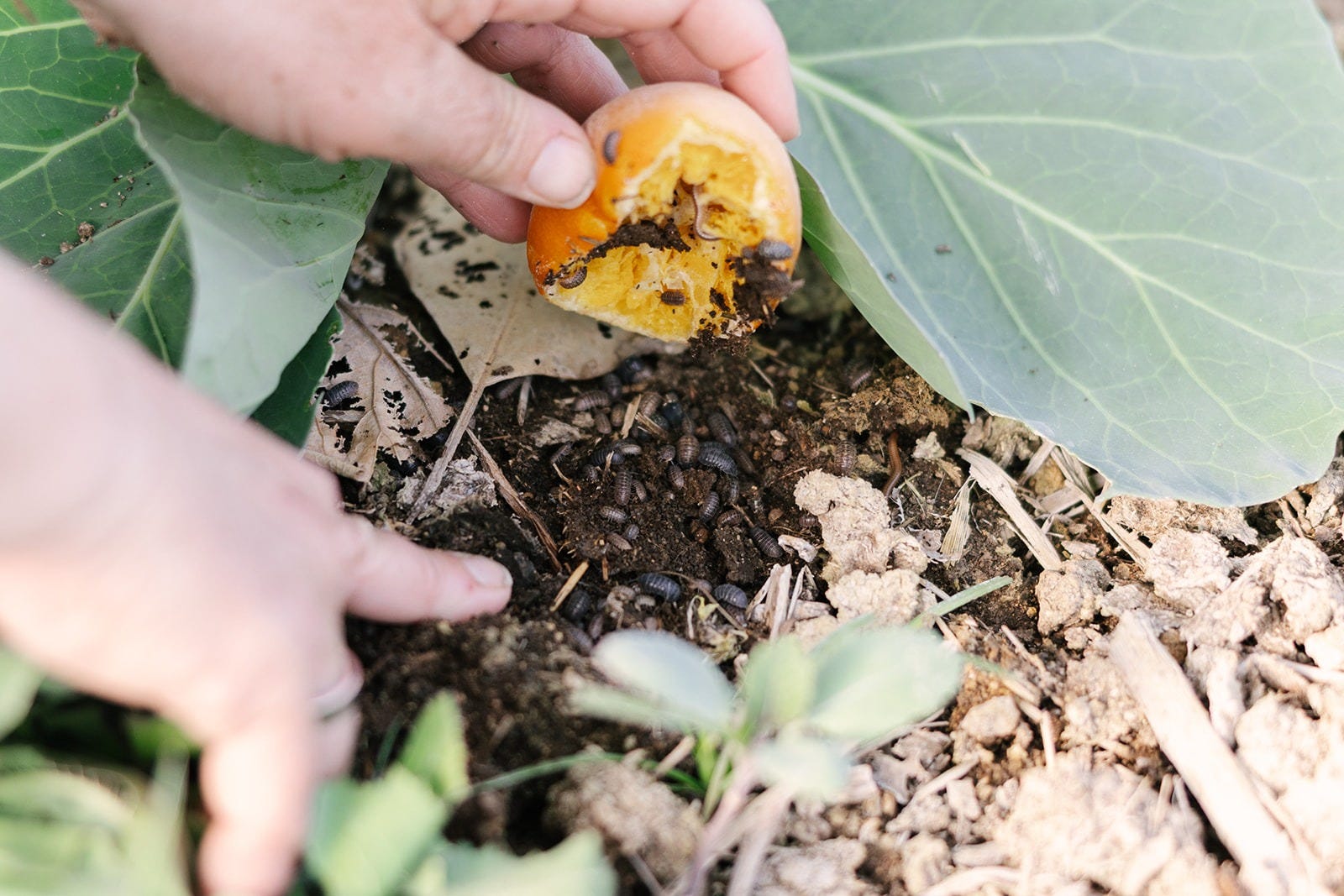
“Organic food is just a list of things you can’t put on it. It’s not about what you can do to it, and it’s not about how nutrient dense it is,” she said. “Regenerative agriculture is about building healthy soil. Plants take carbon from the air and feed microbes in the soil, and those microbes pull minerals out of rock and make them available to plants.”
“We cannot outscience His design. That is regenerative agriculture,” Engelhart added, noting that she buys organic food for her restaurant and her children, but calls it “a far next best thing to regenerative.”
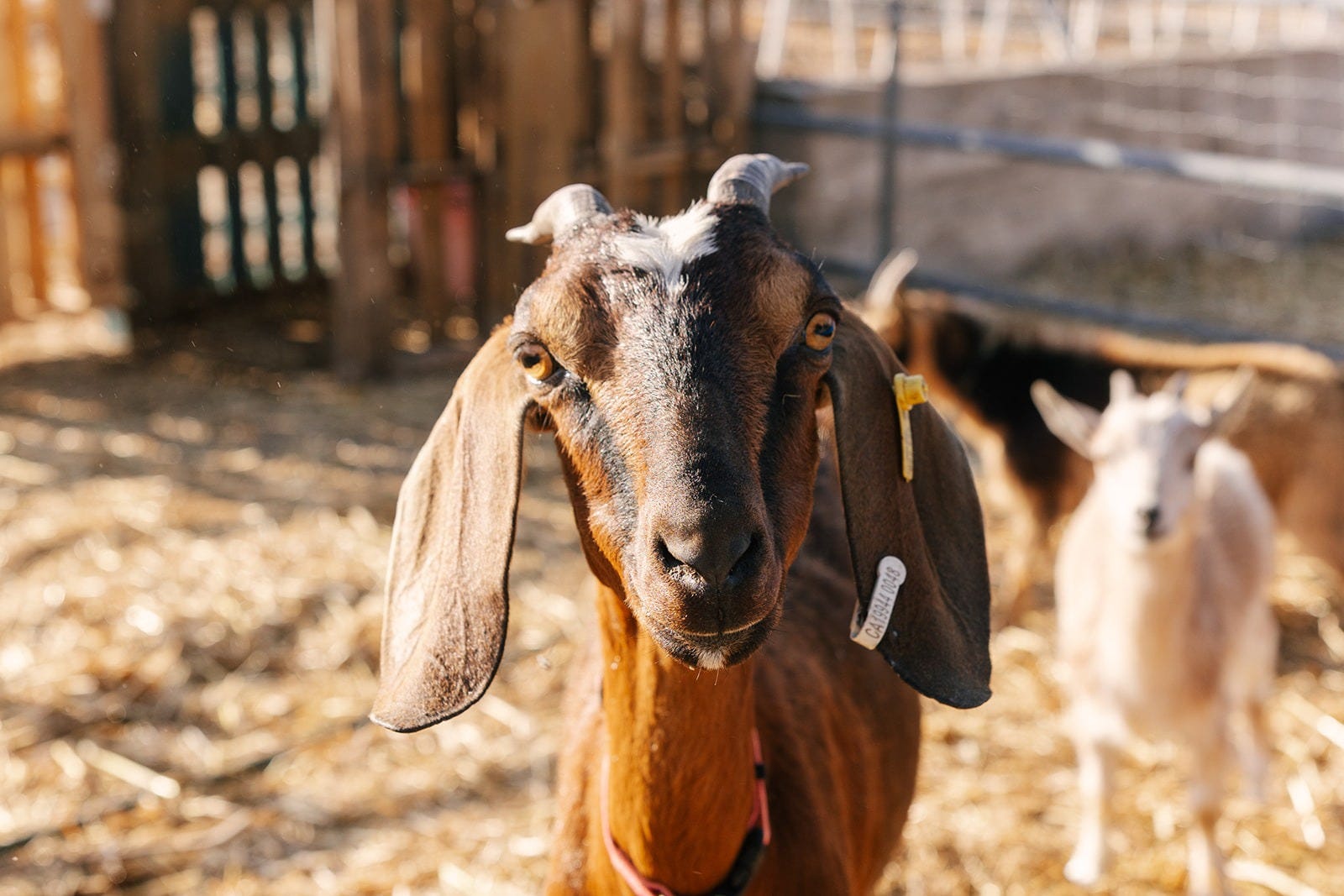
She rejects lab-grown meat for the same reason. “It is us trying to outscience our creator,” she said.
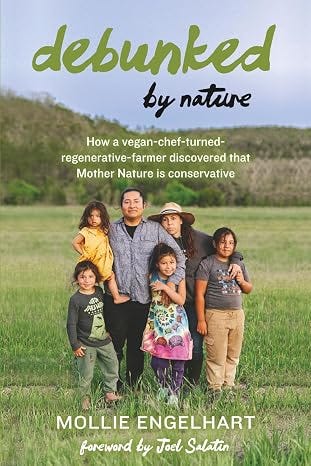
In her memoir, Debunked by Nature: How a Vegan-Chef-Turned-Regenerative-Farmer Discovered that Mother Nature Is a Conservative, Engelhart explores a broader version of that argument. She treats nature as the testing ground for everything from baby formula to modern ideologies. “Nature doesn’t lie,” she said.
Engelhart frequently speaks at regenerative agriculture conferences, sharing her journey while advocating for healthy living on the land and local, small-scale farms. She believes that human health is inseparable from soil health and that animals serve an essential role in regenerative systems. She also believes convenience-driven industrial food has eroded the purity of the nation’s food supply.
She is also vocal about what she believes must happen to rebuild America’s small cattle herd size and bolster independent farms.
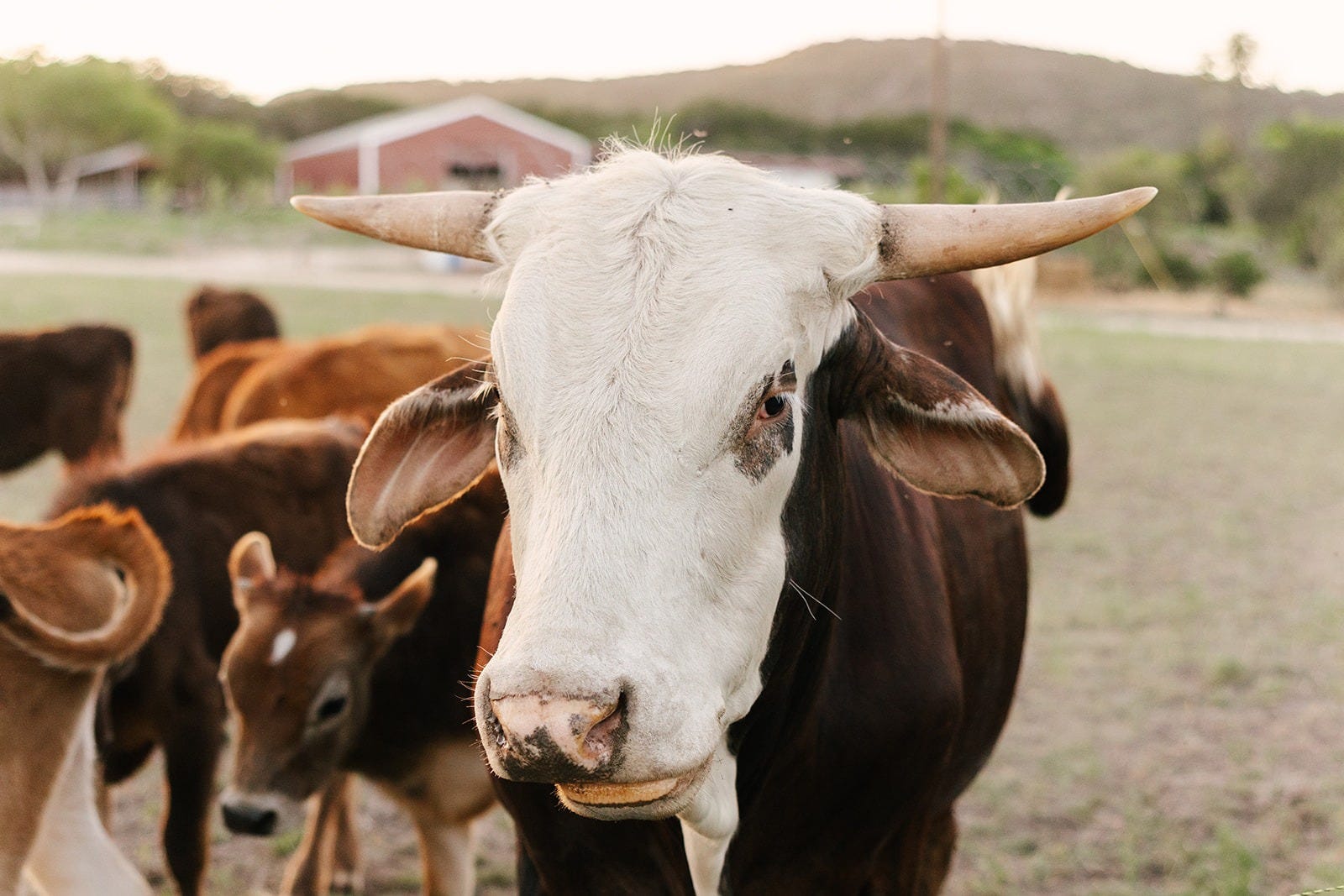
As of January 1, 2026, the U.S. cattle herd stood at 86.2 million head, the smallest number since 1951. It was at 92 million head in 2016 and nearly 96.7 million in 2006.This has tightened the supply of beef in the United States and contributed to record or near-record high beef prices in grocery stores.
“Rebuilding a cattle herd takes years,” Engelhart said. “So what happens when the market finally sends ranchers a price signal strong enough to justify rebuilding and the government responds by bringing in cheaper beef from countries where land, labor, and regulatory costs may be dramatically different? We suppress the very signal asking American agriculture to produce more.”
She added, “When farmers’ costs increase faster than commodity prices, we absorb the difference until we cannot anymore, and then farms disappear.”
Engelhart implores the government to make changes.
“Make it easier to open small USDA-inspected slaughterhouses,” she said. “Reduce unnecessary regulatory costs. Invest in regional processing and drought resilience. Make it economically possible for ranchers to retain heifers and rebuild the American cattle herd. Create tax incentives for private landowners who make unused or underused acreage available to farmers and ranchers for grazing. Remove barriers preventing young people from entering agriculture.”
“If government is going to intervene in the beef market, why not intervene by removing the obstacles preventing Americans from producing more American beef?” she asked.
Earlier this year, Trump signed an executive order announcing that he was making it easier for farmers and ranchers to process and sell meat from their own operations.
“I wanted to celebrate. Then I looked at what actually changed,” Engelhart said.
“My husband can still harvest our hog. We can still eat it. A custom butcher can still process it for us. Yet we still cannot sell that custom-exempt meat to you,” she added.
Americans have a right to grow, raise, harvest, prepare, eat, sell, barter, and trade food, Engelhart believes. But Engelhart also thinks the government should not dictate which meat an informed adult may choose. “Food freedom must include the right to sell, barter, and trade,” sheh said. “Without that, only people capable of producing everything themselves are free. Farmers, butchers, bakers, cooks, and customers should be able to exchange food without federal permission for every transaction.”
She envisions the return to an agrarian society where small farms flourish.
“We never know where life will take us,” Engelhart said. “I was deeply rooted as a vegan and a vegan restaurateur. I never imagined I would be a cattle and pig farmer in rural Texas. We should be open to changing our minds. Showing a willingness to listen and see what was happening reflects true wisdom.”

What a fabulous life! I love the fact that mother nature is conservative. I’m definitely going to buy her book!
What an amazing woman and family! Thank you for this story.