

“Plant a seed. Watch it grow. Take a little responsibility for your own food. That’s the beginning of a beautiful journey.” – Leona Vrbanac
By Catherine Ebeling RN, MSN, Contributor, The MAHA Report
At a public high school in Newark, Ohio, amidst rising food insecurity, mental health struggles, and school lunches chock-full of ultra processed foods, something amazing is happening.

Leona Vrbanac, a culinary arts teacher and lifelong resident of her community, is doing more than teaching kids to cook, she’s sparking a food revolution, one raspberry, one roast, and one student at a time, as this Wise Traditions podcast highlights.
Her classes at Newark High School are so popular there’s a waitlist to get in. But what makes her curriculum different?
Vrbanac teaches students ancestral food traditions inspired by Weston A. Price, focusing on gardening, knife skills, fermentation, nose-to-tail cooking, herbal teas, and nutrient-rich homemade – MAHA-style meals, instead of modern plant-based trends or packaged foods.
In one lesson, she led students into the school garden to harvest berries. One of her 16-year-old students exclaimed, “These strawberries are amazing,” only to learn that they were actually raspberries.
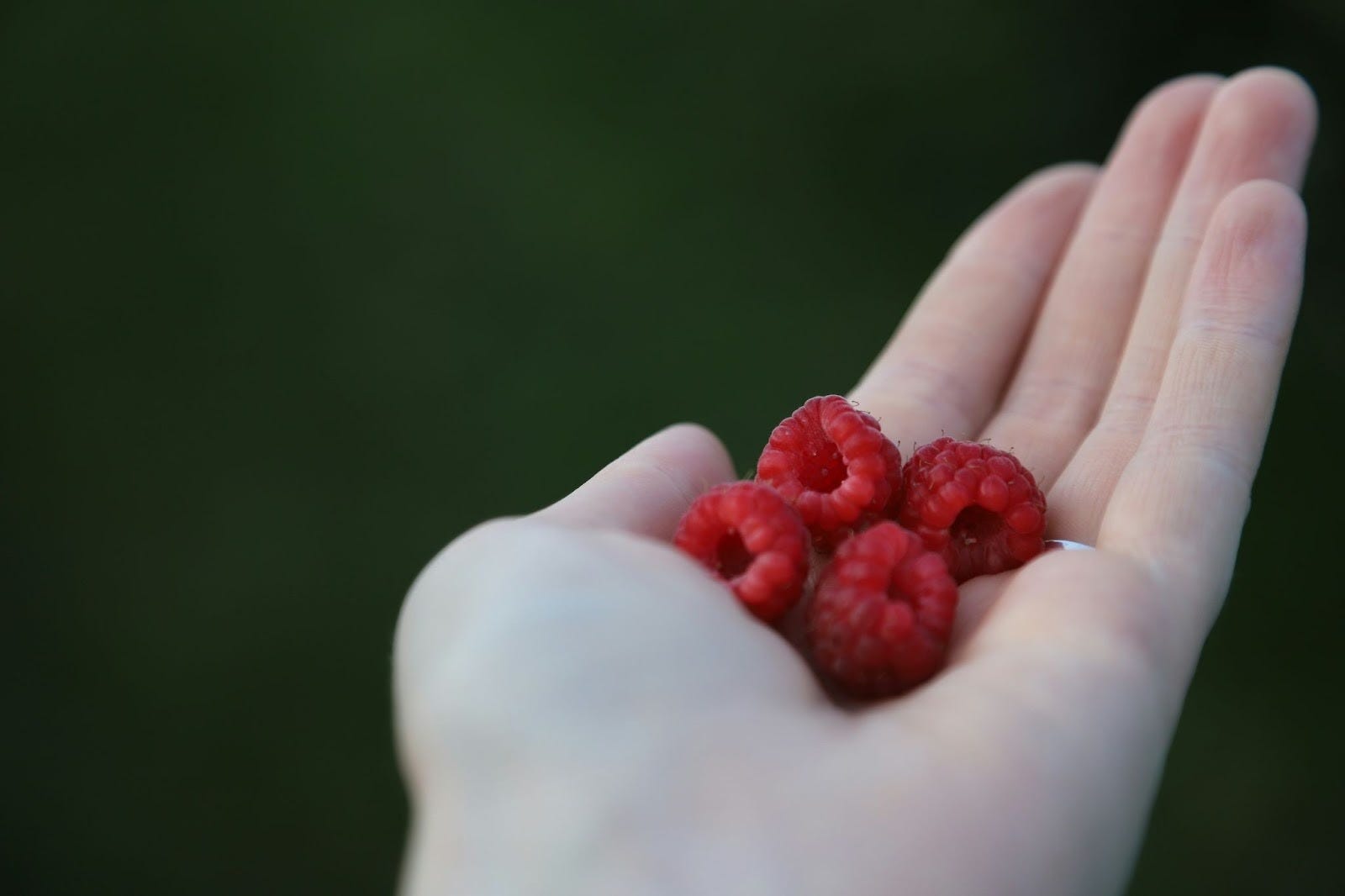
The moment shows just how unfamiliar many students were with real, fresh foods—an unfamiliarity Vrbanac gently addresses in her teaching. Through hands-on experiences like this, she opens students up to new tastes and food knowledge, encouraging them to broaden their understanding and appreciation for wholesome ingredients.
“At 16 or 17, some of them don’t even know what real food looks like,” Vrbanac says.
Many of her students have never seen vegetables growing naturally or real meat on the bone. They think food is something that comes packaged in plastic wrap and a white Styrofoam tray. They’re never smelled—or tasted—sauerkraut.
Real food to some kids can be scary. Some arrive saying, “I don’t eat vegetables,” or “I don’t drink milk,” but Vrbanac gently invites them to “embrace every edible opportunity” with courage and curiosity.
Finding Real Food in a Food Desert
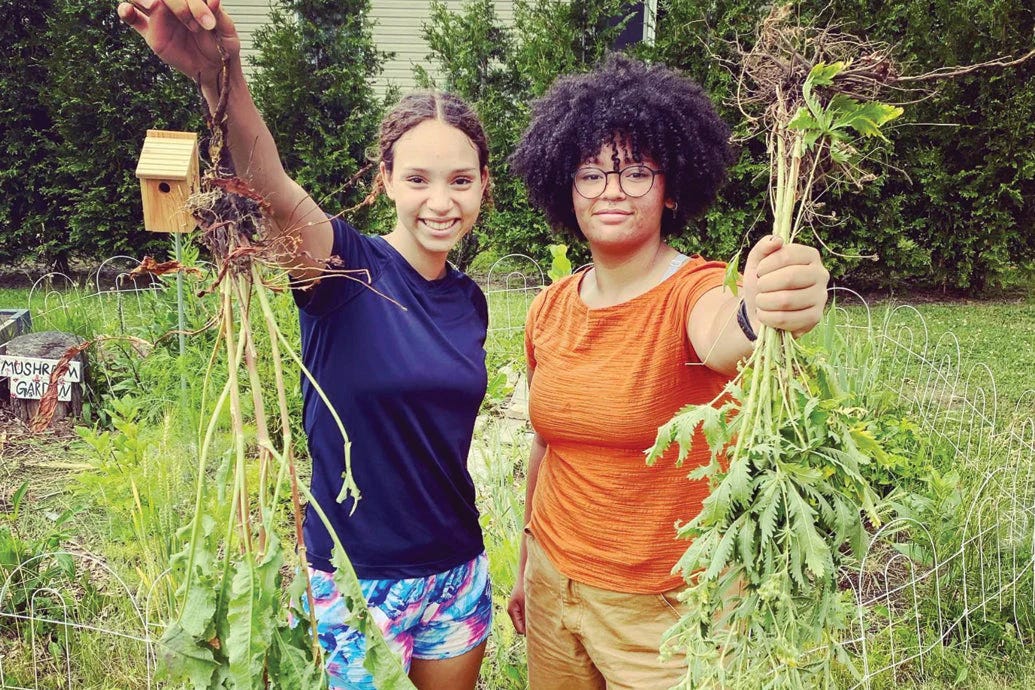
Her school sits in a food-insecure neighborhood. Grocery stores with fresh meat and produce are miles away, and public transportation is limited. This makes buying good food a difficult task for many. “To connect with real food,” she says, “my students have to go the distance.”
But change is slowly coming to the neighborhood.
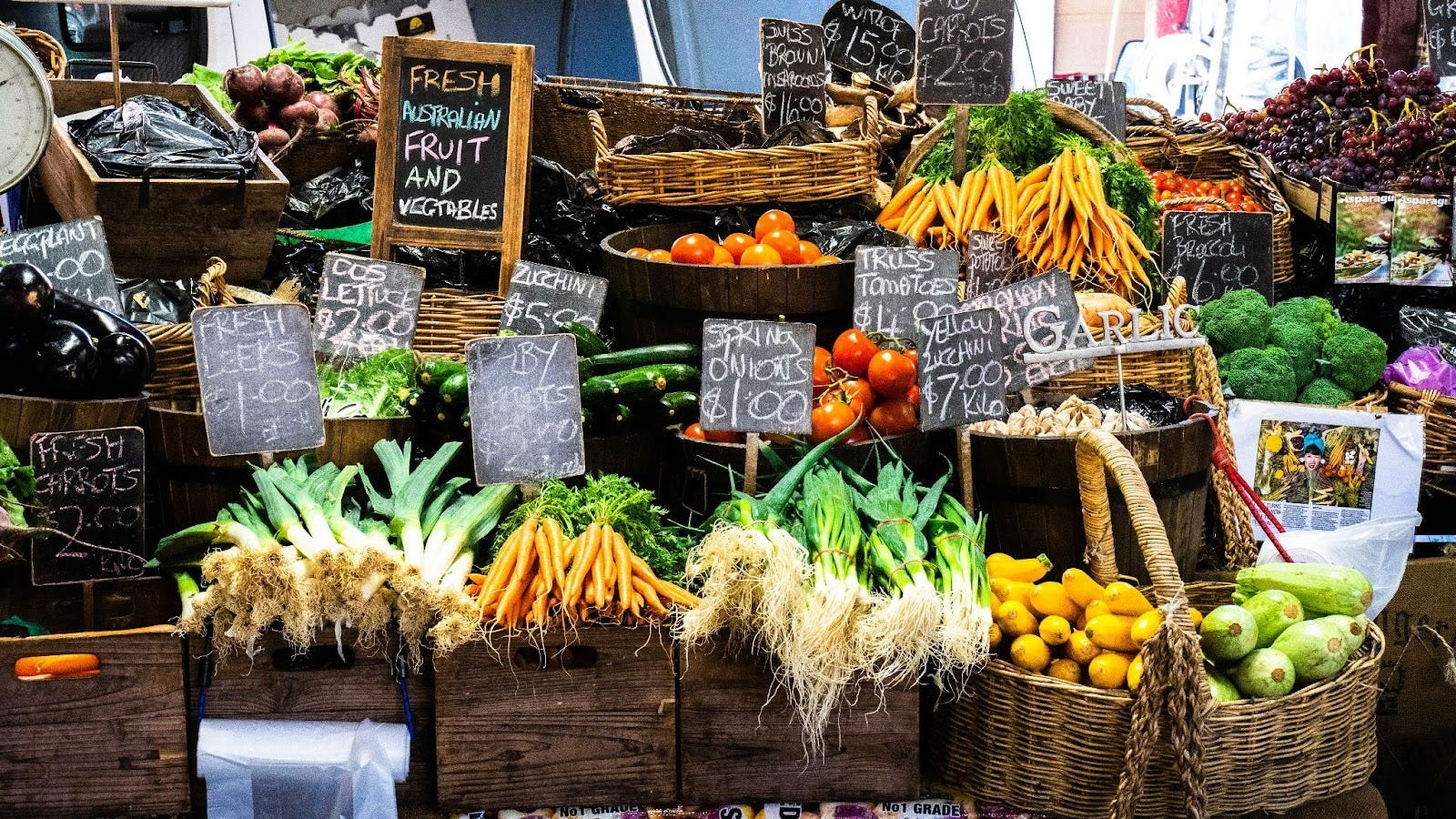
There’s now a local butcher, and a twice-a-week farmers market. Parents and guardians are noticing. “Who would’ve thought sausage and spinach could be so good?” one remarked.
The transformation starts in the classroom with the kids, but it is sending ripples outward. “If a student learns to cook and teach a younger sibling, or influence a parent,” says Vrbanac, “that’s how change spreads.”
She credits the Weston A. Price Foundation for changing her views on food. “I was already careful with food, but I didn’t feel vibrant. Now in my 50s, I feel better than I did in my 20s. When I saw Wise Traditions at work, I knew it all came together.”
Reconnecting Kids with Their Bodies—and Their Future
Vrbanac has watched as exhausted, angry, checked-out kids bloom into bright-eyed, engaged learners after a good meal or even some fresh-picked herbal tea. One of her favorite students, Sheay, was often very tired and moody. She taught him to choose herbs from their classroom garden: peppermint for energy, and chamomile to calm. “He still comes back every semester,” she says. “He now knows what his body needs.”
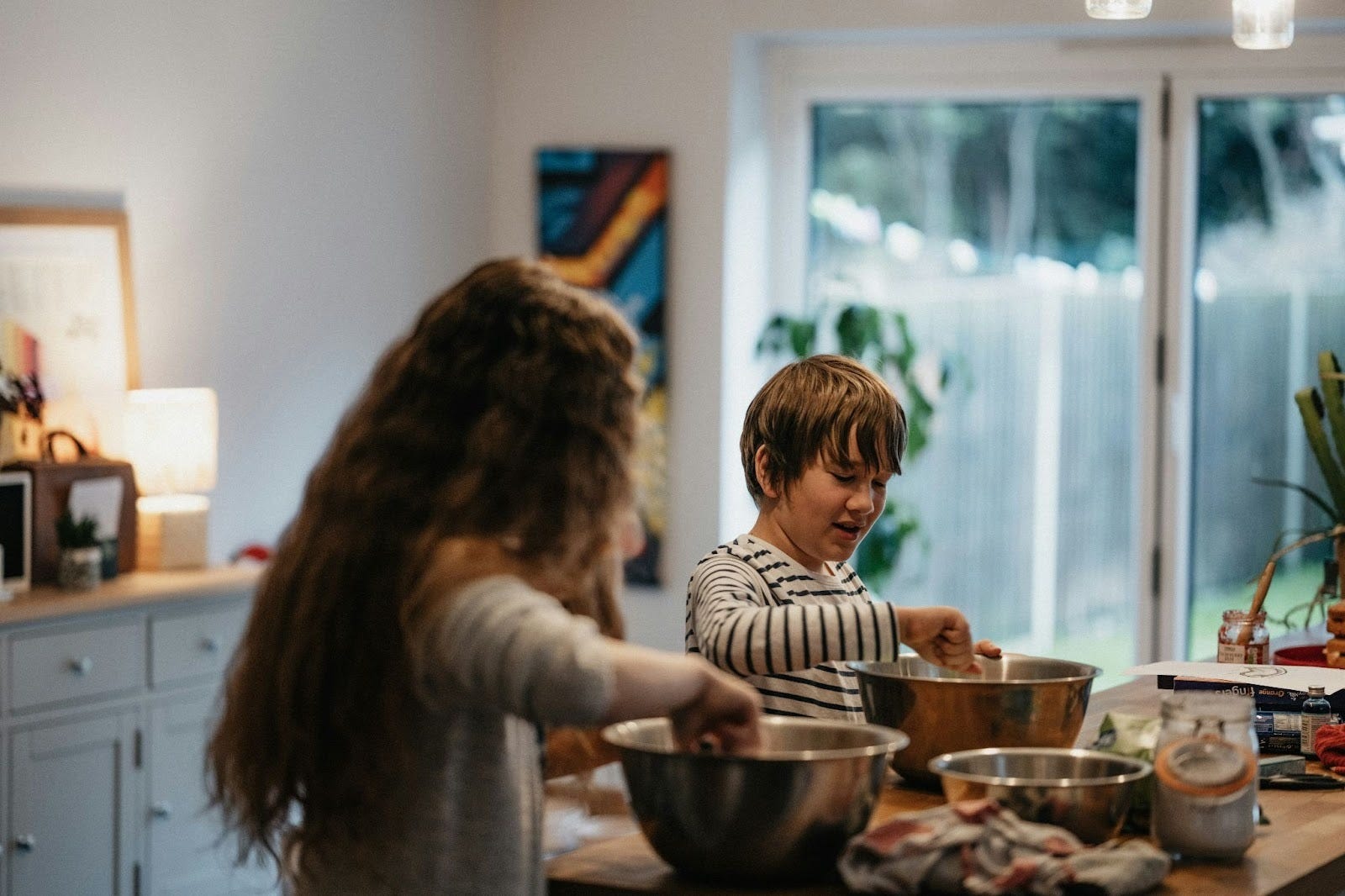
These small shifts—hydration, salt, simple ferments, whole food can completely change a student’s outlook.
A Curriculum Rooted in Ancestral Wisdom
Her students chop, sauté, nixtamalize corn, and make sourdough. They study Weston A. Price’s Nutrition and Physical Degeneration, and Nourishing Traditions; Eat to Beat Depression, by Drew Ramsey, MD, and Eat Like a Human, by Dr. Bill Schindler. They learn not just what to eat, but why it matters.
And they take that knowledge home to their families.
Administrators love it. Other teachers notice better behavior. Parents are thrilled. “There’s no pushback,” Vrbanac says. “Just gratitude.”
One Seed at a Time
Asked what advice she’d give to others wanting to change health outcomes in their family or community, Vrbanac offers this:
“Plant a seed. Watch it grow. Take a little responsibility for your own food. That’s the beginning of a beautiful journey.”
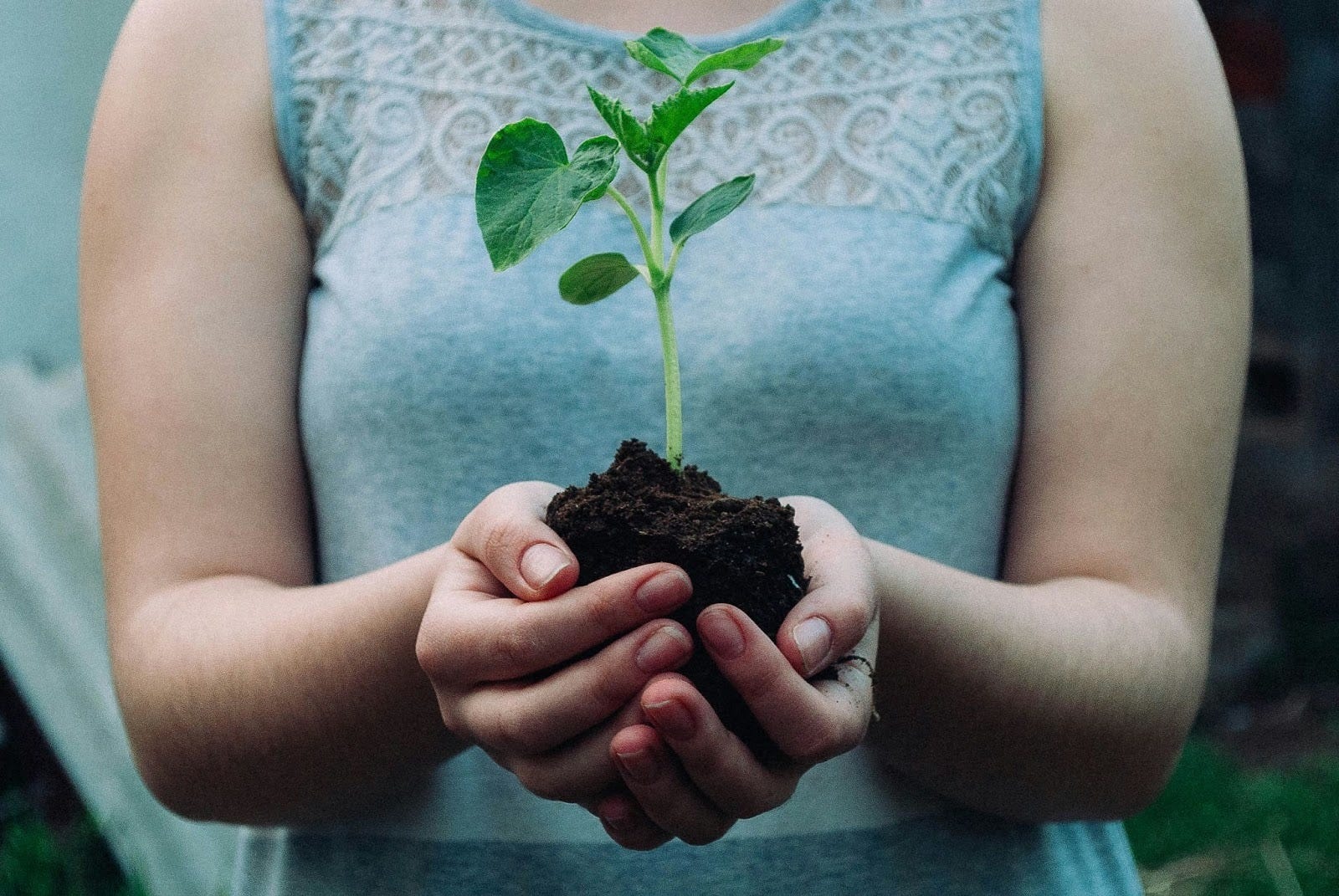
And this is how MAHA can change the food and health of our kids, one school, one classroom at a time.
You may listen to this Wise Traditions podcast episode here.
Finally a class and a teacher that's worth something. But to the narrative- this is counter to it. The public school system and teachers unions do not want independent critical thinkers. Using good food, grown by yourself, and no pesticides or pharmaceuticals sounds "dangerous." Kudos to that teacher.👍👏👏
Good for her! I tried this 30 years ago in the public school district I was teaching in. They were not ready for this level of REAL food revolution, evolution, wisdom.
So glad to see it coming alive and expanding!
🍎🌿❤️🩹🌱🍎