



For many families of children with rare diseases, getting a diagnosis can mean years of tests, specialists, and unanswered questions. On November 18, MAHA® Center brought those families together with doctors and federal health leaders in Washington, D.C., to ask a simple question: what would it take to discover these conditions in the first days after birth rather than years later?
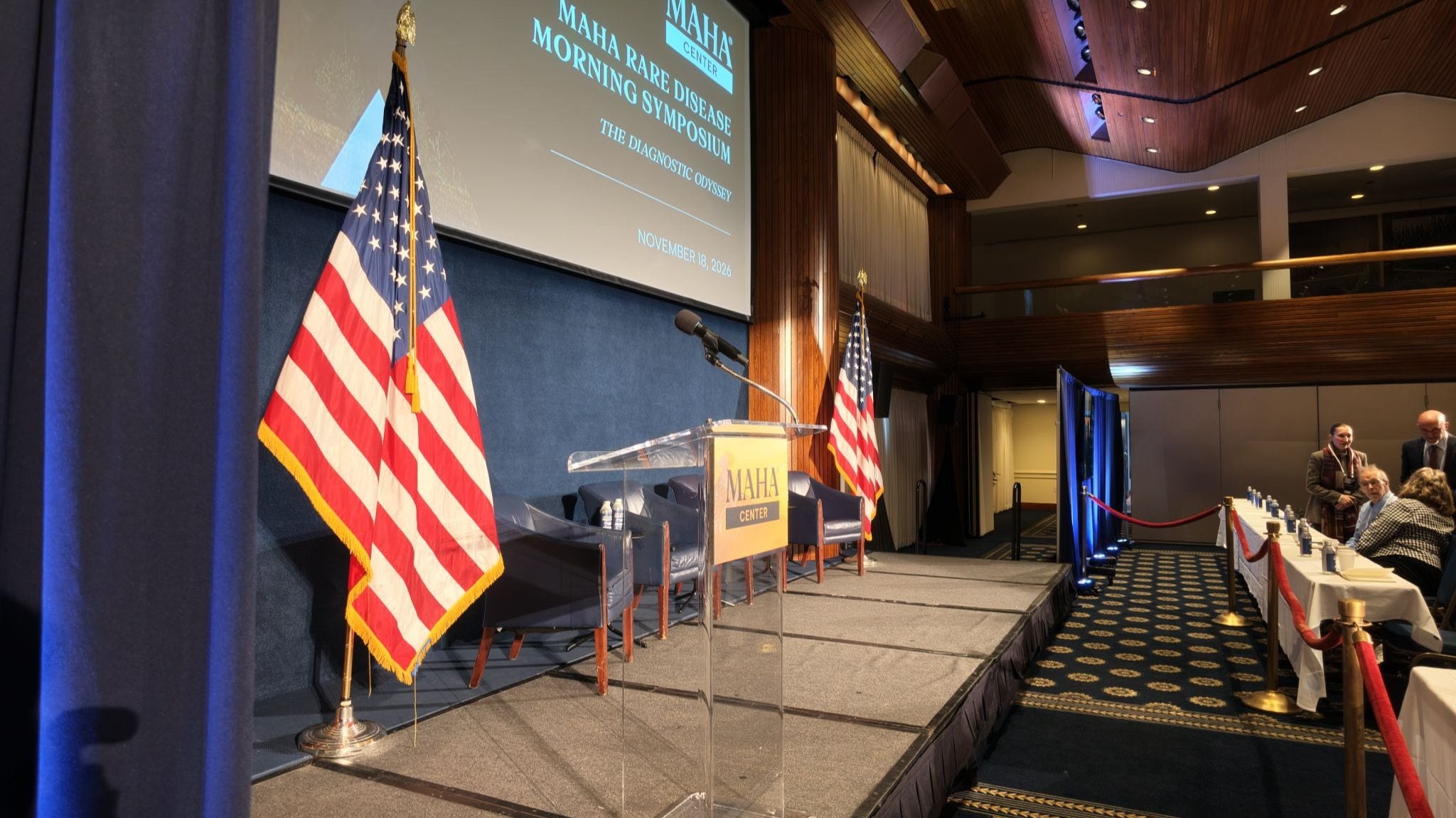
The morning opened with an address from geneticist and clinical scientist, Dr. Robert Green, entitled “Putting Rare Disease into Perspective.”
“The ‘rare’ in rare disease is a big misnomer,” Dr. Green told attendees. “Rare diseases are incredibly common in the aggregate, even though they can be individually rare. In fact, there’s more than 10,000 of these diseases, most of whom you’ve never heard of. One in 10 Americans is affected by them.”
Green, who teaches at Harvard Medical School and is an attending physician at Mass General Brigham, made the case for adding DNA sequencing to the existing newborn blood-spot screening system to catch hundreds of treatable conditions before symptoms appear, saying, “knowledge is power.”
Two panels followed Dr. Green’s introduction: “Living the Diagnostic Odyssey,” during which attendees heard from three mothers of children with rare diseases; and “The Call to Action – Newborn Screening and Genetic Testing in the U.S.,” featuring researchers discussing ways to improve preparedness for rare disease.
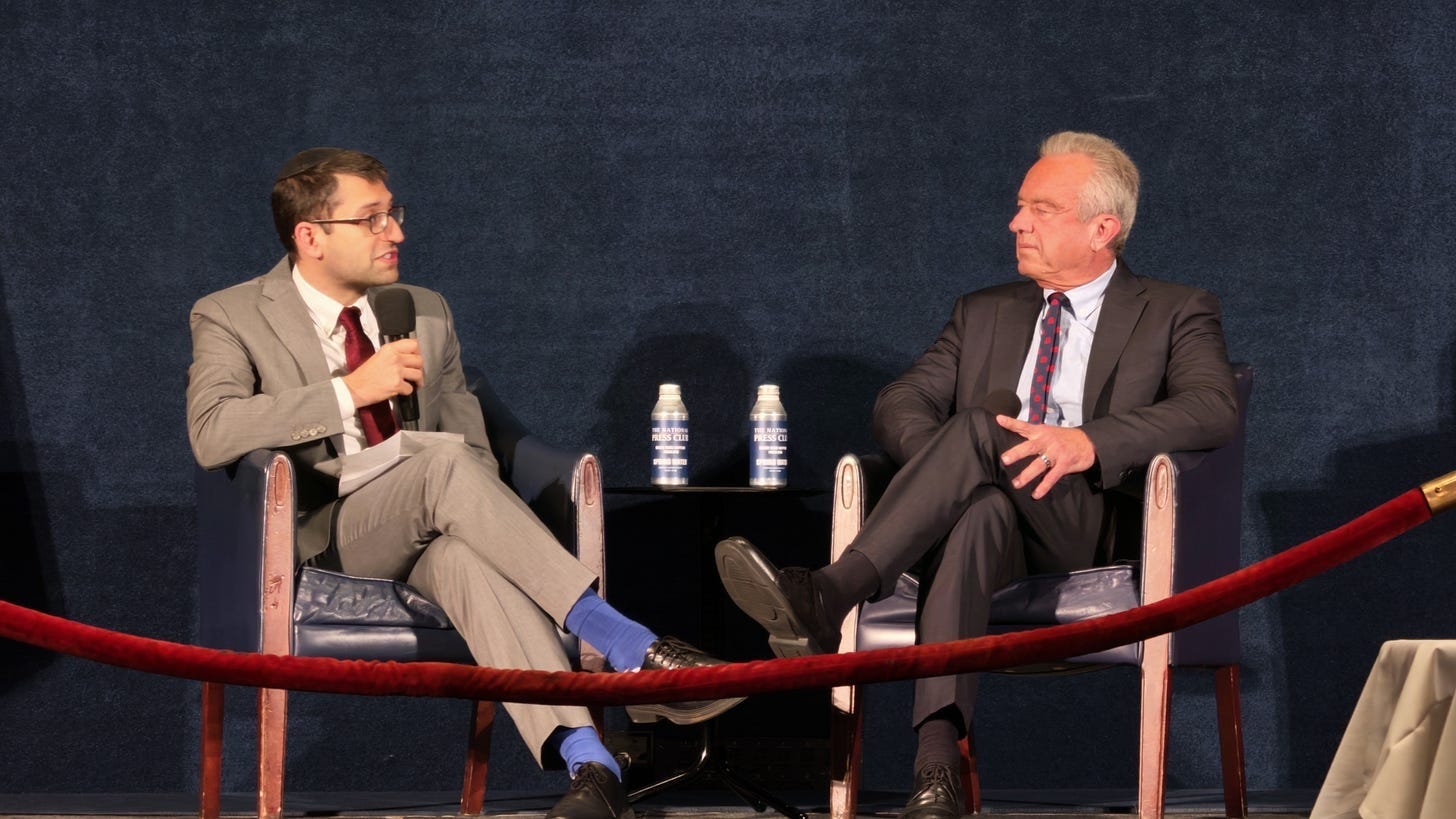
The symposium concluded with a fireside chat featuring HHS Secretary Robert F. Kennedy Jr. and Abe Sutton, Director of the Center for Medicare and Medicaid Innovation and Deputy Administrator for the Centers for Medicare and Medicaid Services.
Each panelist and speaker pointed to early detection as the path forward to better management of rare diseases.
The first panel, “Living the Diagnostic Odyssey,” was moderated by Dr. Ann Sheehy, Principal Deputy Administrator and Chief Medical Officer of the Health Resources and Services Administration (HRSA). Panelists included rare disease parent advocate Monica Haim-Kallenberg; Jamie Dubuque, a rare disease parent advocate and author of Surviving the Hospital With Your Sick Child; and Pat Furlong, Founding President and CEO of Parent Project Muscular Dystrophy (PPMD).
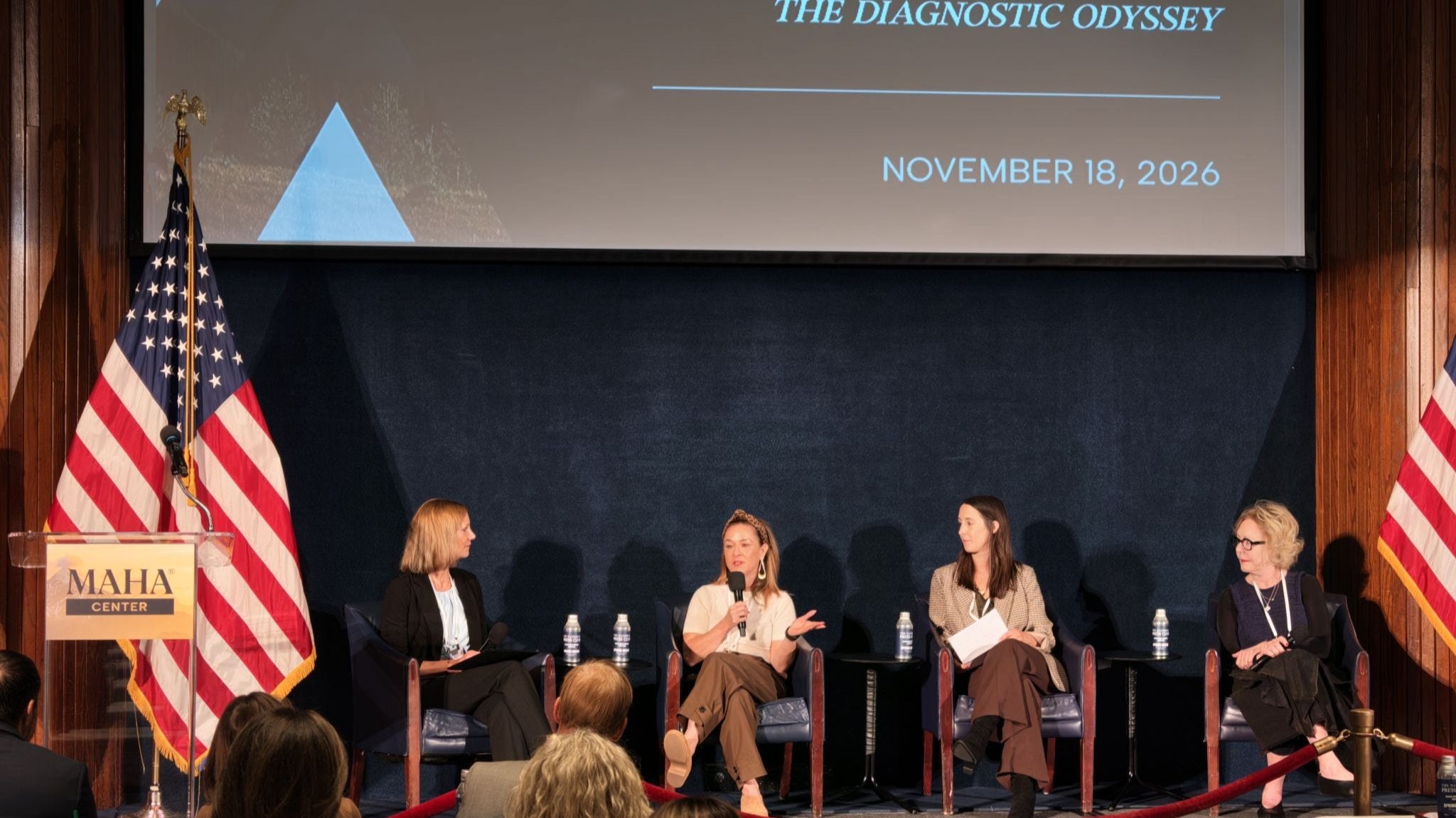
Dubuque, a mother of two boys, shared her family’s diagnostic odyssey with her now-4-year-old son, who, at 11 months old, was diagnosed with Barth syndrome, a rare genetic disease that affects energy production and muscles, including the heart. She said, “Receiving a rare disease diagnosis is extremely overwhelming, and there is so much information to process.”
Dubuque and the other moms on the panel shared a glimpse into the emotional toll a rare disease diagnosis takes on a family.
In turn, each panelist agreed that rare disease is a challenge like no other.
Monica Haim-Kallenberg recalled the misdiagnoses her daughter received before being correctly diagnosed with an ultra-rare TUBB3-related syndrome that affects the neurons. “I remember that was basically the worst day of my life.”
Pat Furlong’s children were diagnosed with Duchenne muscular dystrophy at ages 4 and 6 and passed away in their teenage years. She said, “These diagnoses are resulting in a 24/7 panic attack.”
They also agreed that preparedness is key when managing a rare disease diagnosis. Dubuque said, “Where I believe the healthcare system falls short is in education and communication prenatally, before a diagnosis is ever made.”
The panelists commented on the difference earlier screening would have made in their ability to manage their child’s rare disease diagnosis.
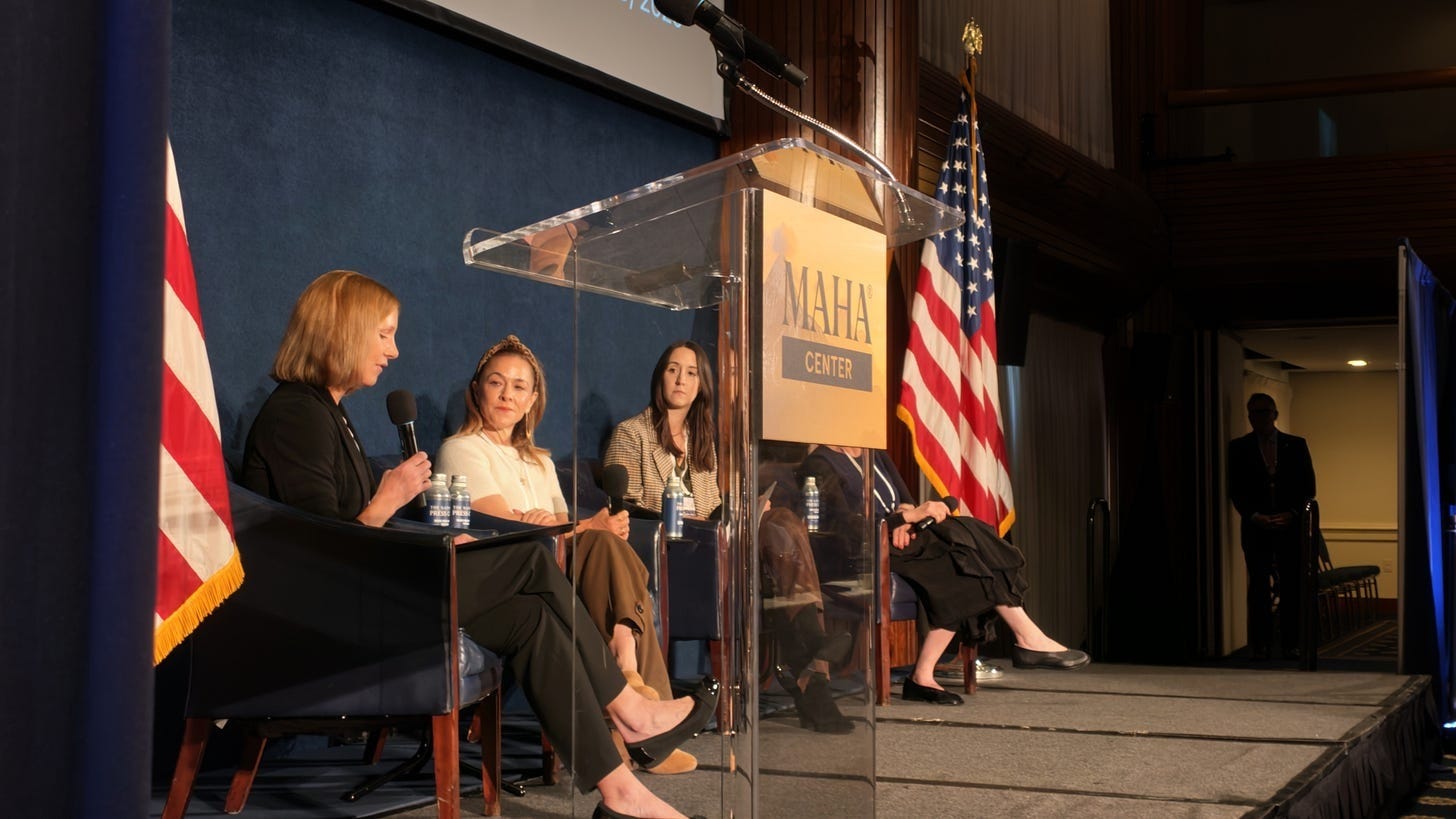
“There needs to be greater awareness that even when a rare disease doesn’t have a cure or an established treatment, receiving a diagnosis can still be incredibly helpful. You know, it would have prepared us,” Dubuque added.
Panelists emphasized the importance of trusting a mother’s instinct.
Haim-Kallenberg said, “Trust your gut because ultimately you are . . . the best advocate for your child.”
Furlong echoed the sentiment, saying, “I would say moms are always right. They’re always right . . . listen to what they say.”
The second panel took up the conversation on improving diagnostics for rare diseases. Moderated by Dr. Joni Rutter of NIH’s National Center for Advancing Translational Sciences (NCATS), the panel included Peter Kyriacopoulos (Association of Public Health Laboratories), Dr. Green, and Dr. Jeff Brosco (HRSA, and a pediatrician at the University of Miami). It picked up from Green’s keynote and the morning’s parent panel, focusing on what it would actually take to bring genomic sequencing into state newborn screening programs: lab capacity, the federal process for adding conditions, data and privacy concerns, and connecting screening to treatment.
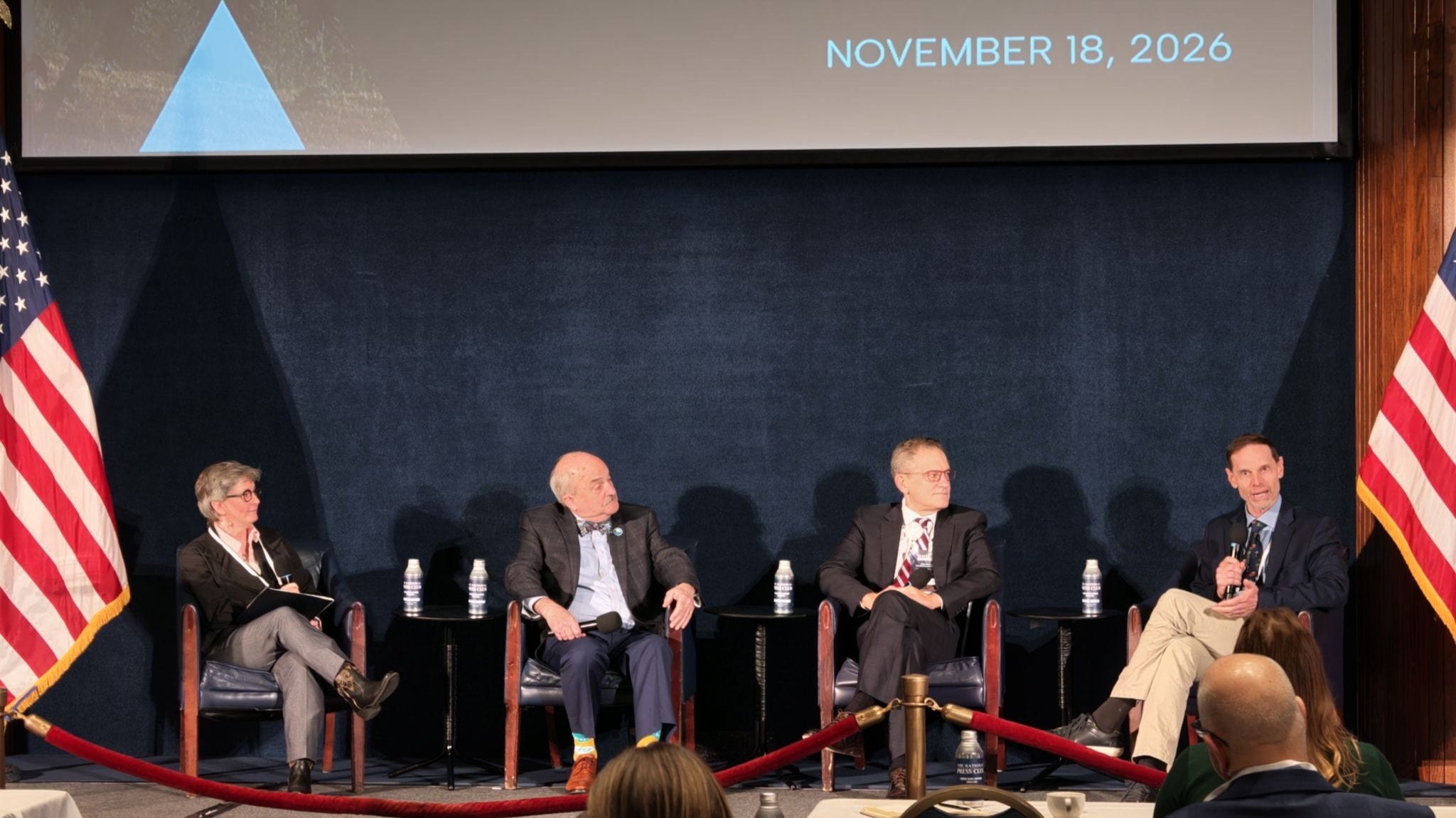
Dr. Rutter began, “I want us to imagine a different future today, one where we can identify a rare disease . . . in the first days of life . . . Sometimes innovation is really just changing how we do things. And also sometimes that can be the hardest part.”
Kyriacopoulos addressed some of the main challenges in practice: “Like all of public health, these are very lean operations . . . So if you are trying to figure out how you are going to add a new disorder when you don’t have the correct staffing . . . that’s a huge challenge.”
Dr. Brosco put this into perspective: “There’s at least 777 conditions we might need to consider, and we had the capacity in the past to do two per year. That math does not work out.”
Asked to name one change that would speed progress, each panelist gave a different answer.
Brosco said he would focus on streamlining communication within the health sphere so clinical care, public health, and research can all draw from shared data systems.
Green called for expanded federal laws protecting people from insurance discrimination due to genetics, stating this would minimize fear and increase willingness to participate in genetic testing.
Kyriacopoulos named state funding for newborn screening programs as the number one thing that would move the needle.
These concerns were carried over into a policy conversation to discuss how families and doctors can see real change implemented. Abe Sutton and Secretary Kennedy weighed in during their fireside chat, which closed out Wednesday’s symposium.
The MAHA movement has long been defined by its commitment to preventative care. But when it comes to rare genetic diseases, the preventative approach takes a different form. Secretary Kennedy said, “Most of the rare diseases are genetic diseases. And so the early intervention, early diagnosis is important, not for preventing that disease, which the child is destined to get. But to treat the symptoms and to extend, prolong their lives as best we can. And we are doing that across the agency . . . I’ve given $100 million to ARPA-H over the next 4.5 years to find diagnoses.”
The Advanced Research Projects Agency for Health receives $1.5 billion annually from congressional funding, through HHS, for medical research, including research around rare diseases.
According to the FDA, about 1 in 10 people in the U.S. has a rare disease, half of them children.
Sutton said that Kennedy “has made children’s health a central priority of his mission and the mission of the Department of Health and Human Services.”
The MAHA movement, spearheaded by Secretary Kennedy, has made a concerted effort to bring attention to groups consistently overlooked by America’s healthcare system, and the Rare Disease Symposium was another example of this.
Valerie Ferrell, with Stand for Health Freedom, attended the symposium and said she was struck by the stories of families managing a rare disease diagnosis.
“This is a really complex issue,” she said. “I guess, that’s the key takeaway for me, why I wanted to be in the room today is because these are people’s lives, these are people’s children, and we don’t want to be a hindrance to progress. We don’t want families to not have access to the treatments that they want or the information that they want.”
Ferrell explained that it is crucial for policymakers to protect the families of children with rare diseases and to keep up with scientific progress, while leaving space for parents to make their own decisions for their children.
“What rights does a parent have if they choose not to go down the treatment path?” she asked. “So we need to make sure that we are protecting parents, protecting families, and privacy.”
Marianne Canero Rosado, with Karma Health, said this was not her first MAHA event.
“Rare diseases have not had a voice for a very long time, and there’s many different areas that MAHA has focused on throughout our healthcare system that really haven’t been on the forefront,” she said.
She added, “The policymakers and specialists coming together have made some strides. Not only recognizing that there’s large patient populations that are affected by rare diseases, but that the care, the support, and the systems that are needed, that they can come together through public and private partnerships.”
MAHA has engendered new dialogue in the healthcare space around rare diseases and other topics commonly neglected: women’s health, overmedicalization, medical research fraud, and the role of processed foods in chronic disease, to name a few.
“It’s motivating to see these conversations happen, to see patient advocates, to see the families getting an opportunity to speak to the policymakers, to the administrators that can actually do something beyond just who they’re working with day to day,” Canero Rosado said.
Other parents stressed how important it is that they continue to show up for their children, to be resilient, to keep fighting for the best possible outcomes.

As her son’s blond hair peeked out from behind his father’s legs and his baby brother cooed in the back of the room, Jamie Dubuque, the rare disease parent advocate, said of the 4-year-old, “He wanted me to share that he loves his baby brother . . . He loves to play with Hot Wheels. And he likes to fish . . . Despite everything he’s been through, he’s a little boy . . . his diagnosis is only one small part of who he is.”
Shop our merch store to support the MAHA Report and the MAHA movement. All proceeds go to supporting the cause.
Did Dr. Green talk about these genetic diseases in Amish populations? Where they're common?
Anybody notice serious eye issues with people who have had the Covid shot and boosters?
Vision loss, retinal detachment, and other eye issues from both microvasculature clots feeding the eyes and from neurological pathways attacked.