

By Gabrielle Traub, Special to The MAHA Report
I had the opportunity to attend the first-ever National Conference on Women’s Health, hosted by the U.S. Department of Health and Human Services. Held at the Omni Shoreham Hotel in Washington, D.C., on March 11–13, 2026, the three-day event brought together researchers, clinicians, policymakers, and innovators across diverse backgrounds to discuss emerging issues and advances in women’s health.
The conference focused on scientific discoveries in prevention, diagnosis, and treatment while fostering curiosity, thoughtful discussion, and collaboration across sectors to modernize patient care. But what most surprised me was how MAHA-aligned it was, with speakers emphasizing prevention and root-cause care, whole-body health, diet, lifestyle, and individualized medicine, the kind of patient-centered medicine many women and men are seeking.
The conference showcased more than 50 poster presentations, which included abstracts such as novel fertility treatments, medication-free options for birth control, and screening alternatives to mammograms.
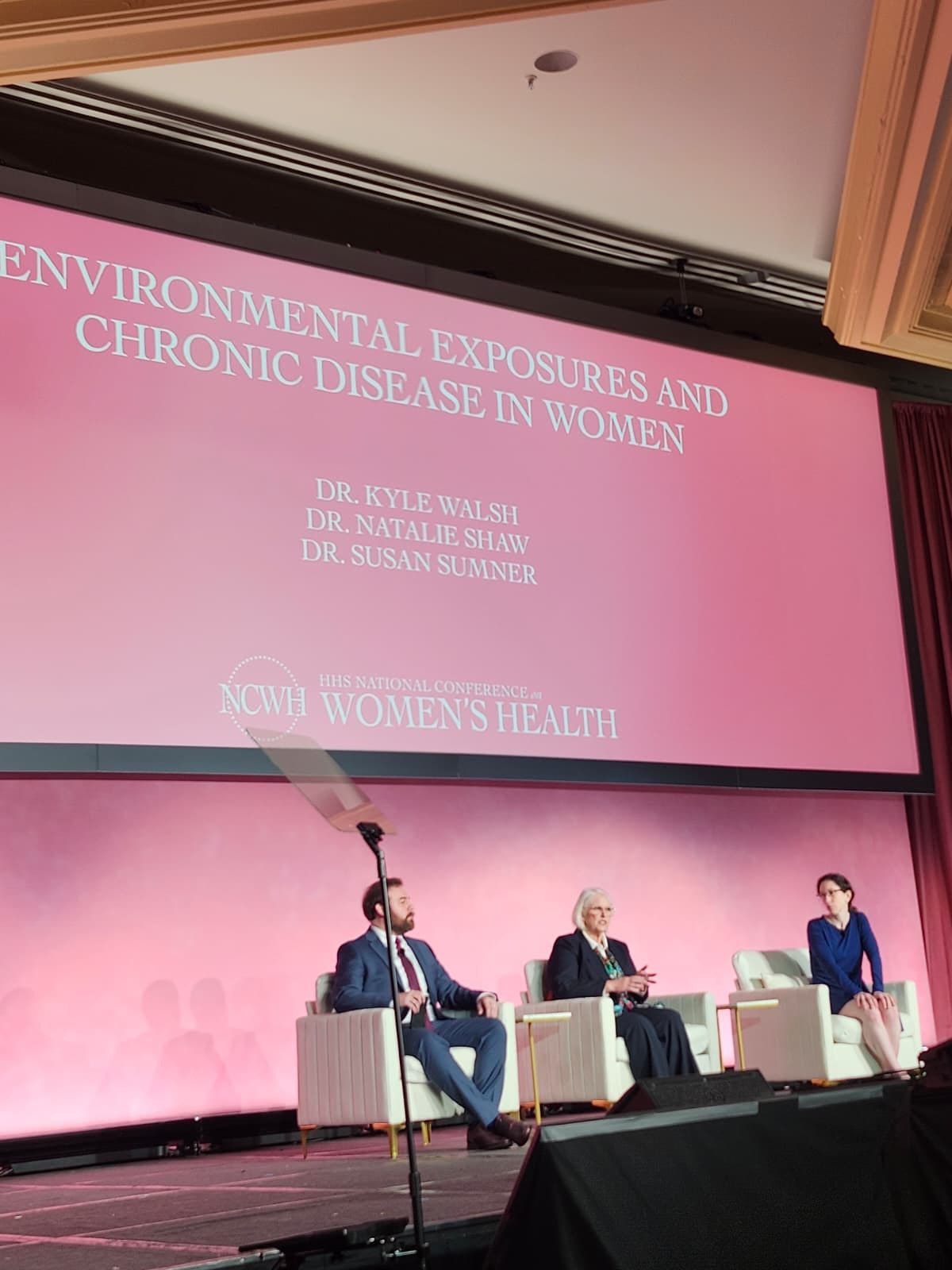
The HHS included a midwife on the panel on transforming outcomes in maternal and infant health and openly addressed the problems with overprescribing for mental health conditions, as well as the challenges of tapering off SSRIs. A panel even took on the FDA’s recent removal of the long-standing “black box” warnings on hormone replacement therapies in menopause.
Dr. Jay Bhattacharya and Dr. Nicole Kleinstreuer discussed how the National Institutes of Health is accelerating transformative women’s health research. The lack of research on women and the long-standing underrepresentation of female cell lines in drug development and testing have contributed to gaps in understanding sex-specific responses to medications.
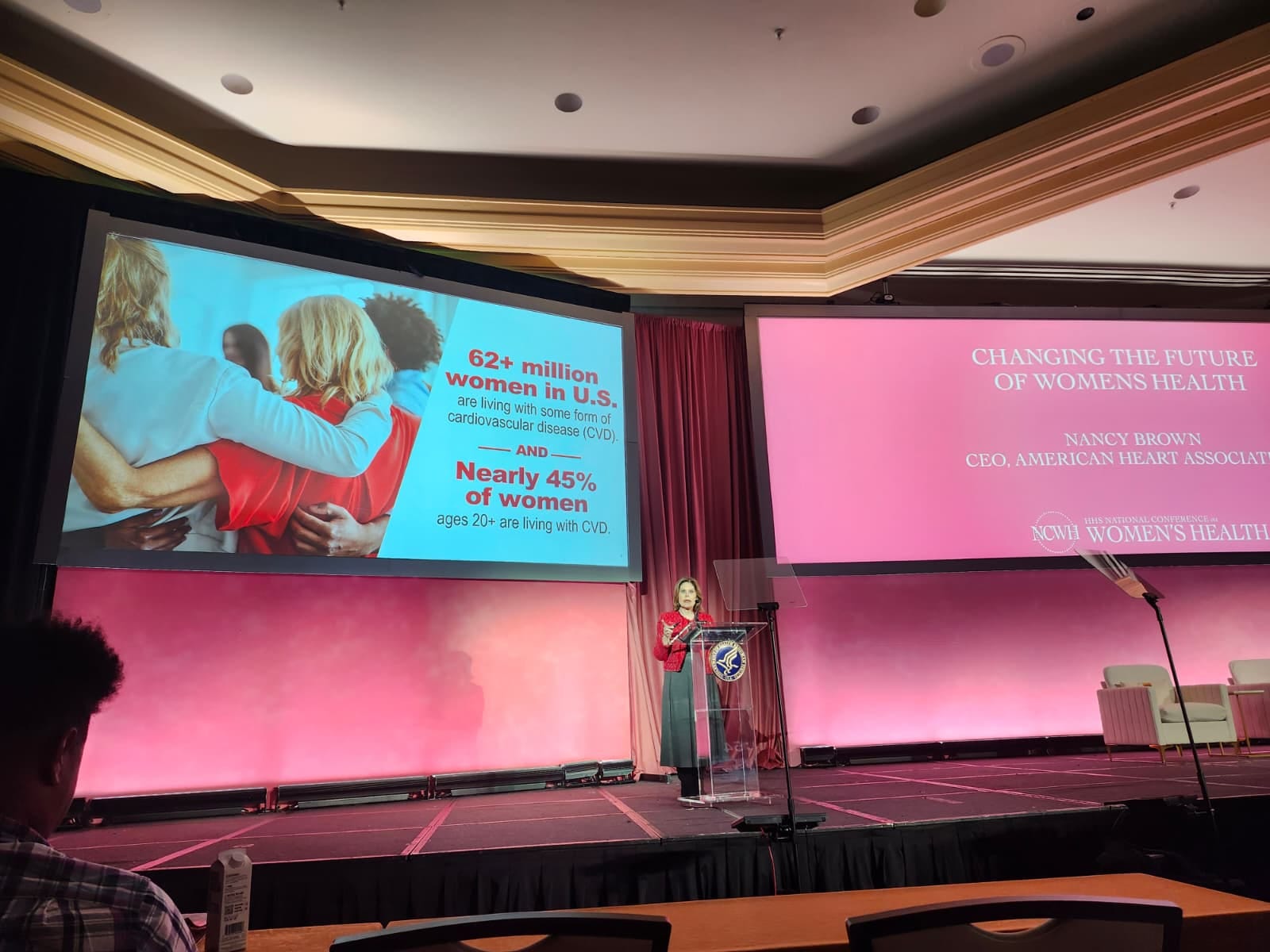
In addition to keynote speakers such as Vonda Wright and Nancy Brown, I was encouraged to see how many integrative practitioners HHS invited to speak, including:
• Tammy Born Huizenga – Integrative medicine pioneer focusing on root-cause care.
• Ellen Vora – Psychiatrist integrating functional medicine, acupuncture, and yoga.
• Esther Blum – Integrative dietitian and menopause expert.
• Suzanne Fenske – Integrative obstetrician-gynecologist.
• Lynese Lawson – Functional medicine specialist.
• Lindsey Meehleis – Midwife, lactation consultant, and yoga instructor.
The conference emphasized returning to the fundamentals of health, including nutrition, movement, and community. Dr. Vora shared three simple strategies for improving mental health: sleep away from your phone, take a walk after dinner, and do your best without striving for perfection.
New approaches to cardiovascular disease prevention and resilience and recovery after cancer were also discussed.
Of the people to whom I was able to reach out, reactions to the conference were universally positive.
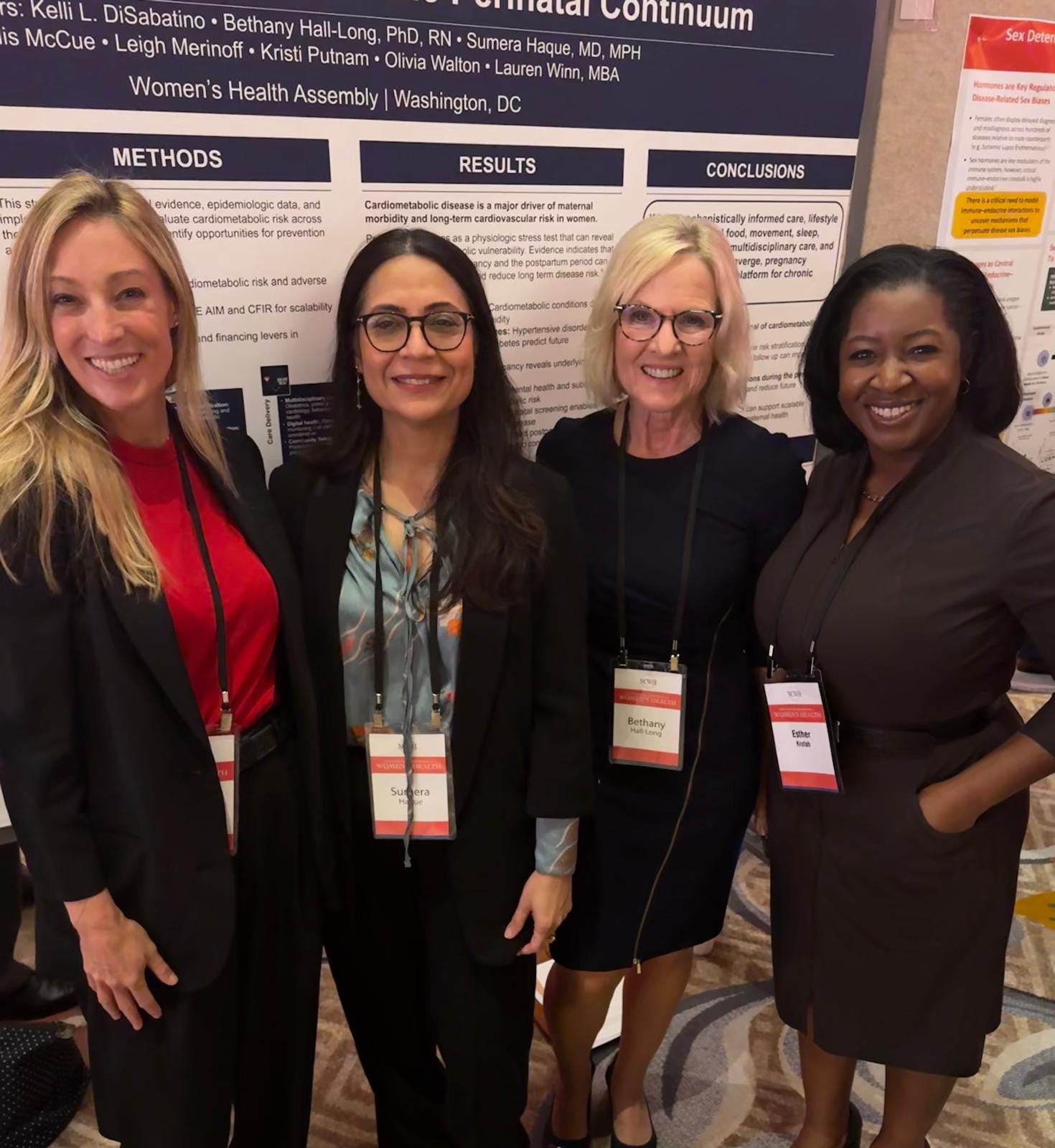
Lauren Winn, Co-Founder of Women’s Health Assembly, said, “It was energizing to see the level of collaboration between the White House, HHS, and leaders across medicine, research, and industry. The conference addressed next-level and under-recognized drivers of women’s health outcomes, including Lyme disease, autoimmune conditions, and the role of the gut microbiome and inflammation in chronic disease. Hearing these topics discussed by HHS leadership, alongside industry leaders, including remarks from Marty Makary, signals a meaningful shift toward confronting the root causes of chronic disease and advancing more comprehensive, biologically informed, prevention-focused approaches to health.”
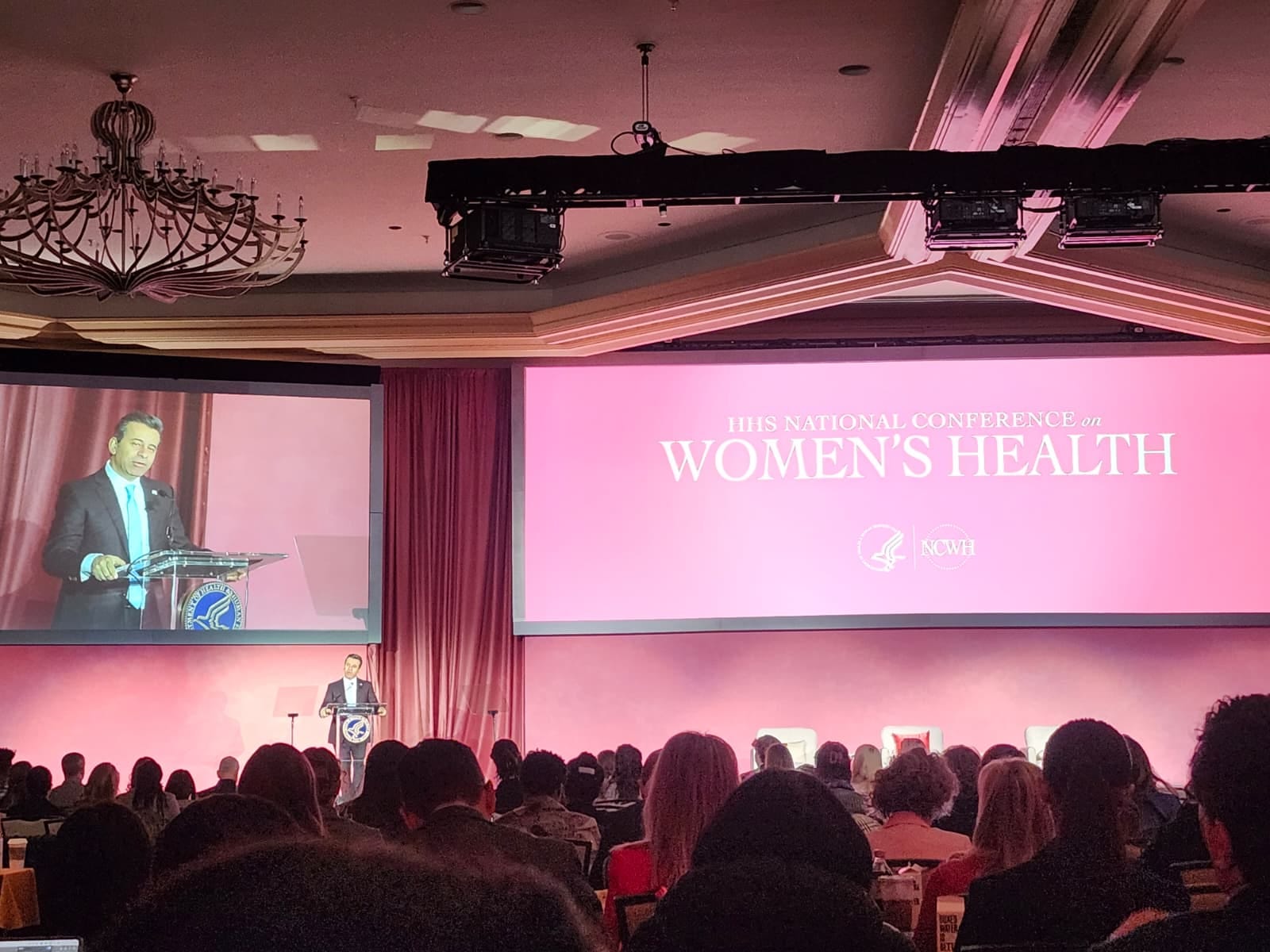
Continued Winn, “I am optimistic that the MAHA movement is helping catalyze lasting improvements. Leaders within HHS acknowledged the impact of environmental toxins on women’s health, as well as the importance of real food and proper nutrition in preventing chronic disease. The fact that these conversations are happening openly reflects the growing influence of the MAHA movement in driving a more transparent, prevention-focused, and biologically grounded approach to health.”
She added, “Topics often considered taboo were openly discussed, including hormone replacement therapy, infertility, menstrual health, menopause, and Endometriosis. The tide is changing, and it is encouraging to see these issues finally being discussed openly at the national level.”
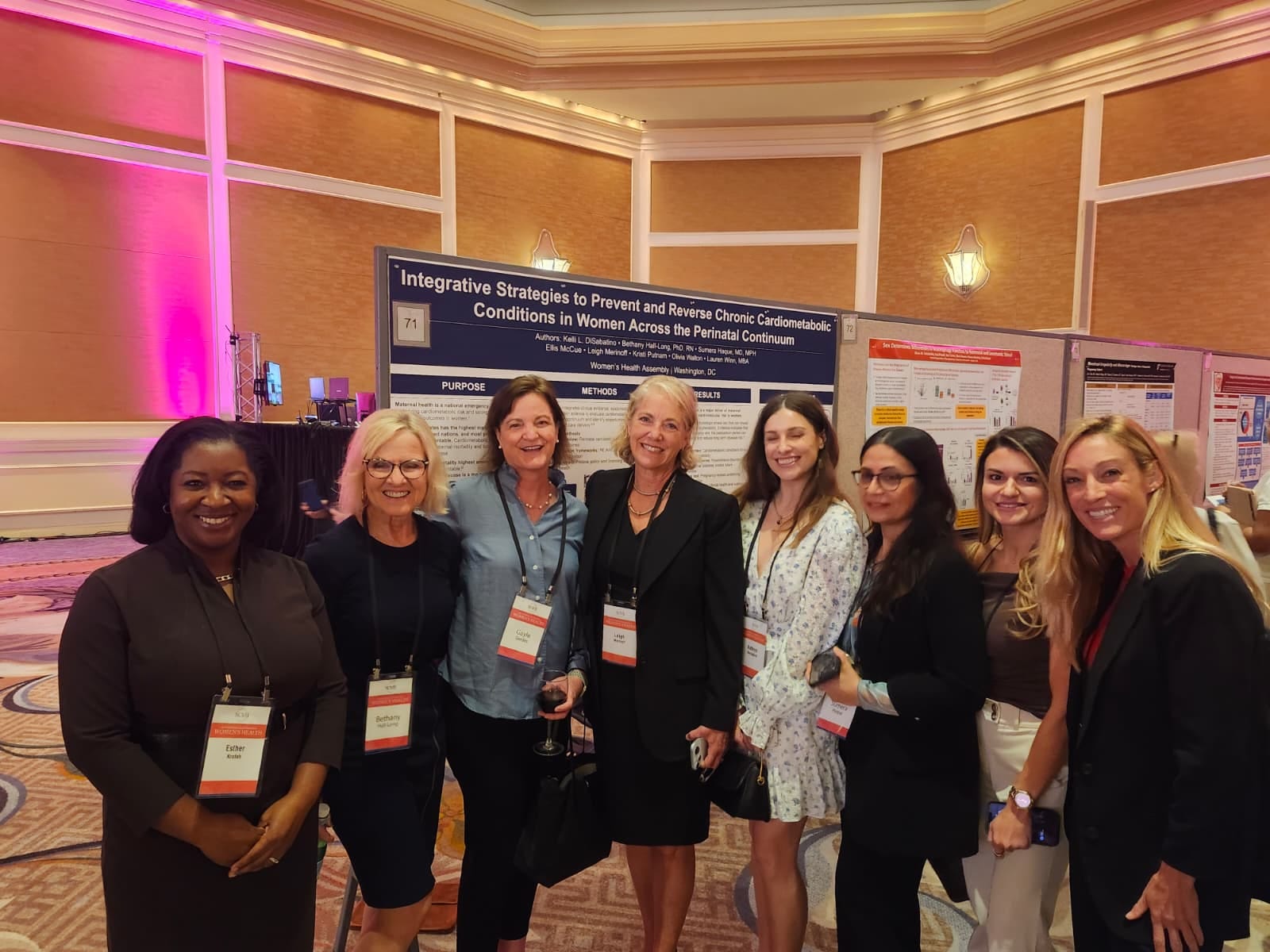
Allison Mignone, President of Mignone Family Foundation, emphasized the positivity the event had engendered: “This is not an echo chamber. This is a group of people focused on making real change. I left the conference with feelings of hope and determination. Investing in women’s health is a strategic national priority and this administration is willing to take action.”
Similarly, Katie Allen, Co-Founder of Be the Change Yoga, said: “Finally a conference focused on the unique needs of women. I deeply appreciated the emphasis on lifestyle-based empowerment practices and the inclusion of diverse care perspectives, including midwifery and Ayurveda. I left feeling inspired, connected and energized to do my part in elevating the health of women.”
Susan Heeren Malzoni, Founder and CEO of Vitamynia, embraced the journey and the vibe: “I love being in a room with strong, like-minded women with one common goal-to make women healthy again. We have been suffering in silence for decades and now that is changing. Under this administration we are finally getting the platform to make real, actionable change!”
Finally, Patriek Karayil, MAHA Institute Director of Government Relations, echoed Malzoni’s historical perspective: “It is astonishing to remember that it was only in 1993 that Congress required that women be included in NIH‑funded clinical research,” he said.
Continued Karayil, “For most of modern medicine, women were either excluded from trials or treated as if their biology were interchangeable with men’s, and we are still living with the consequences of that neglect in diagnostics, therapeutics, and care pathways. The most important take‑home message for me was simple: women’s health is America’s health. As a dad to two daughters and a husband, that framing felt both deeply personal and urgently practical. Investing in women’s health is one of the most patriotic things we can do!”
In the most exciting way, HHS’s historic conference confirmed for me that the future of medicine is changing.
Voices calling for prevention, whole-person, individualized medicine, and honest scientific dialogue, are beginning to resonate within HHS. As the MAHA movement continues to build momentum, it is helping open the door to a new era, one where women’s health embraces greater transparency, includes integrative and lifestyle-based therapies, and is approached with deeper compassion, respect, and scientific curiosity.
As a Nutritionist, we have been waiting for this emphasis for years. What a ground breaking conference! The decades of male physicians telling women patients it is all in their heads are hopefully finally gone.
I wish my voice was heard about the role of heavy metal poisoning in all the chronic illness we have going on. I have been interviewed so far by Dr. Bryan Hooker about this problem in relation to children's health and am now looking for more opportunities for interviews. The public should know about hair test interpretation and how to chelate out metals without getting injured.