


By Daniel Nuccio, Special to The MAHA Report
In March 2021, Margaret Brown, a seventy-eight-year-old woman living in Arizona, went to lunch with some friends. Suddenly, she dropped her fork and felt a headache before returning home. Not long afterward, Brown was rushed to the emergency room. Her family eventually learned she had suffered a stroke. She died about a week later.
Brown’s daughter, Kacie Chitwood, began to wonder whether her mother’s death was linked to the Covid vaccine Brown received some seventeen days prior to her stroke. After her mother’s funeral, Chitwood told The MAHA Report, she met another person with a strikingly similar story. Chitwood searched more such accounts through social media and news sites.
Although Chitwood said she cannot rule out the possibility that the timing of her mother’s stroke, so close to receiving her Covid vaccine, was pure coincidence, she still wonders whether the death was due to a vaccine injury.
At the height of the Covid vaccine roll-out in 2021, stories such as Chitwood’s– some featuring an otherwise healthy person having a sudden stroke or heart attack, others following a slow deterioration – were not uncommon. However, they could, at times, seem random – and many went unreported due to censorship.
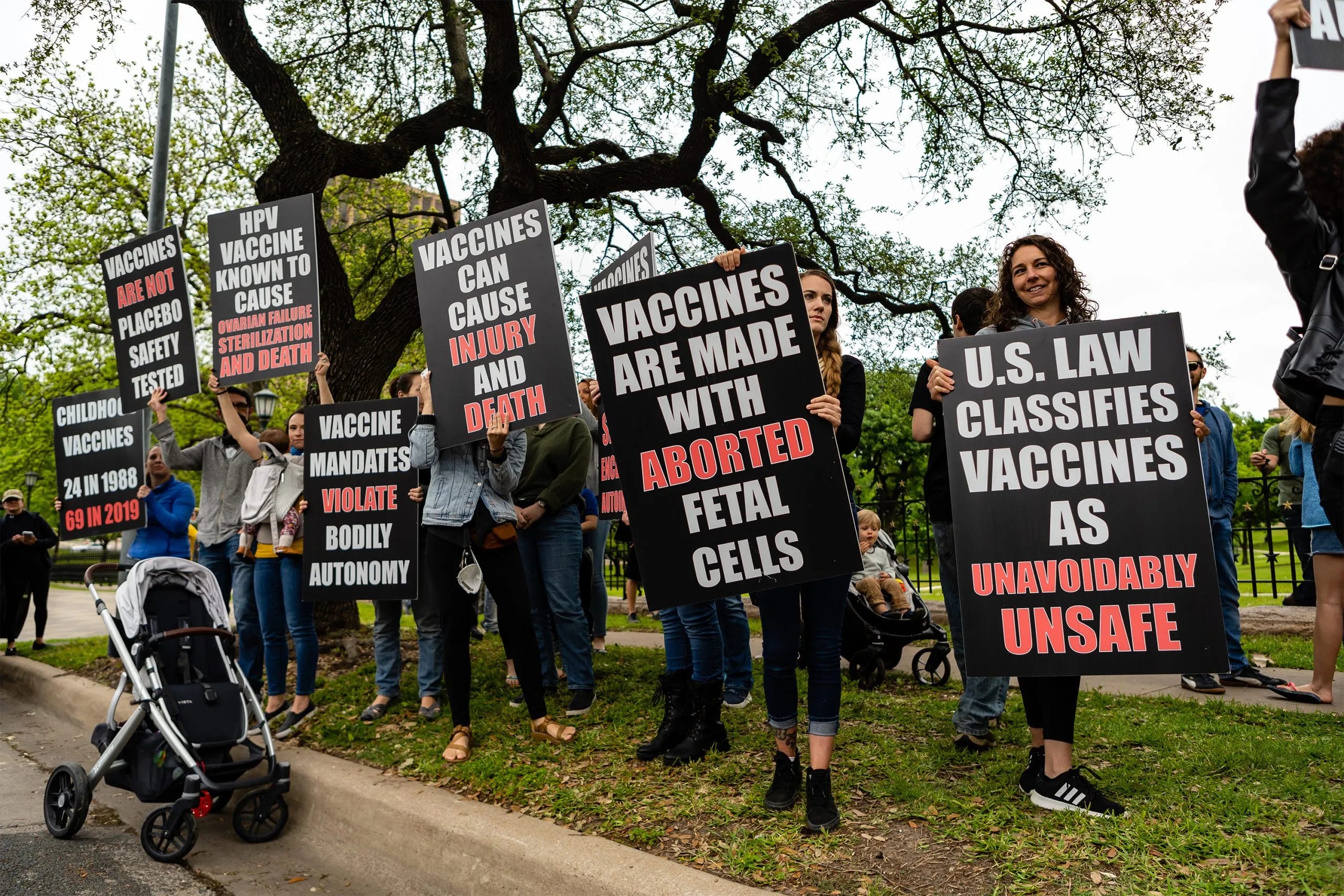
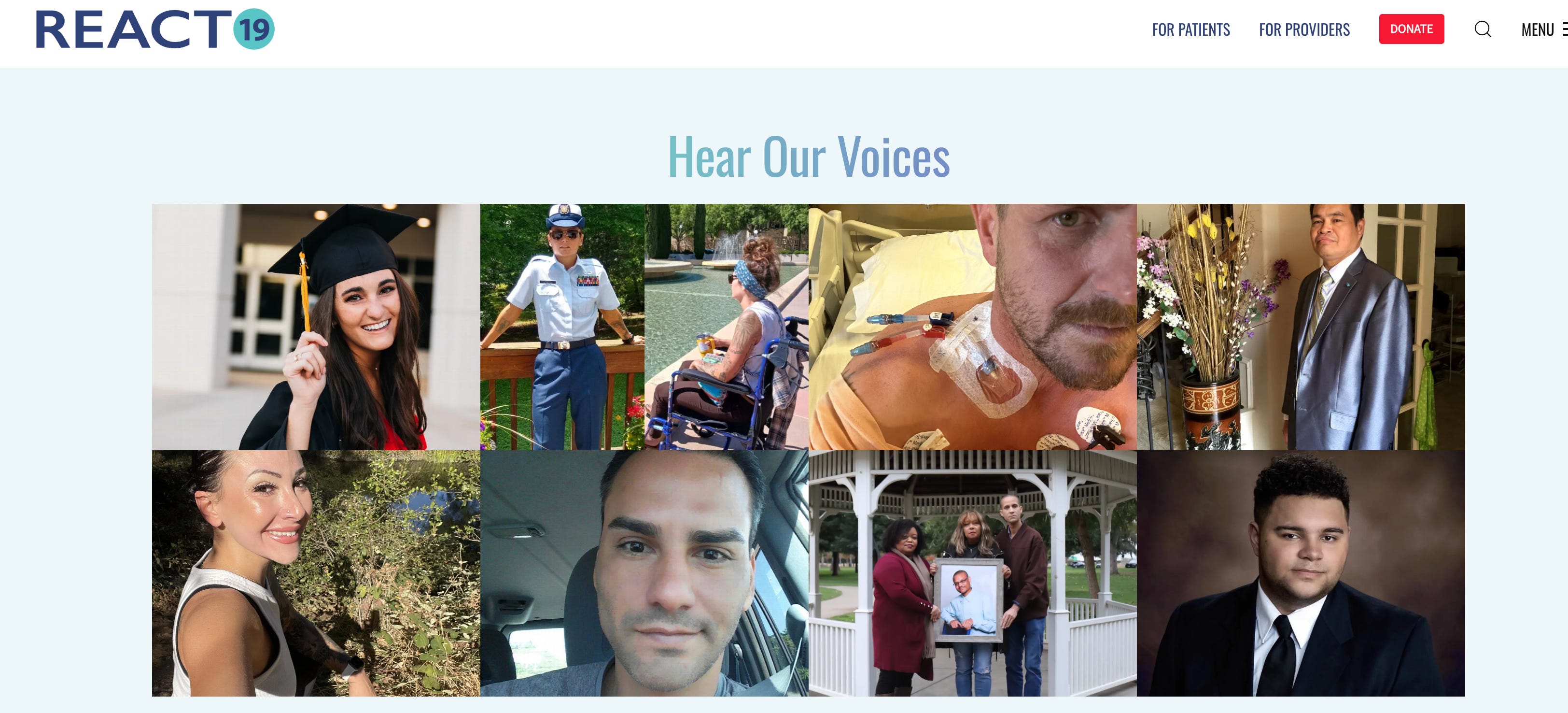
Today, due to efforts by organizations such as the Informed Consent Action Network, React19, and the Brownstone Institute, more is coming to light including the fact that the CDC had logged thousands of vaccine injuries through its own Covid vaccine safety monitoring program.
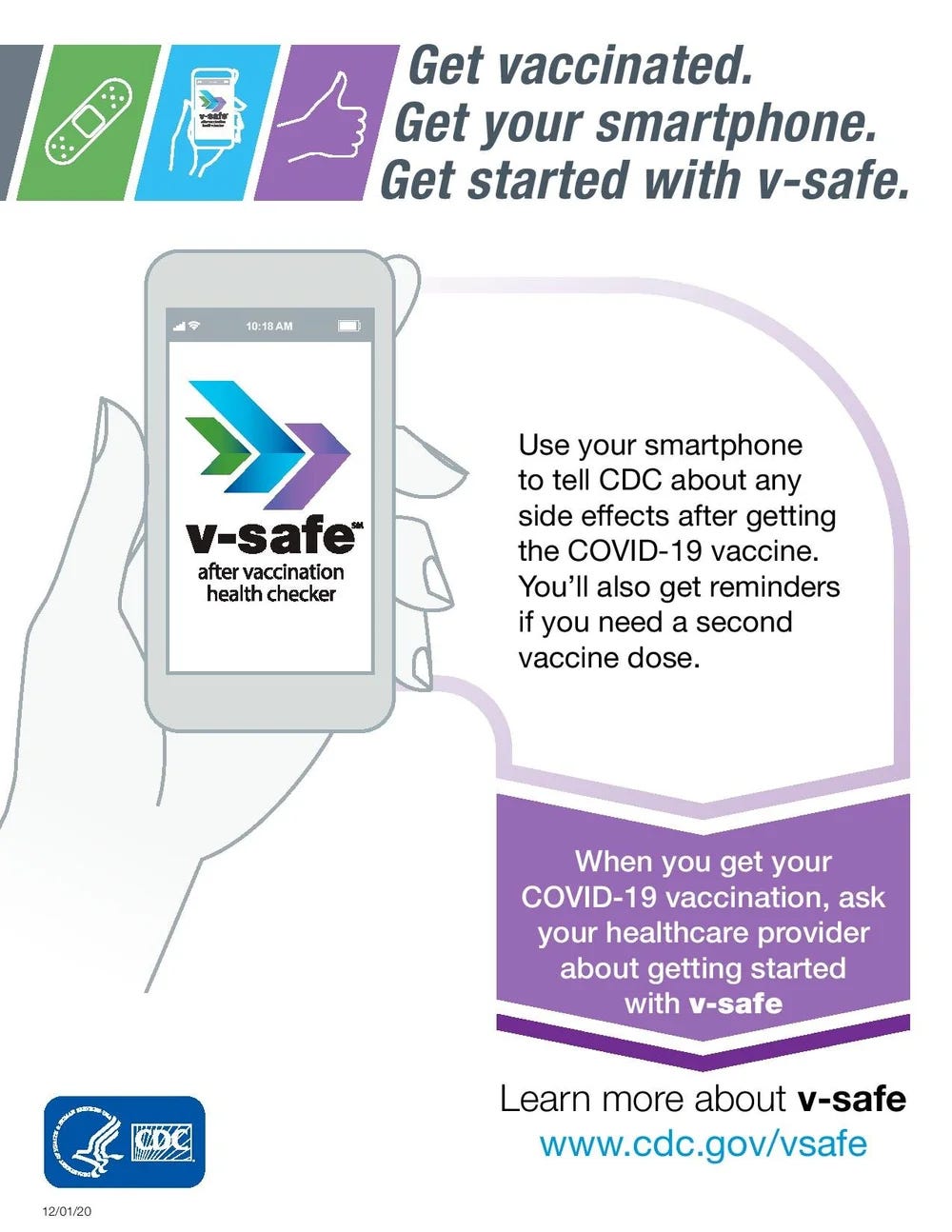
The CDC program through which these personal stories were initially captured was the “V-safe” program, launched in December 2020 to monitor Covid vaccine safety. Informational materials from December 2020 described V-safe as a “smartphone-based tool that uses text messaging and web surveys to provide personalized health check-ins after you receive a COVID-19 vaccination.”
Check-ins occurred each day for one week following Covid vaccination and once per week for up to five weeks after that, with this cycle repeating if an individual received a second dose. Additional check-in prompts were sent at three, six, and twelve months after a person received their final dose of the initial vaccine series. Sometimes family members completed V-safe check-ins on behalf of loved ones.
These check-ins consisted of a check-box survey containing a preset list of designated symptoms, accompanied by a free-text field for participants to include additional experiences not captured by the check-box survey.
At present, the CDC’s website states, “V-safe data can help CDC understand side effects experienced shortly after vaccination.”
Materials from December 2020 also noted, “Through v-safe, you can quickly tell CDC if you have any side effects after getting the COVID-19 vaccine. Depending on your answers, someone from the CDC may call to check on you. [Formatting in original.]”
Flaws in the V-Safe System
Critics of the V-safe system, however, have noted the program was flawed from the start as more serious symptoms people experienced were not included in the check-box survey.
Adverse events like severe tachycardia, chest pain, passing out, limb weakness, paralysis, tinnitus, clotting, and stroke were not options in the check-box survey, said Brianne Dressen, whose organization, React19, recently performed an audit of the V-safe data, and who herself was diagnosed with post-vaccine neuropathy following her participation in AstraZeneca’s U.S. Covid vaccine clinical trials.
Even though more serious vaccine side effects were captured by the free-text field, Dressen noted in a telephone interview with The MAHA Report that from a data analytics perspective such free-text data can be difficult to analyze scientifically and therefore tended to be ignored by researchers.
Furthermore, with regard to the V-safe program, the CDC has been criticized for trying to block attempts to make the data collected available to the public and for failing to respond to reports of serious adverse reactions logged by the system.
The CDC only made the V-safe data public following a series of FOIA requests and lawsuits by health freedom organizations such as the Informed Consent Action Network.
Personal accounts documented in the V-safe data also indicate reports of serious injury logged by the free-text box of the program’s check-ins were largely ignored by the CDC.
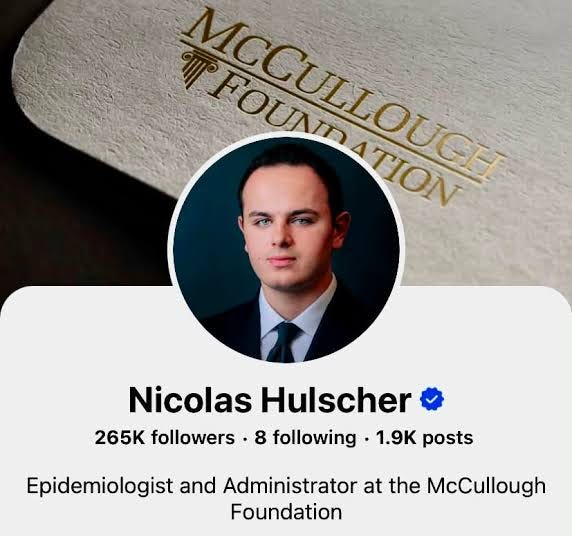
Nicolas Hulscher, an epidemiologist at the McCullough Foundation, wrote in an email to The MAHA Report, “Individuals described severe, sometimes debilitating medical problems, followed by frustration when they could not obtain answers, meaningful follow-up, or appropriate care. Some reported repeatedly asking whether anyone at the CDC was even reading their submissions.”
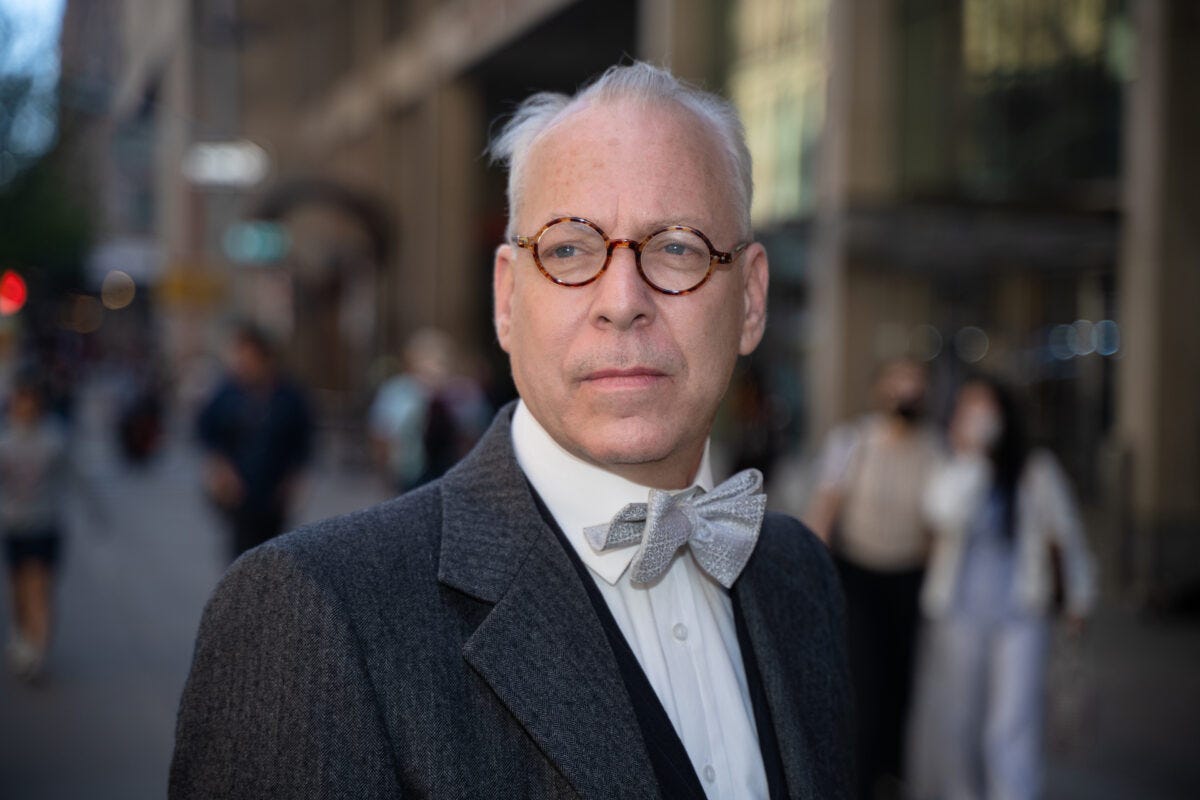
Jeffrey Tucker, the founder of The Brownstone Institute, which provides financial support for React19’s work and published many of the personal stories captured by V-safe in a book titled Cries for Help, said, “People kept writing in, begging for calls back, which they sometimes got, but mostly didn’t get.”
The small percentage of people who did receive a call-back from the CDC appear to mostly have received impersonal robo-calls, Tucker told The MAHA Report in a telephone interview.
Commenting on such experiences, Hulscher wrote, “Patients reporting serious adverse events deserve prompt evaluation, thorough investigation, and compassionate medical care.”
He added, “No individual who participates in a federal vaccine safety monitoring program should feel that their repeated cries for help have disappeared into a government database.”
Yet, Tucker said, the experiences captured in the V-safe data do not indicate that those injured by the Covid vaccine received prompt evaluation or compassion.
Instead, Tucker noted, “as their conditions worsened, they would go see their primary care doctor, then they would go to a diagnostic, then they’d go to a specialist, a dermatologist or cardiologist or whatever, and they kept spending money and...were bankrupting themselves trying to fix their vaccine injuries.”
Tucker continued, “From my personal point of view, reading these files, understanding what went on here . . . for me it recharacterized my understanding of our times in a fundamental way. Potentially millions of people were directly harmed by a product that was supposed to save them and they were all kept in the dark as to the prevalence of this problem and even to this day it’s almost unknown by the general public.”
“It’s just utterly shocking,” Tucker added.
Hulscher described the apparent disregard by the CDC for those reporting serious injury through the V-safe program as “an extraordinary breakdown of trust between the public and the very institutions entrusted with monitoring vaccine safety.”
Dressen said she hopes React19’s audit of the V-safe data will help legitimize the seriousness of Covid vaccine injuries and highlight the types of injuries that occurred and are still occurring.
Moreover, Dressen said, she and React19 want to “help marry data points, really good data, with the human lived experience.”
Describing the accounts in the V-safe data, Dressen said, “you can see the desperation that grows when someone that’s suffering with a new condition is not heard…When they’re not responded to, those voices don’t just magically go away… Because of sheer survival, they’re going to continue to get louder, louder, louder, louder, thinking that the louder they get and the more persistent they get, they’ll finally get heard and they’ll finally get help.”
Additionally, Dressen said she and React19 would like to see a followup study conducted by the CDC on the V-safe dataset to get a better sense of what patients participating in the program experienced, what adverse reactions they developed, and the rate at which these events occurred, as doing so might result in the development of safer vaccines and better safety protocols in the future.
“I absolutely want to participate in making sure that these types of mistakes and cover-ups don’t happen again,” Dressen said.

What's funnier than Tuckity?
Me Too