


The federal government has acknowledged what many parents have known for years: excessive screen use is not just harmless entertainment.
On May 20, Health & Human Services and the Office of the Surgeon General released the Surgeon General’s Warning on the Harms of Screen Use, pointing out that children who look at screens excessively are at increased risk for mental, physical, emotional, and developmental health problems.

(Photo courtesy Iowa governor’s office)
“Children today spend more time on screens than sleeping, exercising, or engaging face-to-face with family and friends — and we are seeing the consequences in rising rates of anxiety, depression, obesity, and developmental challenges,” HHS Secretary Robert F. Kennedy Jr. said in announcing the government’s new advisory and toolkit.
Dr. Stephanie Haridopolos, chief of staff and senior advisor in the Office of the U.S. Surgeon General, put the message even more simply, saying, “There is nothing more important than the health of our children. We want them to get off the screens and live real life.”

Under Kennedy’s HHS, screen time is now considered part of the country’s childhood health crisis. The advisory warns that excessive screen use, especially through social media, is not only linked to developmental, mental, and physical challenges, but also to poor educational outcomes, sleep disruption, anxiety, depression, low self-esteem, body-image concerns, physical inactivity, and poor language development in young children.
Haridopulous agrees, “As a mother, physician, and chief of staff & senior advisor in the Office of the U.S. Surgeon General, I’ve seen firsthand how excessive screen time and heavy social media use in teens can impact brain development, vision, academic performance, mental health, and more.”
Signs of excessive screen time show up in kids as: emotional withdrawal when screens are not accessible, not engaging in in-person interactions or activities and hiding or lying about overall screen use.
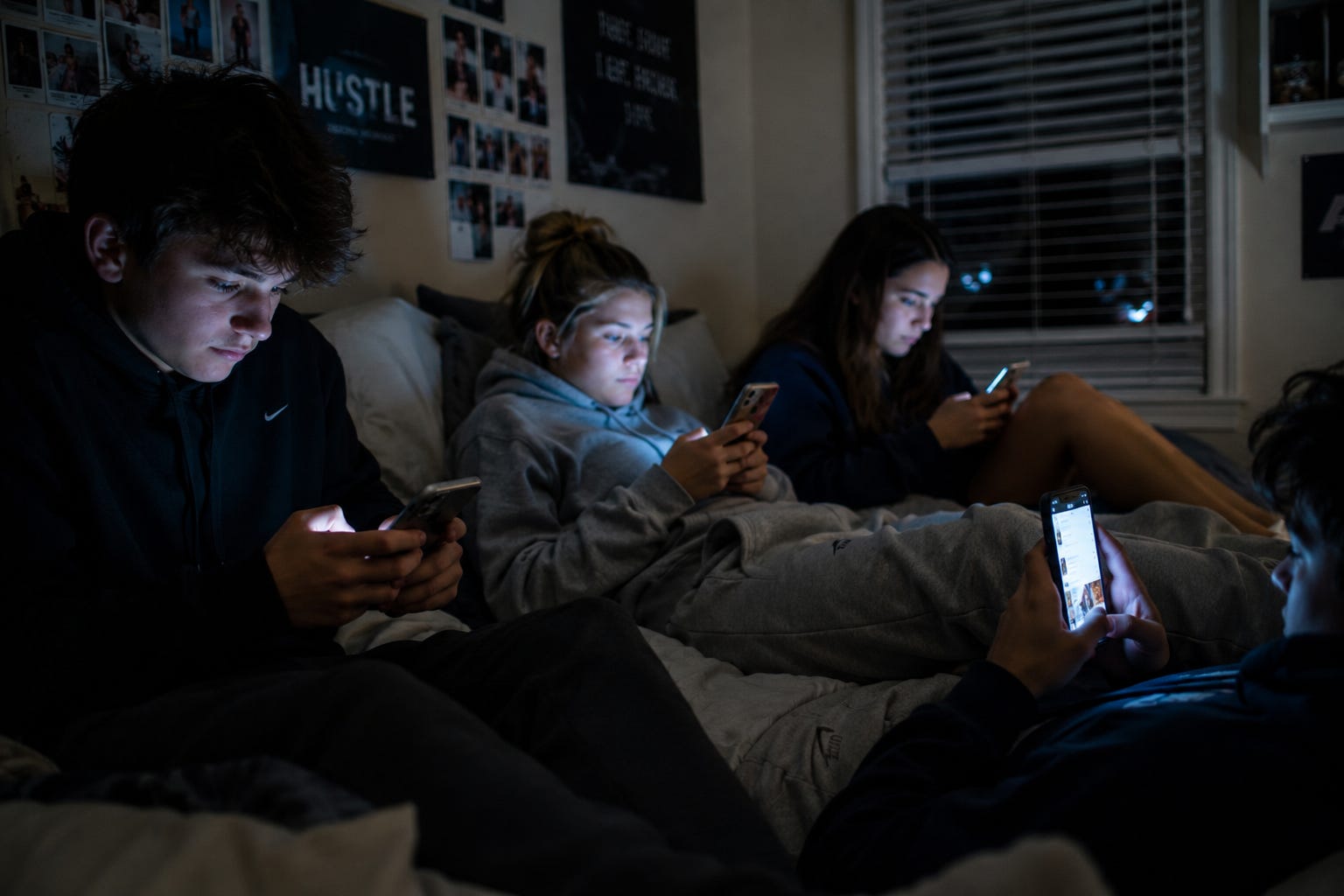
Teens are spending an average of 7.5 to 9 hours daily on screens for entertainment alone. Over 50% of teenagers log 4 or more hours per day, and social media accounts for the biggest portion of this, with teens averaging almost 5 hours a day across platforms like TikTok, Instagram, and YouTube. The teens spending four or more hours a day on screens were twice as likely to report anxiety, depression, low self-esteem, and social comparison. Cyberbullying has also been associated with depression, anxiety, and social withdrawal among children and adolescents. The advisory notes that some screen use has been associated with increased risk of self-harm and suicidal behaviors, especially among adolescents.
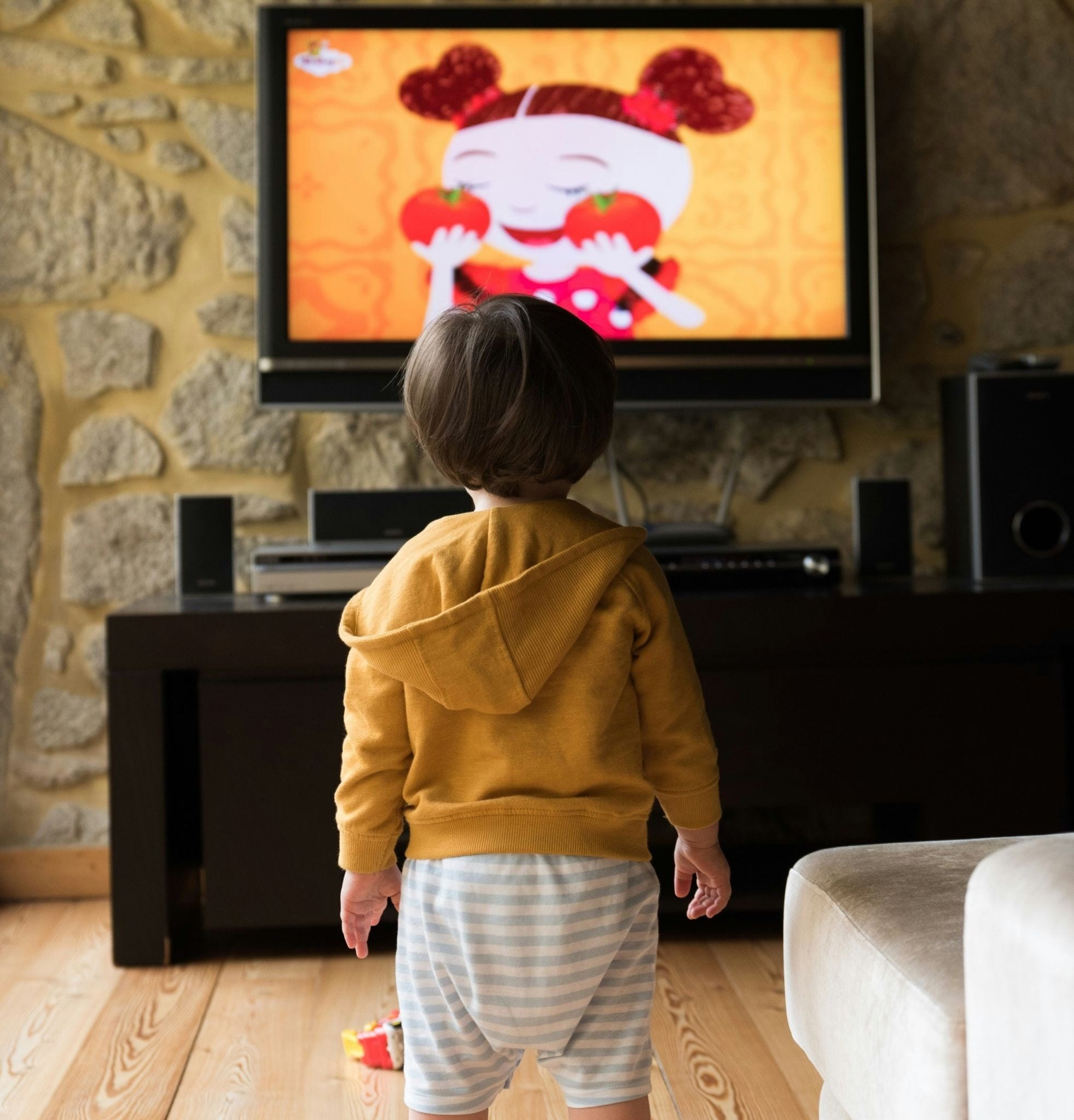
For very young children, the concern is more about what screen time actually replaces. Infants and toddlers build language, attention, social development, and emotional regulation through human face-to-face interaction, touch, and hands-on play. Recent research published in JAMA Pediatrics has linked higher screen exposure in infancy with later developmental delays, including communication and problem-solving delays.
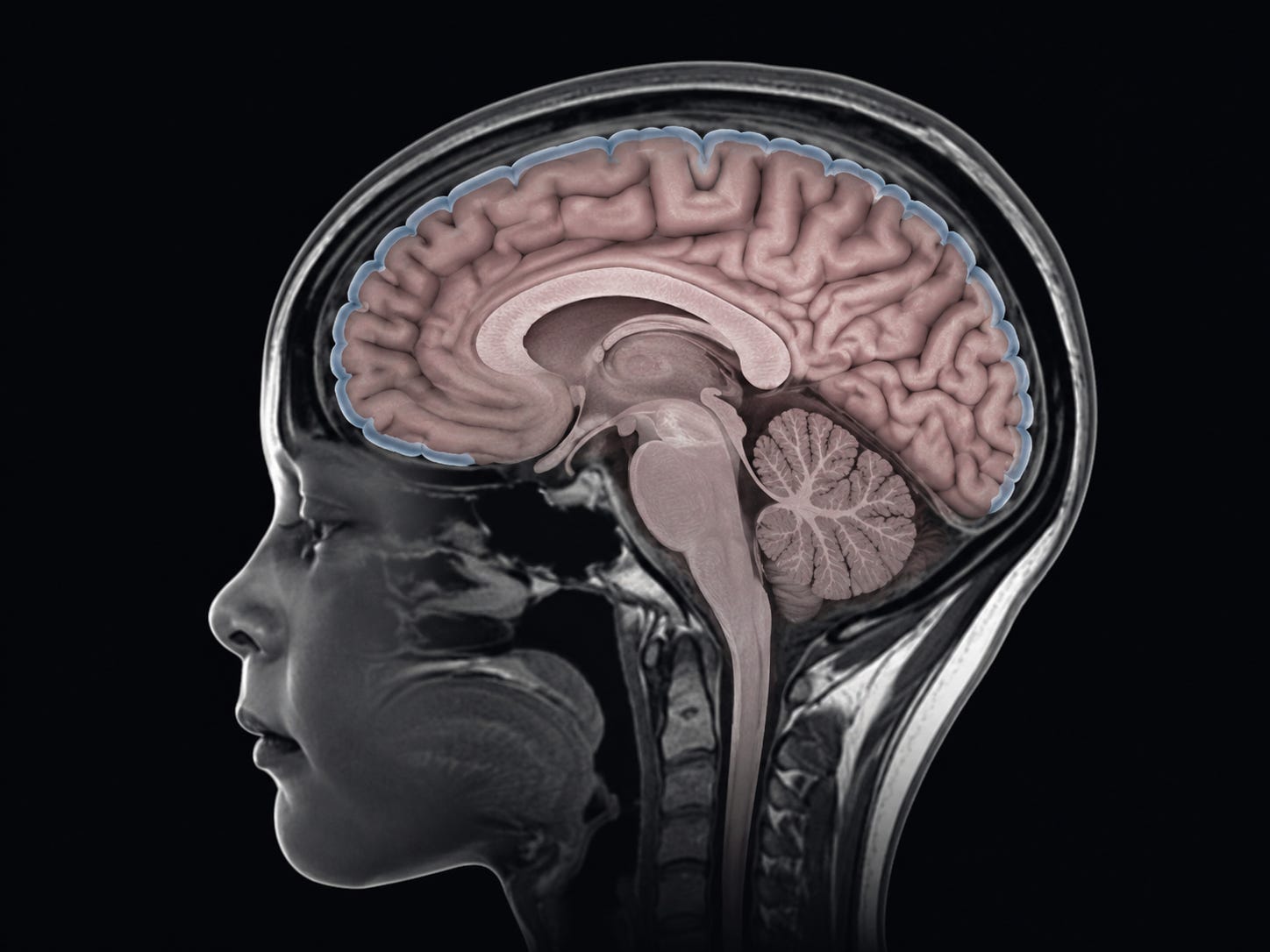
Brain development may be affected as well. Some research has found that children with very heavy screen use showed thinning in the brain’s cortex, the region involved in reasoning and higher-order thinking. These findings do not prove causation, but they add to the concern that screens may be replacing the real-life experiences young brains need most.
Children’s language development is part of the same concern. The JAMA study also found more time on screens has been linked to fewer adult words, fewer child vocalizations, and fewer back-and-forth conversations between parents and children. And the pattern extends beyond learning and language. Higher screen use has also been linked to more snacking, more junk food intake, less physical activity, obesity, and a greater risk of overeating during meals.
Today’s screen use is no longer limited to television or video games. Children and adolescents now move between TVs, tablets, computers, gaming devices, and smartphones, often carrying screens with them for most of the day. Through those devices, they can watch shows, movies, and short-form videos, play games, text, shop, scroll social media, and interact with AI chatbots.

Artificial Intelligence (AI) adds yet another danger because it not only occupies attention, but it can also replace thought processes altogether. When students use AI to write, summarize, solve, and make decisions for them, they lose precious time to practice the very skills childhood is supposed to build: creativity, attention, memory, writing ability, reasoning, and problem-solving.
This is where MAHA’s message matters. Screen time is no longer just a parenting issue. It is shaping how children sleep, move, eat, learn, think, and connect. Children are spending more time with algorithms and less time moving their bodies, playing outside, sleeping deeply, talking face-to-face, and interacting with parents, teachers, siblings, and friends.
The solution is not to shame families or pretend technology is going away. HHS acknowledges that screens can have benefits and that the evidence is still evolving.

But the advisory also says there is now enough evidence of potential harm to justify action from families, schools, communities, technology companies, and policymakers.
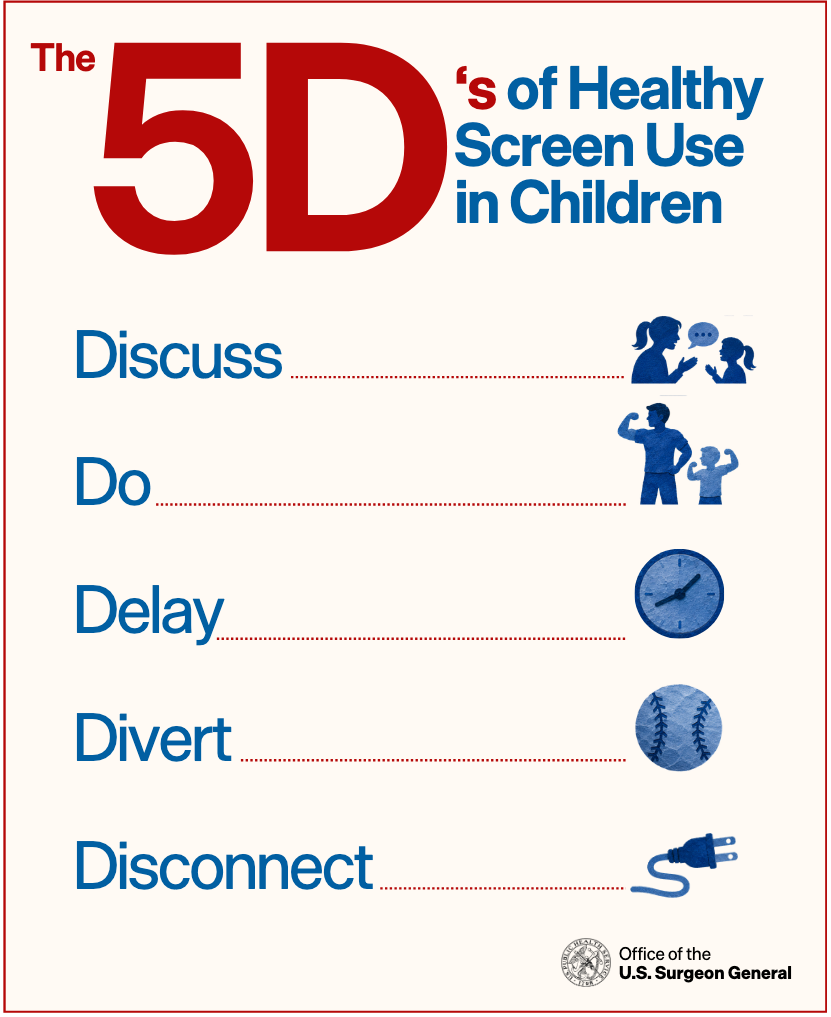
The advisory also lays out practical steps that can be taken. Families can create media plans, keep devices out of bedrooms overnight, enforce screen-free meals, and replace screen time with real-life activities such as walking outside, cooking healthy meals together, reading, and connecting without distraction. Schools can reduce classroom screen exposure, consider bell-to-bell phone restrictions, use books and paper when possible, and build in more movement, recess, games, and build in more opportunities for social connection.
The message is also growing outside the government. Parent advocacy groups such as Mothers Against Media Addiction (MAMA) and Wait Until 8th are pushing back against media addiction and the pressure to give children smartphones before they’re ready. MAMA says “real-life experiences and interactions belong at the heart of a healthy childhood.”
Under Kennedy’s HHS, screen time is no longer being treated as an isolated family problem. It is now recognized as part of the childhood chronic disease and mental health crisis. Iowa’s new MAHA legislation, which Kennedy celebrated on May 21, includes efforts to reduce excessive classroom screen exposure, increase physical activity, strengthen student engagement, and promote healthier habits for children.
“We want children to spend less time scrolling and more time living . . . less time isolated online and more time connected to a family member, to their community, to nature or to real life,” said Kennedy during his Iowa visit.

This discusses social media and entertainment but what about children who are using screen time primarily for educational content? Are the effects the same? Has this been quantified?
Finally!!