


Hope Comerford’s Fix-It and Forget-It: Protein-Packed Meals arrives just as protein is getting its close-up. The book is a thoughtful, accessible manual for building flavorful, satisfying meals around two of the most forgiving appliances in the modern kitchen: the slow cooker and the Instant Pot.
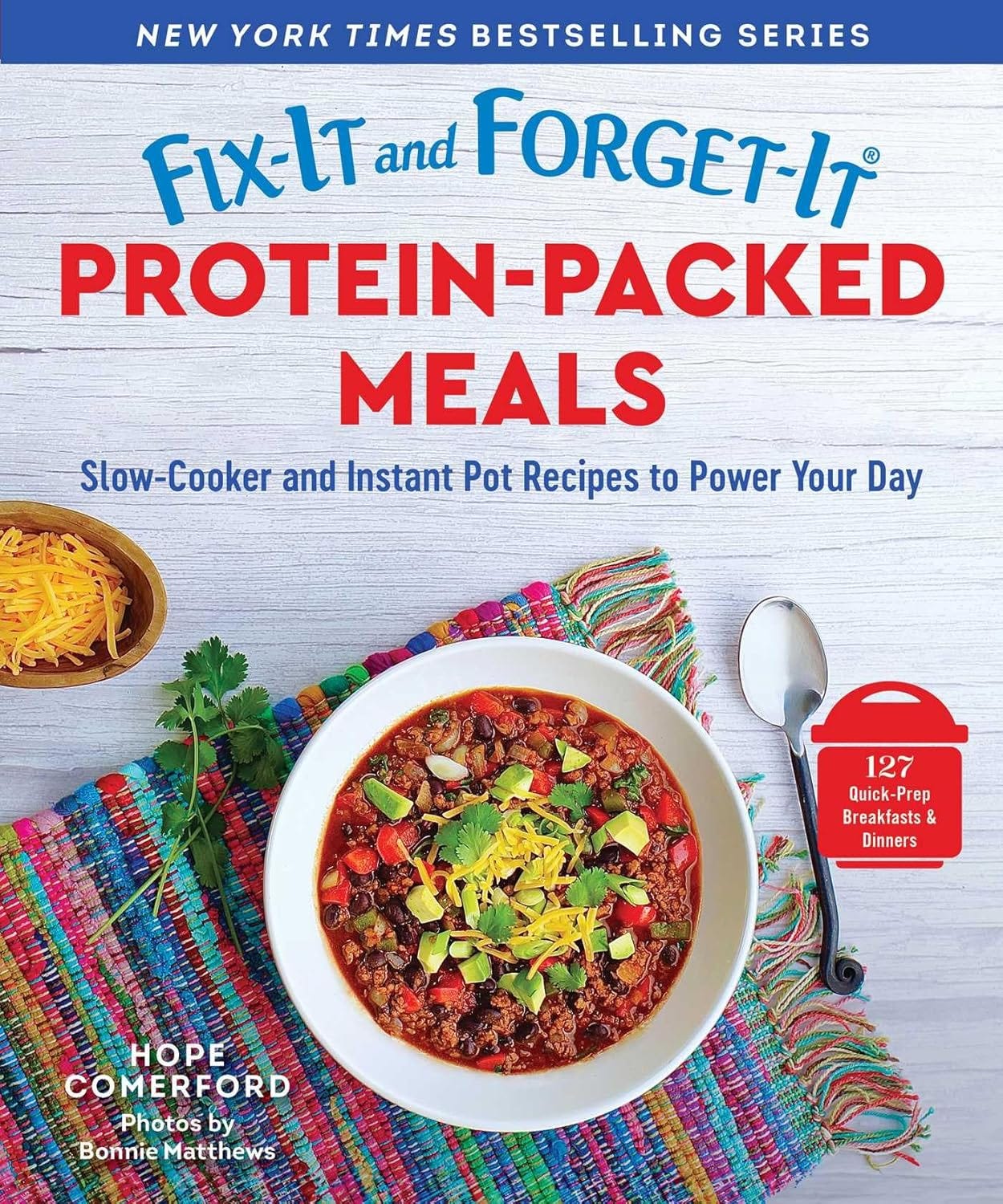
Comerford, the longtime brand ambassador for the beloved Fix-It and Forget-It series, brings her signature practicality and quiet creativity to a subject that can feel preachy.
The book opens with a warm, disarming acknowledgment: many of us finish a meal only to feel hungry again an hour later. Rather than scolding or prescribing, Comerford simply promises recipes that “help support your body and give you the energy you need to take on your day.” Nutrition information, including protein grams per serving, appears with every recipe, yet the tone remains encouraging rather than disciplinarian. If you need to swap ingredients for dietary reasons, she notes, the counts will change—but the spirit of cooking for yourself should not be abandoned.

The book’s strength begins before the first recipe. Comerford devotes early chapters to appliance literacy: how to choose the right slow-cooker size for your household, the quirks of programmable versus manual models, and a reassuringly thorough “water test” tutorial for Instant Pot novices. These sections read like friendly coaching rather than technical manuals. Comerford anticipates the small frustrations—hot spots, overfilling, sealing-ring cross-contamination between savory and sweet dishes—and offers clear, experience-tested fixes. It is the kind of pragmatic guidance that turns hesitant beginners into confident users.
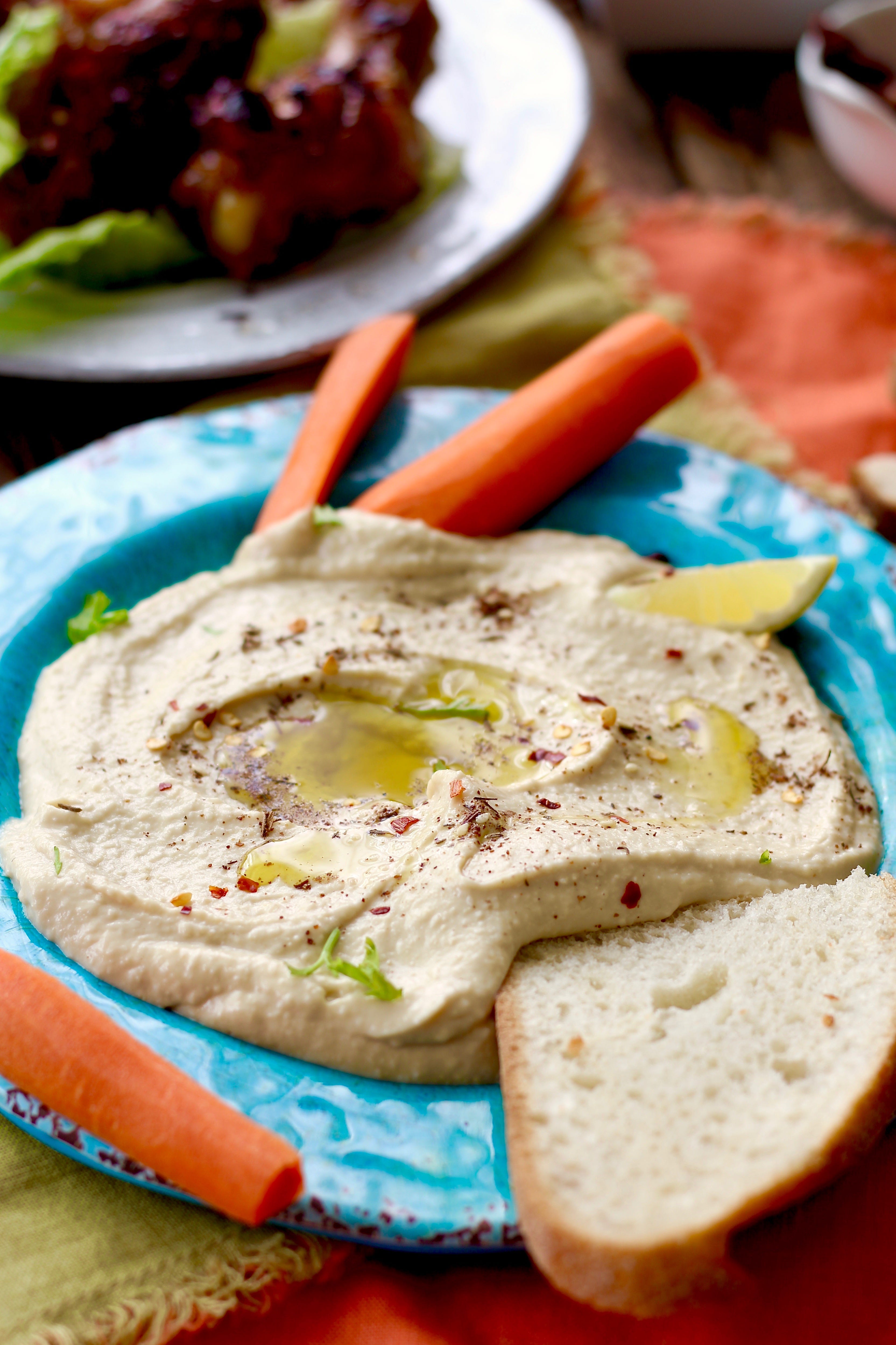
Once the recipes begin, the payoff is immediate. The appetizers and snacks section alone makes a compelling case for the book’s approach. Colleen Heatwole’s hummus, cooked from dried chickpeas in the Instant Pot and then blended with cottage cheese, hits 12 grams of protein per serving while tasting richer than the usual tahini-only version. Hope Comerford’s own lightened-up spinach artichoke dip reaches 18 grams thanks to Greek yogurt and reduced-fat cheeses, yet retains the creamy, scoopable appeal that makes party food feel indulgent rather than dutiful. Even the sweet-and-hot mixed nuts, slow-cooked with maple syrup and warm spices, deliver 4 grams per quarter-cup handful—an addictive snack that somehow feels virtuous.
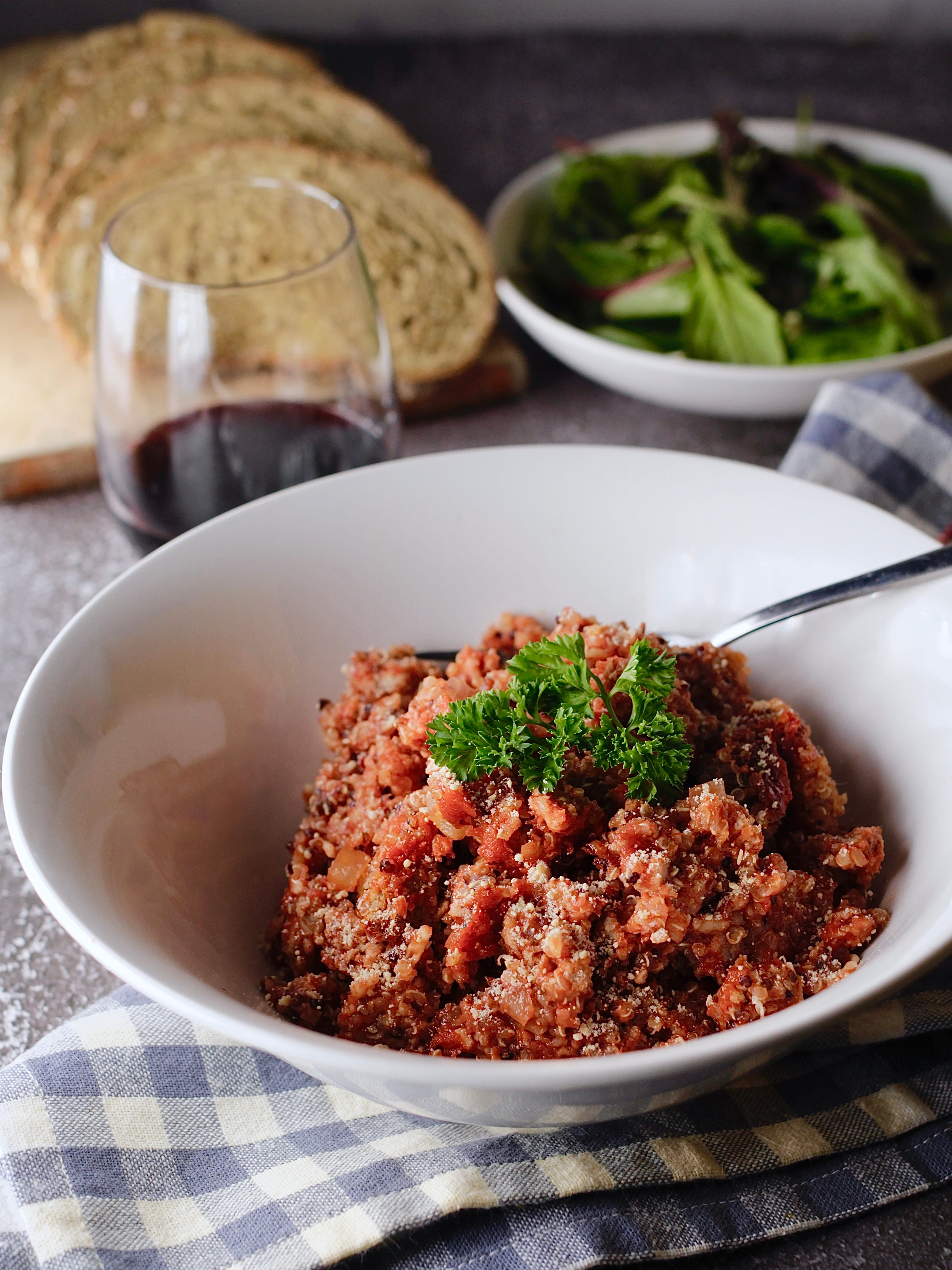
The main dishes detailed in the book are designed to keep your daily energy level balanced. Tiny turkey meatballs, formed with quinoa and gently seared before a long low simmer in a balsamic-spiked tomato sauce, emerge tender and flavorful at 6 grams of protein each (40 to 50 meatballs from two pounds of meat means plenty for a crowd or freezer stash). Chicken lettuce wraps, built from browned ground chicken simmered with water chestnuts and aromatic seasonings, clock 15 grams per wrap and come together in the slow cooker with almost no work.
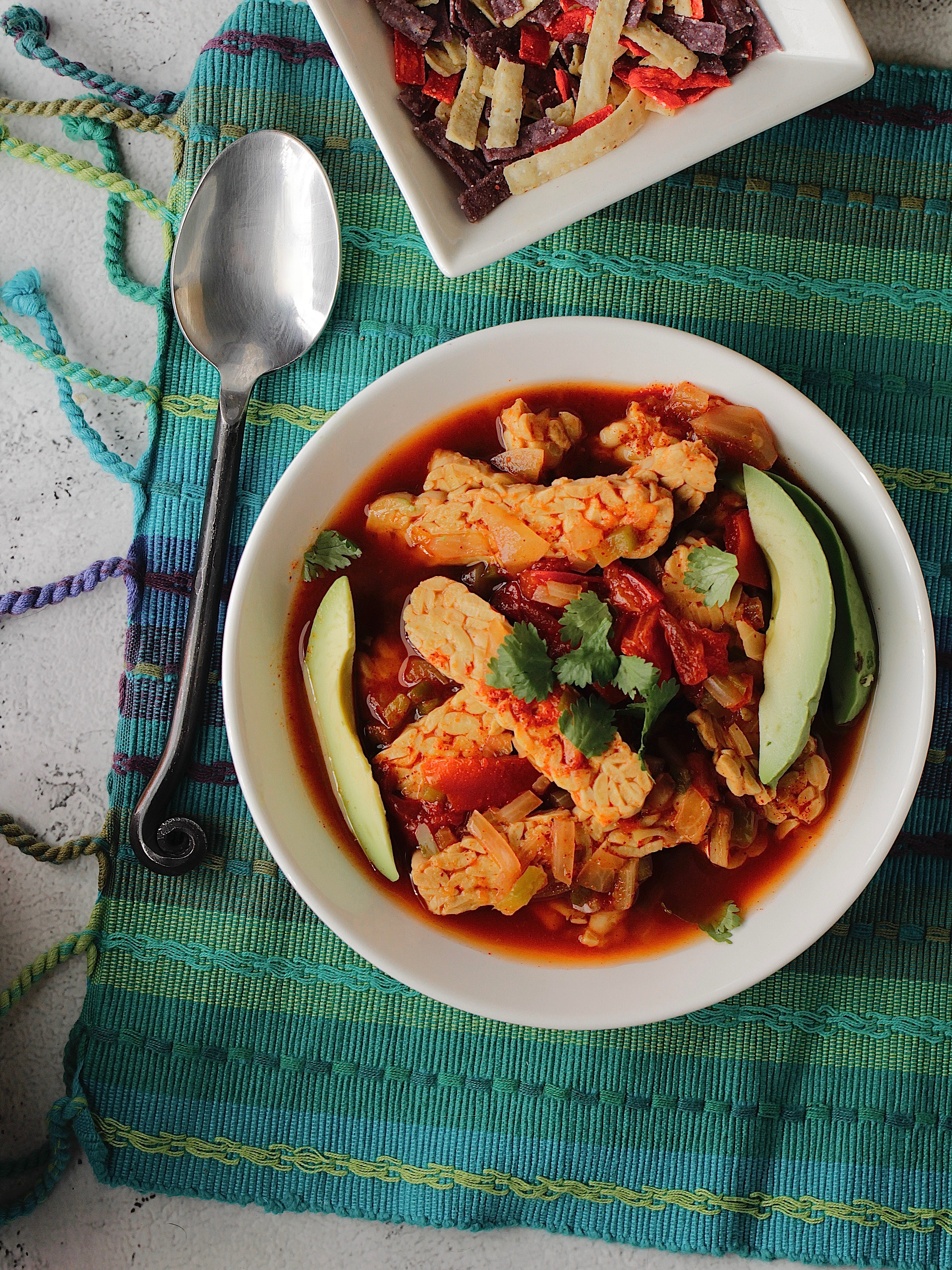
Meatless options and seafood recipes are sprinkled throughout the book, ensuring it feels inclusive rather than prescriptive. Nutrition information—protein grams prominently listed at the bottom of every recipe—remains a constant, helpful companion without ever dominating the page.
Comerford writes as someone who actually cooks for a family: she encourages notes in the margins of her book and suggests preparing components the night before the big meal.
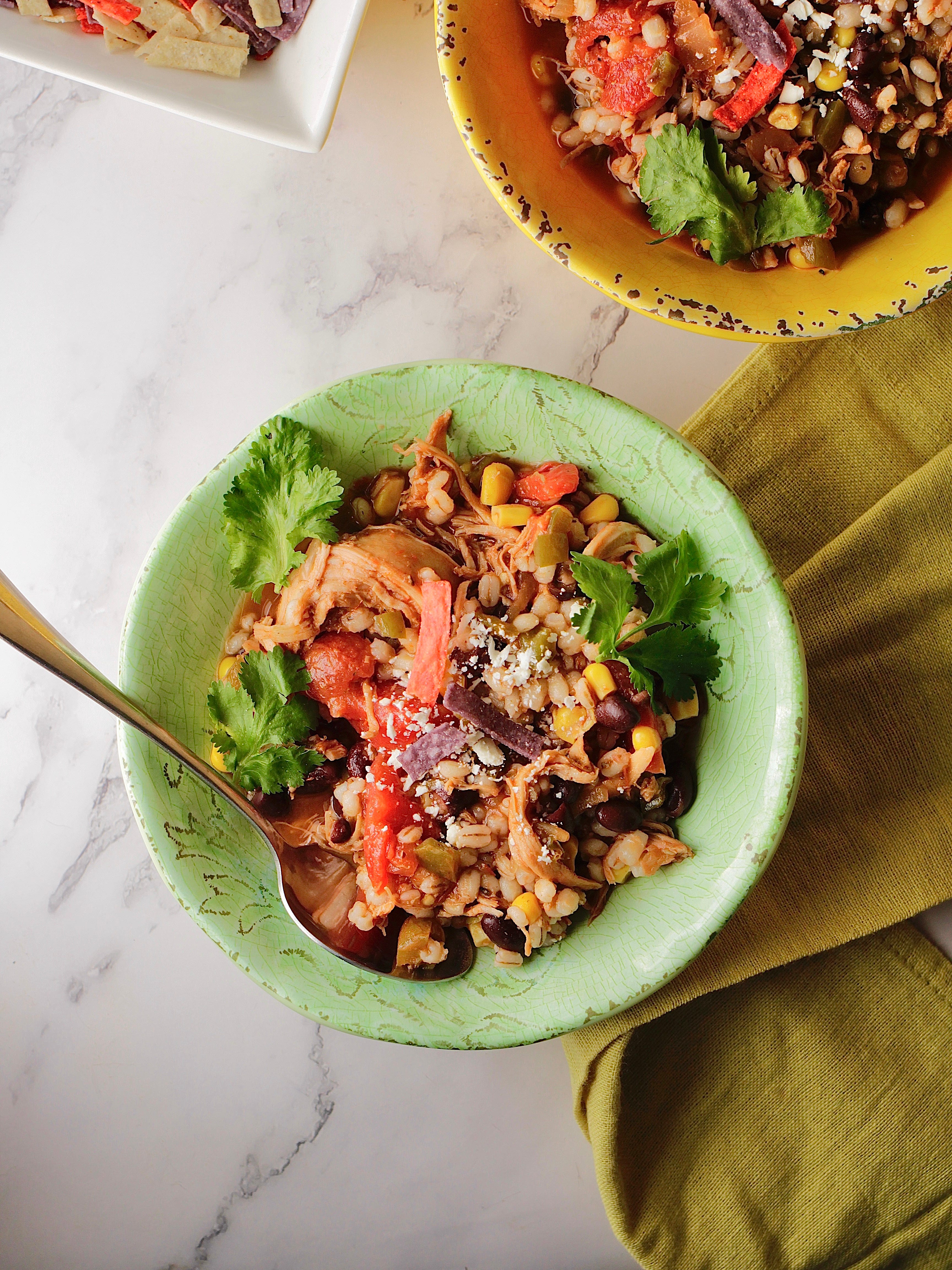
Bonnie Matthews’s photographs deserve separate mention; they are bright, unfussy, and appetite-inducing—bowls of lentil soup, plates of salmon topped with fresh herbs, and layered dips that look ready for Sunday supper or Tuesday lunch. The images reinforce the book’s central promise: these are meals you will want to make and eat.
Perhaps the quiet triumph of Fix-It and Forget-It Protein-Packed Meals lies in its refusal to treat high-protein eating as a temporary project or a punishment. Comerford presents it instead as a sustainable practice that can include creamy dips, tender meatballs, crunchy nuts, and even dessert. By meeting readers where they actually live—busy schedules, limited counter space, the desire for food that comforts as well as fuels—she has produced a volume that feels both timely and timeless. Fans of the series will find the same reassuring voice and reliable results they expect. Newcomers will discover that eating well need not require heroic effort or a second mortgage in specialty ingredients.
In short, Comerford has once again done what the Fix-It and Forget-It brand does best: she has taken a potentially complicated nutritional goal and rendered it not only doable but enjoyable. This is a cookbook to use regularly not to cast off on a bookshelf and admire from afar.
For anyone who has ever stared into an empty refrigerator at 6 p.m. wondering how to feed a household without sacrificing time or protein goals, this book is your friend.
Please do a high protein, high fat low-carb book next! I would buy at least four of them!