


Imagine a woman sitting in her car outside a wellness clinic, clutching a small paper bag containing a chilled vial, syringes, and instructions she only half understands. She’s hopeful yet nervous. Will one vial change her life?
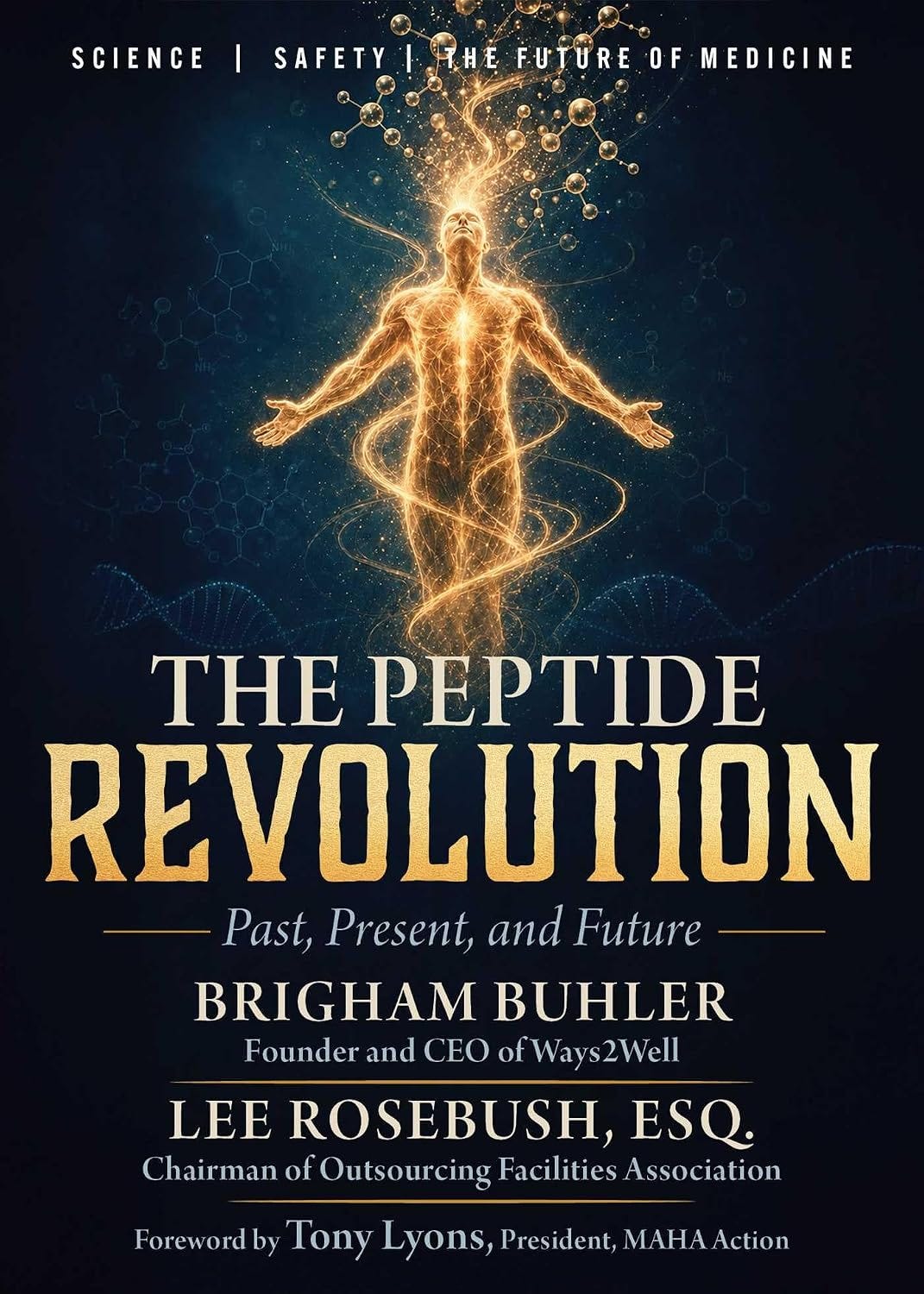
This relatable scene from today’s culture of anxiety, about anything to do with one’s health in the United States, opens The Peptide Revolution: Past, Present, and Future, a new book set for an August 4 release from MAHA Books, a division of Skyhorse Publishing.
Written by Brigham Buhler, founder and CEO of Ways2Well, and Lee Rosebush, Esq., a pharmacist-attorney and regulatory heavyweight, the book refuses to peddle easy answers. Instead, it delivers a timely, clear-eyed, and evidence-based exploration of peptides.
Buhler and Rosebush treat peptides for what they are: powerful biological messengers with a century-long track record in medicine, now suddenly thrust into a 2026 spotlight where people who call themselves journalists, from legacy media and well outside it, feed on rumor often at the expense of fact.
The authors have an important, fact-based story to tell that few people know: they trace peptides from insulin’s life-saving debut in 1922 to today’s GLP-1 weight-loss revolution and beyond, demystifying how these short amino-acid chains act as precise signals rather than blunt “boosters.”

They explain receptor pathways, feedback loops, and delivery methods with accessible analogies — peptides as biological X posts, the body as a networked city at rush hour — making complex physiology approachable without dumbing it down.
What elevates the book is its intellectual honesty. It validates real human desires — quieter appetite, faster recovery, better sleep, renewed vitality — while insisting on rigor: diagnosis before treatment, labs before vials, and clinician guidance over gray-market gambles.
Chapters on evidence hierarchies, compounding vs. FDA-approved products, safety considerations, and patient autonomy are particularly sharp. The authors
champion informed choice without romanticizing risk, acknowledging that FDA approval signals a favorable benefit-risk profile for specific uses, not universal harmlessness.
Practical and pragmatic, the book includes actionable advice, including: how to talk to your provider; checklists for evaluating sources and consent; and reminders that lifestyle fundamentals still matter. Rosebush’s regulatory expertise and Buhler’s clinical perspective create a balanced voice that bridges wellness enthusiasm with medical responsibility.
In our polarized landscape, where peptides are either miracle cures or reckless biohacking, The Peptide Revolution charts a wiser, middle path.
Equal parts science primer, patient empowerment guide, and call to defend medical freedom, the book is for anyone who’s ever thought: I just want the right to understand and choose what I’m putting in my body!
Finally, whether you’re intrigued by peptides for performance, recovery, weight loss, longevity, or metabolic health, this book is an essential companion for navigating the hype with eyes wide open. Medicine’s future, the authors suggest, belongs to the informed and the curious. The book helps get you there.
[The Peptide Revolution: Past, Present, and Future, written by Brigham Buhler and Lee Rosebush, will publish on August 4, 2026 from MAHA Books, a division of Skyhorse Publishing. It’s currently available for pre-order on Amazon.]
Shop our merch store to support the MAHA Report and the MAHA movement.
All proceeds go to supporting the cause.
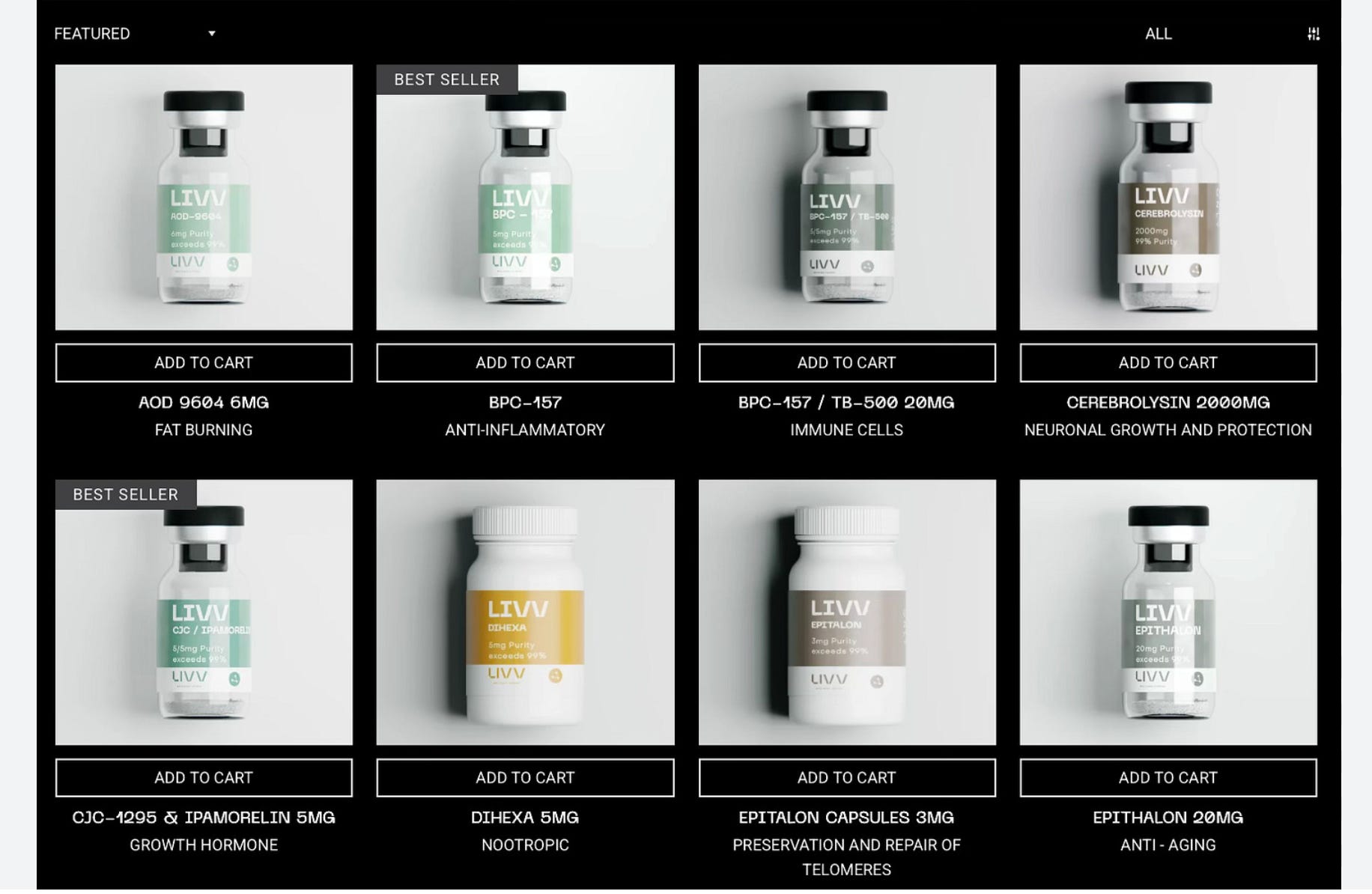
This is timely. Most of the hairdressers at the salon I go to are on "peptides", which they are buying online without medical guidance. And not all of these peptides are GLP1 analogues.
It's the wild west, and needs a bit of taming.
this book sounds good to read and to know what it has to offer but I believe the author should have mentioned that what this medicine achieves can also be achieved with food changes without the side effects I guess he also does not stress that once you go off the meds weight gain comes back. So there are missing parts in my opinion. The peptides can be a starter or part but food choices achieve it without spending money and without side effects.