

By Catherine Ebeling, RN, MSN, Contributor, The MAHA Report
If you want to understand what healthy food culture looks like, don’t begin with a nutrition label. Begin with the people who produce the food and the traditions that shape it. For Chef Janez Bratovž, known simply as JB, reverence for food and its origins begins with a grandmother frying eggs in pork cracklings.
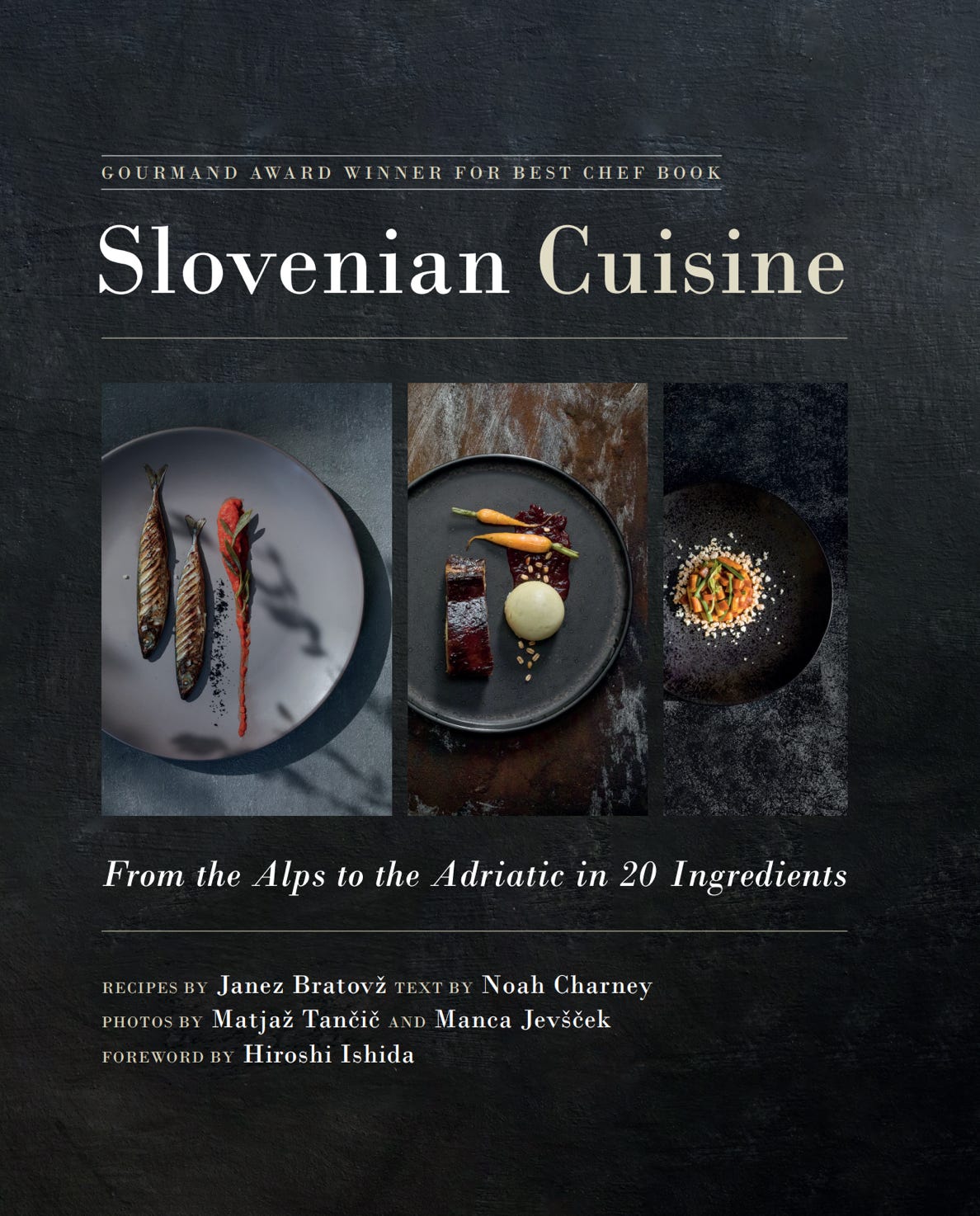
In Janez Bratovž: Slovenian Cuisine — From the Alps to the Adriatic in 20 Ingredients (Skyhorse Publishing), first published in Slovenian in 2018 and now translated into English, JB takes readers on a culinary road trip across his homeland.
Each chapter is built around a single ingredient and the farmer, fisherman, or artisan behind it, followed by two dishes: one rooted in tradition, one distinctly modern. It’s an approach that feels especially relevant in an era when modern food is often processed, packaged, and stripped of its origins.
In this regard, JB’s recipes are fundamentally MAHA, in part because they are adamantly devoid of processed food and just as adamantly committed to real food.
The book’s foreword, written by Kyoto chef Hiroyoshi Ishida, underscores this philosophy. Ishida describes slowly roasting Kamo-nasu eggplant until its sweetness concentrates—no spices, no embellishment, just patience and precision. In JB, he recognizes the same discipline: the highest form of cooking is restraint, allowing the ingredient to reach its full potential.
JB’s own story makes that restraint feel earned. Born in 1962, he grew up in Yugoslavia at a time when food availability was limited and imported ingredients were rare. Some of his earliest memories are of scarcity. Meals were defined by what the family could afford and the resourcefulness of his grandmother in the kitchen. It’s why the book’s most striking moments aren’t the fine-dining flourishes but those that preserve and elevate the authors’ childhood sense memories – memories of food.
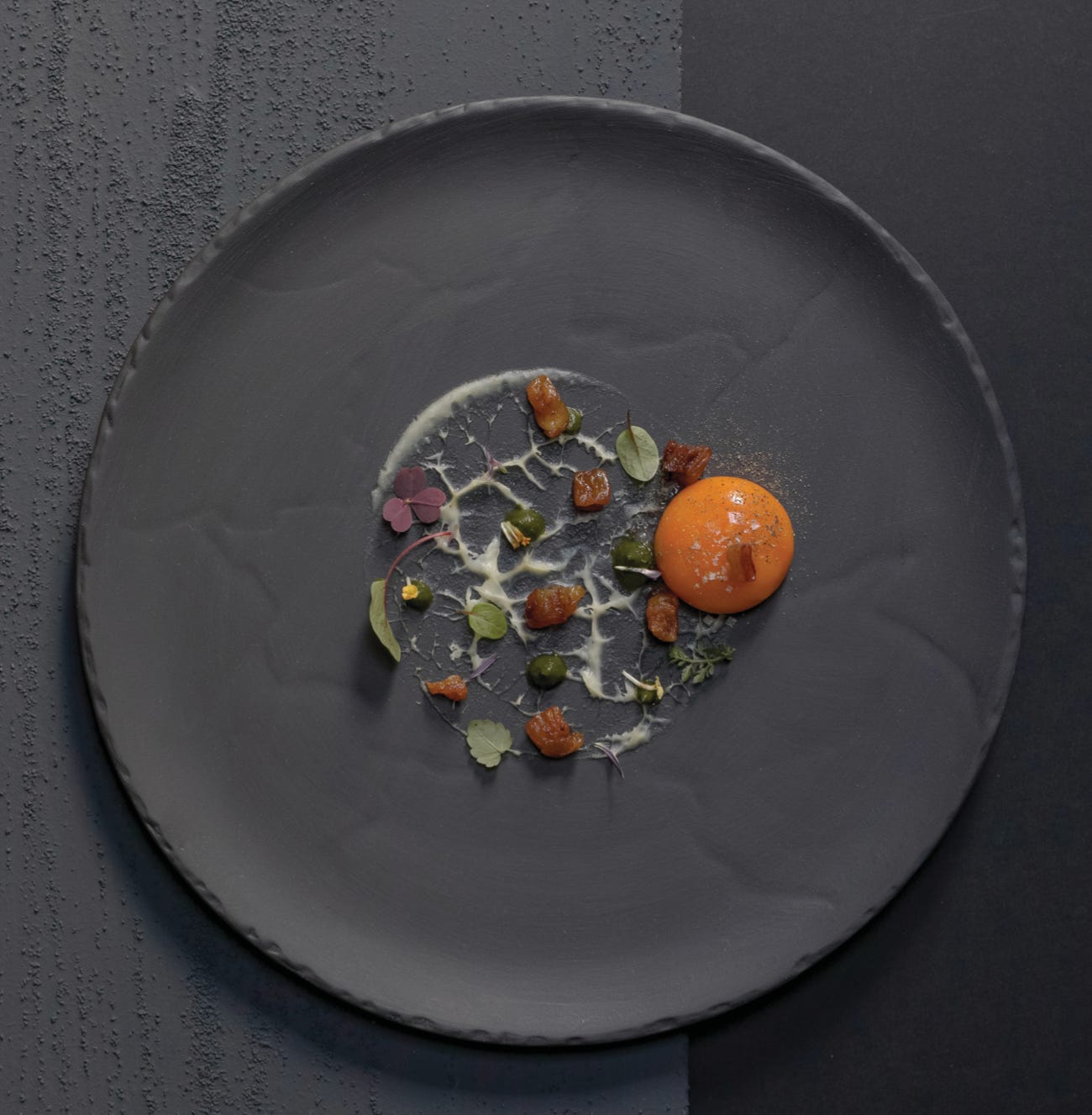
That childhood memory finds its fullest expression in “Egg Yolks and Cracklings with Parsley Root and Lovage Purées,” a dish rooted in the simplest comfort food: eggs fried in pork cracklings. At JB’s table, it becomes a reverent ritual, hot oil poured over yolk, bread ready for dipping – proof that traditional fats and traditional techniques can be both deeply nourishing and deeply refined.
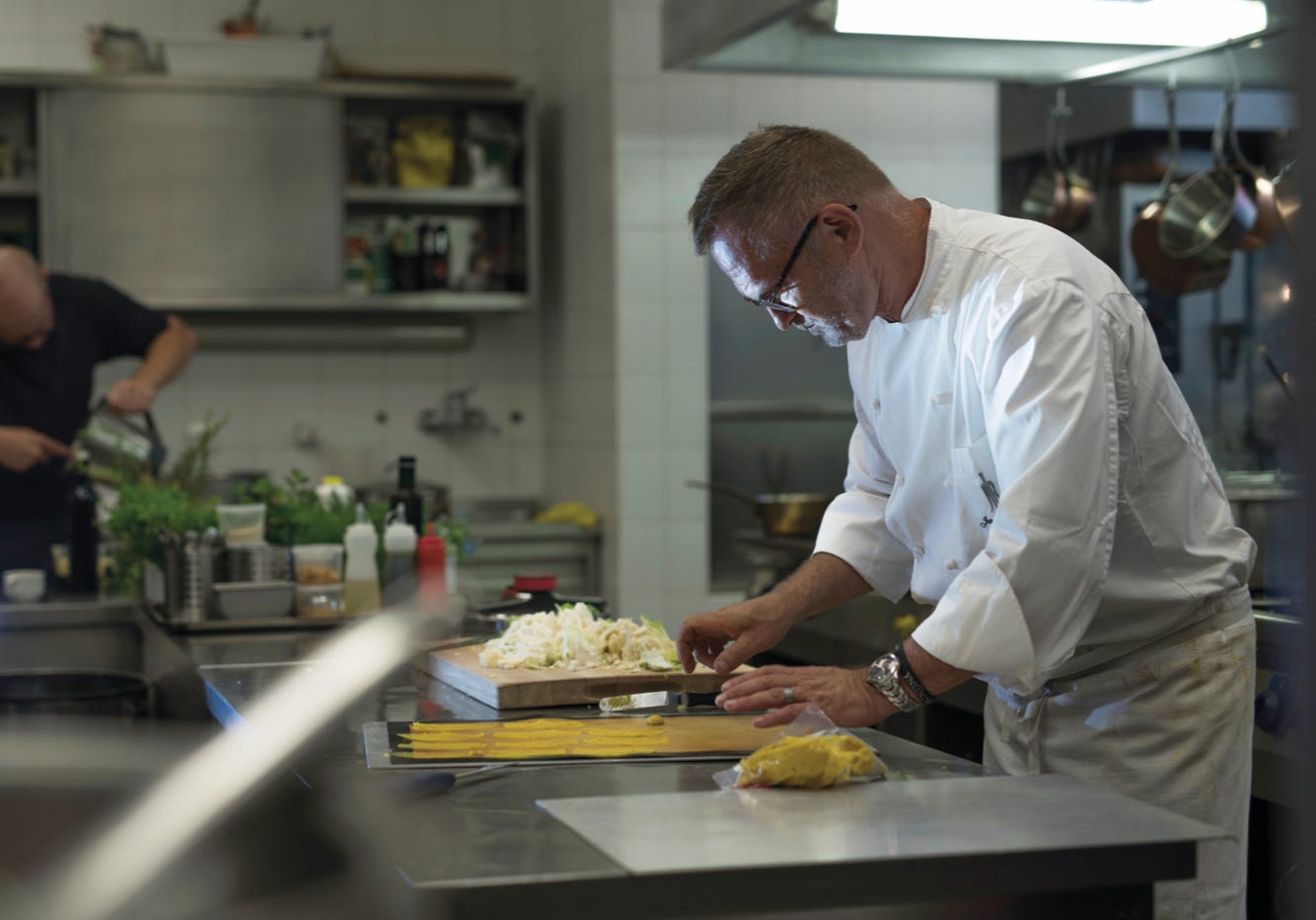
JB’s career also mirrors Slovenia’s modern history. He left home to train abroad when careers and ambition required crossing borders. In the early 1990s, he returned to a newly independent Slovenia and opened one of the country’s first fine-dining establishments.
At the time, his cooking was revolutionary for the region: carpaccio, rare meat, new textures, handmade noodles, all techniques that were standard in Europe’s top kitchens, but unfamiliar at home.
It was a risk to build something so precise in a place where ingredient choices were still modest and local, shaped by season and proximity, rather than abundance. The book captures that tension quietly, by honoring the farmers, fishermen, and craftsmen who bring these ingredients to life—food that is cultivated, not produced.

Fellow Slovenian chef Ana Roš later summarized JB’s’ impact succinctly: “Every country has ‘The Chef.’ In Slovenia, this is him.”
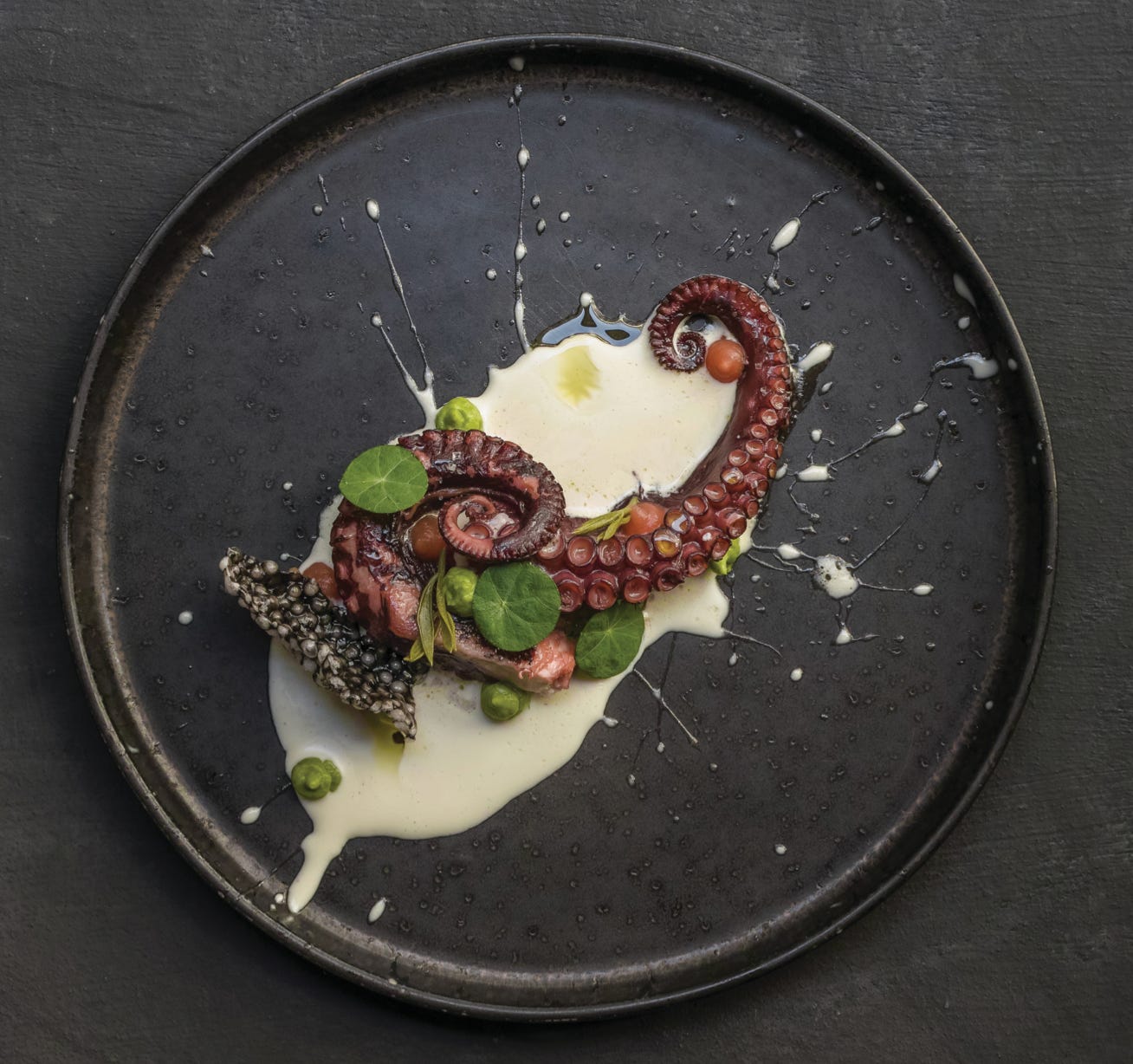
The Adriatic chapters show JB’s discipline at its best. “Octopus Cooked in Its Own Juices, with Tomato, Avocado, and Cuttlefish Chips” reads like a manifesto for minimal interference—let the sea taste like the sea.
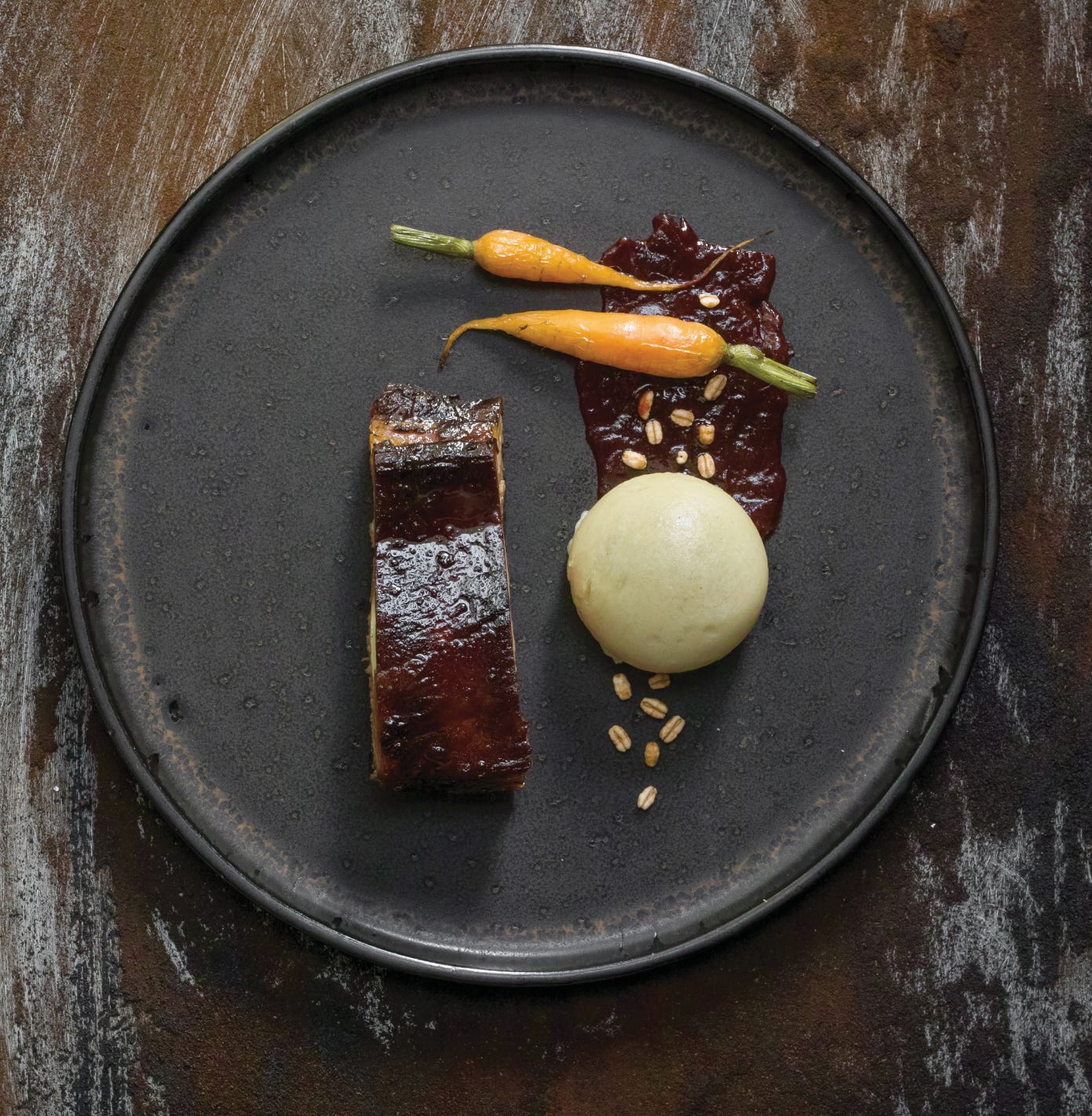
But Slovenia is not only coastline. Inland, JB’s restraint takes a different form. His dish, “Beef Ribs with Homemade Plum Jam, Steamed Bread, and Baby Carrots,” reflects the same respect for origin, but in a deeper register. The quality of the meat matters first. For JB, what the animal was fed, and how it lived, matters as much as its taste.
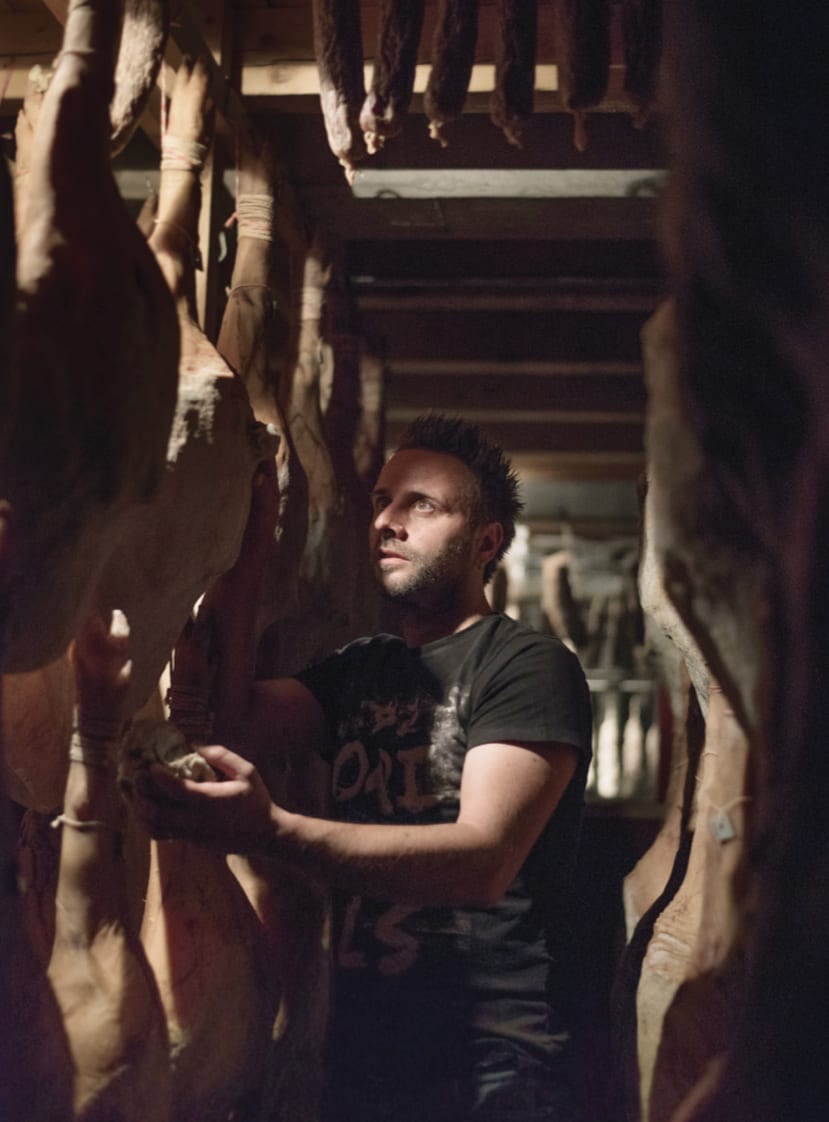
But just as important is how the meat was handled after the animal’s death.Stressed animals produce tight, inferior meat, and calm animals yield a different texture and flavor.
JB works with butchers who understand this. The result is beef that doesn’t need to be masked with heavy sauces or overcooked into submission. It is allowed to remain what it is – rich, structured, and full of character. In Slovenia, meat is not meant to be cheap and anonymous. It is chosen carefully, cooked properly, and treated with restraint.
That same respect extends beyond pasture and into the smallest details of the plate. Even salt, so often treated as an afterthought, reflects the sea, the climate, and the hands that harvest it.

Another dish, “Adriatic Tuna Roulade with Kombu, Nori and Ricotta… and Fleur de Sel,” is a reminder that real flavor often comes from a handful of ingredients, like fish that tastes of open water, olive oil fragrant and green, and salt that carries the wind from the coast.
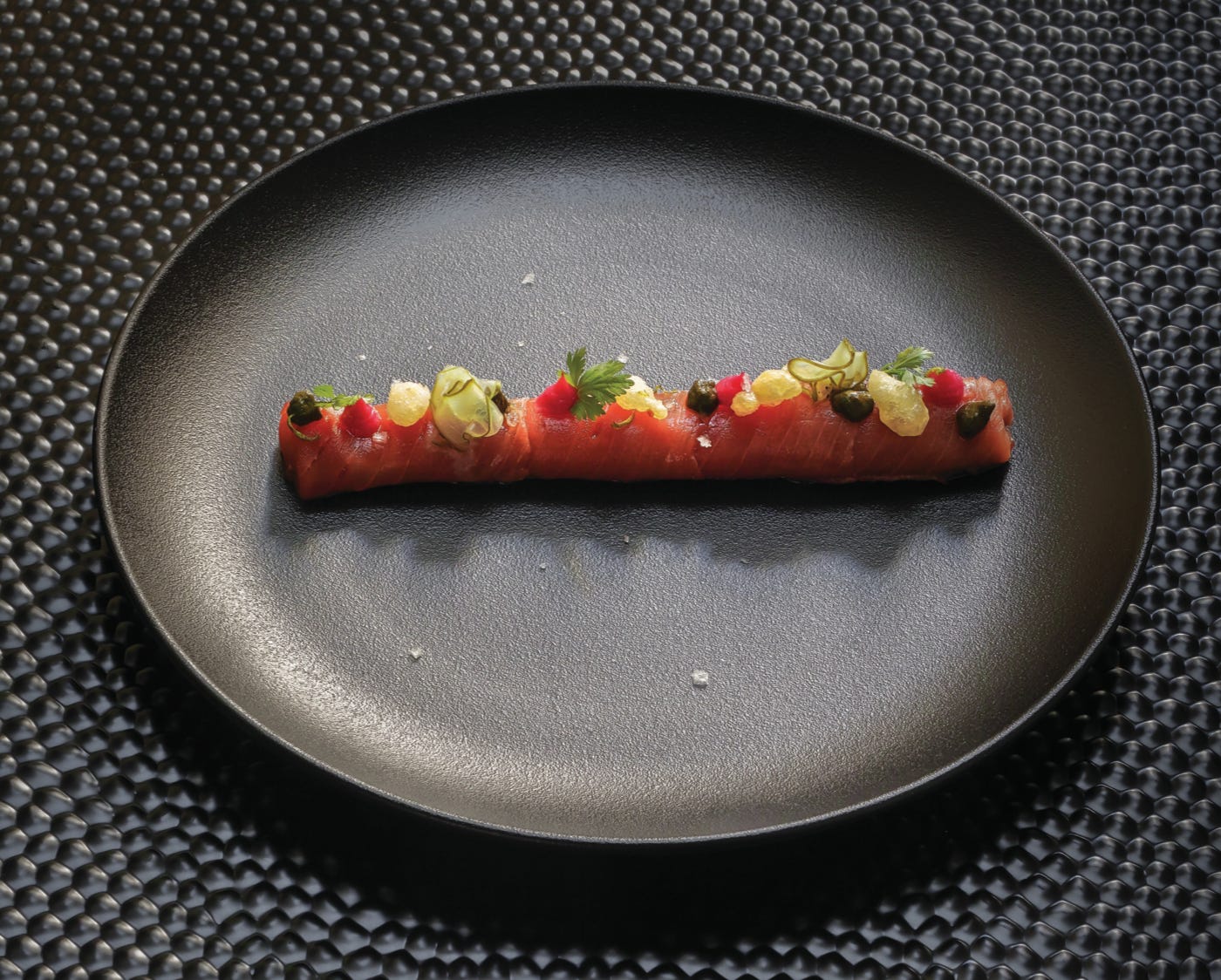
When the elements are clean and intact, they don’t need embellishment. That stands in sharp contrast to our modern food system, where “flavor” is often manufactured, artificial, and sold back to us in a package.
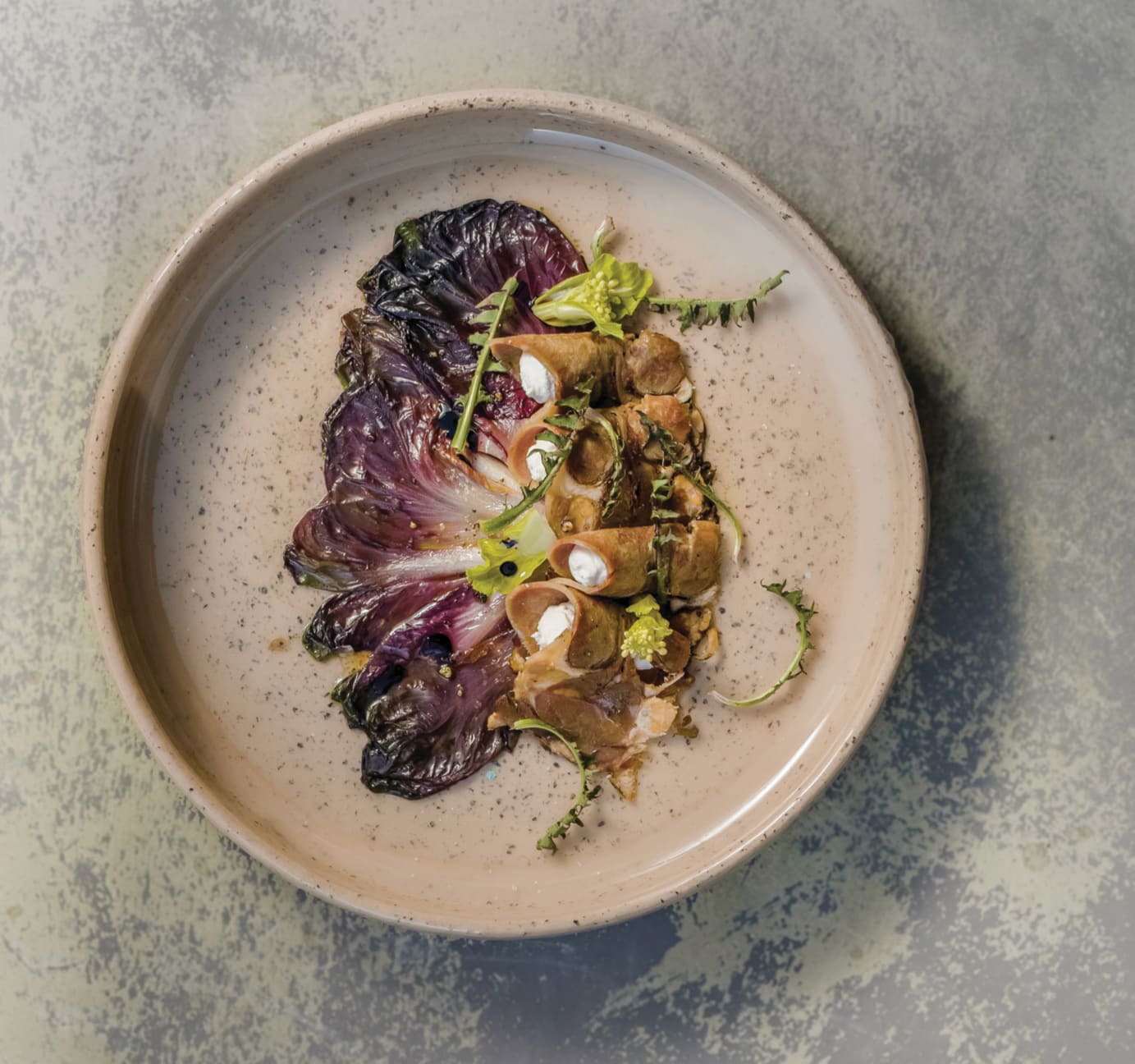
Without preaching, “Slovenian Cuisine” reveals a simple truth. When a country honors its craft, supports its farmers and fishermen, and eats in rhythm with land and season, health is no longer something you chase. It’s something you build, meal by meal, through food that has a real origin.
JB’s work, replete with mouth-watering photographs, isn’t just a cookbook. It’s a portrait of a food culture still connected to reality.
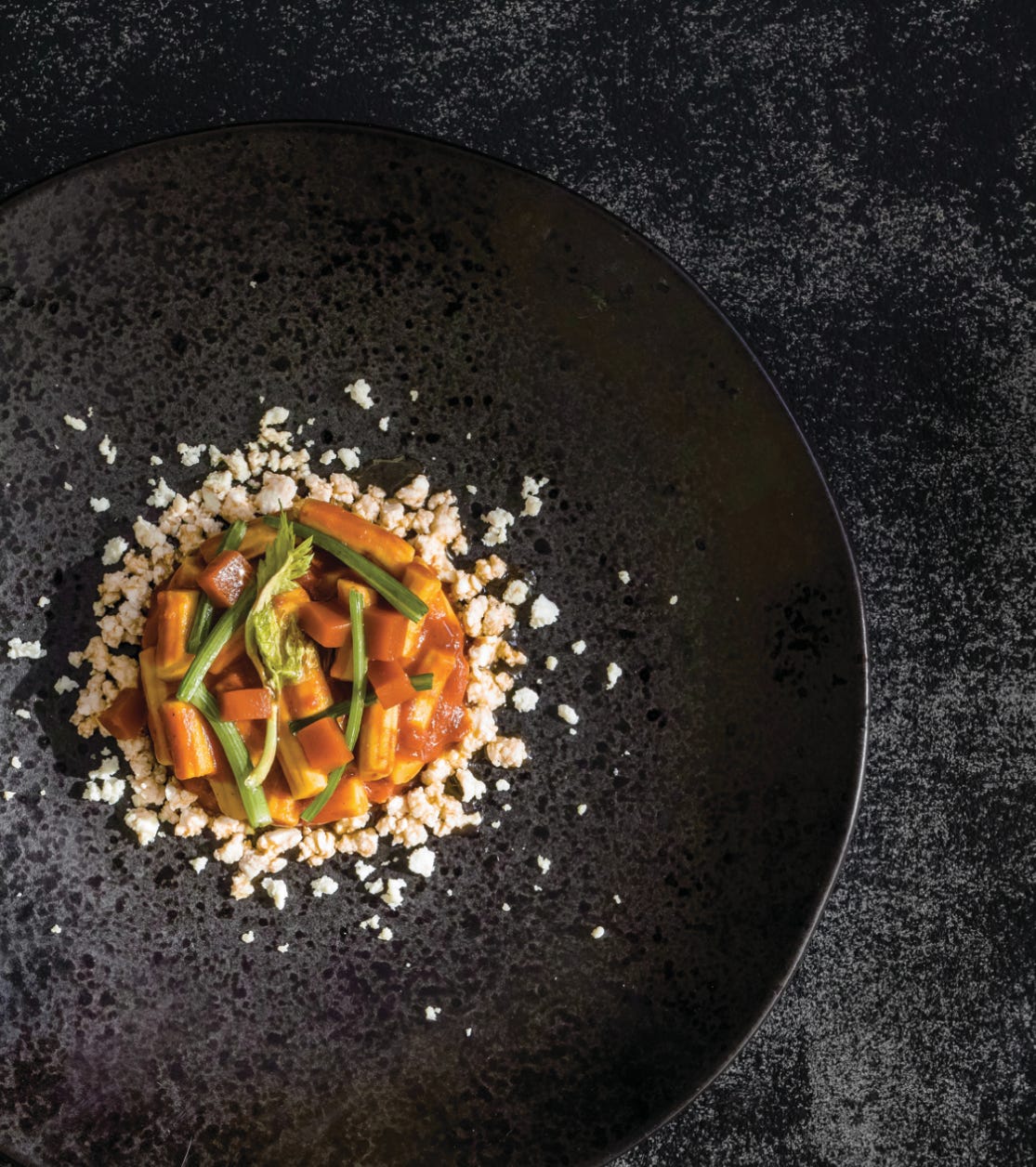
For anyone hungry for an example of food with integrity, Slovenian Cuisineis an invitation to remember what we were meant to eat.
Catherine, I know about this Slovenian chef and his food is amazing. But honestly — this is not the kind of book you should be writing about and promoting here on MAHA Report! This is America where people today think cooking is opening a prepared meal from TJ’s and putting it in the microwave. These are complex dishes that even I, a skilled home cook, would not bother with. The ingredients are hard to source in America and the techniques required are crazy hard. This is a very bad choice on your part if you want to inspire people to start cooking real food. A much better cookbook for the beginner MAHA home cook would be one of Chris Kimball’s Milk Street or America’s Test Kitchen cookbooks or Shred Happens: Easy, So Good by Arash Hashemi.
I personally think "Slovenian Cuisine" is just the kind of book you should be reviewing and promoting. The photos alone, so beautiful that you can practically smell the meal they present, will help wean people off processed foods. The recipes will make people realize that preparing a meal is not only one of the most important things anyone can do, it is also deeply pleasurable and creative. And the fact that this is done with just 20 easy to find ingredients is pure inspiration. Please keep such reviews coming!