


In his 1854 book Walden, Henry David Thoreau famously wrote, “We do not ride on the railroad; it rides upon us” – the railroad a symbol of how we let our own invention set the pace of our lives.
There is much Thoreauvian about Sean Stone’s eloquent and reflective 10 Things to Learn: Ancient Wisdom for the Modern Soul (Tucker Carlson Books/ Skyhorse, Oct.6).
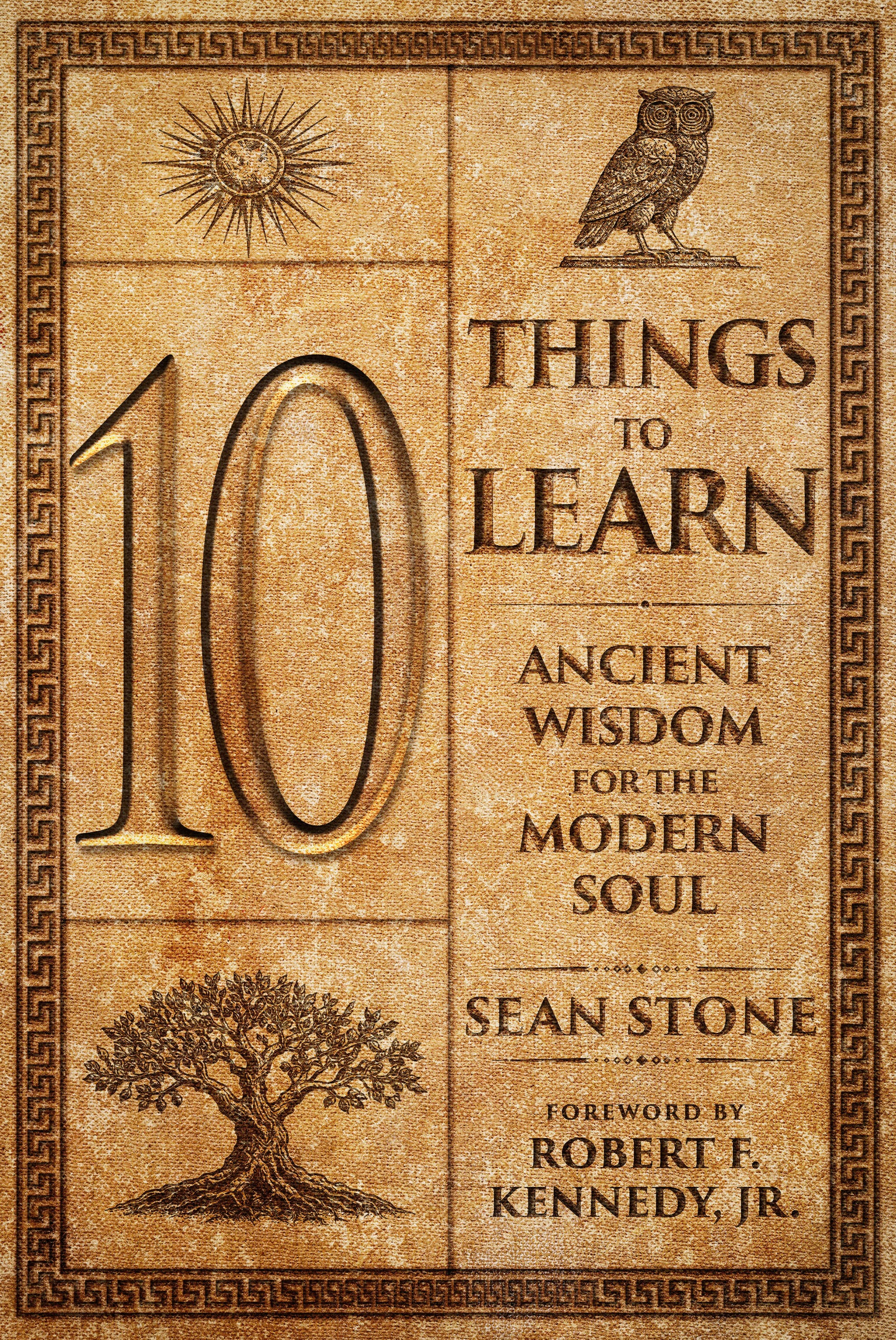
At a time when some people see suffering as a software problem and the soul as a thing to optimize, Stone’s book is stubbornly old-fashioned and, for that reason, unexpectedly urgent. It’s not a self-help book — not a manual for better habits. It’s a map of what Stone calls the “gates” through which our lives ripen: falling, surrendering, crying, caring, hating, creating, sharing, loving, breathing, and laughing.
RFK Jr. ‘s foreword sets the tone. Recalling the night his father pressed Camus’s The Plague into his hands after the assassination of President Kennedy, he writes that myths do not abolish pain; they teach us how to carry it. Stone’s book reflects such wisdom. The book’s argument is simple and unsparing: technology has expanded our power without answering grief, fear, or hunger for purpose. Efficiency cannot replace awe and initiation. The work of becoming human still happens in such times a collapse, surrender, and devotion.
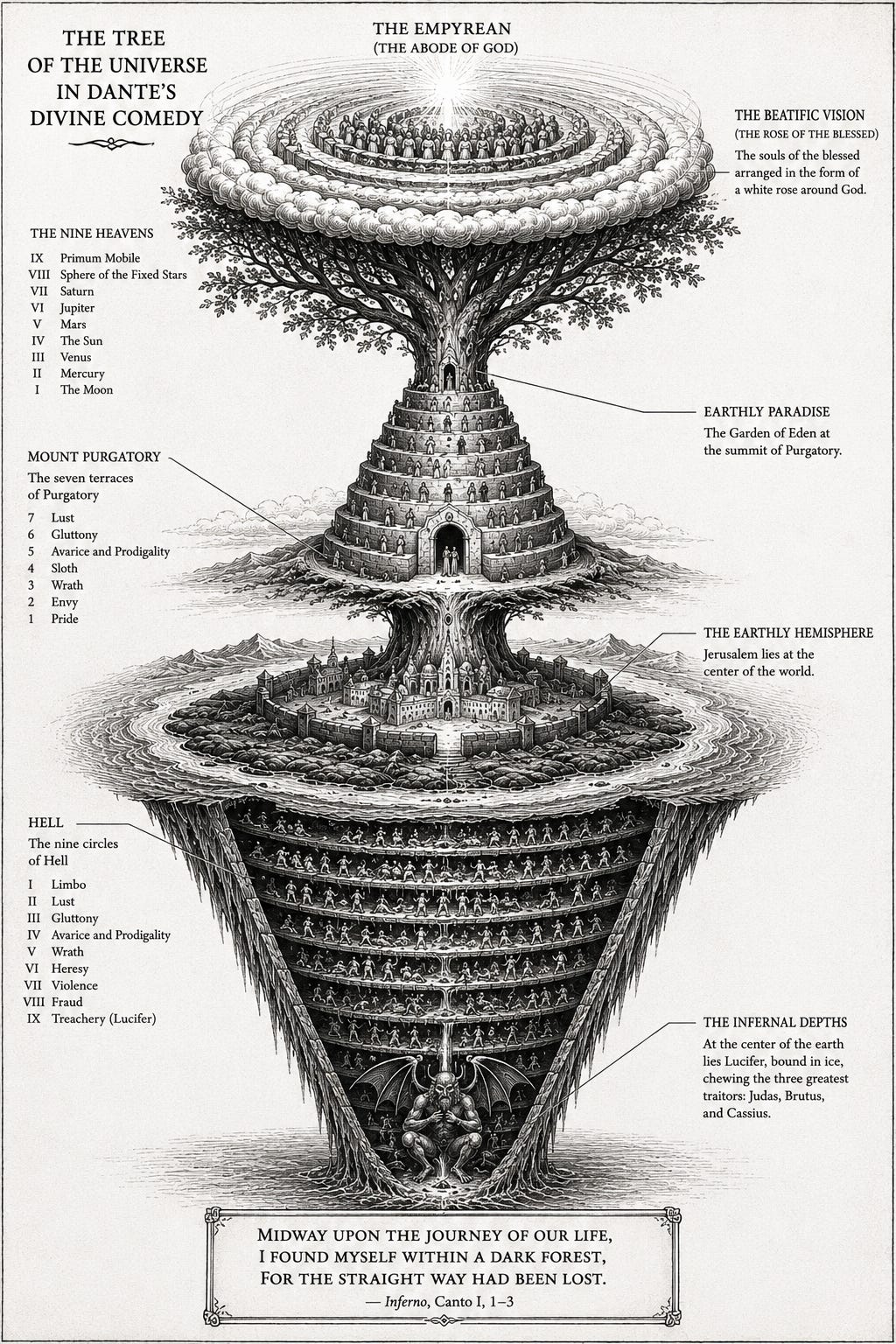
Stone moves with ease among traditions. Eden and the Tower of Babel sit beside Icarus, Osiris, Inanna’s descent through seven gates, the Buddha’s palace walls, Dante’s dark wood, Gatsby’s green light, Samson and Delilah, Jonah in the whale, Esther before the king, Tibetan sand mandalas, Aboriginal Dreamtime, Hamlet and the Bhagavad Gita. These are not name-drops. Each story is used as a living instrument. Lucifer hardens after the fall and remains trapped; Osiris is dismembered and becomes lord of another realm. The difference, Stone insists, is interpretation: punishment or initiation.
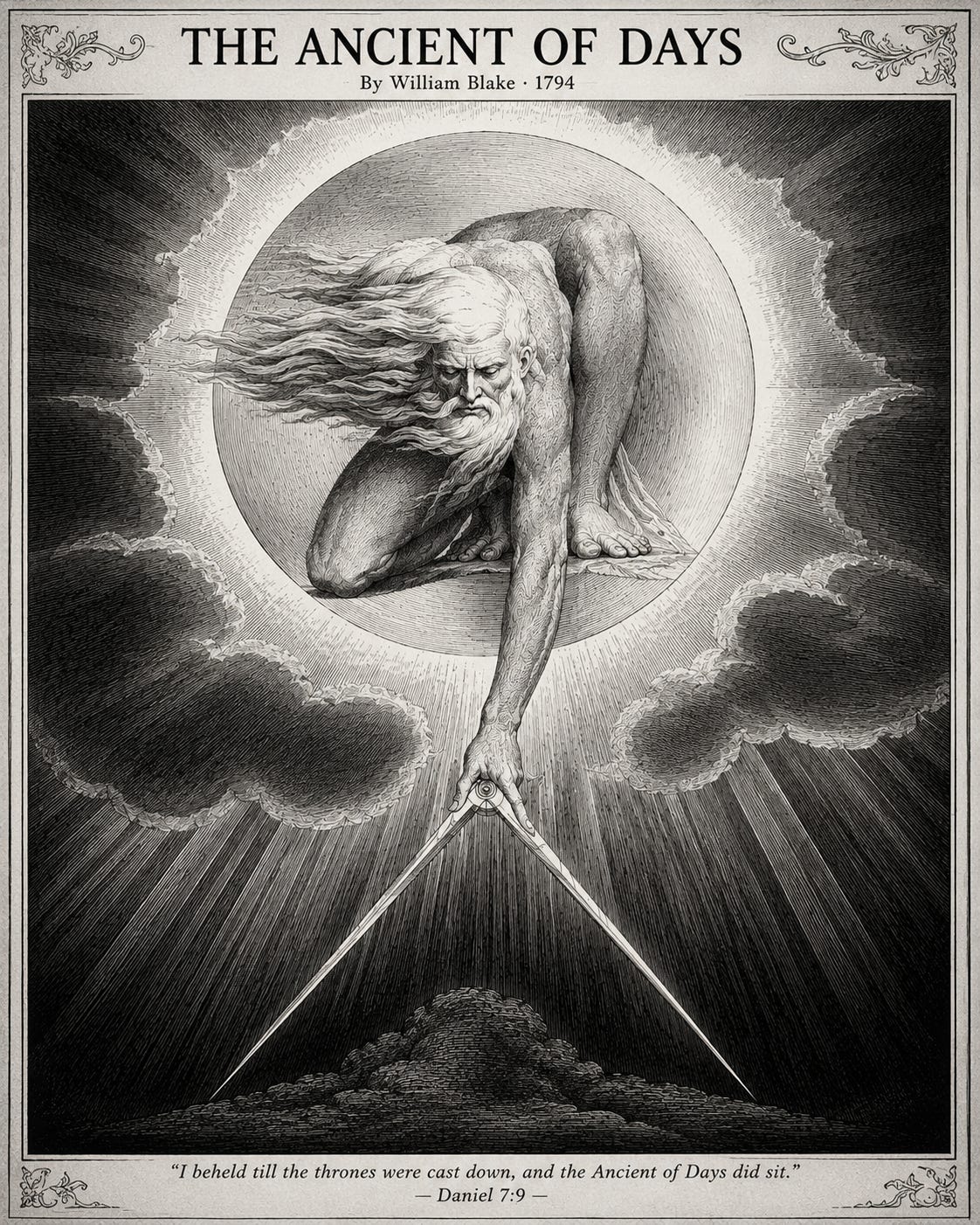
The book’s prose is spare, almost incantatory. Personal memoir is woven in without vanity: a childhood in the shadow of his famous filmmaker father, Oliver Stone; a midlife sense of being lost with a single, solid career or his own family; a punishing trek toward Everest base camp undertaken not to conquer a mountain but to, as he writes, “meet myself upon it”; three days in a windowless chamber at forty, candle blown out, weeping in the dark until images—birds, whales, stars—appeared on the wall. “If I could see the universe in the darkness,” he asks, “then is the universe within me?”
The chapter on hate is among the book’s bravest. Stone does not sanitize the emotion. He treats it as a fire one must sit beside: do not extinguish it, do not feed it, ask what it guards and what it mourns. Creation is framed as both gift and responsibility; Victor Frankenstein’s tragedy is not that he made a creature but that he refused to claim it. Laughter, in the final gate, is not lightness but the last freedom—the prospectors in The Treasure of the Sierra Madre finding their gold scattered as dust and laughing because there is nothing else left to do.
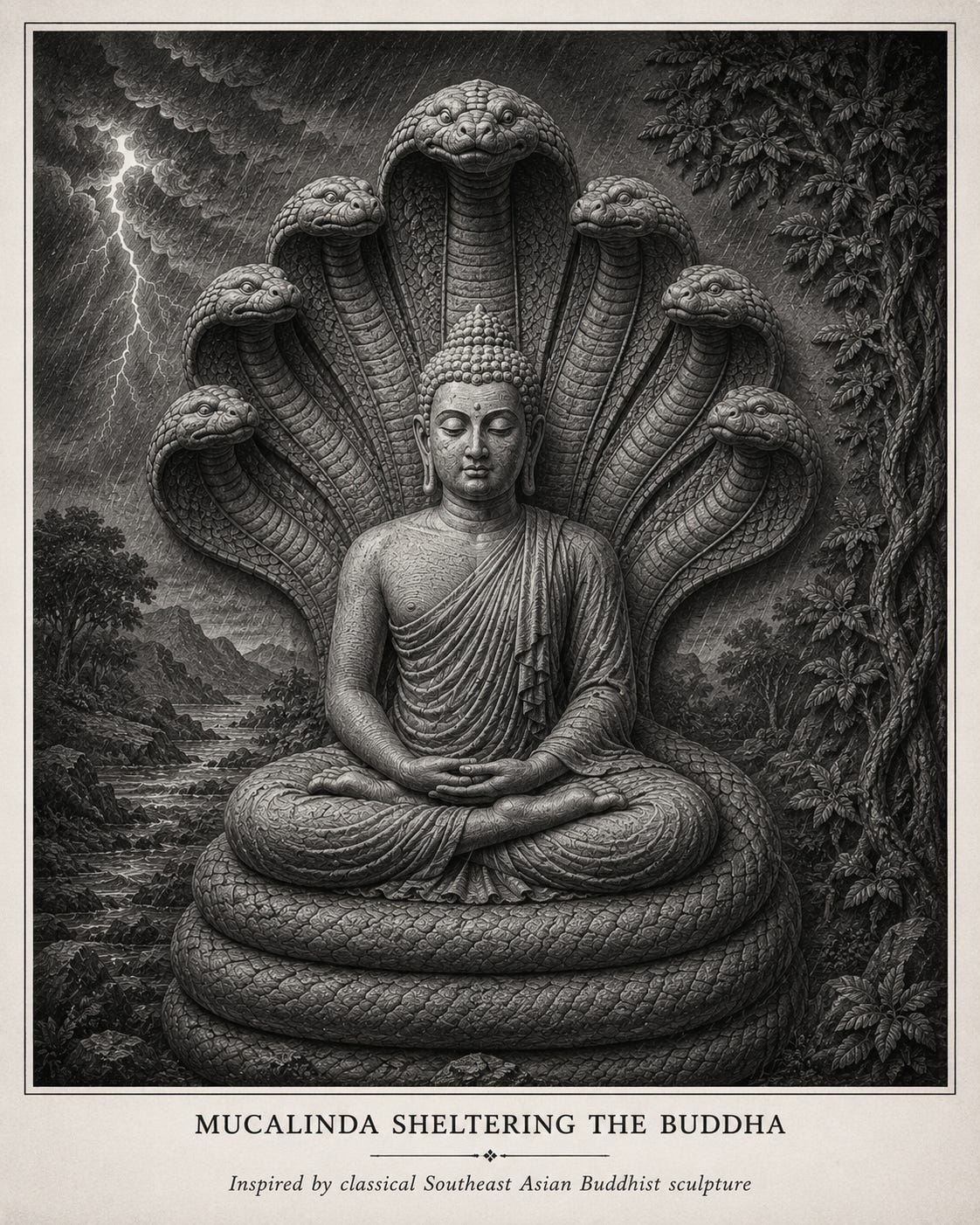
10 Things to Learn does not want to give you pat, linear answers. His gates are cyclical. One falls, surrenders, cries, and falls again. Being human is “not a destination,” Stone writes. “It is a daunting quest.”

Stone writes as someone who has walked the mystic’s peripatetic path—films, poems, documentaries, interviews—and come home to the oldest, most resonant stories because there is so much alive in them that deserves revisiting in a time of the algorithm and scrolling for the quick fix.
In the closing essay, “The Thread,” Stone returns to Anansi winning the tales from the sky and to Theseus in the labyrinth: the cord does not tell you where to go; it reminds you that even when the mind is designed to forget the path, you remain connected. Myth, in Stone’s telling, is not ornament. It is the yarn that gives context to confusion, meaning to sorrow, and a way back when the maze is the mind itself.
Stone wants us to recognize ourselves in the myths he reflects on through the book: Achilles in our rage, Hamlet in our doubt, the fool laughing at the king and the king being laughed at.
Stone’s book will not fix your life. It will remind you that falling, crying, hating, loving, and laughing are not detours from being human—they are the way through. The old stories are still the best company we have for the work all of us must do.
[Sean Stone’s 10 Things to Learn: Ancient Wisdom for the Modern Soul (Tucker Carlson Books/ Skyhorse) is available for pre-order, here. It publishes October 6.]
Bobby's father pressed a copy of Camus The Plague into his hand right after JFK was shot. Perfect reading for an 8 year old.
This sounds wonderful! It seems coherent with this article that I found helpful:
https://www.eckankar.org/is-justice-possible-karma-divine-love/