


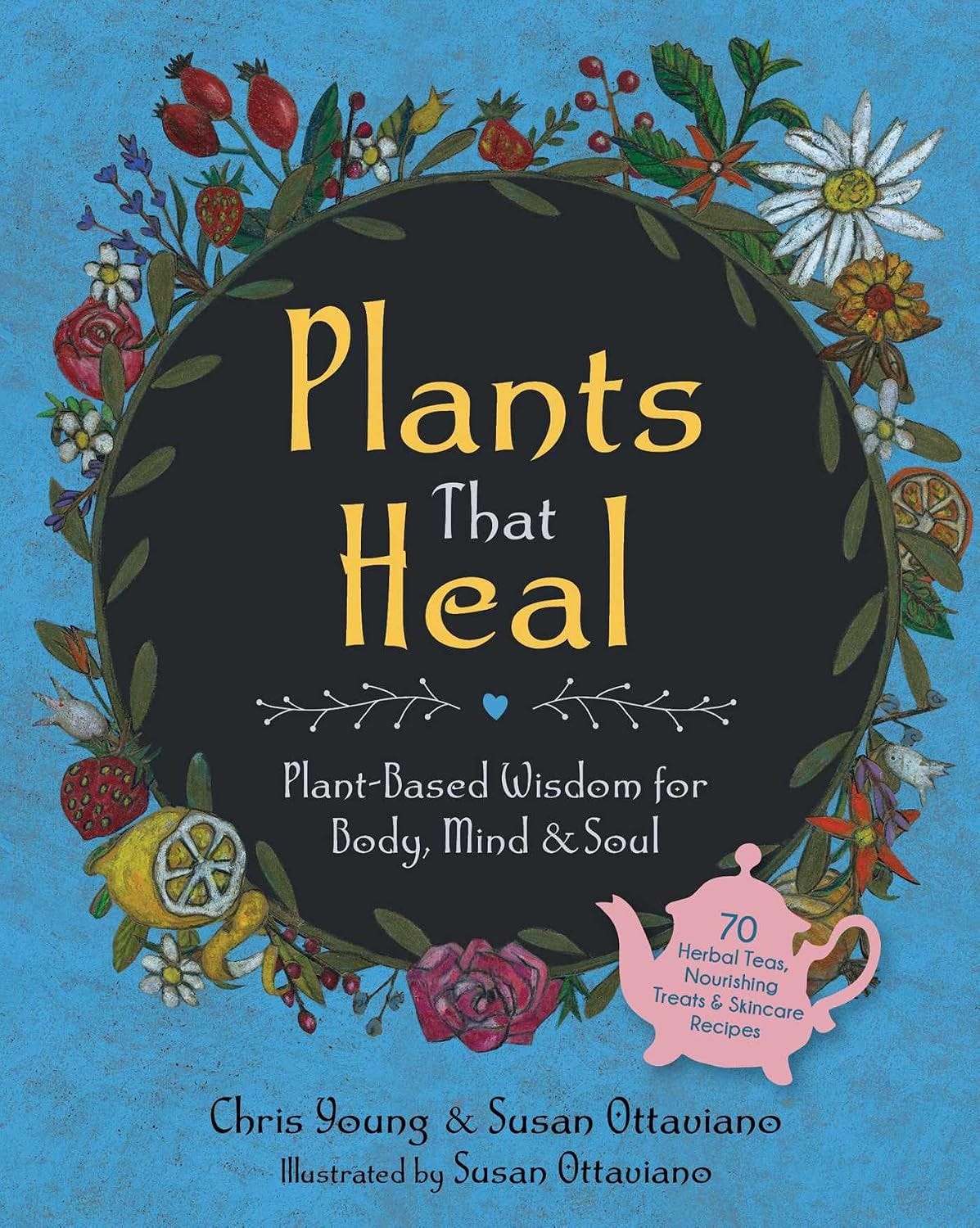
Chris Young and Susan Ottaviano’s Plants That Heal: Plant-based Wisdom for Body, Mind & Soul (Skyhorse Publishing, July 7, 2026) is a warm, beautifully illustrated guide to plant-based wellness. Through recipes for teas, tonics, baths, and nourishing foods, along with gentle rituals and hand-drawn art, the book treats everyday acts like brewing tea as small opportunities for healing and connection.
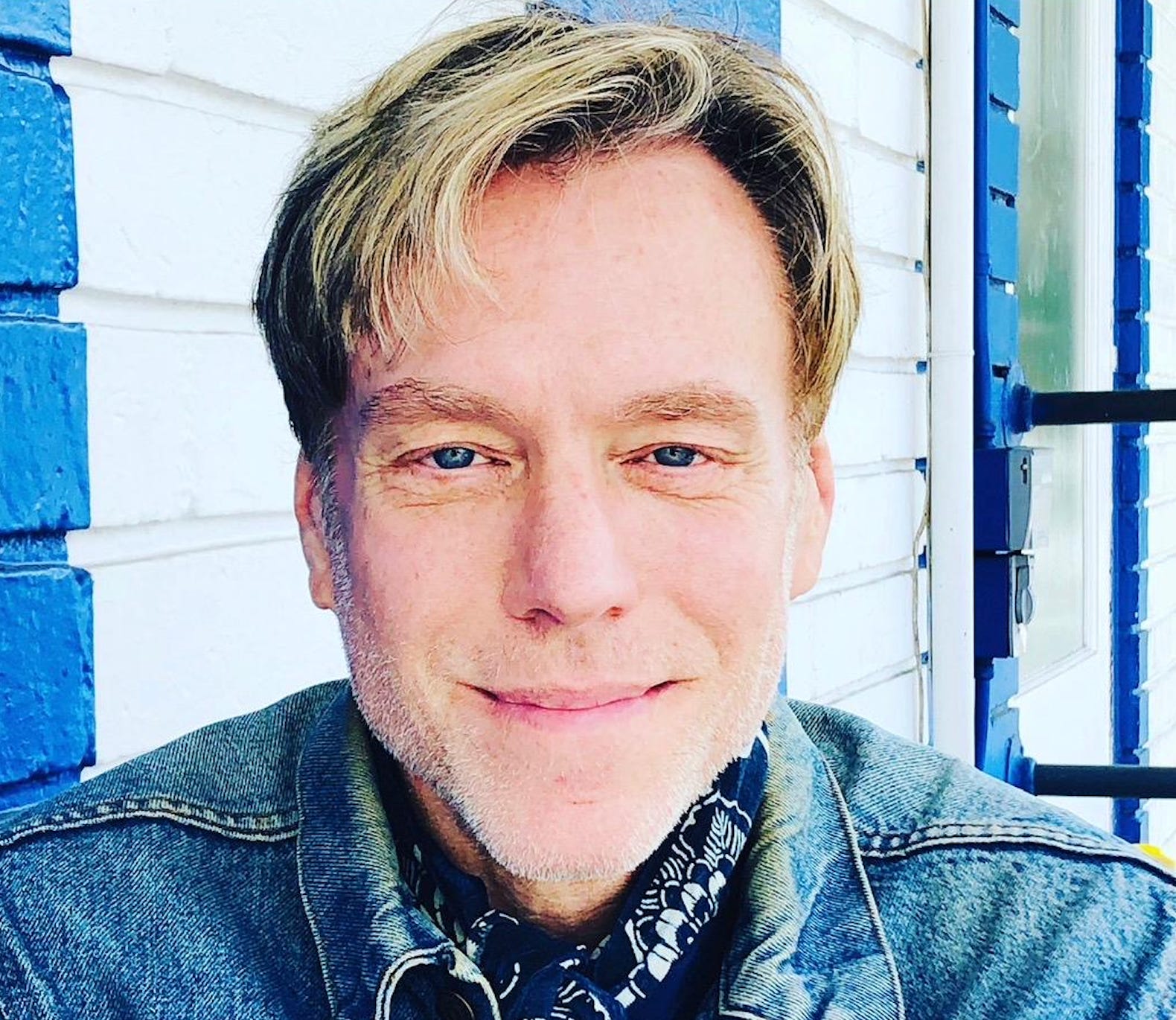
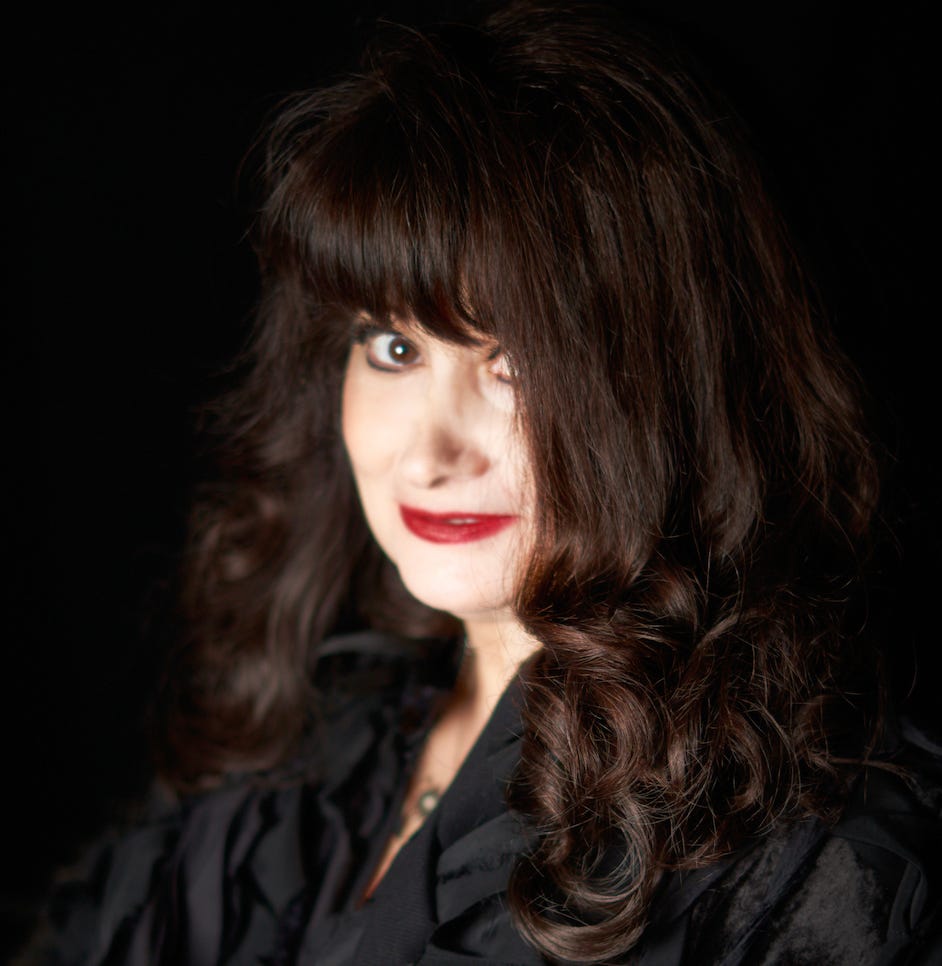
Young, a self-taught gardener whose writing has appeared in Country Living, WestCoast, and Martha Stewart Living, and Ottaviano, an artist, performer with the band Book of Love, and experienced recipe developer and food stylist, bring complementary strengths to the project.
They previously collaborated on the 2023 book The Green Witch’s Guide to Magical Plants and Flowers. In this new work they shift focus more directly toward healing—practical, emotional, and spiritual—while retaining a deep respect for plant traditions and folklore. The result feels less like a reference manual and more like a companion for daily life.
The book is organized into nine thematic chapters plus a joyful closing section called “The Healing Garden Picnic.” The chapters move from the physical (“Heal Your Body”) through the emotional and relational (“Heal Your Heart,” “Heal Your Life”) to the more inward realms of mind, sleep, skin, and soul. Each section offers a mix of teas and tonics, body-care preparations, simple nourishing foods, and small rituals.
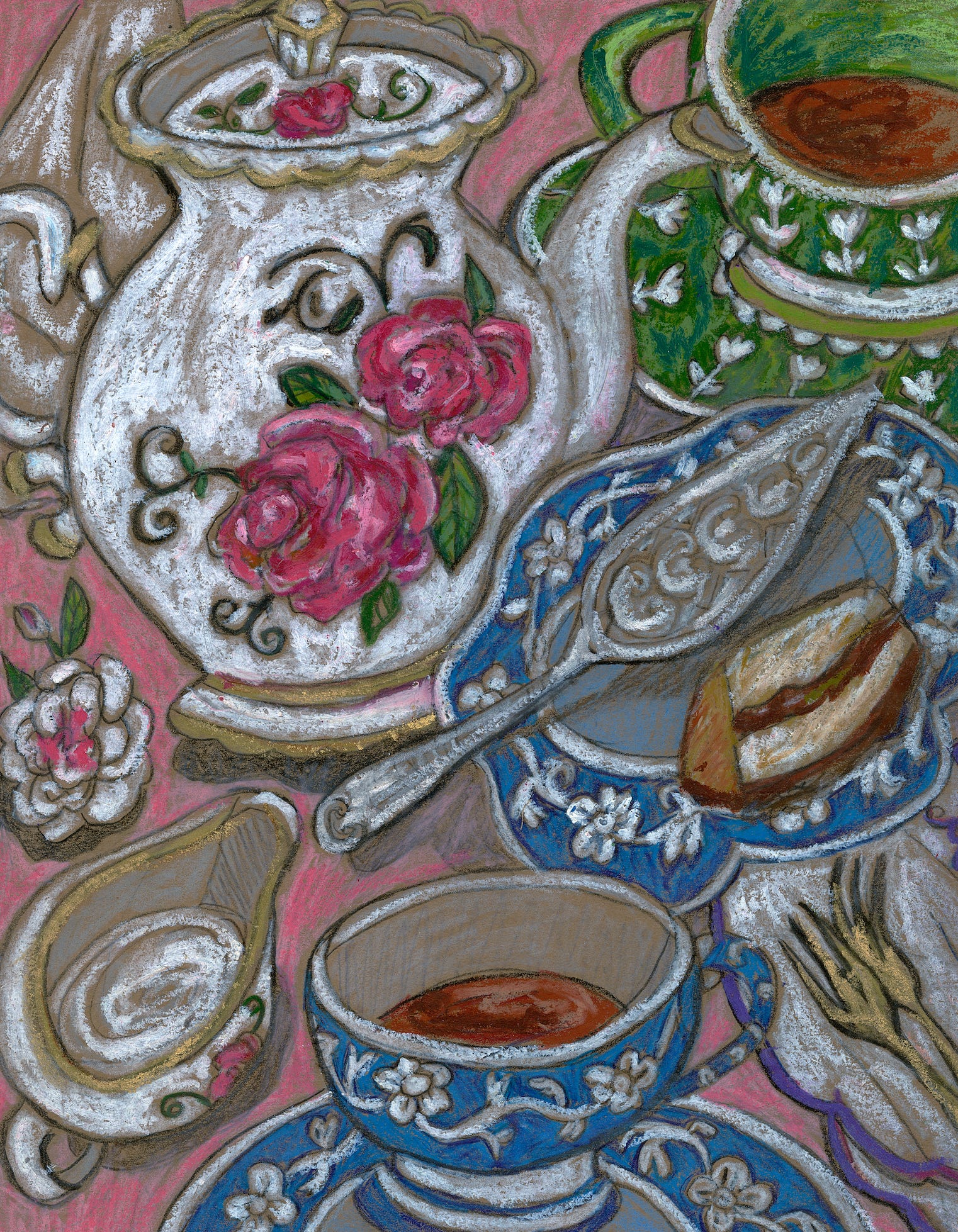
What distinguishes the collection is the consistent, unforced invitation to approach these activities with intention. In Achilles’s Yarrow Headache Tea, readers are asked to focus on their breath while the herbs simmer. Morgana’s Garlic, Lemon, and Ginger Healing Tea includes a quiet moment to set an intention for healing and peace. These mindfulness prompts are woven throughout the book rather than tacked on. They turn the act of preparation itself into part of the remedy.
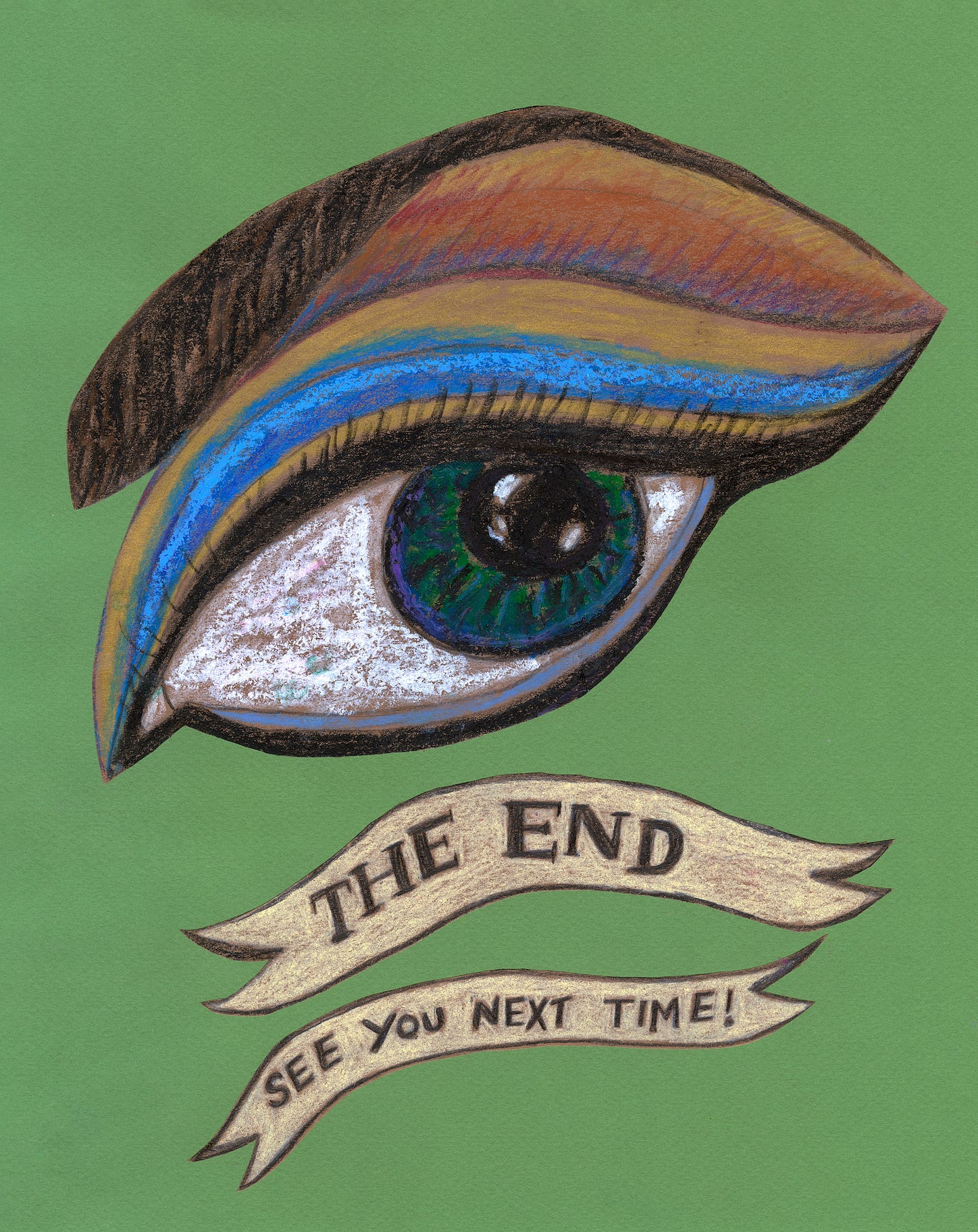
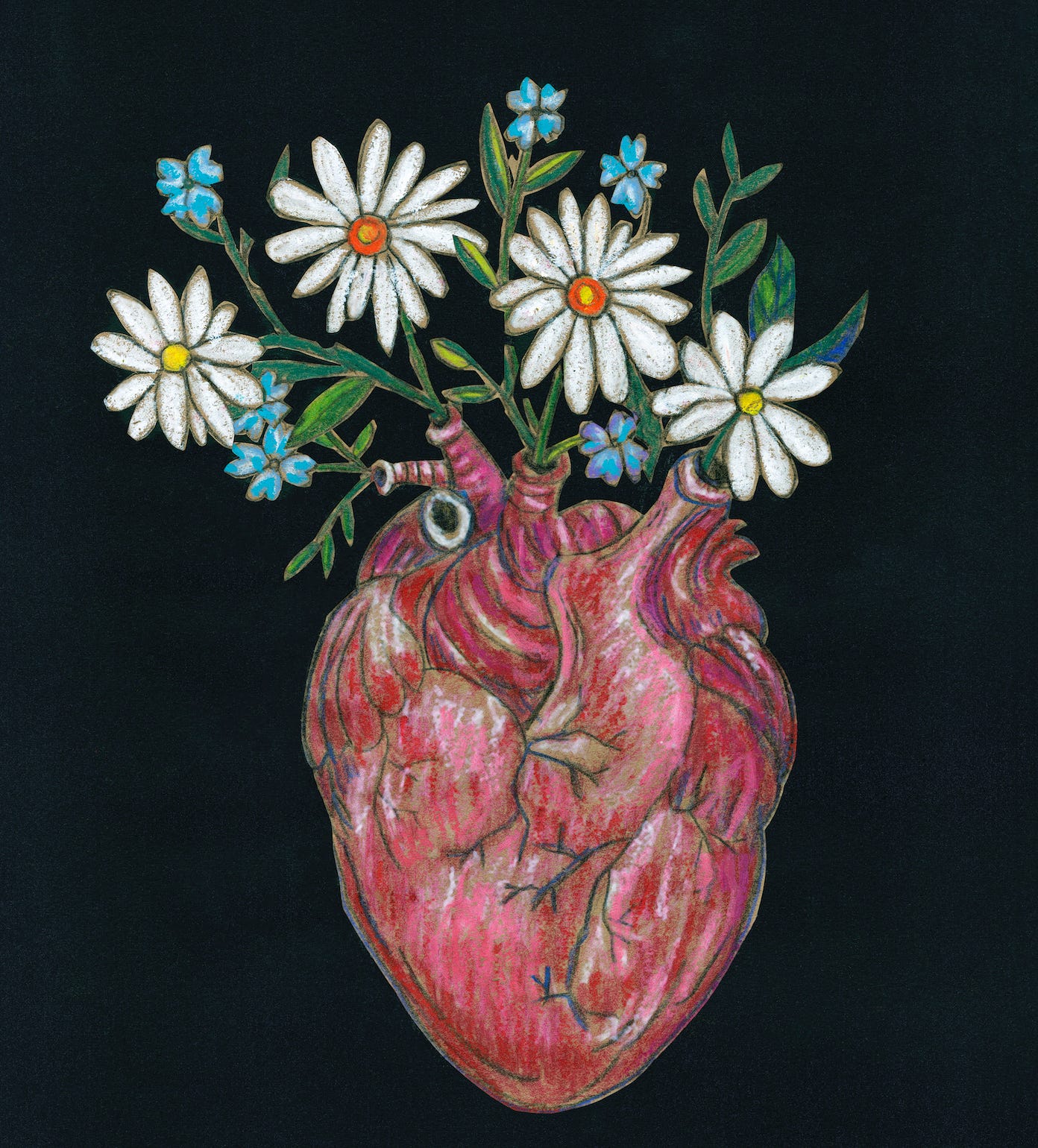
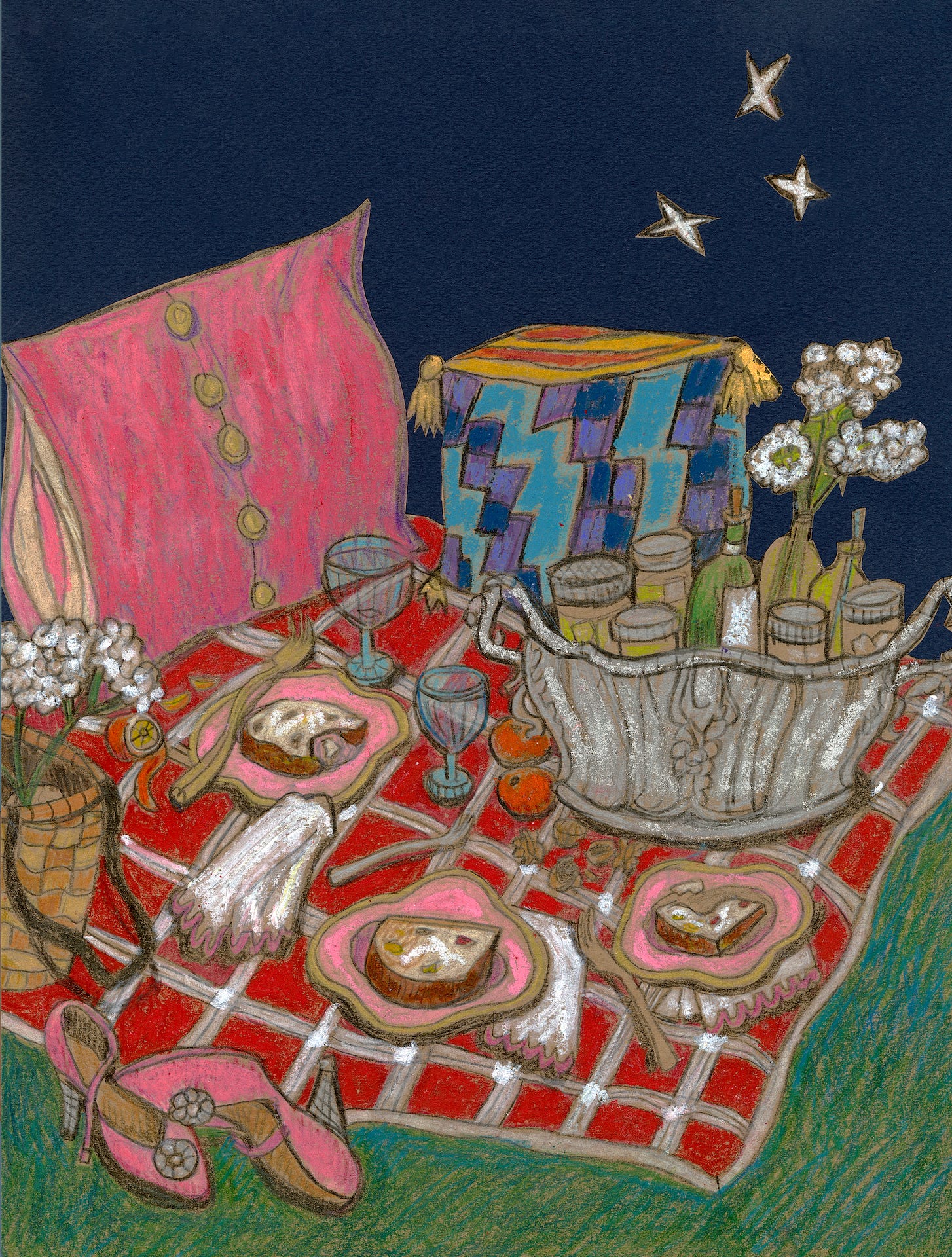
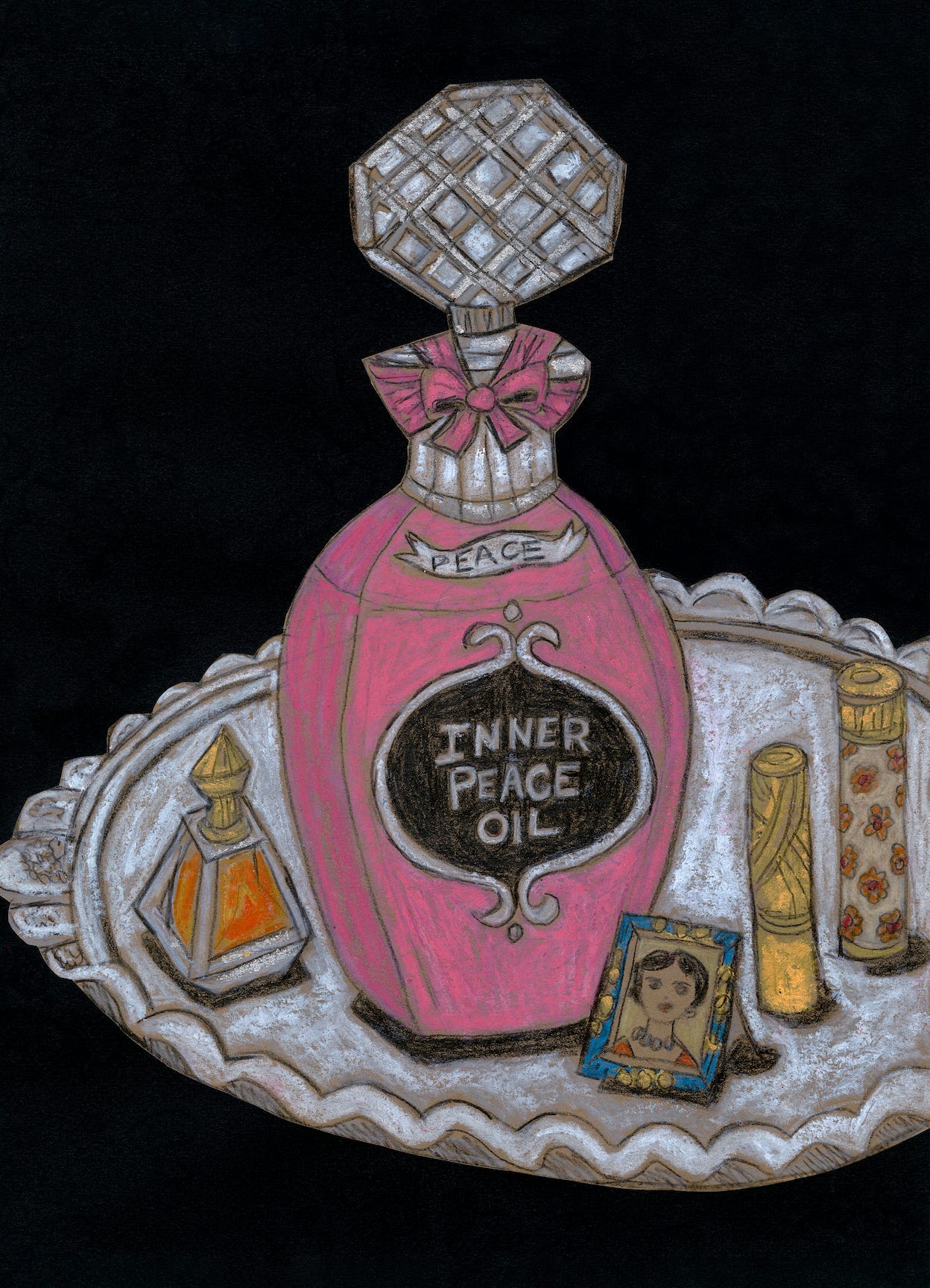
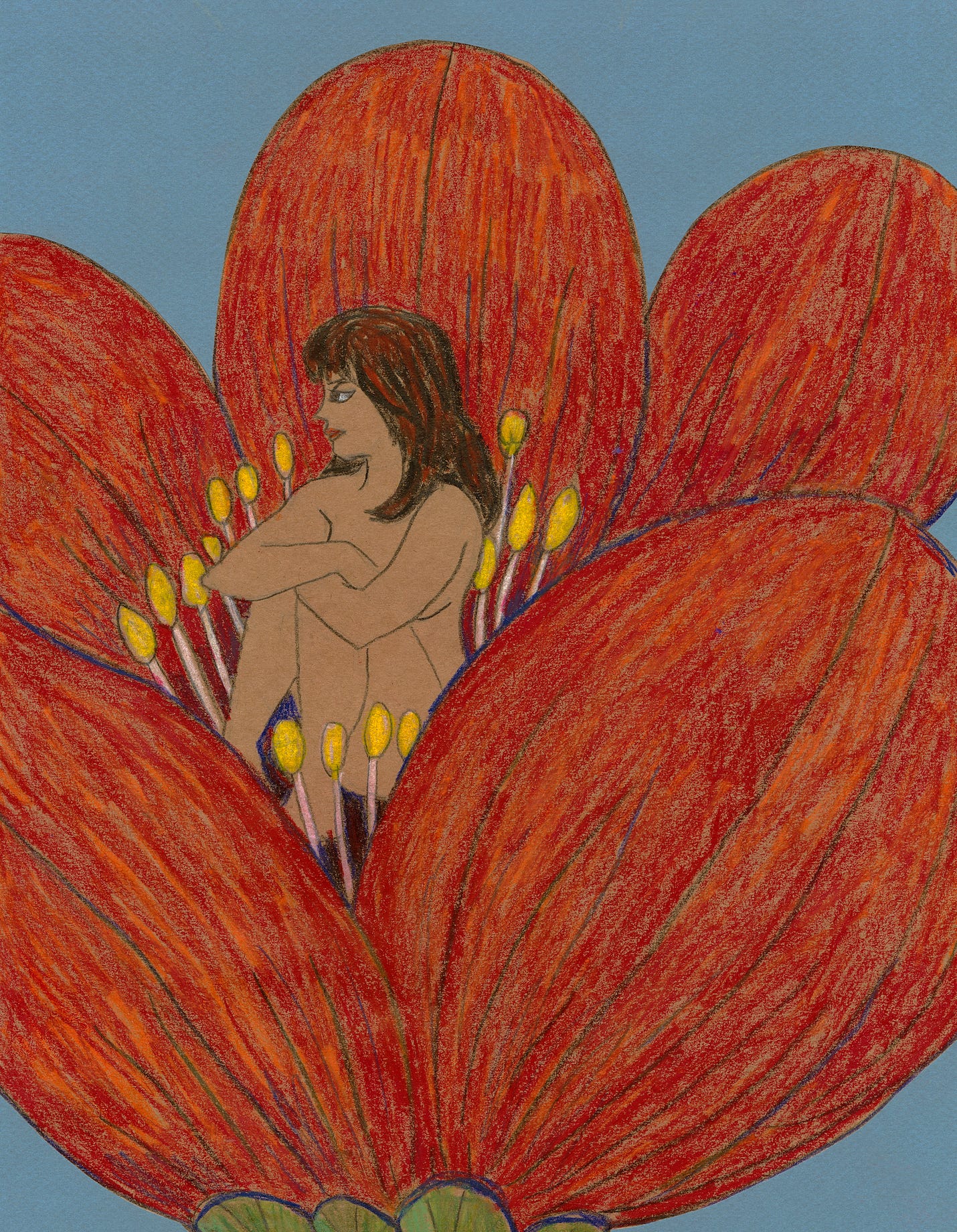
Ottaviano’s illustrations are integral to the book’s appeal. Created with colored pencils and Sennelier oil pastels, then cut and assembled by hand, they possess a textured, deliberately low-tech warmth. A stack of mismatched teacups spilling over with yarrow and chamomile, a whimsical blue stove surrounded by drying herbs and copper pots, a single luminous eye beneath a banner that reads “THE END—SEE YOU NEXT TIME!”—these images do more than decorate the pages. They slow the reader down. In a publishing world dominated by polished photography, the visible hand of the artist becomes its own quiet argument for presence and care.
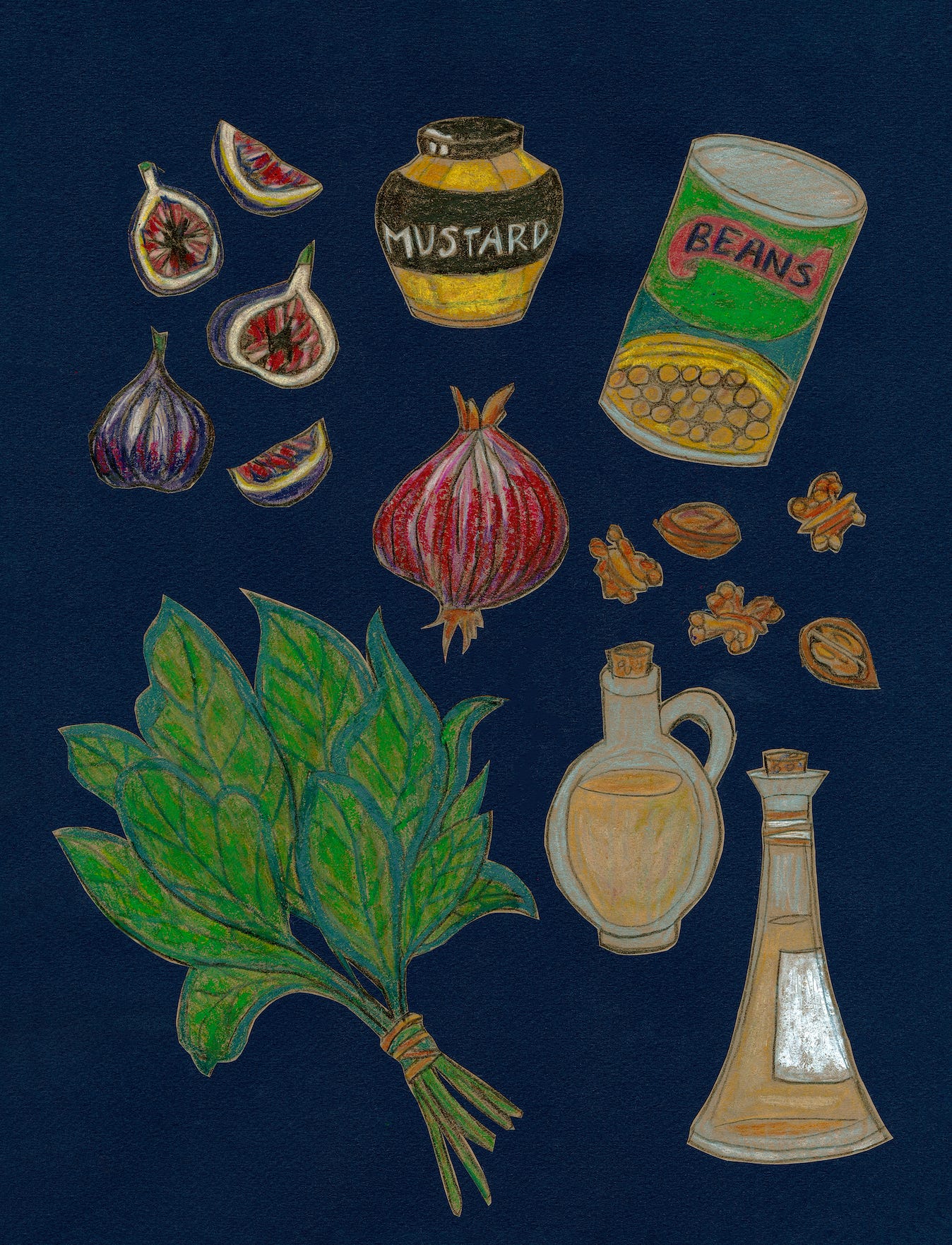
The recipes themselves are accessible without feeling too basic. Many rely on ingredients that are easy to find or grow, yet the combinations are thoughtful and appealing. Calendula and bergamot come together in a melt-and-pour soap that doubles as an anti-inflammatory ritual. A spinach, fig, and walnut salad is dressed with aquafaba and miso. There is elderberry syrup for immune support, blood-orange tonic, lavender and pistachio chocolate bark for winding down, and rhubarb lemonade for summer afternoons. Short “Did You Know?” sidebars supply historical and mythological context—linking yarrow to the Greek hero Achilles or noting that medieval Europeans called calendula the “herb of the sun”—without turning the book into a scholarly treatise. The tone remains generous and encouraging: experiment, trust your intuition, compost the spent herbs, and enjoy the process.
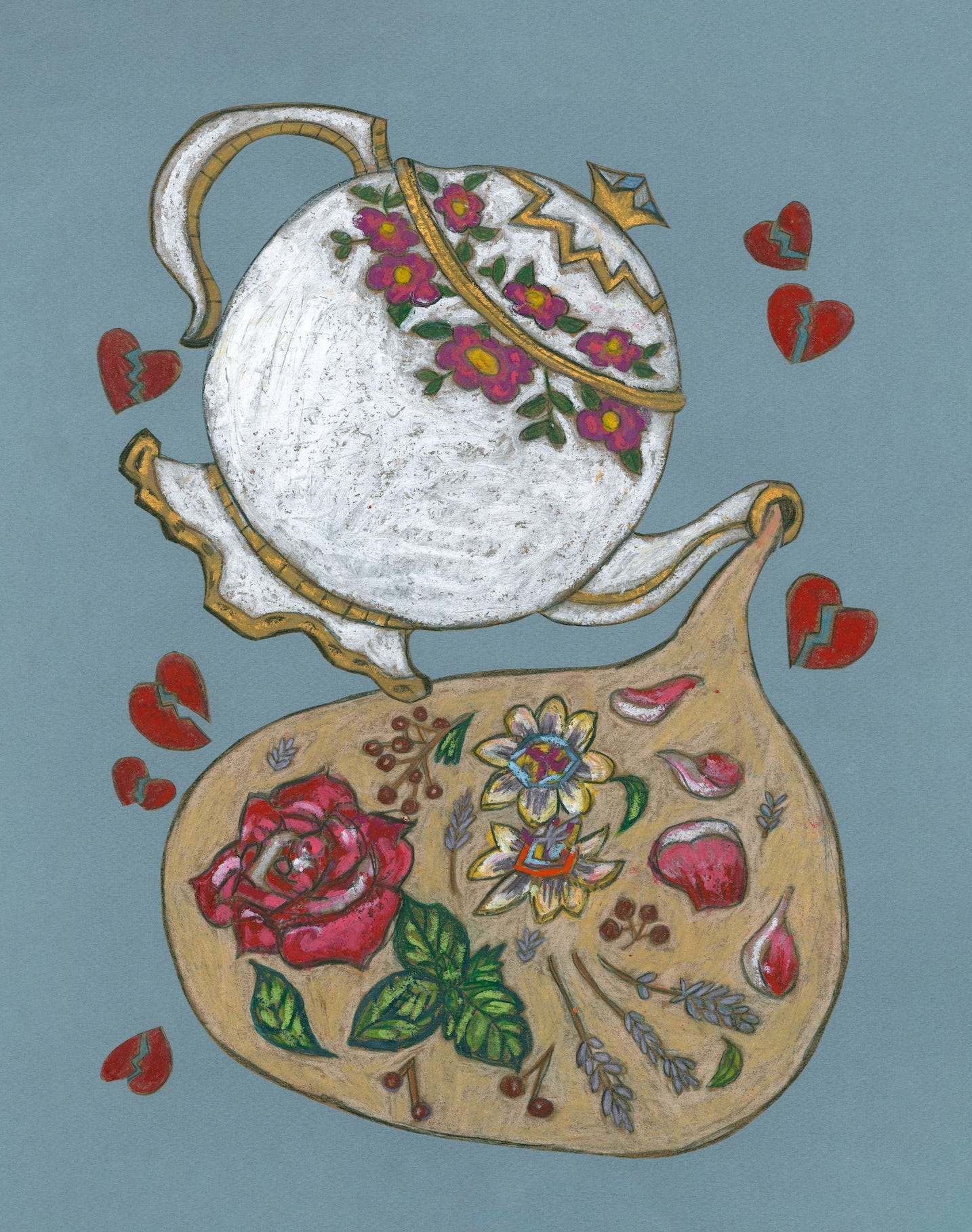
What the book captures especially well is the full spectrum of healing the authors want to address. It moves easily from the physical relief of a headache tea to the emotional comfort of a heartbreak-helper blend named for Orpheus, from practical home-protection sprays to the deeper practices of earthing and forest bathing in the “Heal Your Soul” chapter
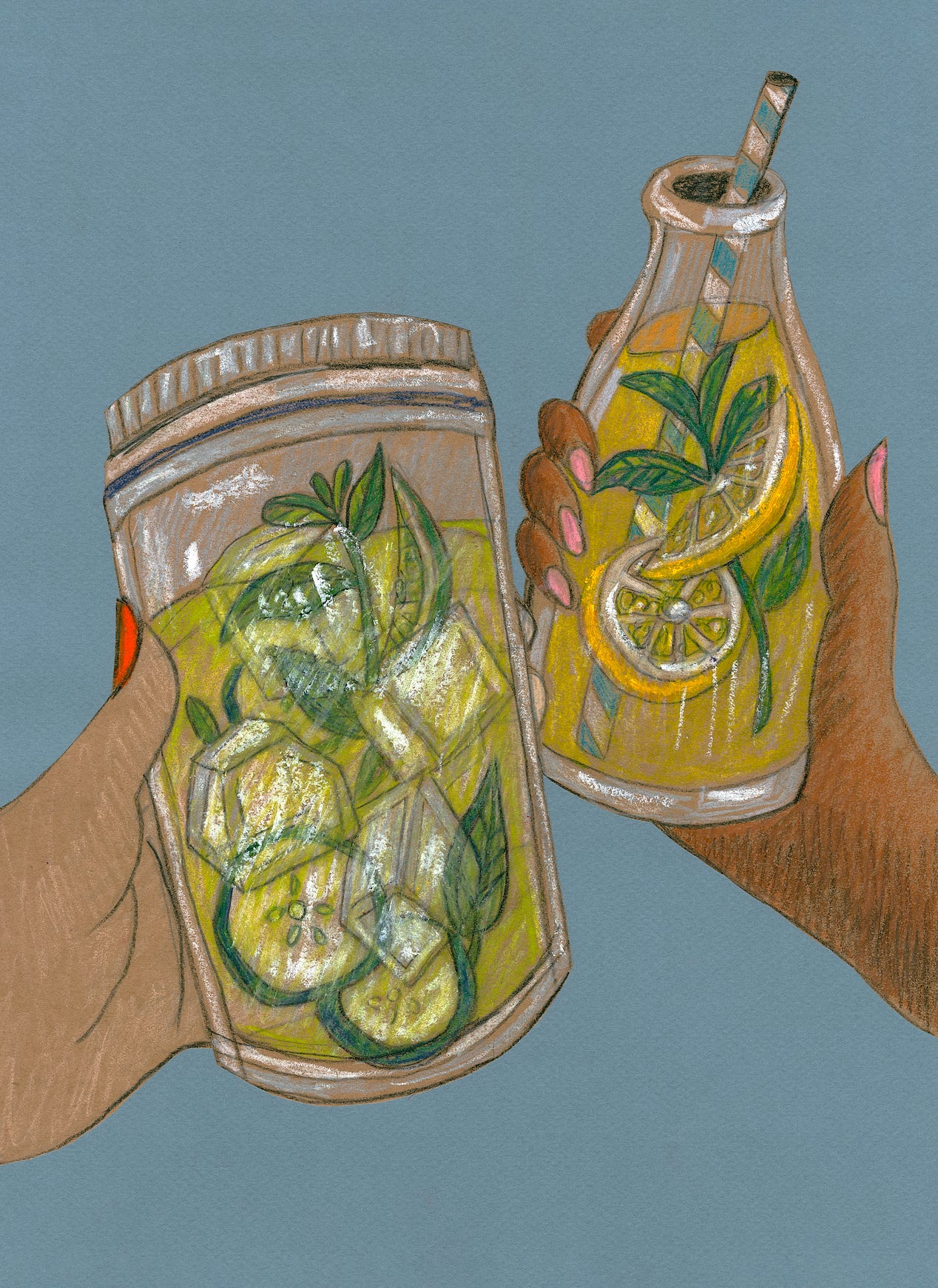
.The final picnic section feels like a natural culmination rather than an afterthought. Recipes for garden gin-and-tonic jars and hibiscus poached pears sit alongside reminders that joy and shared food are themselves restorative. Healing, in this view, is not only about fixing what hurts but also about noticing what already feels alive.
Plants That Heal arrives at a moment when many people, especially those in big cities, are seeking gentler, more grounded ways to care for themselves. Interest in herbalism, slow living, and nature connection has grown steadily in recent years, yet much of what fills bookshelves can feel either overly clinical or vaguely mystical.
Young and Ottaviano occupy a welcome middle ground. They respect ancient plant wisdom and mythic storytelling while keeping their feet firmly in the practical present. The emphasis on organic ingredients, cruelty-free methods, and simple sustainability (recycle jars, compost herbs, grow what you can) aligns with contemporary values without becoming preachy.
The book never claims to cure disease; a clear disclaimer reminds readers to consult healthcare professionals. Its contribution is different and, in its own way, valuable: it offers a sensory, repeatable path back to the plants that have supported human well-being for centuries.
The authors’ voices keep the pages inviting. Chris writes about intuition and gratitude with quiet conviction. Susan describes cooking as a love language and celebrates the pleasure of making art the old-fashioned way. Together, they create a tone that feels personal rather than prescriptive. Readers are encouraged to adapt recipes, substitute what they have on hand, and discover what works for their own bodies and lives.
Plants That Heal is not a book to race through. It is one to keep on the kitchen counter or bedside table, to return to when a headache needs easing, when a season is changing, or when the simple act of steeping herbs feels like the most radical thing one can do that day. In its pages, wellness becomes less a goal to achieve and more a practice of noticing, of caring, and of letting the green world do what it has always done best—offer its steady, fragrant support.
[Plants That Heal: Plant-based Wisdom for Body, Mind & Soul, by Chris Young and Susan Ottaviano, illustrated by Ottaviano, will be published by Skyhorse on July 7, 2026. It’s available for pre-order through Amazon.]
This is all well and good, but it misses the more important point. The exponentially increasing rates of cancer and chronic illnesses is caused by the worsening environmental pollution, to the point that we dare not breathe the air, drink the water, or eat the food. The human body has a marvelous mechanism that maintains and repairs its structure. It’s called the “mammalian stress mechanism.” It is perfectly capable of maintaining good health, but when it becomes overwhelmed with unremitting combinations of environmental stresses---toxic substances, emotional adversity etc.-----it becomes hyperactive and wastes its substrates and produces excessive and defective versions of its products. We call this hyperactivity “disease.” Medicine cannot fix us when we persist in eating, drinking, breathing, and listening to sewage. Could it be that civilization is drowning and dying in its own sewage? The good news is that if we could somehow reduce this flood of pollution----and that includes bombardment with stressful lies, manipulations, misinformation etc. then bacteria will digest just about every toxic substance we can imagine if given the chance. For every toxic substance there is some sort of bacteria that will consider it dinner. For example, when gas stations disappear as electric cars replace gas buggies (as will inevitably happen, because they are a superior technology), the dirt beneath the old gas stations that is contaminated with toxic petroleum products will be cleansed by hungry bacteria within a few years. Mother Earth cleanses herself when given the chance.
Very appealing healing!