


John Leake’s Mind Viruses: America’s Irrational Obsessions is a lucid, historically grounded diagnosis of what ails the republic as it lurches from one crises to the next and grows increasingly polarized.
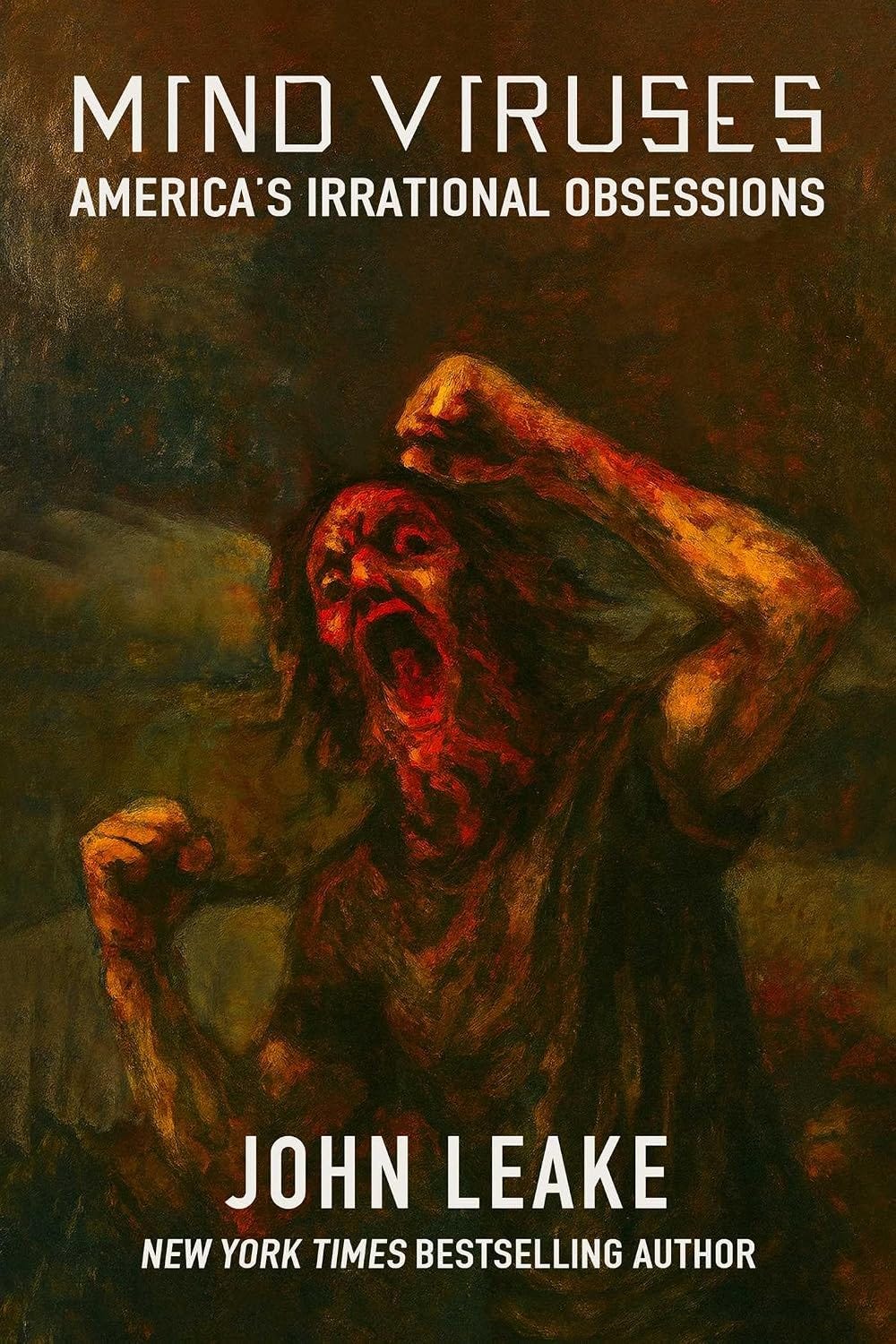
Leake, a nonfiction author with a background in philosophy and medical history, who frequently collaborates with Dr. Peter McCullough, argues that the United States’ post-Cold War descent into division stems not from external enemies but from self-inflicted “psychic epidemics” — irrational, contagious beliefs that enrich elites and sicken the body politic.

Drawing on Carl Jung’s warnings about “chimerical wish fantasies” and Yuri Bezmenov’s observations on ideological subversion, Leake traces how fear-driven narratives — amplified by propaganda, special interests, and a captured “scientific-technological elite” (Eisenhower’s phrase) — hijack tribal instincts and suppress critical thinking. The result is a nation prone to emotional outbursts, slogan-driven politics, and policy overreach, from endless wars to divisive cultural upheavals.
The book opens with a vivid historical prologue on Sergey Nechayev’s 1869 murder of a disillusioned comrade, which inspired Dostoevsky’s Demons and foreshadowed Bolshevik fanaticism. Leake uses this as a lens for modern America: revolutions and crises often begin with noble-sounding missions that devolve into scapegoating and destruction.
A standout section of the book revisits European witch hunts during the Little Ice Age. Crop failures, disease, and Reformation tensions created fertile ground for scapegoating, with figures like Heinrich Kramer’s Malleus Maleficarum fueling hysteria. Leake also examines how ruling-class delusions fueled World War I blunders and enabled Lenin’s return to Russia.
Elsewhere, Leake shows how economic stress and political rivalries turned neighbors against one another in a classic pattern of projection and cathartic violence — a mechanism René Girard later illuminated in the innocence of the scapegoat. Similar dynamics appear in Salem and, chillingly, 1930s Germany, where Jung observed collective possession amid Weimar instability.
Leake is also incisive on contemporary obsessions. Climate change, he contends, has morphed into an industrial complex that debilitates young people with apocalyptic fear. A chapter on Covid-19 critiques the idolization of vaccines, despite their clear limitations in stopping transmission, and the suppression of dissent. Other sections of the book tackle racism narratives, the Ukraine proxy war, transgender medicine, and more — each framed by elites as a “sacred mission” blending overstated threats with solutions that resist empirical scrutiny.
What elevates Mind Viruses beyond polemic is Leake’s command of history and psychology. He draws persuasive parallels between historical hysterias and today’s media-saturated environment, where the illusory truth effect and coalitional instincts make populations susceptible.
Leake writes with clarity and verve, blending scholarly rigor with accessible narrative flair reminiscent of cultural critics like Christopher Lasch or Jacques Barzun.
Leake’s core thesis — that power structures thrive on perpetual alarm and division — transcends easy categorization. Leake doesn’t offer simple policy fixes but urges “immunization” through historical awareness, independent reasoning, and a return to skepticism of centralized authority. In the spirit of James Madison, he warns readers that war and crisis are liberty’s greatest threats.
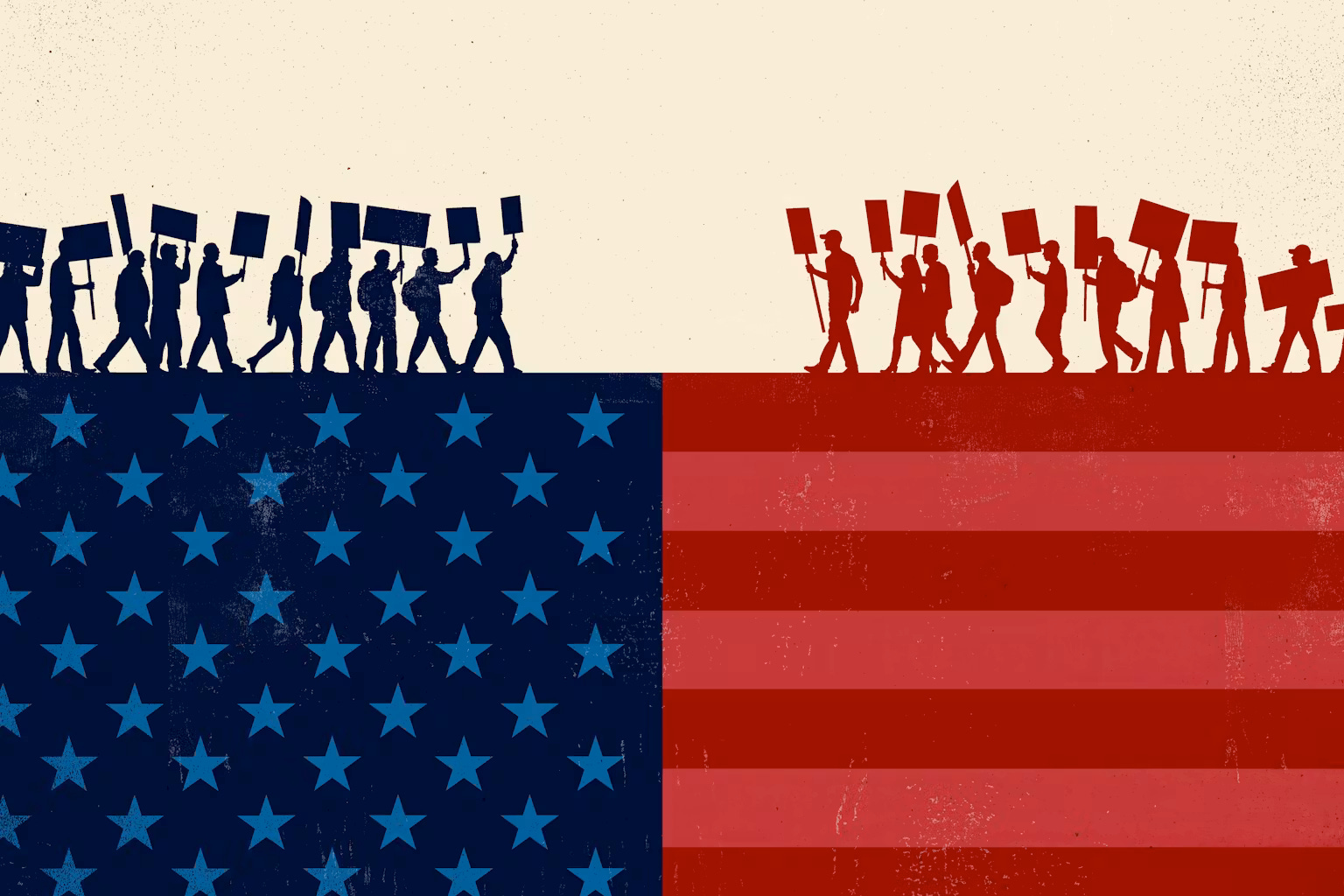
At under 250 pages, Mind Viruses is a brisk, provocative read that synthesizes philosophy, psychology, and current events into a coherent warning. It feels timely amid ongoing cultural fractures and geopolitical tensions.
In the tradition of thoughtful cultural critics, Leake illuminates how America moved from 1990s optimism — post-Berlin Wall confidence and relative social cohesion — to today’s house divided. By revealing the “anatomy of this diabolical phenomenon,” as he puts it, Mind Viruses equips readers to recognize and resist the next contagion.
For people exhausted by lurching crises and yearning for clarity, Leake provides a compelling framework. For the open-minded reader, it is a valuable act of intellectual liberation, offering a potent antidote to the next contagion. In a fractured republic, books like this are essential reading.
[John Leake’s Mind Viruses: America’s Irrational Obsessions (July 21, Skyhorse Publishing) is now available on Amazon, here. For more on the book, you may visit John’s website.]
Shop our merch store to support the MAHA Report and the MAHA movement.
All proceeds go to supporting the cause.
I love John's writing style. I'm haunted by this sentence "...Leake illuminates how America moved from 1990s optimism — post-Berlin Wall confidence and relative social cohesion — to today’s house divided." I've often wondered what the hell happened? Did we self-destruct or were we destroyed Unrestricted Warfare style?
Thanks for the review...Mind Viruses sounds quite enlightening. John Leake is so right "Those who don't remember the past are condemned to repeat it." George Santayana