


In an era when American politics feels terminally fractured, John Klar’s Welcome to the Revolution: The Ongoing Story of the Bipartisan Alliance to Make America Healthy Again (MAHA Books, June 23, available for pre-order), arrives as something rarer than partisan score-settling: a memoir of genuine political conversion rooted in bodily suffering and hard-won recovery.
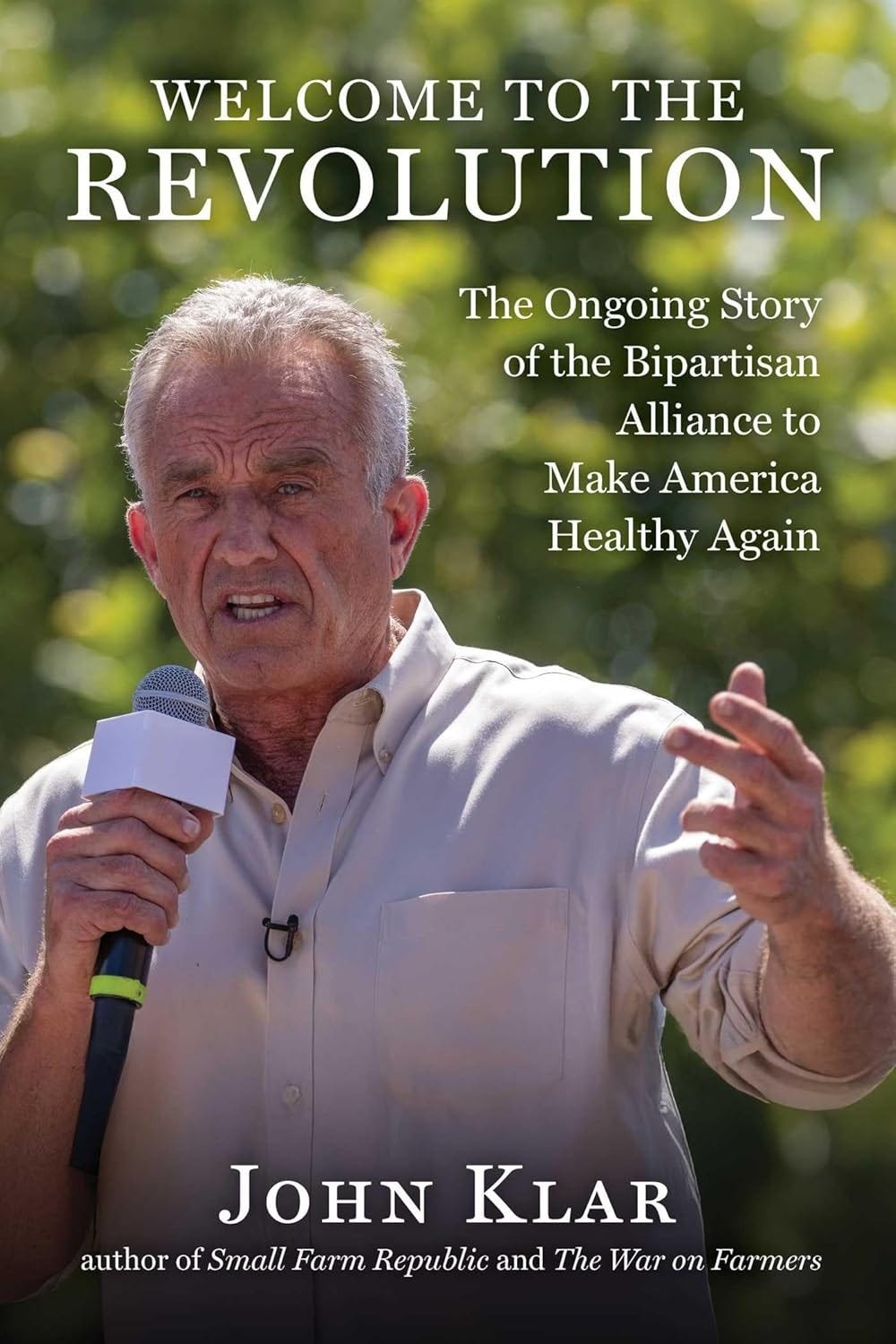
Klar, a Vermont attorney-turned-farmer and former Democrat (and a current contributor to The MAHA Report), traces his path from debilitating chronic illness through dietary transformation and into the orbit of Robert F. Kennedy Jr.’s Make America Healthy Again movement. The result: a first-person account that feels less like campaign literature than a thoughtful dispatch from the front lines of a health-driven realignment still unfolding.
Klar’s story begins not in Washington but in physical collapse. In 1998, at age thirty-four, the fit, high-achieving litigator was suddenly seized by agonizing muscle and joint pain that spread from neck and shoulders to knees and hips. A Lyme diagnosis offered fleeting hope; fibromyalgia followed.
Years of antibiotics, painkillers, and specialist visits yielded little relief. Only after abandoning the pharmaceutical treadmill and adopting a ketogenic approach—emphasizing fats and proteins while sharply reducing carbohydrates—did the fog lift.
The transformation was not instantaneous, but it was profound enough to restore function and, eventually, to reshape his worldview.
“A truly debilitating health crisis is a sort of human metamorphosis,” he writes. That metamorphosis supplies the book’s moral center: personal healing through real food became the template for a larger political awakening.
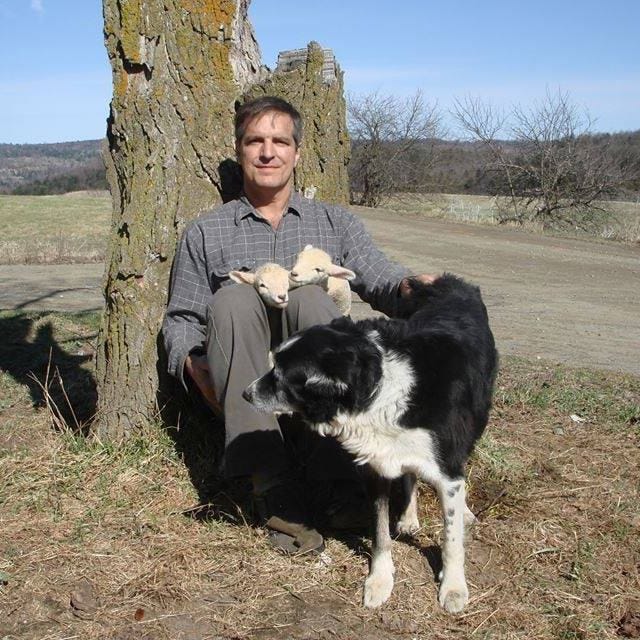
What makes Klar’s new book distinctive is how seamlessly the personal and political intertwine. Disillusioned first by Bill Clinton’s perjury, then by Barack Obama’s Wall Street rescue and embrace of Monsanto-aligned policies (including the preemption of Vermont’s GMO-labeling efforts), and finally by Bernie Sanders’s accommodation to the Democratic machine in 2016, Klar drifted from the party of his upbringing.
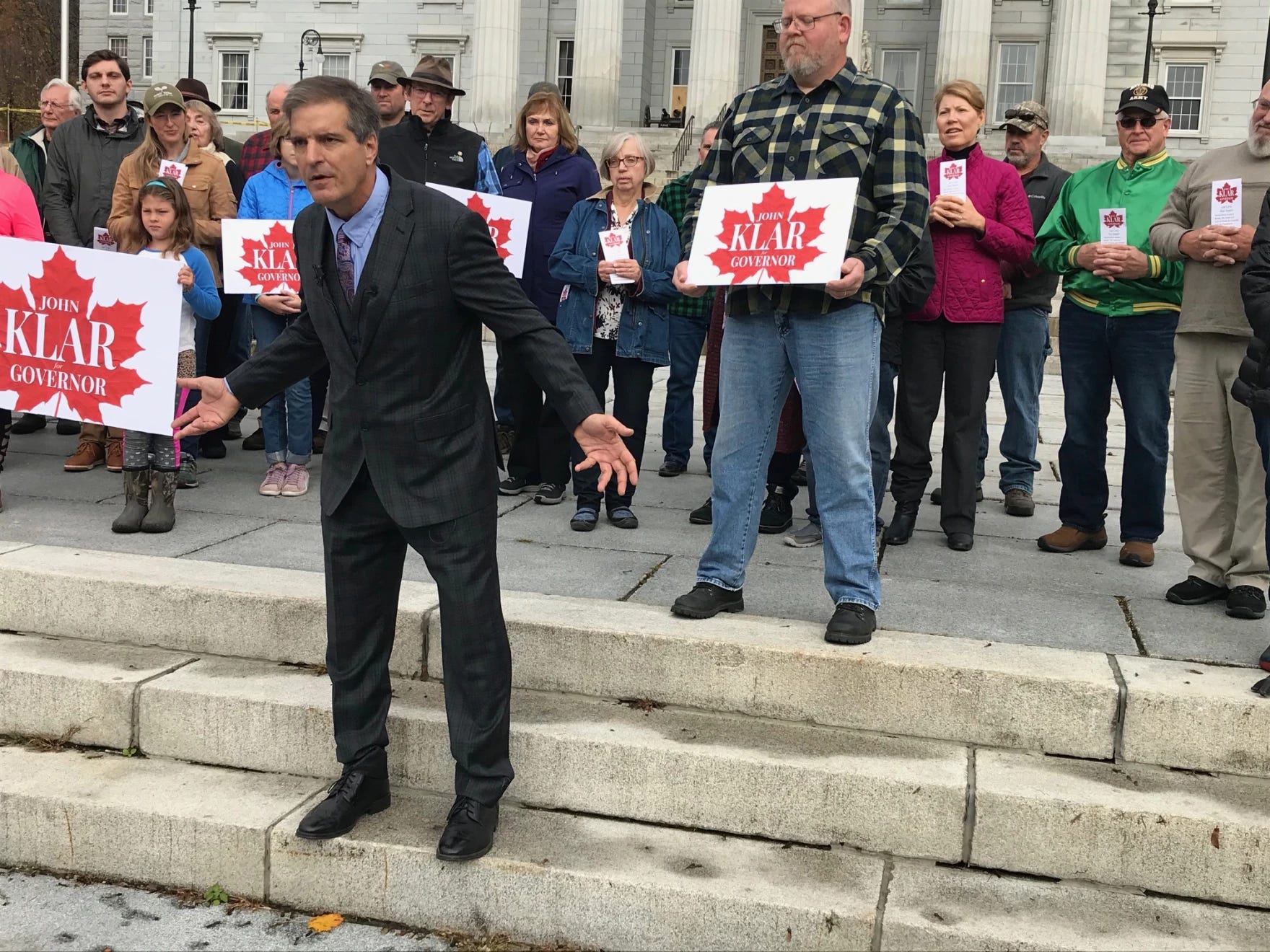
In 2020, Klar ran as a Republican for Vermont governor on a platform centered on bolstering small farms and rural economies. When Kennedy began speaking about chronic disease, corporate capture of regulatory agencies, and the degradation of the American food supply, Klar recognized his own hard-won lessons being articulated on a national stage.
The book’s most compelling sections recount Klar’s deepening involvement: helping secure Kennedy ballot access in Vermont, writing favorably in conservative outlets, and ultimately joining the MAHA transition team after the August 2024 alliance with Donald Trump.
Klar portrays Kennedy not as a fringe ideologue but as a lawyerly, fact-driven figure whose critique of industrial food and pharmaceutical influence transcends traditional left-right categories. The movement’s early emphasis on ultra-processed foods, soil health, small-farm viability, and rural health infrastructure receives sustained attention in the book; vaccines and Tylenol controversies, while acknowledged, are presented as secondary to the unifying power of food policy.
Klar is candid about MAHA’s challenges—its difficulty in definition, the media’s tendency to caricature it, and the persistent pull of partisan gravity. Yet he remains optimistic precisely because the core issues (regulatory capture by Big Ag, the decline of domestic food production, the epidemic of diet-related illness), cut across demographic and ideological lines.
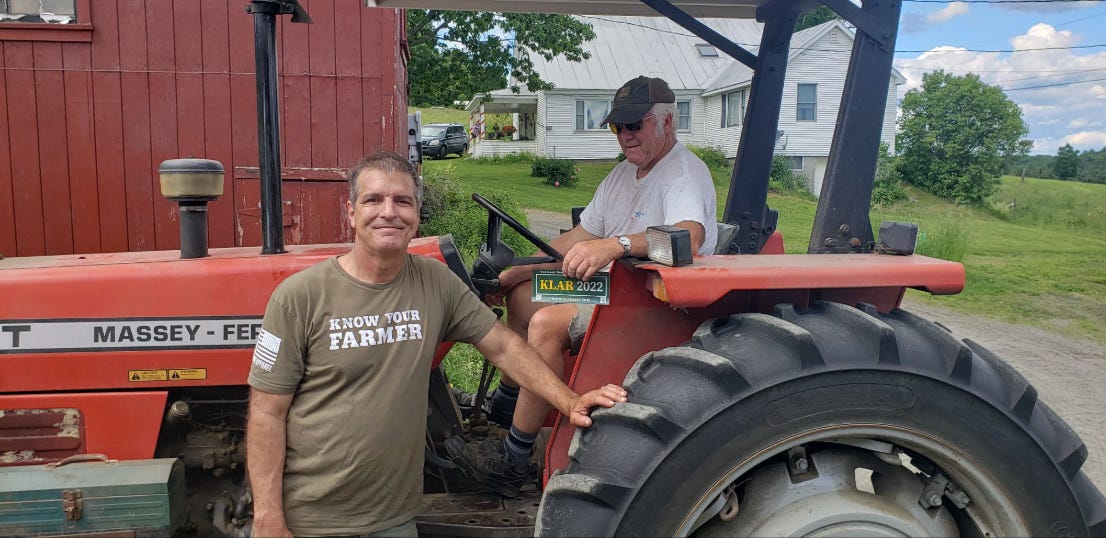
“If Americans cannot come together to fortify our nation against corporate regulatory capture,” he writes, “then all other priorities are irrelevant.” That conviction gives the book its quiet urgency and distinguishes it from more strident movement literature.
Stylistically, Welcome to the Revolution benefits from Klar’s background as both litigator and farmer. The prose is clear, occasionally lyrical, and free of jargon; courtroom-honed precision meets agrarian directness. The personal sections are especially vivid—the terror of the fibromyalgia support group, the rocking chair that allowed him to keep moving through pain, the moment a doctor’s simple dietary prescription upended years of pharmaceutical dependence. These passages ground the larger political argument in lived consequence.
If the book has a limitation, it is the partiality of an insider account. Yet that immediacy is also its strength. Klar is not a lifelong Kennedy acolyte or Trump loyalist but a convert whose skepticism was earned through pain and whose hope is tempered by experience. In an age of performative outrage, such authenticity carries weight.
Welcome to the Revolution will resonate most with readers already sympathetic to MAHA’s diagnosis of America’s food and health crisis. But it deserves a wider audience among anyone seeking to understand how personal suffering can catalyze political realignment—and why food, of all things, might yet prove the issue capable of bridging America’s bitterest divides
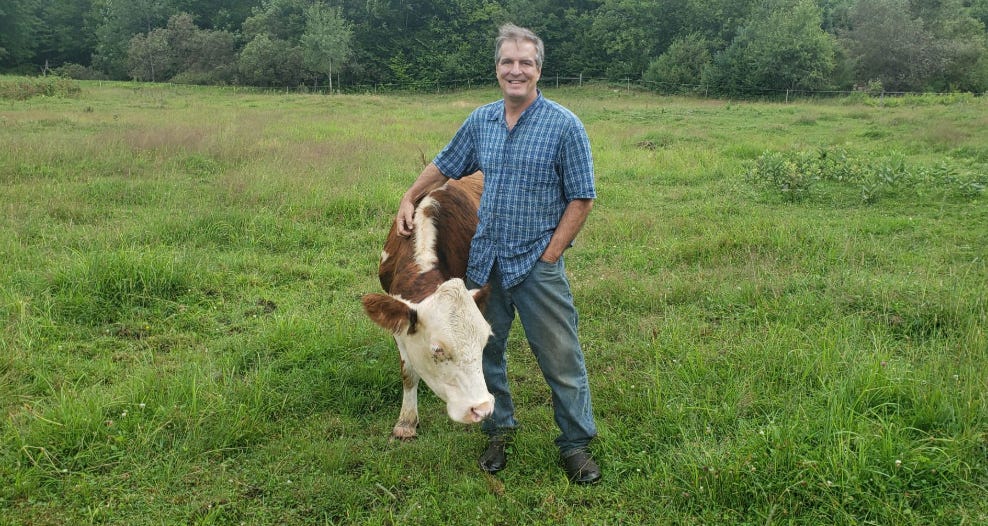
Klar’s journey from sick Democrat to MAHA participant offers neither easy answers nor partisan comfort food. It offers something more valuable: a credible, humane case that healing the body and healing the body politic may, in fact, be the same urgent project.
There is no right there is no left. It's top and bottom. Rich and poor. Our government has completely failed us.
Big Agri bastardized the Idea of the Physiocrats!! The current economic model is “Sick is wealth” instead of “Health is Wealth “ and there in lies the problem. How does the Capitalist “Profit” motive make “Health” profitable. And I’m not talking about “Savings” or “Green Washing “. That’s the conundrum to be solved