

On the Bookshelf: In ‘The Coming Food Crisis,’ Farmer John Klar Wants Us to Respect the Origin of Food

By Louis Conte, Health Freedom Editor, The MAHA Report
“With one mind, we turn to honor and thank all the Food Plants we harvest from the garden. Since the beginning of time, the grains, vegetables, beans, and berries have helped the people survive. Many other living things draw strength from them, too. We gather all the Plant Foods together as one and send them a greeting of thanks.”
– An ancient prayer of Thanksgiving from the Haudenosaunee (Iroquois) people.
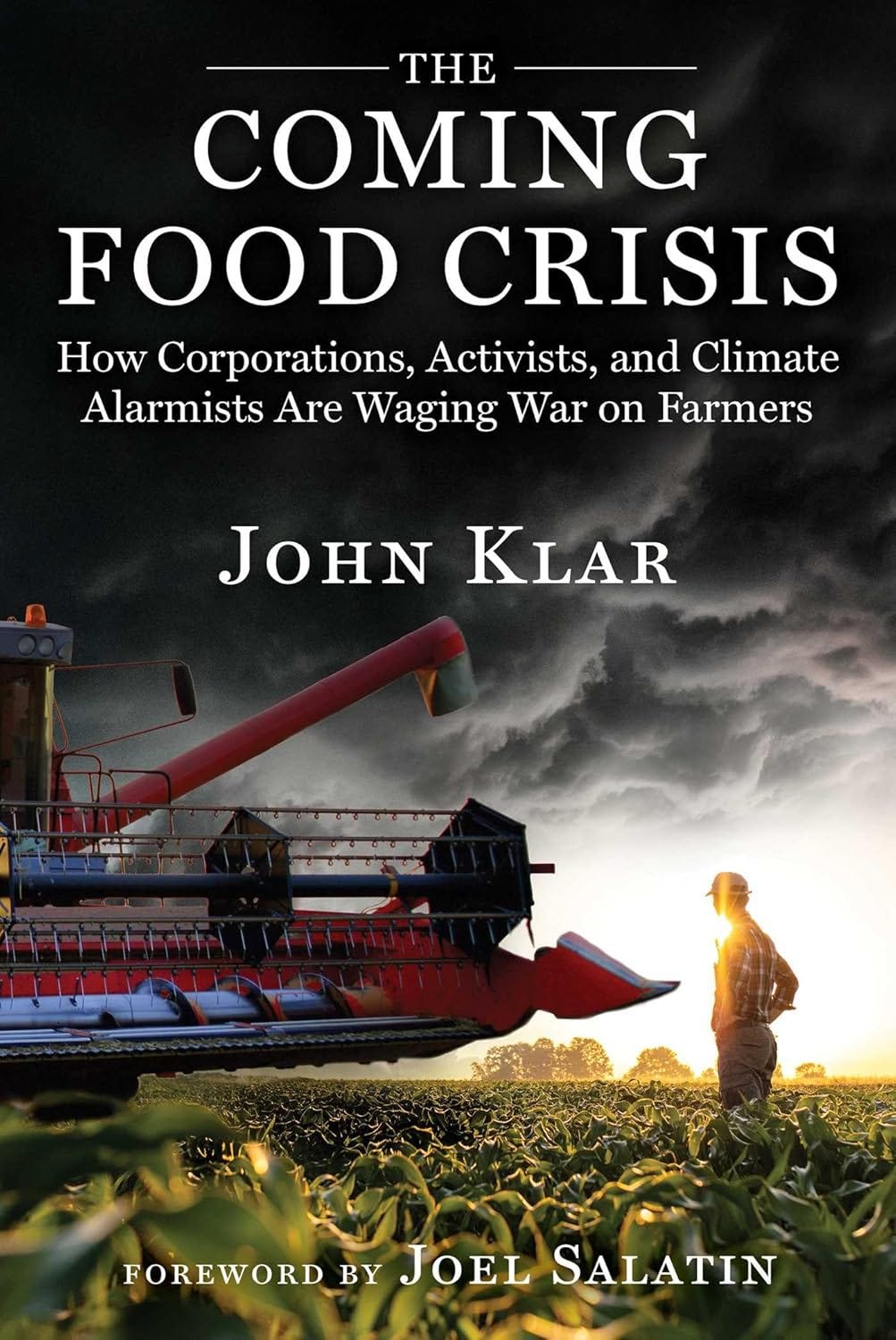
John Klar’s cautionary epic, “The Coming Food Crisis: How Corporations, Activists, and Climate Alarmists Are Waging War on Farmers,” serves notice that America must reconsider the way we produce food and the people who produce it.
“I wrote this book to educate and warn people that we must think hard about our food,” Klar says. “I didn’t write it to scare people, but our farmers are in crisis. And we need to act to change direction.”
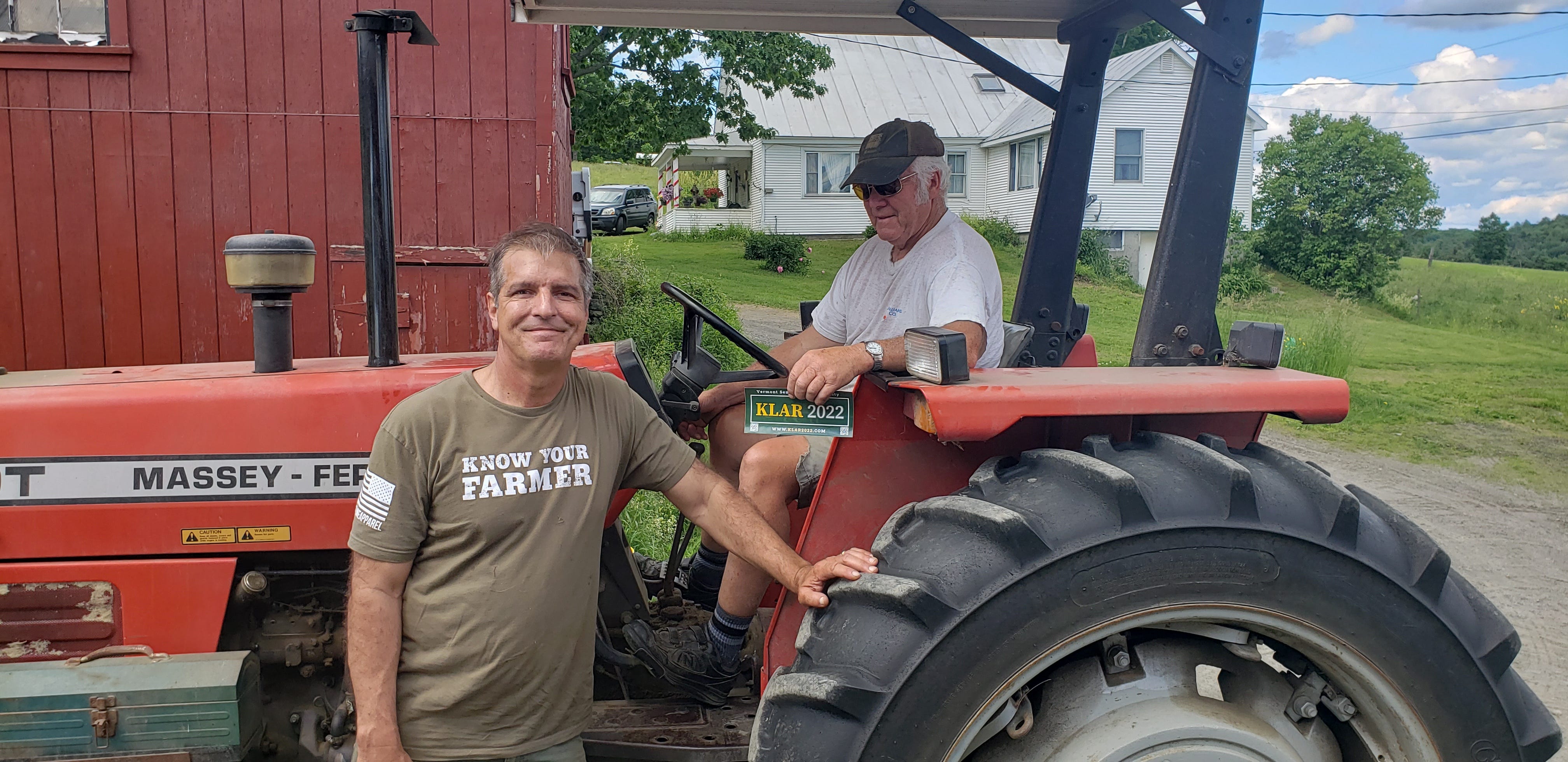
Klar is correct. Over the past five years, America has lost over 140,000 farms - 47 farms a day.
Klar, who has a small farm in Vermont, points out that our food supply depends on volatile economic factors, supply chains that might break and corporations that put profits before health. In his book, he addresses the inherent dangers of factory farming, chemical fertilizers and the use of glyphosate and other insecticides. He cautions that we are depleting soil at alarming rates. “Our soil is alive. It is not dead dirt,” Klar says.
Klar pulls no punches and calls out the cabal of corporate actors who are seeking to control food production in an effort to control humanity. He introduces the reader to the notion that personal liberty involves one’s ability to have personal control of where one’s food comes from. “That’s what the whole bug burger thing is about,” he says. “It is a way the globalists have to signal who is in control.” While this is a serious book, Klar does have a sense of humor. “I was going to call it “On Bug Burgers and Cow Farts” but someone at Skyhorse thought better of that idea,” he says.
Meat tainted with growth hormones and antibiotics wrapped in plastic. Food harvested by machines on mega farms run by nameless corporations. Food grown with artificial fertilizers comes in a box with four hundred chemical additives, some of which are labeled as being ‘natural’ ingredients.
Isn’t all food supposed to be natural? For Klar, it is natural and personal.
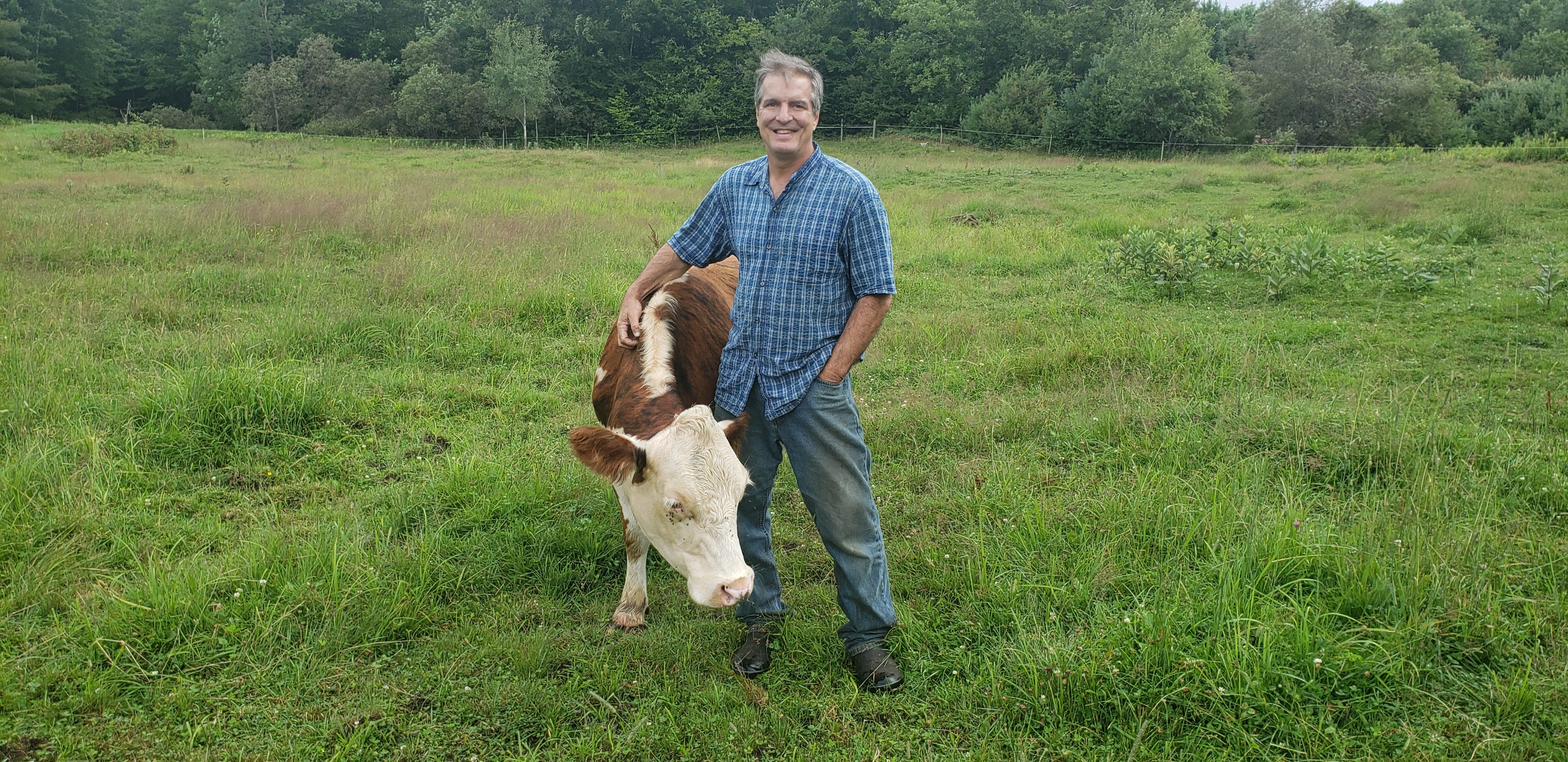
Our conversation took place after Klar had had dinner and he noted that he’d enjoyed a meatloaf that came from a cow that he had raised. “My cow had a name. I have a connection to my animals and I respect them. This was not a meal that came to me wrapped in plastic,” he says. “I came to farming in 1999 due to my own health issues. Farming helped me get healthy.”
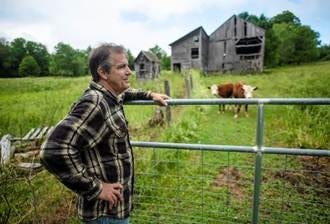
Klar decries the loss of small family farms. He points out that America is losing its agricultural history. “People should talk to farmers,” he says. “They have all sorts of wisdom about things most people never think about. We can’t lose that wisdom.”
This is the disconnection that Klar is addressing. It is more important than we realize. People connected to the earth and the world around them understand this.
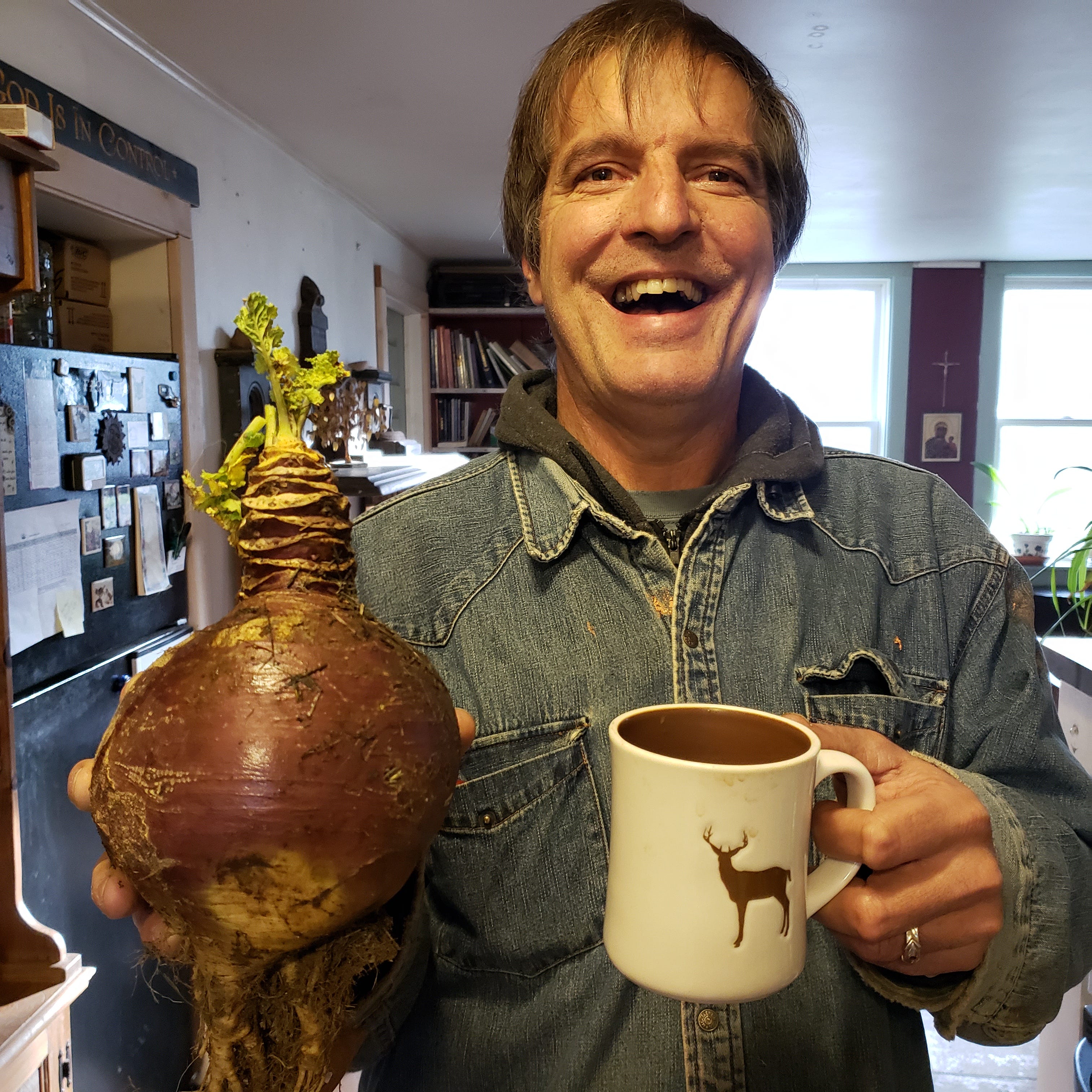
Klar offers the reader a solution to our coming food crisis. The solution, he says, is for Americans to remember that who we are is who we once were – family farmers. Instead of relying on food that must be trucked or flown into our supermarkets, Klar proposes that we reinvigorate small, locally owned, locally controlled farms. “If civilization collapses tomorrow, indigenous people who live off the land will be fine. Farmers will know how to survive. We should think about that.”
Klar writes: “May the food system they inherit be healthier and more secure than the present travesty, and may small rural family farms reclaim the American countryside.”
Ultimately, Klar has warned us to wake up but also empowered us with hope. “The book is not just for farmers. It is for everyone,” he says.
“We gather our minds together to send greetings and thanks to all the animal life in the world. They have many things to teach us as people. We are honored by them when they give up their lives so we may use their bodies as food for our people. We see them near our homes and in the deep forests. We are glad t]ar still here and we hope that it will always be so.”
— An ancient Haudenosaunee prayer of Thanksgiving for animals.
“The Coming Food Crisis: How Corporations, Activists, and Climate Alarmists Are Waging War on Farmers,” by John Klar, with an introduction by Joel Salatin, is a new release from MAHA Books, an imprint of Skyhorse Publishing (March 17, 2026).
I personally will never understand why farmers are not the highest paid people on the planet. Instead, we "value" entertainment above basic needs.
I always like to chat with the cashiers at the grocery store and upon buying liver, which she thought was gross, was actually stunned to find out where hamburger came from! Truth. I thought she was kidding, but in fact she is the product of our education system. I will admit leaving there feeling that this country is in big trouble if we have naive people, maybe no fault of her own, as the next generation of thinkers and leaders who actually prefer the artificial, in many aspects, to the real. Just my thoughts.
In addition to buying the book, please request these types of books at your local library. I've done this for truth-telling books the past 5 years and my library is very good about getting them — and when they arrive, a waiting list usually forms! It's a great way to spread truth and enlighten communities.
Note that John Klar has two books out this year:
Welcome to the Revolution: The Ongoing Story of the Bipartisan Alliance to Make America Healthy Again
and
The Coming Food Crisis: How Corporations, Activists, and Climate Alarmists Are Waging War on Farmers
You can get ISBN codes and publisher info from the Amazon listings for your library requests.