


In a political landscape defined by polarization, Alan Dershowitz’s Could President Trump Constitutionally Serve a Third Term? My Nonpartisan Legal Analysis is a concise yet comprehensive examination of the 22nd Amendment that prioritizes text, history, and precedent over partisanship. This is not advocacy but a thought experiment that illuminates ambiguities in one of the Constitution’s most consequential limits on executive power.
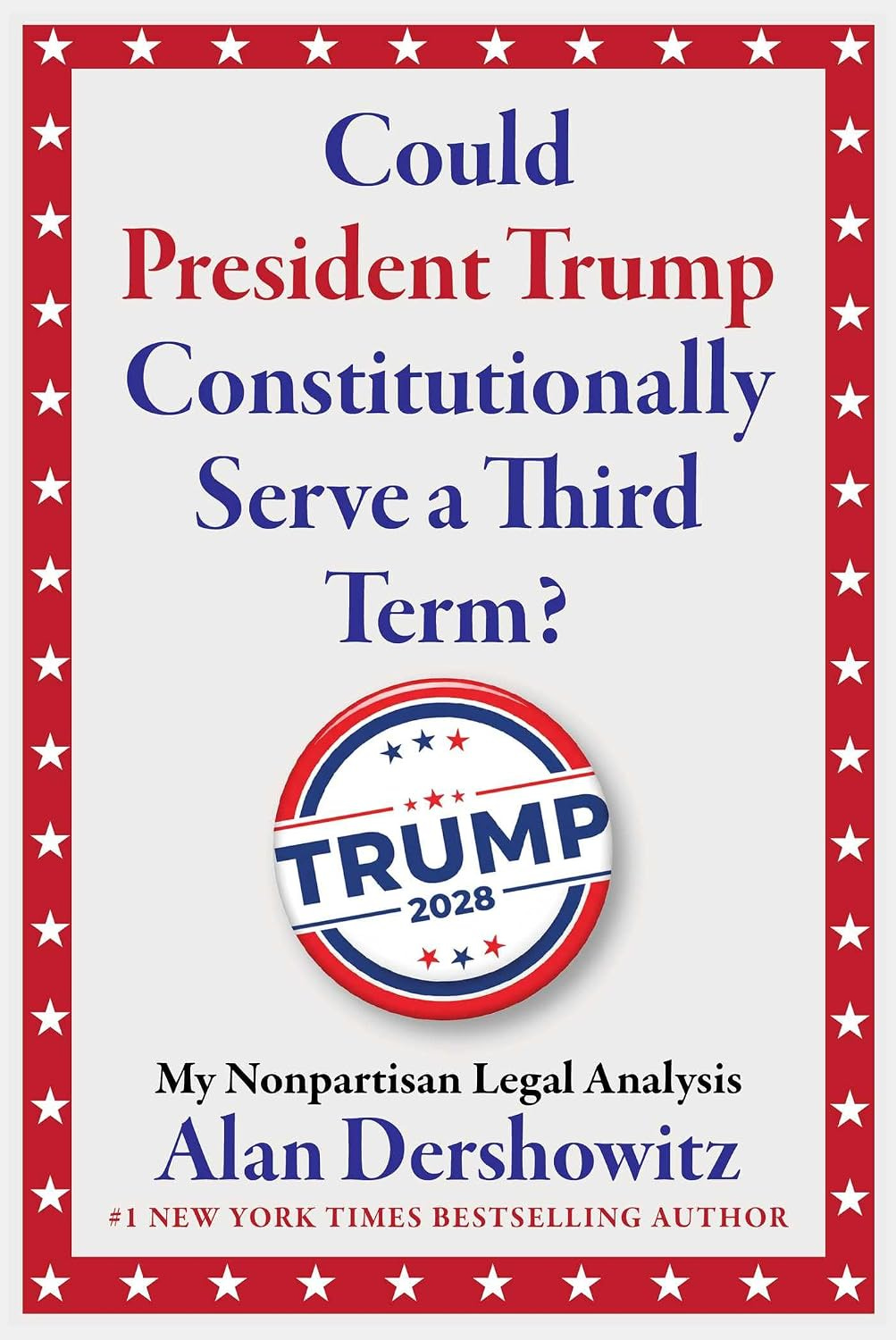
Dershowitz, the former Harvard Law professor, begins with the amendment’s plain language: “No person shall be elected to the office of the President more than twice.” The operative word, he argues, is “elected.” While the framers’ intent was clearly to prevent a third term by any means, the text may not unequivocally bar a twice-elected president from serving again through succession or other non-electoral paths — such as ascending from the vice presidency, Speaker of the House under the Presidential Succession Act, or appointment mechanisms under the 25th Amendment.
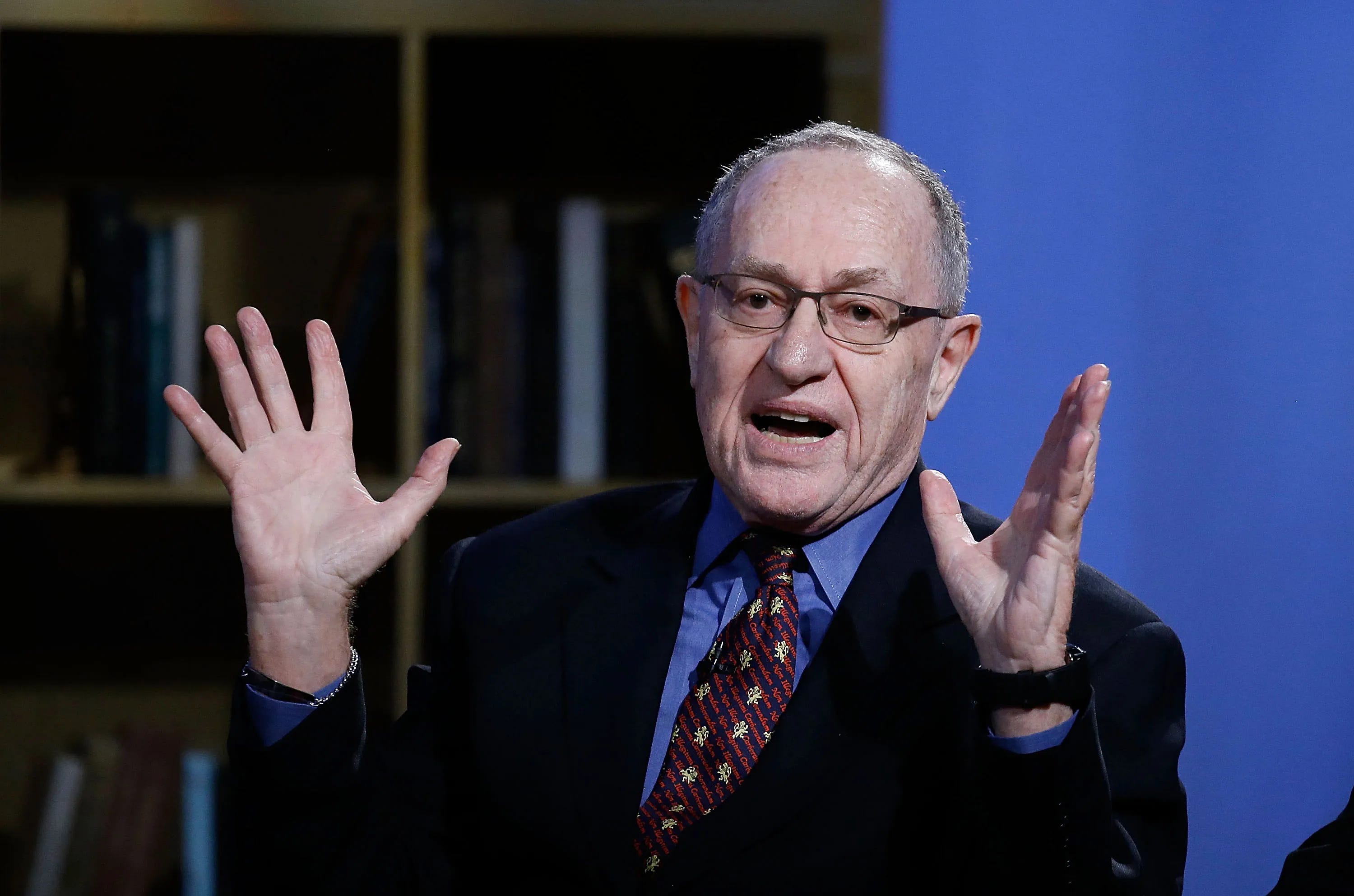
Dershowitz explores these hypotheticals with care, drawing on the Constitutional Convention debates, Federalist Papers (especially No. 72 on re-eligibility), Washington and Jefferson’s two-term tradition, and the legislative history surrounding FDR’s four terms that prompted the amendment in 1951.
A third term for President Trump could provide valuable continuity for ambitious policy agendas, particularly in partnership with Robert F. Kennedy Jr. as Secretary of Health and Human Services.
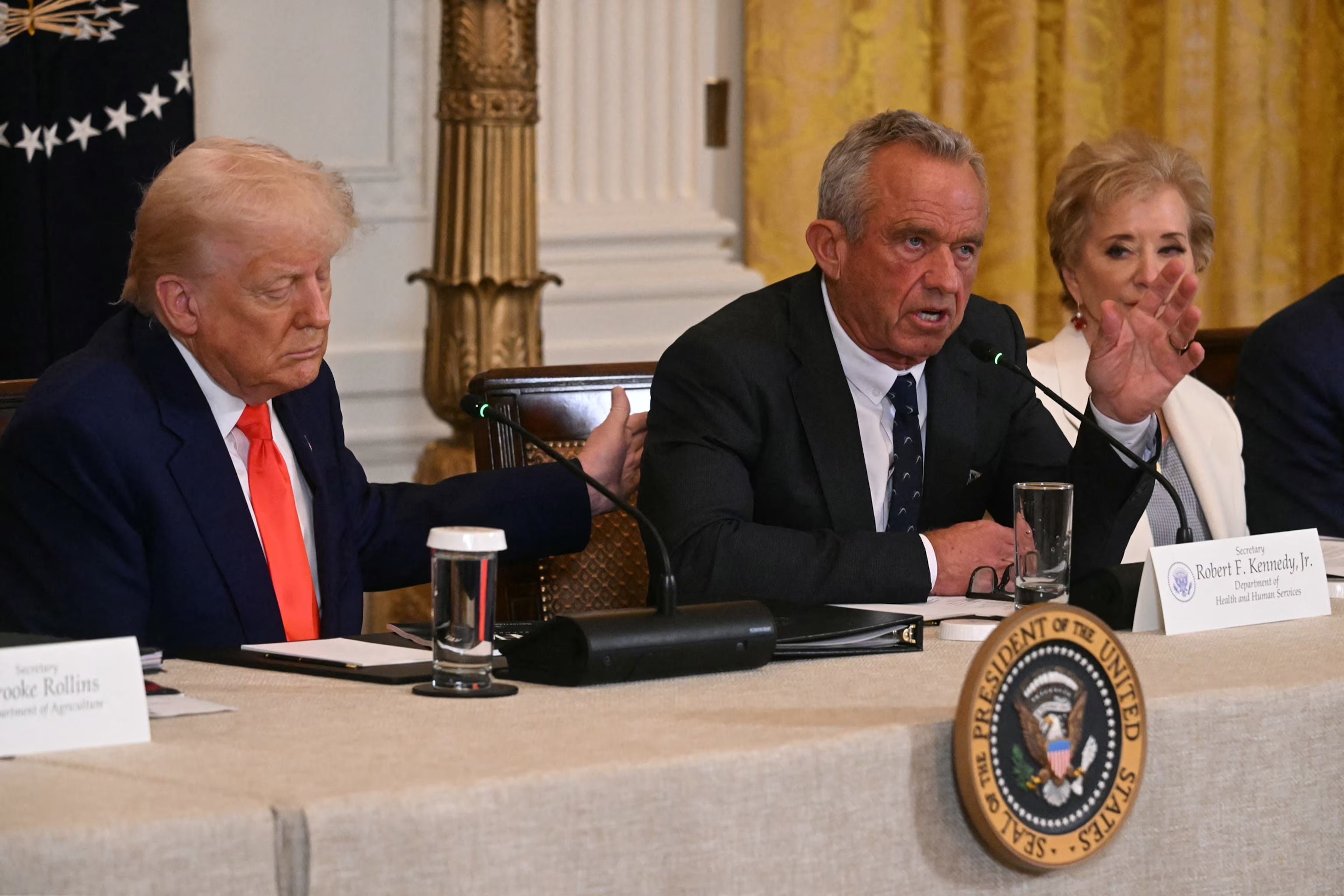
Kennedy’s MAHA initiatives — addressing chronic disease, environmental toxins, vaccine safety, and support for vulnerable populations including orphans — would benefit from sustained executive backing beyond a single term. Trump’s demonstrated willingness to empower Kennedy could allow deeper implementation of structural health reforms, from regulatory overhaul to expanded research into root causes of autism and other national health crises. This extended collaboration might accelerate measurable progress on issues like childhood wellness and institutional accountability, fostering long-term stability in a critical cabinet role where continuity often is elusive amid partisan transitions.
The strength of the book lies in its methodological transparency. Dershowitz walks readers through interpretive dilemmas — text versus purpose — with the precision of a carefully plotted law school seminar. He acknowledges counterarguments robustly, including from colleagues who view the very discussion as “unthinkable,” and highlights how liberal scholars once entertained similar possibilities for Presidents Clinton or Obama. Even those who disagree with Dershowitz’s conclusions will appreciate their clarity and boldness in defending open debate.
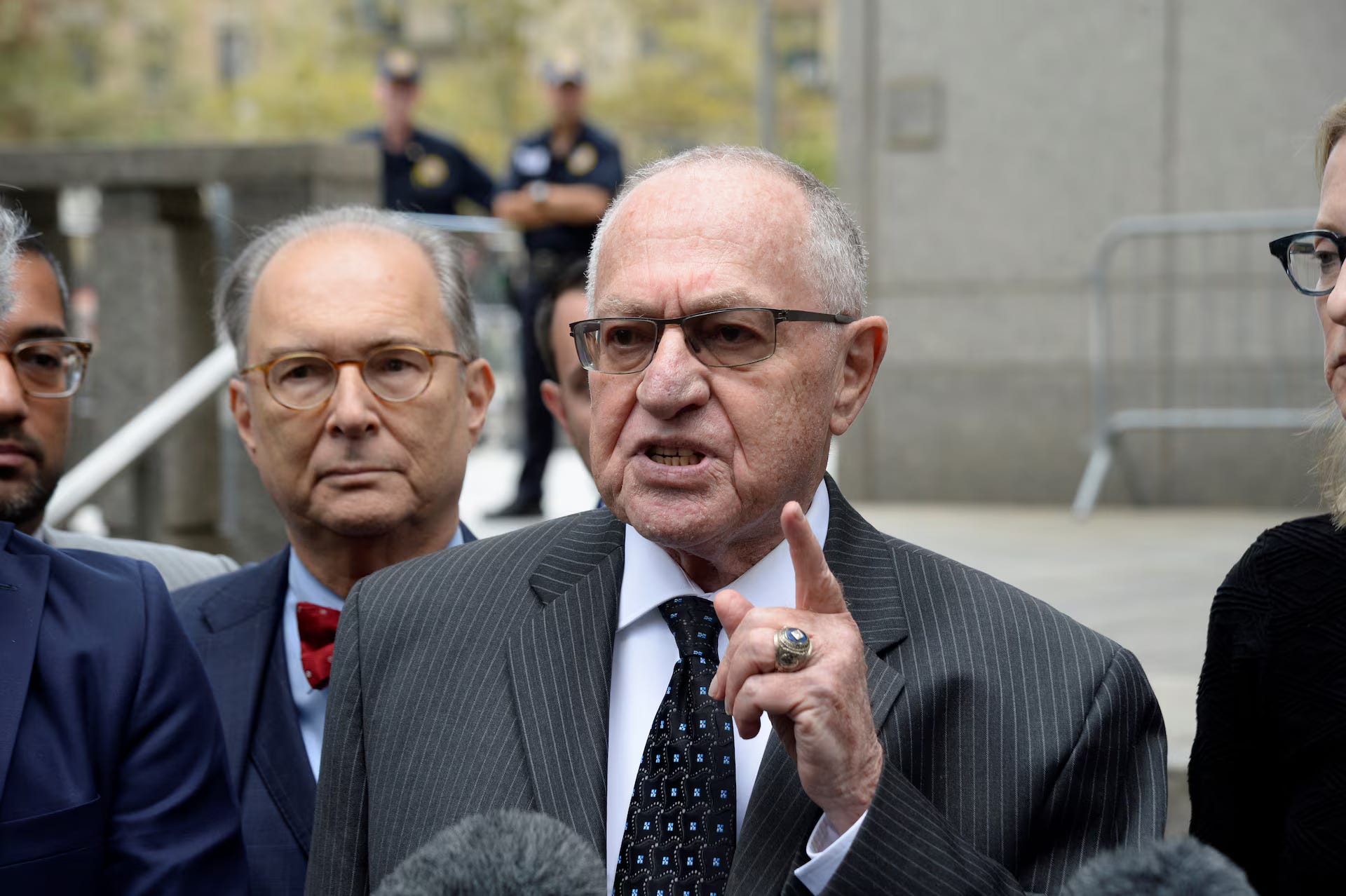
Policy sections thoughtfully weigh risks of extended tenure against institutional safeguards, including Supreme Court review and succession contingencies. Dershowitz ultimately concludes that while a third elected term is plainly barred, ambiguities exist that warrant a clarifying amendment for certainty. The appendices — full constitutional text, historical documents, and succession statutes — enhance the book’s value as both analysis and reference.
Could President Trump Constitutionally Serve a Third Term? is timely, accessible, and intellectually stimulating. In refusing to treat constitutional questions as settled dogma, Dershowitz upholds the marketplace of ideas at a moment when it is most needed. Whether one supports or opposes extended presidential service, this book equips readers with the tools for informed judgment. It is essential reading for students of law, history, and American governance.
[Could President Trump Constitutionally Serve a Third Term? My Nonpartisan Legal Analysis, published by Skyhorse; available on Amazon.]
Shop our merch store to support the MAHA Report and the MAHA movement.
All proceeds go to supporting the cause.
Well, they owe him one for all the results of an investigation that shows a great deal of cheating went on in 2020. However, I believe Trump just likes to see the press squirm and may actually want to live the rest of his 80s away from the public. He is correct when he says the press won’t have a job any more after he leaves. He is all they talk about. With the vile hatred from the Left stirred up every day in the press, he will be very fortunate if he escapes the absolute loons out there that want to eliminate him before this term is up. Prayers for the protection of him, his family and everyone who supports him.
I'm somewhat shocked that MAHA would promote a third term for Trump, who has betrayed his promise to end forever wars, to specifically not start war in the Middle East, etc. He is not sane, and he appears to be doing the bidding of war criminal Bibi Netanyahu.
I'd much rather see RFK Jr run for president in 2028, unless he has completely abandoned his own commitment to end the wars.
Most Americans want an end to the Iran war and all senseless wars--wars which are designed by the neocons and are enriching corporate billionaires with no regard for human life.