


As the United States prepares to mark its 250th anniversary on July 4, parents searching for a way to pass the meaning of that milestone to the next generation need not look to solemn textbooks or scrolling screens. They can simply turn the pages of Kelley Paul’s Good Night, Young American: A Bedtime Journey Through America’s Story, illustrated by Marika Monesi. [The book is available on July 2].
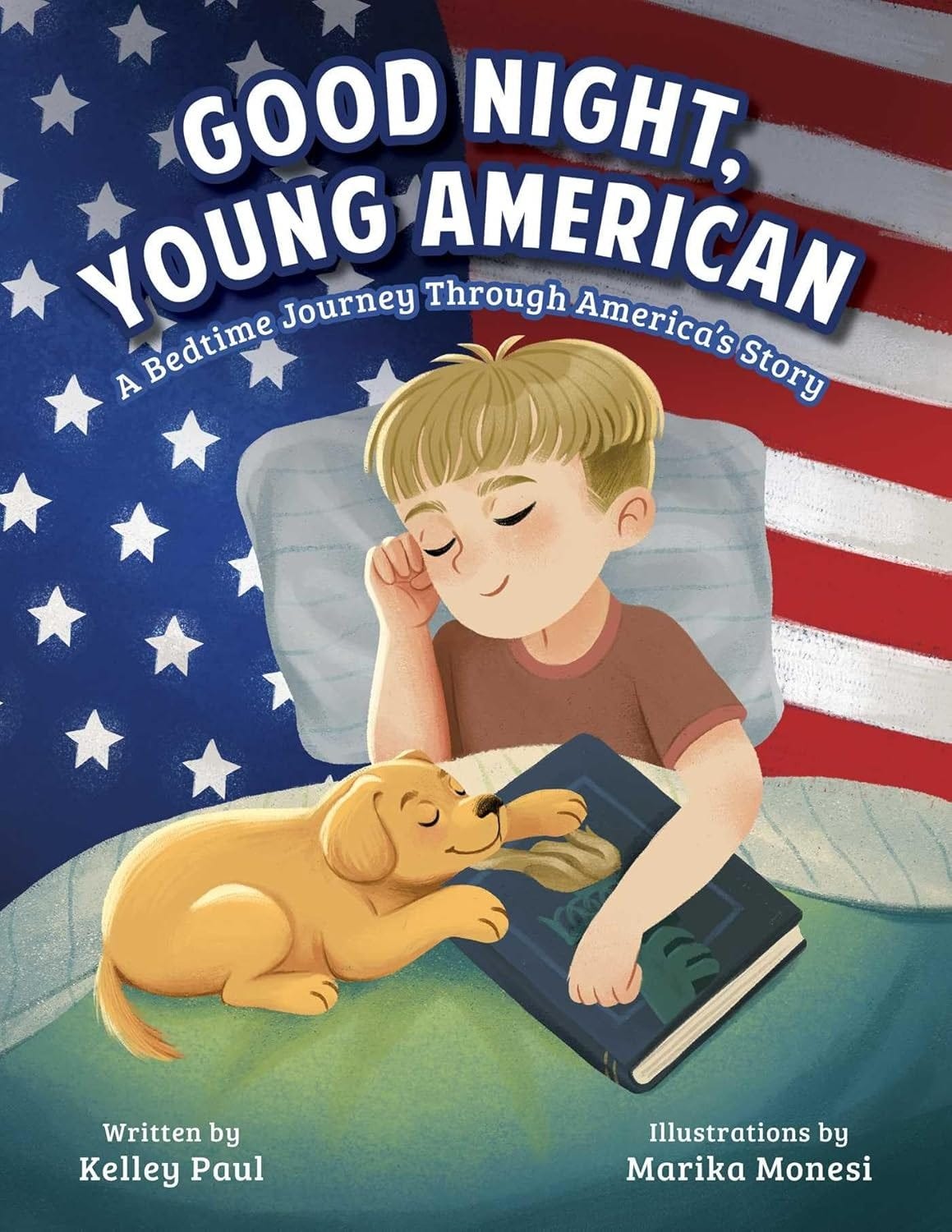
In this warm-spirited picture book from Regnery Kids, the fireworks of the Fourth of July do not merely fade into memory; they ignite a child’s dreams of the long, improbable road from Plymouth Rock to the balcony of Federal Hall.
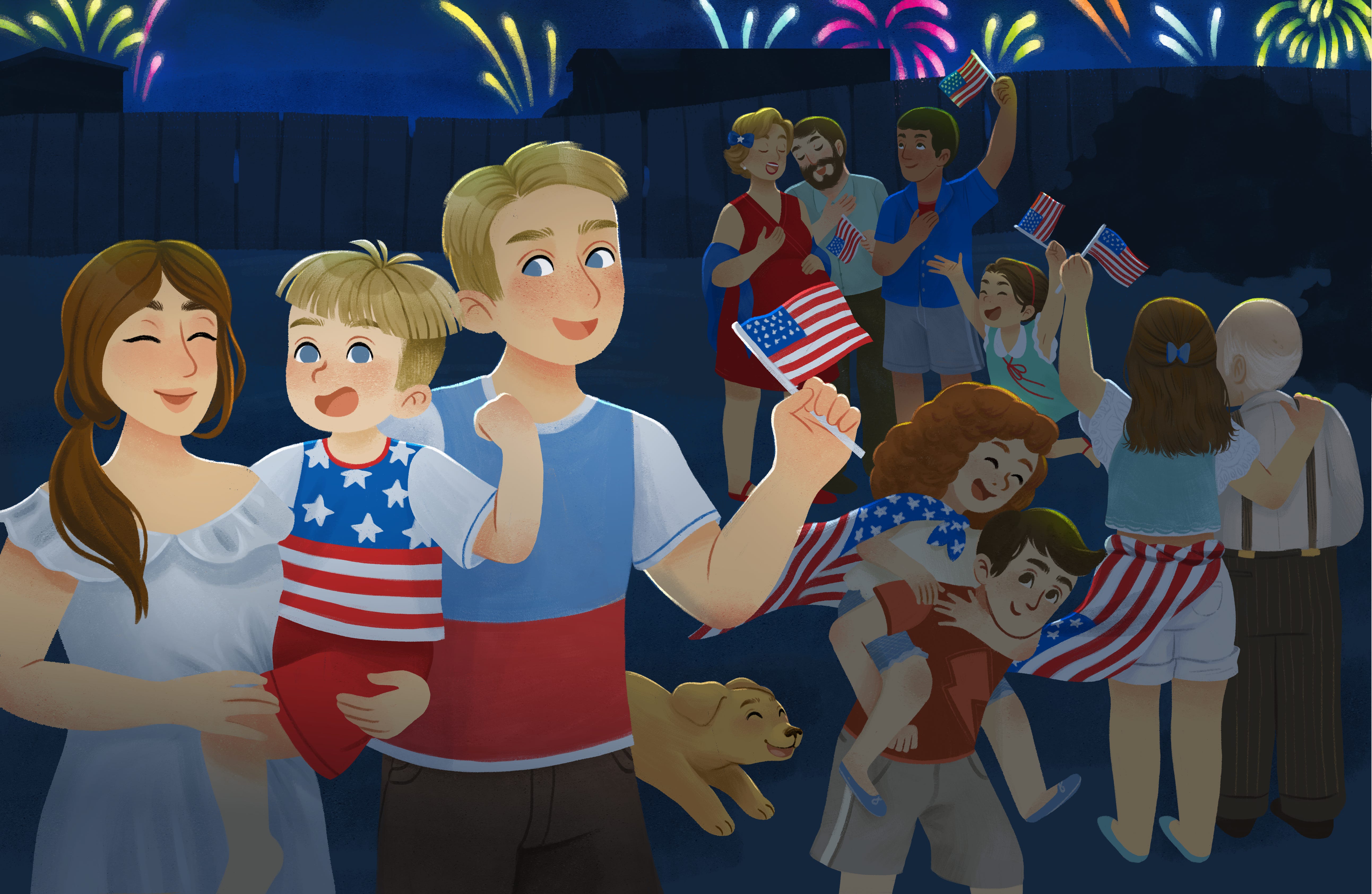
The story opens in the present tense of a contemporary backyard celebration. A little boy, still buzzing from sparklers and hot dogs, asks his father why Americans sing of “the land of the free and the home of the brave.” The father’s gentle answer—that brave men once fought all night so a flag might still wave at dawn—plants the seed.
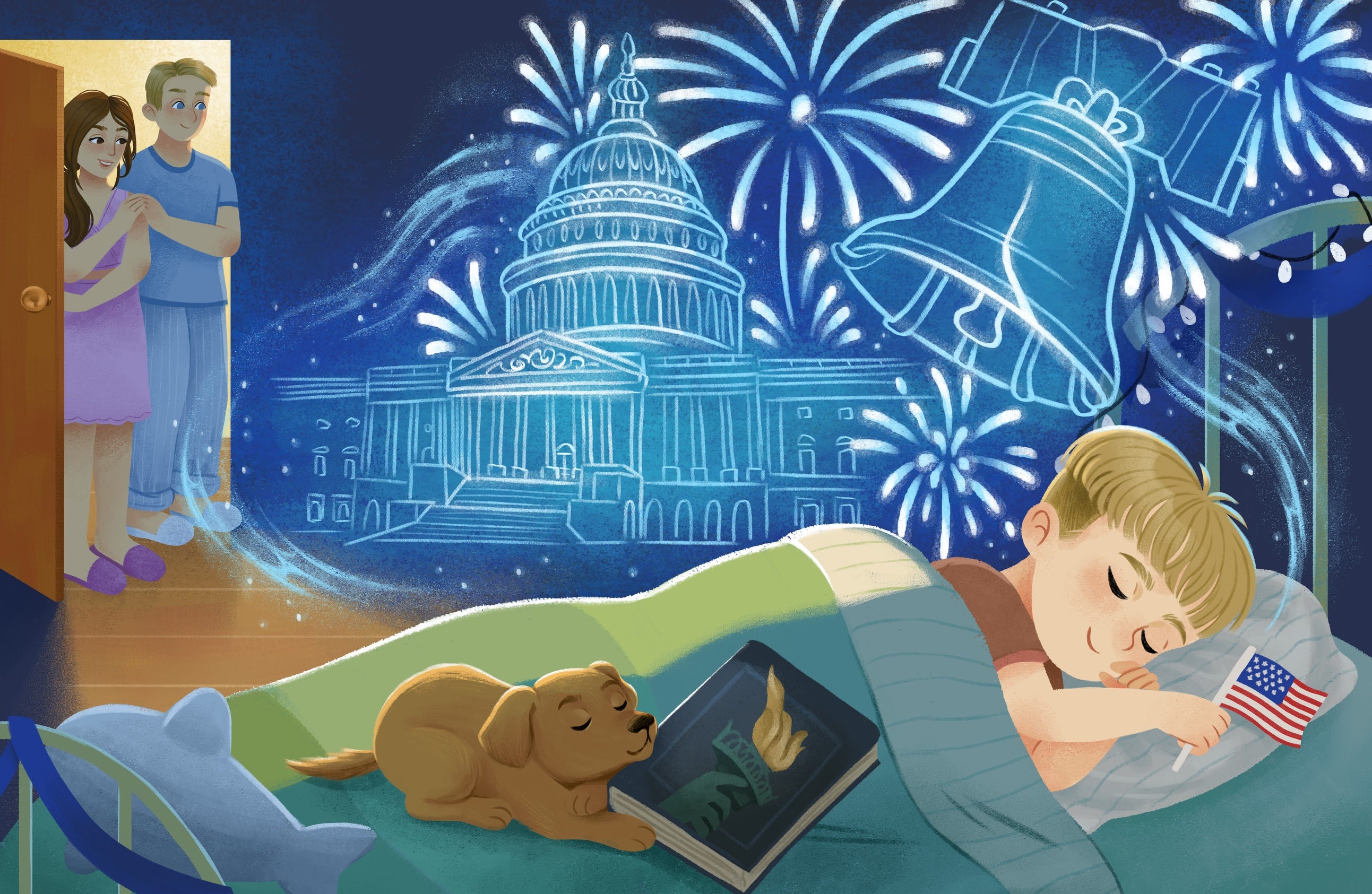
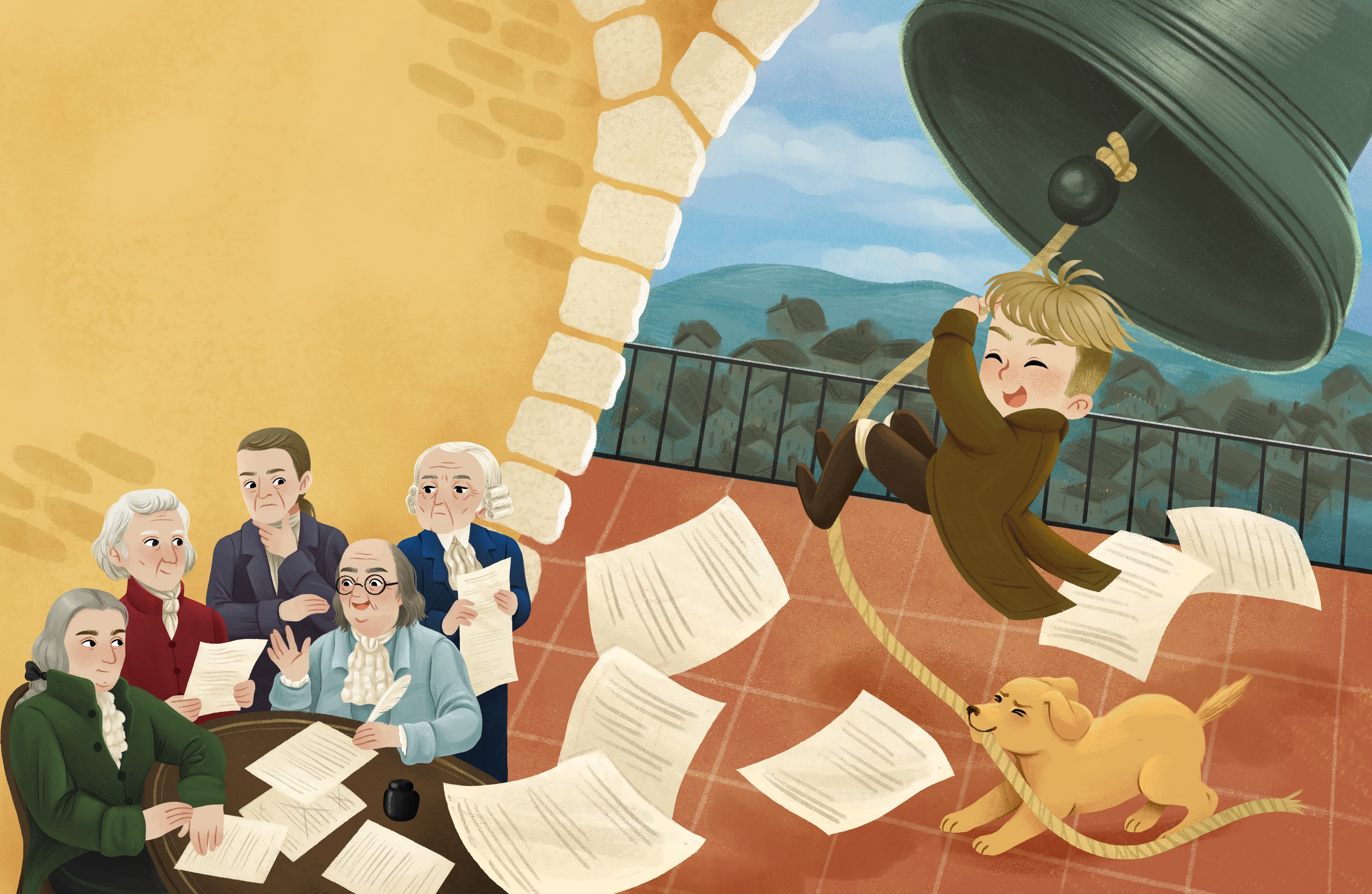
When the boy is tucked in beside his golden retriever puppy, that seed blossoms into a vivid, first-person dream. He sails on the storm-lashed Mayflower with the Pilgrims, shivering through their first brutal winter and rejoicing at the first Thanksgiving feast shared with Squanto and the Patuxet people. He slips into Boston Harbor with the Sons of Liberty to dump tea into the dark water, rides hell-for-leather beside Paul Revere, and helps ring the Liberty Bell after the signing of the Declaration of Independence. He flies a kite with Ben Franklin in a thunderstorm, crosses the ice-choked Delaware with General Washington, and watches the British surrender at Yorktown.
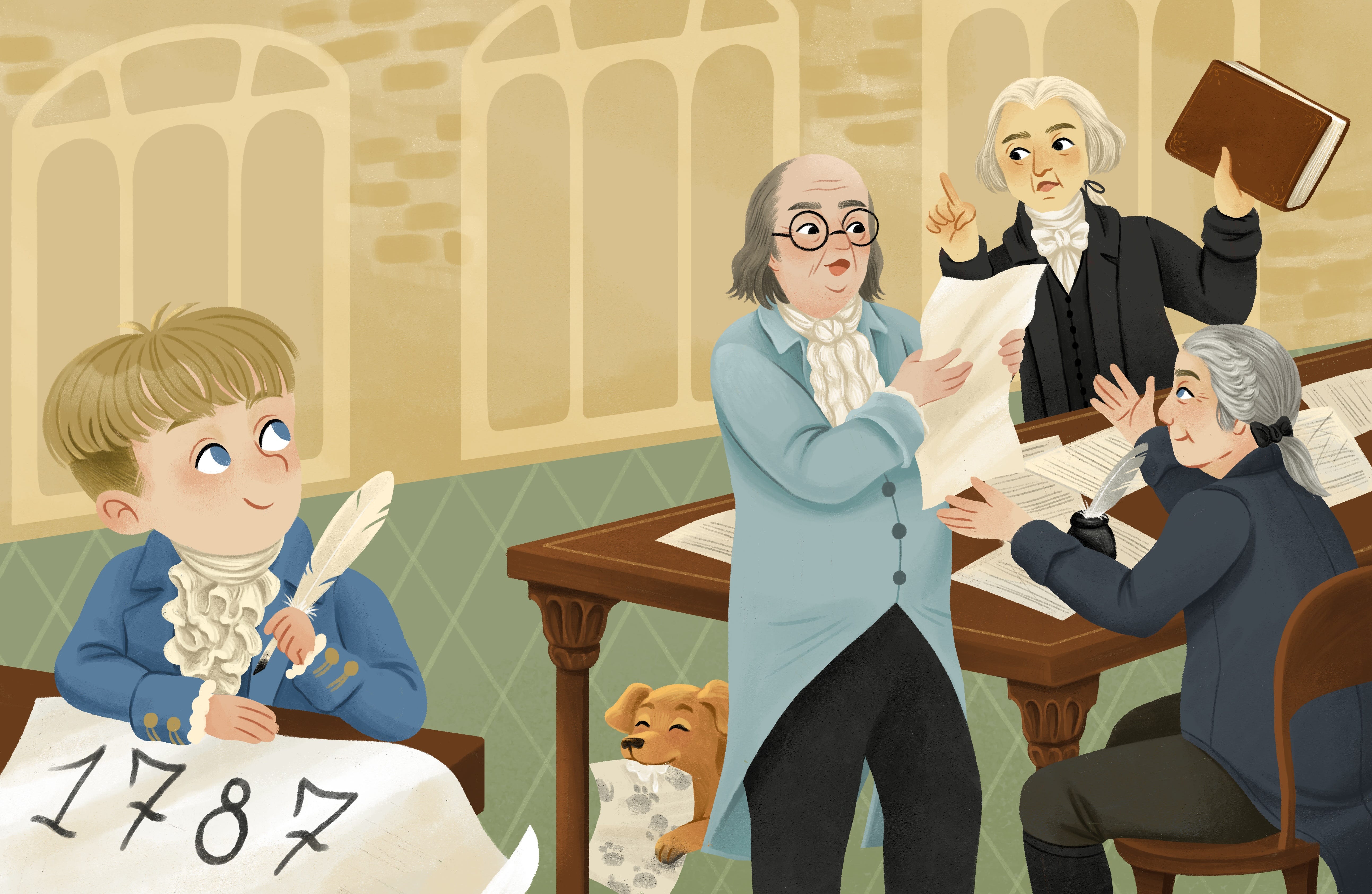
Later the boy sits in the sweltering room where the Constitution is debated and cheers as George Washington takes the oath of office in New York City, the nation’s first capital.
What elevates the book beyond a brisk trot through famous dates is the dream device. Because the boy is not a passive spectator but an eager participant—clutching a small flag, straining on tiptoe to ring the great bell, huddling in Washington’s boat—the reader feels the emotional stakes of each moment. The ever-present puppy supplies both comic relief and emotional continuity, a furry thread stitching 1620 to 1789.
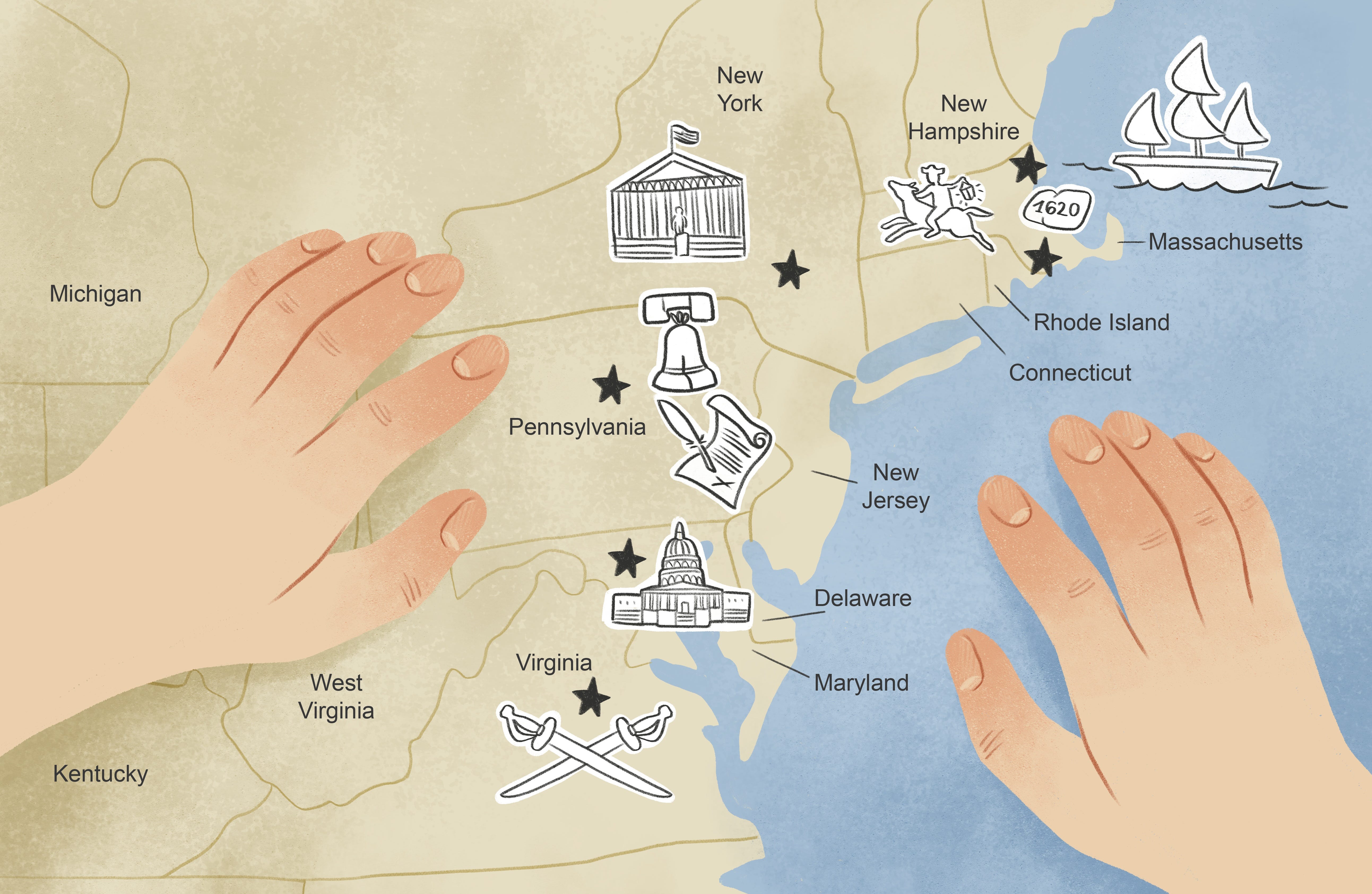
When the child awakens, still clutching his flag, the dream does not dissolve into mere fantasy; it propels him and his parents toward a large map of the U.S., where they begin placing the very icons he has just visited. The final pages thus transform bedtime into a quiet call to civic engagement: history is not finished; it is a place you can still go.
Paul writes with a light, confident hand that trusts children to grasp large ideas when they are wrapped in story. The Mayflower Compact becomes an early promise that people can make their own rules. The Declaration’s assertion that rights come from God, not kings, is explained without jargon. The Bill of Rights is introduced through the boy’s delight that Americans will always be free to speak their minds. None of this feels didactic; it feels like the natural conversation a curious child might have with a parent who loves the country enough to explain it clearly.
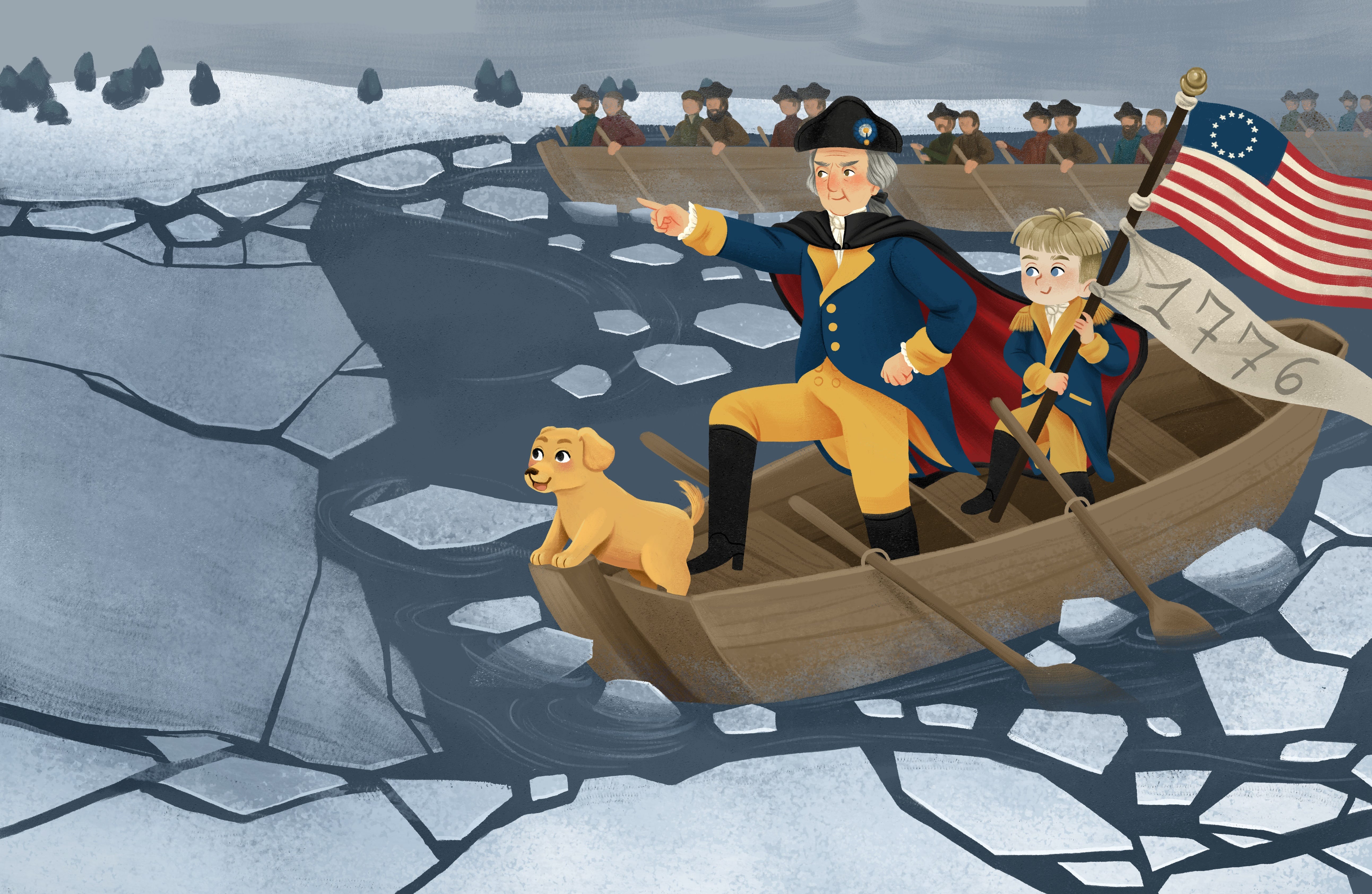
Monesi’s illustrations match the text’s tone perfectly—rich yet never fussy, historically evocative without descending into costume drama. Fireworks bloom across night skies, candlelight flickers in colonial taverns, and the icy Delaware glitters with menace and beauty. Historical figures are rendered with humanity: Washington looks resolute but kind; Franklin twinkles with curiosity; the boy’s wide eyes invite every young reader to imagine stepping into the frame. The recurring motif of the American flag, sometimes tattered, sometimes triumphant, gives the visual narrative a quiet emotional spine.
Good Night, Young American offers families a gentle yet substantive way to mark 2026. In an age when much children’s literature treats patriotism as a problem to be solved, Paul presents an unapologetic yet age-appropriate affirmation of the founding. She does not pretend the path was bloodless or that every promise was immediately kept; the cold, the hunger, and the long war are acknowledged. But she insists that the destination—a self-governing republic rooted in the conviction that liberty is a gift worth defending—was worth the cost.
That conviction, offered without irony or apology, is precisely what many parents will welcome as the nation turns 250.
When the boy finally whispers, “What a wonderful dream I have had… because I was there,” he models the imaginative leap that turns passive inheritance into active stewardship.
Good Night, Young American is more than a charming bedtime story. It is an invitation to raise a generation that knows not only the words of the National Anthem but the nights of courage that gave those words their meaning.
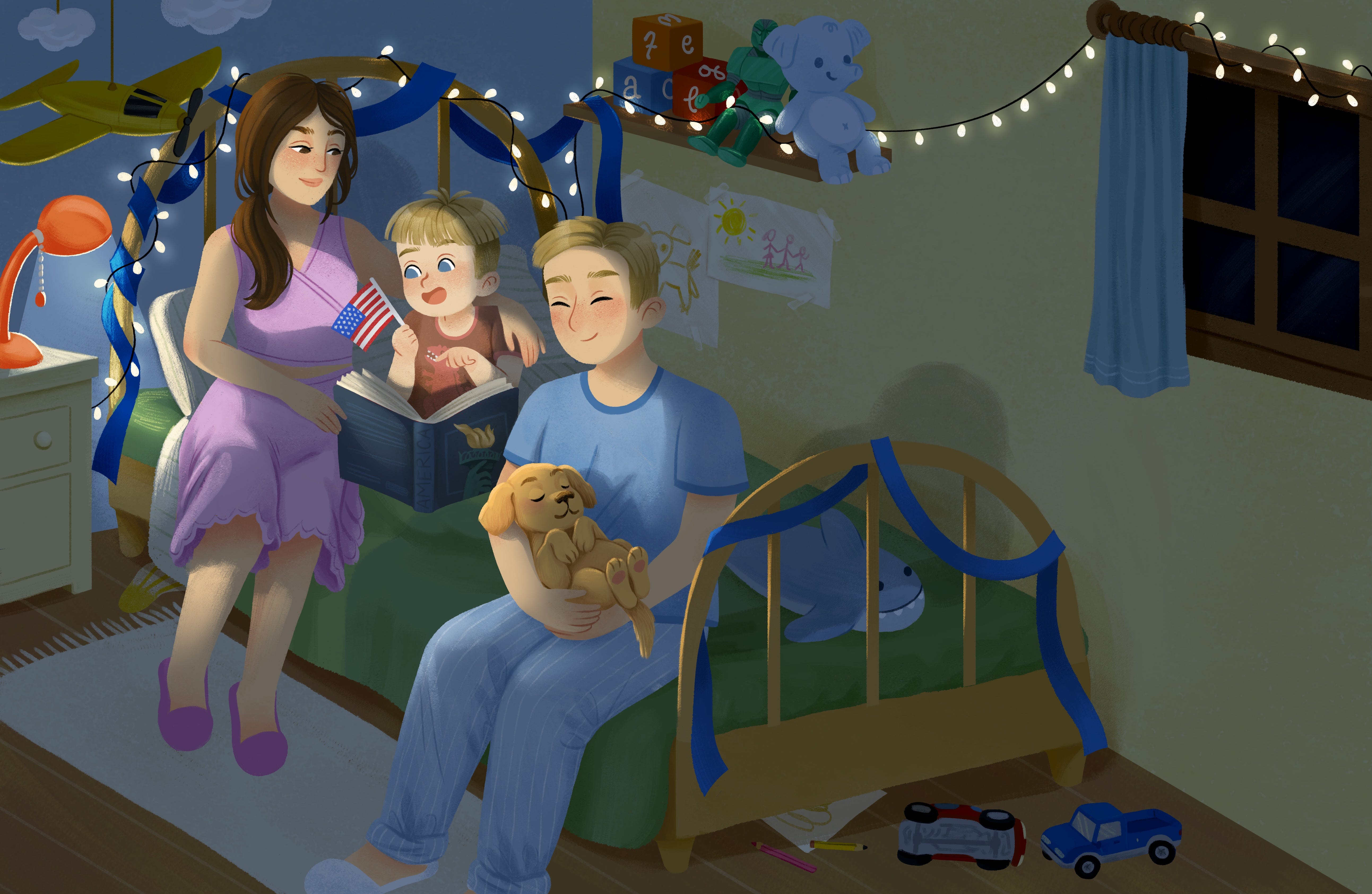
As we near July 4, this is the book to read aloud after the parades have ended and the sparklers have cooled off—when the house is quiet, the flag is folded for the night, and a child’s dreams are still forming.
[Good Night, Young American: A Bedtime Journey Through America’s Story, by Kelley Paul and illustrated by Marika Monesi, publishes July 2 by Regnery Kids. It’s available on Amazon in hardcover, for Kindle, and as an audiobook.]
Shop our merch store to support the MAHA Report and the MAHA movement.
All proceeds go to supporting the cause.
If my children or grandchildren were still young, this is a book I'd love to read to them.
I LOVE the idea of this. Reminds me of the Tuttle Twins 'America's History' book series. Hope it sells millions of copies.