


By The MAHA Report
Ultra-processed food was the focus of the April 1, 2026 MAHA Media Hub, which featured a clutch of experts, including food activist and author, Vani Hari; Senior Advisor in the Office of HHS Secretary, Calley Means; “The Knowledge Doc,” Dr. Eric Berg; and family medicine doctor and bestselling author, Dr. Cate Shanahan – among others.
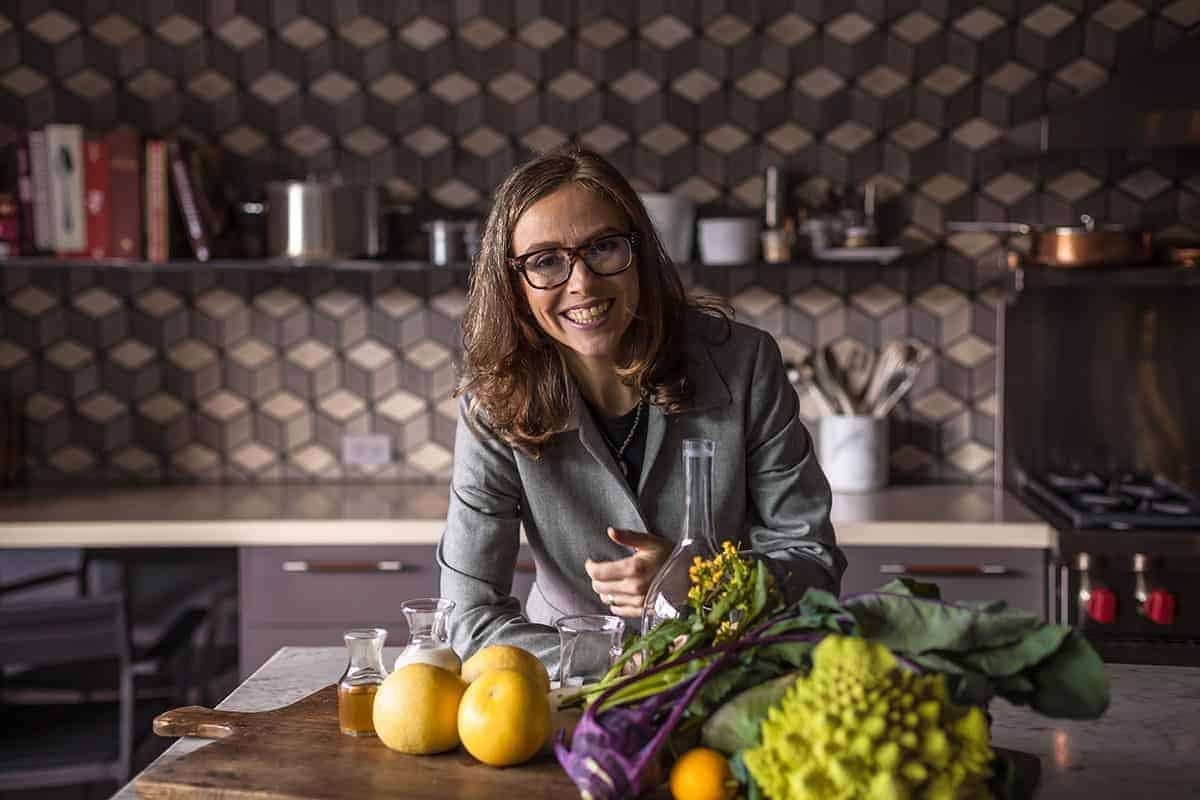
MAHA Action President, Tony Lyons, kicked things off by defining “ultra-processed” food as food that has been so heavily processed that it is almost devoid of nutrients. During his brief report, Means noted that HHS is now working on a comprehensive definition of “ultra-processed” that will help Americans make better decisions about what food to buy, and what foods to avoid.
A lot of the food that counts as “ultra-processed” contains seed oils, which have been identified by many nutrition experts as particularly harmful given their wide use in snack foods consumed by millions of Americans, and the evidence that they cause inflammation that often leads to chronic disease.
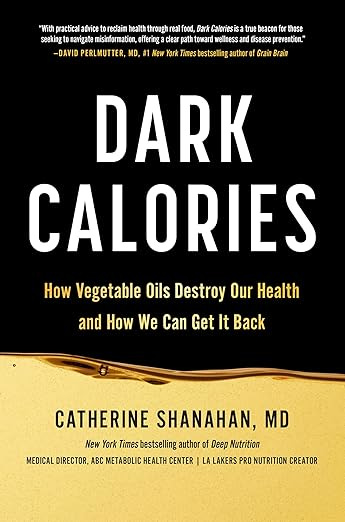
Dr. Shanahan spoke passionately about the dangers of what she has identified as the worst seed oils – “The Hateful Eight.” She’s the author, most recently, of Dark Calories: How Vegetable Oils Destroy Our Health and How We Can Get It Back.
As you’ll read in the transcription below, Dr. Shanahan’s calls out these harmful oils: corn oil, canola oil, cottonseed oil, soy, sunflower oil, safflower oil, rice bran oil and grape seed oil.
From the MAHA Media Hub, April 1, 2026 [edited lightly for clarity]
Tony Lyons: Next up, we have Dr. Cate Shanahan. She’s a board certified family medicine doctor, a former nutrition consultant for the LA Lakers and a New York Times bestselling author whose work has brought ancestral eating principles to millions and millions of people. Her research and her clinical insights have helped catalyze a growing movement towards seed-oil-free, real food nutrition. She’s currently launching an online course designed to help busy people master all the habits and the strategies of eating real food, unprocessed food, making it easy and affordable, and something that people can really manage day to day. So thanks so much, Cate, for all the work that you’re doing.
Cate Shanahan: Thank you so much for having me on. And it’s an honor to be on here with everybody else.
I’m here because as a child, as a young woman, as an athlete, I was suffering every day from the effects of processed food but I didn’t know it. My parents didn’t know it, my doctors didn’t. Nobody could help me. Nobody could explain why I kept getting injured. And it wasn’t until I got so seriously injured, after I’d gone to medical school, that I did something that was really hard that almost no doctors ever have to do. And that is to question the narrative. And I discovered that I’ve been lied to about saturated fat.
Now, why does this matter? Because we are talking about processed food. We are eating processed foods because of this lie about saturated fats. Well, you have to, if you think about it, when you take away saturated fat, you take away butter, you take away animal fats, you take away most animal products. These are fresh foods. When you take away easy, delicious, fresh foods that probably have some kind of a super high accelerator index, but they never test like fresh meat or hamburgers, I don’t think, against processed food. These foods are delicious. But, we were told, doctors learned that saturated fat is bad. Therefore, these delicious foods, we can’t eat them.
This chases us towards processed foods. And this process began, this process of scaring people away from real foods and chasing us towards processed foods, began so many generations ago that almost nobody is alive anymore who remembers that there was a time when doctors told people to drink whole milk and to eat butter. And I want everybody on this call to understand…if you take away nothing else, one thing from what I have to say, that is the worst of the worst of the processed food ingredients, are the seed oils.
I call them the hateful eight, because there’s eight of them. Corn, canola, cotton seed, soy, sunflower, safflower, rice bran, and grape seed. These are refined and they are unstable and they develop toxins in the bottles after they leave the factory that doctors and dieticians know nothing about. These toxins are so potent that they’re including things like aldehyde – so when people work with these toxins, they have to wear hazmat suits.
Seed oils are the worst thing in the food supply, partly because they are so ubiquitous. I work with people every day who also are suffering from the effects of processed food and don’t know it. And I have to tell them that they’ve been eating more seed oils than they realize, even if they don’t cook with them at home, because they are in 80% of the foods that we eat in the grocery store. Most people who aren’t consciously avoiding them are getting 20 to 30% of their total daily calories from seed oils. And they are not just in obvious processed foods or things that we know are unhealthy, right? We all know fried food is unhealthy. We all know sacks of chips are not healthy. Well, I’m here to tell you that the reason that they are so unhealthy is the seed oils. It’s not the salt. It’s not the potatoes and chips. It’s the seed oils and what they do to our bodies.
I’ve made understanding exactly what they do to our bodies the focus of my professional career. So far, I’ve filled up five books with how these oils and the other two main ingredients in processed foods – refined carbs and refined proteins were already called out. I write about how these things lead to specific diseases.
Just to give you an example: I recently broke a leg. And I have some help here now that I didn’t need before. And the young lady who was helping me, she is a go-getter. She is amazing. She is overqualified to do what she’s doing to help me. But she is being held back in her life and her career because she has a son who she loves that is autistic. And he needs so much of her care and so much of her time that she can’t work more than 24 hours a week.
This is preventable. I know the administration is looking for the cause [of autism]. Well, I’m here to tell you that an overlooked factor has been the seed oils. Seed oils have components, foods cooked in seed oils have components that are known neurotoxins. They are known genotoxins, they are known to cause birth defects. They are known to cause mutations and cancers. And because dieticians, physicians, and healthcare researchers believe that they’re the healthy alternative to animal fats, our entire, almost our entire nutrition research regimen so far has overlooked these oils as potential agents of disease.
And, in fact, the structural blind spots and biases around saturated fat have prevented seed oils from even being evaluated properly so that dieticians and doctors think that they have been evaluated and they think that medical science has tested them. But the fact is they have never been tested as independent variables.
In the past 30 years of medical research, which is most of what anybody in healthcare will be able to access and go back to. So the corn, canola, cotton seed, soy, sunflower, safflower, memorize those. Those are ingredients in your stores. That’s the first six. The last two – rice bran, grape seed. If you can get these out of your life, that is the most important step you can take to improving your health. You will notice a difference. And it’s not just because you’re cutting out processed food, it’s because these are toxins and it’s a shameful legacy of American medicine that we have not only not pointed these out, but that we’ve promoted them as heart healthy for generations.
Thank you very much.
For more on seed oils read, “The ‘Hateful Eight’ Seed Oils Most Americans Don’t Know – But Should”
Thank you for having Cate Shannihan on. She was my PCP for a short time. I’ve been off of seed oils for about 15 years now. Life changing.
Thank you Cate for joining the Maha movement. It was made for you!
Cholesterol is old news. Made up by the pharmaceutical industry to sell statins. Statins now are the leading prescribed drug. Your brain relies on cholesterol to function. Now we have alzemeimers and various other conditions related to inflammation, which is caused by seed oils. If you let your system run on saturated fat, it will function better. Wonder why? There plenty of research to support what I am talking about. Read Cate Shannihan's books for a start. But I still say, do what you want. See what happens. Not sure about your butt naked comment and spears.