

By Mike Richman, Special to The MAHA Report
Dr. Joel “Gator” Warsh shows signs of being a maverick.
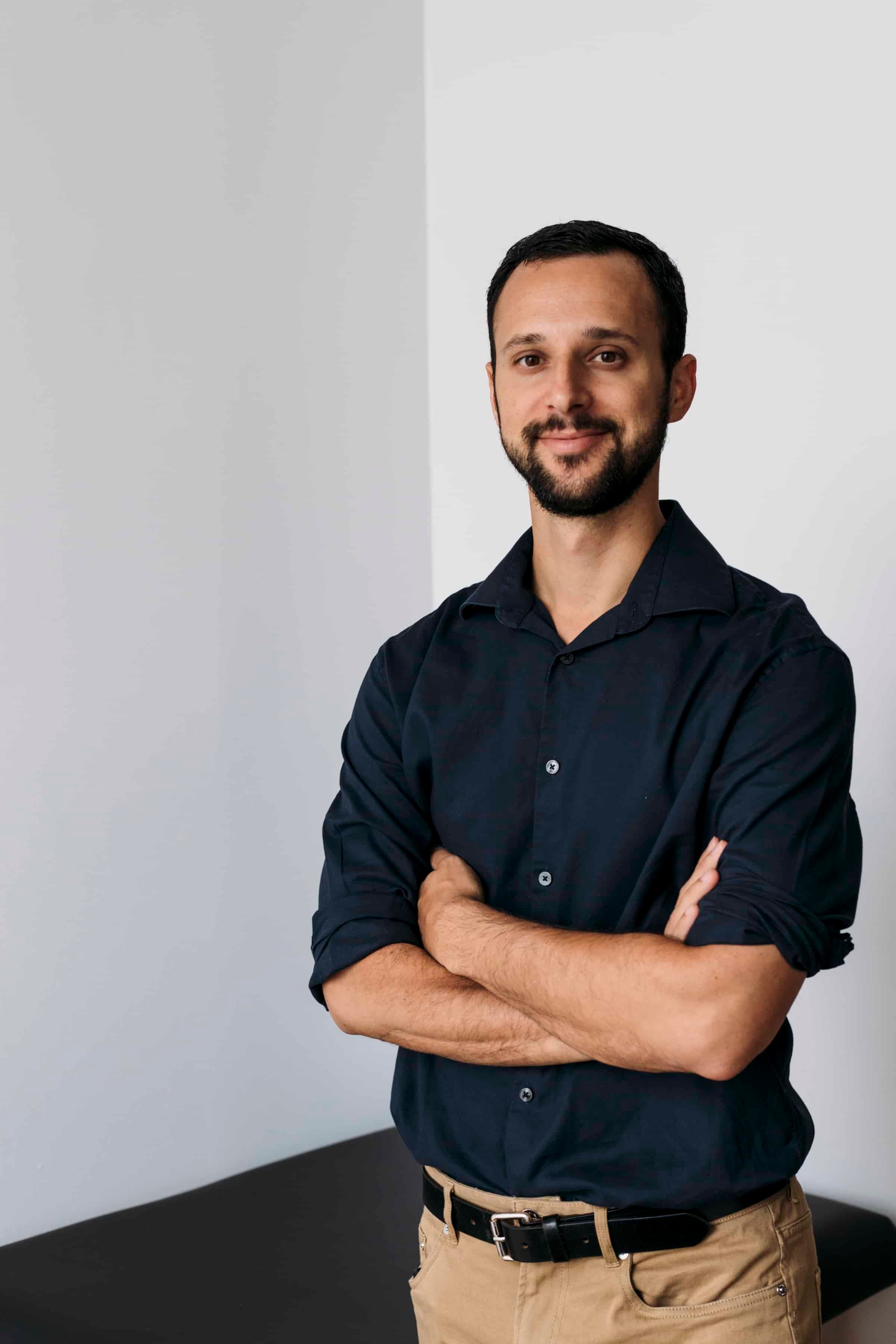
The Los Angeles-based pediatrician isn’t in lock step with the mainstream medical community’s approach of giving a vaccine to everyone just because it’s recommended by the CDC. A strong proponent of informed consent, he believes in educating parents on the pros and cons of vaccines and letting them decide if they want to proceed, instead of pressuring parents to vaccinate their kids, an approach that aligns with the MAHA mission.
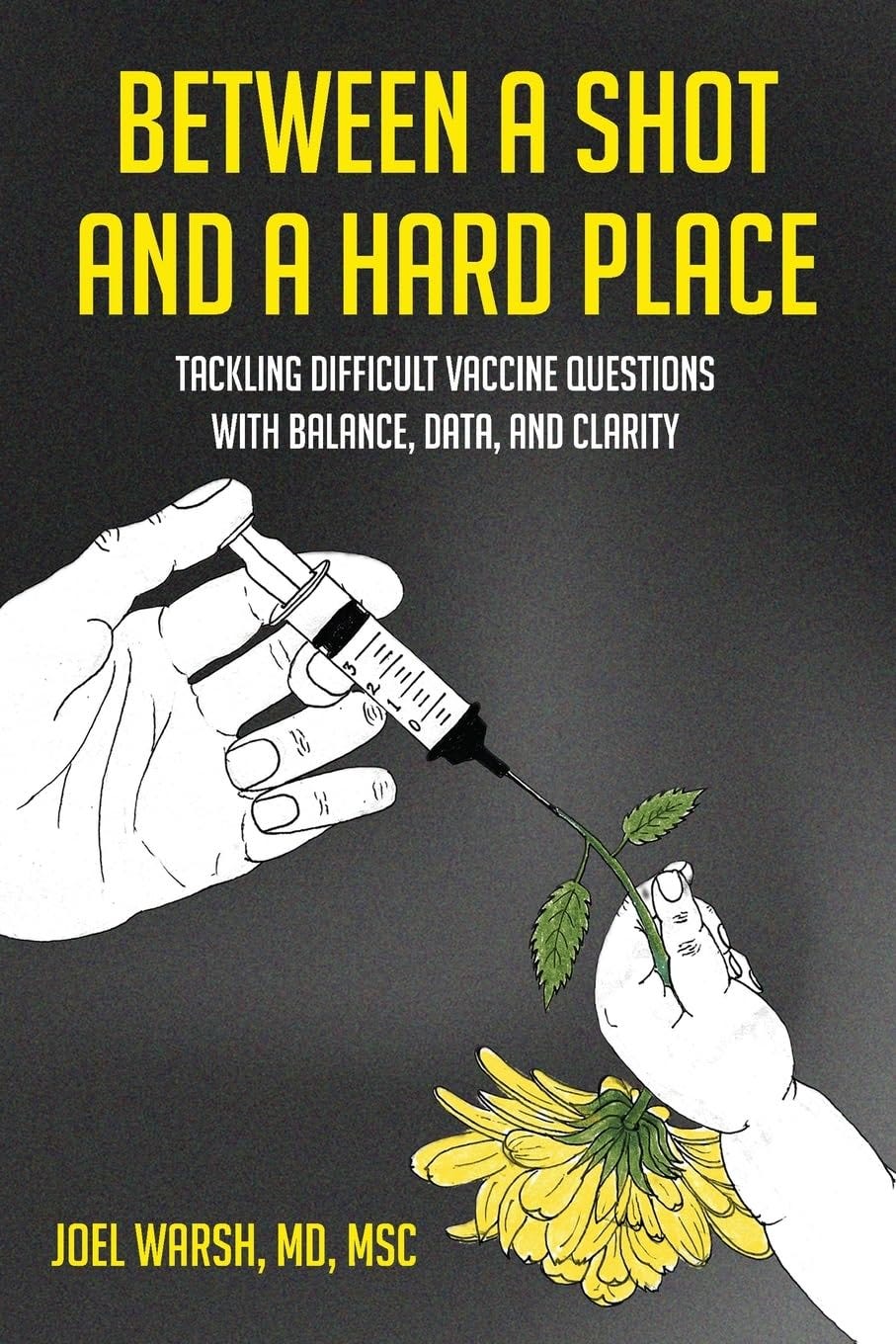
Warsh, who says he’s not “pro-vax” or “anti-vax,” considers himself to be in the mainstream. But he hasn’t hesitated to voice concerns about the potential dangers of vaccines, as he did in his 2025 book, Between a Shot and a Hard Place: Tackling Difficult Vaccine Questions with Balance, Data, and Clarity.
“I just want to see what’s best for my children and other people’s kids, and I’m just asking questions based on what I see,” he told The MAHA Report. “If that makes me a maverick, then so be it. We’re injecting kids with 20-plus vaccines in the first few years, and more and more people have questions. Many parents, thousands, maybe hundreds of thousands, have the same story of ‘my kid was fully healthy. I went to get a vaccine and that day or over the next few days everything changed.’ To me, that’s what we should be listening to. I don’t think every single one of those parents can be wrong. I know coincidences happen. But that seems like a lot of coincidences, and I feel like there are more vaccine injuries than we recognize.”
Doctors are supposed to follow informed consent for all procedures, but vaccine cases feel “slightly different,” Warsh says.
“A large majority of pediatricians are very dogmatic when it comes to vaccines,” he says. “And many practices require you to follow the CDC schedule, or they won’t accept you in the practice, or they’ll kick you out if you refuse. To me, that’s wrong. I feel like we shouldn’t be discriminating based on vaccine choices. We should be treating all kids. Most practices kick you out if you choose to politely decline, or even if you want to do an alternate schedule, which I think is unfortunate.”

Warsh, 42, has two decades of experience as a board-certified pediatrician. At the practice he founded in 2018—Integrative Pediatrics and Medicine—he specializes in vaccines, wellness, and integrative medicine. He’s published peer-reviewed research on childhood injuries, obesity, and physical activity and has been featured in many documentaries, films, podcasts, and media outlets.
Most patients in his practice vaccinate, with some doing a regular schedule and others a slow schedule. Some don’t vaccinate at all.
“Most of the information out there, anything you hear about vaccines, just tends to be so one-sided like, ‘vaccines are the best thing ever, and they can never cause a problem,’ or ‘vaccines are the worst thing ever, and you should never do it,’” he says. “I’m trying to bridge that and meet parents where they are. Most people are just scared and don’t know what to believe. I feel that doctors are a little bit more confident in vaccine research than maybe they should be. A lot more needs to be researched for doctors to be as confident as they tend to be about vaccines.”
Recently, Warsh was a guest speaker at a roundtable discussion focused on bringing to light the possible medical harms of vaccination and what can be done to tackle the massive epidemic of vaccine injuries. The MAHA Institute, a think tank aimed at fixing America’s health system, hosted the event in Washington, D.C.
At the roundtable, Warsh said one reason many mainstream pediatricians may not fully acknowledge vaccine injury is the lack of effort to adequately track and study it, making it hard to understand how common it may be or whether there are links to chronic disease. He also noted that many clinicians have not reviewed the primary literature on vaccine injury.

He referenced, for example, a 2020 study by the Henry Ford Health system in Detroit that followed more than 18,000 children born between 2000 and 2016. The researchers reported that vaccinated children were at least 2 ½ times more likely to develop chronic health conditions than unvaccinated kids. The study, which was not peer reviewed or published, is considered one of the most important of its kind.
Warsh believes the lack of a randomized controlled trial comparing vaccinated to unvaccinated children is the “gigantic elephant in the room.”
“Where are the studies using inert placebos as controls?” he wrote in his book. “Where are the studies that show giving multiple and a rising number of vaccines simultaneously is safe?”
Warsh would love to be on a team pursuing a long-term prospective trial on vaccine safety.
“That type of study would be the most important thing to be done in vaccine science,” he says. “I don’t know how easy it would be to get into a main journal. But if we could run a vaccinated versus unvaccinated study and people could come together to do it, especially around autism, it would be so important. I have pitched the idea before to do it, but people are very concerned it’s so expensive and that the idea will be dismissed.”

A native of Toronto, Warsh earned a master’s degree in epidemiology before completing medical school at Thomas Jefferson Medical College in Philadelphia. He trained in pediatrics at Children’s Hospital in Los Angeles and practiced in Beverly Hills, then opened Integrative Pediatrics and Medicine.
Because of his concentration on integrative medicine—which combines conventional approaches such as drugs and surgery with complementary therapies like exercise and proper nutrition—he’s learned that parents who come to his office have a lot more questions about vaccines, often because they’ve read more about them. At first, he didn’t have all the answers but began diving into research about the potential dangers of vaccines with a burgeoning curiosity.
But the Covid era, when pharmaceutical companies declared their vaccines to be “safe and effective” without definitive studies, served in his mind as the “gasoline that lit the fire,” he says.
“That pushed me and a lot of others to start asking, ‘If they’re lying about this, what else might they be lying about when it comes to vaccines,’” he says. “For me, a lack of trust was certainly building before the pandemic. But that was the final straw that pushed me much deeper into the discussion and feeling like I want to be involved.”
Just like frustration built in him because of the Covid messaging, he takes issue with mainstream medicine where, in his view, everything is about supporting more vaccines instead of focusing on overall health.
“My job as a physician should not be pushing people to get more vaccines,” he says. “It should be to help people to get as healthy as possible. That should be 1,000 vaccines or zero vaccines, whatever the research shows. But it seems today everything is focused on more vaccines and vaccine efficacy, not about vaccine safety. Both things are important and both things can be true. The vaccine that can protect you can also cause harm. There’s no reason you can’t have honest conversations about that.”
When Dr. Gator calls for comparing vaccinated and unvaccinated kids, is he aware they already exist? Watching the "Inconvenient Truth" documentary about the Henry Ford study is all he should need to stop sitting on the fence and calling for more studies...
There have been plenty of studies performed comparing the long-term and general health of vaccinated versus unvaccinated children. The problem is that "the authorities" and "the powers-that-be" choose to ignore them or actively deny them because they don't like the results: unvaccinated children are far healthier than vaccinated children.